Best Crappie Holes on the Fox River
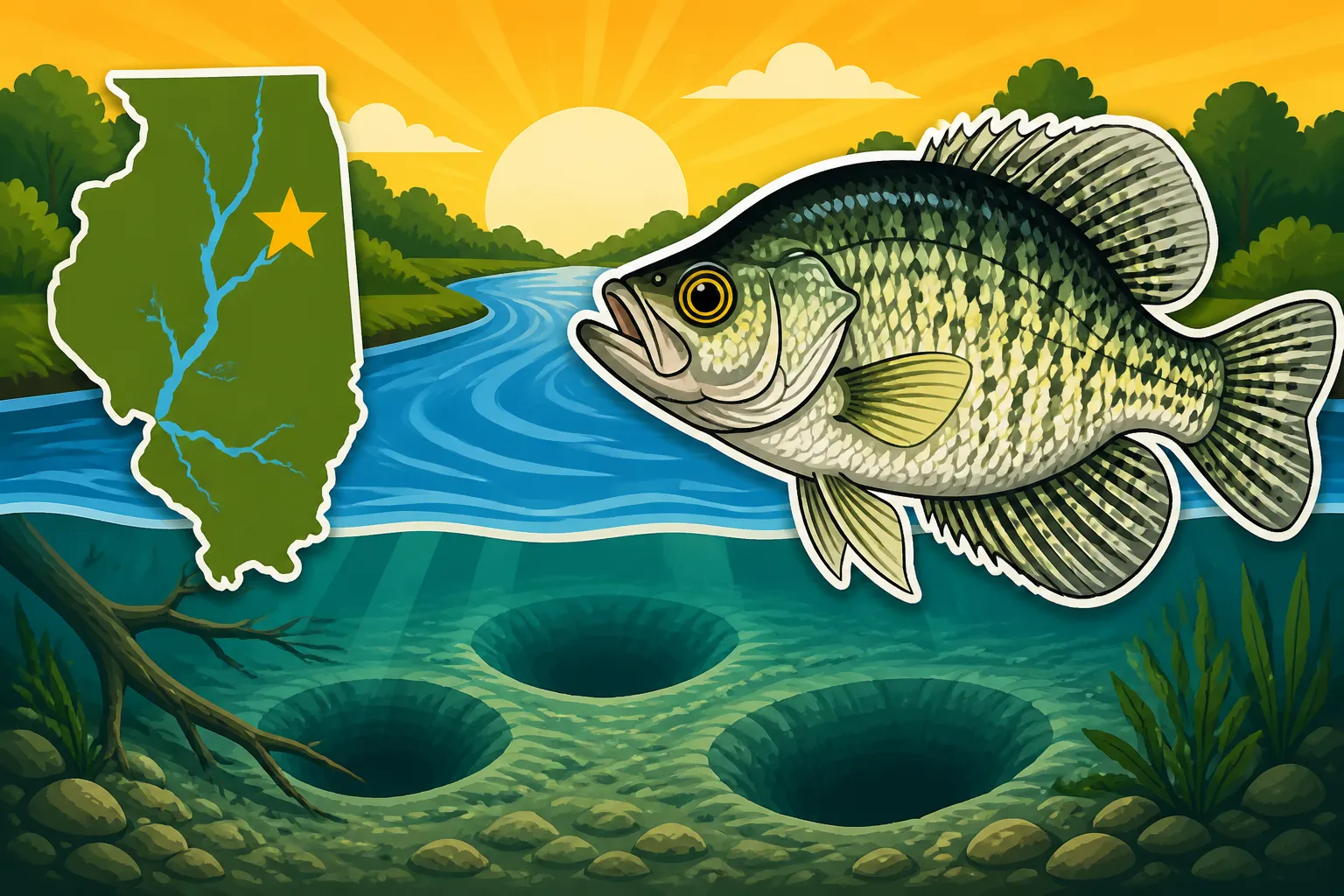
One of the biggest frustrations for crappie anglers on a river as diverse and extensive as the Fox River in Illinois is pinpointing those sweet spots, those hidden "crappie holes" where you can consistently find fish. It’s easy to get overwhelmed by the sheer size of the river, the varying depths, currents, and structures. This guide is dedicated to cutting through that noise, offering detailed insights into where and how to find the best crappie fishing on the Fox River, ensuring your next trip is more fruitful and less frustrating.
Understanding the Fox River's Crappie Appeal
The Fox River, flowing for over 200 miles through Wisconsin and Illinois before joining the Illinois River, is a truly remarkable fishery. It’s not a uniform river; it changes character dramatically from its northern reaches in the Chain O'Lakes area down through the urban corridors of Elgin and Aurora, and then into more rural stretches. This diversity, while sometimes challenging, is precisely what makes it so appealing for crappie, as it offers a vast array of habitats.
River Diversity and Structure
The Fox River is a dynamic system, featuring a mix of deep pools, shallow flats, current breaks, rocky bottoms, and extensive weed beds. These varied structures are key to finding crappie, as these fish are highly dependent on cover for ambush points and protection from predators. In the wider, lake-like sections, especially within the Chain O'Lakes, you'll find expansive areas of submerged vegetation, docks, and bridge pilings. Further south, the river narrows, currents become more pronounced around dams, and crappie will often stack up in slower-moving pockets or behind wing dams. This constant change means you need to adapt your approach, but it also means there's always a new "hole" to discover.
Many anglers might think of lakes first when they think of crappie, but the river system provides unique challenges and rewards. The moving water can concentrate baitfish and, consequently, crappie, into specific areas. Look for structures that break the current – fallen trees, bridge abutments, large rocks, or even subtle changes in bottom contour. These aren't just good for finding active fish; they also provide critical wintering and spawning habitat. If you're planning a trip and want the inside scoop on where local guides are finding fish, sites like FishingBooker can sometimes offer insights from experienced captains who spend their lives on these waters. Understanding these nuances is crucial, as the best crappie fishing often depends on recognizing how different river sections provide varying conditions.
Seasonal Patterns for Crappie
Crappie behavior on the Fox River, much like any other waterway, is heavily influenced by the seasons. Knowing these patterns is half the battle when trying to locate those prime crappie holes.
In spring, particularly when water temperatures climb into the 50s and 60s, crappie move into shallower, warmer waters to spawn. This is arguably the easiest time to locate them, as they concentrate in predictable areas. Look for bays, coves, and backwater areas that warm up quickly, especially those with reeds, submerged brush, or old docks. The period just before the full spawn, known as the pre-spawn, can offer some of the most aggressive biting as they feed heavily. Check out our detailed guide on the Illinois Crappie Spawn Season Guide for more in-depth timing.
Summer sees crappie retreat to deeper, cooler waters, often suspending over structure or near thermoclines in the larger pool sections. They might be found around deep bridge pilings, submerged timber, or the edges of dense weed beds. Dawn and dusk are often the most productive times, as they move shallower to feed. Night fishing can also be surprisingly effective in summer.
Fall brings another resurgence in crappie activity as they feed aggressively in preparation for winter. They often move back into shallower areas, especially around channel swings, submerged points, and the edges of dying weed beds. This is a fantastic time for finding schooling crappie, sometimes in very large numbers.
Winter, particularly during ice fishing season, sees crappie holding in deep holes, channel bends, or near significant structure in the Chain O'Lakes and larger river pools. They tend to school tightly, so once you find one, you're likely to find many.
Prime Crappie Hotspots Along the Fox River
The Fox River offers a variety of locations that consistently produce crappie. Knowing where to start looking can save you a lot of time and greatly increase your chances of success.
The Chain O'Lakes Region's Crappie Hub
The northernmost section of the Fox River in Illinois is dominated by the Chain O'Lakes, a series of 15 interconnected lakes, offering some of the state's best crappie fishing. This area is a true crappie factory, particularly for white crappie and black crappie.
- Lake Marie and Grass Lake: These two lakes, part of the Chain, are renowned for their crappie populations. They feature extensive shallow flats with abundant weed growth, especially milfoil and coontail. During the spring spawn, crappie push into these dense weeds. Look for pockets within the weed lines, areas around fallen trees, or shallow docks. In summer, they'll often suspend over the deeper basins or along the edges of the main channels. A good strategy here is to drift slowly with small jigs or minnows, covering water until you locate a school. If you're a boat angler, the access points around Antioch and Fox Lake are plentiful.
- Fox Lake and Pistakee Lake: These are larger, deeper lakes within the Chain, offering different opportunities. Fox Lake has excellent crappie potential, especially around its numerous docks and bridge pilings (like the bridge connecting Fox Lake and Pistakee). Pistakee, being one of the largest, offers vast areas of submerged structure. Focus on channel edges, deep weed lines, and any underwater humps or islands. The key here is electronics; a good fish finder can help you locate schools suspending in open water or clinging to deeper structures. Local guides listed on platforms like FishingBooker often specialize in navigating these complex lake systems and can point you to seasonal hotspots. For more general insights into the region, consider checking out our main Fox River Fishing Guide in Illinois.
Urban and Suburban Stretch Opportunities
As the Fox River flows south, it passes through several urban and suburban areas like Algonquin, Elgin, St. Charles, Geneva, and Aurora. While these areas are more developed, they still offer fantastic crappie fishing, often from easily accessible shorelines or public parks.
- Dam Areas and Tailwaters: The dams along the Fox River—such as those in Algonquin, Elgin, St. Charles, Geneva, and Aurora—create excellent current breaks and deep pools in their tailwater sections. Crappie often congregate here, particularly in the eddies and slower-moving water downstream of the dams, feeding on disoriented baitfish. However, exercise extreme caution near dams due to dangerous currents, and always respect posted safety zones. Shore anglers can find good success by casting small jigs or slip bobber rigs into these calmer pockets.
- Bridge Pilings and Deep Water Parks: Bridges in urban areas are magnets for crappie. The bridge pilings themselves provide vertical structure, and the shadows they cast offer cover. Look for the bridges in Elgin, like the Kimball Street Bridge, or other crossings in St. Charles and Geneva. Many public parks along the river, such as Brunner Family Forest Preserve near Elgin or Fabyan Forest Preserve in Geneva, offer excellent bank access to deeper river bends, old submerged structures, and areas where crappie might hold. Small jigs tipped with a minnow or soft plastic are often irresistible to these fish.
Downstream Sections and Backwater Pockets
Further south, past Aurora and into more rural areas towards Oswego and Yorkville, the Fox River begins to widen again, offering different types of crappie habitat, including backwater areas and oxbow lakes.
- Slower River Bends and Oxbows: In the lower stretches, the river meanders more, creating slower river bends and occasional oxbow lakes or permanent backwater pockets. These areas, particularly those with plenty of submerged timber, laydowns, or dense aquatic vegetation, are classic crappie hideouts. The lack of strong current makes them ideal for crappie to feed and spawn. Access might be more limited to boat or kayak, but these spots can be goldmines. Our guide on How to Catch Crappie From a Boat can provide tips for navigating these areas.
- Rock Piles and Channel Edges: As the river approaches its confluence with the Illinois River, you'll find more pronounced channel edges and rock piles, particularly near the main river channel. Crappie will use these features as current breaks and ambush points. Using a sensitive rod to feel for these subtle bottom changes can be very effective. Vertical jigging or slowly dragging a minnow rig can entice bites from suspended crappie holding tight to these structures. Always consult the Illinois Fishing Regulations Overview for site-specific rules that might apply to these boundary water areas.
Here's a quick comparison of some prime Fox River crappie spots:
| Location | Key Features | Best Season | Primary Species | Access Type |
|---|---|---|---|---|
| Lake Marie/Grass Lake (Chain O'Lakes) | Extensive shallow weeds, docks, spring spawning bays | Spring, Fall | White, Black Crappie | Boat, Shore (limited) |
| Fox Lake/Pistakee Lake (Chain O'Lakes) | Deeper basins, bridge pilings, channel edges, submerged structure | All seasons | White, Black Crappie | Boat |
| Elgin/St. Charles Dam Tailwaters | Current breaks, deep pools, eddies below dams | Spring, Fall | White Crappie | Shore |
| Fabyan Forest Preserve (Geneva) | Bank access to deeper bends, submerged structures, public parks | Spring, Fall | White Crappie | Shore |
| Oswego/Yorkville River Bends | Slower currents, oxbows, laydowns, channel edges, rock piles | All seasons | White, Black Crappie | Boat, Kayak, Shore |
Effective Crappie Fishing Strategies for the Fox River
Once you've identified a promising crappie hole, the next step is to employ the right techniques and bait. Crappie aren't usually picky eaters, but presenting your offering correctly makes all the difference, especially in a dynamic river environment.
Jigging and Bobber Fishing Tactics
These two techniques are arguably the most effective for crappie on the Fox River, whether you're fishing from the bank or a boat.
- Vertical Jigging: This is deadly when crappie are schooled tightly, especially in deeper water or around vertical structure like bridge pilings and submerged timber. Use a sensitive ultralight or light action rod (5-7 feet) with 4-6 lb test line. Drop a small jig (1/32 to 1/8 oz) straight down to the depth where you're seeing fish on your electronics or where you suspect them to be. A slow, subtle jigging motion is usually best, just enough to make the lure "dance" without imparting too much aggressive action. Small soft plastic grubs, tubes, or hair jigs are excellent choices. This method is particularly effective for those suspended fish you might mark on your fish finder, which can be elusive otherwise. If you're new to this, our guide on Crappie Jigging Techniques offers more specific details.
- Slip Bobber Fishing: When crappie are scattered or holding at a specific depth in shallower water or over weed beds, a slip bobber rig is invaluable. It allows you to present a bait at a precise depth, which is crucial for crappie that often feed within a narrow water column. Thread your line through a slip bobber, tie on a small jig or hook, add a split shot or two, and set your bobber stop to the desired depth. This setup works wonderfully with live minnows, small plastics, or even a tiny jig. Cast it near cover, let it sit, and watch for that bobber to dip! This is often the preferred method when you're targeting crappie near docks or fallen trees where precision casting is needed. Our resource on How to Catch Crappie From the Bank often highlights bobber fishing as a primary method.
Bait Selection for Fox River Crappie
Crappie are primarily piscivorous (fish-eating), but they also consume insects and crustaceans. Your bait choice should reflect this diet, and often, simplicity is key.
- Live Minnows: You simply can't beat live minnows for crappie. They are natural food, and the scent and movement are often irresistible. Hook them lightly through the lips or just behind the dorsal fin on a small (size 4-8) hook under a bobber, or as a trailer on a jig. They are especially effective when fish are less active or when you're trying to entice larger crappie. While many local bait shops will have them, always ensure your minnows are healthy and lively.
- Small Jigs and Soft Plastics: These are incredibly versatile and allow for various presentations.
- Plastic Tubes and Grubs: Tiny (1-2 inch) tube baits or curly-tail grubs on a 1/32 to 1/8 oz jig head are crappie magnets. Experiment with colors; chartreuse, white, black, and motor oil are perennial favorites. On the Fox River, where water clarity can vary, sometimes bright colors work best, and other times more natural hues are preferred. Our guide on Best Crappie Jig Colors for Stained Water can offer more specific advice.
- Hair Jigs and Marabou Jigs: These old-school lures still outperform many modern plastics. Their natural breathing action in the water is incredibly alluring. Again, small sizes are key, and a slow, methodical retrieve or vertical jigging motion is best.
- Crappie Nibblers/Scented Baits: When the bite is tough, tipping your jig with a small piece of Gulp! or a crappie nibbler can provide just enough scent and visual appeal to trigger a strike. These are also excellent for kids or beginners as they offer a prolonged scent trail.
Reading the Water and Current
The Fox River is, after all, a river, and understanding how current affects crappie is crucial for finding those holes. Crappie, like most fish, prefer to expend as little energy as possible while still having access to food.
- Current Breaks: Always look for anything that breaks the main current. This could be a submerged log, a large rock, a bridge piling, a point of land jutting into the river, or even a subtle eddy behind a fallen tree. Crappie will sit in these calmer spots, waiting for food to be washed past them by the current. Casting your lure just upstream of a current break and letting it drift into the slack water is often a productive technique.
- Depth Changes: Crappie often relate to changes in depth, whether it's a sudden drop-off into a deeper channel or a gradual slope. These areas offer them quick access to different temperature zones and depths, and they also serve as migration routes. Use your electronics or a weighted line to map out the bottom contours. In winter, crappie often hold in the deepest holes, while in spring, they'll be found on shallow flats adjacent to those deeper channels.
- Water Clarity: The Fox River's clarity can vary greatly, especially after heavy rains. In stained or muddy water, crappie often move tighter to cover, and brighter baits or those with more vibration might be more effective. In clearer water, a more natural presentation and subtle colors are usually best. Understanding the relationship between water temperature and fish activity can also greatly improve your success.
Essential Tips for a Successful Fox River Crappie Trip
Beyond knowing the spots and techniques, there are a few practical considerations that can make your crappie fishing trip on the Fox River more enjoyable and successful.
Navigating Regulations and Licenses
Before you even wet a line, it's paramount to ensure you're compliant with Illinois state regulations. The Illinois Department of Natural Resources (IDNR) sets rules that apply statewide, but also has site-specific regulations for many bodies of water, including sections of the Fox River.
- Fishing License: Anyone aged 16 or older needs an Illinois fishing license. You can purchase these online, at IDNR offices, or from most bait and tackle shops. Be sure to get the correct type of license, whether it's an annual, 24-hour, or non-resident permit. For all the details, you can consult our comprehensive Illinois Fishing License Guide for 2026. Always carry proof of your license while fishing, either a physical copy or a digital version on your phone.
- Size and Creel Limits: Crappie in Illinois typically have a daily creel (catch) limit of 15 fish. However, some specific lakes or river sections may have length limits (e.g., "no crappie under 10 inches") or different daily limits. Always check the current Illinois Fishing Information Guide for the specific section of the Fox River you plan to fish. These guides are usually available for free wherever licenses are sold, or can be downloaded from the IDNR website. Ignoring these rules can lead to hefty fines, so it's best to be informed.
Seasonal Timing and Weather Impact
While we touched on seasonal patterns earlier, understanding how shorter-term weather changes impact crappie on the Fox River can fine-tune your approach.
- Best Time of Day: Generally, crappie are most active during low-light periods – dawn and dusk. These are excellent times to target them, especially in shallower water. On bright, sunny days, they tend to retreat to deeper water or dense cover. Overcast days can extend the productive fishing window into midday. If you're wondering about specific times, our article on Best Time of Day to Catch Crappie has more insights.
- Weather Fronts: Like most fish, crappie can be sensitive to passing weather fronts. Before a cold front, they often feed aggressively, offering a great bite. After a cold front, they tend to become sluggish and move deeper, making them harder to catch. High-pressure systems often lead to tougher fishing, while stable, mild weather or approaching low-pressure systems can spur them into activity. Keep an eye on the forecast, not just for your comfort, but for the fish's behavior too!
- Water Levels and Flow: Since the Fox River is a river, its water levels and flow rates can fluctuate significantly, especially after heavy rains or due to dam operations. High, fast-moving water can make fishing challenging, as crappie will often move out of the main current into very slack water or flooded backwaters. Conversely, stable or gradually falling water levels often lead to more predictable fishing. Online resources, like USGS water data, can provide real-time river flow information, which can be invaluable for planning your trip.
The Fox River is a treasure trove for crappie anglers in Illinois, offering diverse environments and consistent action if you know where to look and what strategies to employ. From the extensive Chain O'Lakes to the urban riverfronts and quieter downstream bends, there's a crappie hole waiting for you. Good luck out there, and tight lines!
Disclaimer
Fishing conditions and regulations in Illinois are subject to change. Always consult the latest Illinois Department of Natural Resources (IDNR) fishing guide and local regulations before heading out on the water. This guide is for informational purposes only and does not constitute official legal or safety advice.