Bank Fishing Techniques
There’s something truly special about bank fishing, isn't there? You don't need a fancy boat or expensive electronics to feel that thrill when your line tightens. For many of us, it’s the most accessible way to enjoy the peace and excitement of Illinois's incredible waterways. But let's be real, it's not always as simple as just casting a line from shore. Knowing the right techniques and having the right mindset can turn a frustrating day into a memorable one. This guide is all about giving you the insights to master bank fishing, no matter where you cast your line in the Prairie State.
Why Bank Fishing is So Popular and Challenging in Illinois
Bank fishing holds a unique charm for anglers of all skill levels, from seasoned veterans looking for a quiet escape to families introducing their kids to the sport. It's often the entry point for many, yet it presents its own distinct set of challenges that can make or break a day on the water.
The Allure of Accessible Angling
The primary reason so many Illinoisans flock to the banks is sheer accessibility. You don’t need to worry about boat ramps, fuel costs, or the hassle of trailering a vessel. Just grab your rod and tackle box, and you're ready to go. This convenience makes spontaneous fishing trips a reality – a quick stop at a local pond after work, or a leisurely afternoon at a state park. For families, it’s often the most straightforward and budget-friendly way to enjoy the outdoors. Imagine packing a picnic, finding a nice shaded spot along a lake, and spending quality time teaching your kids how to teach a kid to fish for panfish. There’s a certain freedom in not being tied to a boat, allowing you to explore various shorelines, walk along riverbanks, and discover hidden coves that boats might miss. Plus, for many, there's a deep satisfaction in outsmarting fish from a fixed position, relying purely on skill and strategy rather than technology.
Overcoming Bankside Obstacles
While bank fishing offers incredible freedom, it also comes with its unique set of frustrations. The most obvious challenge is limited casting range. You can’t chase schools of fish across a vast lake, nor can you easily reach those enticing submerged structures in the middle of a reservoir. This means you have to be extra strategic about your cast placement and presentation. Another hurdle is navigating the actual terrain. Steep, muddy, or heavily vegetated banks can make reaching prime fishing spots difficult, or even dangerous. Many anglers find themselves battling thorny bushes or overgrown weeds just to get a good casting lane. Then there’s the issue of depth – finding where the fish are holding without the aid of a fish finder. Are they hugging the shallow weeds, or are they out in a drop-off just out of casting reach? Lastly, popular bank fishing spots, especially near cities like Chicago, can get crowded, leading to tangled lines, noise, and reduced chances of a bite. It really makes you appreciate those remote spots Illinois anglers keep quiet about.
Essential Gear for Successful Bank Fishing
Don't let the simplicity of bank fishing fool you; having the right gear can significantly improve your chances and make your experience much more enjoyable. You don't need to break the bank, but a few key items will serve you well.
Rods, Reels, and Line for Shore Anglers
For bank fishing, versatility is key. You'll want a rod and reel combo that can handle a variety of situations, from casting lighter baits for panfish to muscling in a feisty bass or catfish. A medium-action spinning rod, about 6.5 to 7.5 feet long, is a fantastic all-around choice. This length provides good casting distance without being unwieldy in tight spaces along the bank. Pair it with a reliable spinning reel in the 2500-4000 series. When it comes to fishing line, a good quality monofilament or fluorocarbon line in the 8-12 pound test range is generally sufficient for most Illinois species you'll encounter from shore. Monofilament is forgiving, offers good knot strength, and floats, making it ideal for bobber fishing. Fluorocarbon is nearly invisible underwater and has less stretch, which can be beneficial when you need more sensitivity to detect subtle bites. For those targeting larger catfish or muskie from the bank, stepping up to a heavy-duty baitcasting setup with braided line might be necessary, but for general bank fishing, a medium spinning setup from a reputable brand you can find on Amazon will cover most of your bases.
Tackle Box Essentials for Bank Anglers
A well-organized, compact tackle box is your best friend when bank fishing. You want to be prepared without lugging around excessive weight. Here’s a basic checklist of what every Illinois bank angler should consider packing:
- Hooks: A variety of sizes, from small Aberdeen hooks for panfish (size 8-12) to larger circle hooks or J-hooks for catfish (size 1/0-5/0).
- Sinkers: Split shots for light presentations, and egg or bullet sinkers (1/4 oz to 1 oz) for bottom fishing or casting further.
- Bobbers: Slip bobbers for adjustable depth and fixed bobbers for shallow water.
- Swivels and Snaps: To prevent line twist and easily change lures.
- Lures: A small assortment of go-to lures. Think spinnerbaits, soft plastic worms, crankbaits, and perhaps a few inline spinners or jigs. These are often inexpensive and effective for multiple species.
- Pliers/Forceps: Essential for removing hooks safely from fish and for cutting line.
- Line Clippers: Small, sharp clippers are more efficient than using your teeth.
- First-Aid Kit: A small kit for minor cuts, scrapes, or hook pricks. You never know when you might need it.
Having a tackle box that’s easy to carry, like one of those multi-tray models or even a simple satchel you can find on Amazon, makes a huge difference. You can find some excellent deals on pre-made tackle box essentials online to get you started.
Comfort and Safety Gear
Bank fishing might seem low-risk, but preparing for comfort and safety is just as important as your fishing tackle. You'll likely be spending hours outdoors, so consider these items:
- Portable Chair: A lightweight folding chair makes a world of difference when waiting for a bite.
- Cooler: For drinks, snacks, and keeping your catch fresh.
- Sun Protection: Sunscreen, a wide-brimmed hat, and sunglasses are non-negotiable, especially during bright Illinois summers.
- Insect Repellent: Mosquitos and ticks can be relentless, particularly near stagnant water or in wooded areas.
- Proper Footwear: Closed-toe shoes with good grip are crucial for navigating uneven or slippery banks. If you plan on wading, even shallowly, waterproof boots are a game changer.
- Headlamp or Flashlight: If you're out near dusk or plan on some night fishing techniques.
- Small Net: To safely land fish without straining your line or getting your hands too close to sharp fins.
- Water Bottle: Staying hydrated is incredibly important, especially on warm days.
Remember, always be aware of your surroundings, especially if you're fishing near busy roads, steep banks, or in areas with wildlife. If you’re fishing from a pier or anywhere with deep water access, carrying a throwable PFD might not be a bad idea, even if it's not strictly required by Illinois Life Jacket and PFD Rules when you're not in a boat.
Mastering Common Bank Fishing Techniques for Various Species
Bank fishing requires adaptability. Different fish species respond to different presentations, and understanding these techniques will help you maximize your success from shore.
Bobber Fishing for Panfish and Catfish
Bobber fishing is perhaps the most classic and straightforward bank fishing technique, making it perfect for beginners and a staple for catching panfish and smaller catfish.
The beauty of bobber fishing lies in its simplicity. You attach a bobber to your line, usually a foot or two above your hook (or more, if using a slip bobber to reach deeper water). This suspends your bait at a desired depth and gives you a clear visual indicator when a fish bites – the bobber dips or moves.
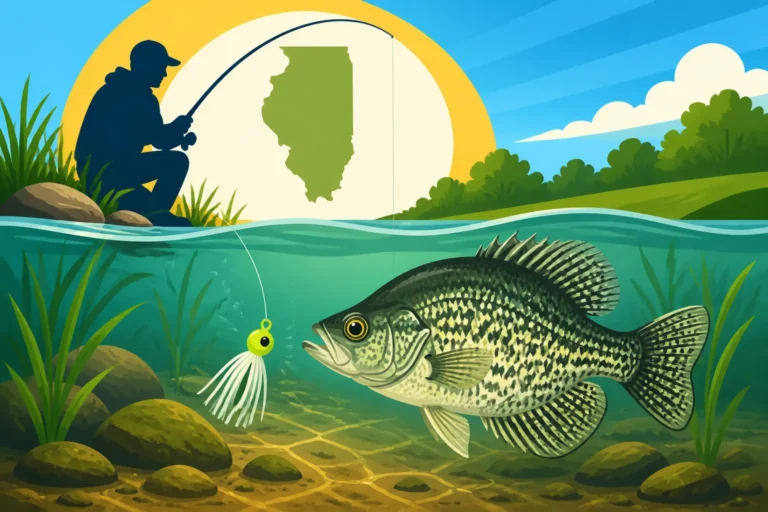
For panfish like bluegill and crappie, small hooks (size 8-12) with a tiny split shot or two are ideal. Live baits such as wax worms, red worms, crickets, or even small pieces of corn are incredibly effective. Cast your setup near weed lines, submerged logs, or any visible structure. These areas provide cover and food for panfish. When fishing for crappie, especially during their spring spawn, setting your bait just above or in submerged brush piles can be deadly. You can find more tips on best bait for crappie fishing to really dial in your approach.
Smaller channel catfish will also readily take a bobber-fished worm or piece of cut bait. For these, use a slightly larger hook (size 4-1/0) and a sturdier bobber. Look for them in slower-moving water near the bank or in slightly deeper holes. This technique is incredibly effective for introducing kids to fishing, as it's easy to understand and often yields quick results, sparking that lifelong love for the sport.
Bottom Fishing for Catfish and Walleye
When targeting fish that prefer to feed on the bottom, or when you need to cast further into deeper water, bottom fishing is your go-to method. This technique involves using a heavier sinker to get your bait down and keep it there, allowing current or gravity to do its work.
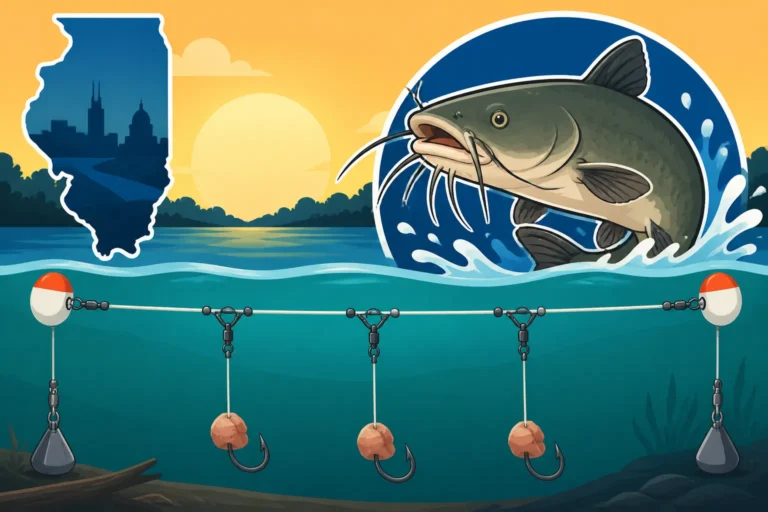
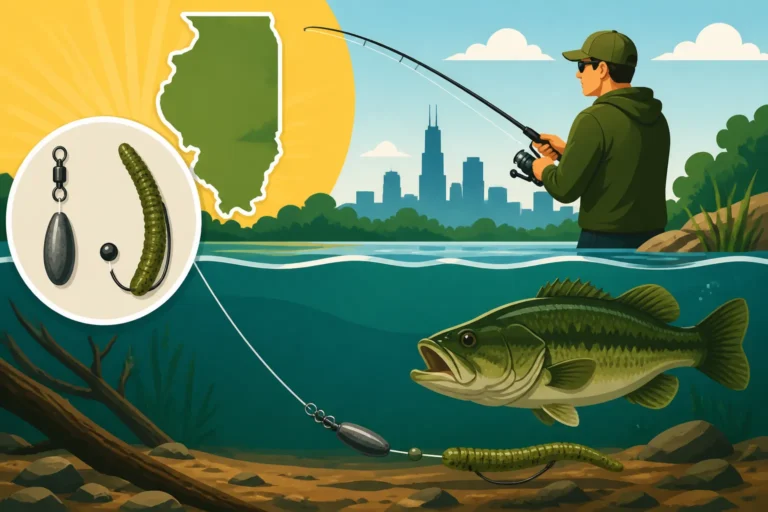
For the mighty Illinois catfish – channel, blue, and flathead – bottom fishing is king. You'll typically use a Carolina rig or a simple slip sinker rig. A Carolina rig involves threading an egg sinker onto your main line, followed by a bead (to protect the knot), and then tying on a swivel. To the other end of the swivel, you tie a leader (1-3 feet long) and then your hook. This setup allows the fish to pick up the bait and run without feeling the weight of the sinker immediately. Effective baits for catfish include cut bait (shad, bluegill, skipjack herring), chicken livers, nightcrawlers, and various manufactured stink baits. Cast these out into deeper channels, near current breaks, or into holes along the river bottom. Remember that catfish bottom fishing techniques are truly tried and true for landing some impressive catches.
Walleye, while often targeted with jigs, can also be caught bottom fishing, especially in rivers or large lakes with significant currents. Use a jig head with a minnow or a nightcrawler, or a Lindy rig (a specialized bottom bouncer with a long snelled hook). Cast these rigs into current seams, along rocky bottoms, or near underwater drop-offs where walleye ambush baitfish. Patience is key with walleye, as their bites can be subtle. If you want to refine your approach, exploring specific walleye jigging techniques might also prove useful, even from the bank.
Casting Lures for Bass and Pike
For the more active angler who enjoys covering water and targeting predatory fish, casting lures from the bank is an exciting and highly effective technique. This is where you can truly engage with the environment and feel every twitch and strike.
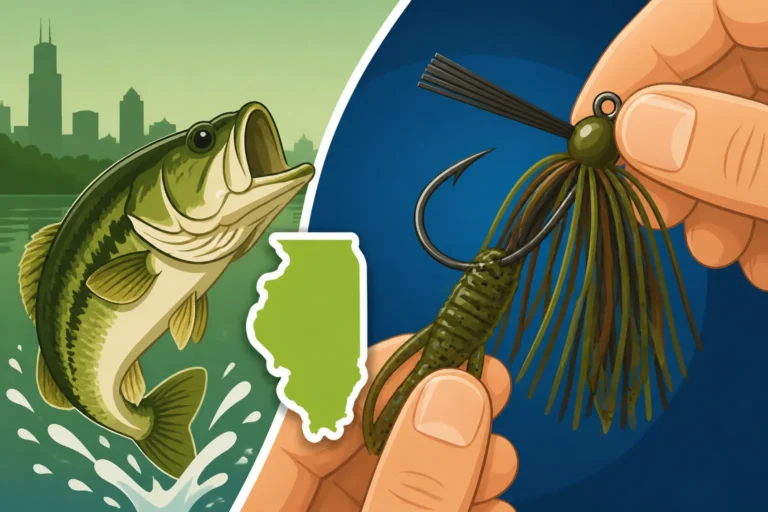
Largemouth and smallmouth bass are prime targets for lure fishing from shore. The key is to mimic their natural prey and present the lure effectively. For largemouth, focus your casts around visible cover like lily pads, submerged timber, docks, or rip-rap. Popular lures include:
- Spinnerbaits: Great for covering water and working through weeds.
- Crankbaits: Dive to different depths, perfect for covering open water or hitting specific depth zones.
- Soft Plastics: Texas-rigged worms, Senkos, or creature baits worked slowly along the bottom or through cover can be incredibly effective. Look into specific best bait for largemouth bass fishing in spring as the seasons change.
Smallmouth bass, often found in rocky rivers and clear lakes, respond well to small crankbaits, tubes, grubs, and jigs. Cast these near rocky banks, current breaks, or around bridge pilings.
Northern pike, Illinois’ toothy predators, are also accessible from the bank, especially in lakes and backwater areas where they lurk in weed beds. Large spinnerbaits, spoons, and swimbaits are excellent choices. Cast these lures along weed edges or parallel to shorelines with cover, retrieving them with erratic movements to trigger a strike. Always be prepared with a good set of pliers for these toothy fish! For the really big ones, some anglers even try to emulate best lures for muskie fishing based on what they eat, as pike and muskie share similar predatory instincts.
Finding the Best Bank Fishing Spots in Illinois
Illinois offers an incredible diversity of fishing opportunities, even for those without a boat. Knowing where to look and what to look for can make all the difference in your bank fishing success.
Public Parks and Urban Waterways
One of the greatest advantages of bank fishing in Illinois is the sheer number of accessible public parks and urban waterways. From the bustling Chicago Lakefront to countless small ponds tucked away in forest preserves, these spots provide convenient and often well-maintained access for anglers.
In the Chicago area, many lagoons and harbors within the Chicago Park District offer fantastic bank fishing opportunities. Lincoln Park Lagoon, Jackson Park's Inner Harbor, and Montrose Harbor are popular spots where you can catch everything from perch and bluegill to largemouth bass and even small salmon and trout coming in from Lake Michigan. These spots are often stocked and provide easy access for city dwellers. Just remember to be mindful of crowds and park regulations. Cook County Forest Preserves also manage dozens of ponds and small lakes that are perfect for a quick trip, offering a chance to escape the urban sprawl without traveling too far. You can catch plenty of panfish, bass, and catfish in these smaller, more intimate settings. These areas are truly some of the best fishing spots near Chicago, Illinois, especially for those relying on shore access.
State Parks and Reservoirs with Shore Access
Venture outside the major metropolitan areas, and Illinois's state parks and large reservoirs open up a world of bank fishing potential. These larger bodies of water, while often geared towards boaters, typically have extensive shorelines with designated fishing areas, accessible points, and even fishing piers.
Rend Lake, Lake Shelbyville, and Carlyle Lake are Illinois's "Big Three" reservoirs, known for their abundant populations of crappie, bass, and catfish. While a boat offers more flexibility, these lakes boast numerous bank fishing hotspots. At Rend Lake, look for causeways, rip-rap along roads, and accessible points in state park areas like Wayne Fitzgerrell State Park. These areas often attract baitfish, which in turn draw in predatory species. You can find detailed information on shore fishing access points around Rend Lake. Lake Shelbyville, with its sprawling shoreline, offers many public access points, including areas near the dam and various recreational sites. These spots are great for targeting crappie and bass, especially during the spring spawn. Similarly, Lake Shelbyville shore access for bank anglers highlights numerous areas where you can cast a line without a boat. Carlyle Lake, Illinois’ largest man-made lake, provides ample shore access around the dam and its many campgrounds, perfect for catfish and carp, but also bass and crappie in the right season. Always check site-specific regulations before you go, as rules can vary even within the same lake.
River Banks and Backwater Areas
Illinois is crisscrossed by an impressive network of rivers, offering a dynamic and often overlooked bank fishing experience. Rivers present unique challenges and rewards due to their currents and ever-changing conditions.
The Mississippi River along Illinois’ western border is a prime example. Its vastness means there are countless backwater sloughs, eddies, and wing dams that can be fished from shore. These areas are magnets for channel catfish, bluegill, crappie, and even walleye in the northern stretches. Focusing on areas where the current breaks or slows down can be particularly productive. Look for public boat launches that also offer bank access, or state park areas along the river. Detailed maps can often point you to great best bank access points along the Mississippi River in Illinois.
The Illinois River and its tributaries like the Fox River and Kankakee River also provide excellent bank fishing. The Illinois River is famous for its catfish and white bass runs. Access points near towns or state parks often feature improved fishing areas. The Fox and Kankakee Rivers are renowned for their smallmouth bass, as well as channel catfish and various panfish. Focus on rocky bottoms, bridge pilings, and current seams. These river systems offer a different kind of bank fishing, often requiring more awareness of current and structure, but the rewards can be significant.
Seasonal Strategies for Illinois Bank Fishing
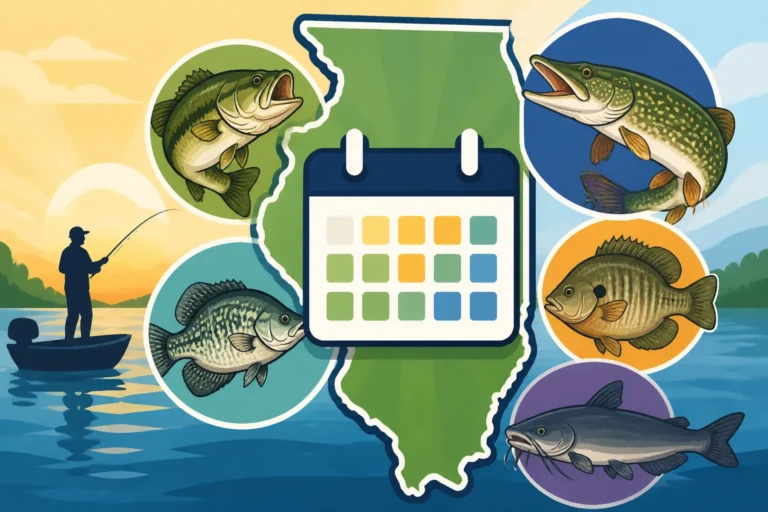
Understanding how fish behavior changes with the seasons is critical for successful bank fishing in Illinois. What works in spring might not work in summer, and vice-versa.
Spring: The Burst of Activity
Spring is arguably one of the most exciting times for bank anglers in Illinois. As water temperatures rise after the long winter, fish become much more active, moving into shallower waters to feed and prepare for spawning.
- Early Spring (March-April): The first signs of warmth trigger fish to emerge from their deep wintering holes. This is a fantastic time for crappie, which will move into shallow coves, brush piles, and fallen trees to spawn. Light jigs tipped with minnows or soft plastics are incredibly effective when fished under a bobber. Largemouth bass will also start their pre-spawn feed, making them aggressive. Try throwing spinnerbaits, crankbaits, or even a slow-rolled jig along transitional depths. This period is when you'll see a lot of activity across species, making it a great time for spring fishing patterns for multiple species. The Illinois Crappie Spawn Season Guide is an invaluable resource for knowing exactly when and where to target these prolific panfish.
- Late Spring (May-Early June): The spawn is in full swing for many species. Bluegill will create visible beds in shallow, sandy, or gravelly areas. They are easy targets with a simple worm under a bobber. Bass will be guarding nests, and while it's tempting, many anglers practice catch-and-release during this sensitive time to protect the fishery. Catfish also become very active, moving closer to banks and into smaller tributaries to feed heavily. This is a time of abundance, and bank anglers can find great success by focusing on shallow, warm water areas with cover.
Summer: Deep Water and Night Fishing
Summer in Illinois brings heat, and with it, changes in fish behavior. While early mornings and late evenings can still be productive, the midday sun often drives fish into deeper, cooler waters or heavy cover.
- Daytime Strategies: During the hottest parts of the day, focus on areas that offer deeper water access from the bank. Look for drop-offs, shaded areas under overhanging trees, bridge pilings, or the deeper sides of rip-rap. Bass will often seek refuge in dense weed beds or under docks. Use Texas-rigged worms or jigs to penetrate cover, or cast deeper-diving crankbaits. Panfish might be found suspended over deeper water or tight to cover.
- Night Fishing: This is where summer bank fishing truly shines, especially for catfish. As the sun sets and temperatures drop, catfish become much more active, moving into shallower areas to feed. Using cut bait, stink bait, or large nightcrawlers on a bottom rig can yield impressive results. For those looking to brave the dark, understanding how to catch catfish at night can lead to some of your most memorable catches of the season. Bring a headlamp, insect repellent, and be aware of your surroundings. Some species of bass and walleye can also be caught at night, especially around artificial lights that attract baitfish.
Fall: Feeding Frenzy Before Winter
As the air cools and leaves begin to change, fall ushers in another fantastic period for bank fishing in Illinois. Fish are acutely aware of the approaching winter and engage in a major feeding spree to bulk up.
- Early Fall (September-October): Water temperatures start to drop, signaling fish to become highly active. This is often considered one of the best times for bass fishing, as they move into shallower areas to chase baitfish, which are also grouping up. Throw a variety of lures, including spinnerbaits, crankbaits, and topwater baits, especially during cloudy conditions. Crappie will also start to school up, making them easier to locate. Look for them around deeper brush piles or channels.
- Late Fall (November): As water temperatures continue to drop significantly, fish will begin to transition to their winter patterns, seeking deeper water. However, some species, particularly walleye and pike, can remain very active. Casting jigs or spoons along rocky shorelines or deeper points can be effective. Catfish might still be caught bottom fishing in deeper river holes. While the fishing pressure often decreases, the dedicated bank angler can still find success by understanding these colder water patterns. Check your fall fishing calendar for Illinois anglers to know what to expect in your local waters.
Safety and Etiquette for Shore Anglers
Bank fishing, while often peaceful, requires a mindful approach to safety and a respectful attitude towards nature and fellow anglers. A good fishing trip is a safe and courteous one.
Staying Safe on the Bank
Your personal safety should always be your top priority when out on the bank. Many of Illinois's most productive fishing spots can also present hazards if you're not careful.
- Uneven Terrain: Riverbanks, lake shores, and even park ponds can have slippery, muddy, or uneven surfaces. Always wear appropriate footwear with good traction. Watch for loose rocks, roots, or holes that could cause a fall. A trekking pole can be a useful tool for maintaining balance, especially when carrying gear.
- Water Hazards: Be aware of sudden drop-offs near the shore, especially in rivers or reservoirs. Never assume the water is shallow. If fishing near strong currents, be extra cautious. If you’re fishing from a pier, ensure it’s structurally sound and be mindful of other users. Remember, falling into cold water, even close to shore, can be dangerous.
- Weather Awareness: Illinois weather can change rapidly. Always check the forecast before you go and be prepared for sudden storms, strong winds, or temperature drops. Seek shelter immediately if lightning is present. Sun protection (hat, sunglasses, sunscreen) is crucial, even on cloudy days, to prevent sunburn and heatstroke.
- Sharp Objects: Fishing involves sharp hooks and potentially sharp fish fins. Handle your tackle and your catch with care. A pair of needle-nose pliers can be invaluable for hook removal, protecting both you and the fish. Keep a small first-aid kit handy for minor cuts or punctures.
- Wildlife: Be aware of local wildlife. Illinois is home to many animals, including snakes, ticks, and insects that can pose a risk. Knowing how to identify poisonous plants like poison ivy and avoiding tall grass can prevent uncomfortable encounters.
Respecting Fellow Anglers and the Environment
Part of the joy of bank fishing is sharing the experience and preserving the natural beauty of Illinois's waterways. Practicing good etiquette and environmental responsibility ensures that these spots remain enjoyable for everyone.
- Give Space: If a spot is already occupied, find another area to fish. A general rule of thumb is to give other anglers at least 15-20 feet of space, or more if they are actively casting. Nobody likes having their line crossed or feeling crowded.
- Manage Noise: While some friendly chatter is fine, keep loud conversations, music, or shouting to a minimum. Many anglers seek the tranquility of nature, and excessive noise can disturb both fish and people.
- Leave No Trace: This is paramount. Pack out everything you pack in, and if possible, pick up any litter you find. Discarded fishing line, bait containers, and food wrappers detract from the beauty of the spot and can harm wildlife. Dispose of fish entrails properly; never leave them on the bank.
- Know and Follow Regulations: Always possess a valid Illinois fishing license, if required, and be familiar with the Illinois Fishing Regulations Overview, including catch limits, size restrictions, and specific rules for certain waters. Ignorance of the law is not an excuse. You can find detailed information on how to get an Illinois fishing license and Illinois fishing license guide for 2026 if you need to renew or get a new one.
- Respect Private Property: If you're unsure whether a stretch of bank is public or private, err on the side of caution and find another spot. Trespassing can lead to legal issues and gives all anglers a bad name.
- Catch and Release: If you plan to release fish, handle them gently. Wet your hands before touching them, support their body weight, and release them quickly. This helps ensure they survive to be caught another day.
By following these guidelines, you not only ensure your own safety but also contribute to a positive and sustainable fishing culture in Illinois. These fundamental bank fishing tips for beginners are really about being a good steward of our natural resources.
| Species Targeted | Best Bank Fishing Technique | Common Bait/Lure | Preferred Habitat (from shore) |
|---|---|---|---|
| Bluegill/Panfish | Bobber Fishing | Worms, Crickets, Corn | Shallow weed beds, brush piles, docks |
| Crappie | Bobber Fishing, Small Jigs | Minnows, Small Jigs/Plastics | Submerged brush, fallen trees, shallow coves |
| Channel Catfish | Bottom Fishing, Bobber Fishing | Cut Bait, Worms, Stink Bait | Deep holes, current breaks, muddy bottoms |
| Largemouth Bass | Lure Casting | Spinnerbaits, Worms, Crankbaits | Lily pads, submerged logs, rip-rap, docks |
| Smallmouth Bass | Lure Casting, Bottom Jigs | Jigs, Tubes, Small Crankbaits | Rocky banks, current seams, bridge pilings |
| Walleye | Bottom Jigs, Trolling (from shore w/ long cast) | Jigs with Minnows/Worms, Crankbaits | Rocky bottoms, current breaks, deep edges |
| Northern Pike | Lure Casting | Large Spinnerbaits, Spoons, Swimbaits | Weed lines, dense cover, shallow flats |
Disclaimer
The information provided in this guide is for general informational purposes only and is not intended as legal advice regarding fishing regulations. Regulations, licensing requirements, and conditions can change. Always consult the official Illinois Department of Natural Resources (IDNR) website or the current Illinois Fishing Information Guide for the most up-to-date and specific rules before you go fishing.