Best Tackle for Illinois Spring Fishing
Spring in Illinois is a magical time for anglers, yet it often comes with a frustrating paradox: the fish are waking up, but the weather can't quite make up its mind. One day it's balmy, the next it's a brisk reminder of winter, leaving many of us scratching our heads about what gear to bring. This guide will cut through the confusion, helping you assemble the best tackle for a successful and enjoyable spring fishing season across our diverse Illinois waters.
Understanding Illinois Spring Conditions and Fish Behavior
Spring isn't a single event; it's a gradual awakening, and knowing what's happening beneath the surface is key to choosing the right tackle. Illinois is a big state, and "spring" can feel very different depending on whether you're fishing the Chain O'Lakes up north or a secluded backwater down near Kinkaid Lake. The fish are reacting to changes in water temperature, light penetration, and the availability of food, and your tackle choices need to reflect that.
The Importance of Water Temperature Fluctuations
Water temperature is arguably the single most important factor in spring fishing. Early spring might see water temperatures barely creeping out of the 40s, while late spring could have them well into the 60s. These shifts dictate everything from a fish's metabolism to its location. Cold water fish like walleye or northern pike might be more active earlier in the season, while bass and crappie truly start to shine as the water warms. You'll find that a rise of just a few degrees can trigger a feeding frenzy, moving fish from deep, lethargic haunts to shallower, more accessible areas. Pay close attention to temperature readings, as they'll help you decide whether to reach for a slow-moving jig or a fast-reacting crankbait. Understanding How Water Temperature Affects Fish Activity is crucial for seasonal success.
Later in the spring, as temperatures stabilize and continue to climb, fish become more aggressive. They'll chase baits further and expend more energy. This is when you can start to experiment with faster retrieves and more erratic presentations. However, those sudden cold fronts that Illinois is famous for can slam the brakes on activity, sending fish back to deeper cover. Being prepared with tackle that can adapt to both warm, active periods and cold, sluggish ones is what separates a good day from a great one. Don't let a sudden chill send you home empty-handed; have a plan for those weather shifts.
Pre-Spawn, Spawn, and Post-Spawn Activity
Fish move through distinct phases in the spring, each requiring a slightly different approach. The pre-spawn period, often happening when water temperatures are still on the cooler side, sees fish bulking up before the rigors of spawning. They're often found moving from deeper wintering holes towards shallower staging areas, gorging on available baitfish. This is a time for covering water and presenting larger, attention-grabbing baits that mimic their natural prey.
As the water warms further, the spawn kicks in. For bass, this is typically when water temperatures are in the mid-50s to low 60s. Crappie might spawn a bit earlier, often in the upper 40s to low 50s. During this time, fish are focused on reproduction, often guarding nests. They can be less interested in actively feeding and more prone to striking out of irritation. Finesse presentations and sight fishing, if conditions allow, become highly effective. For specific timing, check out our guide on Illinois Bass Spawn Timing Guide or Illinois Crappie Spawn Season Guide.
Finally, the post-spawn period sees fish recovering from the spawn, often scattered and a bit lethargic immediately after. However, as they regain energy, they'll move back to feeding grounds, often still relating to shallow cover but with a renewed hunger. This phase often overlaps with warming water and more stable weather, making it a fantastic time for a variety of techniques as fish actively chase down meals to replenish their energy stores.
Targeting Different Species in Spring
Illinois offers a fantastic array of fish species to target in the spring, and each one has its own preferred tackle. Bass anglers will often be thinking about jigs, spinnerbaits, and crankbaits. For crappie, tiny jigs under a bobber or small minnows are usually the ticket. Walleye anglers might favor jigs tipped with a minnow or soft plastic, or trolling crankbaits in cooler water. Even panfish like bluegill and redear sunfish become incredibly active, making spring a prime time for lightweight tackle and small presentations.
The beauty of spring in Illinois is that you can often catch multiple species in a single outing if you're prepared. You might start your day targeting pre-spawn bass in a shallow cove with a jerkbait, then switch to a nearby brush pile to pick up crappie on a jig, and even find some hungry channel catfish in a deeper channel bend with a piece of cut bait. Having a diverse tackle box that caters to these different opportunities will greatly increase your success.
Essential Rods and Reels for Spring Success
Having the right rod and reel combination for each technique is vital. You wouldn't use a heavy catfish rod for delicate crappie jigging, just as a flimsy ultralight setup won't cut it for pulling a big largemouth out of heavy cover. Spring fishing demands versatility, as you'll often be switching tactics throughout the day to adapt to changing conditions and fish behavior.
Versatile Spinning Combos for Finesse and Light Baits
A quality medium-light to medium power spinning rod, paired with a reliable 2500 or 3000 series spinning reel, is an absolute workhorse for spring fishing in Illinois. This setup excels when you need to make long, accurate casts with lighter lures like small jigs, Ned rigs, shaky heads, or weightless soft plastics. The sensitivity of a good spinning rod allows you to feel those subtle bites from lethargic fish in cooler water, while the smooth drag of the reel helps protect lighter lines when a surprisingly large fish decides to bite.
This type of combo is perfect for targeting crappie, panfish, and even finicky bass during the pre-spawn or post-spawn when they might not be aggressively chasing baits. It's also fantastic for working jerkbaits or small crankbaits that don't pull too hard. Many anglers find themselves reaching for their spinning gear more often than not in spring, especially when the bite is tough or when fishing clear water where a stealthy presentation is paramount. When considering a new setup, think about sensitivity and balance – a well-balanced spinning rod will make those long days on the water much more comfortable. For specific recommendations, check out our guide on Best Rods for Illinois Largemouth Bass.
Baitcasting Setups for Power Fishing and Heavier Lures
While spinning gear handles the finesse, baitcasting setups are your go-to for power fishing and larger, heavier lures. A medium-heavy to heavy power baitcasting rod, coupled with a high-quality baitcasting reel, is essential for throwing spinnerbaits, chatterbaits, larger crankbaits, swimbaits, and flipping or pitching jigs into heavy cover. The power of a baitcasting rod allows for greater hook-setting ability and the muscle to move bigger fish away from snags. The heavier line typically used with baitcasters also gives you more confidence when fishing around submerged timber or dense weeds, common springtime hideouts.
For targeting bigger bass that are feeding aggressively in pre-spawn, or for slinging bigger baits that need to cover a lot of water quickly, baitcasting gear is indispensable. It provides the control and leverage needed for these situations. While it might have a steeper learning curve for beginners compared to spinning gear, mastering a baitcaster will unlock a whole new dimension of spring fishing techniques. Don't be afraid to spool up with heavier fluorocarbon or braided line for maximum strength and sensitivity when working those power baits.
Specialized Rods for Specific Spring Techniques
Beyond the versatile spinning and baitcasting combos, some specialized rods can make a big difference for particular spring techniques. For instance, if you're serious about crappie fishing, a longer, lighter action crappie rod (often 8-12 feet) can be incredibly effective for jigging vertically or tightlining multiple baits. These rods allow for precise bait placement and cushion the fight of light-mouthed crappie.
Another specialized option might be a dedicated jerkbait rod. These are often medium-action rods with a softer tip, designed to impart the perfect twitch-pause retrieve that makes jerkbaits so deadly in cold, clear spring water. Similarly, for those chasing walleye with jigs, a sensitive, fast-action rod will help you detect the often subtle "thump" of a walleye bite. Having a few specialized tools can truly elevate your game, allowing you to maximize the effectiveness of particular lures and presentations.
Lures and Baits for Aggressive Spring Bites
Spring fish are hungry, but they can also be picky. Having a diverse selection of lures and baits that cater to various water conditions and fish moods is paramount. You want options that can trigger both active, chasing bites and more subtle, reaction strikes.
Crankbaits and Jerkbaits for Covering Water
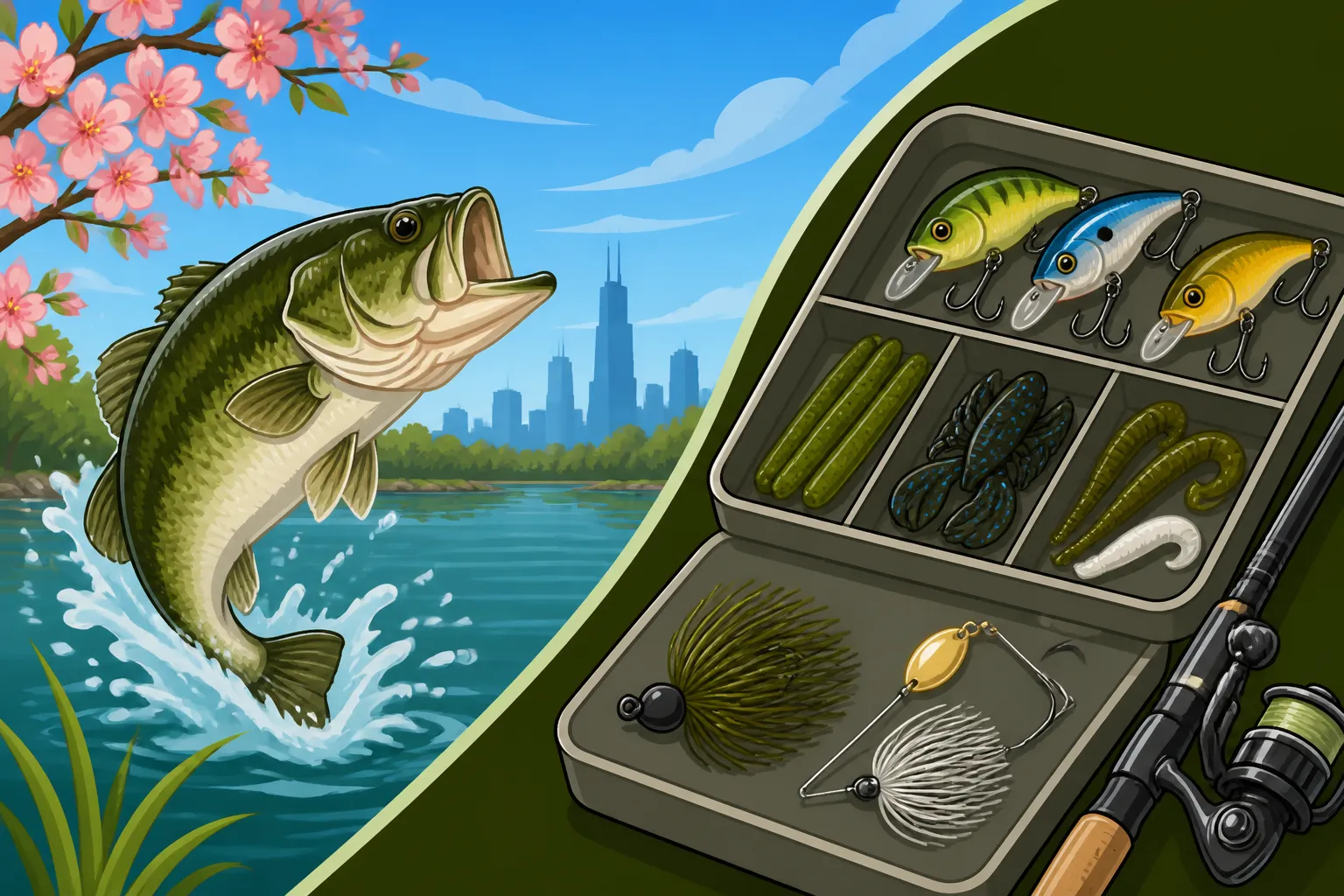
When fish are scattered and actively looking for food, or when you need to quickly locate concentrations of fish, crankbaits and jerkbaits are your best friends. Diving crankbaits, especially those that mimic shad or crawfish, are excellent for probing different depths. Shallow-diving models can be fantastic for shoreline breaks or newly emerging weed beds, while medium and deep divers are great for points, humps, and channel edges. Varying your retrieve speed and adding pauses can often trigger strikes from curious or hesitant fish.
Jerkbaits, on the other hand, are absolutely deadly in colder spring waters, particularly for bass and walleye. Their erratic, darting action followed by a suspended pause often proves irresistible to fish that aren't quite ready to commit to a fast-moving bait. Experiment with different pause durations – sometimes a longer pause is key in very cold water, while shorter pauses might work better as temperatures rise. Brands like Rapala and Lucky Craft offer excellent jerkbait options that perform beautifully in Illinois conditions. You'll find that these lures, when presented properly, can generate some incredibly aggressive strikes.
Jigs and Soft Plastics for Finesse and Structure Fishing
For precise presentations, especially around structure like brush piles, submerged timber, or rock formations, jigs and soft plastics are indispensable. Jigs, in various forms such as football jigs, swim jigs, or flipping jigs, can be tipped with craw trailers or soft plastic grubs to mimic a variety of forage. They are excellent for slow-rolling along the bottom or working through dense cover. The weight of the jig allows for good contact with the bottom, helping you feel subtle changes in substrate or faint bites.
Soft plastics offer immense versatility, from classic worms and creature baits fished on Texas or Carolina rigs, to Ned rigs and drop shots for a more subtle, finesse approach. As the water warms, swimbait style soft plastics become highly effective for enticing bass and northern pike. Color choice is important here: natural colors like green pumpkin or junebug often work well in clearer water, while brighter colors like chartreuse or white can be effective in stained or murky conditions. Don't forget the power of a simple grub on a jighead for crappie; sometimes the simplest presentation is the most effective. Our guide on How to Jig for Crappie in Shallow Water has more tips.
Live Bait Options for Consistent Spring Catches
Sometimes, nothing beats the real thing. Live bait remains a top producer throughout the spring, especially when fish are less active or when you're targeting species like catfish or panfish. Minnows, shiners, and shad are excellent for crappie, walleye, and even bass, often fished under a bobber or on a simple hook-and-sinker rig. Worms, whether nightcrawlers or red wigglers, are universally appealing and can catch everything from bluegill to catfish to opportunistic bass.
For catfish, various live baits like shad, bluegill, or even large shiners can be incredibly effective, particularly when fished on the bottom in deeper holes or current seams. Don't underestimate the power of cut bait either; a fresh piece of shad or carp can often attract larger catfish. While artificial lures are fun and challenging, always have some live bait on hand, especially for those tougher days or when fishing with kids who want to feel a consistent tug on their line. It's often the most reliable way to ensure a bend in your rod. Best Bait for Largemouth Bass Fishing in Spring also offers more specific ideas.
Terminal Tackle You Can't Afford to Forget
It's easy to get caught up in choosing the perfect rod or the flashiest lure, but the unsung heroes of your tackle box are the small, often overlooked, terminal tackle items. These are the components that directly interact with the fish and can make or break your day on the water.
Hooks, Weights, and Swivels: The Small but Mighty Essentials
Never skimp on hooks. Sharp, strong hooks are critical for good hook sets and keeping fish pinned, especially when they're jumping or thrashing. Have a variety of sizes and styles: worm hooks (EWG, straight shank) for soft plastics, treble hooks for crankbaits (check and replace dull factory hooks!), small Aberdeen or j-hooks for live bait, and wide gap hooks for larger presentations. Keep a hook sharpener handy, because a dull hook is a missed fish.
Weights are equally important for controlling your bait's depth and presentation. From small split shot for finesse rigs to heavier bullet weights for Texas rigging or bottom bouncers for walleye, having a range of weights allows you to adapt to depth, current, and wind. Tungsten weights have become popular due to their smaller profile and increased sensitivity compared to lead. Swivels, particularly barrel or ball-bearing swivels, help prevent line twist, which is especially important when using spinning gear or when fishing lures that spin. Simple snaps allow for quick lure changes, saving valuable fishing time.
Line Choices for Clarity, Strength, and Sensitivity
Your fishing line is the direct connection to the fish, so choosing the right type is crucial. Monofilament is a great all-around choice: it's affordable, has good knot strength, and its stretch can be forgiving, helping to prevent hooks from tearing out. Fluorocarbon is less visible in clear water, has less stretch for increased sensitivity, and sinks, making it ideal for presenting bottom baits or deeper-running lures. However, it can be stiffer and more prone to memory.
Braided line offers incredible strength, extreme sensitivity (no stretch!), and casts a mile. It's often favored for power fishing techniques and in heavy cover. The downside is its visibility, so many anglers will tie a fluorocarbon or monofilament leader to their braid. Have a variety of line types and test strengths on your reels to match your chosen technique and the size of fish you expect to encounter. For instance, lighter line (6-8 lb test) for crappie and panfish, and heavier (10-20 lb test) for bass or even 50 lb braid for catfish.
Leaders and Rigs for Specific Species and Situations
Using leaders can be a game-changer, especially in spring. As mentioned, a fluorocarbon leader tied to braided mainline is a popular setup for many bass and walleye applications, combining the best of both worlds: the strength and sensitivity of braid with the low visibility of fluorocarbon. The length of the leader can vary, but generally 2-6 feet is a good starting point.
For toothy critters like northern pike or muskellunge, a steel or heavy fluorocarbon leader is absolutely essential to prevent bite-offs. Without it, you'll be donating a lot of lures to the local fish. Simple Carolina rigs and Texas rigs are fantastic for presenting soft plastics around cover. A Ned rig, a smaller, compact finesse presentation, can be incredibly effective on tougher days for bass and even panfish. Being proficient in tying these basic rigs will greatly expand your spring fishing arsenal.
| Tackle Type | Primary Use (Spring) | Ideal Species | Key Feature |
|---|---|---|---|
| Spinning Combo | Finesse jigs, light plastics, small jerkbaits | Crappie, Panfish, Bass | Sensitivity, light lure casting |
| Baitcasting Combo | Spinnerbaits, large crankbaits, flipping jigs | Bass, Walleye, Pike | Power, heavy lure casting, hook set |
| Jerkbaits | Covering water, cold water bass | Bass, Walleye | Erratic darting, suspended pause |
| Diving Crankbaits | Locating active fish, varying depths | Bass, Walleye, Pike | Depth control, vibration, quick coverage |
| Jigs (w/ plastics) | Structure fishing, finesse, slow presentations | Bass, Crappie, Walleye | Versatility, bottom contact, varied action |
| Soft Plastics | Texas/Carolina rigs, Ned rigs, drop shots | Bass, Crappie | Natural feel, adaptable to many rigs |
| Live Minnows | Consistent bites, cold water | Crappie, Walleye, Bass | Natural scent & action, highly effective |
| Worms | Universal appeal, easy for beginners | Panfish, Catfish, Bass | Easy to use, wide range of species |
| Braided Line | Heavy cover, sensitivity, long casts | Bass, Catfish, Pike | Strength, no stretch, durability |
| Fluorocarbon Line | Low visibility, sensitivity, sinking | Bass, Walleye | Stealth, good for bottom contact |
Organization and Accessories for Changing Spring Weather
Illinois spring weather is notoriously fickle. One moment it's sunny and pleasant, the next a cold front rolls in with rain and dropping temperatures. Being organized and having the right accessories can make all the difference between a miserable day and a successful, comfortable one. You want to be prepared for anything Mother Nature throws your way.
Tackle Storage and Management Solutions
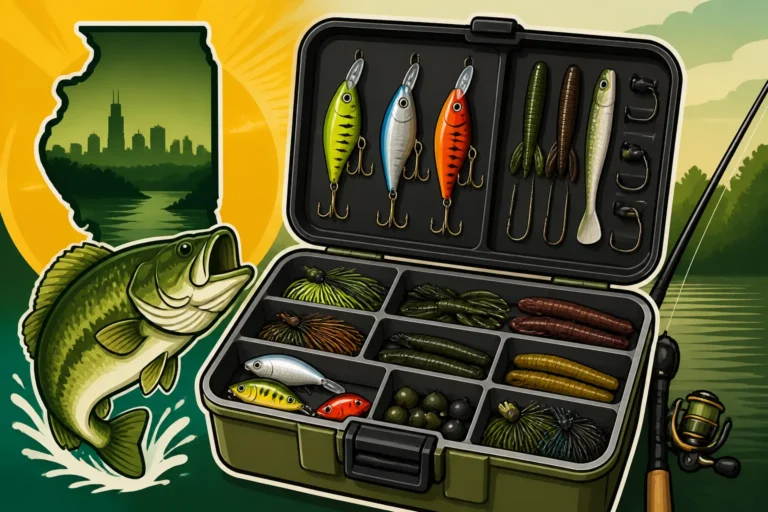
A well-organized tackle box or bag is essential, particularly in spring when you might be carrying a wider variety of baits for different species and conditions. Keep your frequently used lures and terminal tackle easily accessible. Clear plastic utility boxes (like those from Plano or Bass Pro Shops) are fantastic for organizing jigs, hooks, weights, and soft plastics by type or size. Labeling these boxes can save you valuable time on the water, preventing frustration when you're searching for that one specific jig color. Tackle Box Setup for Illinois Bass Anglers goes into even more detail.
Consider a multi-compartment tackle bag that allows you to carry several utility boxes, along with extra reels, line spools, and tools. Some anglers even pre-rig specific rod and reel combos for different techniques (e.g., one for finesse, one for power fishing) to avoid constantly re-tying. This level of organization not only makes your day more efficient but also ensures your valuable tackle stays protected from the elements. Keeping your gear sorted by species or technique can dramatically improve your efficiency when the bite is hot.
Essential Tools and Safety Gear
Don't leave home without a few key tools. Pliers (needle-nose or multi-tool style) are indispensable for removing hooks, cutting wire, and crimping sleeves. Line clippers or a small pair of scissors are a must for neat knot tying. A sturdy measuring tape or bump board helps you accurately measure your catch to ensure it meets Illinois Fishing Season and Catch Limit Rules, especially if you're participating in a tournament or want to know if that walleye is a keeper. A good landing net is also critical, particularly for larger fish, as it protects both the fish and your tackle.
Safety gear is just as important as your fishing tools. Always have a first-aid kit readily available for minor cuts or hook punctures. If you're on a boat, ensure you have all required safety equipment, including life jackets for everyone on board and a throwable PFD. Even if you're bank fishing, letting someone know where you're going and when you expect to return is a smart practice. A reliable flashlight or headlamp is crucial if you plan on fishing at dawn, dusk, or even into the night, as visibility can change rapidly. Don't forget to review your Illinois Boating Safety Equipment Checklist for New Owners before heading out.
Weather-Appropriate Apparel for the Unpredictable Season
As we've discussed, spring in Illinois is a fashion show of weather extremes. Layering is your best friend. Start with a moisture-wicking base layer, add an insulating mid-layer (fleece or synthetic down), and top it with a waterproof and windproof outer shell. This allows you to adjust your clothing as temperatures fluctuate throughout the day. A good quality rain suit is non-negotiable; an unexpected downpour can turn a pleasant outing into a miserable one in minutes.
Don't forget the accessories: a warm hat or beanie for chilly mornings, a wide-brimmed hat or cap for sun protection, and polarized sunglasses to cut glare and help you spot fish or structure underwater. Waterproof boots are also essential for keeping your feet dry and comfortable, especially when launching a boat or navigating muddy banks. Being comfortable allows you to focus on fishing, not on shivering or getting soaked. Think about investing in quality gear from trusted outdoor retailers; it's an investment in your comfort and enjoyment.
Where to Gear Up for Spring Fishing
Once you know what tackle you need, the next step is actually getting your hands on it. There are a few excellent options for outfitting yourself, each with its own advantages.
Local Bait Shops vs. Large Retailers
Local bait and tackle shops are truly the heart of the fishing community. They offer an invaluable resource: local knowledge. The owners and staff at these shops live and breathe fishing in Illinois, and they can provide up-to-the-minute advice on what's biting, what baits are working, and what specific regulations might apply to the lakes or rivers you're planning to fish. You can find these gems scattered throughout Illinois, from small towns near popular lakes to specialized shops in larger cities. They often have a curated selection of tackle that's proven effective in local waters, and you're supporting a small business.
On the other hand, large retailers like Bass Pro Shops offer an immense selection, competitive pricing, and often have specific fishing departments staffed by knowledgeable experts. You can find everything from entry-level combos to high-end electronics under one roof. They also frequently run sales, which can be a great way to stock up on consumables like soft plastics, line, and hooks. While they might not have the hyper-local, day-to-day knowledge of a small bait shop, their sheer volume of inventory ensures you'll find what you're looking for. It's often a good strategy to visit both: get the local scoop at a small shop, then head to a larger store for bulk purchases or specific brands.
Online Shopping for Convenience and Selection
In today's world, online retailers have become a major player in the fishing tackle market. Websites like Amazon, as well as dedicated online fishing stores, offer unparalleled convenience and an almost limitless selection. You can browse thousands of products, compare prices, and read reviews from other anglers, all from the comfort of your home. This is particularly useful for finding specialized items that might not be stocked in every physical store, or for taking advantage of flash sales and discounts.
However, the downside is that you can't physically examine the product before buying, nor can you get immediate advice from a real person. You also need to factor in shipping times, which isn't ideal if you need something for a last-minute trip. Many anglers use online shopping to supplement their physical store visits, buying essentials or experimenting with new lures they've researched online. No matter where you choose to buy your gear, remember that informed choices based on Illinois' unique spring conditions will always lead to more successful and enjoyable days on the water.
Disclaimer
This article is for general informational purposes only and does not constitute professional advice. Laws, prices and regulations vary by location and change over time. Consult a qualified professional for guidance on your specific situation.