Illinois’ 220 Fish Species: What Anglers Can Actually Expect to Catch
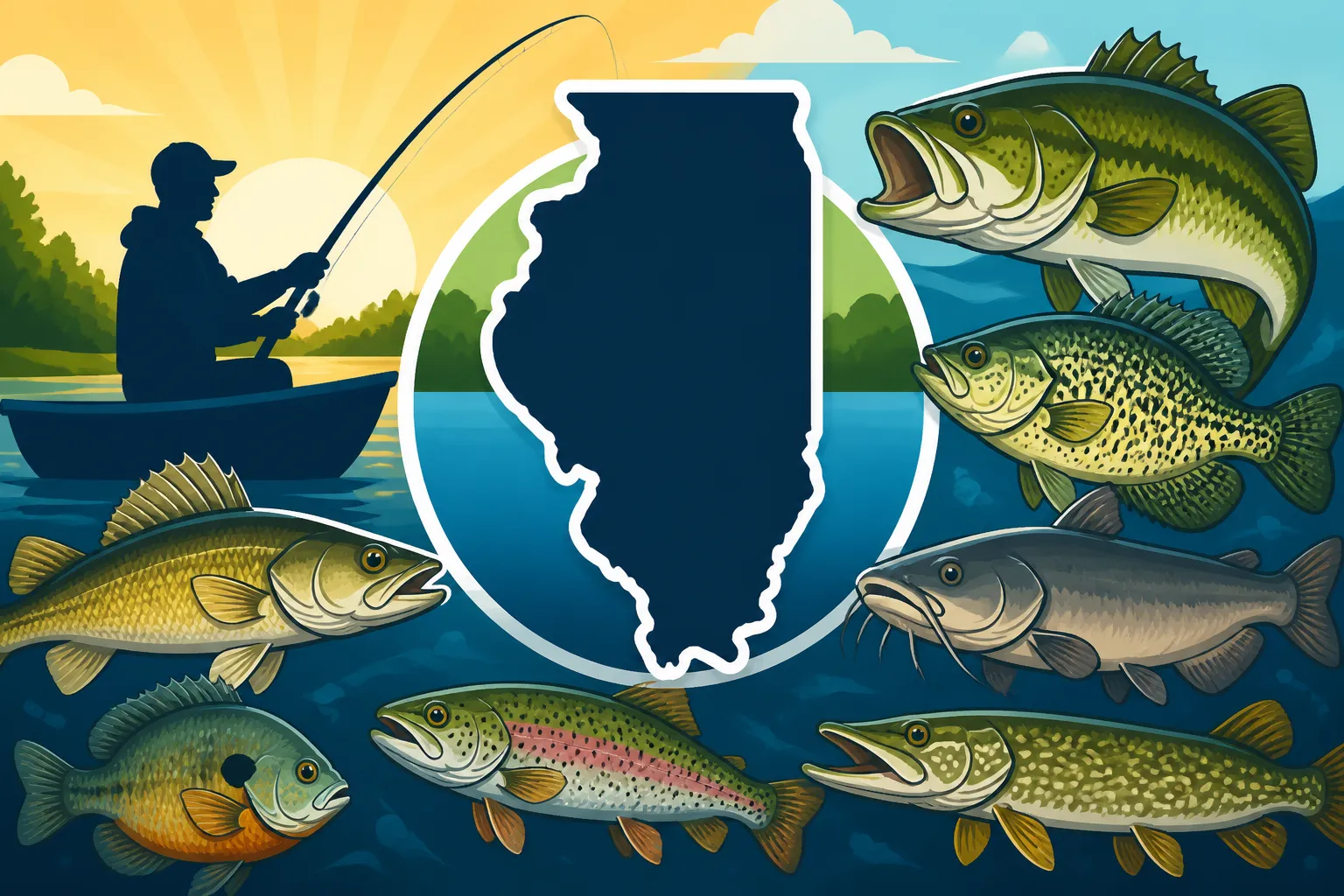
It can feel a little overwhelming when you hear that Illinois boasts over 220 different fish species swimming in its lakes, rivers, and streams. For many anglers, the immediate question isn't "how many," but "which ones can I actually expect to hook into?" This guide cuts through the numbers to focus on the common, the coveted, and the truly unique fish you're most likely to encounter on your Illinois fishing adventures, providing a realistic look at what fills our waters and what makes for a memorable catch.
The Popularity Contest: Illinois's Most Sought-After Game Fish
When most folks think about fishing in Illinois, certain species immediately come to mind. These are the fish that draw tournaments, fill coolers, and inspire countless hours on the water. They're often the ones that put up a great fight or make for an excellent meal, and for good reason—they're abundant and accessible in many parts of our state.
Largemouth, Smallmouth, and Spotted Bass: The Angler's Favorite
The bass family in Illinois is incredibly diverse and highly prized. We're talking about the quintessential freshwater game fish that ignites passion in anglers from novices to seasoned pros. The sheer thrill of a bass strike, whether it's a powerful largemouth pulling line or a smallmouth leaping out of the water, is something truly special.
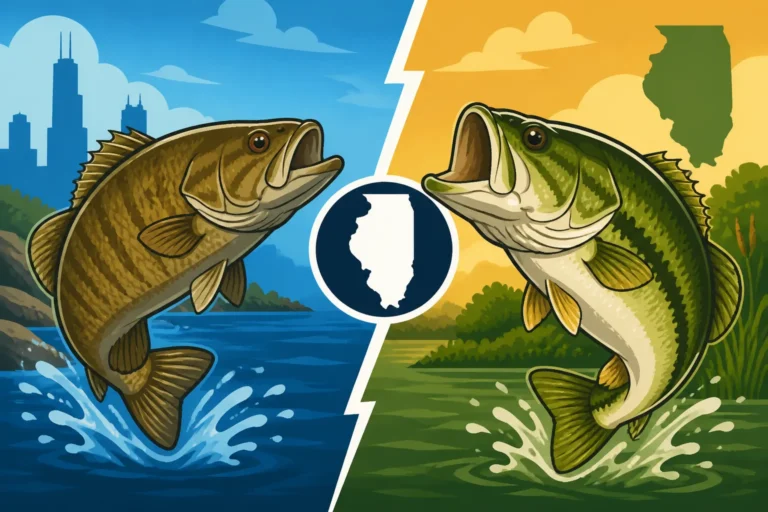
The largemouth bass is probably the most iconic of the bunch, found in almost every lake, pond, and slow-moving river channel across the state. They love structure – submerged timber, weed lines, lily pads – and ambush their prey with explosive force. You'll often find them lurking in shallow, warmer waters, particularly in spring and summer. Illinois Largemouth Bass Length Limit and Daily Catch Rules Their deep green color, large mouth extending past their eye, and a distinct horizontal band make them easy to identify. Many anglers dedicate their entire season to chasing these green giants, experimenting with a vast array of lures and techniques. You can find specialized bass fishing gear, from crankbaits to soft plastics, readily available on platforms like Amazon, ensuring you're always ready for the next bite.
Smallmouth bass, on the other hand, are the fighters of the family, preferring cooler, clearer, rocky waters of rivers and northern Illinois lakes. Think of the Kankakee River or parts of the Rock River where current and rock structure define their habitat. They're smaller, typically bronze or golden-brown, with vertical bars and a mouth that doesn't extend beyond their eye. Hooking into a smallmouth is an experience unto itself; they're known for their acrobatic jumps and relentless tugs. Then there are spotted bass, sometimes called "Kentucky bass," which are a bit of a hybrid in their habits, often found in larger reservoirs like Rend Lake or Lake of Egypt. They share features of both largemouth and smallmouth, making identification tricky sometimes, but they offer a great fight and add to the bass fishing diversity.
Walleye and Sauger: Delicious Northwoods Delights
These members of the perch family are revered for their flaky, white meat and challenging catch. While perhaps not as widespread as bass, they offer a specialized and highly rewarding fishery in Illinois, particularly in our larger rivers and specific stocked lakes.
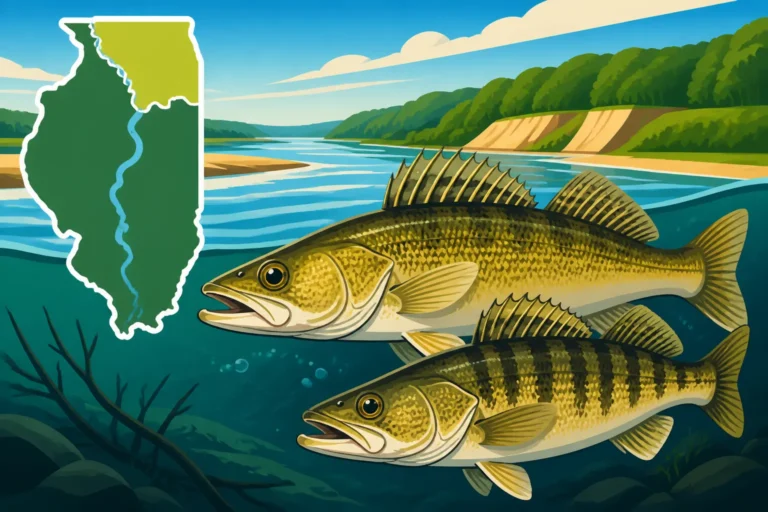
Walleye are often sought after in large reservoirs like Lake Shelbyville or on the mighty Mississippi River. They prefer deeper, cooler water and low-light conditions, making dawn, dusk, or even night fishing particularly effective. Their distinctive opaque eye, used to gather light in murky water, gives them their name. Illinois Walleye Fishing Season on the Mississippi River Anglers often employ trolling techniques with crankbaits or jigging with live bait to entice these finicky eaters. Landing a good-sized walleye is a badge of honor for many, especially given their reputation for being a bit elusive.
Sauger are closely related to walleye but are generally smaller and more tolerant of turbid, current-laden waters, making them a common catch in the Mississippi and Illinois Rivers. They have distinct dark spots on their dorsal fin, which helps distinguish them from their walleye cousins. While not reaching the same trophy sizes as walleye, they are equally delicious and provide excellent action for river anglers. Often, you'll find them in the same river stretches, and it's not uncommon to catch both in a single outing. Understanding their subtle differences and preferences can greatly increase your success.
Channel, Blue, and Flathead Catfish: The Bottom Dwellers with Big Pulls
Catfish are an absolute staple of Illinois fishing, offering exciting battles and some of the best eating fish available. They are incredibly resilient and can be found in nearly every body of water, from small farm ponds to the largest rivers and lakes. Their whiskered faces and powerful tails make them instantly recognizable.
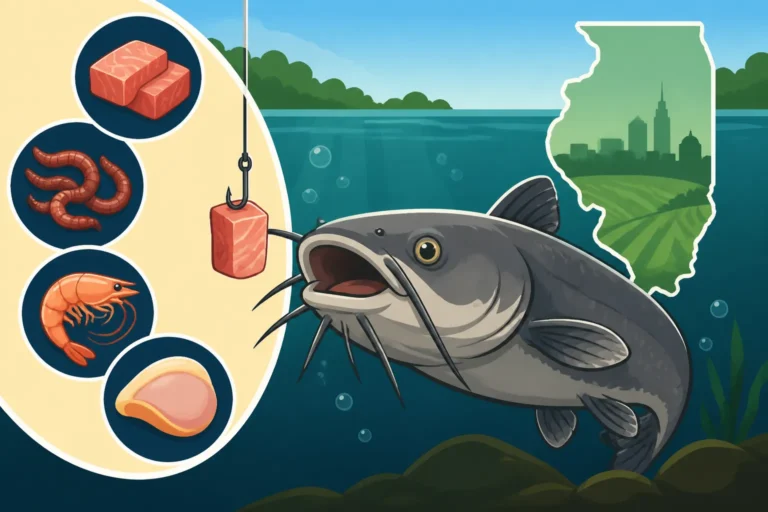
The channel catfish is probably the most common and widespread, recognizable by its forked tail and scattered spots, though these spots can fade with age. They're opportunistic feeders, and you can catch them on everything from cut bait and stink bait to worms and even various prepared dough baits. They are abundant in lakes like Rend Lake, Lake Shelbyville, and Carlyle Lake, making them a fantastic target for family outings or a relaxed evening by the water. Best Bait for Channel Catfish From the Bank You can often find them in channels and deeper holes, waiting for a meal to drift by.
Blue catfish are the true giants of Illinois waters, particularly in the lower stretches of the Mississippi River and some of our largest reservoirs. These fish can grow to incredible sizes, easily surpassing the 50-pound mark. They have a straight or slightly concave tail, and their color ranges from slate blue to gray. Targeting these behemoths requires heavy tackle and patience, often with large cut bait. The fight from a big blue cat is legendary, a true test of an angler's strength and gear.
Flathead catfish are the stealthy predators of the catfish family, preferring live bait and often found in rocky, snag-filled areas of rivers and large lakes. They have a distinct flat head, a lower jaw that protrudes beyond the upper, and a rounded tail, unlike the channel cat's fork. Their mottled brown and yellow coloration provides excellent camouflage against logs and debris. These solitary hunters are highly prized for their unique challenge and delicious, firm white meat. They're a fantastic target for those who enjoy a more primitive, patient style of fishing.
Panfish Paradise: Abundant and Accessible Fun for All Ages
If you're looking for consistent action, a full cooler, or a great way to introduce someone to fishing, panfish are your best friends. These smaller, prolific species are found almost everywhere and provide endless enjoyment with light tackle. They might not always offer a trophy-sized fight, but their sheer numbers and willingness to bite make them a go-to for many Illinois anglers.
Black and White Crappie: The Delicious Slab Sides
Crappie are arguably one of the most popular panfish in Illinois, cherished for their delicate flavor and the excitement of finding a "school of slabs." They are known to congregate in large numbers around submerged brush, fallen trees, bridge pilings, and weed edges, making them a fantastic target once you locate them.
Black crappie tend to prefer clearer, cooler water with more vegetation, often displaying a scattered pattern of black spots and seven or eight dorsal spines. White crappie are more tolerant of turbid waters and tend to have vertical bars on their sides, along with five or six dorsal spines. Both species grow to respectable sizes, with "slab" crappie often exceeding a pound. Spring is prime time, as they move into shallower waters to spawn, but they can be caught year-round. Jigs, minnows, and small spinners are deadly for crappie. Many anglers swear by specific colors of jigs, and it's always fun to see what's trending on sites like Amazon for new crappie baits.
Bluegill, Redear Sunfish, and Other Sunfish Species: The Everyman's Fish
The sunfish family is incredibly diverse in Illinois, but bluegill and redear sunfish are the stars. These vibrant, feisty little fish are perfect for a relaxing day on the water, especially when fishing with kids. They are often the first fish a child catches, sparking a lifelong love for angling.
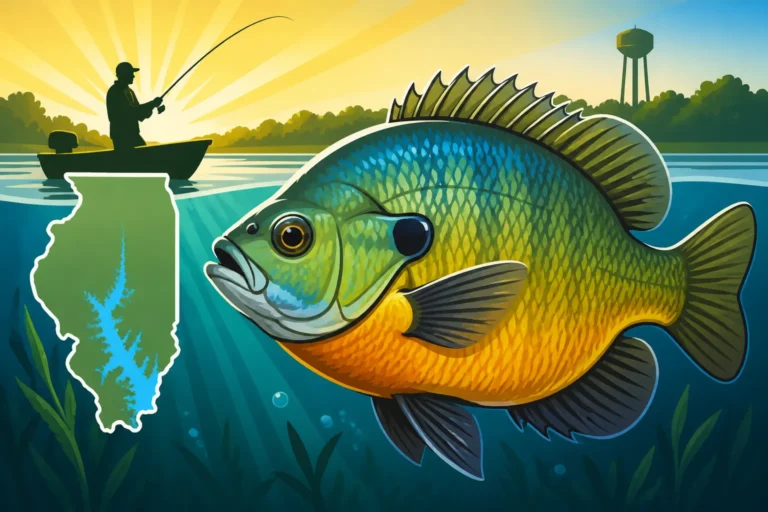
Bluegill are perhaps the most recognizable, with their deep, disc-like bodies, prominent dark "ear flap" (operculum), and often bright orange bellies, especially on spawning males. They are everywhere – farm ponds, lakes, rivers, creeks – and readily bite on worms, crickets, small jigs, and flies. Best Bait for Bluegill Fishing You'll find them schooling around docks, weed lines, and shallow cover. They're not just for kids, though; catching a limit of chunky bluegill provides a delicious meal and a ton of fun for anglers of all ages.
Redear sunfish, also known as "shellcrackers" for their ability to crush snails and mollusks, are another prized panfish. They grow larger than bluegill on average and are often found in cleaner, weedier lakes and ponds. Their distinguishing feature is the red or orange margin on their operculum, hence the name. They can be a bit more finicky than bluegill, often requiring a worm or small piece of cut bait fished on the bottom. Alongside these, you'll also encounter green sunfish (larger mouth, often iridescent blue spots), pumpkinseed sunfish, and various hybrid sunfish, all contributing to the rich panfish bounty of Illinois.
Lake Michigan's Coldwater Treasures: A World-Class Fishery
Illinois might be landlocked for the most part, but our small slice of Lake Michigan shoreline offers an incredible, world-class coldwater fishery. This unique environment supports a different array of species, primarily salmon and trout, providing a completely different angling experience from our inland lakes and rivers.
Coho and Chinook Salmon: The Great Lake Migrators
Lake Michigan is renowned for its salmon fishing, drawing anglers from across the Midwest. These powerful, migratory fish offer an unparalleled fight and are a true trophy for many.
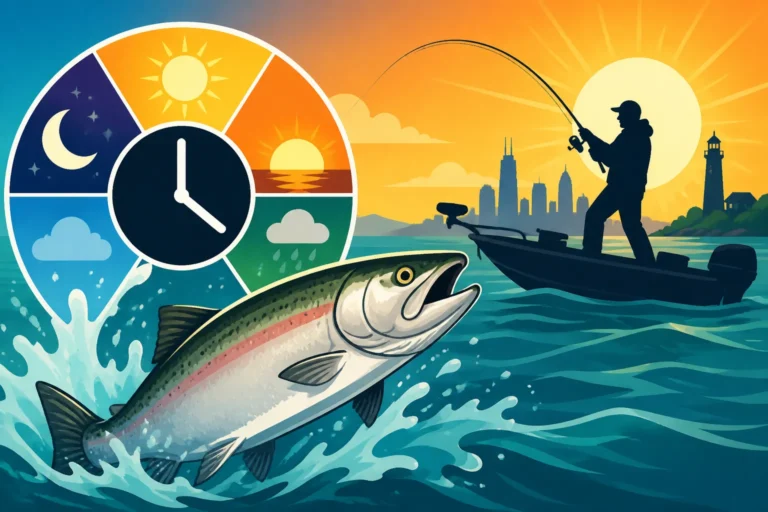
Coho salmon are often the first salmon species to show up in good numbers in the spring, typically near shore as they chase baitfish in warmer waters. They are characterized by a gum line that's dark on the top jaw and light on the bottom jaw, and usually have very few spots on their tail. They put up a fantastic fight, with many acrobatic jumps, and are a staple of the spring fishery, often caught by shore anglers off piers or by boaters trolling spoons and dodger/fly combos. Best Time to Catch Coho Salmon on Lake Michigan in Illinois
Chinook salmon, also known as King salmon, are the largest and most powerful of the Lake Michigan salmon. They have a completely black gum line and spots on both halves of their tail. These fish can grow to impressive sizes, with many exceeding 20 pounds, making them an incredible challenge on stout trolling gear. They are typically found in deeper, cooler water throughout the summer, moving closer to shore in late summer and fall as they prepare to spawn. A battle with a King salmon is an unforgettable experience, often requiring specialized downriggers and heavy rods, which you can easily source from a wide selection on Amazon.
Rainbow, Brown, and Lake Trout: Diverse and Challenging Catches
Beyond salmon, Lake Michigan also holds a healthy population of trout species, each offering its own appeal and challenge to anglers.
Rainbow trout, including their anadromous (lake-run) form, steelhead, are known for their incredible fighting ability, especially when hooked from shore or near stream mouths during their seasonal runs. They are identifiable by a pink or red band along their sides and small black spots. Steelhead runs in Illinois's tributary streams, while limited, are highly anticipated events for fly and spin anglers alike. On the big lake, they are caught throughout the year, often mixed in with salmon catches while trolling.
Brown trout are another fantastic coldwater species, known for their wary nature and impressive size potential. They have dark spots, often with lighter halos, on their sides and a square or slightly forked tail. Brown trout tend to stick closer to shore, especially in cooler water, and can often be caught by casting spoons or stickbaits from piers and breakwaters, particularly during spring and fall. Illinois Lake Michigan Brown Trout Fishing Tips They can be very challenging to tempt, but a big brown trout is a truly rewarding catch. Lake trout, the largest of the Great Lakes trout, are a deep-water species, often caught by boaters trolling heavy spoons or flashers in the cold, clear depths. They have a deeply forked tail and light spots on a dark background. Catching them often requires specific techniques and knowledge of deep-water thermoclines.
Riverine Rulers and Unique Natives: Pike, Muskie, Gar, and Bowfin
Beyond the most common game fish, Illinois's diverse waterways are home to a fascinating array of predatory fish, including some ancient species that offer a unique angling challenge. These fish often thrive in specific habitats, from slow-moving backwaters to large river systems, adding to the rich tapestry of Illinois's aquatic life.
Northern Pike and Muskie: Apex Predators of Our Waters
These long, toothy predators are the freshwater equivalent of sharks, lurking in weed beds and striking with incredible force. They are highly prized by specialized anglers for their challenging nature and impressive size.
Northern pike are found in many of Illinois's larger natural lakes and river systems, particularly in the northern half of the state. They prefer cool, clear water with ample vegetation to ambush prey. Their distinct duck-bill snout, fully scaled cheeks, and a dark, mottled pattern over a light background make them unmistakable. They are aggressive feeders and will strike a wide variety of large spoons, spinnerbaits, and crankbaits. Best Bait for Northern Pike Fishing Catching a "hammer handle" pike is a blast, but hooking into a true trophy pike is an unforgettable experience.
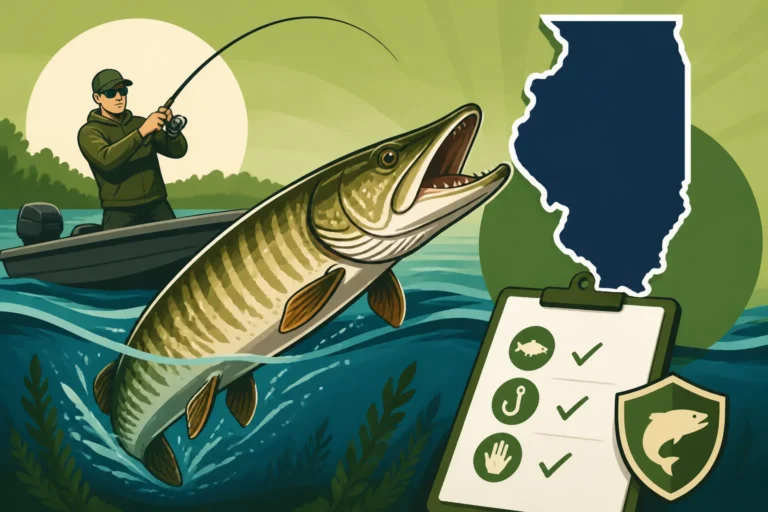
Muskellunge, or muskie, often called "the fish of 10,000 casts," are the larger, more elusive cousins of the pike. They have only the upper half of their gill plate scaled and often exhibit tiger-like bars or spots. Illinois has several excellent muskie fisheries, including Lake Shelbyville, Kinkaid Lake, and the Fox Chain O'Lakes. These fish grow to immense sizes, easily exceeding 40 inches, and require heavy-duty tackle, specialized lures, and a great deal of patience. Landing a muskie is often considered the pinnacle of freshwater fishing for many anglers, a testament to their strength and cunning.
Spotted Gar and Bowfin: Ancient Fish with Modern Appeal
These two species represent a fascinating link to prehistoric times, with their unique appearance and robust nature. While not traditionally targeted by all anglers, they offer a very different kind of fishing excitement.
Spotted gar are members of the gar family, known for their long, slender bodies, diamond-shaped ganoid scales, and distinct long jaws filled with needle-sharp teeth. As their name suggests, they are covered in dark spots on their body and fins. They are often found in slow-moving backwaters, oxbow lakes, and sluggish river sections, particularly in the central and southern parts of Illinois. They are ambush predators, feeding on smaller fish. While challenging to hook due to their bony mouths, they put up a surprisingly strong fight once connected. Illinois Spotted Gar Fishing in the Mississippi River Backwaters Many anglers pursue them for sport using specialized techniques, like frayed rope lures that snag their teeth, rather than a traditional hook.
Bowfin, also known as "dogfish" or "mudfish," are another ancient species common in Illinois's slower, weedier waters, especially in swamps, sloughs, and backwater areas of rivers. They have a long, cylindrical body, a distinct long dorsal fin that runs almost the entire length of their back, and a unique bony plate under their jaw. They also have a very dark spot, often with an orange halo, at the base of their tail. Bowfin are incredibly powerful fighters, making strong runs and thrashing wildly. They are very resilient and can tolerate low oxygen conditions. While not typically eaten, they are fantastic sport fish and offer a thrilling battle on hook and line, readily taking various artificial lures and live bait.
The Supporting Cast: Common But Less Targeted Species
When we talk about 220 species, it's important to remember that many of them are smaller, non-game fish like minnows, darters, and various shiners that form the base of the food chain but aren't typically pursued by recreational anglers. However, there are also several larger species that, while not always the primary target, are very common catches and play important ecological roles.
Carp, Drum, and Suckers: The Ever-Present Bottom Feeders
These fish are found in almost every waterway in Illinois and are often caught incidentally or targeted by anglers seeking a different kind of challenge or simply a bend in the rod.
Common carp are incredibly widespread and can grow to very large sizes, offering a powerful fight that rivals many game fish. They are characterized by their large scales, barbels around their mouth, and golden-bronze coloration. While often considered a nuisance by some, many anglers actively target carp using dough balls, corn, or specialized carp baits. They are prolific, adaptable, and a true test of tackle due to their strength.
Freshwater drum, sometimes called "sheepshead," are common in Illinois's larger rivers and lakes. They have a deep, silvery body and a distinctive humped back. They are bottom feeders, often caught on worms or cut bait, and are known for producing a "drumming" sound, especially during spawning. They can grow to a decent size and offer a good fight.
Various species of suckers, like common white suckers or redhorse suckers, are also prevalent in Illinois. These fish have fleshy, protrusible lips adapted for sucking food from the bottom. They are not typically targeted by many anglers, but are often caught while fishing for other species with worms or small baits on the bottom. While perhaps not as glamorous as a muskie or a walleye, these fish contribute significantly to the aquatic ecosystem and are a constant presence in our waters.
Here's a quick reference for some of Illinois's most common target species:
| Species | Typical Habitat | Common Lures/Bait | Fight Style | Culinary Rating |
|---|---|---|---|---|
| Largemouth Bass | Weedy lakes, ponds, slow rivers | Spinnerbaits, worms, crankbaits, jigs | Explosive strikes, strong pulls | Good |
| Smallmouth Bass | Clear, rocky rivers, cool lakes | Jigs, minnows, crayfish, tube baits | Acrobatic jumps, hard runs | Excellent |
| Walleye | Deep, cool lakes, large rivers, low light | Trolling crankbaits, jigs, minnows | Steady pulls, head shakes | Excellent |
| Channel Catfish | Lakes, rivers, ponds, channels | Cut bait, stink bait, worms | Strong, sustained pulls | Excellent |
| Crappie (Black/White) | Submerged brush, timber, weed lines | Jigs, minnows, small spinners | Light, quick darts | Excellent |
| Bluegill | Shallow cover, docks, weed beds | Worms, crickets, small jigs | Quick, feisty tugs | Excellent |
| Coho Salmon | Lake Michigan (nearshore, open water) | Trolling spoons, dodger/fly combos | Acrobatic, fast runs | Excellent |
| Northern Pike | Weedy lakes, slow rivers | Large spoons, spinnerbaits, jerkbaits | Violent strikes, strong runs | Good |
| Bowfin | Weedy backwaters, swamps, sluggish rivers | Live bait, plastics, spinnerbaits | Extremely powerful, thrashing | Poor (sport only) |
| Common Carp | All waters, especially muddy bottoms | Dough balls, corn, boilies | Long, powerful runs | Fair |
Getting Started: Identifying Your Catch
One of the most rewarding parts of fishing is not just catching a fish, but knowing exactly what you've caught. With 220 species in Illinois, a good fish identification guide is an invaluable tool for any angler. You can often find excellent field guides specifically for Midwestern fish species, or even download apps that help with identification.
Beyond the thrill of the catch, understanding the species you're encountering helps you appreciate the biodiversity of Illinois's aquatic ecosystems. It also makes you a more informed angler, allowing you to tailor your techniques and gear to specific species, and crucially, adhere to the specific regulations that vary by fish type and location. For example, knowing the difference between a walleye and a sauger is important because their size and creel limits can differ significantly. Illinois Walleye Size and Catch Limits Having a solid understanding of what fish inhabit the waters you're fishing, and how to identify them, will only enhance your overall experience. Illinois Fishing Information Guide Covers April 2026 Through March 2027 Don't be afraid to ask fellow anglers, use online resources, or invest in a comprehensive guide book, many of which are readily available from retailers like Amazon.
Exploring Illinois's Diverse Fisheries
Illinois is truly a fantastic place to fish because of this incredible diversity. You can spend a morning chasing smallmouth bass in a rocky river, an afternoon catching panfish with your family in a local pond, and then head to Lake Michigan for salmon and trout over the weekend. Each species offers a unique challenge and reward, making every fishing trip a new adventure. Best Fishing Spots in Illinois
Whether you're after the aggressive strike of a largemouth bass, the delicious fillets of a walleye, the brute strength of a flathead catfish, or the acrobatic leaps of a Lake Michigan coho salmon, Illinois waters have something to offer. While 220 species might sound like a lot, focusing on these main categories will give you a clear path to successful and enjoyable fishing throughout our state. Illinois Fishing Regulations Overview Always remember to check local regulations for specific waters and species, as limits and rules can change. Why Fishing Rules Vary by Lake and River Happy fishing!
Disclaimer
This article is for general informational purposes only and does not constitute professional advice. Laws, prices and regulations vary by location and change over time. Consult a qualified professional for guidance on your specific situation.