Smallmouth Bass vs Largemouth Bass: Which Is Harder to Catch?
It's a question that has sparked countless debates around campfires and bait shops across Illinois: are smallmouth bass truly harder to catch than their largemouth cousins? You're not alone if you've pondered this while staring at a still pond or a rippling river. Many anglers find themselves scratching their heads, wondering why one species seems to jump on anything, while the other demands a level of finesse that borders on frustrating. This guide is here to unravel that mystery, exploring the nuances that make each bass species a unique challenge and helping you understand why your experience might lean one way or the other.
Understanding the Bas(s)ics: Largemouth vs. Smallmouth
Before we dive into the "harder to catch" debate, it's crucial to understand the fundamental differences between these two beloved Illinois game fish. They might both be "bass," but they're distinct creatures with their own preferences and personalities, which directly influence how you encounter them on the water.
Distinguishing Between the Two Species
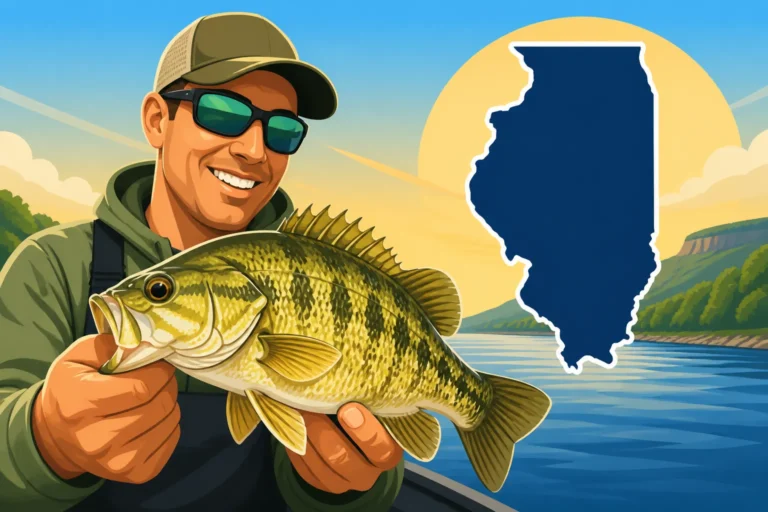
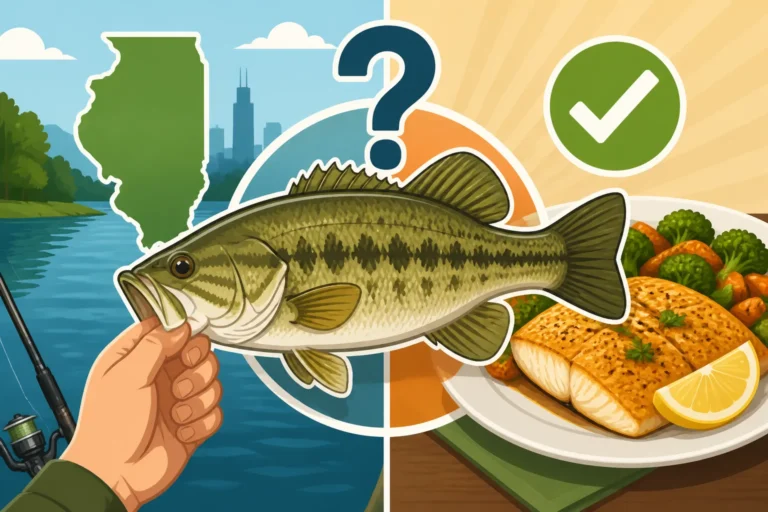
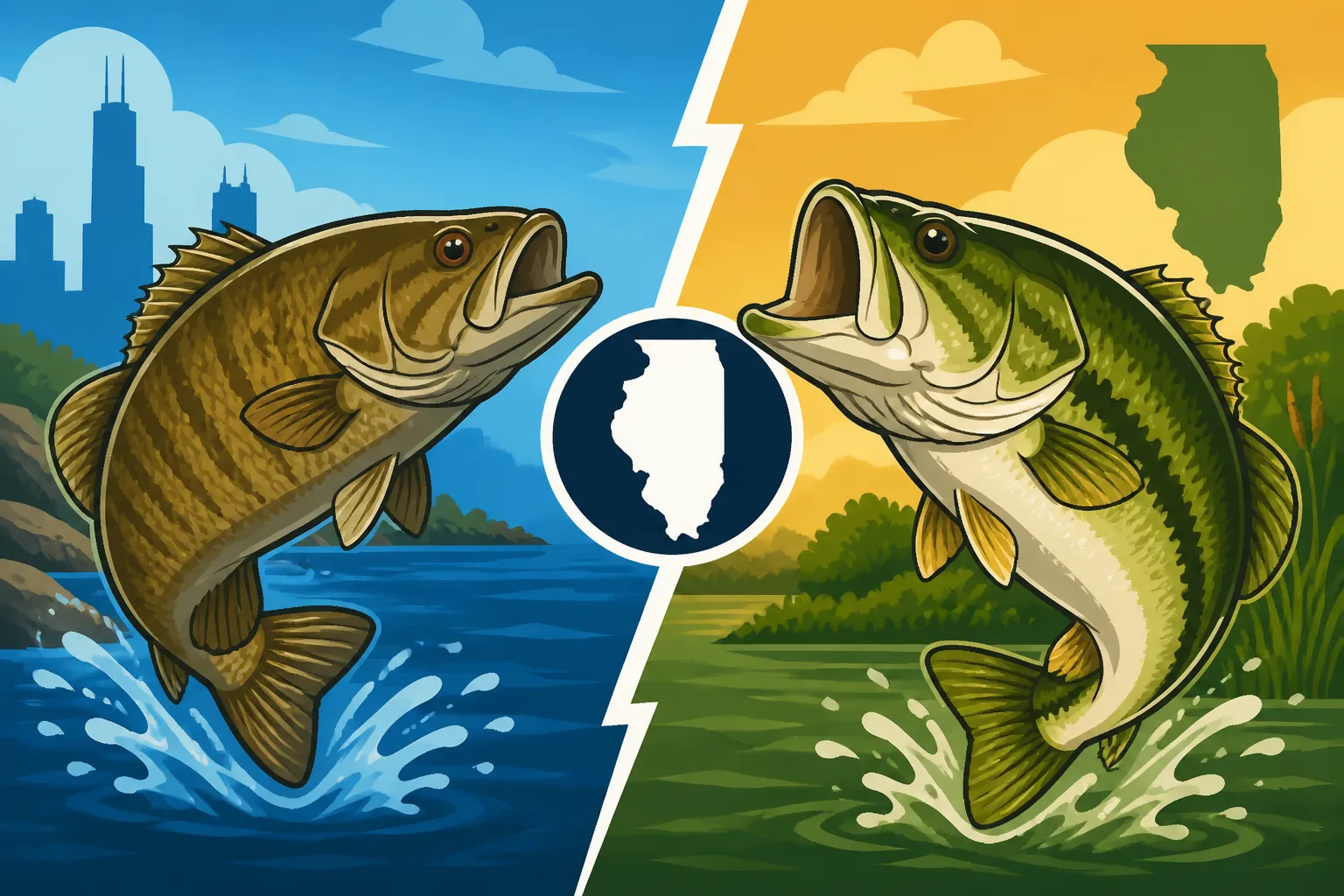
Often, the first step in catching a fish is knowing what you're even looking for. Largemouth and smallmouth bass, while similar in shape, have clear physical tells. The most obvious difference lies in their mouths: a largemouth's jaw extends well beyond the back of its eye, giving it that characteristic "bucketmouth" appearance. Smallmouth bass, on the other hand, have a jaw that generally doesn't extend past the middle of their eye. Beyond that, their coloration and patterns can also give them away. Largemouth often display a distinct dark, horizontal stripe along their sides, while smallmouth tend to have vertical bars or mottled patterns, especially when they're fresh out of cooler, clearer waters.
Knowing these visual cues isn't just for identification; it helps you appreciate their natural camouflage and how it plays into their elusive nature. A smallmouth blending into rocky riverbeds or a largemouth disappearing into dense lily pads are common sights for keen-eyed anglers. These subtle differences influence everything from their preferred diet to how they react to a presented lure, setting the stage for different fishing experiences. Largemouth Bass vs Smallmouth Bass vs Spotted Bass: How to Tell Them Apart offers an even deeper dive into distinguishing these fish.
Preferred Habitats and Behaviors
The environments these fish call home are perhaps the most significant factor in their catchability. Largemouth bass are the kings of still, shallow, and often weed-choked waters. Think about those classic Illinois farm ponds, sloughs, and the calm bays of our larger reservoirs like Rend Lake or Lake Shelbyville. They love structure: submerged timber, lily pads, docks, brush piles, and heavy aquatic vegetation. These areas provide excellent ambush points for their preferred prey and offer plenty of cover. They're often found in warmer, murkier waters, where they can hide effectively and surprise their meals.
Smallmouth bass, by contrast, are creatures of cooler, clearer, and often moving water. You'll find them in rocky rivers like the Kankakee or Fox River, or in the deep, clear sections of larger lakes with abundant rock piles, gravel bars, and current seams. They prefer cooler temperatures and higher oxygen levels, making them more common in the northern parts of Illinois or deeper sections of reservoirs. Their preference for hard bottom and current means they often relate to subtle depth changes, underwater points, and eddies, making them a more challenging target to locate. Smallmouth Bass Fishing in Illinois: The Complete Guide provides excellent insights into their specific haunts.
The Battle of the Bites: Why Largemouth Can Seem Easier
For many anglers, especially those just starting out, largemouth bass tend to be the more forgiving and accessible target. Their widespread presence, aggressive nature, and predictable hiding spots often lead to more frequent hook-ups, giving the impression that they're simply "easier" to catch.
Their Aggressive Nature and Common Haunts
One of the primary reasons largemouth bass often feel easier to catch is their sheer aggression. They are ambush predators, often hiding in dense cover, waiting for an unsuspecting meal to swim by. When they decide to strike, they do so with incredible force, inhaling their prey and often giving you that satisfying "thump" on the end of your line. This aggressive feeding behavior makes them susceptible to a wider variety of baits and lures. You can often get away with a less-than-perfect presentation, as their territorial and predatory instincts will kick in, prompting a strike.
Their preferred habitats, such as weed lines, fallen trees, and shallow coves, are also generally more visible and accessible to anglers, even from the bank. It's easier to identify a promising patch of lily pads or a submerged log than it is to pinpoint a subtle depth change or a current seam in a large river. This accessibility, combined with their willingness to strike, contributes significantly to the perception of them being a less challenging catch.
Wider Range of Effective Baits and Techniques
Because largemouth bass are so opportunistic and aggressive, they respond well to an incredibly diverse array of lures and baits. From topwater frogs skittering across lily pads to Texas-rigged worms punched through heavy cover, spinnerbaits retrieved through grass, or crankbaits deflecting off submerged timber – the options are nearly endless. This versatility means an angler can often find something that works on any given day, experimenting with different colors, sizes, and actions until they unlock the bite.
Natural baits like nightcrawlers or shiners are also highly effective, making largemouth a great target for beginners using simple setups. The sheer volume of bass-specific lures available, many of which can be found readily on platforms like Amazon or in any local sporting goods store, is a testament to their popularity and catchability. This broad appeal and the wide availability of effective tackle means anglers have many tools at their disposal to entice a strike. Best Bait for Largemouth Bass Fishing in Spring offers some great suggestions for getting started.
Smallmouth: The Elusive Fighters of Illinois Waters
Now, let's talk about the smallmouth, the "bronze backs" that many experienced anglers consider the ultimate challenge. While perhaps not as abundant or widespread as largemouth in every corner of Illinois, their cunning and powerful fights make them a coveted prize.
Clearer Water, Finer Lines, and Subtle Strikes
Smallmouth bass typically inhabit clearer waters, whether it's the rocky stretches of the Mississippi River or the deeper, pristine sections of our larger lakes. This clearer environment means they have excellent visibility, and they can be much pickier and more wary of an unnatural presentation. This often necessitates lighter lines, more natural-looking baits, and a more subtle approach from the angler. You can't just heave a gaudy spinnerbait into their zone and expect a strike every time; sometimes, a delicate finesse presentation is required.
Their strikes can also be far more subtle than a largemouth's crushing blow. Often, a smallmouth bite feels like a slight "tick" or a sudden heaviness on the line, rather than a definitive thud. This requires heightened sensitivity from the angler, both in their rod and reel setup and in their focus. Missing these subtle indications can mean missing a fish, adding another layer of challenge to the pursuit. Mastering this sensitivity is a skill that takes time and practice to develop.
Stronger Fights in Current and Structure
Here's where the smallmouth truly earns its reputation: its fight. Ounce for ounce, many anglers would agree that a smallmouth bass fights harder and with more acrobatics than a largemouth. They are renowned for their powerful runs, head shakes, and spectacular aerial jumps, especially when hooked in river currents or over rocky structure. They use the current to their advantage, peeling line off your reel with surprising speed, and often dive for sharp rocks or snags to try and break you off.
Their habitat also plays a role in the difficulty of landing them. Fighting a strong smallmouth over sharp rocks or around submerged logs in a river current requires precise rod work, proper drag settings, and quick reactions. It's a test of both angler and gear, where a momentary lapse can result in a lost fish. Landing one of these powerful fish, especially a trophy-sized one, is a deeply rewarding experience, but it rarely comes easy. Best Lures for Smallmouth Bass in Spring can help you gear up for this exciting challenge.
Factors That Influence Catch Difficulty Beyond Species
While the inherent characteristics of largemouth and smallmouth bass certainly play a role in their perceived difficulty, it's also important to acknowledge that many other variables can sway your success on any given fishing trip. Sometimes, it's not the fish, but the conditions or the angler, that makes the difference.
Weather, Season, and Water Conditions
Fish behavior is heavily influenced by external factors. A sudden cold front, for instance, can make both largemouth and smallmouth incredibly sluggish and difficult to tempt. How to Catch Bass After a Cold Front can be a lifesaver in these situations. Conversely, a warm, stable weather pattern can make fish more active and willing to bite, regardless of species. The time of year also matters immensely; during the spawn, both species can be easier to catch due to their territorial instincts, while post-spawn can be a tougher bite as they recover.
Water conditions are another huge factor. High, muddy water in a river after heavy rains might shut down a smallmouth bite, forcing them to hold tight to cover, making them nearly impossible to find. On the other hand, a stable water level with moderate clarity can make smallmouth more predictable. For largemouth, overly clear water can make them spooky, while a slight stain can often increase their aggression. Understanding these environmental shifts is key to adapting your approach.
Angler Skill, Experience, and Patience
Let's be honest: a lot of "difficulty" boils down to the angler. Someone new to fishing, or even new to targeting a specific species, will naturally find it more challenging. Experienced anglers develop a "fish sense" – an intuitive understanding of where fish might be, what they might be eating, and how they might react. This comes from countless hours on the water, observing, experimenting, and learning from successes and failures.
Patience is also a virtue, especially when targeting more wary fish like smallmouth. It might mean waiting out a slow bite, meticulously working a specific piece of structure, or making hundreds of casts to get that one perfect presentation. Developing the skills to identify subtle bites, properly set the hook, and effectively fight a fish are all critical, and these skills are honed over time, making every species seem a little less daunting with practice. Best Time of Day to Fish for Bass is a great resource for understanding optimal fishing windows.
Equipment and Tackle Selection
Having the right tools for the job can make a world of difference. While you can catch both species on general-purpose gear, specialized equipment can significantly increase your chances, especially with smallmouth. For instance, a sensitive medium-light spinning rod with light fluorocarbon line is often ideal for detecting those subtle smallmouth bites and handling finesse presentations. For largemouth in heavy cover, a powerful baitcasting setup with heavy braided line allows you to rip fish out of thick vegetation.
Thinking about specific lure types, colors, and sizes for each species and condition is also vital. While largemouth might hit a chartreuse spinnerbait in murky water, a smallmouth in clear water might prefer a natural crawfish-imitating jig. Many anglers swear by particular brands of specialized tackle, which you can easily find on platforms like Amazon, ensuring you're always prepared. Investing in quality gear that matches your target species and fishing environment, whether it's a specific rod action or a specific type of bait, is a key part of reducing the "difficulty" factor.
The Verdict: Which is Harder to Catch?
So, after all this, which one takes the crown for being harder to catch? The honest answer is that smallmouth bass are generally considered harder to catch for most anglers, especially beginners.
Largemouth bass are often more forgiving. They are widely distributed across Illinois, inhabit more accessible and predictable environments, and their aggressive nature makes them prone to striking a broader range of baits with less-than-perfect presentations. They're excellent fish for teaching new anglers the ropes and building confidence.
Smallmouth bass, however, demand more precision, patience, and finesse. Their preference for clearer, often moving water makes them warier, requiring lighter lines and subtler presentations. Their strikes can be more delicate, and their fights are notoriously powerful and acrobatic, often challenging an angler's skill and equipment to the limit. They typically require a more specialized approach and a deeper understanding of their unique behaviors and habitats. This doesn't mean largemouth are "easy" – a trophy largemouth is a significant achievement – but the overall learning curve and consistent challenge are often higher with smallmouth.
Ultimately, the "difficulty" is subjective and can be heavily influenced by your local waters, your personal fishing style, and your experience. Both species offer incredible angling opportunities throughout Illinois, and dedicating time to understanding either one will undoubtedly lead to rewarding days on the water.
| Feature | Largemouth Bass | Smallmouth Bass |
|---|---|---|
| Typical Habitat | Warm, shallow, vegetated, murky water; ponds, lakes, backwaters | Cool, clear, rocky water; rivers, deep lake sections, current |
| Strike Behavior | Aggressive, often a hard "thump" or engulfing bite | More subtle, often a "tick," sudden weight, or light tug |
| Fight Style | Powerful head shakes, dives for cover | Strong runs, acrobatic jumps, uses current effectively |
| Common Lures | Spinnerbaits, jigs, crankbaits, plastic worms, topwater frogs | Jigs, tubes, finesse worms, shaky heads, small crankbaits |
| Line Sensitivity | Less critical for detecting bites | Highly critical for detecting subtle bites |
| General Difficulty | Easier for beginners, more forgiving | Generally harder, requires more finesse and experience |
Disclaimer
This article is for general informational purposes only and does not constitute professional advice. Laws, prices and regulations vary by location and change over time. Consult a qualified professional for guidance on your specific situation.