Is Bluegill a Good Beginner Fish for Kids?
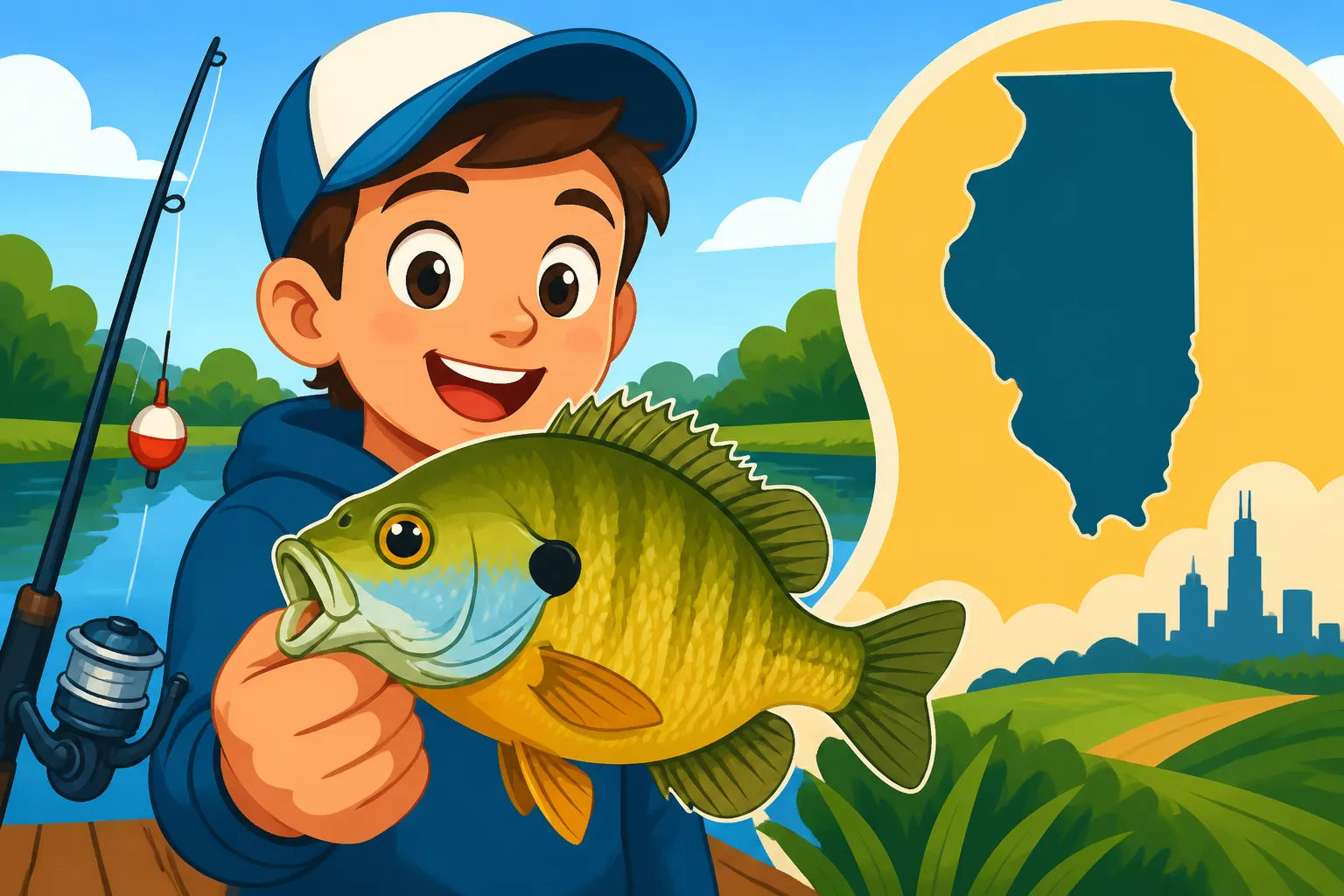
One of the biggest hurdles for parents wanting to introduce their children to the joys of fishing is the fear of a frustrating, fish-less day that turns them off the sport forever. No one wants to see a child bored or upset because nothing is biting! This guide is here to tell you that bluegill are the absolute perfect answer for creating magical, memorable, and successful first fishing experiences for kids, ensuring their first cast leads to a lifelong love of the water.
Why Bluegill Are the Ultimate First Fish for Young Anglers
Let's be honest, getting a child hooked on fishing (pun intended!) often comes down to one thing: catching fish. And for that, bluegill are practically unbeatable. They are the welcoming committee of the freshwater world, ready and willing to bite, making them ideal for those initial outings with your little ones.
Abundant and Easy to Locate
One of the most appealing aspects of bluegill is just how prevalent they are across Illinois. You don't need a fancy boat or secret maps to find them. They thrive in nearly every pond, lake, and slow-moving river or creek in the state. This means less time traveling and more time fishing, which is always a win when you have impatient youngsters in tow. Look for them around any kind of cover: lily pads, fallen trees, docks, or even just shallow, weedy areas. Their widespread presence almost guarantees that your kids will get bites, turning potential boredom into excited squeals. It’s hard to beat the confidence boost a few quick catches provide, especially for a first-timer.
These fish are truly the bread and butter of our local waterways. Whether you're heading to a small community pond, a local park lake, or even some of the vast state park reservoirs, chances are, bluegill are there in good numbers. This accessibility is crucial for parents, as it removes a lot of the logistical headaches that come with trying to find more elusive species. You can often find great spots for them that are easily accessible from shore, meaning no need for a boat, making it even simpler for a spontaneous family outing.
Aggressive Biters and Feisty Fighters
Bluegill aren't shy. They're curious and opportunistic eaters, which means they're usually eager to snatch a bait that drifts by. This aggressive biting behavior is a game-changer for kids. Instead of waiting for what feels like an eternity for a nibble, children can often experience multiple bites in a short period. Each bobber dip, even if it doesn't result in a landed fish, builds anticipation and keeps their attention squarely on the water. It turns fishing into an active, engaging pursuit rather than a passive wait.
And once a bluegill takes the bait, they put up a surprisingly spirited fight for their size! On ultralight or even just kid-sized tackle, a bluegill's tug can feel like a monster. This "feisty fighter" characteristic is fantastic for kids because it teaches them how to reel in a fish, how to hold the rod, and the sheer fun of battling a creature from the deep. That exhilarating pull on the line, followed by the sight of a vibrant, iridescent bluegill flopping in hand, creates an indelible memory. It's not just about the catch; it's about the thrill of the struggle and the satisfaction of reeling it in themselves.
Simple Tackle, Big Rewards
One of the best parts about bluegill fishing is that you don't need to break the bank on specialized gear. A basic, inexpensive setup is all you need, which is perfect for beginners who might not stick with it, or for parents who don't want to invest heavily right away. A simple spincast rod and reel combo, often found in kids' fishing kits, is absolutely ideal. These combos are designed for ease of use, with simple push-button casting that even the youngest anglers can master with a little practice. You can find excellent starter kits on Amazon that include everything from the rod to a small tackle box, making it super convenient.
Beyond the rod and reel, your tackle box for bluegill can be incredibly sparse. A handful of small hooks (size 8 or 10), a few split shot weights, and a bobber are pretty much all you need. This simplicity reduces clutter, confusion, and expense. It allows the focus to remain on the act of fishing, rather than on complex rigging or an overwhelming array of lures. The biggest rewards come not from the gear, but from the smiles on your kids' faces. For a deeper dive into simple setups, check out our guide on Best Beginner Bluegill Fishing Setup.
Getting Kids Ready for a Bluegill Adventure: Gear and Basic Techniques
Getting started with bluegill fishing is truly as easy as pie. The beauty lies in its simplicity, making it a stress-free entry point for any family. You won’t need to spend hours at the tackle shop or watch endless tutorial videos.
The Perfect Kid-Friendly Setup
When equipping a young angler, simplicity and durability are key. As mentioned, a spincast reel on a lightweight rod is the gold standard for kids. These reels prevent tangles by having an enclosed spool, and the push-button casting mechanism is intuitive for small hands and developing motor skills. Look for rods that are around 4 to 5 feet long – easy for kids to handle without being too unwieldy. Many of these combos come pre-spooled with monofilament line, which is perfectly fine for bluegill. You can often find great starter sets for kids that include a rod, reel, and a small assortment of tackle for a very reasonable price on Amazon.
For terminal tackle, keep it minimal. A small, sensitive bobber (the red and white classic is always a hit) is essential. It provides a visual cue when a fish bites, which is incredibly exciting for kids. Below the bobber, you’ll want a small split shot weight or two, just enough to get your bait down a few feet, and a small hook. Hooks in sizes 8, 10, or even 12 are perfect for bluegill's small mouths. Having a few different sizes on hand won't hurt, but don't overthink it. The goal here is to get them comfortable with the basics. We cover more on this in How to Teach a Kid to Fish for Panfish.
Simple Baits That Bluegill Can't Resist
Bluegill are not picky eaters, which is another huge advantage when fishing with kids. Forget expensive lures or complex presentations; natural, readily available baits are often the most effective. The undisputed champion for bluegill is the humble worm. Nightcrawlers cut into smaller pieces, red worms, or even tiny garden worms are irresistible to them. They're easy to put on a hook, and kids often enjoy digging them up themselves, adding another layer of fun to the experience.
Beyond worms, other common household items or easily acquired baits work wonders. Crickets, small pieces of corn, or even a tiny ball of bread can be surprisingly effective. These baits are non-intimidating for kids to handle and are usually cheap or free. The sheer variety of simple baits means you can experiment a bit and see what the bluegill are biting on that particular day, keeping the fishing interesting. Having a small container of live bait, like a cup of worms, is often all you need for a successful bluegill outing.
Basic Fishing Techniques for Little Hands
The most straightforward and effective bluegill fishing technique for kids involves a bobber. Rigging is simple: slide a bobber onto the line, pinch on a split shot weight a foot or so below it, and tie on your small hook. Then, bait the hook with a small piece of worm. For casting, if they're old enough, teach them the push-button cast. If they're very young, simply dropping the bait gently near cover is often all that's needed. Bluegill will often be holding close to structure or in shallow areas, making long casts unnecessary.
The magic happens when the bobber starts to dance. Instruct your child to watch the bobber intently. When it jiggles, dips, or disappears completely, that's their cue to gently pull back on the rod and start reeling. This visual feedback is instant and incredibly satisfying. Don't worry about perfect technique; the goal is connection and excitement. Celebrate every bite, even if the fish gets away. It's about the process and the thrill of interaction. For a more detailed look at rigging, check out our guide on How to Rig a Wax Worm Under a Bobber for Bluegill.
Beyond the Catch: The Educational and Fun Aspects of Bluegill Fishing
While catching fish is undeniably exciting, bluegill fishing offers so much more than just a full stringer. It's an opportunity to teach valuable life lessons, foster a love for the outdoors, and create cherished family memories that will last far longer than any fish.
Building Patience and Connection to Nature
In a world filled with instant gratification, fishing teaches patience in a hands-on way. Kids learn to wait, observe, and appreciate the rhythm of nature. It’s not about endless screen time; it’s about watching a bobber, feeling the sun, and listening to the sounds of the lake. Even if a bluegill isn't biting every second, the act of being present in nature is a gift. This quiet observation often leads to curiosity about dragonflies, turtles, ducks, and other wildlife sharing the same habitat.
Fishing becomes a gateway to understanding ecosystems and developing an appreciation for conservation. When a child catches a fish, they gain a tangible connection to the natural world around them. They learn about different species, their habitats, and the importance of healthy waters. It's an organic lesson in biology and ecology that sticks with them. This connection can spark a lifelong passion for protecting our precious natural resources, far beyond the initial fun of reeling in a bluegill.
Identifying Bluegill and Other Panfish
Bluegill are part of a larger family of fish often referred to as "panfish" due to their size, perfect for fitting in a frying pan. Fishing for bluegill naturally opens the door to identifying other similar species they might encounter. You can turn each catch into a mini-science lesson: "Is this a bluegill, or a different kind of sunfish like a pumpkinseed or a green sunfish?" Teaching them to look for key characteristics, like the black spot on the 'ear flap' of a bluegill or the darker bars of a green sunfish, adds an educational layer to the fun.
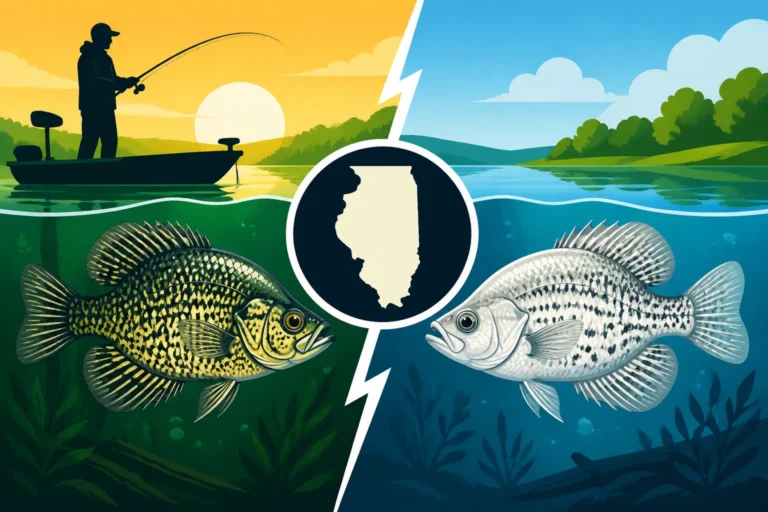
This skill not only makes the fishing experience more engaging but also builds their observation skills and scientific literacy. It teaches them that nature is diverse and that there's always something new to learn. Even if they can't perfectly identify every fish, the act of trying and noticing differences is invaluable. For a comprehensive overview of these species, our article Illinois Panfish Species: Bluegill, Crappie and Sunfish Explained is a fantastic resource. The more they learn, the more invested they become in their outdoor adventures.
Creating Lasting Family Memories
Ultimately, bluegill fishing with kids isn't just about catching fish; it's about making memories. The shared laughter, the quiet moments of anticipation, the proud smiles when they land their first fish – these are the treasures parents seek. These experiences strengthen family bonds and create stories that will be retold for years to come. Forget the stress of trying to plan a perfect, elaborate outing; sometimes, the simplest adventures are the most profound.
Whether it’s a quick afternoon trip to a local pond or a full weekend camping by a state lake, bluegill fishing provides the backdrop for authentic family time. The joy on a child's face as they hold their first fish, no matter how small, is priceless. It's a chance to unplug, connect with each other, and appreciate the simple wonders of the world. This emphasis on the experience over the outcome is why bluegill are often considered the Easiest Fish to Catch for Beginners, ensuring more positive experiences.
Where and When to Find Abundant Bluegill in Illinois
Knowing where and when to target bluegill can significantly increase your chances of success, leading to more smiles and fewer sighs from your young anglers. Illinois offers a wealth of opportunities, you just need to know where to look.
Local Ponds and State Park Lakes
For bluegill, you don't typically need to venture far. Your local community ponds, often found in parks or housing developments, are frequently stocked and managed for panfish. These are fantastic starting points because they're usually easy to access, offer plenty of shoreline fishing opportunities, and might even have amenities like restrooms and picnic areas, which are crucial when fishing with kids. Many of these smaller waters are perfect for a quick hour or two of fishing without a huge time commitment.
Illinois State Parks are another goldmine for bluegill. Lakes like those at Shabbona Lake State Park, Weldon Springs State Park, or even smaller ponds within larger parks often teem with bluegill. These locations are well-maintained and are often specifically highlighted by the Illinois Department of Natural Resources (IDNR) as good spots for family fishing. They provide a safe and scenic environment for children to learn and explore. For excellent recommendations, check out our guide on Best Spots for a Kid's First Fish in Illinois. Always remember to check the specific park's regulations before you go, but generally, these are very family-friendly environments.
Timing Your Bluegill Trip for Success
Bluegill are active throughout much of the year, but some times are definitely better than others, especially for keeping kids engaged. Spring and early summer are prime times, as bluegill become very active and move into shallower waters to spawn. During this period, they are highly aggressive and easier to find close to shore, making them simple targets for bank anglers. Look for water temperatures starting to rise into the 60s Fahrenheit.
When it comes to the best time of day, early mornings and late afternoons/evenings usually provide the most action. During these cooler parts of the day, bluegill are often more actively feeding. Midday during bright, hot summer days can be slower, as they tend to retreat to deeper, cooler water or denser cover. However, even during slower periods, a persistent angler with a worm can usually coax a few bites. Timing your trip with the best activity windows will simply maximize the fun factor for your children. Our article on Best Time of Day to Catch Crappie has some crossover advice for panfish in general.
Safety First on the Water
While bluegill fishing is generally a very safe activity, especially from shore, it's paramount to prioritize safety, particularly when children are involved. Always make sure children wear properly fitted life jackets, even if they are strong swimmers, especially if you're fishing near deeper water or from a boat. Sun protection is also key: hats, sunglasses, and sunscreen are a must, as kids can get sunburned quickly without realizing it.
Beyond personal safety gear, teach children how to handle fish carefully and ethically. Show them how to gently hold a bluegill, being mindful of its fins, and how to safely remove the hook. If you plan on releasing fish, emphasize the importance of getting them back into the water quickly. It’s also wise to carry a small first-aid kit for minor scrapes or punctures. These lessons in responsible angling and personal safety are just as important as the joy of catching a fish. For more on sizing, our article Proper Life Jacket Fit for Kids Fishing in Illinois is a must-read.
| Feature | Bluegill (Sunfish) | Crappie (Panfish) | Small Bass (Largemouth/Smallmouth) |
|---|---|---|---|
| Ease of Catch | Excellent (Very High) | Good (High) | Moderate (Medium) |
| Fight Level | Feisty on light tackle | Moderate, can be delicate | Strong, aggressive |
| Tackle Needed | Ultralight/Kid's Combo | Ultralight/Light | Light/Medium |
| Common Baits | Worms, Crickets, Corn, Bread | Minnows, Jigs, Small Plugs | Worms, Plastic Worms, Crankbaits |
| Typical Habitat | Shallow, weedy, structure | Brush piles, deeper cover | Structure, submerged vegetation |
| Kids' Engagement | Very High | High | Moderate |
Disclaimer
This article is for general informational purposes only and does not constitute professional advice. Laws, prices and regulations vary by location and change over time. Consult a qualified professional for guidance on your specific situation.