Proper Life Jacket Fit for Kids Fishing in Illinois
It's a familiar scene: you're finally out on the water, the sun is shining, and your little one is practically vibrating with excitement, rod in hand, ready to catch their first fish. But then comes the life jacket, and the ensuing struggle to get it on correctly. Getting a life jacket to fit a squirming child, especially one eager to cast a line, can feel like a Herculean task, but it's absolutely crucial for their safety. This guide is all about making sure that essential piece of gear fits just right for your kids when they're fishing Illinois's beautiful lakes and rivers, ensuring their safety and your peace of mind.
Why a Proper Life Jacket Fit for Kids is Non-Negotiable on Illinois Waters
Let's be honest, few kids love wearing a life jacket. They can feel bulky, hot, and restrictive, especially when they're trying to perfect their casting motion or reel in a feisty bluegill. But when it comes to safety on the water, there’s simply no compromise. An ill-fitting life jacket is almost as dangerous as no life jacket at all, offering a false sense of security that can have serious consequences. We, as parents and guardians, bear the responsibility of ensuring our children are protected, and that starts with understanding why fit is so critical.
The waters of Illinois, from the sprawling expanse of Lake Michigan to the quiet serenity of a local farm pond, offer incredible fishing opportunities. However, even calm waters can hold unexpected hazards. A child can slip on a wet dock, stumble on uneven terrain near the bank, or get jostled in a boat. In these moments, a properly fitted life jacket means the difference between a scary incident and a potentially tragic one. It's not just about compliance with the law; it's about protecting the most precious cargo we have.
Think of a life jacket not as an accessory, but as the single most important piece of safety equipment your child will wear on the water. It needs to provide reliable buoyancy, keep their head above water, and allow for easy breathing, even if they're unconscious or disoriented. Achieving this depends entirely on the correct size and snug fit. So, let’s delve into the specifics of what that truly means for young anglers.
Understanding Illinois's Life Jacket Laws for Young Anglers
First and foremost, it's essential to be aware of the legal requirements for life jackets in Illinois, because these aren't just suggestions; they're rules designed to save lives. Illinois law is very clear: children under the age of 13 must wear an approved personal flotation device (PFD) whenever they are on a watercraft that is underway. This applies to motorboats, sailboats, kayaks, canoes, and even paddleboards. "Underway" simply means not anchored, moored, or aground. So, if you're drifting to your favorite fishing spot or moving from one cove to another, that PFD needs to be on and fastened correctly.
The type of PFD matters, too. It must be U.S. Coast Guard (USCG) approved, in serviceable condition, and of the appropriate size for the wearer. For kids, this typically means a Type I, II, or III PFD. While Type I offers the most buoyancy and turns most unconscious wearers face-up, they are often bulky. Type II is slightly less bulky, and Type III is commonly chosen for recreational activities like fishing because it allows for a greater range of motion and comfort, while still providing ample flotation. Just remember, a Type III requires the wearer to be conscious and actively try to keep their face out of the water. For more details on the specific age requirements, you can always refer to resources like Illinois Life Jacket Rules for Children Under 13.
It’s worth noting that while the law focuses on children on a watercraft that is underway, it’s always a good practice to have young children wear a PFD even when fishing from a pier, dock, or steep bank, especially if they aren't strong swimmers. Accidents happen quickly, and the extra precaution is always worth it. Don't wait for something to go wrong; make it a habit every time they're near or on the water.
The Hidden Dangers of an Ill-Fitting PFD
Imagine your child falls into the water wearing a life jacket that's too big. What happens? Instead of floating safely, the jacket can ride up around their ears and face, pushing their head down into the water. This is incredibly dangerous, as it can obstruct their breathing, disorient them, and make it difficult for them to keep their airway clear. It might even slip off completely in a struggle, leaving them unprotected. Many parents, thinking "they'll grow into it," inadvertently put their children at risk by buying oversized PFDs. This is a common and understandable mistake, but one that needs to be avoided at all costs.
Conversely, a life jacket that is too small won't offer enough buoyancy to keep them afloat effectively, or worse, they won't even be able to fasten it properly. If straps are strained or zippers are forced, the integrity of the PFD is compromised, making it prone to failure when it's needed most. A small jacket can also be incredibly uncomfortable, digging into their armpits or chest, leading to complaints and a reluctance to wear it. This discomfort can distract them from the joy of fishing and, more importantly, might lead them to try and remove it.
The key here is that a life jacket must be snug, like a hug, not restrictive. It needs to be tight enough that it won't ride up, but loose enough for comfortable movement and breathing. This delicate balance is what we're aiming for. The buoyancy of the PFD works by displacing water, and if there's too much space between the jacket and the child's body, that efficiency is lost. It’s a critical piece of the puzzle for keeping your little angler safe in any Illinois fishing adventure.
The Step-by-Step Guide to Achieving the Perfect Fit
So, how do we get that perfect fit? It's not as complicated as it might seem, but it does require a bit of attention to detail and, yes, some patience, especially with an excited child. Think of it as putting on a seatbelt in a car – it needs to be snug and correctly positioned to do its job. A well-fitted life jacket means your child can focus on the fishing, and you can enjoy the outing without constant worry.
The process involves a few simple checks and adjustments, and once you get the hang of it, it becomes second nature. It starts with selecting the right size based on your child's weight and then making sure all the straps and buckles are doing their job. Don’t skip any steps, even if your child is eager to get to the water. A minute or two spent on a proper fit could save a lifetime of regret.
This isn't just about cinching straps; it's about understanding the design of the PFD and how it interacts with your child's body. We’ll walk through each stage, making sure you know exactly what to look for and how to adjust for maximum safety and comfort.
Weight, Size, and Type: Starting with the Right PFD
The very first step, even before your child tries it on, is to check the manufacturer’s label. Every USCG-approved life jacket will have a label that clearly indicates the weight range it is designed for. This is non-negotiable. Do not try to make a jacket fit a child outside of its specified weight range. Children's PFDs are typically categorized as Infant (up to 30 lbs), Child (30-50 lbs), and Youth (50-90 lbs), though some brands might have slightly different breakdowns. For a youth who is nearing or over 90 lbs, they may fit into an adult extra-small PFD.
Next, consider the type of PFD. As mentioned, Type I, II, and III are common. For general fishing, a Type III is often preferred due to its comfort and freedom of movement, which is essential for casting and reeling. Brands like Bass Pro Shops offer a wide selection of USCG-approved PFDs in various sizes and styles, including those specifically designed for children with bright colors and fun patterns that kids might actually want to wear. You can also find a good array of options online through retailers like Amazon, often with customer reviews that can help guide your selection.
When selecting, also look for features that aid comfort and fit. For smaller children, a PFD with a grab handle at the neck is a fantastic feature, allowing you to easily pull them out of the water if needed. A crotch strap is absolutely vital for infant and child sizes, as it prevents the jacket from riding up when submerged. Without it, the jacket is far more likely to slip off over their head. Don't compromise on these details; they are there for a reason.
The "Lift Test" and Final Adjustments
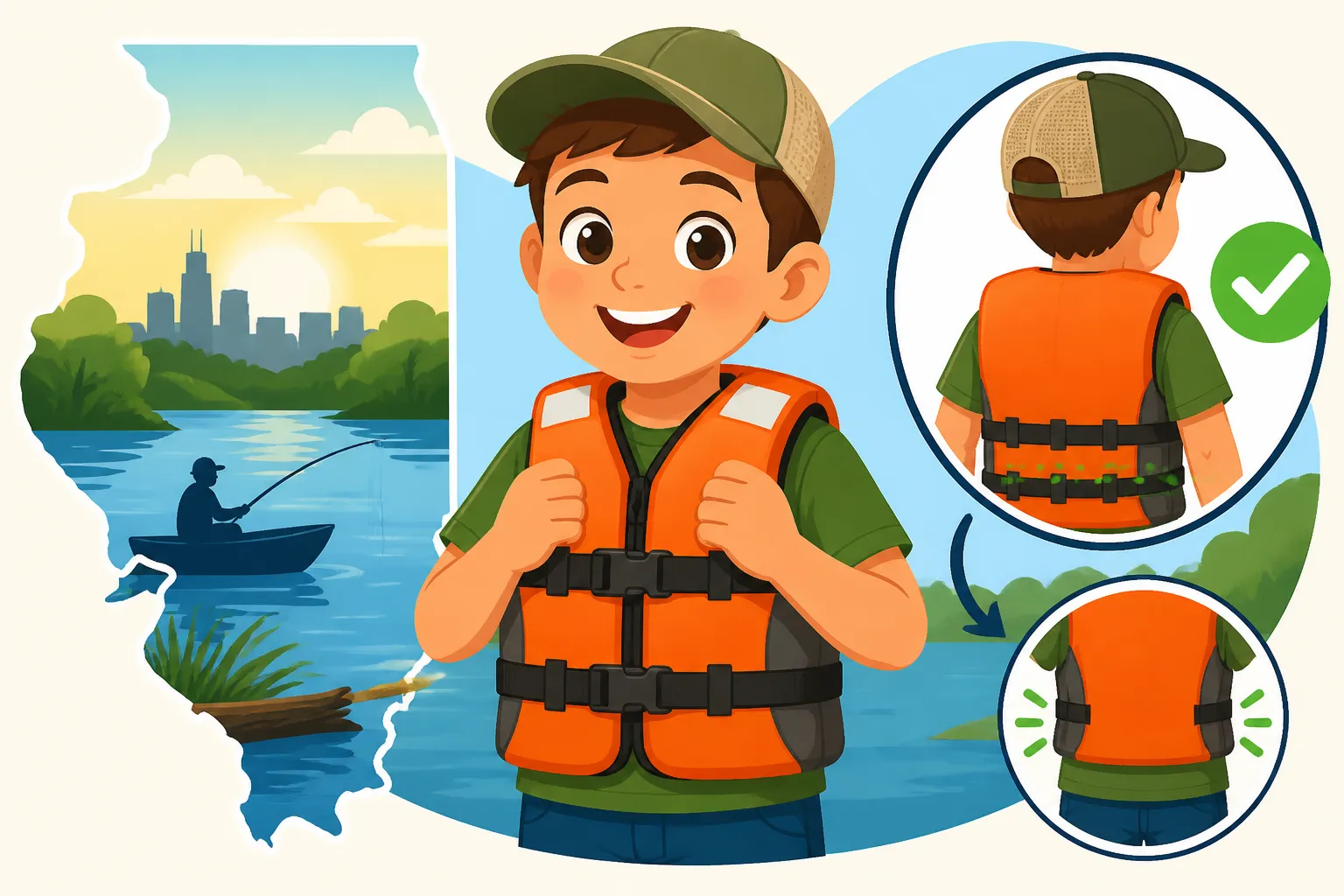
Once you've picked the right size and type, it's time to put it on and perform the crucial "lift test." Have your child stand tall. Zip up the life jacket first, if it has a zipper, then buckle all the buckles, starting from the bottom and working your way up. Finally, tighten all the straps – shoulder, chest, and especially the crotch strap if present – until the jacket feels snug. You should be able to slide your hand between the jacket and their shoulder, but it shouldn't feel loose enough to easily pull up.
Now for the test. Standing behind your child, grasp the life jacket at the shoulders and gently lift straight up. If the jacket slides up past their chin or ears, it’s too loose. It needs to be tightened further. If you can't get it snug enough to prevent it from riding up, it’s likely too big, and you need to go down a size. The goal is for the jacket to stay firmly in place on their torso, without impeding their head movement. This test is the best indicator of whether the PFD will actually perform its job in the water.
After passing the lift test, have your child try moving around, mimicking casting and reeling motions. Do they have a full range of arm movement? Is anything pinching or rubbing uncomfortably? A good fit balances safety with the ability to participate in the activity. Sometimes, adjusting the tension slightly on different straps can improve comfort without sacrificing security. Remember, the idea is to integrate the life jacket into their fishing experience, not make it a burden. You want them to be able to enjoy landing that big catch without feeling constrained. For general advice on fitting, always consult the manufacturer's guidelines, but the lift test is your best real-world indicator.
Common Challenges and Solutions for Keeping Kids Comfortable and Safe
Let's face it, kids are kids. They're going to complain. "It's too hot!" "It's itchy!" "I can't move my arms!" These are all valid frustrations that, if ignored, can lead to a child trying to remove their life jacket, which completely defeats its purpose. It's a balance between absolute safety and making the experience enjoyable enough that they'll willingly keep the PFD on. Understanding these challenges and having a few tricks up your sleeve can make all the difference for a successful and safe fishing trip.
Part of the solution lies in preparation and setting expectations. Just like we prepare our own gear, we need to think about their comfort. This involves everything from the material of the PFD itself to how we introduce and reinforce the importance of wearing it. It’s an ongoing conversation, not a one-time lecture.
We also need to remember that life jackets, like any other piece of gear, require care and maintenance. A neglected PFD can quickly become ineffective or unhygienic, adding to a child’s reluctance to wear it. A little routine maintenance goes a long way in ensuring its longevity and continued safety.
Dealing with Discomfort and Resistance
One of the biggest hurdles is discomfort. Modern life jackets for kids have come a long way, but some are still bulkier than others. Look for PFDs made from soft, flexible materials with good ventilation. Neoprene life jackets, for example, can be very comfortable and less restrictive than traditional foam models. Having a variety of options to choose from might even make the selection process more engaging for your child. Letting them pick out their favorite color or a design that appeals to them can significantly increase their willingness to wear it.
Making it a routine also helps. From a young age, if they understand that a life jacket goes on before they get near the water, it becomes less of a battle. Lead by example: wear your own PFD, especially if you're on a boat. Explaining why they wear it in simple terms – "It helps you float like a superhero!" – can be more effective than simply barking orders. For tips on making fishing fun and educational, consider articles like Best Beginner-Friendly Fish Species for Kids Fishing in Illinois or How to Teach a Kid to Fish for Panfish.
Consider the weather. On hot Illinois summer days, a bulky PFD can be stifling. Try lighter, less restrictive models (while still ensuring USCG approval and proper fit). Take frequent breaks, especially for younger children, allowing them to cool down in a safe, PFD-free area if possible. Ensure they stay hydrated, and use plenty of sunscreen. A comfortable child is a safe child, and a comfortable child is much more likely to keep their life jacket on and enjoy their fishing adventure.
Maintaining Your Child's Life Jacket for Long-Term Safety
A life jacket isn't a "set it and forget it" item. Just like your fishing rod or tackle box, it needs regular inspection and care to remain effective. Before each season, and periodically throughout, give your child's PFD a thorough once-over. Check for any rips, tears, or punctures in the outer fabric, as these can compromise the buoyancy material inside. Look for signs of mildew or excessive fading, which can indicate degradation of the material. Check all zippers, buckles, and straps to ensure they are in good working order and aren't cracked, bent, or corroded.
Proper storage is also key. Don't just toss it in a damp corner of the garage or leave it baking in the sun for extended periods. After each use, especially if it's been in the water, rinse it with fresh water to remove any chlorine, salt, or mud, then hang it in a well-ventilated area to air dry completely, away from direct sunlight. Storing it flat or hanging it can help maintain the integrity of the foam. Never use harsh chemicals or machine wash a life jacket, as this can damage the buoyant material and render it ineffective.
When should you replace a PFD? If you notice any significant damage, excessive fading, or if the flotation material feels compressed or degraded, it's time for a new one. A PFD is a safety device; it's not something to skimp on or try to repair if it's compromised. Just like you'd replace a cracked helmet, replace a damaged life jacket. Think of it as an investment in your child's safety and well-being on the water. For more general boating safety items, check out Illinois Boating Safety Gear Checklist.
Different Fishing Scenarios and PFD Considerations
Illinois offers a diverse range of fishing environments, from the vast open waters of Lake Michigan to secluded backwater sloughs on the Mississippi River, calm reservoirs, and small neighborhood ponds. Each setting presents unique conditions, and while the core principles of life jacket fit remain the same, certain situations call for additional considerations or specific types of PFDs to ensure optimal safety and comfort for your young angler.
It's easy to assume that if the water looks calm, a life jacket might be less critical, but appearances can be deceiving. Currents, sudden drop-offs, and unexpected slips can occur anywhere. Thinking proactively about the specific fishing scenario your family will be in can help you choose the most appropriate gear and reinforce safe habits.
Let's explore how different Illinois fishing adventures might influence your choice and use of children's life jackets.
PFDs for Boat vs. Shore Fishing in Illinois
When fishing from a boat in Illinois, the law is quite clear: children under 13 must wear their USCG-approved PFD while the vessel is underway. This includes all types of boats, from large fishing vessels trolling Lake Michigan for salmon to a small jon boat on a quiet inland lake. Even if the boat is merely drifting or being propelled by a trolling motor, it's considered underway. As soon as you unmoor or lift anchor, that jacket needs to be on and properly fitted. For more on this, you can look into Illinois Life Jacket Rules While the Boat Is Underway.
For shore fishing, the legal requirement to wear a PFD usually doesn't apply, as you're not on a "watercraft that is underway." However, common sense and parental discretion strongly suggest that young children, especially those who are not strong swimmers or are prone to adventurous explorations, should wear a life jacket when fishing from banks, piers, or docks. Consider the risks: slippery surfaces, steep drop-offs, swift currents in rivers like the Illinois or Kankakee, and the potential for an accidental fall. A life jacket provides that crucial extra layer of protection, giving both you and your child confidence near the water's edge.
When choosing a PFD for shore fishing, comfort might take a slight precedence over extreme buoyancy (given less risk of prolonged water immersion, though still a vital backup). A Type III PFD, often called a "flotation aid," is usually a good choice because it offers excellent freedom of movement, which is essential for casting, running, and generally being a kid while fishing. Look for models with plenty of adjustable straps to get that snug fit for energetic movements.
Specialized PFDs for Kayak Fishing with Youngsters
Kayak fishing has exploded in popularity in Illinois, offering a unique, close-to-the-water experience. If you're bringing your child along in a kayak, their PFD choice and fit become even more critical due to the inherent instability of kayaks and the seated position. Traditional, bulky PFDs can be incredibly uncomfortable and impractical in a kayak, pushing up into the child's chin or restricting arm movement needed for paddling and fishing.
For kayak fishing, look for a "high-back" PFD specifically designed for paddling. These have a thinner, or even cutout, foam panel on the back to avoid interfering with the high-backed seats common in fishing kayaks. They often feature larger armholes for unrestricted paddling motion and strategically placed pockets for small essentials. Comfort is paramount here, as your child will be seated for extended periods. A PFD that constantly rides up or chafes will quickly lead to misery and, potentially, an unsafe situation if they try to adjust or remove it.
When fitting a PFD for kayak fishing, ensure your child can comfortably reach overhead and perform paddling strokes without the jacket restricting their shoulders or arms. The lift test is still vital, but also ensure it doesn't ride up when they're seated. Many brands offer youth-specific kayak PFDs that are lighter, more flexible, and allow for better articulation. Investing in one of these can make the difference between a frustrating trip and a fantastic family adventure on the water. For more on this topic, exploring resources like Kayak Fishing Gear Checklist for Illinois Anglers can provide valuable insights.
| PFD Type | Child Weight Range | Key Features for Kids | Fishing Suitability |
|---|---|---|---|
| Infant | Up to 30 lbs | Head support cushion, crotch strap, grab handle, often bright colors. | Best for very young children on boats, high safety. |
| Child | 30-50 lbs | Crotch strap, grab handle, moderate bulk, good freedom of movement. | General boat and near-shore fishing, good balance of safety and mobility. |
| Youth | 50-90 lbs | Less bulky than child sizes, adjustable straps, often Type III. | Active boat and shore fishing, good for older kids needing mobility for casting. |
| Kayak Specific | Varies by size | High-back design, large armholes, multiple adjustment points. | Ideal for kayak fishing, seated comfort and paddling freedom. |
Remember, no matter where or how you're fishing in Illinois, a properly fitted life jacket is the number one safety tool for your child. Make it a priority, lead by example, and enjoy those precious moments of watching them reel in a fish, knowing they're safe and sound.
Disclaimer
This article is for general informational purposes only and does not constitute professional advice. Laws, prices and regulations vary by location and change over time. Consult a qualified professional for guidance on your specific situation.