Illinois Life Jacket Rules for Enclosed Cabin Boats
Navigating the waters of Illinois is a joy, but understanding all the regulations can sometimes feel like trying to untangle a knotted fishing line. One area that often causes confusion, especially for those of us who love the comfort and amenities of an enclosed cabin boat, is the specific rules around life jackets. It's easy to assume that because you're inside a cozy cabin, the requirements might be different, but that's not always the case. This guide is here to clear up those murky waters, ensuring you understand exactly what Illinois demands for life jackets on your enclosed cabin vessel, helping you stay safe and compliant on your next adventure.
Understanding Illinois' General Life Jacket Requirements
Before we dive into the specifics of enclosed cabin boats, it's really important to grasp the foundational life jacket rules here in Illinois. These aren't just suggestions; they're legal requirements designed to keep everyone safe on the water. Many anglers, myself included, have found themselves scratching their heads over what seems like a simple topic, only to realize there's more to it than just throwing a few vests on board.
The "Wear It!" Rule and Exceptions
The most critical takeaway for any boater in Illinois is that generally, you need to have a U.S. Coast Guard-approved life jacket for every single person on your vessel. This isn't just a recommendation; it's the law. For children under 13, the rule is even stricter: they must wear a properly fitted life jacket whenever the boat is underway. This means if you've got your grandkids out on Lake Shelbyville, those life jackets need to be on them, buckled, and snug, not just stashed away in a locker. There are exceptions, of course, like when the child is below deck in an enclosed cabin or when the boat is anchored, but generally, assume the "wear it" rule applies to the little ones. Illinois Life Jacket Rules for Children Under 13 is a great resource if you're frequently taking kids out.
It's also worth noting that in certain conditions, like during tow sports (water skiing, tubing), everyone being towed must wear a life jacket. But for most casual fishing or cruising, the main rule is availability for adults and wearability for kids. It’s easy to get complacent, especially on a calm day, but those unexpected bumps or waves can happen in a flash.
Different Types of Personal Flotation Devices PFDs and Their Uses
Not all life jackets are created equal, and knowing the different types, or Personal Flotation Devices (PFDs), is really helpful. The U.S. Coast Guard categorizes them by their intended use and buoyancy. You'll often see Type I, II, III, IV, and V. A Type I is typically an offshore vest, designed for extended survival in rough, open water, turning an unconscious person face-up. Type II is a near-shore buoyant vest, still good for turning you over but in calmer waters. Type III is a flotation aid, like a fishing vest or a ski vest, comfortable for continuous wear but might not turn you face-up.
Then there are Type IV throwable devices, like a ring buoy or a cushion. These are not designed to be worn but to be thrown to someone in distress. Every boat 16 feet or longer, including most enclosed cabin boats, is required to have at least one Type IV Throwable PFD Requirements for Illinois Boats on board, easily accessible. Type V PFDs are special-use devices, often inflatable, and are approved for specific activities. Understanding these differences helps you choose the right gear for your vessel and your passengers. A dedicated fishing PFD, for instance, offers pockets and comfort, making it a Type III that anglers love to wear. You can find a good selection of these specialized PFDs at a large retailer like Bass Pro Shops.
Importance of US Coast Guard Approval
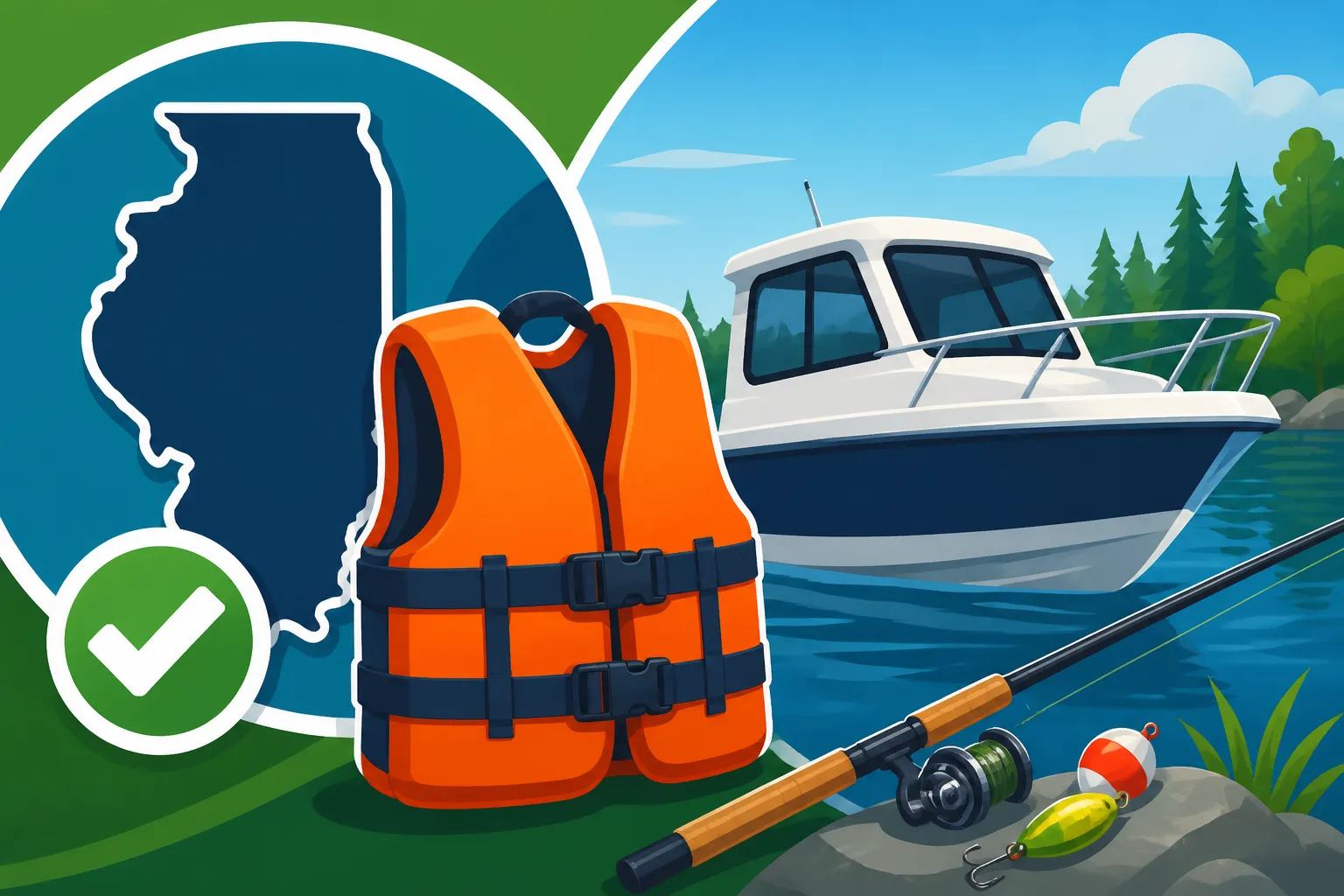
This one is non-negotiable. Whatever life jacket you choose, it must be U.S. Coast Guard-approved. This means it has met stringent safety standards for flotation, materials, and performance. You'll see a label clearly stating this approval on the inside of the PFD. Without this approval, it doesn't count, plain and simple. Imagine the frustration of having what you thought was a compliant life jacket only to find out during a safety check that it’s not approved. Not only could you face a fine, but more importantly, it might not perform when you truly need it.
So, when you're stocking up, whether it's for adults or smaller sizes for kids, always verify that Coast Guard approval. Don't be tempted by unapproved vests that might be cheaper or look trendier. Safety first, always. It's a foundational element of the Illinois Boating Safety Gear Checklist.
Life Jacket Rules Specifically for Enclosed Cabin Boats
Now, let's get down to the nitty-gritty: how these rules apply when you're enjoying the comfort and protection of an enclosed cabin boat. This is where a lot of boaters, especially those new to larger vessels, can get tripped up. The perception often is, "I'm inside, I'm safe, so the rules are different." While there's a slight nuance, the core requirement remains steadfast.
The Crucial Distinction: Accessible vs. Worn
For adults on an enclosed cabin boat, the primary rule is that a U.S. Coast Guard-approved life jacket must be readily accessible for each person on board. This means you don't necessarily have to wear it while inside the cabin, but it absolutely cannot be buried under a pile of gear in a locker that takes five minutes to dig out. "Readily accessible" implies that in an emergency, you or another passenger can grab it, put it on, and get to safety with minimal delay. Think about a sudden rogue wave, a collision, or an unexpected mechanical failure that leaves you drifting and potentially needing to abandon ship quickly. Every second counts.
For children under 13, however, the "wear it" rule still applies unless they are specifically below deck in an enclosed cabin. So, if your kids are up on the open deck, or even in a "covered" but not fully enclosed cockpit area, they still need to be wearing their life jackets. If they're truly below, in a bunk, eating at a galley table, or playing in the V-berth, then they don't have to be wearing it at that exact moment. But the moment they step out onto an open deck or into a non-enclosed area, that vest needs to go back on. This distinction is crucial for parents and guardians to remember. Proper Life Jacket Fit for Kids Fishing in Illinois ensures that even when they are wearing them, they are as safe as possible.
Why Enclosed Cabins Don't Exempt You
It's tempting to think that the sturdy structure of a cabin provides enough safety that life jackets become less critical. After all, you're shielded from the elements, often higher out of the water, and feel more secure. However, accidents on the water can happen regardless of boat size or design. A large vessel can sink, capsize, or catch fire. A collision with another boat, or even a submerged object, can happen unexpectedly and lead to rapid damage. In such scenarios, your enclosed cabin might quickly become a trap rather than a haven.
The rules don't distinguish based on boat size or whether it has a cabin because the fundamental risks of being in the water remain. If you end up in the water without a life jacket, especially if you're injured or disoriented, your chances of survival drop dramatically. The enclosed cabin provides comfort and protection from weather, but it doesn't provide flotation or a guarantee against unforeseen hazards. So, while you might not be exposed to the spray, the need for a life jacket for everyone on board is as critical as it is on a smaller, open fishing boat.
What "Readily Accessible" Means in Practice
The term "readily accessible" is where many boaters get a little fuzzy. It's not explicitly defined down to the inch, but the spirit of the rule is clear: easy, quick access. This means not under locked hatches, not at the bottom of a gear bag, and not stashed in a remote part of the boat that's hard to get to when the boat is pitching and rolling.
For an enclosed cabin boat, this might mean hanging life jackets on hooks near exits, storing them in open racks or clear bins under seats, or having dedicated, easily opened lockers specifically for PFDs. Think about what would happen if you needed to abandon ship in the dark, or if a fire broke out quickly. Could every person on board grab a life jacket within seconds? If the answer is no, then they are likely not readily accessible. You can often find solutions for How to Store Life Jackets for Quick Boat Access that work well within cabin spaces.
Here's a small table to illustrate some practical scenarios for accessibility:
| Storage Location | Accessibility Status | Notes |
|---|---|---|
| Hung on hooks near cabin door | Readily Accessible | Quick to grab, visible, meets requirements. |
| Under V-berth cushions (no latches) | Readily Accessible | Cushions can be quickly removed; consider if boat is pitching. |
| In a clear, open bin on a shelf | Readily Accessible | Visible, easy to reach. Secure bin from sliding. |
| In a zippered duffel bag in a locker | Not Readily Accessible | Takes time to unzipper, pull out, sort. Too many steps in an emergency. |
| Under a pile of fishing gear in a compartment | Not Readily Accessible | Requires digging, moving other items. Definitely not quick. |
| Inside a locked cabinet | Not Readily Accessible | Key needed, too much delay. |
When conducting your own safety check, imagine a chaotic scenario. That's the benchmark for "readily accessible."
Equipping Your Cabin Cruiser: Beyond the Basics
Outfitting an enclosed cabin boat goes beyond just ticking off the minimum legal requirements. It's about ensuring genuine safety and comfort for everyone on board, turning a good experience into a great one, even if things get a little rough. This is especially true when it comes to life jackets and other essential safety gear.
Ensuring Proper Fit for All Passengers
Having enough life jackets is one thing, but having the right size and fit for everyone is another. An ill-fitting life jacket is almost as bad as no life jacket at all. If it's too big, it can ride up around the ears, offering little support. If it's too small, it won't zip or buckle properly and will be incredibly uncomfortable, leading people to take it off. This is particularly important for children, where proper fit is crucial for their safety. You want it snug, but not constricting, and you should be able to lift it slightly without it going past their chin or ears.
Consider your typical passenger manifest. Do you often have young kids, teenagers, or larger adults? You'll want to have a range of sizes, from infant and child-specific PFDs to various adult sizes. It’s a good idea to have passengers try them on before you even leave the dock, making sure they understand how to adjust and wear them correctly. Many anglers find it convenient to order extra smaller PFDs, especially for kids, from online platforms like Amazon, ensuring they have a variety of sizes to cover all potential guests. This proactive approach saves time and ensures readiness in an emergency.
Storing PFDs Effectively in a Cabin Environment
Storage on an enclosed cabin boat can be a challenge. You want to maximize comfort and living space, but you also need to ensure those life jackets are genuinely "readily accessible." This often means getting creative and intentional with your storage solutions. As we discussed, tossing them into a deep storage locker under a bunk might seem tidy, but it fails the accessibility test.
Think about areas near the main cabin exit, or in the cockpit where they can be quickly reached. Mesh bags hung on bulkheads, dedicated PFD nets, or easily opened bins are great options. Some boaters even have designated PFD "stations" where jackets are rolled or folded and clearly labeled by size. It's also vital to store them in a way that prevents mildew and damage. Air circulation is key, so avoid cramming them into damp, unventilated spaces. Regularly inspect them for tears, sun damage, or signs of wear that could compromise their buoyancy. A well-maintained, easily accessible life jacket is a lifesaver.
Additional Safety Gear to Consider for Larger Vessels
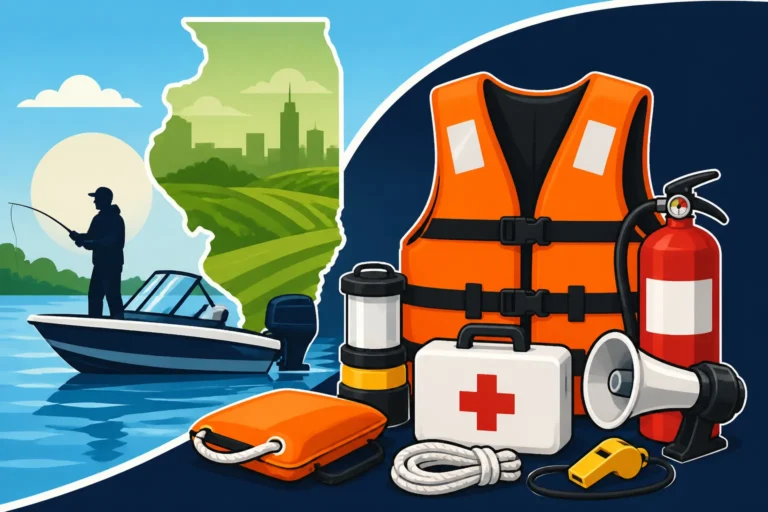
While life jackets are paramount, an enclosed cabin boat, by its nature, often travels further and carries more people, necessitating a more comprehensive safety kit. Beyond the PFDs, think about What Safety Gear Is Required on an Illinois Boat? and what additional items would truly enhance safety on your particular vessel.
- Fire Extinguishers: Boats with enclosed engine compartments or fuel-burning appliances (like a galley stove) have specific fire extinguisher requirements. Ensure yours are readily accessible and properly maintained. Fire Extinguisher Requirements for Illinois Boats details this thoroughly.
- Visual Distress Signals: Flashes, flares, or an electronic visual distress signal (EVDS) are crucial for attracting attention in an emergency, especially after dark.
- Sound Producing Devices: A whistle or horn is required on all boats, but larger vessels often benefit from a more robust air horn that can project sound further. Boat Horn and Whistle Requirements Explained will give you the lowdown.
- First Aid Kit: A well-stocked kit is a must for any outing, but especially when you're further from shore.
- Anchor and Line: Essential for holding position in an emergency or during a breakdown.
- Communication Devices: A marine VHF radio is invaluable, especially on larger lakes like Lake Michigan or the larger rivers like the Mississippi. Don't rely solely on cell phones, as coverage can be spotty.
Building a robust safety plan and equipping your boat thoughtfully allows you to enjoy the water with true peace of mind. It’s not just about rules; it's about being prepared for anything.
Common Misconceptions and Staying Compliant
When it comes to boating safety, especially with rules like life jacket requirements, there are often misunderstandings that can lead to unintentional non-compliance. It's easy to fall into these traps, especially if you're used to smaller boats or have received outdated advice. Let's clear up some common myths and ensure you're always on the right side of the law and, more importantly, genuinely safe on the water.
Dispelling Myths About Life Jackets on Bigger Boats
One of the biggest myths is that larger, enclosed cabin boats are inherently safer and therefore have relaxed life jacket rules. As we've discussed, this simply isn't true. The requirement for a U.S. Coast Guard-approved PFD for every person on board is universal, regardless of boat size or whether it has a cabin. The only real distinction for cabin boats is the "readily accessible" versus "worn" rule for adults, and the specific exception for children below deck. But the presence of the PFDs is non-negotiable.
Another misconception is that inflatable PFDs are always acceptable as a primary life jacket for children. While inflatable PFDs (often Type V) are popular for their comfort and low profile, they usually have age and weight restrictions, and many require the wearer to be conscious to inflate them. They are generally not approved for persons under 16 years of age or for non-swimmers. Always check the label carefully, especially if you're buying one for a child. A traditional, inherently buoyant life jacket is typically the best choice for kids. When in doubt, stick to the Coast Guard Approved Life Jackets for Illinois Boaters guidelines, which clearly indicate what's appropriate for different ages and situations.
What Happens During a Safety Check
Picture this: you're cruising along the Illinois River, enjoying a beautiful day, and suddenly you see a watercraft approaching with flashing lights. It's the Illinois Department of Natural Resources (IDNR) or local marine patrol conducting a routine safety check. This isn't meant to spoil your fun, but to ensure everyone's safety and compliance. When they pull up, they'll typically ask to see your registration and then proceed with a safety equipment inspection.
They will meticulously check for all required items: life jackets (correct type, quantity, condition, and accessibility), throwable PFDs, fire extinguishers, sound devices, visual distress signals, and navigation lights, among other things. For life jackets, they will not only count them but often physically inspect their condition – looking for tears, excessive sun fade, broken buckles, or straps. They might even ask you to demonstrate how quickly you can access them. If you have children on board, they'll verify that those under 13 are wearing their PFDs if the boat is underway in an open area. If anything is found to be non-compliant, you could face a citation or be required to return to the dock until deficiencies are corrected. It’s far better to be prepared and confident in your Illinois Boating Safety Equipment Checklist for New Owners than to be caught off guard.
Finding Reliable Information and Gear
Staying informed is half the battle. The Illinois Department of Natural Resources (IDNR) is your official source for all boating and fishing regulations in the state. They publish annual guides and maintain their website with the most current information. Checking these official resources regularly is always a good idea, as rules can sometimes be updated.
When it comes to purchasing gear, whether it's PFDs, fire extinguishers, or other safety equipment, invest in quality products from reputable retailers. Local sporting goods stores like Bass Pro Shops often have knowledgeable staff who can help you select the right Coast Guard-approved equipment for your specific boat and needs. Online retailers like Amazon also offer a vast selection, but be sure to read product descriptions carefully to ensure U.S. Coast Guard approval and proper sizing. Remember, saving a few dollars on critical safety gear is never worth compromising your well-being or the well-being of your passengers. Prioritize genuine safety, and your time on Illinois waters will be much more enjoyable.
Disclaimer
This article is for general informational purposes only and does not constitute professional advice. Laws, prices and regulations vary by location and change over time. Consult a qualified professional for guidance on your specific situation.