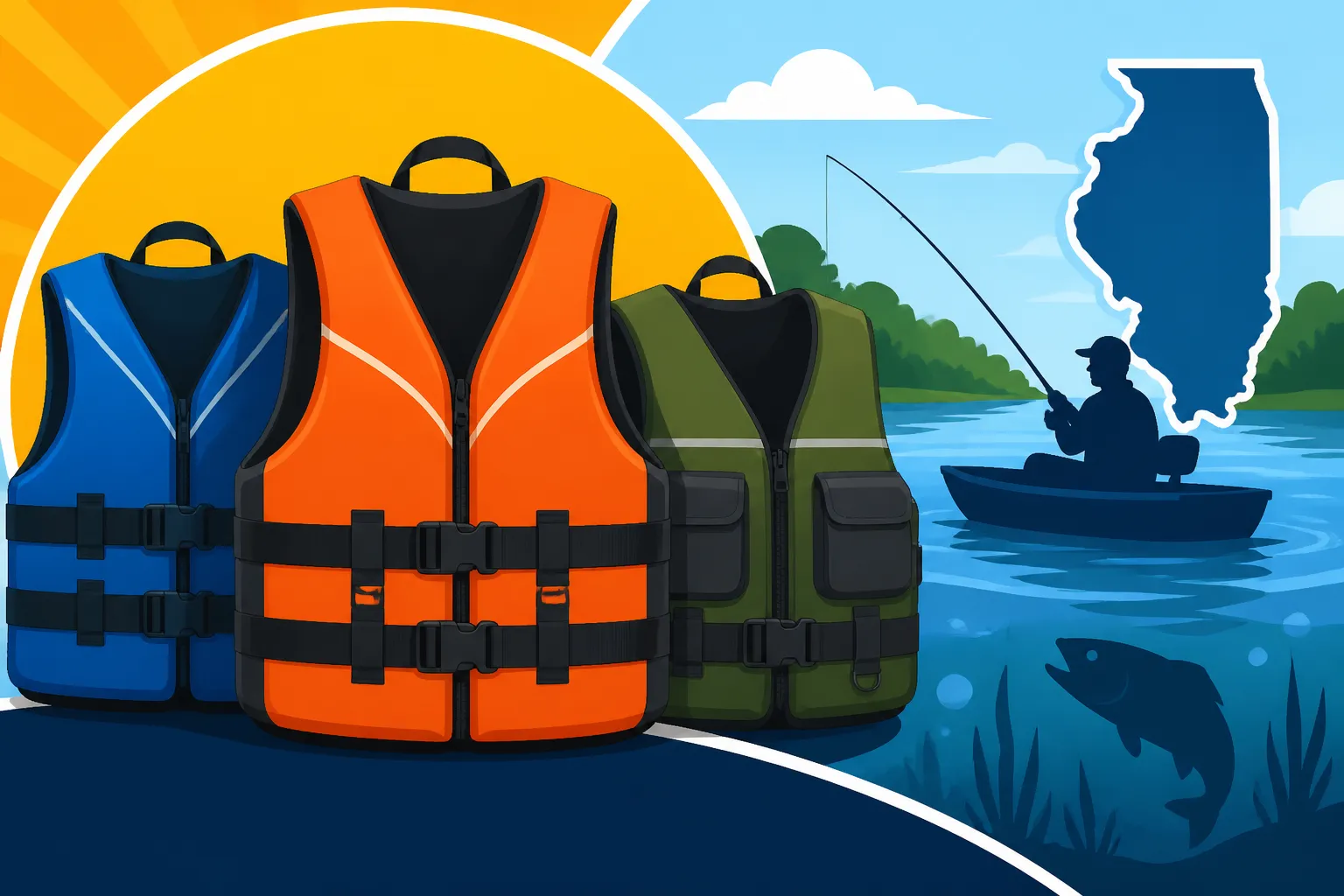
Best Life Jackets for Lake Fishing on a Budget
Navigating the world of fishing gear can feel like a deep dive into an ocean of options, and when it comes to life jackets, the sticker shock can sometimes make you want to cut corners. It's a common frustration: you want to be safe on the water, but you also don't want to blow your entire fishing budget on one item. This guide is all about finding that sweet spot, helping you discover excellent, reliable life jackets that keep you safe on Illinois lakes without emptying your wallet.
Why a Budget-Friendly Life Jacket is Still a Must-Have
Let's be real for a moment: accidents happen, and they happen fast, especially on the water. While we all hope for smooth sailing and calm waters on our Illinois fishing trips, Mother Nature can be unpredictable, and even a simple slip can turn serious. A life jacket isn't just another piece of gear; it's your primary lifeline, and finding one that's affordable doesn't mean compromising on that crucial safety.
The Non-Negotiable Reality of Water Safety
Think about it this way: you wouldn't drive your car without a seatbelt, right? A life jacket for fishing is essentially the same concept. You might be a strong swimmer, or you might only fish calm waters like a quiet backwater slough on the Mississippi River. But even experienced anglers can be knocked unconscious if they hit their head, or become disoriented in cold water, making swimming impossible. The peace of mind alone that comes from knowing you're protected is worth every penny, and thankfully, that peace doesn't have to cost a fortune.
Many folks get hung up on the idea that anything "budget" must be inferior, but that's simply not true with life jackets. Modern manufacturing, even for entry-level models, meets strict safety standards. The difference often comes down to extra features, specialized materials, or ergonomic designs tailored for specific activities, none of which are absolutely essential for basic, effective lake fishing safety. Focus on functionality and certified safety, and you'll find plenty of great options.
Illinois Life Jacket Regulations on the Water
Beyond personal safety, there's also the legal side of things. The state of Illinois takes boating and fishing safety seriously, and that includes requiring proper flotation devices. You absolutely need to have a U.S. Coast Guard-approved life jacket for every person on board your vessel, and it needs to be readily accessible. For smaller boats, this often means wearing it, especially if you're alone or in tricky conditions.
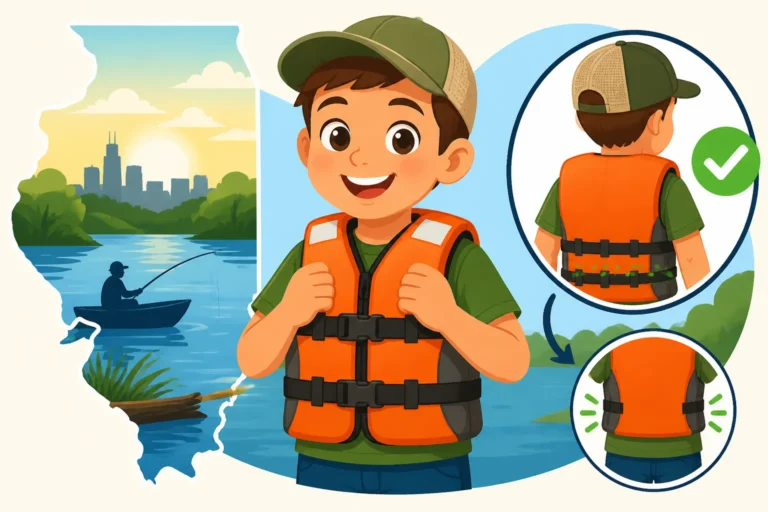
One of the most critical regulations to be aware of, especially if you're bringing kids along, is the requirement for children under 13 years of age to wear a U.S. Coast Guard-approved life jacket at all times while on a moving watercraft. This applies to all vessels, whether you're in a fancy bass boat on Lake Shelbyville or a small jon boat on a local pond. There's no getting around this one, and it's for their protection. You can find more detailed information in our guide on Illinois Life Jacket Rules for Children Under 13 and the broader Illinois Life Jacket and PFD Rules. Compliance isn't just about avoiding a fine; it's about ensuring everyone gets home safe and sound.
Understanding Life Jacket Types and What You Really Need
The world of Personal Flotation Devices (PFDs), or life jackets as we commonly call them, can seem a bit overwhelming with all the different "types" out there. But for most lake fishing scenarios in Illinois, you really only need to focus on a couple of key categories to make an informed, budget-friendly choice.
Decoding PFD Types for Lake Fishing
The U.S. Coast Guard classifies PFDs into five types, based on their design and the level of buoyancy they provide. For the average Illinois lake angler, you'll mostly be looking at Type II and Type III PFDs.
- Type I (Off-Shore Life Jackets): These offer the most buoyancy and are designed to turn an unconscious person face-up in the water. They're bulky, uncomfortable for fishing, and honestly, overkill for lake fishing. You'll rarely see these outside of offshore commercial vessels.
- Type II (Near-Shore Vests): These are lighter and less bulky than Type I, providing good buoyancy and a reasonable chance of turning an unconscious person face-up. They're more comfortable than Type I but still not ideal for active fishing. They tend to ride a bit higher, which can feel restrictive.
- Type III (Flotation Aids): This is your sweet spot for lake fishing. Type III PFDs are designed for maximum comfort and wearability. They often come in vest styles with armholes cut for movement, making them perfect for casting, rowing, or just sitting in a boat for hours. While they might not guarantee turning an unconscious person face-up, they keep you afloat in a comfortable position, and with their focus on comfort, anglers are far more likely to actually wear them, which is the most important safety factor of all.
- Type IV (Throwable Devices): These are cushions or rings meant to be thrown to someone in distress. They are not designed to be worn and do not count as a wearable PFD. While required on many boats as supplemental safety gear, they are never a substitute for a properly worn life jacket. You can learn more about these requirements in Type IV Throwable PFD Requirements for Illinois Boats.
- Type V (Special Use Devices): These are for specific activities, like whitewater rafting or windsurfing, and may include inflatable PFDs. While some inflatable vests fall into this category and are popular for their slim profile, they often come with a higher price tag and require manual inflation or CO2 cartridge replacement, pushing them out of the "budget" category for many.
For the budget-conscious lake angler, a traditional foam-filled Type III vest is almost always the best answer. They're affordable, durable, and comfortable enough for a long day on the water, whether you're chasing bass on Clinton Lake or crappie on Rend Lake.
| PFD Type | Buoyancy (Minimum) | Best Use for Anglers | Comfort Level |
|---|---|---|---|
| Type I | 22 lbs | Offshore, rough seas | Low (bulky) |
| Type II | 15.5 lbs | Near-shore, calm | Moderate |
| Type III | 15.5 lbs | Inland fishing, calm | High (vest-like) |
| Type IV | 16.5 lbs | Throwable device | N/A (not worn) |
| Type V | Varies (often 15.5-22 lbs) | Specific activities | Varies (e.g., inflatable) |
Key Features to Look for in a Budget Life Jacket
When you're sifting through options trying to find the best life jackets for lake fishing on a budget, it's easy to get distracted by flashy colors or fancy pockets. But remember, the core mission is safety and comfort, without breaking the bank. Here's what to prioritize:
- Comfort is King (or Queen): If a life jacket isn't comfortable, you won't wear it. It's that simple. Look for wide armholes that don't restrict your casting motion. Padded shoulders or neck areas can prevent chafing over a long day. Material choice also plays a role; softer, more flexible fabrics will feel better than stiff, rigid ones. Even on a budget, you can find vests designed with angler comfort in mind.
- Proper Fit is Non-Negotiable: This might be the single most important factor. A life jacket needs to fit snugly but not restrictively. Too loose, and it can ride up around your ears when you're in the water, which is dangerous. Look for multiple adjustable straps – typically two or three around the waist and one on each shoulder – to cinch it down properly. Pay attention to sizing charts, as they often go by chest circumference, not just S/M/L. A good fit ensures the PFD works as intended.
- Durability for the Long Haul: A budget life jacket shouldn't fall apart after a season. Check the stitching, especially around the straps and zippers. Heavy-duty nylon or polyester fabrics are common and robust. While you might not get the absolute toughest materials found in high-end vests, many affordable options are built to withstand years of sun, water, and general abuse, making them a wise investment over time.
- Simple, Practical Storage: While not strictly safety-related, a couple of pockets can be incredibly handy. Somewhere to stash your fishing license, a small box of hooks, or your keys can prevent clutter in the boat and keep essentials close at hand. Just don't let the number of pockets dictate your purchase over fit and safety features.
Top Picks and Where to Find Affordable Options
The good news is that the market for life jackets is vast, and competition means there are always great value options out there. You absolutely don't need the most expensive model to be safe and comfortable on Illinois's lakes and rivers.
Vests That Won't Break the Bank
When we talk about budget-friendly life jackets, we're generally looking at traditional foam vests that offer straightforward, reliable flotation. These are often Type III PFDs, designed for general boating and watersports, which translates perfectly to fishing.
Many reputable brands offer solid, entry-level vests that provide excellent protection. These might not have all the bells and whistles – like integrated tool retractors or specialized pockets for tackle boxes – but they excel at their primary job: keeping you afloat. Often, these vests are simple, front-zip designs with multiple adjustment straps, ensuring a secure fit for a range of body types. Look for options with generous armholes for freedom of movement, which is critical when you're casting or netting a fish.
If you're looking for brands, you'll often find excellent house-brand options at large retailers. For example, Bass Pro Shops frequently carries a variety of budget-friendly life jackets under their own brand names, which are designed to meet all U.S. Coast Guard standards while keeping costs down. These are often indistinguishable in core safety from more expensive brands, simply foregoing some of the premium features. The key is to read reviews for durability and comfort, even for the lower-priced models.
Shopping Smart for Your Life Jacket
Finding the right budget life jacket is all about smart shopping. You have a few main avenues, each with its own advantages.
- Online Retailers (e.g., Amazon): The sheer volume of options on sites like Amazon means you can compare countless models, read extensive customer reviews, and often find competitive pricing. It’s fantastic for research and finding unique deals. However, the biggest drawback is not being able to try the vest on before you buy. Fit is paramount, so if you go this route, be diligent with sizing charts and consider buying from sellers with easy return policies. Pay attention to feedback regarding sizing inconsistencies.
- Brick-and-Mortar Stores (e.g., Bass Pro Shops, Local Sporting Goods Stores): This is often the best approach for a first-time buyer or someone particular about fit. Walking into a store like Bass Pro Shops allows you to physically try on different sizes and styles. You can feel the materials, check the stitching, and see how the vest moves with you when you simulate casting motions. Plus, store associates can often provide expert advice on fitting and features. While prices might sometimes be slightly higher than online, the ability to ensure a perfect fit before purchase is invaluable.
- Seasonal Sales and Clearance Racks: Keep an eye out for end-of-season sales, holiday promotions, or clearance sections. You can often find perfectly good, U.S. Coast Guard-approved life jackets at significant discounts as retailers make room for new inventory. Sometimes, a slightly older model, or one in a less popular color, will be deeply discounted, offering fantastic value.
Remember to consider who you're buying for. If it's for an adult, a simple universal fit vest might work. For kids, you'll want something specifically designed for their size and weight range, often with additional safety features like crotch straps to prevent the vest from riding up. When you're budgeting for a fishing trip, including your license costs like the Illinois Resident Annual Fishing License Cost, don't let safety gear be an afterthought.
Maximizing the Life and Performance of Your Budget PFD
Just because you scored a great deal on your life jacket doesn't mean you should treat it like a disposable item. With a little care and attention, even a budget-friendly PFD can serve you faithfully for many years on the waters of Illinois. Proper use and maintenance are key to ensuring it's always ready when you need it most.
Proper Fit and Maintenance for Longevity
The effectiveness of any life jacket, regardless of its price tag, hinges on how well it fits and how well it's maintained.
- Testing the Fit: When you first get your life jacket, or if it's been a while since you've worn it, take a moment to test the fit. Put it on, buckle and zip it up, and tighten all the straps until it feels snug. Then, have someone gently pull up on the shoulders of the vest. If it rides up past your ears, it's too loose. Adjust the straps further. If it still rides up significantly, you might need a smaller size. A properly fitted life jacket won't just keep you safe; it'll also be much more comfortable for a full day of fishing.
- Cleaning and Storage: After a day on the lake, especially if it's been hot and sweaty, or if you've been in murky river waters, your life jacket might need a quick rinse. Use mild soap and water to clean off any grime, fish slime, or sunscreen residue. Avoid harsh detergents or bleach, as these can degrade the fabric and flotation material over time. Always allow your life jacket to air dry completely, out of direct sunlight, before storing it. Direct sun can degrade the fabric, and storing it wet is an invitation for mildew, which not only smells terrible but can also damage the integrity of the vest. Check out our tips on How to Store Life Jackets for Quick Boat Access to keep yours in top shape and ready to go.
- Checking for Wear and Tear: Before each season, and periodically throughout, give your life jacket a thorough inspection. Look for frayed straps, broken buckles, torn fabric, or signs of mildew. Squeeze the foam panels to check for waterlogging or hardening, which can indicate a loss of buoyancy. If you find significant damage that compromises its ability to float or stay securely on your body, it's time to replace it. A damaged life jacket is a dangerous one, and your safety is worth the small investment in a new budget-friendly model.
Beyond the Basics: When to Upgrade or Supplement
While a basic, budget-friendly Type III PFD is perfectly adequate for most lake fishing, there might come a time or a specific situation where you consider other options or supplemental gear.
- Inflatable PFDs: For anglers who prioritize an extremely low profile and maximum freedom of movement, inflatable PFDs are an attractive option. These vests are very slim and only inflate when triggered (either manually or automatically upon immersion). However, they tend to be significantly more expensive, require regular inspection of the CO2 cartridge, and often come with specific age restrictions. While they might push the "budget" limit, some anglers find the comfort worth the extra cost, especially for long days of active casting.
- Supplemental Safety Gear: Your primary life jacket is for wearing, but don't forget other essential safety items. Every boat in Illinois needs to have a Illinois Boating Safety Equipment Checklist that includes a sound-producing device (like a whistle or horn) and often a throwable Type IV PFD. Even if you're wearing your vest, having a throwable cushion can be critical for assisting another person in the water quickly. These items are generally affordable and complement your personal life jacket for a complete safety setup on any Illinois waterway. Investing in these small extras ensures you're prepared for more than just your own personal safety.
By understanding the different types of life jackets, focusing on essential features, shopping wisely, and taking good care of your gear, you can absolutely find the best life jackets for lake fishing on a budget that provide reliable safety and comfort for all your Illinois angling adventures.
Disclaimer
This article is for general informational purposes only and does not constitute professional advice. Laws, prices and regulations vary by location and change over time. Consult a qualified professional for guidance on your specific situation.