Do Kayaks With Trolling Motors Need to Be Registered?
One of the most common questions I hear from fellow anglers, especially those just getting into kayak fishing, is about the confusing world of boat registration. You've got your sleek new kayak, maybe a shiny new trolling motor, and suddenly you're wondering if your peaceful paddling hobby has now turned into a paperwork nightmare. It's a completely valid frustration, and frankly, the rules aren't always crystal clear at first glance. This guide is here to untangle the complexities of Illinois boat registration, specifically addressing whether your kayak, once equipped with a trolling motor, needs to be registered with the state.
Understanding Illinois Boat Registration Basics
Before we dive specifically into kayaks and trolling motors, it helps to understand the foundational principles of boat registration in Illinois. The state, through the Illinois Department of Natural Resources (IDNR), has a clear system for tracking vessels, primarily for safety, environmental protection, and law enforcement. What often trips people up is defining what exactly constitutes a "vessel" and when that definition expands to include something seemingly as simple as a kayak.
What Qualifies as a "Vessel" in Illinois?
In Illinois, a "vessel" is broadly defined as every description of watercraft, other than a seaplane on the water, used or capable of being used as a means of transportation on water. This is a pretty all-encompassing definition, right? It means everything from a massive yacht to a tiny rowboat could technically be considered a vessel. However, the registration requirement hinges on a specific detail: propulsion. For instance, a canoe or a standard kayak that is only propelled by paddle or oar, and is not otherwise motorized, generally does not need to be registered. This is where many folks get caught off guard when they decide to upgrade their paddle power. For a deeper dive into the overall regulations, you might want to read our Illinois Boat Registration Requirements Explained guide.
The Role of Propulsion: When a Motor Changes Everything
Here's the key differentiator: the moment you add any form of mechanical propulsion to your vessel, the registration requirements usually kick in. This isn't just about big gasoline outboard motors on bass boats; it includes electric trolling motors, even small ones. The state views any mechanical means of propulsion as something that changes the nature of the craft, subjecting it to the same registration rules as larger boats. It's not about the size of the motor or the vessel; it's about the presence of a motor. This is often the point of confusion for kayak anglers who see their small electric motor as a minor assist, rather than a full-fledged engine. The IDNR isn't necessarily making it difficult; they're simply applying a consistent standard across all mechanically propelled watercraft for safety and regulatory purposes.
The Kayak and Trolling Motor Conundrum in Illinois
So, you've got your kayak, you've attached your trusty electric trolling motor, and you're ready to glide silently across your favorite lake. The question looming now is: do I need to register this setup? The short answer for Illinois is almost always "yes" if that motor is your primary or even secondary means of propulsion.
Unpacking the Rules for Motorized Kayaks
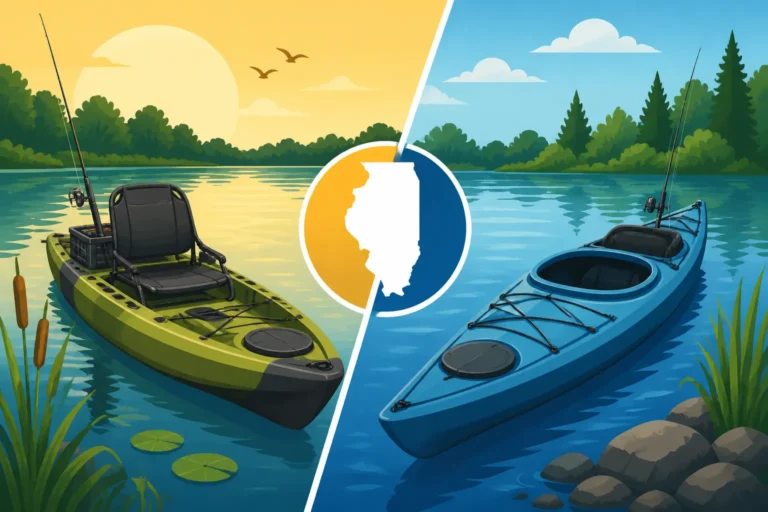
Illinois law is quite specific: any watercraft that is mechanically propelled, regardless of size or horsepower, must be registered. This includes kayaks, canoes, and stand-up paddleboards if they have a motor, even a small electric trolling motor. There's no minimum horsepower exemption for motorized vessels when it comes to registration. That quiet, eco-friendly electric motor you bought from Bass Pro Shops to help you cover more water? It counts. It’s not just about gasoline engines; electricity counts as mechanical propulsion. This rule is in place to ensure that all motor-powered vessels, big or small, can be identified in case of emergencies, theft, or regulatory infractions. It also ensures that all users of motorized watercraft contribute to the funds that maintain our waterways and launch facilities. You can get more details specifically on this topic by checking out Do Trolling Motor Boats Need to Be Registered in Illinois?.
Horsepower Limits and Registration Thresholds
Unlike some states that might have specific horsepower cutoffs for registration, Illinois does not. If you have any motor, of any size, attached to your kayak, it needs to be registered. This means whether you have a tiny 0.5 HP motor or a slightly larger 3 HP electric motor, the requirement remains the same. The distinction often comes into play more with boater education requirements, where certain horsepower levels or age groups trigger the need for a boater safety course. But for registration itself, the line is simply "motorized or not." This uniformity might seem strict for small craft, but it simplifies enforcement and removes ambiguity for the IDNR. It ensures that everyone operating a motor-powered vessel understands their responsibilities on the water.
The Registration Process for Motorized Kayaks
Okay, so your kayak with a trolling motor needs to be registered. What now? The process isn't overly complicated, but it does require some specific documentation and attention to detail. Don't let the thought of paperwork deter you from legally enjoying your time on the water.
Documents You'll Need for Registration
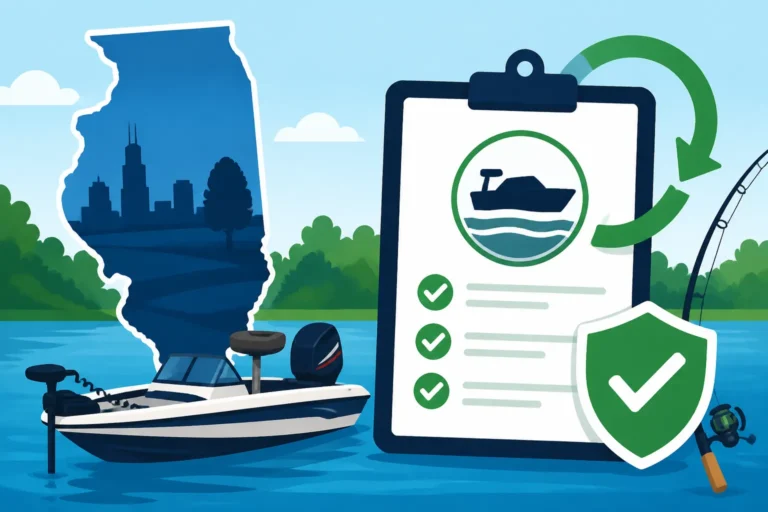
When you're ready to register your motorized kayak, you'll need to gather a few essential items. Typically, this includes:
- Proof of ownership: This could be a manufacturer's statement of origin (MSO) if your kayak is new, or a bill of sale if you bought it used. Make sure the bill of sale clearly states the buyer, seller, date, description of the kayak, and purchase price.
- Proof of motor ownership: Similarly, if your motor was purchased separately, you'll need its MSO or a bill of sale.
- Identification: Your Illinois driver's license or state ID will be necessary.
- Application form: The official Illinois Watercraft Registration and Titling Application form, often available online from the IDNR website or at authorized agents.
- Applicable fees: Registration fees vary by the length and type of your vessel. While your kayak is small, the fees will still apply. The overall cost framework for Illinois boat registration can be explored further in Illinois Boat Registration Fees by Boat Class.
It’s always a good idea to double-check the latest requirements on the IDNR website before heading out, just to ensure you have everything current. A little preparation goes a long way in making the process smooth.
Where to Register Your Kayak
Once you have your documents in order, you have a few options for where to complete the registration.
- Online: The IDNR offers an online system for registration and renewal, which is often the most convenient method. You'll upload your documents and pay electronically.
- Mail: You can print out the application form, fill it out, and mail it along with copies of your documentation and a check or money order.
- Authorized Vendors: Many sporting goods stores or bait shops that sell licenses are also authorized to handle boat registrations. Places like some Bass Pro Shops locations or smaller local tackle shops might offer this service, providing a helpful in-person option for those who prefer it.
- IDNR Offices: You can also visit a regional IDNR office in person, though these tend to have more limited hours and locations compared to online or vendor options.
After your application is processed and approved, you'll receive your registration certificate and the required decals that must be displayed on your kayak. For general guidelines, you might find our Kayak Registration Rules in Illinois article useful.
Common Misconceptions and What to Avoid
Despite the clear rules, some misconceptions persist among kayak anglers, often leading to accidental non-compliance. It's easy to assume your small setup might fly under the radar, but that's a risky gamble.
"It's Just a Kayak, Not a Boat" – The Pitfalls of Assumption
This is perhaps the biggest misconception. Many kayak owners, especially those new to adding motors, believe their craft is too small or too "non-boat-like" to require registration. They often associate boat registration with larger vessels – powerboats, pontoon boats, or even canoes with substantial outboards. However, as we've covered, Illinois law focuses on the mechanical propulsion aspect. The size or traditional categorization of the watercraft is secondary to whether it has a motor. Assuming "it's just a kayak" can lead to fines and a ruined day on the water. Conservation Police Officers (CPOs) are trained to look for these details, and ignorance of the law is rarely an excuse.
The Consequences of Unregistered Motorized Kayaks
Fishing without the proper licenses or operating an unregistered vessel carries penalties. If a CPO stops you and your motorized kayak is not registered, you could face a citation and a fine. These fines can quickly add up, easily exceeding the cost of registration itself. Beyond the financial penalty, an unregistered vessel could also cause issues if you're involved in an accident, as your legal standing might be compromised. It’s simply not worth the risk. Ensuring your motorized kayak is properly registered is a small step that brings peace of mind and keeps you on the right side of the law.
Here's a quick summary to help clarify:
| Kayak Type | Motor Type | Registration Required? |
|---|---|---|
| Paddle Only | None | No |
| Paddle Only | Small Trolling Motor (Detached) | No (if motor not used) |
| Paddle Kayak | Electric Trolling Motor (Attached & Used) | Yes |
| Fishing Kayak | Electric Trolling Motor (Any HP) | Yes |
| Kayak (any size) | Gasoline Outboard Motor (Any HP) | Yes |
| Kayak with Sail (no motor) | None | No (unless over 12 ft) |
Beyond Registration: Other Safety Considerations
While registration is a critical legal requirement, it's just one part of being a responsible motorized kayak angler. There are other crucial safety aspects you need to consider, especially when you're adding a motor to your setup.
Life Jackets and PFDs for Kayak Anglers
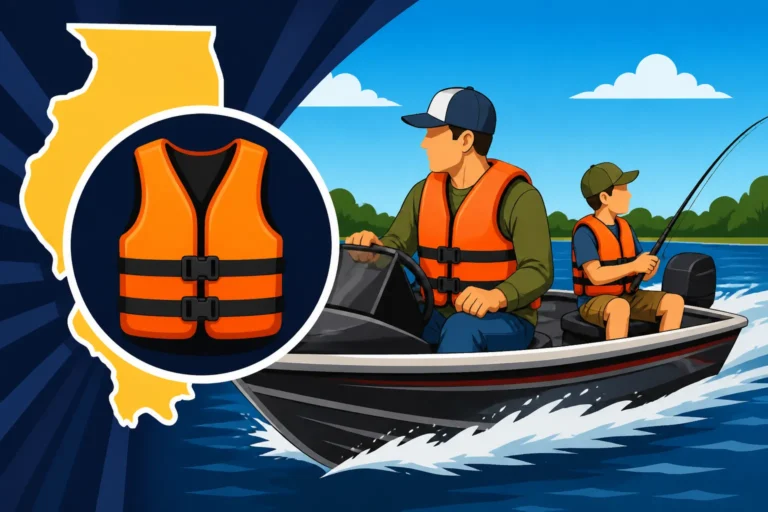
Operating any vessel on the water, especially a motorized one, means prioritizing safety. In Illinois, wearing a life jacket is not just a good idea, it's often legally required for certain individuals and situations. All vessels must have at least one U.S. Coast Guard-approved wearable personal flotation device (PFD) for each person on board. For children, the rules are even stricter: kids under 13 must wear a PFD at all times while on any vessel less than 26 feet in length, unless they are below deck in an enclosed cabin. Even for adults, if you're in a kayak with a motor, it's highly recommended to wear your PFD at all times, not just have it stowed away. Accidents can happen quickly, and a life jacket is your best defense. You can find more specific details on this in our guide on Illinois Life Jacket and PFD Rules. When you're shopping for your fishing gear, whether it's through Amazon or at a local tackle shop, make sure a comfortable, properly fitting PFD is at the top of your list.
Boater Education for Motorized Vessels
Another important consideration, especially with motorized kayaks, is boater education. Illinois has specific requirements regarding who needs a boater safety certificate. Generally, anyone born on or after January 1, 1998, who operates a motorized boat with an engine of 10 horsepower or greater, is required to possess a valid Boating Safety Certificate. While many electric trolling motors for kayaks are under the 10 HP threshold, it's worth checking the specific rating of your motor. Even if your motor doesn't meet this specific horsepower requirement, taking a boater education course is an excellent idea for any motorized vessel operator. It provides invaluable knowledge about navigation rules, safety practices, emergency procedures, and environmental responsibility. Understanding the rules of the road on the water can prevent accidents and make your time fishing far more enjoyable. Dive deeper into these requirements with our Illinois Boater Education Card Requirements article.
Stay Legal and Stay Safe on Illinois Waters
Navigating the rules for kayak registration, especially once you add a trolling motor, can feel a bit daunting at first. However, the takeaway is pretty straightforward: if your kayak has a motor, it needs to be registered in Illinois. It's a small but essential step to ensure you're compliant with state law, contribute to waterway maintenance, and can be identified if needed. Don't let the thought of a little paperwork overshadow the joy of silent, motorized paddling to your favorite fishing spot. By understanding these rules and prioritizing safety with the right gear like PFDs and boater education, you're set for many fantastic days out on the beautiful waters of Illinois. Tight lines, and happy paddling!
Disclaimer
This article is for general informational purposes only and does not constitute professional advice. Laws, prices and regulations vary by location and change over time. Consult a qualified professional for guidance on your specific situation.