How to Back a Trailer at an Illinois Boat Ramp
Ah, the Illinois boat ramp. It’s a place of excitement for many, but for countless anglers, it’s also the stage for one of the most nerve-wracking performances: backing a boat trailer. We’ve all felt that knot in our stomach, the eyes of others seemingly burning into our backs, as we try to guide what feels like a giant, independent serpent down a concrete slope. If you’ve ever found yourself sweating bullets, fumbling with your steering wheel, and wondering if you’ll ever get your boat in the water without a fender-bender, you are absolutely not alone. This guide is here to break down the daunting task of boat trailer backing, offering practical steps and empathy to help you conquer the ramp with confidence and a whole lot less stress.
Pre-Ramp Preparation: Setting Yourself Up for Success
Before you even get close to the launch, there are a few things you can do to make the actual backing process significantly smoother. Think of it as the strategic pre-game huddle before the big play. This isn't just about saving time at the ramp – it's about reducing your own anxiety and showing courtesy to other anglers who are eager to get their lines wet or head home.
The Staging Area Ritual
Every seasoned angler knows the importance of the staging area. This is that magical spot just before the ramp itself, where you can take a breather and get everything in order without holding up traffic. Too many times, I’ve seen folks pull right up to the top of the ramp, then suddenly remember they forgot to put in the drain plug, or unhook a safety chain, or even tie on their bow line. That creates a bottleneck, and trust me, nobody likes a bottleneck at the boat ramp.
Your staging area ritual should include:
- Securing Your Gear: Make sure all rods, tackle boxes, coolers, and loose items inside the boat are secured. A sudden stop or turn can send things flying, creating a mess or even damaging your valuable equipment.
- Checking the Drain Plug: This is a classic rookie mistake, and even veterans occasionally forget. Double-check that your boat's drain plug is firmly in place. Nothing sinks a good day of fishing faster than realizing your boat is taking on water because you forgot this tiny, crucial step.
- Unstrapping and Unhooking: Release the transom straps and any other tie-downs that secure your boat to the trailer. Unhook the winch strap, but leave it loosely attached to the bow eye. This ensures the boat won't slide off prematurely, but it's ready to go as soon as you're in the water.
- Fenders and Dock Lines: Have your boat fenders ready to deploy if you anticipate bumping against a dock or another boat. Your dock lines should be untangled and ready to grab the moment your boat floats free, allowing you to easily guide it to a nearby tie-up spot. This is especially vital on busy weekends at popular spots like those found in Best Fishing Spots in Illinois or when trying to navigate a bustling launch point at Best Boat Ramps on Lake Shelbyville.
- Visualizing the Backing Path: Take a moment to step out of your vehicle and walk the path you intend to back down. Look for any obstacles, uneven surfaces, or tricky angles. This mental rehearsal can significantly reduce uncertainty when you’re actually behind the wheel.
Adjusting Your Mirrors and Field of View
Your mirrors are your best friends when backing a trailer. Relying solely on looking over your shoulder can give you a distorted view and limit your awareness of what’s happening on both sides of the trailer. Many newer vehicles have fantastic camera systems, but don't forget the basics.
- Side Mirrors are Key: Adjust your side mirrors so you can clearly see the entire length of your trailer on both sides, as well as the edge of the boat ramp. If your mirrors don't extend far enough, consider investing in clip-on towing mirrors. You can find excellent options at places like Bass Pro Shops or even online at Amazon, which can drastically improve your field of vision and make all the difference.
- Practice with Purpose: If you're new to this, or just feel rusty, find an empty parking lot and practice. Place cones or empty boxes to simulate obstacles or the edges of a ramp. Practice backing straight, turning left, and turning right. This low-pressure environment will allow you to build muscle memory and understand how your vehicle and trailer respond to your steering inputs without the critical eyes of other anglers.
The Art of the Reverse: Techniques and Tips for Smooth Backing
Alright, you’ve done your prep. You’re at the top of the ramp, and it’s time to back down. This is where most people get flustered, but with a few key techniques, you can transform from a timid trailer backer into a confident ramp master. The biggest secret? Slow and steady wins the race.
The "Steer Opposite" Rule Explained
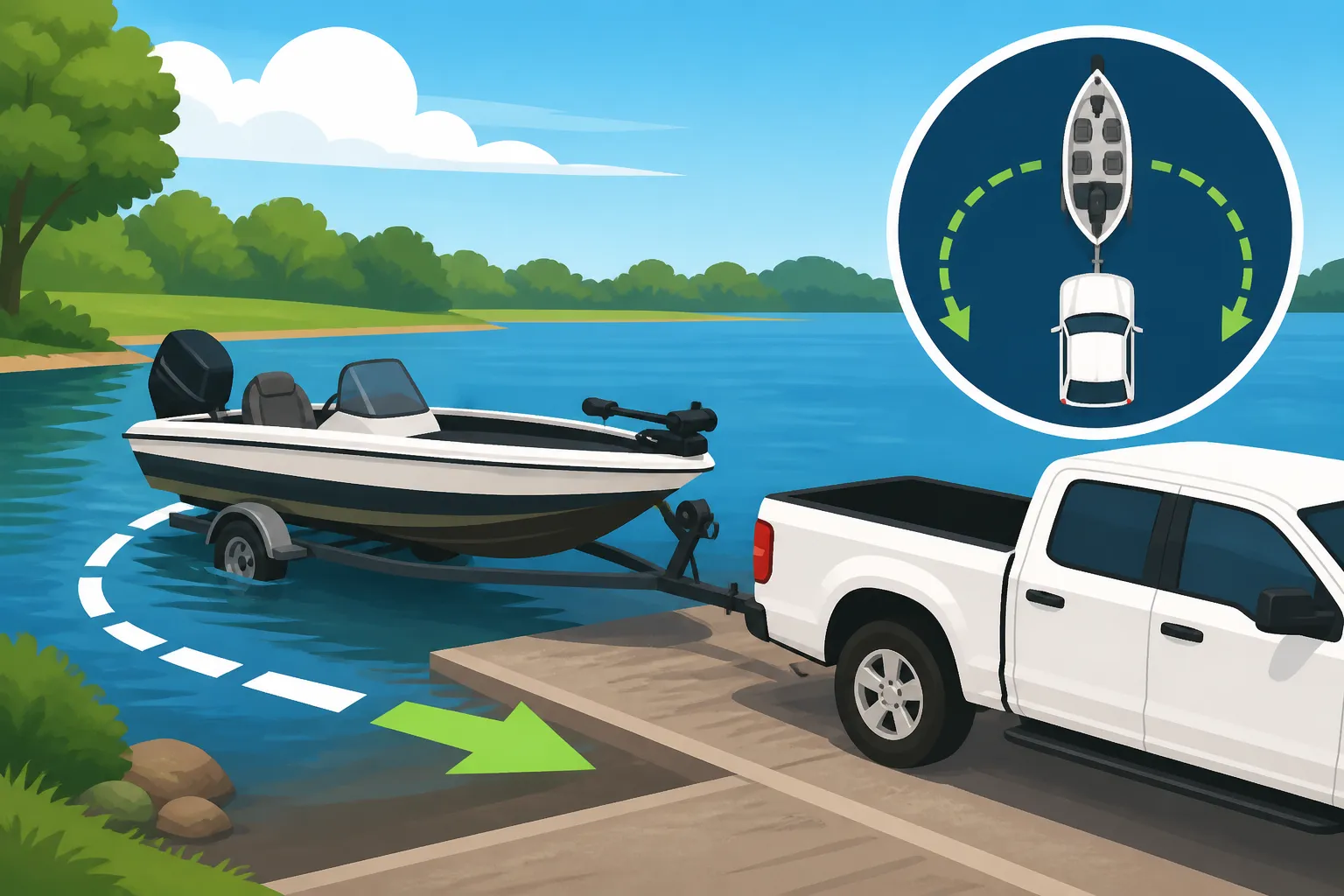
This is the golden rule of trailer backing, and it often confuses beginners. When you’re looking straight back at your trailer (either through the rear window or via a camera), the trailer moves in the opposite direction of where you turn your steering wheel.
- Want the Trailer to Go Right? Turn your steering wheel to the left.
- Want the Trailer to Go Left? Turn your steering wheel to the right.
Think of it like this: your hands are at the bottom of the steering wheel. To make the trailer's rear go right, you move the bottom of the wheel to the right. To make it go left, you move the bottom of the wheel to the left. This reversal takes some getting used to, but it becomes second nature with practice. Remember, the front of your vehicle will always try to move opposite to the direction the trailer is turning, so small, controlled adjustments are paramount.
Small Corrections, Big Results
The most common mistake people make is overcorrecting. You see the trailer starting to drift one way, you crank the wheel hard in the opposite direction, and suddenly the trailer is jackknifed or going wildly off course. This is where the slow and steady mantra truly shines.
- Creep, Don't Rush: Ease off the brake and let your vehicle creep backward. Use the gas pedal minimally, if at all. The slower you go, the more time you have to react and make adjustments.
- Tiny Steering Inputs: Instead of big, sweeping turns of the wheel, use small, subtle movements. If the trailer starts to drift slightly to the right, turn your steering wheel to the left just a little bit, then immediately straighten it out as the trailer starts to respond.
- Watch the Front of Your Vehicle: As you back, keep an eye on the front of your tow vehicle, especially in your side mirrors. The farther your vehicle's front swings out, the sharper the turn the trailer is making. If the front of your vehicle is swinging too wide, you're probably oversteering.
- Gaze, Don't Stare: Your eyes should be constantly scanning between your side mirrors, your rearview mirror, and if you have one, your backup camera. Don't fixate on just one spot. This gives you a comprehensive view of your trajectory and surroundings.
The Role of a Spotter
Even the most experienced trailer backers appreciate a good spotter. A spotter can see angles and obstacles you can’t, providing crucial guidance.
- Clear Communication: Establish hand signals beforehand. Thumbs up for straight back, a wave in the direction you want the trailer to go, and crossed arms for stop. Yelling doesn't work well over engine noise or wind, and it just adds to the stress.
- Stay Visible: Your spotter should always remain visible in one of your side mirrors, preferably on the driver's side. If you lose sight of them, stop immediately.
- One Voice: If you have multiple people trying to "help," designate one primary spotter. Too many voices giving conflicting commands will only make things worse.
Common Pitfalls and How to Avoid Them
Even with the best intentions and techniques, things can still go sideways (literally!) at the boat ramp. Understanding common mistakes and knowing how to prevent or recover from them is a crucial part of becoming proficient.
The Dreaded Jackknife
This happens when your trailer forms an acute angle with your tow vehicle, often because of oversteering or backing too quickly into a turn. It looks alarming and can damage your trailer or vehicle if you push it too far.
- Prevention is Key: The best way to avoid a jackknife is by using those small, gentle steering corrections and maintaining a slow speed. As soon as you see the trailer starting to angle sharply, stop.
- Recovery: If you feel like you're about to jackknife, or if it's already starting, stop the vehicle immediately. Pull forward a bit to straighten out your tow vehicle and trailer. Sometimes, simply pulling forward a few feet and restarting the backing process calmly is all you need. Don't be embarrassed; everyone does it, and it's far better than damaging your equipment.
Losing Sight of the Trailer
This often happens when backing a long trailer or when your mirrors aren't properly adjusted. If you can't see your trailer, you can't control it.
- Stop and Re-evaluate: If you lose sight of your trailer in your mirrors, stop. Get out of your vehicle and walk back to assess the situation. Re-adjust your mirrors if necessary.
- Trailer Guides: Consider installing trailer guides on the rear of your trailer. These tall, visible poles extend above the boat and can give you a much better visual reference point, especially when the boat obscures the trailer itself. Bass Pro Shops and Amazon both carry a variety of these guides.
The Pressure Cooker Syndrome
The boat ramp can feel like a high-pressure environment, especially on a busy Saturday morning when several trucks are waiting their turn. This pressure can lead to hurried decisions and mistakes.
- Tune Out the Noise: Remember, everyone has been in your shoes at some point. Focus on your process, not on the perceived impatience of others. Take a deep breath.
- Don't Rush: It's better to take an extra minute or two and back safely than to rush, make a mistake, and cause a delay or damage. Most anglers understand and appreciate a cautious approach. If someone honks, they're probably just impatient, not judging your skill.
- Practice Makes Perfect: The more you practice, the more comfortable and confident you'll become, naturally speeding up your process without feeling rushed. Consider reviewing resources like Illinois Boat Trailer and Ramp Tips for more insights on efficient ramp use.
Etiquette and Safety at the Ramp: Being a Good Neighbor
Beyond the mechanics of backing, there’s an unspoken code of conduct at the boat ramp. Adhering to good etiquette and prioritizing safety not only makes the experience better for everyone but also reflects positively on you as an angler.
Efficiency is King
The goal at any boat ramp is to be as efficient as possible without being reckless. This means doing your prep work before you get to the ramp, as we discussed earlier.
- Prep at the Staging Area: As soon as you arrive, find a staging area out of the way of the main traffic flow. This is where you remove your boat cover, load your gear, put in the drain plug, unhook tie-downs, and get your bow and stern lines ready. Don't perform these tasks on the ramp itself.
- Quick Launch and Retrieve: Once your boat is in the water, quickly move it to a courtesy dock or a safe tie-up spot so the next person can use the ramp. The same applies for retrieving: have your vehicle ready to back down, quickly winch your boat on, secure the bow, and then pull forward to the staging area to finish strapping down and prepping for the drive home. These simple practices can drastically improve traffic flow at crowded ramps, especially during peak Illinois Free Fishing Days Weekend Fishing Guide or popular fishing seasons.
Awareness of Your Surroundings
Boat ramps are dynamic environments with vehicles, trailers, people, and boats all moving around. Situational awareness is crucial to prevent accidents.
- Watch for Pedestrians: Children, pets, and even distracted adults can wander into your path. Always scan before backing and be aware of anyone near your vehicle or trailer.
- Maintain Control: Keep your foot hovering over the brake pedal. If something unexpected happens, you can stop immediately. Never let your vehicle freewheel down the ramp.
- Proper Lighting: If you’re launching or retrieving in low light conditions (dawn or dusk, or even at night for some species), ensure your vehicle lights are on. Using a headlamp or having good boat lights (refer to Illinois Boating Safety Equipment Checklist for more on required lighting) can also help you see and be seen.
The Golden Rule of Courtesy
Treat others at the ramp as you would want to be treated. We're all out there for the same reason – to enjoy Illinois fishing!
- Offer Help (When Appropriate): If you see someone struggling, a polite offer of assistance can go a long way. Maybe they just need a spotter, or a hand with a stuck trailer. However, don't be pushy or critical. Sometimes, people just need space to figure it out themselves.
- Patience is a Virtue: If someone is taking a bit longer, practice patience. Remember your own learning curve. A little understanding can prevent frustration for everyone.
- Clean Up After Yourself: Don't leave trash or discarded bait at the ramp. Keep the area clean for the next person, and help preserve the beauty of our Best Fishing Spots in Illinois.
| Common Trailer Backing Challenges | Solutions & Tips |
|---|---|
| Jackknifing | Use small steering inputs; stop and pull forward to straighten out if it starts. |
| Oversteering | Go slow, make tiny adjustments; watch the front of your tow vehicle. |
| Poor Visibility | Adjust side mirrors; use clip-on towing mirrors; consider trailer guides. |
| Getting Flustered | Take deep breaths; focus on your process, not perceived audience; practice often. |
| Lack of Communication | Pre-arrange clear hand signals with spotter; designate one spotter. |
| Holding Up Traffic | Perform all prep work in the staging area, not on the ramp itself. |
| Hitting Obstacles | Walk the path before backing; use a spotter; constantly scan mirrors. |
Conquering the boat ramp is a skill that comes with practice, patience, and a bit of humility. Don't let the initial struggle deter you from enjoying all the fantastic fishing opportunities Illinois has to offer. Whether you're chasing bass on Lake Shelbyville or targeting catfish on the Mississippi River, getting your boat in and out of the water smoothly is the first step to a great day. Just remember to breathe, go slow, and trust your mirrors. You've got this!
Disclaimer
This article is for general informational purposes only and does not constitute professional advice. Laws, prices and regulations vary by location and change over time. Consult a qualified professional for guidance on your specific situation.