Best Boats for Carlyle Lake Fishing
Carlyle Lake, Illinois' largest man-made lake, presents an incredible opportunity for anglers, but its vast expanse and sometimes challenging conditions mean that not just any boat will do. Choosing the right vessel can feel overwhelming, with so many options out there, but this guide is here to cut through the confusion and help you select the perfect boat to maximize your success and enjoyment on Carlyle Lake.
Understanding Carlyle Lake's Demands on Your Vessel
Before you even start looking at boat models, it's crucial to understand what Carlyle Lake itself demands from a vessel. It's not a small pond or a gently flowing river; it's a massive body of water with unique characteristics that will directly impact your boating experience. Ignoring these factors can lead to a less-than-ideal day on the water, or even safety concerns.
Vast Open Waters and Their Challenges
Carlyle Lake spans over 26,000 acres, which is an enormous amount of open water. This isn't just a pretty sight; it means that the lake can get choppy very quickly, even on days that start calm. Wind has a long fetch across the lake, building waves that can be significant, especially in the main body. A small, flat-bottomed boat might feel like a dream on a calm morning, but turn into a nightmare once the afternoon breezes kick in.
Navigating these large expanses also requires good visibility and a comfortable ride. You might be running several miles from one fishing spot to another, or from the ramp to your chosen coves. A boat that handles chop well will make these transitions much more enjoyable and less fatiguing. Furthermore, the sheer size means you’ll often be sharing the water with other recreational boaters, especially on weekends, adding to the potential for wakes and waves.
Depths, Structures, and Fish Species Considerations
Carlyle Lake features a mix of depths, from shallow flats and stump fields to deeper channels and creek beds. This varied topography is fantastic for a diverse fishery, but it means your boat needs to be versatile. If you're chasing crappie in shallow timber, a deep-V hull might limit your access, while a flat-bottom boat might struggle in rough main-lake conditions when moving between spots.
The lake is famous for its crappie, white bass, and channel catfish, but also holds a healthy population of largemouth bass and some walleye. Different species often inhabit different parts of the lake and require varied fishing techniques. Your boat choice should ideally complement the primary species you intend to target and the methods you prefer to use. For example, catfishing often involves anchoring in current or drifting, while bass fishing might involve quickly moving between points and casting.
The Ever-Present Wind and Weather Variability
I can't stress this enough: Carlyle Lake can get windy. It’s a characteristic almost every local angler will mention. A calm morning can quickly give way to strong winds, making long runs uncomfortable and even unsafe in smaller vessels. You need a boat that feels stable when anchored or drifting in a breeze, and one that can safely get you back to the ramp if conditions worsen.
Beyond wind, Illinois weather can be unpredictable. Pop-up thunderstorms are common in summer, and cold fronts can dramatically shift conditions. Your boat should offer some protection, even if it's just a sturdy windshield, and certainly needs to be reliable. Knowing your boat can handle a bit of rough weather will give you peace of mind and allow you to fish confidently, rather than constantly worrying about getting blown off the lake.
Types of Fishing Boats Best Suited for Carlyle Lake
Now that we understand Carlyle's unique character, let's dive into the types of boats that generally perform well here. Each style has its advantages and disadvantages, and the "best" one truly depends on your personal fishing priorities and comfort level.
The Versatility of Bass Boats and Multi-Species Rigs
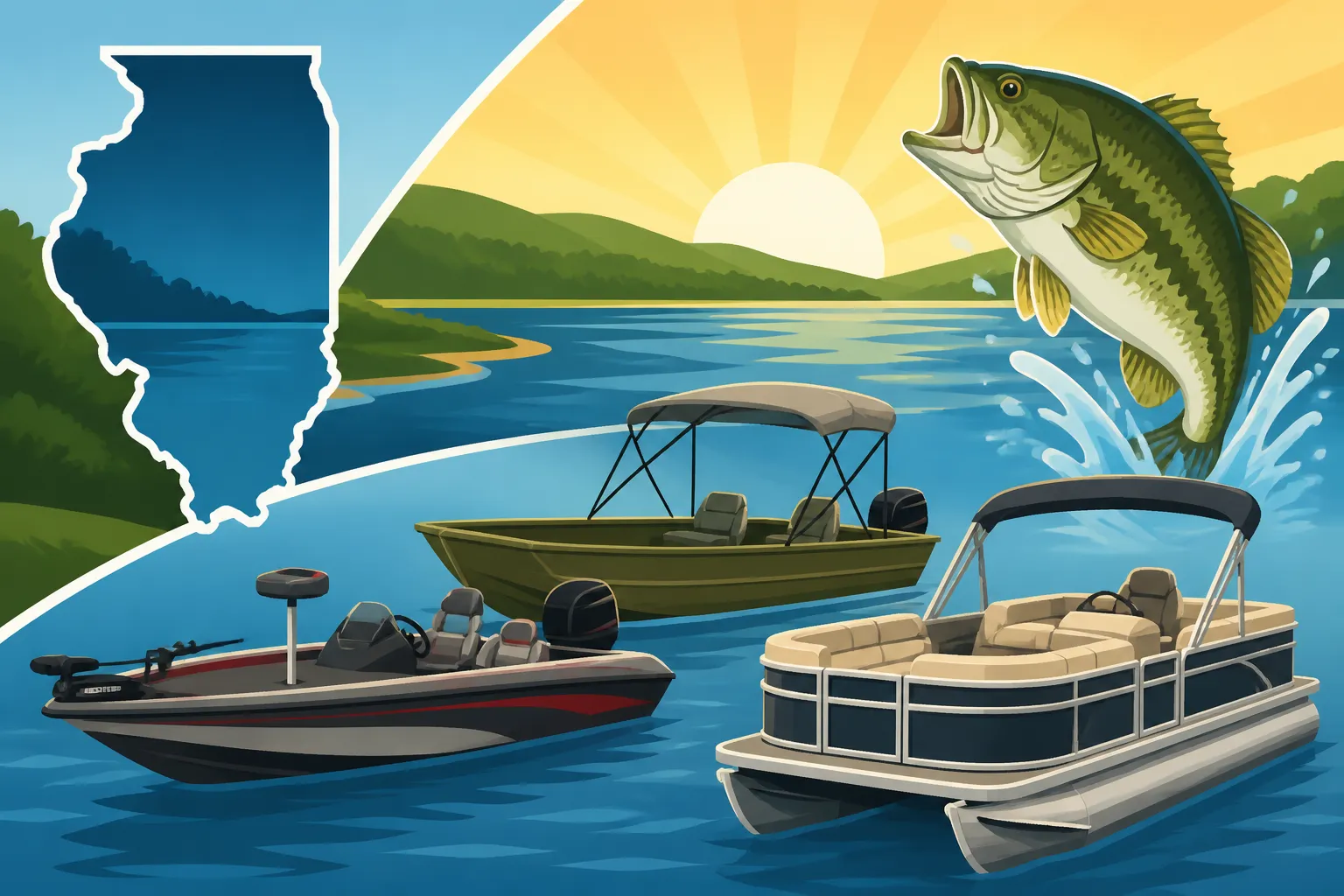
For serious anglers focused on bass, walleye, or even aggressive crappie fishing, a dedicated bass boat or a multi-species boat is often the top choice. These boats are designed for speed and stability, allowing you to cover vast distances on Carlyle quickly and efficiently. Their low profile helps in windy conditions by reducing wind resistance, and many are equipped with powerful outboard motors and advanced electronics right from the factory.
Bass boats typically feature large casting decks, ample rod storage, and aerated livewells to keep your catch healthy during tournaments. Multi-species boats, on the other hand, offer a bit more depth in the hull, providing a drier ride in choppier water while still maintaining excellent fishing platforms. They blend the speed of a bass boat with the rough-water capabilities often found in deep-V aluminum boats, making them incredibly versatile for a lake like Carlyle. Many anglers find the extra freeboard of a multi-species boat a real advantage when the wind whips up.
Comfort and Stability with Pontoon Boats
If your idea of a perfect day on Carlyle Lake involves leisurely cruising, fishing with the family, and enjoying picnics on the water, a pontoon boat might be your ideal vessel. Modern pontoons are far more than just party barges; many are equipped specifically for fishing, featuring comfortable seating, livewells, rod holders, and even dedicated fishing stations. Their wide, stable platforms are perfect for kids or anyone who appreciates a steady deck underfoot.
While pontoons aren't built for speed, they offer unparalleled stability, which is a huge plus when the lake gets choppy. You won't feel jostled around as much as in a smaller V-hull. They also provide ample space for multiple anglers to spread out, as well as plenty of storage for coolers, tackle, and other gear. For anglers who prioritize comfort, space, and a relaxed fishing experience, especially when fishing with a group, a pontoon boat offers a fantastic solution for Carlyle Lake.
Simplicity and Access with Jon Boats and Aluminum V-Hulls
For those who prefer a more minimalist approach, or need a budget-friendly option with good versatility, a jon boat or a small aluminum V-hull can be an excellent choice. Jon boats, known for their flat bottoms, excel in shallow water, allowing you to access stump fields and backwater areas that deeper-draft boats can't reach. They're also relatively lightweight, making them easy to launch and retrieve, even at less-developed ramps.
However, their flat bottom design means they can deliver a rough ride in choppy water, so long runs across the main lake can be uncomfortable. Small aluminum V-hulls offer a bit more wave-cutting capability while retaining much of the jon boat's light weight and shallow-water access. These boats are often more affordable to purchase, maintain, and fuel, making them a great entry point for new boat owners or those who only fish Carlyle Lake occasionally. They're also incredibly durable, shrugging off bumps and scrapes that might damage fiberglass.
Stealth and Exercise with Kayaks and Canoes
For the ultimate in stealth, portability, and getting close to nature, kayaks and canoes are increasingly popular options on Carlyle Lake. While they won't cover vast distances quickly, they allow you to quietly slip into coves and shallow areas, presenting your bait without spooking fish. This can be incredibly effective for targeting largemouth bass in cover or crappie suspended around timber.
Modern fishing kayaks are incredibly stable, often designed for standing and casting, and can be rigged with an impressive array of accessories like fish finders and rod holders. They are excellent for solo anglers or pairs who enjoy the physical activity and intimate connection with the water. Just be mindful of weather conditions; wind can make paddling challenging, and always wear your Illinois Life Jacket and PFD Rules compliant life jacket. For those looking for a different kind of challenge and a very personal fishing experience, a kayak or canoe can open up unique fishing opportunities on Carlyle.
Key Factors in Choosing Your Carlyle Lake Fishing Boat
Once you have a general idea of the boat types, it's time to drill down into the practical considerations that will truly narrow down your options. These factors are critical for ensuring your chosen vessel not only meets your fishing needs but also your lifestyle and budget.
Balancing Capacity, Comfort, and Safety Needs
When looking at any boat, the first thing to consider is its capacity. How many people will typically be fishing with you? Carlyle Lake is a popular spot for family outings, so if you plan on bringing kids, friends, or even just a lot of gear, you'll need enough space and seating. Overloading a boat is not only illegal but extremely dangerous, especially on a large, potentially choppy lake.
Comfort goes hand-in-hand with capacity. Long days on the water demand comfortable seating, enough deck space to move around, and perhaps some protection from the sun or rain. A boat that offers a dry ride is also key; constantly getting sprayed by waves can quickly turn a fun trip into a miserable one. Always check the boat's maximum weight and person capacity clearly stated on its capacity plate. Speaking of safety, you'll also want to make sure you understand all the Illinois Boating Safety Equipment Checklist requirements, including having enough life jackets for everyone on board and a proper fire extinguisher.
Evaluating Horsepower and Trolling Motor Options
The horsepower of your outboard motor directly affects how quickly and safely you can traverse Carlyle Lake. A larger motor allows you to outrun approaching storms, cover more water to find active fish, and handle rough conditions with more confidence. However, bigger motors mean higher purchase costs, increased fuel consumption, and typically higher maintenance expenses. It's about finding a balance between adequate power for safety and efficiency, and your budget.
Beyond the main engine, a reliable trolling motor is practically indispensable for serious fishing on Carlyle Lake. Whether you're holding position over a brush pile for crappie, slowly working a shoreline for bass, or drifting for catfish, a good bow-mount electric trolling motor with GPS capabilities (like spot-lock) will transform your fishing experience. These motors allow for precise boat control, keeping you on the fish without constantly dropping and retrieving an anchor. Many anglers also find that the quiet operation of an electric motor helps them approach fish more stealthily.
Storage, Portability, and Launching Logistics
Think about where you'll store your boat when it's not on the water. Do you have garage space, a dedicated boat port, or will it be kept at a marina? The size and type of boat will dictate these options. A large fiberglass bass boat or a pontoon might require a significant storage solution, while a smaller aluminum jon boat or kayak is much easier to store at home.
Portability is another big one. How easy is it to trailer and launch your boat? Carlyle Lake has numerous boat ramps, some better than others, as you can read in Carlyle Lake Boat Ramps for Big-Water Anglers. Some ramps are very busy on weekends, requiring quick and efficient launching. Consider the weight of the boat and trailer, your tow vehicle's capacity, and your personal comfort level with trailering. Easy launch and retrieval mean less stress and more time fishing.
Budgeting for Your Investment and Ongoing Costs
Let's be realistic: boats are an investment, and not just in the initial purchase price. Your budget needs to account for much more than just the boat itself. Consider the cost of the boat and motor, the trailer, and essential electronics like a good fish finder (a must-have for Carlyle). Then factor in ongoing expenses: fuel, insurance, maintenance, winterization, storage, and all the fishing gear you'll inevitably acquire.
Don't forget licensing and registration costs! In Illinois, all motorized boats and even some larger sailboats require registration, as covered in Illinois Boat Registration Requirements Explained. A thorough understanding of these costs will prevent any unpleasant surprises down the road. It's often better to start with a slightly more modest boat that you can comfortably afford to maintain and operate, rather than stretching for a dream boat that becomes a financial burden. Remember, you can often find great deals on accessories and gear from reputable retailers like Bass Pro Shops or by browsing options on Amazon.
Tailoring Your Boat Choice to Your Fishing Style
Your fishing style is perhaps the most personal factor in boat selection. What kind of angler are you? What species do you love to chase? Carlyle Lake offers diverse opportunities, and certain boats are simply better suited for specific pursuits.
Dedicated Tournament Anglers and Bass Chasers
If you're a serious bass angler, especially one who competes in tournaments, speed, precise boat control, and ample fishing platform space are paramount. You need a boat that can get you to those distant honey holes quickly when the bite is on, and then allow you to work every inch of structure with pinpoint accuracy.
- Ideal Boat: A high-performance fiberglass bass boat or a well-equipped multi-species aluminum boat. These boats are built for speed, have huge casting decks, and are typically outfitted with powerful trolling motors and state-of-the-art fish finders. They slice through the chop of Carlyle Lake better than many other options, ensuring you get to your spots comfortably. Their livewell systems are also designed to keep tournament-winning fish healthy.
- Key Features: Large casting decks, multiple rod lockers, powerful outboards (often 150-250 HP), bow-mount trolling motor with GPS Spot-Lock, multiple high-definition fish finders, aerated livewells.
- Carlyle Lake Scenario: Imagine an early morning run across the main lake to a key rock pile or stump field, then using your trolling motor to meticulously work crankbaits and jigs through the cover. When you've exhausted that spot, a quick throttle down to speed to the next promising area.
Crappie and Panfish Enthusiasts
Crappie and other panfish like bluegill are abundant in Carlyle, and the fishing can be fantastic. These species often relate to submerged timber, brush piles, and shallow flats, sometimes requiring a slower approach and the ability to navigate tight spots.
- Ideal Boat: A smaller aluminum V-hull or a fishing-equipped pontoon boat. These provide excellent stability for spider-rigging or jigging precisely over submerged structure. A jon boat can also be effective for reaching very shallow timber.
- Key Features: Stable platform, plenty of rod holders for multiple lines (spider-rigging), comfortable seating for long periods of vertical jigging, smaller outboard or powerful electric trolling motor for slow, quiet movement. A livewell to keep limits of crappie fresh.
- Carlyle Lake Scenario: You might spend hours slowly drifting over a known brush pile or anchoring near a stump field, dropping jigs or minnows. A stable pontoon lets everyone fish comfortably, while a smaller V-hull can maneuver into tighter spots. You could also be exploring Rend Lake's Best Spots for Early Spring Crappie if you are thinking about other locations.
Catfish Hunters on the Big Water
Carlyle Lake is renowned for its channel catfish and boasts a strong population of blue and flathead catfish. Chasing these bottom-dwellers often involves anchoring in current, drifting large cut baits, or setting up jug lines.
- Ideal Boat: A sturdy aluminum V-hull, a fishing pontoon, or a larger multi-species boat. The key here is stability and ample deck space for managing heavy tackle and large fish. You'll want a boat that can handle some chop, as catfishing often takes you to open water or river channels.
- Key Features: Robust construction, plenty of deck space for coolers and bait, strong anchor system, rod holders for heavy catfishing rods, optional rod holders for trotline or jug fishing, a powerful main engine for navigating bigger water. You'll want to check out Carlyle Lake's Best Catfish Spots Along the Dam for prime locations.
- Carlyle Lake Scenario: Picture setting up multiple rods with cut bait along a river channel break, letting the scent carry in the current. A stable boat allows you to relax and wait for those big bites, with enough room to land and handle a trophy-sized flathead.
Family Fun and Casual Angling
For many, a boat on Carlyle Lake is about creating memories with family and friends, blending fishing with swimming, cruising, and general relaxation. The focus here is on comfort, safety, and versatility for various activities.
- Ideal Boat: A pontoon boat is often the runaway winner for this category. Its spacious deck, comfortable seating, and incredible stability make it perfect for entertaining a group of all ages. Many fishing-focused pontoons blend the best of both worlds.
- Key Features: Ample seating, sun deck, swim ladder, bimini top for shade, easy access for kids, good storage for towels and picnic supplies, and enough space for a few fishing rods. Moderate horsepower for comfortable cruising.
- Carlyle Lake Scenario: Imagine a morning of teaching the kids how to catch bluegill, followed by a leisurely cruise to a quiet cove for swimming and lunch. The pontoon accommodates everyone comfortably, allowing for a diverse range of activities throughout the day.
Essential Gear and Accessories for Carlyle Lake Boating
Having the right boat is only half the battle; equipping it with the necessary gear and accessories is equally important for a successful and safe experience on Carlyle Lake. These items enhance your fishing capabilities, improve navigation, and ensure you're prepared for any eventuality.
Navigation and Fishfinding Electronics
In a lake as large and structurally diverse as Carlyle, good electronics are not a luxury; they're a necessity. A reliable GPS unit will help you navigate safely, mark productive fishing spots, and get you back to the ramp, especially if fog rolls in or darkness falls. Integrated chartplotters show detailed lake maps, helping you identify channels, humps, and drop-offs.
Even more crucial for fishing is a quality fish finder. Modern units feature high-definition down-imaging and side-imaging capabilities that allow you to literally "see" submerged timber, rock piles, brush, and individual fish holding to structure. This technology takes the guesswork out of locating fish, dramatically increasing your chances of success. Brands like Lowrance, Humminbird, and Garmin offer excellent options, many of which can be purchased through retailers like Bass Pro Shops or found with a quick search on Amazon. Learning how to effectively use your fish finder is key to unlocking its full potential on Fish Finders for Illinois Lake Fishing.
Safety Equipment Beyond the Basics
While we've touched on life jackets and basic safety gear, there are additional items that can significantly improve your safety on a large lake like Carlyle. A marine band radio (VHF) is vital for communicating with other boaters and, more importantly, with emergency services if you encounter trouble out of cell service range. Always make sure your radio is functioning and you know how to use it.
Beyond communications, carry a well-stocked first-aid kit, a throw cushion or ring buoy, a reliable air horn, and emergency signal flares. A spare prop and the tools to change it can save you a long tow back to the ramp if you hit a submerged object. Investing in a good quality anchor with plenty of rope is also critical for holding position in windy conditions or if you experience engine trouble. Don't forget a durable paddle or oar, even if your boat is powered, for those unexpected moments when you need a bit of extra propulsion or control.
Anchoring, Trolling, and Power Management
Effective anchoring is crucial on Carlyle, especially when targeting catfish or crappie in specific areas. A good anchor for the prevailing conditions (often a heavier fluke or box anchor for soft bottoms) with sufficient chain and rope will hold your boat securely. Power-poles or shallow-water anchors are also popular for bass anglers for quick, silent deployment in shallower areas.
For trolling, whether for white bass schools or deeper walleye, consider adding rod holders that securely hold your lines. A good electric trolling motor, as mentioned before, is invaluable for slow trolling or precise boat positioning. To support all your electronics, lights, and trolling motor, robust battery banks and a reliable charging system are essential. Many anglers invest in dedicated deep-cycle batteries for their trolling motors and electronics, separate from the engine starting battery, to ensure they don't get stranded with a dead main battery. This kind of setup ensures you have consistent power for all your critical systems throughout a long day on the water.
Maintaining Your Carlyle Lake Fishing Boat for Longevity
Owning a boat isn't just about buying it; it's about taking care of it. Proper maintenance will ensure your vessel remains reliable, safe, and ready for many seasons of fishing on Carlyle Lake. Neglecting maintenance can lead to costly repairs and lost time on the water.
Seasonal Care and Winterization
Illinois experiences distinct seasons, and your boat needs specific care for each. After a long summer of use, a thorough cleaning to remove dirt, algae, and fish slime is essential. Check all your systems – lights, bilge pump, livewell – to ensure they are functioning correctly. Address any minor repairs immediately to prevent them from becoming major issues.
As winter approaches, proper winterization is critical to protect your engine and other systems from freezing temperatures. This typically involves stabilizing the fuel, fogging the engine cylinders, changing the lower unit oil, and ensuring all water is drained from the cooling system and livewells. Batteries should be removed, cleaned, and stored in a cool, dry place on a trickle charger. While many DIY winterization guides exist, consulting a professional marine mechanic is often a wise investment, especially for larger or more complex engines. This prevents costly damage and ensures your boat is ready for the Illinois License Year Start Fishing Tips when March 1 rolls around.
Trailer Maintenance and Ramp Best Practices
Your boat trailer is just as important as your boat itself. It gets your vessel to and from the water safely, and neglecting it can lead to dangerous situations on the road. Regularly check tire pressure, tread wear, and wheel bearings. Bearing buddies or similar systems are excellent for keeping grease in the hubs. Inspect all trailer lights to ensure they are working properly, and check the condition of your trailer bunks or rollers.
At the ramp, practicing good etiquette and efficiency is crucial, especially at busy Carlyle Lake launches. Prepare your boat and gear before backing down the ramp. This means removing tie-downs, loading all your rods and tackle, ensuring the drain plug is in, and having your lines and fenders ready. When it's your turn, launch quickly and move your vehicle and trailer out of the way promptly. Likewise, when retrieving, get your boat onto the trailer and then move to a designated prep area to secure it, allowing others to use the ramp. Familiarize yourself with Best Boat Ramps on Carlyle Lake and their specific layouts.
Keeping Your Vessel Shipshape and Ready
Beyond seasonal tasks, a consistent routine of care will keep your boat in top condition. After every outing, give your boat a quick rinse, especially if you've been in murky water. Wipe down surfaces, clean out livewells, and ensure all gear is stowed away properly to prevent mold and mildew. Regularly check your fuel lines, hoses, and wiring for any signs of wear or damage.
Keeping a small toolkit on board with essential items like pliers, screwdrivers, spare fuses, and electrical tape can be a lifesaver for minor repairs on the water. Periodically inspect your hull for any cracks or damage, and address them promptly. A well-maintained boat is not only safer and more enjoyable to operate, but it also retains its value better over time. Think of it as an extension of your fishing passion – the more care you put in, the more rewards you'll get out of it.
Disclaimer
This article is for general informational purposes only and does not constitute professional advice. Laws, prices and regulations vary by location and change over time. Consult a qualified professional for guidance on your specific situation.