Best Bass Boat for Lake Shelbyville Fishing
Trying to pick out the perfect bass boat for Lake Shelbyville can feel like you're navigating a maze of options, all while dreaming of those perfect topwater blow-ups or deep-water lunkers. It's a huge commitment, and you want to make sure your investment matches the unique challenges and incredible opportunities this central Illinois gem offers. This guide is all about helping you understand what truly makes a bass boat best for fishing Lake Shelbyville, from hull design to electronics, so you can make a choice you'll be happy with for years of fishing adventure.
Why Lake Shelbyville Demands a Specific Kind of Bass Boat
Lake Shelbyville isn't just any lake; it's a sprawling, diverse body of water that can throw a lot at an angler. From vast open stretches to timber-choked coves, and often, some pretty challenging wind, your boat needs to be up to the task. What works perfectly on a small, calm private pond might leave you feeling underpowered or unsafe here.
Navigating Its Expansive and Varied Waters
Lake Shelbyville covers over 11,000 acres, boasting miles of shoreline and a diverse underwater landscape. You'll find everything from shallow, stump-filled flats to deep river channels and rocky points. This means your bass boat needs to be versatile. You might start your morning running across a large, open section of the main lake, covering significant distance to get to a prime spot, and then spend hours slowly navigating through standing timber or working a brush pile in a sheltered cove. A boat that's too slow or too difficult to maneuver in tight spaces will quickly become a frustration rather than a joy.
Moreover, the sheer size of the lake means you'll likely be traveling a fair distance to explore different fishing patterns or follow seasonal migrations of fish. A boat that can comfortably and efficiently cover these distances without beating you up or draining your wallet on fuel is a huge plus. Think about those long runs from one side of the lake to another when the bite is hot in a specific area – you'll want a boat that gets you there reliably and safely. Many anglers find their rhythm by understanding the different sections of this water, which is why a good Lake Shelbyville Fishing Guide can be invaluable.
Battling Wind and Managing Structure
One of the biggest realities of fishing Lake Shelbyville is the wind. Because of its size and orientation, it can get choppy, even on days that seem calm elsewhere. A good bass boat for Lake Shelbyville absolutely needs a hull design that can handle a decent chop, providing a stable, dry ride. There's nothing worse than getting soaked on a long run or feeling unsafe when the waves start kicking up. Stability isn is key, not just for comfort, but for safe navigation and effective fishing, especially if you're standing on the casting deck.
Beyond the wind, the lake is known for its extensive standing timber and submerged brush piles. These areas are fantastic for holding fish, but they also present significant navigational hazards. Your boat needs to be rugged enough to handle accidental bumps or scrapes without major damage, and nimble enough to pick your way through tight spots. Furthermore, a powerful and responsive trolling motor becomes absolutely essential when you're trying to hold position against the wind or precisely work a lure around a single tree.
Considerations for Launching and Trailering
It's not just about what happens on the water; getting your boat in and out of the water is a crucial part of the experience. Lake Shelbyville has numerous public boat ramps, but their condition can vary, and some can be quite busy, especially on peak weekends. You'll want a bass boat that's relatively easy to launch and retrieve, even if you're fishing solo. This often means considering the boat's overall weight and length, and how well it balances on its trailer.
The roads leading to some of the ramps can also be a bit rough, so a sturdy trailer with good suspension is a must. Don't underestimate the importance of a reliable trailer and a vehicle capable of towing your setup comfortably. After a long day on the water, the last thing you want is a frustrating or difficult ramp experience. Knowing the Boat Ramps on Lake Shelbyville's North Shore or other areas you frequent can help you pick a boat that's manageable for your preferred access points.
Essential Features and Specifications for Optimal Performance
Once you understand the environment, you can start to dial in the specific features that will make your time on Lake Shelbyville productive and enjoyable. This isn't just about bells and whistles; it's about practical design choices that directly impact your fishing success and safety.
Hull Design for Stability and Speed on Open Water
The hull is the foundation of your bass boat, and for a lake like Shelbyville, it's paramount. You'll want a hull that strikes a balance between speed and stability. A deeper V-hull design, common on many tournament-style bass boats, will generally cut through choppy water more smoothly, providing a drier and more comfortable ride when you're making those long runs across the main lake. This deeper V also tends to offer more stability when you're running, which is a huge confidence booster in unpredictable conditions.
However, a hull that's too deep might reduce draft, making it harder to navigate the shallower, stump-filled coves or access certain bank fishing spots. Many modern bass boat manufacturers have engineered hulls that offer a good compromise: a respectable V-hull forward to handle chop, transitioning to a flatter pad design towards the stern for lift and speed. When you're looking, pay attention to the beam (width) of the boat as well; a wider beam generally translates to more stability when you're standing and casting.
Optimizing Deck Space, Storage, and Livewells
For serious bass anglers, deck space is prime real estate. You need room to move around comfortably, cast without snagging, and manage multiple rods. Look for a boat with a spacious casting deck, both front and rear. Beyond the open space, clever storage solutions are critical. You'll accumulate a lot of gear: multiple tackle boxes, rod lockers for several setups, rain gear, safety equipment, and more. Dry storage is essential for protecting electronics and personal items from spray and rain. Compartments that are easily accessible but also secure are a big plus.
And let's not forget the livewell system. For tournament anglers or those who practice catch and release with an emphasis on fish health, a large, well-aerated, and properly circulated livewell is non-negotiable. Dual livewells are often preferred, especially for keeping different species separate or managing culling during a tournament. Look for systems that offer both recirculation and fresh water intake, along with pumps that can run on a timer or continuously. Keeping your catch healthy, whether for a weigh-in or just to ensure a strong release, is a mark of a responsible angler.
| Feature | Importance for Lake Shelbyville | Details & Considerations |
|---|---|---|
| Hull Design | High | Deep V-hull forward for chop, transitioning to pad for speed. Wider beam for stability. |
| Deck Space | High | Ample room for casting, moving, and managing multiple rods. |
| Storage | High | Abundant, dry, and secure compartments for tackle, rods, and safety gear. |
| Livewell System | High | Large capacity, dual aeration, recirculation, and fresh water intake for fish health. |
| Trolling Motor | Essential | Minimum 24V, preferably 36V, with GPS spot-lock and strong thrust for wind and current. |
| Fish Finder/Sonar | Essential | Large, high-resolution screens, side/down imaging, GPS mapping. Consider multiple units. |
| Outboard Motor | High | Reliable, fuel-efficient, adequate horsepower for boat size, good hole shot. |
| Fuel Capacity | Medium | Sufficient for long days of running without frequent refueling. |
| Trailer | High | Sturdy, good suspension, easy to launch/retrieve on varied ramps. |
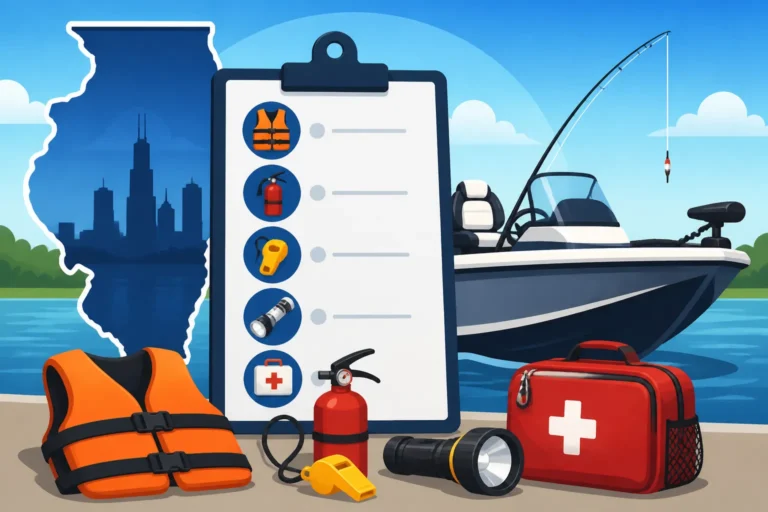
| Safety Gear | Essential | All required PFDs, fire extinguisher, horn, paddles, first-aid kit. |
The Critical Role of Electronics and Trolling Motors
In today's bass fishing world, electronics are your eyes underwater, and your trolling motor is your silent engine for precision. For Lake Shelbyville, a reliable, high-quality fish finder and GPS unit isn't just a luxury; it's a necessity. You'll want units with large, clear displays, capable of showing detailed contour maps, side imaging, and down imaging. These technologies help you identify submerged structure, differentiate between rock piles and brush, and even spot individual fish. Integrated GPS mapping is crucial for marking productive spots, navigating safely through timber, and returning to exact waypoints. Many anglers opt for two units: one at the console for navigation and high-speed sonar, and another at the bow for detailed shallow-water work. Brands like Humminbird or Lowrance are popular choices and can often be found at Bass Pro Shops.
As for the trolling motor, power and features are paramount. Given the potential for wind and current, a 24-volt or, even better, a 36-volt system with ample thrust (at least 70-80 lbs, ideally 100+ lbs) is highly recommended. Modern trolling motors with GPS anchoring or "spot-lock" capabilities are game-changers, allowing you to hold your position precisely with the press of a button, freeing you up to fish rather than constantly correcting your drift. This is especially vital when you're trying to pick apart a specific piece of cover on a windy day. Check out options on Amazon for competitive pricing and a wide selection.
Beyond the Boat: Power, Safety, and Budgeting for Your Investment
A bass boat is more than just a fiberglass shell; it's an integrated system of power, safety, and ongoing commitment. Thinking about these factors will ensure your Lake Shelbyville fishing experience is both thrilling and sustainable.
Choosing the Right Outboard Motor and Propeller
The outboard motor is the heart of your bass boat, and selecting the right one for Lake Shelbyville involves balancing power, reliability, and fuel efficiency. You'll want enough horsepower to get your boat on plane quickly, reach your fishing spots efficiently, and safely navigate any rough water. For most full-sized bass boats, this typically means motors in the 150-300 horsepower range. Don't just go for the maximum horsepower the boat is rated for; consider your typical load (gear, passengers) and how you intend to use the boat. A well-matched motor will perform better and be more fuel-efficient.
Propeller choice is another often-overlooked but critical factor. The right propeller can dramatically improve your boat's hole shot (how quickly it gets on plane), top-end speed, and fuel economy. It's often worth experimenting with different props to find the one that best suits your boat, motor, and fishing style. Beyond power, reliability is key. You want a motor that starts every time and performs consistently. While modern outboards are incredibly dependable, regular maintenance is still vital to ensure years of trouble-free operation.
Prioritizing Safety Gear and Comfort
Safety is absolutely non-negotiable on any body of water, and Lake Shelbyville is no exception. Before you even think about buying lures, make sure you've got all the necessary safety gear on board. This includes Coast Guard-approved life jackets (PFDs) for everyone on the boat, a throwable Type IV PFD, a fire extinguisher, a horn or whistle, navigation lights, and a first-aid kit. Understanding the Illinois Life Jacket and PFD Rules is essential, especially regarding requirements for children. It's also a good idea to have a paddle or two, just in case of an emergency.
Beyond the mandated items, consider comfort features that will make your long days on the water more enjoyable. Good pedestal seats, padded casting decks, and even a quality bimini top for sun protection can make a huge difference, especially during the peak summer months. A comfortable boat means you'll spend more time fishing and less time nursing aches and pains. Remember, you're investing in an experience, and comfort plays a big role in that experience. Also, don't forget to understand the Illinois Boater Education Card Requirements to ensure you're compliant with state law.
Understanding the Full Cost of Ownership
Investing in a bass boat for Lake Shelbyville isn't just about the purchase price; it's about the entire cost of ownership. Beyond the boat and motor, you'll need to factor in a trailer, registration fees (which can vary, so research Illinois Boat Registration Requirements Explained), insurance, and ongoing maintenance. Fuel costs, especially with larger outboards and extensive lake coverage, can add up quickly. Consider the cost of premium electronics, additional batteries, a battery charger, and any customization you might want to do.
Whether you choose a new or used boat will significantly impact the initial outlay. New boats come with warranties and the latest technology, but depreciation is a factor. Used boats can offer excellent value, but might require more immediate maintenance or upgrades. Always get a thorough inspection of any used boat, motor, and trailer by a qualified mechanic. Budgeting for unexpected repairs, winterization, and storage are also important aspects to consider. It's a significant investment, but for many, the joy and satisfaction of fishing Lake Shelbyville from their own well-equipped bass boat are priceless. For other ideas about optimizing your gear, you might look at Best Rods for Illinois Largemouth Bass.
Disclaimer
This article is for general informational purposes only and does not constitute professional advice. Laws, prices and regulations vary by location and change over time. Consult a qualified professional for guidance on your specific situation.