Illinois Boater Education Card Requirement for Motors Over 10 HP
It can be incredibly frustrating trying to keep up with all the rules and regulations when you just want to enjoy a peaceful day on the water. Many Illinois anglers, especially those with smaller boats or new motors, often wonder if that 10 horsepower (HP) engine means they suddenly need a boater education card. This guide is here to cut through the confusion and explain exactly who needs to take a boater education course in Illinois, focusing on that all-important 10 HP motor threshold and what it means for you.
Understanding the Illinois Boater Education Card
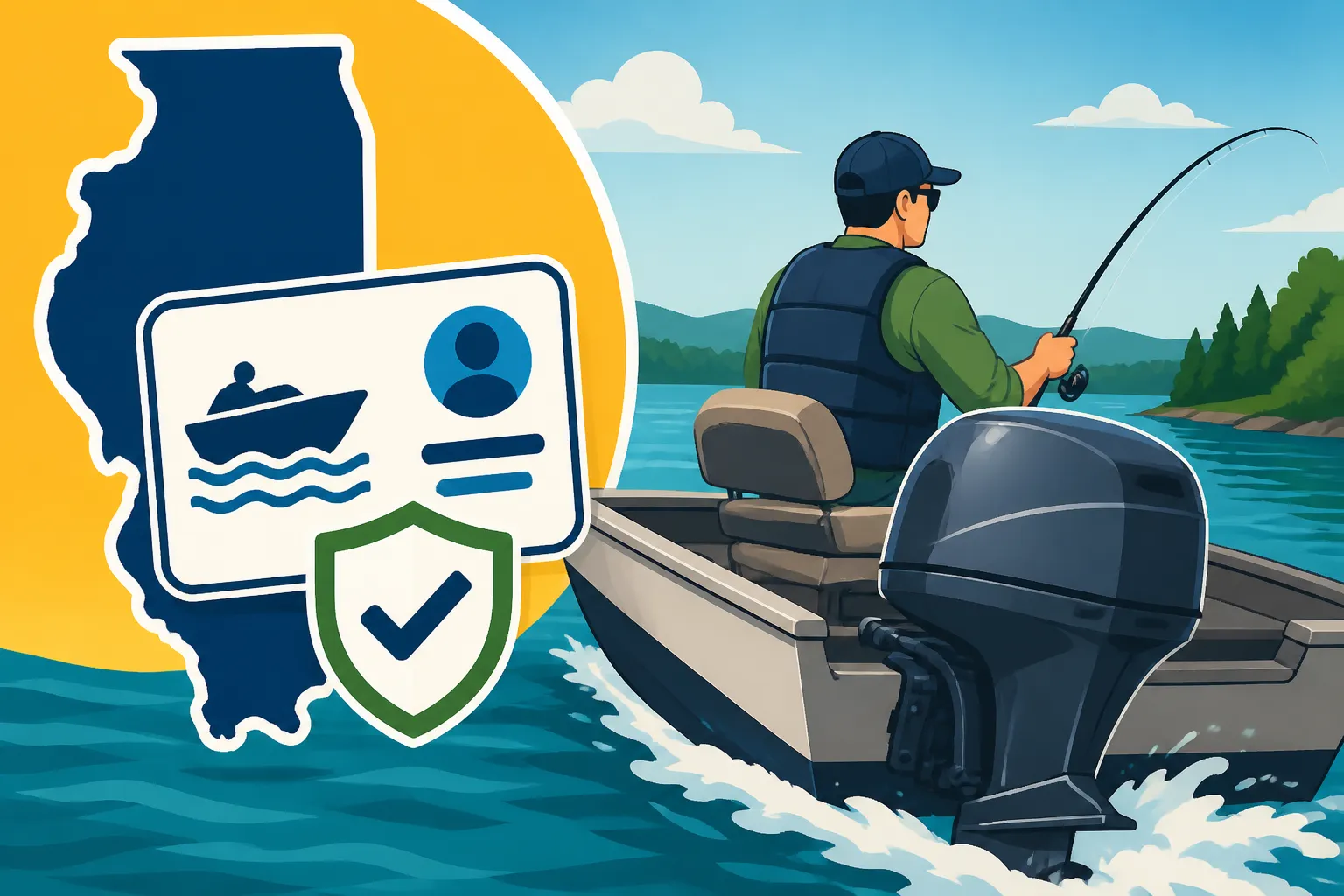
Navigating the waters of Illinois, whether it's a calm lake or a bustling river, comes with responsibilities, and one of the most important is ensuring you're educated on boating safety. The Illinois Boater Education Card isn't just a piece of plastic; it's proof that you've grasped the fundamentals of safe operation, collision avoidance, and navigational rules. Many folks, especially if they grew up fishing from a small jon boat with an electric motor, might not realize that adding even a slightly more powerful gas engine can change everything. It's a common point of confusion, and frankly, it can be a little intimidating for those just starting out or upgrading their gear.
Why the 10 HP Threshold Matters
The 10 horsepower (HP) threshold isn't some arbitrary number pulled out of thin air; it's a key legal differentiator in Illinois boating regulations. Think of it this way: a boat powered by a small electric trolling motor or a gas engine under 10 HP generally operates at slower speeds and poses less risk in the eyes of the law. You're less likely to cause a serious incident, and the maneuvering is usually much simpler. However, once you jump to 10 HP or more, your vessel gains significant speed and power. This increased capability demands a higher level of knowledge and skill from the operator. It's why the state has drawn this line in the sand—to ensure that anyone operating a more powerful vessel has a foundational understanding of safe boating practices. This is precisely where the Illinois Boater Education Card comes into play. If you're pondering whether your new outboard motor pushes you over that limit, it's wise to assume it does and get educated.
Let's imagine you’ve just purchased a shiny new 15 HP outboard for your fishing boat. Suddenly, you're not just puttering around; you can cover serious ground on a lake like Lake Shelbyville. With that speed comes a greater responsibility to understand right-of-way rules, proper docking procedures, and how to react in emergency situations. The 10 HP mark is the state's way of saying, "Okay, now you're in the big leagues, and we need to make sure you know the rules of the game." It’s not meant to penalize you, but rather to protect you and everyone else enjoying Illinois' beautiful waterways. Ignoring this threshold can lead to unfortunate incidents or, at the very least, a hefty fine from a conservation police officer.
Who Needs to Take the Course
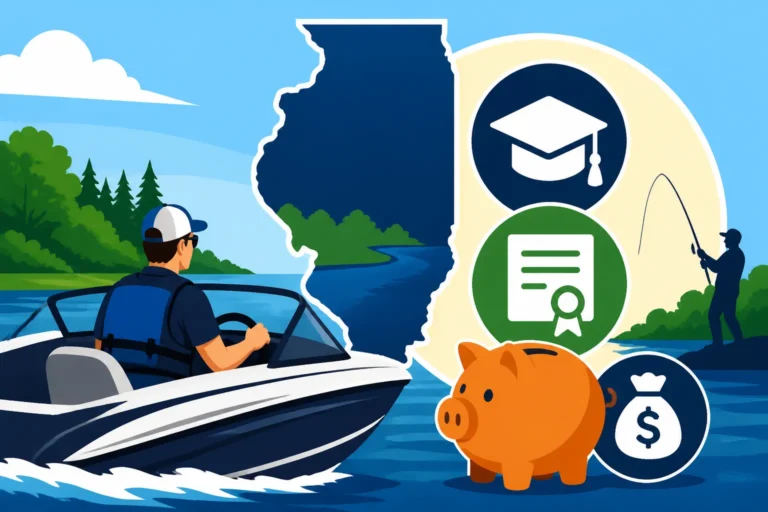
The critical thing to remember is that the requirement for a boater education card in Illinois is primarily tied to the operator's age and the horsepower of the boat's motor. Specifically, if you are under the age of 12, you are generally prohibited from operating a motorboat with a 10 HP or greater motor, even if you have a boater education card, unless you have an adult (at least 18 years old) on board. For those aged 12 to 17, it's mandatory: you must have a valid Illinois Boater Education Card to operate a motorboat with a 10 HP or greater motor. This rule is in place because younger operators might not have the experience or judgment to handle larger, faster vessels safely. You might be able to operate a smaller craft, but once that motor hits 10 HP, the rules change for teens. For more details on age specifics, you can check out Illinois Boater Education Card Age Requirement.
Now, what about us seasoned anglers? If you're 18 years of age or older, the good news is that you are generally not required by Illinois law to possess a boater education card to operate a motorboat, regardless of the horsepower. However, and this is a big "however," taking a course is still highly recommended for everyone. Even if you've been boating for decades, rules change, new technologies emerge, and a refresher on safety is never a bad idea. Think of it as defensive driving for the water. Plus, many insurance companies offer discounts for completing an approved boater safety course, so it can actually save you money in the long run. Whether you're a young angler just getting started or a veteran looking to brush up, understanding these requirements is crucial for a safe and enjoyable experience.
Navigating the Boater Education Course
Once you realize that a boater education card is in your future, especially if you're a younger angler or a parent of one, the next step is figuring out how to actually take the course. It's not as daunting as it might sound. The Illinois Department of Natural Resources (IDNR) works with various providers to make these courses accessible and effective. You're not stuck in a stuffy classroom for days on end, though that's an option too! The key is to find a format that works best for your learning style and schedule. Many people find the online options incredibly convenient, allowing them to learn at their own pace, often while juggling other responsibilities.
Course Formats and Options
When it comes to completing your Illinois boater education, you've got a few different paths you can take, which is great because not everyone learns the same way or has the same schedule. The most common and often preferred option for many busy individuals is the online course. Reputable online providers, sometimes found with a quick search on a platform like Amazon or through an outdoor retailer like Bass Pro Shops, offer interactive modules, quizzes, and even practice exams that you can complete from the comfort of your own home. These courses are designed to be engaging, using videos, animations, and real-world scenarios to illustrate key concepts. You can usually pause and resume your progress, which is perfect for fitting lessons around work, school, or family commitments.
For those who prefer a more traditional learning environment or have questions best answered in person, there are also in-person classroom courses. These are typically taught by certified instructors and might be offered through local park districts, community colleges, or boating clubs. The advantage here is direct interaction with an expert and the opportunity to ask questions immediately. Some courses might even include practical on-water training, giving you hands-on experience with concepts like docking and navigating buoys. Before you commit, it's a good idea to research the options in your area and compare what each offers. Some courses might focus more heavily on specific types of boating, while others are more general. The main goal is to choose an IDNR-approved course that will adequately prepare you for the test and, more importantly, for safe boating. You can also look into Boater Education Course Costs in Illinois to help you decide which option fits your budget and learning needs.
What You'll Learn in the Course
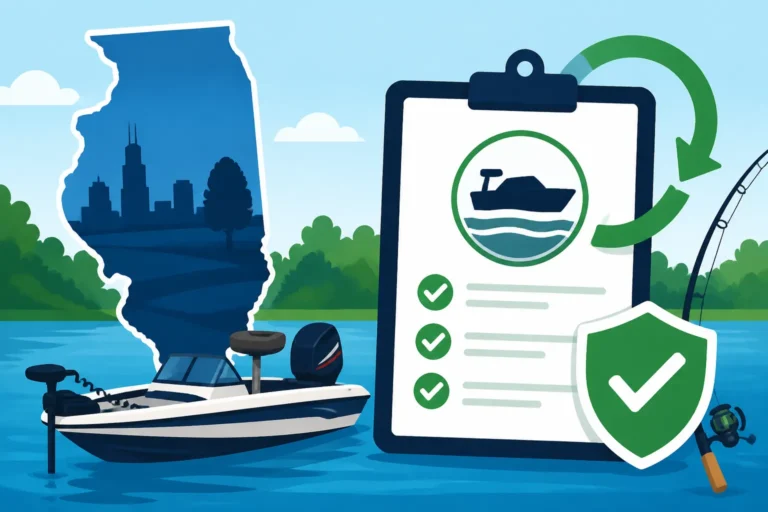
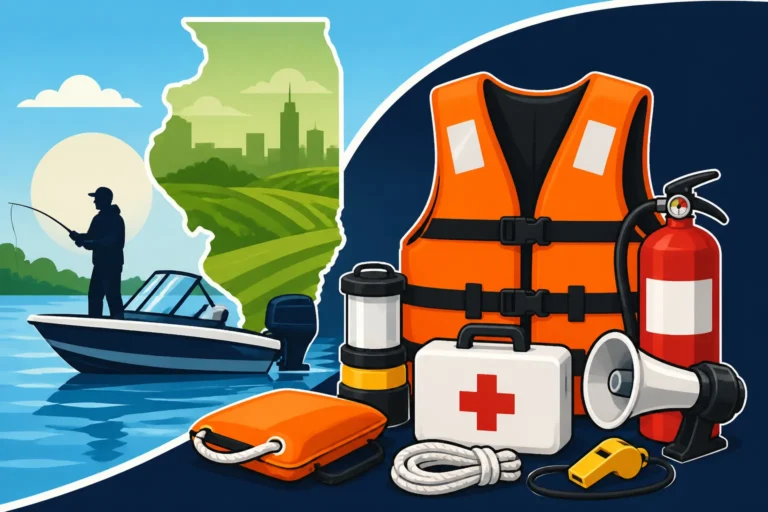
The curriculum for an approved Illinois Boater Education Course is comprehensive, designed to equip you with all the knowledge you need to operate a boat safely and responsibly. It’s not just about passing a test; it’s about genuinely understanding the marine environment and your role in it. You'll dive deep into topics like navigation rules, which are essentially the "rules of the road" for the water, covering right-of-way, proper lighting, and signaling. Understanding these rules is critical for preventing collisions, especially on crowded waters like the Chain O'Lakes near Chicago. The course will also cover essential boating safety equipment, such as the various types of life jackets and when they're required, fire extinguishers, and sound-producing devices. You'd be surprised how many experienced boaters still aren't fully clear on all the items on the Illinois Boating Safety Gear Checklist.
Beyond the basics, the course will also educate you on environmental responsibility, like preventing the spread of aquatic invasive species and proper waste disposal. This is vital for maintaining the health of Illinois' diverse ecosystems, from the Mississippi River backwaters to Lake Michigan. You'll learn about different types of boats and their characteristics, how to handle adverse weather conditions, emergency procedures for common mishaps like capsizing or man overboard scenarios, and even basic engine maintenance. There's also a significant focus on the dangers of operating a boat under the influence of alcohol or drugs, which is a serious offense on the water just as it is on the road. By the time you complete the course, you'll have a much stronger grasp of not only how to enjoy boating, but how to do so safely, legally, and respectfully.
Getting Your Boater Education Card
Once you've completed your boater education course, the final step is to officially obtain your card. It's the tangible proof of all your hard work and newfound knowledge. The process is pretty straightforward, but like anything involving official documents, there are a few important details to keep in mind. You don't want to get caught on the water, excited to show off your new boat with its 15 HP motor, only to realize you forgot a crucial step in obtaining your card. The Illinois Department of Natural Resources (IDNR) oversees this process, and they've made it relatively easy to navigate.
The Application Process
After successfully completing an IDNR-approved boater education course, whether it was online or in a classroom, you'll typically receive a certificate of completion. This certificate is vital because it's your proof that you've met the educational requirement. The next step is usually to submit an application to the IDNR, often along with a small fee. Many online course providers will guide you through this specific part of the process, sometimes even submitting the necessary paperwork on your behalf or providing clear instructions on how to do it yourself. It's not like buying a product on Amazon where it just shows up at your door; there's a specific governmental process.
When filling out the application, make sure all your personal information is accurate and matches your identification. Any discrepancies could cause delays in receiving your card. Once your application and fee are processed, the IDNR will mail you your official Illinois Boater Education Card. This card is usually plastic, similar to a driver's license, and is designed to be durable for use on the water. Be patient, as it might take a few weeks for the card to arrive in the mail. If you're planning a boating trip soon after completing your course, make sure to factor in this processing time. For those curious about the exact financial commitment, you can learn more by looking up Illinois Boater Education Course Cost for New Boaters.
Carrying Your Card
Once you've got that shiny new Illinois Boater Education Card in your wallet, you might feel a sense of accomplishment—and rightfully so! But the job isn't quite done. The most important thing to remember is that if you're required to have the card (i.e., you're between 12 and 17 years old and operating a motorboat 10 HP or greater), you must have it with you whenever you're operating the boat. This isn't just a suggestion; it's a legal requirement. Imagine a conservation police officer pulling alongside your boat for a routine safety check on a busy Saturday. They’ll likely ask for your fishing license, proof of boat registration, and, if applicable, your boater education card.
Failing to produce your card when required can lead to a citation, which is an unnecessary headache and expense. It's similar to forgetting your driver's license when driving a car. While a physical card is ideal, some states allow digital proof on a phone, but it's always safest to have the physical card to avoid any confusion or issues with signal loss on the water. Many anglers keep their boater education card, along with their fishing license, in a waterproof bag or container stored safely within their boat. You could even get a waterproof wallet from Bass Pro Shops to keep all your important documents secure. Getting your card is a great step towards responsible boating, but always make sure it's accessible when you're out enjoying the beautiful lakes and rivers of Illinois.
Avoiding Common Pitfalls and Staying Legal
Boating should be about relaxation and enjoyment, not worrying about legal troubles. However, like any regulated activity, there are rules, and knowing them helps avoid unpleasant surprises. Many boaters, especially those new to operating a higher horsepower vessel or visitors to the state, might inadvertently fall afoul of regulations simply because they weren't aware. Understanding the consequences of non-compliance and making an effort to stay updated can save you a lot of grief and ensure your time on the water remains truly carefree.
Consequences of Non-Compliance
Operating a motorboat that falls under the 10 HP or greater category without the required boater education card, especially if you're in the 12-17 age bracket, is a direct violation of Illinois state law. The immediate consequence could be a stop by a Conservation Police Officer (CPO) who will issue a citation. This isn't just a slap on the wrist; it can come with a fine, and a court appearance might even be necessary depending on the circumstances. Imagine spending a glorious afternoon fishing only to have it soured by a ticket that costs you a couple of hundred dollars. It's a significant deterrent, and it's meant to be. The state takes boating safety seriously because serious accidents can happen quickly on the water.
Beyond the legal penalties, there's also the very real risk to safety. The boater education course isn't just about rules; it's about practical knowledge that can prevent accidents. Without this crucial information, you're not just risking a fine, but potentially risking personal injury to yourself, your passengers, or other boaters. For example, not understanding navigational markers or proper passing etiquette can lead to collisions. While you might feel confident in your abilities, the course fills in the gaps that even experienced uncertified boaters might have. Staying informed and compliant is not just about avoiding penalties, but about being a responsible steward of our waterways and ensuring everyone has a safe experience.
Keeping Up with Rule Changes
Boating regulations, just like any other set of laws, aren't always static. They can, and sometimes do, change based on new safety data, environmental concerns, or legislative updates. What was perfectly acceptable last season might have a slight modification this season, and staying informed is a mark of a truly responsible boater. For instance, specific lakes might implement temporary speed limits, or new requirements for certain types of safety gear could be introduced. It can be a hassle to keep track, but it's essential for everyone who enjoys Illinois fishing.
The best way to keep up with rule changes is to regularly check the official Illinois Department of Natural Resources (IDNR) website. They publish an annual "Illinois Fishing Information Guide" which often includes updates to boating laws as well. Additionally, subscribing to newsletters from the IDNR or local boating organizations can help you stay informed. Don't rely solely on what you "heard" from a buddy at the bait shop. Always verify information from official sources. This proactive approach ensures that your hard-earned boater education card remains relevant, and you can continue to enjoy Illinois' waters without fear of inadvertently breaking a rule. Whether it's changes to the Illinois Fishing Regulations Overview or updates to boat registration, staying informed is key to a smooth and enjoyable boating season.
| Requirement Category | Criteria | Boater Education Card Required |
|---|---|---|
| Operator Age 12-17 | Operating motorboat 10 HP or greater | Yes |
| Operator Age 12-17 | Operating motorboat under 10 HP | No |
| Operator Age 18+ | Operating any motorboat (any HP) | No (Recommended) |
| Operator Under 12 | Operating motorboat 10 HP or greater | No (Prohibited unless supervised by 18+ adult) |
| Operator Under 12 | Operating motorboat under 10 HP | Yes (Or supervised by 18+ adult) |
Disclaimer
This article is for general informational purposes only and does not constitute professional advice. Laws, prices and regulations vary by location and change over time. Consult a qualified professional for guidance on your specific situation.