How Much Does a Boater Safety Course Cost?
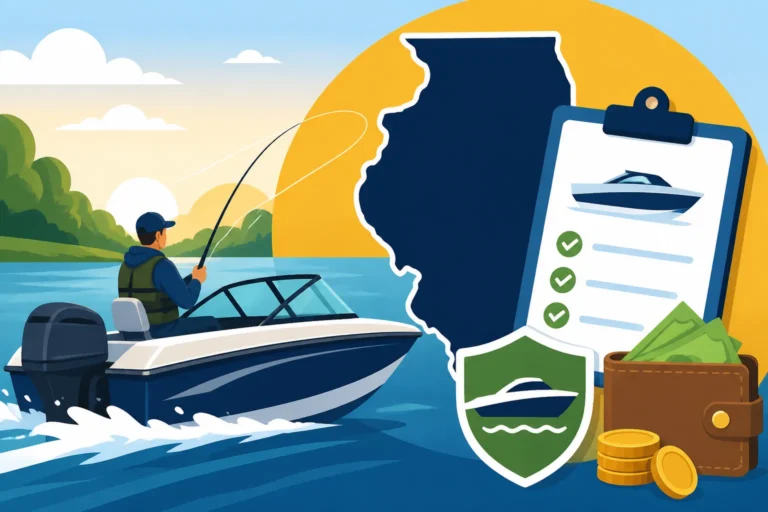
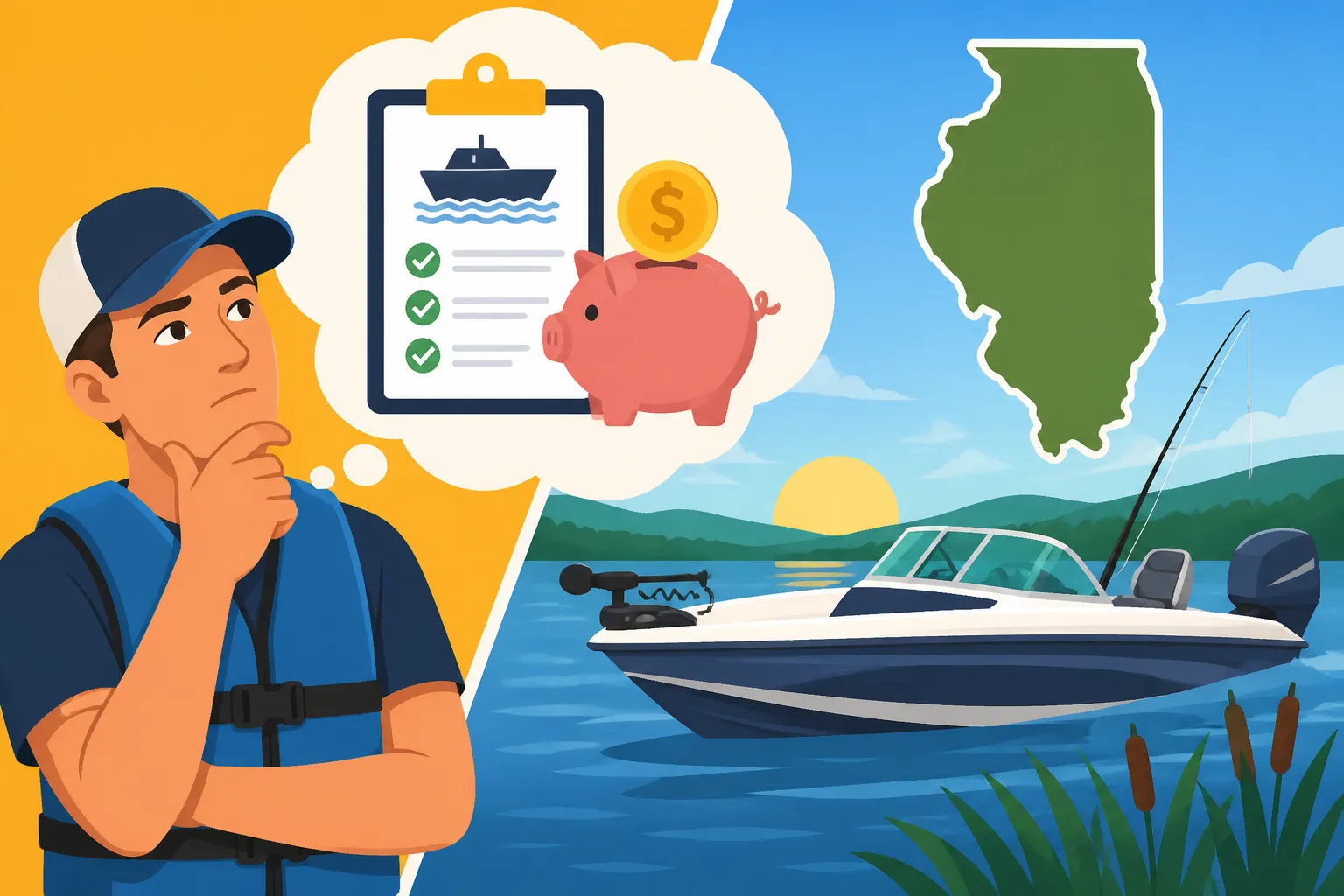
The thought of getting your boat out on the water in Illinois is exciting, but the reality of figuring out all the necessary paperwork and courses can feel like navigating a maze. One common question that pops up for many new (and even experienced) boaters is, "How much does that boater safety course actually cost?" It's a completely valid concern, as budgeting for your boating adventures often includes these upfront requirements. This guide is here to demystify the various costs associated with obtaining your Illinois boater safety certification, explaining why these fees exist and what you can expect to pay for the essential knowledge that keeps you and others safe on the water.
Why a Boater Safety Course is More Than Just a Fee
It's easy to look at a boater safety course and just see another required expense. We've all been there, sighing at another fee added to our recreational activities. But truly, this course is an investment in safety—yours, your passengers', and everyone else sharing Illinois's beautiful lakes and rivers. Beyond just fulfilling a legal requirement, these courses equip you with critical knowledge that can prevent accidents, save lives, and protect our natural resources.
Understanding Illinois's Boater Education Card Requirement
First things first, let's talk about why this course isn't just an optional "nice-to-have." In Illinois, there's a clear mandate for boater education, especially for younger operators. If you're a boat operator born on or after January 1, 1998, you generally need to possess a valid Boater Safety Certificate, often referred to as a Boater Education Card, to operate a motorboat with a 10 horsepower or greater engine. This applies to personal watercraft (PWCs) as well. Imagine you've just bought a new fishing boat or a jet ski, brimming with excitement for your first ride on Lake Shelbyville. Without that card, you could be facing penalties, which no one wants on their maiden voyage. This requirement is in place to ensure that those who are newer to boating have a foundational understanding of safety protocols and navigation rules before they hit the waves. It's about proactive education rather than reactive consequences. You can find more details on this by checking out Illinois Boater Education Card Requirements.
The Value Beyond the Dollar Amount
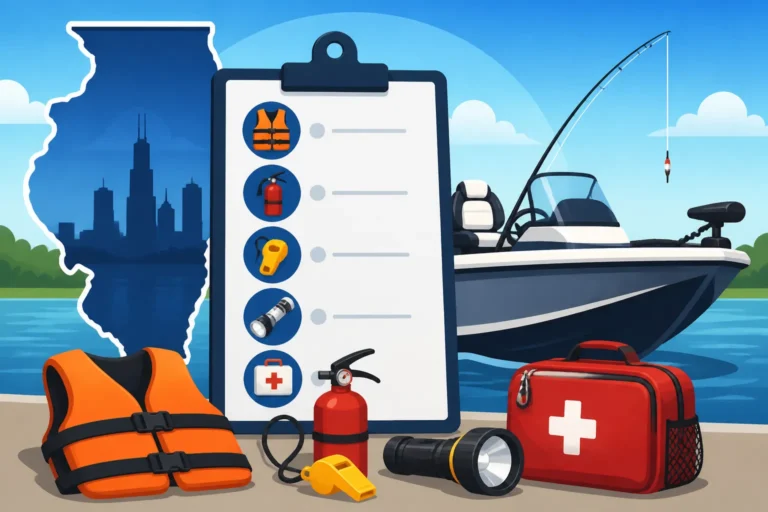
While we're here to talk about the cost, it's crucial to acknowledge the immense value that a boater safety course provides. Think about it: you're learning proper navigation, right-of-way rules, how to handle emergency situations like capsizing or man overboard, and even basic maintenance that can prevent breakdowns on the water. This isn't just about passing a test; it's about gaining confidence and competence. For instance, knowing how to properly trim your engine can save fuel, and understanding weather patterns can help you avoid dangerous storms that could quickly turn a fun day into a perilous one on Carlyle Lake. The skills learned can potentially save you thousands in repair costs from an accident or, more importantly, prevent injuries. It's like paying for driving lessons; the actual cost seems small compared to the peace of mind and safety it offers in the long run.
Understanding the Different Types of Courses and Their Associated Costs
When it comes to getting your boater safety certification, you've got options in Illinois. These options generally fall into a few categories, and each comes with its own price tag and learning style. It's not a one-size-fits-all situation, which is great because you can pick what best suits your schedule and learning preferences.
Online Boater Safety Courses
For many busy individuals, online courses are a godsend. You can learn at your own pace, from the comfort of your home, often fitting study sessions around work or family commitments. These courses are typically offered by private, state-approved providers. The cost for an online boater safety course usually includes access to all the digital learning materials, quizzes, and the final exam. Once you pass, they often handle the processing of your certificate.
The fees for online courses can vary, but generally, you're looking at a modest investment. Some providers might offer tiered pricing, where a basic course gets you the certification, while a slightly higher fee could include additional study guides or practice tests. It's a great option for folks who are comfortable with self-directed learning and prefer the flexibility. When you're browsing, make sure the course is approved by the Illinois Department of Natural Resources (IDNR). A quick search for "Illinois approved online boater safety course" will usually yield several reputable options. These courses are often the most budget-friendly choice available, making them accessible to a wider range of anglers and recreational boaters.
In-Person Classroom Courses
For those who thrive in a traditional classroom setting, or who prefer direct interaction with an instructor, in-person courses are a fantastic choice. These are typically taught by certified instructors, often through local park districts, community colleges, or even boating clubs. The cost for these courses can sometimes be a bit higher than online options, as it factors in instructor time, facility rentals, and printed materials.
However, the benefit here is invaluable: you get real-time answers to your questions, opportunities for group discussions, and sometimes even hands-on demonstrations or simulations. Imagine discussing specific navigation challenges on the Mississippi River with an experienced boater or getting clarification on confusing right-of-way rules directly from an expert. These courses might run over a weekend or be spread out over a few evenings, requiring a set schedule. They often include all necessary materials, and upon successful completion, the instructor will guide you through the certification process. Some instructors might even incorporate local nuances or examples relevant to Illinois waters, making the learning even more pertinent.
Home Study Options and Combination Approaches
While less common now, some providers might still offer home study kits, which include physical textbooks and workbooks. You'd typically complete the materials and then arrange to take a proctored exam. The cost here would cover the materials and the exam fee.
Additionally, some organizations might offer hybrid courses that combine online learning with a shorter in-person session, perhaps for practical demonstrations or a proctored exam. The cost structure for these would reflect the blend of resources. For example, some fishing clubs might offer a discounted course to their members, making it an attractive option for those already involved in the angling community. It's always worth checking with local organizations like the Coast Guard Auxiliary or U.S. Power Squadrons, as they often provide excellent courses.
Factors Influencing the Price of Your Boater Safety Course
So, you've decided to get certified, and now you're wondering why one course might cost more than another. It's not just random; several factors play into the final price tag you'll encounter. Understanding these can help you choose the best option for your budget and learning style.
Provider Type and Course Format
The organization offering the course is a major factor. State agencies like the IDNR sometimes offer free or very low-cost courses, especially through local events or community partnerships. These might be less frequent or have limited availability, but they're a fantastic resource if you can snag a spot. On the other hand, private online course providers or commercial boating schools usually have a fee. These businesses have operational costs, software development, customer support, and marketing expenses, all of which contribute to their pricing.
Consider the "Boater Education Course Costs in Illinois" – this article is exploring that very topic, and it shows how a basic online course from a private vendor might be one price, while a comprehensive, in-person weekend class from a certified instructor could be higher. It's similar to comparing a free online tutorial to a paid college course: both deliver knowledge, but the structure, support, and resources differ. Some providers might bundle additional features, like lifetime access to study materials or a physical ID card, which can also influence the price.
Inclusions and Extra Study Materials
What exactly is included in the stated price? Some courses are all-inclusive, covering the study material, quizzes, exam, and even the processing of your certification card. Others might have a lower upfront cost but charge extra for things like a physical textbook, a laminated card, or expedited shipping of your certificate. If you like having physical materials to highlight and refer back to, make sure to factor that into your budgeting. For example, while some online courses are purely digital, you might prefer to print out a study guide or even purchase a supplementary guide from a retailer like Bass Pro Shops or through online platforms like Amazon to enhance your learning experience. Always read the fine print to understand what you're getting for your money.
Geographic Location and Special Programs
Believe it or not, the cost can sometimes be influenced by your location, particularly for in-person classes. A course offered in a major metropolitan area like Chicago might have different overheads than one in a smaller rural town, which could translate to varying fees. Also, keep an eye out for special programs or discounts. Sometimes, youth groups, scout troops, or even fishing clubs might arrange a group course at a reduced rate. Seniors might also find discounted options available. These aren't always widely advertised, so it pays to inquire locally. For instance, sometimes during events like Illinois Free Fishing Days Guide, there might be opportunities for introductory boating safety talks or even discounted courses to encourage new participants.
Here's a quick comparison of common course characteristics:
| Feature | Online Course | In-Person Course |
|---|---|---|
| Flexibility | High (self-paced, 24/7 access) | Low (fixed schedule, specific location) |
| Interaction | Limited (email/chat support) | High (direct instructor, peer interaction) |
| Typical Cost | Often lower | Often higher |
| Materials | Digital, sometimes printable | Often printed, physical textbooks |
| Exam Format | Online, sometimes proctored | In-person, proctored |
| Best For | Self-starters, busy schedules | Interactive learners, direct questions |
| Availability | Widespread, always accessible | Limited by schedule and location |
Where to Find and Pay for Your Illinois Boater Safety Course
Now that you know what goes into the cost, let's talk about the practical side: where do you actually find these courses and how do you pay for them? It's often simpler than people imagine, with several convenient avenues available.
Illinois Department of Natural Resources (IDNR) Resources
Your first stop should always be the official source: the Illinois Department of Natural Resources (IDNR). They are the governing body for boating safety and will have the most accurate and up-to-date information on approved courses. The IDNR website usually lists approved online providers and may also have a calendar of in-person classes offered directly by the state or through certified volunteer instructors. These state-sponsored classes, when available, are often the most affordable or even free, aiming to promote safety across the state. They might be hosted at state parks, conservation areas, or community centers. Checking their official channels regularly can help you catch these opportunities, especially if you're looking for The Lowest-Cost Way for a Resident to Start Fishing in Illinois.
Approved Private Online Providers
There are numerous private companies that offer state-approved online boater safety courses for Illinois. These are often easy to find with a simple web search for "Illinois boater safety course online." Popular platforms typically have a streamlined registration and payment process, often accepting major credit cards. You'll usually create an account, pay the course fee upfront, and then gain immediate access to the learning modules. It's a very convenient route for those who want to get started right away. Remember to confirm that any online provider is explicitly approved by the IDNR to ensure your certification will be valid.
Local Organizations and Boating Schools
Don't overlook local resources! Your community park district, local high school adult education programs, regional boat dealers, or even local chapters of organizations like the U.S. Coast Guard Auxiliary or U.S. Power Squadrons frequently offer in-person boater safety courses. The payment process will vary; some might require registration and payment through their specific system, while others might accept cash or check at the first class. These are excellent places to look if you prefer an in-person learning experience and want to connect with other local boaters. Often, the costs are competitive, and the added benefit of local networking can be invaluable. It’s also a good way to find courses tailored to specific local bodies of water, such as those that might focus on the unique challenges of fishing on the Illinois River or Lake Michigan.
Making the Most of Your Investment: Beyond Just the Fee
Paying for a boater safety course is just the beginning. To truly get the most out of your investment, it's about embracing the learning, applying the knowledge, and continually striving to be a safer boater. This isn't just a hurdle to jump; it's a foundation for a lifetime of enjoyable and responsible time on the water.
Actively Engage and Ask Questions
Whether you're taking an online course or sitting in a classroom, active engagement is key. Don't just passively click through modules or zone out during lectures. Take notes, revisit challenging sections, and don't be afraid to ask questions. In an online setting, this might mean utilizing forums or emailing instructors. In person, raise your hand! There are no "dumb questions" when it comes to safety. Understanding the nuances of navigation rules, distress signals, or even how to properly size a life jacket for your kids can make all the difference in a real-world scenario. Every bit of information absorbed contributes to your confidence and capability when you're at the helm. This active learning approach ensures that the money you spent translates into actual, usable knowledge.
Supplement Your Learning with Practical Experience
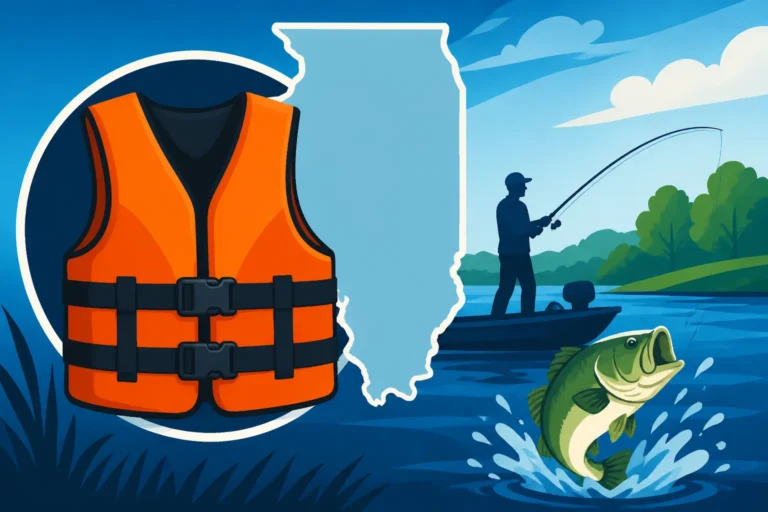
A course provides the theoretical knowledge, but nothing beats practical experience. Once you have your Boater Education Card, try to spend time on the water with an experienced boater. This could be a friend, family member, or even a local guide. Practice docking, navigating in different conditions, and understanding how your specific vessel handles. For example, if you just learned about emergency stops in the course, try practicing them in a safe, open area with someone knowledgeable supervising. Books and screens can only teach so much; real-world application cements that learning. You might even consider additional workshops on specific skills, such as how to launch and retrieve a boat from a busy ramp or how to handle larger waves on Lake Michigan. Remember that Illinois Life Jacket and PFD Rules are always in effect, so always wear one, especially during practice runs.
Embrace a Lifetime of Learning and Safety
The boater safety course is a prerequisite, not the end of your education. Rules, regulations, and best practices can evolve. Stay informed by reviewing the current Illinois Fishing Information Guide each year, subscribing to boating safety newsletters, or attending refresher courses. Consider investing in a good boating safety book or marine charts for the areas you frequent; you can often find these at stores like Bass Pro Shops or online at Amazon. Being a responsible boater means continuous learning and prioritizing safety in all your aquatic adventures. After all, the cost of an accident, both in terms of potential harm and financial burden, far outweighs the modest fee for a safety course. Your commitment to safety ensures that every trip out on the water is a pleasure, not a peril.
Disclaimer
This article is for general informational purposes only and does not constitute professional advice. Laws, prices and regulations vary by location and change over time. Consult a qualified professional for guidance on your specific situation.