Illinois Boater Education Card for a 10 HP Motor
It’s a common question that pops up in conversations on the dock, at the bait shop, or around the campfire: "Do I really need a boater education card for my little fishing boat with just a 10 HP motor here in Illinois?" Many folks assume that because their motor is relatively small, they might be exempt from the state’s boater education requirements. This guide is here to clear up that confusion and walk you through exactly what you need to know about operating a vessel with a 10 horsepower motor (or anything larger!) on Illinois waters.
Understanding Illinois Boater Education Requirements
Let's cut right to the chase: if you're operating any motorboat with a motor larger than 10 horsepower on Illinois waters, and you were born on or after January 1, 1998, then yes, you absolutely need an Illinois Boater Education Card. This isn't just a suggestion; it's a legal requirement designed to ensure everyone on the water has a baseline understanding of safety rules and best practices. It might seem like an extra hurdle, but it's fundamentally about keeping you, your passengers, and fellow anglers safe.
Who Needs the Boater Education Card?
The Illinois Boater Education Card requirement is specifically aimed at younger operators, though understanding the rules is beneficial for everyone. The core rule states that anyone born on or after January 1, 1998, must possess a valid Boater Education Card issued by the Illinois Department of Natural Resources (IDNR) or an approved equivalent from another state, to operate a motor-powered vessel with a motor larger than 10 horsepower. This means if you fit that age criterion and your boat has a motor exceeding that 10 HP threshold, you're in the group that needs to get certified. It's not about how fast your boat goes, or how big it physically is, but solely about the horsepower of the motor and your birthdate.
For those seasoned anglers who were born before January 1, 1998, the requirement for the physical card doesn't apply to you. However, that doesn't mean you're exempt from knowing and following all boating laws and safety regulations. In fact, many experienced boaters still choose to take a safety course voluntarily to refresh their knowledge and stay current with any changes in rules. It’s always a good idea to brush up on your skills, regardless of how long you've been on the water, to prevent accidents and ensure enjoyable trips.
The 10 HP Motor Nuance
This is where the confusion often lies. Ten horsepower isn't a massive motor by any stretch. Many small jon boats, aluminum fishing boats, and even some inflatable boats come equipped with a 9.9 HP or 10 HP outboard. People often look at these smaller motors and think, "Surely this isn't considered a 'big' enough motor to require a special card?" But the Illinois law is quite clear: anything larger than 10 HP falls under the mandate. So, if your boat has an 11 HP, a 15 HP, or even a 25 HP motor, and you meet the age requirement, you need the card.
What about exactly 10 HP? If your motor is rated at precisely 10 HP, the regulations typically consider this the cutoff point where the requirement begins if you are above it. For absolute clarity and peace of mind, it's generally best to get the card if your motor is 10 HP or higher, particularly if there's any ambiguity in the rating or if you might operate a slightly larger motor in the future. Better safe than sorry, as they say, especially when it comes to state regulations and your ability to enjoy a day on the water without worry. The cost of a course is minimal compared to potential fines or, worse, an accident.
Why the Rule Exists: Safety First
The underlying reason for any boater education requirement is safety, pure and simple. Even a 10 HP motor, when operated improperly or by someone unfamiliar with boating rules, can pose significant risks. Imagine navigating a busy section of the Fox River or entering a crowded launch area on Lake Shelbyville. Knowing the "rules of the road" on the water, understanding right-of-way, how to react to other vessels, and basic emergency procedures can prevent collisions, capsizing, and other dangerous situations. Illinois Boater Education Card Requirements goes into even more detail about the specific mandates.
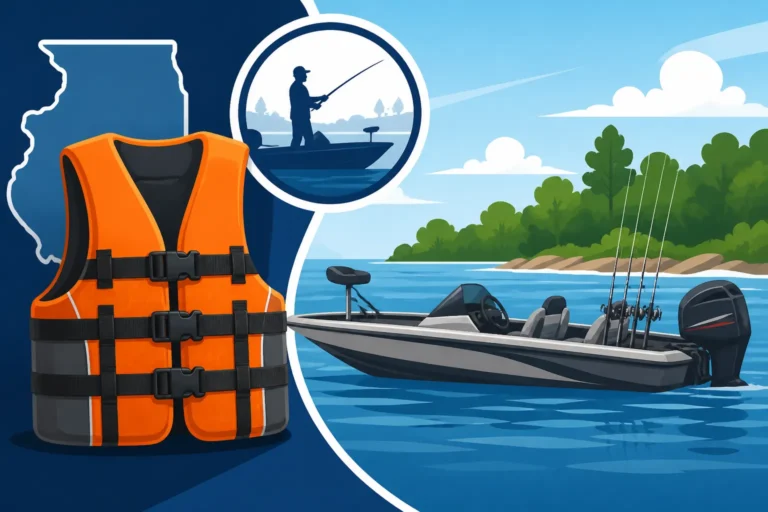
Furthermore, these courses cover much more than just navigation. They delve into critical topics like understanding weather patterns, how to properly use and store Illinois Life Jacket and PFD Rules, the importance of signaling devices, and what to do if you encounter someone in distress. Boating isn't just about steering; it's about being prepared for a dynamic environment. A small motor doesn't negate the potential for serious issues, especially on larger, wind-swept lakes or rivers with strong currents. The IDNR wants everyone to have the foundational knowledge to make responsible decisions on the water, regardless of the size of their engine.
How to Obtain Your Illinois Boater Education Card
Getting your Boater Education Card is a straightforward process, thanks to various options available to Illinois residents. It's designed to be accessible, recognizing that people have different schedules and learning styles. Once you've completed the course and passed the exam, you'll be able to hit the water with confidence, knowing you've met the state's requirements.
Online vs. In-Person Courses
You have a couple of primary routes to get your boater education. Many people opt for the convenience of online courses. These self-paced programs allow you to learn the material from the comfort of your home, fitting it around your work, family, and fishing schedules. There are several IDNR-approved online providers, and a quick search on sites like Amazon for "Illinois boater safety course" can often point you to relevant study materials or online class options. These courses typically feature modules with quizzes to reinforce learning, culminating in a final exam. The beauty of online learning is you can often revisit sections if something isn't quite clicking before moving on.
On the other hand, in-person courses offer a more traditional classroom setting, complete with direct interaction with an instructor and other students. These courses are often taught by local organizations, community colleges, or even at some sporting goods stores like Bass Pro Shops. Some people prefer this hands-on approach, as it allows for immediate questions and discussions, and can sometimes include practical demonstrations. While they require a set schedule, the camaraderie and focused environment can be a great way to learn. Whichever method you choose, make sure it's an IDNR-approved program to ensure your certification is valid. Boater Education Course Costs in Illinois can give you an idea of the investment.
What the Course Covers
The Illinois Boater Education Course is comprehensive, designed to equip you with all the essential knowledge needed for safe boating. You can expect to cover a wide range of topics, ensuring you're well-prepared for various situations on the water. Key areas include:
- Rules of the Road (Waterway Navigation): Just like driving, there are specific rules for navigating waterways. This includes understanding right-of-way, buoys and markers, and how to safely pass or meet other vessels.
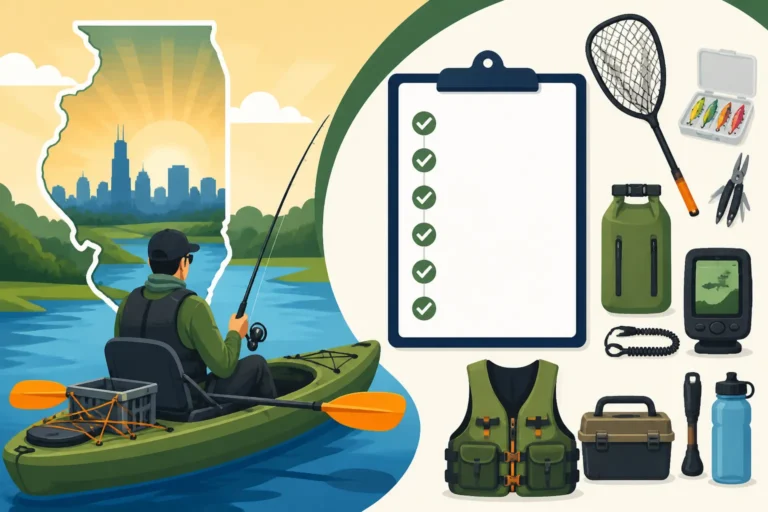
- Boating Safety Equipment: You'll learn about all the required safety gear, such as personal flotation devices (PFDs) for every occupant, fire extinguishers, sound-producing devices, navigation lights, and emergency signaling equipment. You can find comprehensive Illinois Boating Safety Gear Checklist resources that detail these requirements.
- Vessel Operations: This section covers practical aspects like proper fueling procedures, docking, anchoring, safe speeds, and avoiding common operational mistakes.
- Accident Prevention & Emergency Procedures: Crucial information on preventing common boating accidents (like falls overboard or collisions) and what steps to take if an emergency does occur, including first aid basics, what to do if you capsize, or how to report an accident.
- Environmental Responsibility: Learning about minimizing your impact on the aquatic environment, including proper waste disposal, preventing the spread of aquatic invasive species, and understanding sensitive habitats.
- Illinois Boating Laws and Regulations: A deep dive into the specific laws governing boating in Illinois, including age restrictions, alcohol and drug use, boat registration requirements, and penalties for violations. This is particularly important for understanding specific local rules.
These courses are thorough because boating safety is serious business. They provide a foundational understanding that goes beyond just operating the motor, encompassing the entire boating experience.
The Exam and Certification Process
Once you've diligently worked through the course material, whether online or in a classroom, the final step is to pass a comprehensive exam. This exam is designed to test your understanding of all the topics covered, ensuring you've retained the critical safety information. Don't worry, if you've paid attention and studied, it's entirely manageable. The passing score requirements are usually clearly outlined by the course provider.
Upon successfully passing the exam, you'll typically receive a temporary certificate, which serves as immediate proof of your completion. The official Illinois Boater Education Card, a durable, wallet-sized card, will then be mailed to you by the IDNR. It's essential to carry this card with you whenever you are operating a motor-powered vessel that requires it, as a conservation police officer may ask to see it. Think of it like your driver's license for the water; you wouldn't drive without that, and you shouldn't boat without your Boater Education Card if it's required. Where to Get a Boater Education Card in Illinois provides more practical steps for acquiring this essential document.
Common Misconceptions and Important Considerations
Even with clear rules, misconceptions about boater education persist. Understanding these nuances and taking proactive steps for safety can make your Illinois fishing adventures much more enjoyable and worry-free.
"It's Just a Small Motor" – Why That's Wrong
One of the most persistent myths is that "small" motors are somehow exempt from serious boater safety rules. While a 10 HP motor isn't going to break any speed records, it's still capable of causing serious injury or property damage if mishandled. Imagine a young, inexperienced operator maneuvering a 10 HP boat in a crowded shallow cove. Without proper knowledge of right-of-way, speed limits, or how to react to an unexpected wake, they could easily collide with another boat, hit a swimmer, or run aground, causing damage to their boat and the environment.
The size of the motor doesn't dictate the potential for danger; it's the operator's knowledge and judgment that truly matter. A 10 HP boat still requires safe launching and docking, awareness of weather changes, and knowing how to respond to emergencies. The "small motor" argument simply doesn't hold water when it comes to the principles of safe boating. The IDNR's rule ensures that anyone, regardless of their boat's top speed, has been educated on these fundamental safety principles.
Penalties for Non-Compliance
Operating a motor-powered vessel in Illinois without the required Boater Education Card (if you meet the age and horsepower criteria) can lead to citations and penalties. Conservation Police Officers regularly patrol Illinois waterways, and they are trained to identify and address boating safety violations. Just as you can get a ticket for driving without a valid driver's license, you can receive one for boating without your education card.
The specific penalties can vary, but generally, they involve fines. Repeated offenses or operating recklessly could lead to more severe consequences, including greater fines, court appearances, and even temporary loss of boating privileges. It’s simply not worth the risk to avoid a relatively inexpensive course that provides invaluable safety knowledge. Adhering to the regulations ensures your legal compliance and, more importantly, contributes to a safer boating community for everyone enjoying Illinois's beautiful lakes and rivers.
Beyond the Card: Continuous Learning and Safety Gear
While obtaining your Illinois Boater Education Card is a crucial first step, it's important to remember that it's just that – a start. The best boaters are lifelong learners, constantly refreshing their knowledge and adapting to new conditions or technologies. Water conditions change, new regulations might be introduced, and equipment evolves. Consider periodically reviewing a boating safety guide or attending refresher courses.
Beyond the theoretical knowledge, always prioritize having the right safety gear on board. This isn't just about what's legally required, but what will genuinely keep you and your passengers safe. This includes properly fitting Life Jacket Rules for Kids Under 13 on Illinois Boats and adults, a well-stocked first-aid kit, a reliable anchor, a paddle or oar, and appropriate navigation lights for evening or night use. Even a simple GPS device, perhaps purchased from Amazon or Bass Pro Shops, can be a lifesaver if you get disoriented on a large lake. Your Boater Education Card proves you know the rules, but your actions and preparedness on the water demonstrate a true commitment to safety.
Here's a quick reference for the Boater Education Card requirements in Illinois:
| Operator's Birth Date | Motor HP Rating | Boater Education Card Required? |
|---|---|---|
| On or after Jan 1, 1998 | Greater than 10 HP | Yes |
| On or after Jan 1, 1998 | 10 HP or less | No (but highly recommended) |
| Before Jan 1, 1998 | Any HP | No (but continuous learning recommended) |
Disclaimer
This article is for general informational purposes only and does not constitute professional advice. Laws, prices and regulations vary by location and change over time. Consult a qualified professional for guidance on your specific situation.