Life Jacket Rules for Kids Under 13 on Illinois Boats
One of the biggest worries for any parent or guardian taking children out on the water in Illinois is making sure everyone stays safe, and let's be honest, figuring out all the rules and regulations can feel like trying to untangle a bird's nest of fishing line. It's easy to get confused about when exactly a child needs to be wearing a life jacket, and that confusion can lead to unnecessary risks or even fines. This guide is here to clear up all that uncertainty, specifically focusing on the essential life jacket rules for kids under 13 on Illinois boats, ensuring you can enjoy your time on the water with peace of mind.
The Core Rule: Life Jackets on Kids Under 13 While Underway
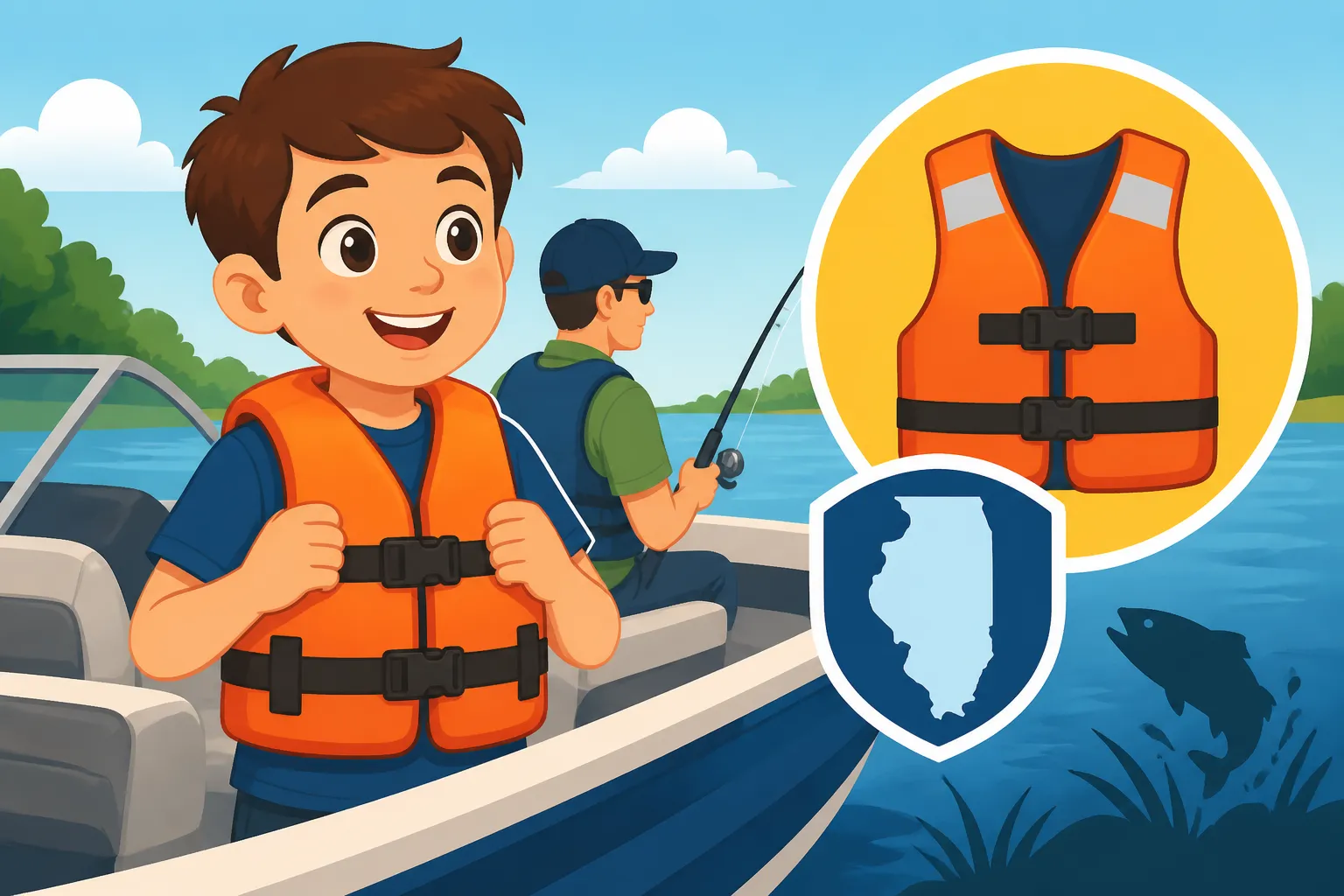
Let's cut right to the chase, because this is the foundational rule that every boater in Illinois needs to know inside and out. In Illinois, if you have children under the age of 13 on your boat, they absolutely must be wearing a U.S. Coast Guard-approved life jacket whenever the boat is "underway." This isn't a suggestion or a guideline; it's a legal requirement designed to protect our youngest and most vulnerable passengers. The Illinois Department of Natural Resources (IDNR) takes this rule very seriously, and for good reason: accidents happen quickly on the water, and a properly worn life jacket is often the difference between a scary incident and a tragic one.
Now, what exactly does "underway" mean in this context? It's a key detail. "Underway" refers to any time your boat is not at anchor, moored, tied to shore, or aground. So, whether you're cruising across Carlyle Lake, slowly trolling for crappie on Rend Lake, or just drifting down the Illinois River, if your boat is moving or not securely fastened in place, those little ones need their life jackets on. Even if you're just putting along with a trolling motor, the rule applies. This means that from the moment you leave the dock or launch ramp until you're safely anchored or back ashore, any child under 13 must have their life jacket fastened. This rule applies equally to motorboats, sailboats, canoes, kayaks, and even paddleboards when children are present. You can find more comprehensive details about general requirements in our Illinois Life Jacket and PFD Rules guide.
Imagine a sunny Saturday morning, and you're heading out to Lake Shelbyville for a family fishing trip. Your seven-year-old is beyond excited, chatting away in the front of the boat. If you forget to make sure their life jacket is properly donned and fastened before you pull away from the launch ramp, you're not only risking their safety but also breaking the law. A game warden could easily spot this, and while their primary concern is safety, they are also there to enforce regulations. It’s always best to make putting on life jackets part of the pre-departure routine, just like checking your fuel or ensuring you have your Illinois Fishing License Guide for 2026 handy.
Exceptions and Nuances: When the Rule Doesn't Apply
While the "under 13 and underway" rule is quite strict, there are a few specific situations where it doesn't apply. Understanding these nuances can save you from unnecessary frustration or confusion, but always err on the side of caution. The primary exception to the rule applies to children who are inside a fully enclosed cabin on a larger vessel. If your boat has a cabin that offers full protection from the elements and from falling overboard – think of a cuddy cabin cruiser or a large houseboat – a child inside that cabin is generally not required to wear a life jacket while underway.
However, this exception comes with a big asterisk: the moment that child steps out of the enclosed cabin and onto an open deck, cockpit, or bow while the boat is underway, that life jacket needs to be back on and properly secured. So, if your youngster decides to come out to watch you fish off the back, or wants to peer over the bow, the life jacket becomes mandatory again. It’s all about immediate access to safety in case of an unexpected lurch, wave, or bump. You'll also want to be aware of other items on your Illinois Boating Safety Gear Checklist beyond life jackets.
Another common question revolves around different types of boats. Does this rule apply to small craft like canoes, kayaks, or even stand-up paddleboards? Absolutely, it does. If you're paddling a tandem kayak on the Fox River with your ten-year-old, and you're underway, they must be wearing their life jacket. There's no distinction made for the size or type of recreational vessel. The only factor is the age of the child and whether the vessel is underway and not a fully enclosed cabin. This means even on a calm, slow-moving river, the rule is in full effect. Some people wonder about Do You Need a Life Jacket in a Kayak in Illinois?, and the answer for kids under 13 is a resounding yes.
Choosing the Right Life Jacket and Ensuring Proper Fit
Simply having a life jacket on board isn't enough; it needs to be the right kind and it needs to fit properly. This is especially critical for children, as a poorly fitting life jacket can be just as dangerous as not wearing one at all. Illinois, like all states, defers to U.S. Coast Guard (USCG) approval for all life jackets. When you're looking for a life jacket, always check for the USCG approval label, which will also indicate its "Type."
There are different "Types" of life jackets, each designed for specific boating conditions and activities. For children, you'll most commonly see Type I, II, or III.
- Type I (Off-Shore Life Jackets): These offer the most buoyancy and are designed for extended survival in rough, open water where rescue may be delayed. They are bulky but will turn most unconscious wearers face-up. While excellent for safety, they might be overkill and uncomfortable for a child on an inland lake.
- Type II (Near-Shore Buoyancy Vests): These are good for calmer, inland waters where a quick rescue is likely. They are less bulky than Type I but may not turn an unconscious person completely face-up in all situations. These are a very common choice for children on recreational boats.
- Type III (Flotation Aids): These are often the most comfortable and come in many styles (vests, fishing vests, ski vests). They are designed for conscious wearers in calm, inland waters where there's a good chance of immediate rescue. They allow for more freedom of movement but generally will not turn an unconscious person face-up. Many kids' fishing vests you might find at Bass Pro Shops or on Amazon fall into this category, offering comfort and pockets for small tackle.
For a table comparing these, see below:
| USCG Type | Description | Best Use | Turns Unconscious Wearer Face Up? | Buoyancy (Minimum) |
|---|---|---|---|---|
| Type I | Offshore Life Jacket (most bulky) | Rough, open waters; delayed rescue | Most | 22.0 lbs |
| Type II | Near-Shore Buoyancy Vest (less bulky) | Calm, inland waters; quick rescue likely | May or may not (depends on conditions) | 15.5 lbs |
| Type III | Flotation Aid (most comfortable, many styles) | Calm, inland waters; conscious wearer; immediate rescue likely | No | 15.5 lbs |
| Type IV | Throwable Device (cushion, ring buoy) | Secondary device; for calm waters and conscious victims only | Not applicable | 16.5 lbs |
| Type V | Special Use Device (hybrid, work vests) | Specific activities (e.g., kayaking, white water); must be worn for approval | Varies | Varies |
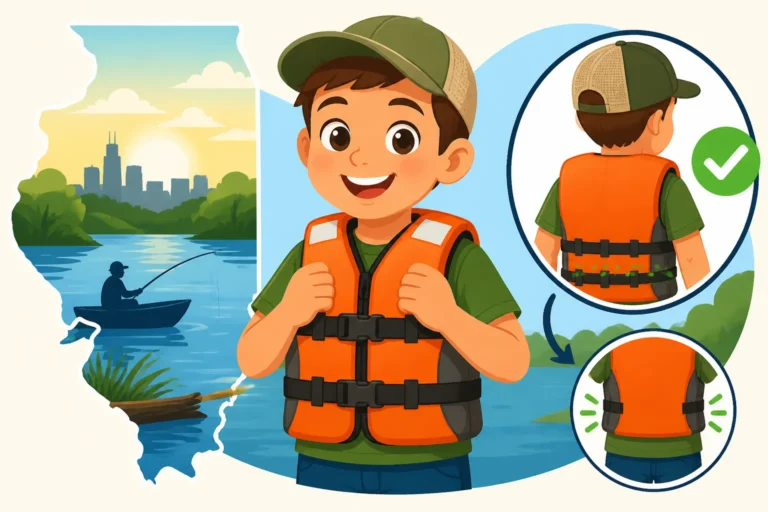
When selecting a life jacket for a child, the absolute most important factor is the fit. A life jacket is only effective if it fits snugly. Here’s how to check for a proper fit:
- Check the weight range: Life jackets are sized by weight, not by chest size for kids. Make sure the child's current weight falls within the jacket's specified range.
- Buckle and zip it up: Have the child put on the life jacket and fasten all zippers, buckles, and straps.
- Lift the shoulders: Gently lift the life jacket by the shoulder straps. If the jacket slides up past the child's chin and ears, it's too big. The jacket should stay comfortably in place, with the child's chin and ears clear.
- Comfort and movement: Ensure the child can move their arms freely and isn't overly restricted. A comfortable jacket is one they'll be more willing to wear.
It's a really good idea to have your child try on the life jacket in the water, if possible, in a safe, controlled environment. This way, you can see how it performs and if they float correctly. Remember, children grow fast, so you might need a new size every year. Don't try to buy a life jacket for a child to "grow into" – it needs to fit now. Our guide on Proper Life Jacket Fit for Kids Fishing in Illinois goes into even more detail on this critical topic. You don't want to get out to the middle of the lake, only to discover it's chafing or too loose!
Safety Beyond the Jacket: Best Practices for Kids on Boats
While the life jacket rule is paramount, ensuring your children's safety on the water goes beyond just compliance. It involves cultivating a culture of safety and teaching them good habits from a young age. Think of the life jacket as their first line of defense, but also consider other measures you can take.
One excellent practice is to teach children about boat safety early. Explain why the life jacket is so important, what to do if they fall overboard (even with a life jacket on), and basic boat etiquette. Show them where the emergency equipment is stored, like a throw cushion (Type IV PFD) or first-aid kit. Instilling this knowledge empowers them and reduces panic if something unexpected happens. This can be especially important if you're exploring Illinois State Park Fishing Spots where conditions can vary.
Another aspect is supervision. Even with a perfectly fitting life jacket, active supervision is crucial. Keep a close eye on children, especially when the boat is moving or when they are near the edge. Distractions on a boat can lead to quick incidents. If you're fishing, make sure your focus isn't entirely on your line; regularly check on the kids. Consider setting up a designated "kid zone" on the boat where they can safely play or relax without being too close to moving parts or the water's edge.
When it comes to purchasing life jackets, you have plenty of options. Local sporting goods stores like Bass Pro Shops often have a wide selection, allowing you to try them on for fit directly. Online retailers like Amazon also offer a vast array of choices, but remember to carefully check size charts and return policies if buying sight unseen. Look for bright colors, too, as these make children much easier to spot in the water should they fall in. Having easily accessible and properly stored life jackets is also a safety measure many boaters overlook. For tips on this, check out Illinois PFD Storage and Accessibility Rules.
Finally, be a role model. If you, as the adult, consistently wear your life jacket when appropriate – even if you’re not legally required to – it reinforces the importance of safety for your children. They learn by example, and seeing you take safety seriously will encourage them to do the same. Plus, if you end up in the water trying to assist a child, having your own life jacket on frees you up to focus on them without struggling yourself. It's all about creating a safe and enjoyable environment for everyone on your Illinois fishing adventures.
Disclaimer
This article is for general informational purposes only and does not constitute professional advice. Laws, prices and regulations vary by location and change over time. Consult a qualified professional for guidance on your specific situation.