Illinois Lake Michigan Atlantic Salmon Fishing Guide
You've heard the whispers, seen the occasional stunning photo, and perhaps even dreamed of it: catching an Atlantic salmon right here in Illinois waters, specifically in Lake Michigan. It's a quest many anglers consider the pinnacle of freshwater salmon fishing, not just because of the Atlantic's legendary fight, but because they are genuinely rare and elusive in our part of the Great Lakes. This guide is here to unravel the mystery, offering you the strategies, gear insights, and local knowledge you'll need to turn that dream into a tangible, unforgettable experience.
Understanding Atlantic Salmon in Lake Michigan
For many Illinois anglers, the idea of catching an Atlantic salmon in Lake Michigan sounds almost mythical. We're more accustomed to targeting their Pacific cousins – the Chinook and Coho – which thrive in these waters. However, Atlantic salmon have a fascinating, albeit challenging, history in Lake Michigan, and understanding their presence is the first step in your pursuit.
A Brief History of Atlantic Salmon in Illinois Waters
The introduction of Atlantic salmon into Lake Michigan wasn't a casual affair; it was part of a concerted effort by state agencies to diversify the salmonid fishery and bring a truly iconic sportfish to the Great Lakes. Unlike Coho and Chinook, which have found a robust niche, Atlantic salmon have always had a tougher time establishing self-sustaining populations in Lake Michigan. They require very specific conditions for spawning and rearing, often preferring cold, clear rivers and streams – conditions that are not always abundant or accessible in the sheer scale of the Great Lakes tributaries.
Despite these challenges, various stocking programs have introduced Atlantic salmon into Lake Michigan over the decades. The goal has been to create a put-grow-take fishery, where stocked fish mature in the lake and provide unique angling opportunities. Because they don't reproduce in large numbers naturally in this system, every Atlantic salmon you encounter is a testament to these stocking efforts and a special catch. They tend to be a bit more finicky than other salmon species, often shying away from the more aggressive presentations that Coho or Chinook readily attack, making them a true prize for any angler. You'll find that their fight is legendary – strong, acrobatic, and determined, often leaping clear of the water. This is part of what makes the hunt for them so captivating for those who want to tackle a true challenge. To learn more about the broader fishery, check out Illinois Lake Michigan Trout and Salmon Fishery Explained.
Identifying an Atlantic Salmon
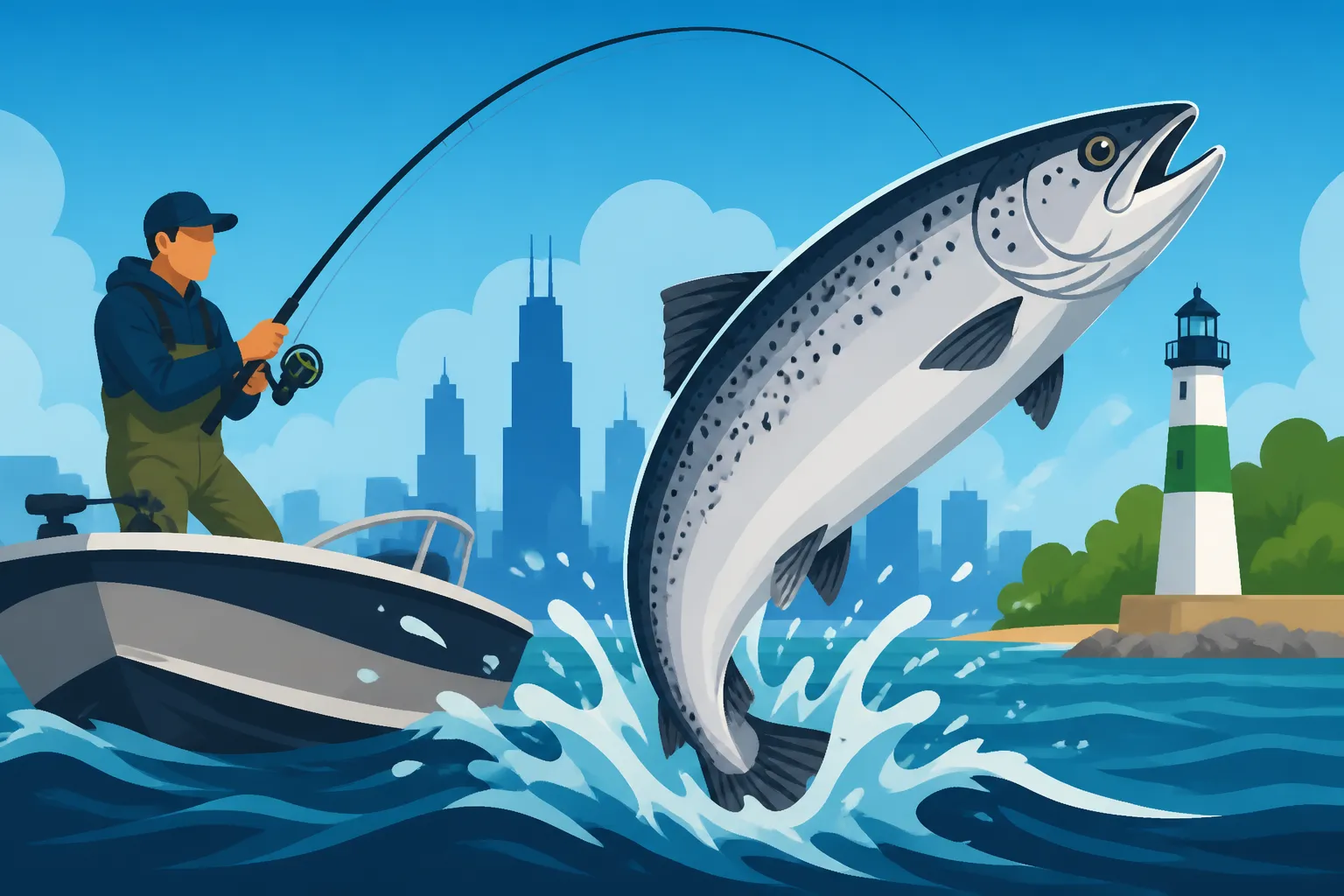
When you're out on Lake Michigan, especially if you're pulling in a mix of Coho, Chinook, and trout, correctly identifying an Atlantic salmon is crucial. They share some similarities with other species, but there are distinct features that will help you tell them apart. First, look at the body shape: Atlantics tend to have a more slender, torpedo-like body compared to the more robust Chinook. Their caudal fin (tail) is typically less forked than a Coho's, and often features a nearly straight trailing edge, or just a slight fork, which can distinguish it from the deeply forked tail of a Chinook.
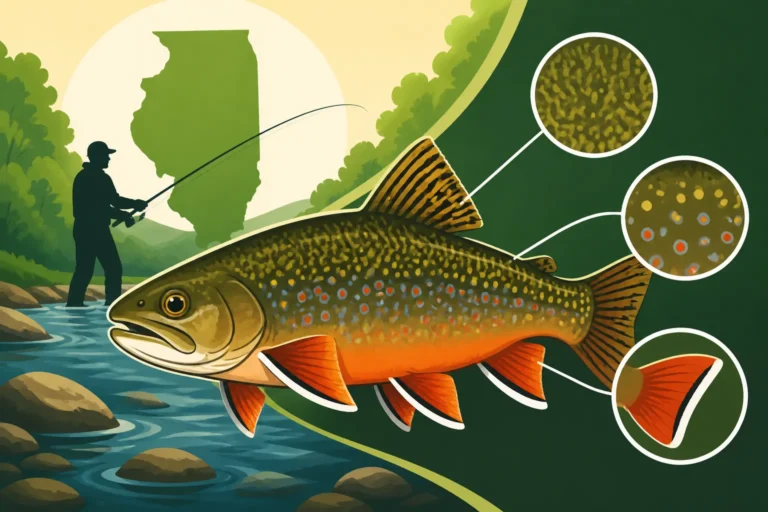
The spotting pattern is another key identifier. Atlantic salmon typically have prominent, X-shaped or irregular spots on their upper body, above the lateral line, and often on their gill covers. These spots are usually fewer and larger than the numerous small spots you might find on a brown trout. Furthermore, their mouth is often smaller, with the upper jaw extending only to the middle of the eye, whereas Chinook salmon's jaws extend well beyond the eye. When you're out on the water, the coloration can vary based on diet and water conditions, but often they present a silvery body with a darker back, sometimes with a bronze or purplish sheen. A mature Atlantic salmon, especially one that has been in the lake for a few years, can reach impressive sizes, often pushing into the teens of pounds, offering a formidable adversary on the end of your line.
Prime Times and Locations for Atlantic Salmon
Knowing when and where to focus your efforts is paramount when chasing a fish as rare as the Atlantic salmon in Lake Michigan. They don't simply show up everywhere, all the time. Instead, their movements are influenced by water temperature, baitfish availability, and their intrinsic biological clock, even if their spawning runs aren't as pronounced as other salmon species here.
Seasonal Movements and Best Fishing Windows
Atlantic salmon, much like other salmonids in Lake Michigan, exhibit seasonal patterns, though their presence in Illinois waters remains sporadic. In the early spring, when the water is still cold, you might find them closer to shore, especially in the upper water column or near warm-water discharges. This is when the baitfish, like alewives and smelt, are also congregating in shallower areas, drawing the salmon in. Trolling stickbaits or spoons in the top 20-40 feet of water can be effective during this period. As the season progresses into summer, the thermocline develops, and Atlantic salmon will generally move deeper, seeking out cooler, more comfortable water temperatures, often suspending over deeper parts of the lake. This is where a good fish finder becomes your best friend, helping you locate the thermocline and any baitfish schools.
Fall can also be a productive time, especially as water temperatures begin to drop and baitfish again move closer to shore and into shallower bays. While Atlantics don't have the same strong tributary spawning runs as Chinook, some individuals may still venture closer to river mouths or harbor entrances, mimicking a pre-spawn behavior. However, it’s important to manage expectations; these aren't high-volume fisheries. Instead, they are about dedication and the thrill of a unique catch. For a broader look at seasonal opportunities, consider When to Chase Salmon vs Trout on Illinois's Lake Michigan Shore and Lake Michigan Salmon Season Timing in Illinois.
Key Illinois Ports and Areas to Target
When it comes to pinpointing specific spots along the Illinois Lake Michigan shoreline, you'll want to focus your attention on the major harbors and nearby structures. While Atlantic salmon could theoretically be anywhere in the lake, the areas with a history of stocking or those known for holding large numbers of baitfish tend to be your best bets.
Waukegan: This northern Illinois port is a fantastic starting point. The deep water just outside the harbor, as well as the structure created by the breakwalls, can hold salmon. Trolling patterns that crisscross these depths, especially where temperature breaks or baitfish schools are present, can be very productive. Waukegan offers excellent boat access and is a popular launch point for many serious Lake Michigan anglers.
Chicago Harbors (Montrose, Belmont, DuSable): The numerous harbors along the Chicago lakefront offer both boat and pier fishing opportunities. While boaters can venture out into the open lake, fishing from the piers or breakwalls within or just outside these harbors can also yield results, particularly during spring and fall when fish are closer to shore. Montrose Harbor, for example, has a long history of producing diverse salmonid catches, and an occasional Atlantic isn't out of the question, especially in the spring.
North Point Marina: Located near the Wisconsin border, North Point is another prime deep-water access point. The vast expanse of open lake accessible from here provides ample opportunity to target suspending salmon. Focus on areas where baitfish are abundant, often identified by diving birds or concentrations on your fish finder. Remember, patience is key here, as you're looking for a needle in a very large haystack. Always remember to check site-specific regulations for any area you plan to fish, as rules can vary even along the Lake Michigan shoreline.
Essential Gear and Techniques for Atlantic Salmon
Catching an Atlantic salmon requires more than just luck; it demands the right gear and a strategic approach. These fish are powerful, and if you're not prepared, they'll make short work of inferior tackle. Investing in quality equipment and understanding proven techniques will significantly increase your chances of success.
Recommended Rods, Reels, and Line
For Atlantic salmon on Lake Michigan, you're primarily looking at a trolling setup designed for big water and strong fish. A medium-heavy action rod, typically 7 to 9 feet in length, is ideal. This length provides good leverage when fighting a fish and helps absorb the shock of their powerful runs and head shakes. Look for rods with a forgiving tip but plenty of backbone. Brands like Ugly Stik or St. Croix offer durable options that stand up to the rigors of big lake fishing.
Pair your rod with a robust baitcasting or levelwind reel. A good quality reel with a smooth, reliable drag system is non-negotiable. Atlantics will test your drag, and a sticky or unreliable drag can quickly lead to a broken line or lost fish. Models in the 300 to 400 size class from reputable manufacturers like Daiwa or Penn are excellent choices. You'll want a reel that can hold at least 250-300 yards of line. For line, many anglers opt for a main line of 20-30 pound monofilament or braided line, often with a fluorocarbon leader of 15-20 pounds for its invisibility and abrasion resistance. Braided line offers superior sensitivity and strength, crucial for detecting subtle bites when trolling deep, but you'll need to add a shock leader of monofilament to absorb the sudden stresses of a salmon strike. If you're looking for specific gear, Amazon has a wide selection of rods, reels, and lines that fit these requirements, allowing you to compare options and read reviews from other Great Lakes anglers.
Top Baits and Lures That Attract Atlantics
Atlantic salmon, while aggressive feeders, can also be particular about what they strike. Unlike some other salmonids that will hit almost anything, a thoughtful selection of baits and lures can make a real difference.
Spoons: These are a cornerstone of Lake Michigan trolling. Spoons imitate injured baitfish and come in a vast array of colors and sizes. Popular colors often include bright chartreuse, green/silver, blue/silver, or variations with orange and black accents. Experiment with spoon sizes from 2.5 to 5 inches, and don't be afraid to try different flutter rates by changing the spoon's shape. Thin, wide spoons tend to have a slower, wider flutter, while narrower spoons have a tighter, faster wobble.
Flasher/Fly Combos: This is a deadly combination for all salmon species on Lake Michigan, and Atlantics are no exception. The flasher creates an enticing erratic motion and vibration, drawing fish in, while the trailing fly (often a tinsel fly or squid imitation) acts as the bait. Experiment with different flasher colors and fly patterns. Greens, blues, and silvers are always good starting points.
Stickbaits: Long, slender stickbaits, both diving and shallow-running, can be incredibly effective, especially in spring and fall when salmon are higher in the water column or closer to shore. Colors that mimic alewives or smelt are always a good bet. Some anglers also find success with live bait, such as alewives or smelt, presented on a subtle rig, particularly if the fish are being finicky. Remember, presentation is key; ensure your baits are running true and at the correct depth.
Trolling and Downrigger Strategies
Trolling is by far the most effective way to cover water and present baits to Atlantic salmon in Lake Michigan, especially when they are suspended in the vastness of the open lake. This technique involves slowly moving your boat while dragging multiple lines with various baits at different depths.
Depth Control with Downriggers and Planer Boards: These are indispensable tools for serious Lake Michigan salmon anglers. Downriggers allow you to precisely control the depth of your lures, sending them down to where fish are marked on your sonar, often deep in the water column. You attach your fishing line to a release clip on a heavy cannonball weight, which is then lowered to your desired depth. When a fish strikes, the line releases from the clip, allowing you to fight the fish directly. Downriggers and Planer Boards for Lake Michigan are crucial for hitting those deeper zones where Atlantics often roam in summer.
Planer boards, on the other hand, are designed to take your lines out to the sides of the boat, spreading your presentation horizontally. This allows you to cover a much wider swath of water and avoids tangles when running multiple lines. They are particularly useful for targeting fish that might be spooky of the boat, or for covering vast shallow flats. Many anglers combine both, running some lines deep with downriggers and others spread out with planer boards. Amazon is a great resource for finding reliable downriggers, cannonballs, release clips, and planer boards from various manufacturers.
Speed and Pattern: The optimal trolling speed can vary, but generally, 2.0 to 3.0 miles per hour is a good starting point. However, always pay attention to what the fish are telling you. Sometimes a slight increase or decrease in speed can trigger bites. Experiment with "S" turns or gradual curves; these maneuvers cause your lures to speed up and slow down, creating an erratic action that can attract strikes. Watching your sonar for baitfish schools and temperature breaks, and placing your lures accordingly, is a critical component of successful trolling. For more detailed insights, read Best Trolling Techniques for Illinois Lake Michigan Salmon and Trout.
Regulations and Conservation for Atlantic Salmon
Fishing for Atlantic salmon in Illinois is not just about the thrill of the catch; it's also about being a responsible angler. Understanding and adhering to regulations, as well as practicing conservation, ensures that this unique fishery can be enjoyed by future generations.
Illinois Fishing Regulations Specific to Salmon
Before you even think about putting a line in the water, you absolutely need to make sure you're properly licensed and understand the rules. All anglers 16 years of age and older need a valid Illinois fishing license. In addition to a general fishing license, if you plan on targeting salmon or trout in Lake Michigan, you'll also need a Lake Michigan Salmon Stamp. This stamp is an extra endorsement that goes towards the management and stocking efforts for these prized species. It's not just a formality; it's how we help keep this fishery going strong. You can easily purchase both online or at various bait shops and sporting goods stores. For a full breakdown, see Illinois Fishing License Guide for 2026 and Illinois Trout and Salmon Stamp Requirements.
When it comes to Atlantic salmon, they fall under the general salmon and trout regulations for Lake Michigan. This typically includes specific daily catch limits and sometimes minimum size limits. While these regulations are usually fairly consistent, they can change, so it is your responsibility to always check the most current Illinois fishing information guide, published annually by the Department of Natural Resources (IDNR). This guide will provide the most up-to-date information on daily bag limits (how many fish you can keep in a 24-hour period) and possession limits (how many fish you can have on your person or in your vehicle). Always err on the side of caution and know the rules before you start fishing. Penalties for non-compliance can range from fines to loss of fishing privileges. For an overarching view of rules, refer to Illinois Fishing Regulations Overview.
Practicing Catch and Release for This Rare Species
Given the relative rarity of Atlantic salmon in Lake Michigan, practicing responsible catch and release is highly encouraged, especially if you've already met your bag limit for other species or if you're targeting them purely for sport. These fish are a special component of our fishery, and giving them the best chance to survive after being caught helps sustain the population, even if it's primarily a stocked one.
When you land an Atlantic salmon that you intend to release, handle it with extreme care. Try to keep the fish in the water as much as possible; prolonged exposure to air is detrimental. If you need to bring it aboard for a quick photo, wet your hands thoroughly before touching the fish to protect its slime coat, which is vital for disease prevention. Avoid squeezing the fish, especially around its belly and gills. Use a rubberized landing net, which is gentler on their scales and fins than traditional nylon nets. If the fish has swallowed the hook, use a de-hooking tool to remove it quickly and cleanly. If the hook is too deep, it's often better to cut the line as close to the hook as possible rather than risk further injury. Finally, when releasing, support the fish gently in the water, pointing its head into the current until it vigorously swims away on its own. A strong, healthy release ensures that magnificent Atlantic salmon can continue to grow and perhaps challenge another angler another day.
Disclaimer
This article is for general informational purposes only and does not constitute professional advice. Laws, prices and regulations vary by location and change over time. Consult a qualified professional for guidance on your specific situation.