Illinois Bluegill Fishing: Best Bait and Where to Go
There's nothing quite like the thrill of a bobber disappearing under the water, especially when you're fishing with someone new to the sport or just looking for some consistent action. If you've ever felt that slight anxiety about whether the fish will actually bite, or if your kids will get bored after five minutes, then bluegill fishing in Illinois is your ultimate remedy. This guide will walk you through the absolute best baits to use and exactly where to cast your line for these feisty, delicious panfish, ensuring your next outing is a splashing success.
Why Bluegill Are an Illinois Angler's Dream (Especially for Families)
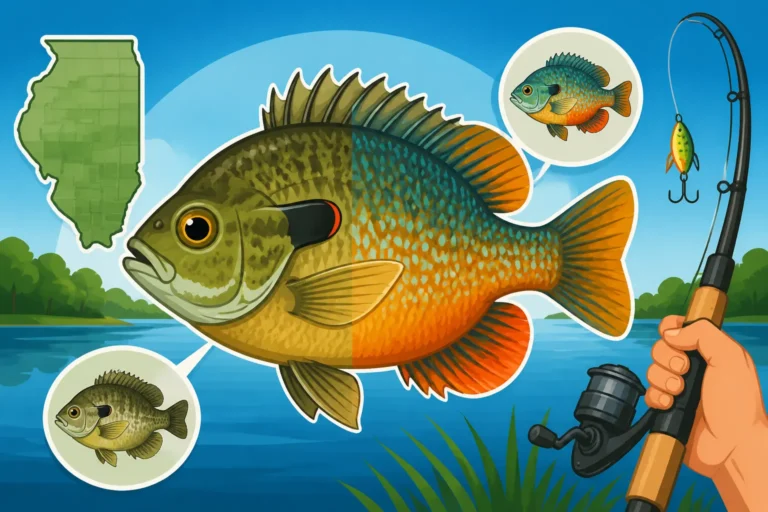
Bluegill might not get the same glamour shots as a trophy largemouth bass or a monster muskie, but let me tell you, they hold a special place in the heart of many an Illinois angler. They’re accessible, abundant, and ridiculously fun to catch, which makes them the perfect target for just about anyone, from seasoned veterans to those still learning to cast a line.
The Joy of Easy Catches and Constant Action
One of the biggest frustrations when you're out on the water, especially with youngsters in tow, is a lack of bites. You want that rod tip dancing, that bobber plunging, that constant excitement that keeps everyone engaged. And that, my friends, is where bluegill truly shine. They're not picky eaters, and they tend to congregate in good numbers, meaning you're almost guaranteed to get some action once you find them.
Imagine a sunny afternoon at a local pond. Your child, perhaps a bit restless after a few minutes, suddenly sees their bobber twitch, then dart sideways, and finally plunge beneath the surface. The look of pure joy on their face as they reel in a shimmering bluegill, sometimes bigger than their hand, is absolutely priceless. That consistent action isn't just great for kids; it's a fantastic way for anyone to unwind and simply enjoy the process of fishing without the pressure of chasing a trophy. It builds confidence and fosters a love for the outdoors, one lively bluegill at a time.
A Taste of Illinois's Sweetest Panfish
Beyond the pure fun of catching them, bluegill are genuinely delicious table fare. There’s a reason why they’re often called “panfish” – they fit perfectly into a frying pan! Their meat is firm, flaky, and has a wonderfully mild, sweet flavor that even non-fish eaters often enjoy. Cleaning them might seem a bit daunting at first due to their smaller size, but with a little practice, you can quickly fillet a cooler full of bluegill.
Many families make it an annual tradition to head out, catch a mess of bluegill, and then have a fish fry right by the lake or back home. There's something incredibly satisfying about harvesting your own food, and bluegill offer that opportunity in abundance. Forget complicated recipes; a simple breading and a hot pan are all you need to transform these humble fish into a gourmet meal.
More Than Just a Beginner's Fish: The Challenge of Big Bluegill
Now, don't let their reputation as an "easy" fish fool you. While catching any bluegill is usually pretty straightforward, targeting genuinely large bluegill – those hand-sized slabs that pull like a freight train on ultralight gear – is a skill in itself. These bigger bluegill are often more cautious and might require a bit more finesse and understanding of their habitat.
They fight with an unexpected power, especially when hooked on light tackle. The initial surge, the headshakes, the deep dives – it’s a thrilling experience that can put a smile on even the most stoic angler's face. Rend Lake's Best Spots for Trophy Bluegill Over a Pound is a testament to the fact that Illinois holds some truly impressive panfish that can challenge even experienced anglers. So, whether you're looking for quantity or quality, bluegill fishing offers both in spades.
The Best Baits for Illinois Bluegill: Live, Lures, and Local Favorites
When it comes to bluegill, they're generally not picky, but some baits definitely stand out from the crowd. The key is often small size and natural appeal. Let's break down the best options that will have your bobber dancing in no time.
Live Bait: The Undisputed King for Consistent Bites
If your goal is simply to catch bluegill, and lots of them, live bait is almost always the answer. There’s something about the natural movement and scent of living creatures that bluegill just can’t resist. They are opportunistic feeders, and a struggling worm or a wiggling cricket is a sure invitation to bite.
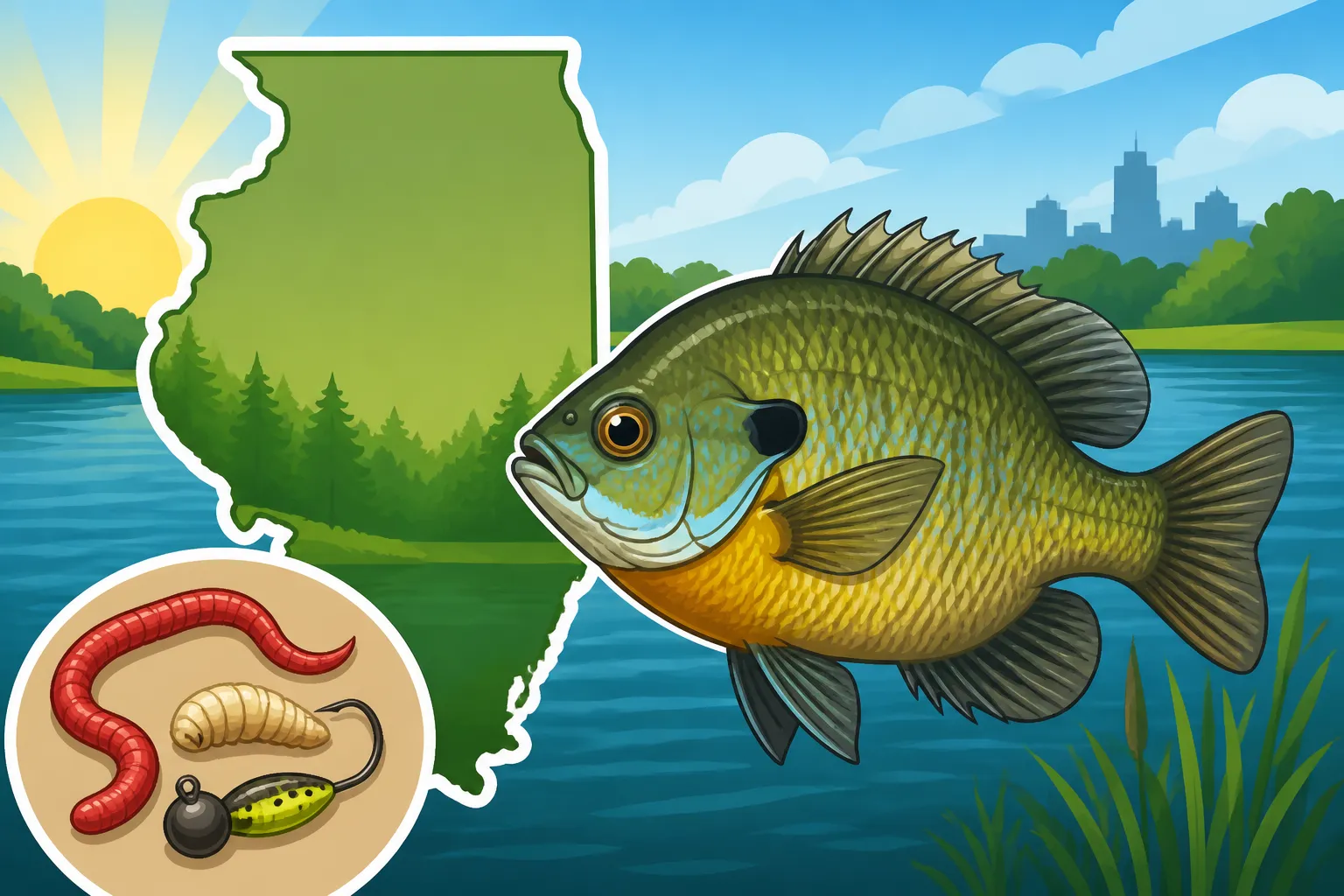
Worms: Redworms are probably the quintessential bluegill bait. They're small, active, and can be threaded onto a tiny hook, leaving plenty of movement to entice a bite. Nightcrawlers, cut into smaller pieces, also work wonders, especially for bigger bluegill. You can find these at nearly any bait shop, but you can also order them in bulk from places like Amazon if you're planning a big outing or want to keep a steady supply.
Insects: Crickets and grasshoppers are absolute bluegill magnets, particularly during the warmer months when bluegill are actively feeding on surface insects. Crickets are readily available at most bait stores, and their chirping adds to the ambiance! Mealworms and wax worms are cleaner, easier to handle, and exceptionally effective, especially in cooler water. They're a favorite for panfish in general and can be tipped onto small jigs for added attraction. Learning How to Rig a Wax Worm Under a Bobber for Bluegill is a fundamental skill for any panfish angler.
When using live bait, remember to use small, sharp hooks (sizes 8-12 work well) and just enough bait to cover the hook point without impeding the bluegill's ability to swallow it. A light touch is key!
Artificial Lures: When to Reach for Something Flashy
While live bait is hard to beat for sheer numbers, artificial lures can be incredibly effective, especially if you enjoy an active style of fishing or want to target those larger, more aggressive bluegill. The beauty of artificials is their reusability and the ability to cover more water quickly.
Small Jigs: Tiny jigs, often 1/32 or 1/16 ounce, are fantastic. Look for subtle colors like white, chartreuse, or black, sometimes tipped with a tiny plastic grub or a piece of Berkley PowerBait. These can be fished under a bobber or slowly retrieved without one, mimicking small minnows or aquatic insects. When the bluegill are a bit deeper or you want to cover more area from a boat, small jigs are often the go-to.
Tiny Spinners: Lures like a Mepps Comet or a small Rooster Tail with a dressed hook can draw strikes from aggressive bluegill, especially around weed lines or structure. The flash and vibration can be irresistible. Again, keep the size very small; anything too large will deter bluegill.
Flies: For those who enjoy fly fishing, small poppers, wet flies, and nymphs can be incredibly rewarding for bluegill. The delicate presentation and the visual thrill of a bluegill slurping a popper off the surface is unmatched. If you're looking for a new challenge, fly fishing for bluegill is a great way to hone your skills.
Often, the best approach is a combination: tip your small jig with a wax worm or a piece of a nightcrawler. This gives you the scent and natural appeal of live bait with the castability and visual attraction of a lure.
Natural Nuisances and Improvised Options
Sometimes, you find yourself at a beautiful pond, kids in tow, and realize you forgot the bait! Or perhaps you're just looking for a fun, unconventional way to catch a few. Don't worry, bluegill are surprisingly open to some "improvised" baits.
Bread Balls and Corn: A small piece of white bread rolled into a tight ball, or a few kernels of canned corn, can actually work! These are often more effective in ponds where fish are used to being fed by visitors, but it's worth a shot. It’s definitely a fun, low-cost option if you're in a pinch and still want to get a bobber in the water.
Hot Dogs: Believe it or not, small pieces of hot dog have been known to catch bluegill, as well as catfish. It’s another one of those "kitchen cupboard" baits that can save the day when you're without traditional options.
These aren't going to be your most effective baits in most scenarios, but they highlight just how eager bluegill are to bite. For the definitive guide on common bluegill offerings, you can also check out Best Bait for Bluegill Fishing.
Top Illinois Lakes and Ponds for Bluegill Action
Illinois boasts an incredible network of waterways, from vast reservoirs to small, tranquil farm ponds, and many of them are absolutely teeming with bluegill. Knowing where to go is just as important as knowing what bait to use.
Large Reservoir Powerhouses: Rend Lake, Carlyle Lake, Lake Shelbyville
These three massive Army Corps of Engineers reservoirs in southern and central Illinois are famous for their excellent fishing, and bluegill are no exception. Their sheer size and diverse habitat mean they can support huge populations of these panfish.
Rend Lake: Known for its fertile waters and abundant panfish, Rend Lake is a bluegill paradise. Look for them in the shallow, brushy coves and around the standing timber that dots the lake. During the spring spawn, you can find them congregating in dense beds in water just a few feet deep. In summer, they'll retreat to slightly deeper water, often holding to the edges of weed lines or submerged brush. Checking out Rend Lake's Best Spots for Trophy Bluegill Over a Pound can give you an edge in finding those extra-large ones.
Carlyle Lake: As the largest man-made lake entirely within Illinois, Carlyle Lake offers vast areas to explore. Bluegill here love the plentiful submerged timber and the expansive rip-rap along the dam and causeways. The numerous flooded creeks and shallower bays off the main body of the lake are prime spots, especially in spring. Don't be afraid to try different depths along the shorelines.
Lake Shelbyville: This beautiful lake is a popular destination for all kinds of anglers. For bluegill, focus on the shallow flats and coves, especially those with some weed growth or downed trees. The lake has numerous fingers and arms, offering countless spots to tuck away from the wind and find some calm, productive water. Bluegill in Lake Shelbyville are often found hand-in-hand with crappie, so if you find one, you might find the other.
These large lakes offer plenty of public access, including numerous boat ramps and extensive shorelines, making them ideal for both boat and bank anglers.
Hidden Gems: Smaller Lakes and State Park Ponds
While the big three get a lot of attention, don't overlook the countless smaller lakes, conservation area ponds, and state park lakes scattered across Illinois. These often offer more intimate fishing experiences and can be less pressured.
Illinois State Parks: Many Illinois State Park Fishing Spots are regularly stocked and managed for healthy panfish populations. Lakes like Shabbona Lake (known for its muskie, but also great panfish), Clinton Lake, Lake of Egypt, and countless smaller ponds within parks like Chain O'Lakes State Park or Starved Rock State Park provide excellent bluegill opportunities. These parks often have amenities like piers, easy bank access, and clean facilities, making them perfect for family outings.
Local Farm Ponds and City Parks: Don't underestimate the small pond down the road or the water feature in your local city park. Many of these ponds hold surprising numbers of bluegill, especially if they are managed even casually. Always check local regulations and make sure you have permission to fish on private property. These spots are often overlooked but can provide incredibly consistent action.
The beauty of these smaller waters is that they often don't require a boat. A simple setup for Bank Fishing Tips for Beginners is all you need to have a successful day.
Mississippi and Illinois River Backwaters: A Different Kind of Bluegill Haven
For a slightly different bluegill experience, turn your attention to the vast backwater areas of the Mississippi and Illinois Rivers. These interconnected sloughs, oxbows, and side channels provide a rich and dynamic habitat where bluegill thrive.
Mississippi River Backwaters: Along the entire western edge of Illinois, the Mississippi River's backwaters are a labyrinth of prime bluegill habitat. These calmer, shallower areas are often loaded with submerged vegetation, downed trees, and old stump fields – perfect places for bluegill to feed and hide. Access can sometimes be tricky, requiring a small boat or even a kayak, but the rewards are often worth it. You'll find bluegill sharing these waters with crappie and bass, and it's a fantastic place for Mississippi River Backwater Fishing for Crappie and Bass, Illinois.
Illinois River Backwaters: Similar to the Mississippi, the Illinois River has numerous backwater lakes and sloughs, especially in its central and northern stretches. These areas offer respite from the main river current and provide fertile grounds for panfish. Look for areas with slower current, dense cover, and slightly warmer water, especially in spring and fall.
Fishing these river backwaters often requires a good understanding of water levels and current, as conditions can change rapidly. But for adventurous anglers, they offer some of the most consistent bluegill fishing in the state.
Where to Go Bluegill Fishing From Shore vs. Boat
Whether you prefer the simplicity of bank fishing or the flexibility of a boat, bluegill are accessible to everyone. Each approach has its advantages, and understanding them can help you plan your perfect fishing trip.
Bank Fishing: Accessible Fun for Everyone
Bank fishing is the ultimate entry point into bluegill angling. It requires minimal gear, often little to no specialized knowledge beyond baiting a hook, and can be done from countless public access points across Illinois.
Piers and Docks: These structures are bluegill magnets. Fish naturally congregate around them for shade, cover, and the occasional dropped food scrap. Public piers in state parks, city parks, and even many private marinas (check for public access) are excellent places to start. Simply drop a baited hook alongside the pilings or cast out a short distance.
Rip-Rap and Shorelines: Rocky shorelines and rip-rap (the rock-lined banks often found near dams and bridges) provide excellent habitat for bluegill and their food sources. The rocks offer shelter and warmth, attracting baitfish and insects. Cast parallel to the bank, letting your bait or small jig drift down the face of the rocks.
Public Access Points: Many lakes and ponds in Illinois offer designated public fishing areas. These often include mowed banks, picnic areas, and sometimes even fishing platforms designed for easy access. These are fantastic for families and beginners. If you're new to the sport, consider starting with the advice in Bank Fishing Tips for Beginners to maximize your success from shore.
The beauty of bank fishing is its simplicity. A rod, reel, a few hooks, bobbers, and some bait are all you need. It’s perfect for a spontaneous outing or a relaxed afternoon by the water.
Boat Fishing: Reaching Unpressured Waters
While bank fishing is great, having a boat, even a small one, opens up a whole new world of bluegill opportunities. It allows you to explore vast areas, reach isolated coves, and target deeper structures that bank anglers can't access.
Jon Boats and Kayaks: For smaller lakes and river backwaters, a jon boat or a Kayak Fishing Gear for Illinois Waters setup is often ideal. They're maneuverable, can navigate shallow water, and are relatively easy to launch. With a small motor or just a paddle, you can silently approach prime bluegill spots like submerged brush piles, weed beds, and lily pads.
Pontoons and Bass Boats: On larger lakes like Rend, Carlyle, or Shelbyville, a pontoon boat offers a stable platform for multiple anglers, perfect for a family day on the water. Bass boats, while designed for speed and chasing bigger fish, can also be very effective for bluegill, allowing you to quickly move between different productive spots.
From a boat, you can precisely position yourself to cast into specific cover, or even use a trolling motor to slowly cruise along a deep weed line, presenting your bait to schools of bluegill that might not come close to shore.
Understanding Bluegill Habitat: Where to Find Them Seasonally
Bluegill are creatures of habit, and their location changes with the seasons and water temperature. Knowing their movements is key to consistent success.
Spring (Pre-Spawn & Spawn): As water temperatures rise into the 60s, bluegill move into shallower water to spawn. Look for them in sandy or gravelly bottom areas, often in less than 5 feet of water, especially in protected coves or along gradually sloping banks. They'll create circular "beds" by fanning their tails. This is arguably the easiest time to catch a lot of bluegill.
Summer: Once the spawn is over and water temperatures are high, bluegill often retreat to slightly deeper, cooler water. They'll relate to submerged structures like brush piles, downed trees, docks, and the edges of dense weed beds. Look for shade and cover, as they use these spots to ambush prey and escape predators. You might find them suspended over deeper water or tight to cover.
Fall: As water temperatures begin to drop, bluegill become very active, feeding heavily in preparation for winter. They'll often move back into shallower areas, similar to spring, but might also be found congregating in deeper holes adjacent to these shallows. Target weed lines and areas where baitfish are abundant.
Winter: During the coldest months, bluegill school up and move to deeper water, often suspending over deep holes or relating to major submerged structures like deep brush piles, humps, and points. Ice fishing for bluegill is a popular activity in Illinois, requiring tiny jigs and a lot of patience.
Understanding these seasonal shifts means you won't waste time fishing unproductive water. Always adjust your depth and location based on the time of year.
Essential Gear for a Successful Bluegill Trip
One of the great things about bluegill fishing is that you don't need to break the bank on expensive gear. Simple, light tackle is not only effective but also enhances the fight of these small but feisty fish.
Rods, Reels, and Line: Keeping it Light and Sensitive
The foundation of a good bluegill setup is light gear. This maximizes the fun and allows you to feel even the most subtle bites.
Ultralight Spinning Combos: An ultralight spinning rod (4.5 to 6 feet long) paired with a small spinning reel (size 500 to 1000) is perfect. The light action of the rod allows you to cast those tiny baits and jigs a good distance, and its flexibility lets even a modest bluegill put up a respectable fight.
Light Line: Spool your reel with 4-pound test monofilament line. Some anglers prefer 2-pound, especially for finicky fish, but 4-pound is a good all-around choice for bluegill. It’s thin enough to be nearly invisible in the water but strong enough to handle a few snags or an unexpected larger fish. For a more detailed look at suitable gear, check out Ultralight Tackle for Panfish Fishing.
Cane Poles: For kids, or for classic simplicity, a cane pole (or a telescoping fiberglass pole) can't be beaten. No reel required, just tie a line directly to the pole, add a bobber, weight, and hook, and you're ready to dip. This is often the Best Panfish Setup for Kids because it’s so easy to manage.
The lighter your tackle, the more sensitive your setup will be, allowing you to detect those light bluegill bites that might otherwise go unnoticed.
Terminal Tackle: Hooks, Bobbers, and Weights
These small but crucial components connect your line to the fish. Getting them right makes all the difference.
Hooks: As mentioned before, small, sharp hooks are key. Sizes 8, 10, or even 12 are ideal. Aberdeen hooks are popular for their thin wire, which makes them less likely to get snagged and easier to remove from a fish's mouth. Don't be afraid to go small; a bluegill has a tiny mouth, and a big hook will deter it.
Bobbers: A small, sensitive bobber is essential. Slip bobbers are fantastic because you can adjust the depth of your bait easily by sliding a bobber stop up or down your line. This is especially useful when you're trying to find the bluegill's preferred depth. Fixed clip-on bobbers work fine too, particularly for very shallow water or when teaching children.
Weights: A few small split shot weights, pinched onto the line a few inches above the hook, will help your bait sink quickly and keep your bobber upright. Use just enough weight to get your bait down without overpowering the bobber's buoyancy.
You can often find pre-packaged assortments of hooks, bobbers, and weights at your local bait shop or readily available on Amazon, which are perfect for starting out.
The "Extras" That Make a Difference
While not strictly necessary for catching fish, these items significantly enhance your comfort and overall fishing experience.
Pliers: Small needle-nose pliers or a multi-tool are indispensable for removing hooks, especially if a bluegill swallows the bait deeply.
Stringer or Cooler: If you plan on keeping your catch for a fish fry, a simple stringer will keep your fish fresh in the water, or a small cooler with ice will keep them chilled for the ride home.
Sun Protection: Sunscreen, a wide-brimmed hat, and polarized sunglasses are a must for any outdoor activity, especially fishing. The sun's glare off the water can be intense.
Bug Spray: Depending on the time of year and location, mosquitoes and other biting insects can quickly ruin a relaxing trip. Don't forget the bug spray!
A Comfortable Chair: If you're bank fishing, a portable folding chair can make a world of difference in your comfort levels, allowing you to relax and enjoy the wait.
These small additions often separate a good fishing trip from a truly great one.
Tips for Taking Kids Bluegill Fishing in Illinois
There's no better way to introduce a child to the joys of fishing than with bluegill. Their willingness to bite and spirited fight on light tackle make them the perfect first fish. But a few pointers can make the experience even more memorable.
Simple Setups and Instant Gratification
When fishing with kids, simplicity and action are paramount. Complicated rigs or long waits for a bite can quickly lead to boredom.
Keep it Simple: Forget the fancy gear. A simple cane pole, or a short, light spinning rod with a bobber and a worm, is all you need. The less time spent untangling lines or re-tying knots, the more time they'll spend enjoying the fishing. Remember, the goal isn't necessarily to catch the biggest fish, but to catch any fish. Easiest Fish to Catch for Beginners will reinforce this idea for your young anglers.
Focus on Bites: Go to a spot where you know bluegill are plentiful. Public fishing piers, stocked ponds, or accessible shallow coves are ideal. The more bites they get, even if they miss a few, the more excited and engaged they'll be. Bluegill are excellent for building confidence and teaching the basic rhythm of fishing.
Don't push them too hard. If they get tired or distracted, take a break, explore the shoreline, or have a snack. The idea is to create positive associations with fishing, not to make it a chore.
Safety First: Life Jackets and Sun Protection
Any time you're near water, especially with children, safety should be your top priority.
Wear Life Jackets: Even if you're fishing from the bank near calm water, accidents can happen. If you're on a boat, Illinois Life Jacket Rules for Children Under 13 are very specific: children under 13 must wear a U.S. Coast Guard-approved PFD (personal flotation device) when on any watercraft. Make sure life jackets fit properly and are worn at all times.
Sun and Bug Protection: Kids' skin is more sensitive, so slather on the sunscreen, and dress them in hats and light, long-sleeved clothing if necessary. Bug spray is also a wise choice, especially around dawn and dusk.
Teach Water Safety: Remind children about staying away from the water's edge, not running on docks, and always having an adult supervise them. A quick talk about safety before you even cast a line can prevent many common accidents.
Prioritizing safety ensures that everyone can relax and truly enjoy their time on the water.
Teaching Conservation and Respect for Nature
Fishing with children is a fantastic opportunity to instill values of conservation and respect for the natural world.
Catch-and-Release: While bluegill are great to eat, teaching kids about catch-and-release for some fish, especially smaller ones, helps them understand the importance of preserving fish populations. Show them how to handle fish gently, supporting their body, and quickly returning them to the water.
Leave No Trace: Emphasize the importance of picking up all trash, fishing line, and discarded bait. Explain that we need to keep our waterways clean so fish and other wildlife can thrive. A clean fishing spot is a healthy fishing spot.
Enjoy the Environment: Take time to point out other wildlife – birds, turtles, dragonflies. Talk about the ecosystem and how everything is connected. Fishing isn't just about catching fish; it's about being present in nature and appreciating its beauty.
By making fishing a positive, educational, and safe experience, you're not just creating a lifelong angler; you're nurturing a future steward of our precious Illinois waterways. Don't forget that even kids need to be aware of the rules; you can read more about Illinois Fishing License Rules for Children to be fully prepared.
Bluegill Bait Comparison Table
Here's a quick look at some popular bluegill baits and their characteristics to help you choose the best option for your next trip.
| Bait Type | Best Use | Pros | Cons |
|---|---|---|---|
| Redworms | All-around, most consistent bites | Natural, universally appealing, easy to find, stays on hook | Can be messy, smaller sizes |
| Wax Worms | Cleaner fishing, cooler water, tipping jigs | Clean, irresistible to panfish, good on small jigs, durable | More expensive, can be harder to keep alive long-term |
| Crickets | Summer, active surface feeding | Great for topwater action, active movement, natural prey | Harder to keep alive, can jump off hook, might be seasonal |
| Small Jigs (plastic/hair) | Active fishing, deeper water, covering ground | Versatile, can mimic minnows/insects, reusable, cleaner | Requires more skill to present, less scent on its own |
| Bread Balls / Corn | Emergency bait, for kids, fed ponds | Cheap, always available, surprisingly effective in some spots | Less durable on hook, not as universally appealing |
Disclaimer
This article is for general informational purposes only and does not constitute professional advice. Laws, prices and regulations vary by location and change over time. Consult a qualified professional for guidance on your specific situation.