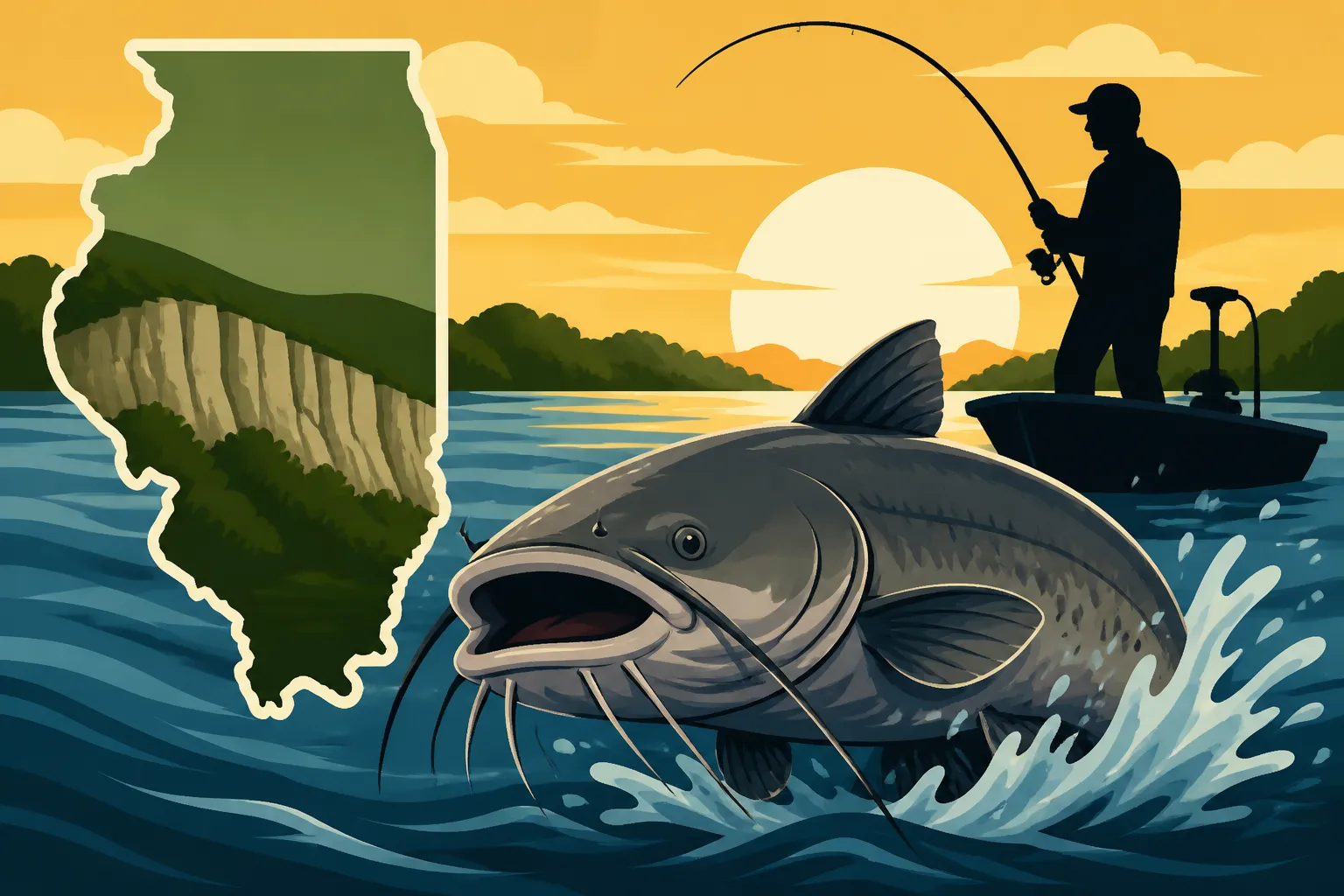
Mississippi River Catfish Fishing in Southern Illinois
It can feel overwhelming to think about fishing the mighty Mississippi River, especially when you're targeting elusive catfish in the vast expanse of Southern Illinois. Many anglers get intimidated by the sheer size, the powerful currents, and the seemingly endless fishing possibilities, often wondering where to even start or if it's worth the effort compared to smaller, more predictable lakes. This comprehensive guide will strip away the mystery, focusing on everything you need to know to successfully land channel, blue, and flathead catfish in Southern Illinois's productive stretches of the Mississippi.
Why the Southern Illinois Mississippi River is a Catfish Haven
The Mississippi River, particularly its southern reaches in Illinois, isn't just a large body of water; it's a dynamic, living ecosystem that provides the perfect environment for catfish to thrive and grow to incredible sizes. If you've ever felt like your local ponds just don't produce the monster cats you dream of, the Mississippi offers a completely different class of fishing.
The Unique River Environment for Catfish Growth
What makes the Mississippi so special for catfish? It's a combination of factors. The constant flow of water provides a rich, oxygenated environment, which is crucial for healthy fish. More importantly, the river acts as a conveyor belt, constantly delivering nutrients and diverse food sources downstream. This isn't a stagnant lake; it's a superhighway of sustenance, meaning catfish here have an endless buffet, allowing them to pack on weight quickly. The diverse habitats—from swift main channels to calmer backwater areas—offer shelter, spawning grounds, and prime feeding lanes. It's truly a powerhouse for fish development, which is a big reason why many consider it among the Best Catfish Rivers in Illinois.
You'll find that the varied depths, structural features like snags and rock piles, and the rich bottom composition all contribute to a thriving catfish population. This isn't just about big water; it's about water that consistently supports robust fish. The river's natural ebb and flow also play a role, constantly changing the landscape and creating new feeding opportunities for these opportunistic predators. Understanding these environmental dynamics is the first step to truly appreciating the potential of Southern Illinois catfishing.
Abundance of Channel, Blue, and Flathead Catfish
When we talk about catfish in the Southern Illinois Mississippi, we're not just talking about one species. This section of the river is a true melting pot for the three most sought-after catfish species: channel, blue, and flathead. Each has its own characteristics, preferred habitats, and fighting style, making every trip an exciting mystery of what you might hook next. Anglers specifically rave about Mississippi River Catfish: Why Southern Illinois Waters Produce So Many.
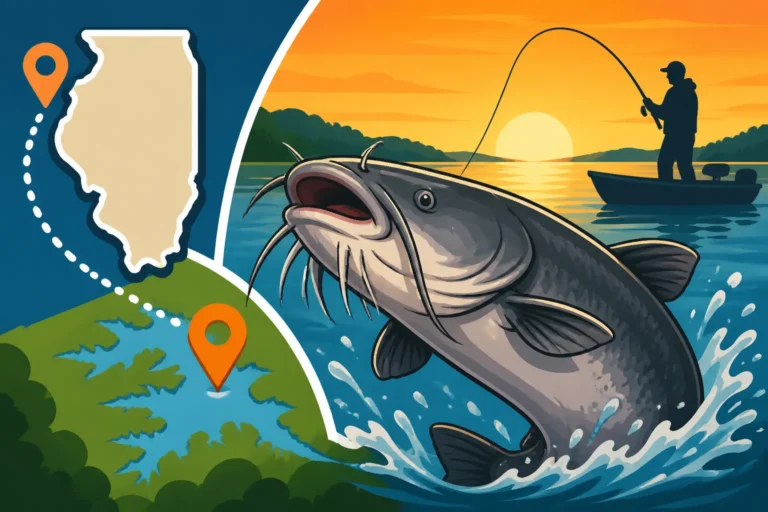
Channel catfish are often the most common, known for their distinctive forked tail and scattered spots when young. They're voracious eaters and can be found almost anywhere in the river, from swift currents to slow backwaters. Blue catfish, on the other hand, are the true giants of the Mississippi. They have a more deeply forked tail, a prominent hump on their back, and can reach incredible sizes, often exceeding 50 pounds in these waters. If you're chasing a true trophy, blues are your target. Finally, flathead catfish are ambush predators with a distinctly flat head, small eyes, and a rounded tail. They prefer live bait and often hide in heavy cover, waiting to strike. Each species offers a unique challenge and reward, making the Mississippi River in Southern Illinois a dynamic destination for any serious catfisherman. For those dreaming of a true monster, knowing Illinois Blue Catfish: Where the Biggest Fish Are Caught is key.
Historical Significance and Untapped Potential
The Mississippi River has always been a lifeline, and for generations, fishing has been a part of its culture. The river's history is intertwined with the communities along its banks, and that includes a long tradition of commercial and recreational fishing for catfish. While commercial fishing has seen changes over the decades, the recreational potential for catfish remains immense, and in many ways, untapped.
Many anglers tend to stick to smaller, more familiar lakes, leaving vast stretches of the Mississippi relatively unpressured. This means there are still plenty of big, healthy catfish that haven't seen every lure or bait in the book. There's a sense of adventure in exploring the river's numerous channels, islands, and backwaters, knowing that a truly incredible catch could be waiting just around the bend. It’s a place where you can still feel like you're discovering new fishing grounds, even though people have been fishing it for centuries.
Prime Catfish Hotspots Along the Southern Illinois Mississippi
Navigating the Mississippi can be daunting, but knowing where catfish prefer to hang out will dramatically increase your success. It's not about randomly casting; it's about understanding the river's structure and finding those key areas where catfish congregate.
Main Channel Borders and Deeper Holes
Catfish, especially blue and channel cats, are often found along the edges of the main river channel. These areas offer a combination of swift current, which brings food, and slightly slower water, where fish can rest and ambush prey. Look for distinct drop-offs or shelves where the main channel transitions into shallower flats. These transitional zones are prime feeding lanes. Using your sonar to identify these depth changes can be incredibly effective.
Deeper holes, often scoured out by the current or found near bridge pilings and bends in the river, are also classic catfish magnets. These holes provide cool, stable temperatures and cover from the current, making them excellent holding areas for larger fish. During periods of high water or extreme heat, catfish will often retreat to these deeper sanctuaries. Setting up to present your bait just on the edge of a deep hole, or directly within it, can lead to some truly impressive hook-ups. Don't be afraid to drift your bait along these contours to cover more ground.
Backwater Sloughs and Tributary Confluences
While the main channel holds its share of fish, don't overlook the quieter, often overlooked backwater sloughs and the areas where smaller tributaries flow into the Mississippi. These spots can be absolute goldmines, especially for channel and flathead catfish. Backwater sloughs, cut off from the main current, warm up faster in the spring and offer excellent spawning habitat. They also provide calmer feeding grounds where baitfish thrive.
Tributary confluences—where smaller rivers or creeks join the Mississippi—are another fantastic choice. The incoming water from a tributary often carries new food sources, creating a nutrient-rich plume that catfish can't resist. These areas can be particularly productive after a rain, when the tributary flushes worms and insects into the main river. Focusing on these junctions, especially where there's a visible current seam, can lead to non-stop action. These are some of the most overlooked spots for Mississippi River Fishing in Illinois: Which Species Live Where.
Dam Tailwaters and Wing Dams
For consistent action and the chance at truly colossal catfish, dam tailwaters are hard to beat. The turbulent water below a dam is constantly oxygenated and churns up baitfish, creating a feeding frenzy for all species, especially blues. While navigation near dams requires extreme caution and adherence to all regulations, the rewards can be substantial. Just be sure to maintain a safe distance and be aware of restricted zones.
Wing dams, built to direct the river's flow and maintain channel depth, are another structural feature that absolutely screams "catfish." These underwater structures create eddies and current breaks on their downstream side, providing perfect ambush points. Catfish will stack up in these calmer waters, waiting for food to be swept past them. You can fish the upstream side where the current hits the dam, or the slack water pockets behind them. Understanding how the current interacts with these structures is key to success here.
Essential Gear and Bait for Mississippi River Catfishing
Successfully taming a big Mississippi River catfish requires more than just a sturdy rod; it demands the right combination of heavy-duty gear and effective bait strategies. You can't show up with ultralight tackle and expect to haul in a 40-pound blue cat.
Rods, Reels, and Line Built for Battle
When fishing the Mississippi for catfish, durability and strength are paramount. You'll want heavy-action or extra-heavy action rods, typically 7 to 10 feet long, capable of handling heavy weights and powerful fish. Look for rods with a strong backbone but a relatively sensitive tip to detect subtle bites in current. Brand names like Ugly Stik or Berkley often come to mind for their ruggedness and affordability, making them popular choices among river anglers.
Pair these rods with robust baitcasting reels known for their strong drags and high line capacity. Reels designed for saltwater use often cross over well into heavy freshwater catfishing. For line, braided line in the 50-80 pound test range is a popular choice due to its sensitivity, strength, and small diameter. However, some anglers prefer stout monofilament (20-40 pound test) for its stretch, which can act as a shock absorber. Regardless of your choice, ensure your knots are strong and your reel is spooled properly.
| Gear Type | Recommended Specifications | Key Considerations |
|---|---|---|
| Rod | Heavy to Extra-Heavy Action, 7-10 feet | Strong backbone, sensitive tip, durable construction |
| Reel | Baitcasting, high line capacity, strong drag | Saltwater-rated or heavy-duty freshwater, smooth operation |
| Line | 50-80 lb Braided or 20-40 lb Monofilament | Abrasion resistance, knot strength, visibility (if preferred) |
| Hooks | 5/0 – 10/0 Circle Hooks | Ensure proper size for bait, excellent hook-up ratio, safer for fish |
| Weights | 2-8 oz No-Roll Sinkers, Pyramid Sinkers | Appropriate for current, minimize snags, hold bottom |
Terminal Tackle for Various Catfish Species
Your terminal tackle—the hooks, sinkers, and swivels—is just as crucial as your rod and reel. For catfish, circle hooks are highly recommended, typically in sizes ranging from 5/0 to 10/0 depending on your target species and bait size. Circle hooks dramatically increase your chances of a lip hook-set, which is better for the fish if you plan to release it, and often results in a more secure hook-up.
For weights, you'll need something heavy enough to hold your bait on the bottom in the Mississippi's current. Pyramid sinkers or no-roll sinkers in the 2-8 ounce range (or even heavier in strong currents) are essential. Don't skimp on swivels; heavy-duty barrel swivels or ball-bearing swivels will prevent line twist and stand up to the fight. Many anglers prefer a simple three-way swivel rig or a Santee Cooper rig, which allows the bait to float slightly off the bottom, making it more visible to passing catfish.
Live and Cut Bait Strategies
When it comes to bait, catfish aren't picky, but they definitely have preferences. For channel catfish, classic baits like chicken livers, stink baits, and nightcrawlers are highly effective. You can also try cut pieces of shad or other oily baitfish. The stronger the scent, the better for channel cats.
Flathead catfish, being ambush predators, almost exclusively prefer live bait. Small to medium-sized sunfish, shad, or even smaller suckers are ideal. The key is to keep them lively on a sturdy hook, presenting them in areas with cover where flatheads might be hiding. For the giant blue catfish, cut bait is often king. Fresh-cut chunks of oily fish like shad, skipjack herring, or even carp are irresistible. The fresher the better! Having a variety of bait options on hand means you're prepared for whatever the catfish are biting on that day. If you're looking for specific tips, checking out Best Live Bait for Flathead Catfish can give you an edge.
Best Times and Techniques for Southern Illinois Catfish
Timing and technique are everything when you're pursuing catfish on a river as mighty as the Mississippi. It's not just about what you use, but how and when you use it.
Seasonal Catfish Patterns Throughout the Year
Catfish activity on the Mississippi follows distinct seasonal patterns.
- Spring (March-May): As water temperatures rise, catfish become very active, moving from deeper wintering holes into shallower areas to feed heavily before the spawn. This is an excellent time for channel cats and early blues. Focus on tributary mouths and warming backwaters.
- Summer (June-August): The spawn occurs in early summer, and after that, catfish spread out across the river. Flatheads become particularly active, especially at night, seeking out live bait in cover. Blue and channel cats will relate to deeper holes, main channel edges, and current seams to escape the heat and find oxygenated water. This is when the river truly shines for big fish.
- Fall (September-November): Catfish go into a strong feeding pattern to bulk up for winter. They can be found in similar spots to summer, but often with more urgency. As water cools, they may start retreating to deeper main channel areas.
- Winter (December-February): Catfish, especially blues and flatheads, will stack up in deep wintering holes, often in large numbers. While bites can be slower, if you find a wintering hole, you can have incredible days. Jigging or slowly drifting large cut bait is effective.
Understanding these patterns will help you decide where to focus your efforts throughout the year.
Mastering Bottom Fishing and Drifting Techniques
The most common and effective technique for catfishing on the Mississippi River is bottom fishing. This involves anchoring your boat or fishing from shore and casting your bait to a productive spot, allowing your heavy sinker to hold it on the bottom. Ensure your drag is set appropriately and you have enough slack in your line to allow a catfish to take the bait without feeling immediate resistance. For a deeper dive into this, check out How to Bottom Fish for Catfish.
Drifting, either with the current or slowly moving your boat with a trolling motor, is another powerful technique, especially for covering large areas and finding active fish. This is particularly effective for blue catfish. Use a heavy bottom rig designed for drifting, allowing your bait to bounce along the bottom or float just above it. Pay close attention to your electronics to identify underwater structure or schools of baitfish as you drift. Many anglers use a service like FishingBooker to connect with experienced local guides who specialize in these drifting techniques, often using multiple rods to cover different depths and presentations.
Night Fishing for Monster Catfish
If you're serious about catching trophy-sized blue or flathead catfish, you absolutely need to consider night fishing. Catfish are primarily nocturnal feeders, becoming much more active as the sun sets and the river grows quiet. The biggest fish often move into shallower areas at night to feed, offering an incredible opportunity to land a true giant.
When night fishing, safety is paramount. Ensure your boat is properly lit, you have all required safety gear, and you're familiar with the area you're fishing during the day. Using lanterns or headlamps with red lights can help preserve your night vision. Bait presentation remains similar, but the reduced boat traffic and increased catfish activity can make for some unforgettable nights. Setting up a comfortable camp on a river island or a accessible bank can turn a night fishing trip into a truly immersive adventure. You can get more pointers on How to Catch Catfish at Night.
Navigating Regulations and Safety on the Mighty Mississippi
Fishing the Mississippi River in Southern Illinois comes with its own set of rules and challenges. Understanding the regulations and prioritizing safety are non-negotiable for a successful and legal trip.
Understanding Illinois Catfish Daily Limits and Size Restrictions
Illinois has specific regulations for catfish, and these can sometimes vary by water body. For the Mississippi River, it's crucial to be aware of the daily catch and possession limits for channel, blue, and flathead catfish. Generally, there are often different limits for each species, and sometimes specific length limits, especially for larger blue catfish, aimed at protecting trophy populations. These rules are in place to ensure sustainable fishing for everyone.
Always consult the most current Illinois Department of Natural Resources (IDNR) fishing guide before heading out. This guide will outline all statewide and site-specific regulations, including any changes from previous years. Failing to adhere to these rules can result in fines and other penalties, so staying informed is key. For more in-depth information, you can always check the official guide or resources like Illinois Catfish Daily Limits Explained. And remember, you'll need an Illinois Fishing License Guide for 2026 to fish legally.
Boating Safety and River Navigation Challenges
The Mississippi River is a powerful force, and it demands respect. Boating safety is paramount. Always wear a life jacket, especially if you're alone or in a small boat. Ensure your boat is properly equipped with all required safety gear, including navigation lights, a fire extinguisher, a sound-producing device, and throwable personal flotation devices (PFDs). The river can be unpredictable, with sudden weather changes, strong currents, and submerged hazards.
Navigation can also be challenging. Commercial barge traffic has the right-of-way, and their wakes can be significant. Be aware of buoys and navigation markers, and understand what they mean. A good GPS unit with up-to-date charts is highly recommended. It’s always a good idea to let someone know your float plan—where you're going, when you expect to return, and what to do if you don't check in. Local knowledge is invaluable here, and a guided trip through a service like FishingBooker can provide both safety and expertise.
Reciprocity Agreements with Neighboring States
Given that the Mississippi River forms the western border of Illinois, you might find yourself fishing waters that border Missouri or Iowa. This brings up the important topic of reciprocity agreements. Generally, Illinois has agreements with neighboring states along the Mississippi, meaning that a valid fishing license from either Illinois or the bordering state (Missouri or Iowa) is typically sufficient to fish the shared boundary waters.
However, these agreements can have specific nuances. For instance, sometimes they only apply to the main stem of the river and not to tributaries or backwaters that are entirely within one state's jurisdiction. It's crucial to confirm the exact details of these agreements before you fish, especially if you plan to explore areas close to state lines. Always carry your license and be prepared to show it to a conservation officer from either state. Knowing the details of Illinois Fishing License Reciprocity With Missouri can save you a lot of hassle.
Planning Your Southern Illinois Catfishing Adventure
A successful catfishing trip on the Mississippi isn't just about showing up with gear; it's about smart planning, leveraging local expertise, and knowing where to access the river.
Finding Local Expertise and Guided Trips
For those new to the Mississippi River or looking to maximize their chances of catching trophy catfish, hiring a local guide is an excellent investment. Experienced guides know the river's ever-changing moods, the hot spots, and the most effective techniques for the current conditions. They'll have all the specialized gear, bait, and most importantly, the knowledge to put you on fish safely and efficiently.
Websites like FishingBooker are fantastic resources for finding reputable fishing charters and guides in Southern Illinois who specialize in Mississippi River catfishing. You can read reviews, compare prices, and choose a guide whose experience aligns with your goals, whether it's chasing monster blues or simply enjoying a productive day on the water. Their insights can drastically shorten your learning curve and lead to unforgettable catches, providing invaluable safety and navigation tips.
Access Points and Facilities Along the River
Accessing the Mississippi River requires suitable boat ramps, and Southern Illinois offers several options. Key towns and cities along the river, such as Alton, Grafton, Chester, and Cairo, often have public boat ramps, marinas, and bait shops. These facilities are essential for launching your boat, replenishing supplies, and getting up-to-date local information on fishing conditions.
When planning your trip, research the specific ramp you intend to use. Check its condition, parking availability, and any associated fees. Some ramps are better suited for larger boats, while others might be more accessible for smaller craft. Knowing where Best Boat Ramps on the Mississippi River Near Alton, Illinois are located, for example, can save you precious fishing time. Shore fishing opportunities also exist, particularly at public parks, levees, and some accessible riverfront areas, though boat access often provides the most versatility for catfishing.
Making the Most of a Multi-Day Trip
Fishing the Mississippi River is often best experienced over multiple days. This allows you to explore different sections of the river, adapt to changing conditions, and take advantage of prime fishing windows, such as early mornings, late evenings, and night fishing opportunities. Consider booking lodging in one of the riverside towns or utilizing campgrounds in nearby state parks for a full immersion experience.
A multi-day trip gives you the flexibility to chase different species or try varied techniques without feeling rushed. You might spend one day drifting for blues in the main channel and the next targeting flatheads in a secluded backwater. It also provides more time to learn the nuances of the river, observing current patterns, identifying key structures, and adjusting your approach based on what you learn. Remember to pace yourself, stay hydrated, and enjoy the majestic scenery and the thrill of the hunt for Mississippi River catfish.
Disclaimer
Please remember that fishing regulations, conditions, and best practices can change. Always consult the latest official Illinois Department of Natural Resources (IDNR) guidelines and local advisories before any fishing trip. Safety should always be your top priority on the water.