Where to Fish in Illinois
Navigating the vast and varied fishing landscape of Illinois can feel a bit like trying to solve a puzzle. You've heard whispers about trophy bass lakes, legendary catfish rivers, and maybe even salmon out of Lake Michigan, but where do you actually go to experience it all? It's a common frustration for both seasoned anglers visiting the state and local folks looking to branch out from their usual spots. This comprehensive guide is designed to cut through the noise, offering a detailed breakdown of Illinois's premier fishing destinations, from expansive reservoirs to bustling city waterfronts, so you can spend less time guessing and more time casting.
Illinois's "Big Three" Reservoir Lakes: Southern Illinois Gems
When most Illinois anglers think of serious fishing, their minds often drift south to the trio of massive reservoirs that anchor the state's central and southern fishing scene. These man-made lakes – Rend, Shelbyville, and Carlyle – are not just large bodies of water; they are ecosystems teeming with diverse fish populations, each with its own unique character and angling opportunities. They offer everything from challenging sportfishing for predators to relaxed panfishing perfect for a family outing.
Rend Lake: Bluegill and Crappie Haven
Rend Lake, situated primarily in Franklin and Jefferson counties, is a truly special place, particularly if you have a passion for panfish. It’s one of the state's largest lakes, spanning over 18,900 acres, but its relatively shallow nature and countless coves and submerged timber make it an absolute paradise for crappie and bluegill. You’ll find anglers here year-round, but spring and fall are especially productive as these species move into shallower waters for spawning or feeding. It's not uncommon to pull out crappie over a pound or bluegill that push the tape past nine inches, earning it a reputation for some of the biggest panfish in Illinois. Beyond the panfish, Rend Lake also boasts a healthy population of largemouth bass and channel catfish. There are numerous boat ramps, ample shore access, and even dedicated fishing piers, making it incredibly accessible for all types of anglers. If you're planning a trip, diving into a Rend Lake Fishing Guide for Illinois Anglers can provide invaluable, up-to-date details on specific hot spots and seasonal tactics.
The lake's structure is largely responsible for its productivity. With a maximum depth of around 35 feet, but an average depth closer to 10 feet, much of the lake is fishable without specialized deep-water gear. Anglers often target brush piles, standing timber, and the edges of submerged islands when searching for crappie and bluegill. For those targeting bass, the numerous creek channels and points leading into spawning coves are prime real estate, especially in the pre-spawn and post-spawn periods. The consistent water levels, managed by the U.S. Army Corps of Engineers, also contribute to stable habitat, allowing fish populations to thrive year after year.
Another fantastic aspect of Rend Lake is its family-friendly atmosphere. The extensive shoreline, coupled with multiple parks and recreation areas like Wayne Fitzgerrell State Park, means there's always a comfortable spot to cast a line from the bank or a pier. Kids especially love the fast action that bluegill fishing often provides, and the sheer number of fish in the lake means a successful outing is usually within reach. Whether you're casting small jigs, live minnows, or worms under a bobber, you’re likely to find something biting, making it an ideal destination for introducing new anglers to the sport.
Lake Shelbyville: Walleye and Bass Powerhouse
Moving slightly north, Lake Shelbyville offers a completely different experience. This roughly 11,000-acre reservoir is renowned for its excellent walleye fishery and consistently produces quality largemouth bass, making it a favorite for serious sportfishermen. Unlike Rend Lake, Shelbyville is deeper, clearer, and features more varied bottom structure, including expansive flats, steep drops, rocky points, and abundant standing timber. It’s a lake that often hosts major bass tournaments, and its walleye population is carefully managed, with regular stockings by the Illinois Department of Natural Resources (IDNR) ensuring a robust population.
Walleye fishing on Lake Shelbyville typically peaks in spring and fall. Anglers employ various tactics, from trolling with crankbaits over main lake flats and points to jigging blade baits or live bait rigs in deeper channels. The lake's clear water means line size and lure color can be critical, and understanding fish behavior in different light conditions is key to success. For bass anglers, the challenge and reward are immense. Largemouth bass relate heavily to the standing timber, brush piles, and rocky shoreline, while smallmouth bass can occasionally be found on clearer, rocky points, though they are less common than largemouth. Early mornings and evenings during the warmer months often see topwater action around cover, while flipping and pitching jigs and soft plastics into dense brush can produce big bites throughout the day. Getting to know the nuances of this fantastic lake is best done with a Lake Shelbyville Fishing Guide, which often includes insights into the best fishing patterns throughout the year.
The infrastructure around Lake Shelbyville is also geared towards serious boating and fishing. There are numerous marinas, well-maintained boat ramps, and ample lodging options, from campgrounds to cabins, making it an excellent destination for a multi-day fishing trip. Anglers often spend days exploring the various arms of the lake, like the Kaskaskia River arm or the West Okaw arm, each offering unique fishing conditions. The lake's depth also means that even in the heat of summer, cooler, oxygenated water can be found, allowing fish to remain active. This provides year-round opportunities for anglers willing to adapt their techniques to the prevailing conditions.
Carlyle Lake: Illinois's Catfish and White Bass Giant
As Illinois’s largest man-made lake, sprawling over 24,580 acres, Carlyle Lake is an impressive body of water with a reputation for incredible catfishing and exciting white bass action. It's a relatively shallow, wind-swept lake, which can create challenging conditions but also provides fantastic opportunities for open-water fishing, particularly for schooling fish. The lake is especially well-known for its abundant channel catfish, with many anglers specifically targeting them using traditional bottom-fishing methods with various cut baits, stink baits, or live worms.
White bass runs on Carlyle Lake are legendary, especially in the spring. As the water warms, large schools of white bass move into the shallower main lake areas and river arms, chasing baitfish. This creates frenzied feeding activity that can be incredibly exciting for anglers, often resulting in multiple hook-ups. Techniques like casting small inline spinners, jigs, or spoons into boiling schools of fish are incredibly effective. You can literally fill a cooler when the white bass are on. Beyond catfish and white bass, Carlyle also supports good populations of crappie and largemouth bass, though they can be a bit more challenging to consistently locate compared to the other two "Big Three" lakes due to the lake's expansive, open nature and lack of dense structure.
Carlyle Lake's sheer size and often choppy conditions require a boat that can handle open water, but there's also plenty of shore access, especially around the dam and various recreational areas. Its vastness means that even on busy weekends, you can often find a quiet spot to fish if you're willing to explore. The lake is also home to multiple state parks and recreation areas, like Eldon Hazlet State Park, providing excellent amenities for anglers and their families. This destination truly shines for those who love to fish for active, hard-fighting species like catfish and white bass, offering a truly unique experience among Illinois's large reservoirs.
Chasing Giants: Lake Michigan's Premier Fishing Waters
Illinois might be landlocked on most fronts, but its sliver of shoreline along Lake Michigan opens up an entirely different world of angling – one of majestic cold-water species like salmon and trout. This fishery is world-class, offering opportunities for both seasoned charter anglers and determined shore casters right near the bustling metropolis of Chicago.
Salmon and Trout from the Illinois Shore
The Illinois portion of Lake Michigan, particularly from the Chicago lakefront north to Waukegan, is a phenomenal place to target Pacific salmon (Coho, Chinook) and various species of trout (Rainbow/Steelhead, Brown, Lake Trout). Unlike the warm-water fisheries of the inland lakes, Lake Michigan fishing is a distinct discipline, often requiring specialized gear and a good understanding of seasonal movements and water temperatures. Spring and fall are prime times, as salmon and trout move into shallower waters closer to shore and harbor mouths to feed or stage for spawning. Many anglers find success casting spoons, crankbaits, or baitfish imitations from the numerous public piers, breakwalls, and harbors along the Chicago Lakefront. Places like Navy Pier, Montrose Harbor, and Waukegan Harbor are legendary for shore-bound anglers, especially for Coho salmon in early spring or Brown trout throughout the colder months.
For those with boats, the options expand dramatically. Trolling is the predominant method for targeting these cold-water giants in the open lake. Anglers utilize downriggers, planer boards, and a spread of lures including spoons, flies, and dodgers to present baits at specific depths. The deep, clear waters of Lake Michigan require precise techniques and a keen eye on sonar to locate thermoclines and baitfish concentrations where salmon and trout tend to congregate. A solid Lake Michigan Salmon and Trout Fishing in Illinois guide can provide in-depth strategies for maximizing your chances on these magnificent waters. While the fish are often challenging to locate, the reward of landing a powerful Chinook salmon or a acrobatic Steelhead makes the effort worthwhile.
The urban backdrop of Chicago offers a unique contrast to the wild nature of Lake Michigan fishing. Imagine fighting a 20-pound Chinook with the city skyline in the distance – it’s an unforgettable experience. Beyond the main city, northern harbors like Waukegan and North Point Marina provide excellent access and often see strong runs of fish. These areas are also popular for smaller boats, even kayaks, when conditions allow. Regardless of your chosen method, fishing Lake Michigan requires a proper understanding of the regulations and the right gear to ensure both safety and success in its expansive waters.
Charter Fishing Experiences
For many, the most effective and enjoyable way to experience Lake Michigan's salmon and trout fishery is by booking a guided charter trip. These professional services, offered by experienced captains, take the guesswork out of finding fish, navigating the big water, and having the right equipment. A typical charter boat is fully equipped with advanced electronics, downriggers, a vast array of lures, and safety gear, allowing even novice anglers to have a legitimate shot at trophy-sized salmon and trout. This is where resources like FishingBooker can be incredibly valuable, connecting you with reputable local captains who specialize in Lake Michigan fishing out of ports like Chicago or Waukegan.
Charter captains are invaluable because they track daily fishing reports, understand seasonal migration patterns, and know exactly which lures and depths are producing fish. They handle everything from setting up the gear to netting your catch and even cleaning your fish at the end of the trip. This makes it an ideal option for families, groups of friends, or anyone looking for a hassle-free, productive day on the water. The opportunity to learn from an experienced guide, absorb their knowledge of the lake, and potentially land a personal best salmon or trout is why charter fishing remains so popular on Lake Michigan.
Booking a charter isn't just about catching fish; it's an immersive experience. You learn about the ecosystem, the techniques, and the nuances of fishing big water. Plus, the convenience of showing up with minimal gear and having everything else provided, along with expert instruction, allows you to focus solely on the thrill of the chase. Whether you're targeting Coho salmon in the spring, powerful Chinook salmon in the summer, or hefty Brown trout in the fall, a Lake Michigan charter provides an unparalleled opportunity to tackle these magnificent species.
River Monsters: Exploring Illinois's Mighty River Systems
Beyond its lakes, Illinois is crisscrossed by an impressive network of rivers, each offering its own unique fishing opportunities. From the expansive border waters of the Mississippi to the scenic bends of the Kankakee, these rivers are havens for a wide variety of fish, including formidable catfish, aggressive smallmouth bass, and elusive walleye. River fishing presents different challenges and rewards compared to still-water angling, often requiring an understanding of current, riverine structure, and specific species behavior in flowing water.
The Mississippi River: A Border Water Bonanza
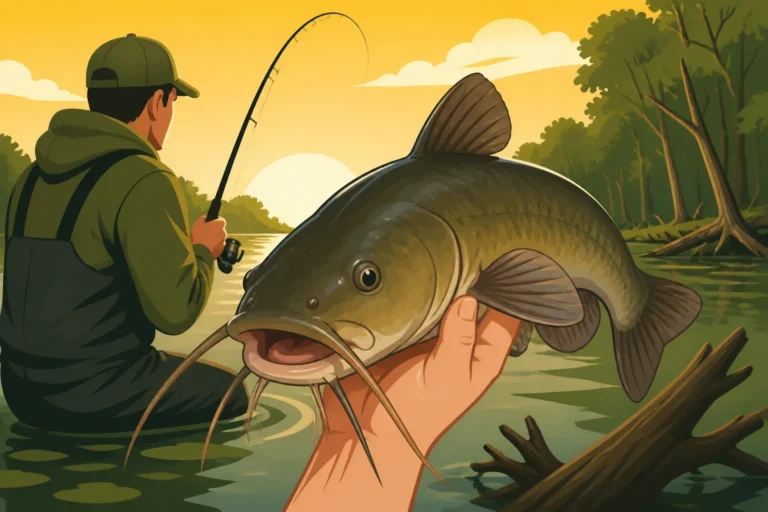
The Mississippi River, forming Illinois's western border, is a fishing destination of epic proportions. It’s a truly wild fishery, known for its incredible catfish populations, especially flatheads and blue catfish, which can grow to immense sizes in its powerful currents. Anglers specifically targeting these giants will often use heavy gear, large live baits, or substantial cut baits, anchoring themselves strategically near deep holes, log jams, or wing dams. The river's vastness also offers fantastic opportunities for channel catfish, which are more readily caught on a variety of baits and often provide consistent action. If you're serious about battling these whisker-faced giants, consult a detailed guide like Mississippi River Catfish Fishing in Southern Illinois for tips on specific spots and techniques.
But the Mississippi isn't just about catfish. Its northern stretches, particularly from Rock Island north to Wisconsin, are well-regarded for walleye and sauger. These predatory species often congregate around wing dams, current breaks, and rocky structures, especially during spring and fall. Jigging with live bait or artificial lures, as well as trolling crankbaits, are popular and effective methods. The backwaters and sloughs of the Mississippi are also incredibly productive, offering excellent fishing for largemouth bass, crappie, and various panfish. These calmer areas provide shelter from the main current and often hold an abundance of baitfish, making them ideal hunting grounds for gamefish. Fishing the Mississippi requires an understanding of its unique regulations, as some areas have reciprocity with neighboring states like Iowa and Missouri, which can impact where and how you can fish.
The sheer scale of the Mississippi means that anglers can always find a new stretch to explore. Whether you’re a seasoned river angler with a powerful boat or someone looking to explore quieter backwater channels in a kayak, the "Big Muddy" offers endless possibilities. Its diverse habitats, from fast-flowing main channels to serene oxbow lakes, support a robust and varied fish population, ensuring that every trip can hold a new surprise.
Illinois, Kankakee, and Fox Rivers: Diverse Opportunities
Beyond the Mississippi, several other prominent Illinois rivers offer excellent fishing. The Illinois River, a major tributary, is a significant fishery in its own right, especially known for its catfish, walleye, sauger, and crappie. Stretches near Peoria and Starved Rock State Park are particularly popular. Anglers here often target the main channel and its numerous backwater lakes and sloughs. Crappie fishing in the backwaters can be exceptional, especially in spring, while the main river channel holds good numbers of walleye and sauger, often concentrated around current breaks and lock and dam structures. Catfish are abundant throughout the river, providing consistent action for those fishing traditional bottom rigs.
The Kankakee River, especially its upper sections in northeastern Illinois, is a renowned smallmouth bass fishery. Its clear, rocky bottom, gravel beds, and moderate currents create ideal habitat for these hard-fighting bronzebacks. Fly fishing and light tackle spin fishing with small crankbaits, jigs, and soft plastic tubes are incredibly effective here. The Kankakee's scenic beauty, with its limestone bluffs and forested banks, adds to the appeal, making it a favorite among wade fishermen and kayakers. Beyond smallmouth, the Kankakee also holds good numbers of channel catfish, northern pike, and various panfish.
The Fox River, flowing through the heavily populated northern Illinois suburbs, offers surprisingly good fishing close to urban centers. While it may not boast the trophy potential of the Mississippi or Kankakee for certain species, it provides fantastic opportunities for panfish (bluegill, crappie, sunfish), channel catfish, and even some largemouth bass in its quieter pools and backwaters. Common carp are also abundant and provide a challenging fight for anglers targeting them. The Fox River is particularly accessible, with numerous parks and public access points along its length, making it a great option for a quick fishing trip after work or a family outing. Anglers can find success from the bank, small boats, or kayaks, adapting their methods to the specific stretch of river they are fishing.
Hidden Gems and Local Favorites: Smaller Lakes and Ponds
While the big reservoirs and rivers grab a lot of headlines, Illinois is also dotted with hundreds of smaller lakes, ponds, and state park waters that offer fantastic, often less-pressured, fishing. These hidden gems can provide incredibly rewarding experiences, especially for those looking for a quieter outing or a chance to target specific species in a more intimate setting.
State Parks and IDNR Managed Waters
The Illinois Department of Natural Resources (IDNR) actively manages numerous lakes and ponds within state parks and conservation areas across the state. These waters are often stocked with various gamefish, including largemouth bass, crappie, bluegill, and even rainbow trout in specific "put-and-take" programs. Places like Shabbona Lake (known as Illinois's "Muskie Mecca") and Clinton Lake (renowned for its excellent bass and crappie fishing) are prime examples of IDNR-managed waters that draw anglers from far and wide. However, many smaller, lesser-known state park lakes also provide excellent opportunities, often with less competition.
These managed waters typically have excellent public access, including boat ramps, fishing piers, and well-maintained shorelines. A major advantage of fishing IDNR lakes is that they are regularly surveyed, and the IDNR provides up-to-date fishing reports and site-specific regulations, which are crucial to follow. Remember, understanding the Illinois Fishing Regulations Overview for each specific body of water is vital, as size and creel limits can vary significantly from statewide rules. For instance, some lakes might have special slot limits on bass or stricter crappie limits to promote trophy growth. This careful management often results in healthier fish populations and better fishing for the public.
Many state parks also offer amenities like campgrounds, picnic areas, and hiking trails, making them perfect for a full day or weekend getaway centered around fishing. These smaller lakes are often more manageable for kayaks, canoes, and electric-only boats, allowing anglers to explore quiet coves and shallow areas that larger boats can't access. They are perfect for targeting panfish with light tackle or honing your bass fishing skills without the pressure of a massive reservoir or river.
Private Ponds and Community Lakes
Beyond public access, Illinois has countless private ponds and smaller community lakes that can offer incredible fishing, though they often require a bit of local knowledge or special permission. Many farmers and landowners have ponds stocked with bass, bluegill, and catfish, which, due to limited pressure, can hold some truly impressive fish. Gaining permission to fish these waters often comes down to respectful communication with the landowner, but the rewards can be phenomenal – imagine a small pond where every cast could produce a trophy largemouth!
Community lakes, often managed by local park districts or homeowner associations, also fall into this category. These can range from small, neighborhood ponds perfect for teaching kids to fish to larger, managed lakes that offer surprisingly good action. While some might be open to the public, others are restricted to residents or require a local permit. The key to accessing these local favorites is often networking with local anglers, checking community websites, or simply driving around and looking for promising water. These smaller, often overlooked waters can be a goldmine for anglers seeking solitude and consistent action.
The beauty of these smaller waters lies in their simplicity. You often don't need a boat, and a simple rod and reel with basic tackle can be incredibly effective. For those seeking an easy, low-key fishing experience, or a chance to connect with nature without the crowds, these hidden ponds and lakes are truly priceless. Just be sure to always secure permission before fishing on private property, and always follow any specific rules or regulations that the community or landowner might have in place.
Urban Angling: Fishing Near Illinois's Major Cities
You don't always need to drive hours to find excellent fishing in Illinois. Many of the state's major urban centers and their surrounding areas boast fantastic fishing spots, offering convenient access for city dwellers and a chance to combine angling with other urban adventures.
Chicago Area Fishing: Cityscapes and Serenity
For anglers in and around Chicago, the opportunities are surprisingly diverse, extending far beyond the mighty Lake Michigan lakefront. While the piers and harbors of Lake Michigan provide world-class salmon and trout fishing, the sprawling Cook County Forest Preserves system manages numerous inland lakes and ponds that are heavily stocked and offer excellent warm-water fishing. Lakes like Busse Lake, Tampier Lake, and Skokie Lagoons are incredibly popular and provide consistent action for largemouth bass, crappie, bluegill, and channel catfish. These waters are often easily accessible by public transport or a short drive, making them perfect for a quick escape from city life.
The Chicago Park District also maintains several lagoons and ponds, such as those in Lincoln Park and Jackson Park, which are regularly stocked with catchable fish. These spots are particularly fantastic for families with young children, offering easy access, beautiful scenery, and the chance to reel in panfish or catfish right in the heart of the city. For a deeper dive into these accessible spots, checking out Best Fishing Spots Near Chicago, Illinois is a great resource. While the crowds can sometimes be heavier than more remote locations, the sheer convenience and consistent stocking programs make urban fishing in Chicago a viable and rewarding option for many anglers.
Remember that even within urban environments, possessing an Illinois Fishing License Guide for 2026 is a requirement for most anglers. The urban setting might make it seem less "wild," but the regulations are just as important to follow. Beyond the natural beauty of the forest preserves, the Chicago River itself, especially its north and south branches, is home to surprising numbers of bass, carp, and various panfish, providing unique angling experiences amidst industrial and commercial backdrops. Exploring these city-side waters can reveal some truly unexpected fishing gems.
Central and Northern Illinois City Spots
Beyond Chicago, other major Illinois cities also offer excellent fishing options within their limits or a very short drive away.
Springfield: The state capital is blessed with Lake Springfield, a large reservoir popular for largemouth bass, crappie, catfish, and white bass. The lake features numerous coves, points, and standing timber, providing diverse habitats. There's ample public access, including boat ramps and shore fishing areas, making it a central Illinois favorite. Smaller lakes and ponds in Sangamon County also offer local anglers quick access to good panfishing and bass.
Rockford: Located in northern Illinois, Rockford benefits from the Rock River, which flows directly through the city. The Rock River is known for its excellent smallmouth bass, walleye, sauger, and channel catfish fishing. Wade fishing, bank fishing, and small boating are all popular methods. Nearby, Rock Cut State Park offers Pierce Lake, a larger impoundment with good fishing for bass, crappie, bluegill, and even northern pike. These spots provide excellent year-round fishing opportunities for residents and visitors to the Rockford area.
Peoria: Situated on the Illinois River, Peoria offers prime access to one of the state's most productive river fisheries. As mentioned earlier, the Illinois River near Peoria is a hotspot for catfish, walleye, sauger, and crappie, especially in its numerous backwater lakes and sloughs. City parks and boat ramps provide easy access to the river. Additionally, smaller lakes in the surrounding counties offer quieter fishing experiences for bass and panfish. These urban-adjacent waters prove that you don't have to venture far into the wilderness to find great fishing in Illinois.
Shoreline Success: Best Bank and Pier Fishing Locations
Not every angler has a boat, and honestly, sometimes you just want to grab a rod and hit a spot without the hassle of launching a vessel. Thankfully, Illinois offers an abundance of fantastic bank and pier fishing locations that provide easy access and great opportunities to catch fish, making the sport accessible to everyone, from seasoned pros to first-time family outings.
Accessible Bank Fishing Hotspots
Illinois is a treasure trove of spots where you can simply walk up to the water's edge and cast a line. Most state parks, conservation areas, and county forest preserves with water bodies offer designated bank fishing access points. Many of these areas are specifically managed for shore anglers, sometimes including paved paths, benches, and even accessible fishing piers. For instance, the aforementioned "Big Three" lakes – Rend, Shelbyville, and Carlyle – all have extensive shorelines with numerous public access points, particularly around dam areas, causeways, and recreation sites. These locations are fantastic for targeting crappie, bluegill, and channel catfish, especially during their spring and fall feeding binges when they move closer to shore.
Rivers also offer incredible bank fishing, particularly in slower sections, around bridge pilings, or below dams where fish congregate. The Illinois River, Rock River, and Fox River all have numerous public access points where anglers can find success for catfish, bass, and panfish. Even the mighty Mississippi has stretches of bank fishing, though current and access can be more challenging. For those who prefer a solid footing, the numerous small community lakes and ponds in parks and forest preserves across the state are often entirely fishable from the bank, offering easy, low-pressure angling. Finding the absolute Best Bank Fishing Spots in Illinois will lead you to places where you can consistently catch fish without needing to launch a boat.
The beauty of bank fishing is its simplicity. You don't need a lot of specialized gear; a spinning rod, a tackle box with a few hooks, sinkers, bobbers, and some bait (worms, minnows, or even bread) is often all it takes. It's an incredibly relaxing way to spend an afternoon and is especially suited for families or individuals looking for a peaceful escape. Plus, observing the shoreline for structure like fallen trees, weed lines, or changes in bottom composition can be just as effective as using a fish finder from a boat.
Pier Fishing for Convenience and Variety
Piers offer another excellent, accessible option for Illinois anglers, combining convenience with often productive fishing. Lake Michigan's urban piers, such as those along the Chicago Lakefront (Navy Pier, Montrose Pier, Diversey Harbor) or further north in Waukegan, are iconic spots. These piers provide deep-water access without a boat, allowing anglers to target cold-water species like Coho salmon, Chinook salmon, Rainbow trout, Brown trout, and even Yellow perch, especially during seasonal runs. A variety of techniques can be employed from these piers, including casting spoons and crankbaits, still-fishing with live or cut bait, and jigging.
Beyond Lake Michigan, many of Illinois's larger inland lakes and reservoirs feature dedicated fishing piers. Rend Lake, Lake Shelbyville, and Carlyle Lake all have multiple piers, many of which are accessible and equipped with amenities like cleaning stations or lights for night fishing. These piers are fantastic for targeting panfish, bass, and catfish, often providing access to deeper water or fish-attracting structure that might be out of reach from the bank. For example, some piers extend over brush piles or old creek channels, putting anglers right where the fish are hiding. Many of these piers are also perfect for taking out the younger generation, and understanding the Illinois Fishing License Rules for Children will ensure everyone stays compliant while enjoying a day on the pier.
Pier fishing is particularly excellent for social outings, as there's plenty of space, and anglers can easily chat and share tips. It's also an ideal way to introduce new people to fishing, as the stable platform and often consistent action make for a positive first experience. Just remember to be mindful of others, give everyone space, and always pack out whatever you pack in to keep these valuable public resources clean and enjoyable for all.
Specialty Fishing: Seasonal and Targeted Opportunities
Illinois fishing isn't just about general warm-water species in summer. The state offers distinct seasonal opportunities and specific trophy fisheries that cater to anglers looking for a unique challenge or a cold-weather adventure.
Ice Fishing Adventures in Winter
When the bitter cold descends upon Illinois and lakes freeze over, a dedicated cadre of anglers embraces a whole new way to fish: ice fishing. While not every lake is safe or suitable for ice fishing, several prime locations transform into bustling ice cities during the winter months, offering excellent opportunities for panfish, walleye, and northern pike. Northern Illinois generally offers more consistent and safer ice conditions than the central or southern parts of the state. Lakes like Lake Le-Aqua-Na, Shabbona Lake, and many of the smaller forest preserve lakes in the Chicago area (like Bangs Lake or Deep Lake) are popular ice fishing destinations.
Ice fishing requires specialized gear – augers to cut holes, insulated shelters, portable heaters, and shorter, more sensitive rods and reels designed for detecting subtle bites. But the rewards can be significant. Crappie and bluegill are often found congregated in deeper basins or around submerged structure, providing fast action on small jigs tipped with waxworms or spikes. Walleye can be targeted with jigging spoons or tip-ups set with minnows, often hitting during low-light conditions at dawn or dusk. Northern pike, always aggressive, will readily strike larger live baits or spoons fished under a tip-up. Always remember that safety is paramount when ice fishing. Never venture onto ice unless you are certain it is thick enough (at least 4 inches for foot travel, more for ATVs). Consulting local bait shops for ice conditions and fishing reports is crucial. Understanding the broader Illinois Fishing Seasons Guide will help you know when it's safe and productive to hit the ice.
The quiet solitude of a frozen lake, combined with the anticipation of a flag flying on a tip-up or a twitch on a tiny jig rod, makes ice fishing a deeply satisfying experience. It's a chance to extend your fishing season and enjoy the unique beauty of an Illinois winter landscape.
Trophy Waters and Specific Species Focus
For anglers chasing a truly monumental catch, Illinois also boasts specific "trophy waters" managed to produce exceptional fish of certain species. The most prominent example is Muskie fishing. Illinois has cultivated a strong muskie fishery, with several lakes regularly producing fish over 40 inches and even into the 50-inch range. Shabbona Lake, Kinkaid Lake, and Fox Chain O'Lakes are considered premier muskie destinations. These waters are carefully stocked, and strict size limits are enforced to protect these slow-growing apex predators. Muskie fishing is a commitment, often dubbed "the fish of 10,000 casts," but the sheer power and size of a muskie make it an unforgettable battle. Anglers typically use large baits, heavy tackle, and spend countless hours casting or trolling for these elusive giants. To increase your chances, a deep dive into Largemouth Bass Fishing in Illinois: The Complete Guide will offer essential tactics, though specific guides for Muskie fishing are also available and highly recommended.
Beyond muskie, certain lakes are known for trophy-sized largemouth bass. While the "Big Three" reservoirs certainly hold big bass, many smaller, intensively managed lakes or private ponds can also produce giants due to lower fishing pressure and ideal habitat. Lake of Egypt in southern Illinois is another well-regarded lake for consistently producing quality largemouth bass, especially during the warmer months. For those targeting specific panfish, Rend Lake is famous for its oversized bluegill and crappie. And for those who enjoy the thrill of catching large catfish, the Mississippi River, Carlyle Lake, and Rend Lake are prime locations for battling channel, blue, and flathead catfish, some of which can weigh over 50 pounds. Truly understanding the distinct characteristics that differentiate these bottom dwellers, such as highlighted in Channel Catfish vs Blue Catfish vs Flathead Catfish in Illinois, can also significantly impact an angler's success in targeting specific trophy catfish.
Targeting these specialty species or trophy waters often means focusing your efforts, investing in specific gear, and researching seasonal patterns. However, the potential reward of landing a fish of a lifetime makes these dedicated pursuits incredibly popular among passionate Illinois anglers.
Finding Your Next Fishing Adventure: Resources and Planning
With so many incredible places to cast a line in Illinois, deciding where to go next can feel a bit overwhelming. But don't worry, there are plenty of resources available to help you plan your perfect fishing adventure, ensuring you're prepared and compliant with all the rules.
Utilizing Online Resources and Local Shops
The internet has revolutionized how anglers plan their trips. The Illinois Department of Natural Resources (IDNR) website is your absolute best friend. It provides a wealth of information, including:
- Weekly Fishing Reports: These are invaluable, giving you up-to-date information on what's biting, where, and on what baits at specific lakes and rivers across the state.
- Site-Specific Regulations: Crucial for understanding bag and size limits that might differ from statewide rules.
- Lake Maps and Access Points: Detailed maps help you identify contours, structure, and public access points.
- Fish Stocking Information: Know which lakes are being stocked with particular species.
Beyond the IDNR, online forums and social media groups dedicated to Illinois fishing are great places to connect with local anglers, ask questions, and get real-time advice. However, always take online advice with a grain of salt, as some "honey holes" are fiercely guarded secrets!
For a more personal touch, nothing beats a visit to your local bait and tackle shop. These establishments are often run by passionate anglers who live and breathe fishing in their area. They can provide current conditions, recommend specific baits and lures, and point you towards productive spots that might not be widely publicized. They're also a fantastic place to pick up any gear you might need and support a local business. If you're looking for a guided experience on a new body of water, services like FishingBooker can help you find and book local guides who possess intimate knowledge of specific lakes or rivers and can ensure you have a productive and enjoyable outing. These professional guides are often the quickest way to get on fish in unfamiliar territory.
Understanding Regulations and Licensing
Before you even think about putting a line in the water, it is absolutely non-negotiable to understand and adhere to Illinois's fishing regulations. This isn't just about avoiding penalties; it's about being a responsible conservationist and ensuring healthy fish populations for future generations. The core requirement for almost all anglers between the ages of 16 and 64 (with some exceptions for seniors and those with disabilities) is to possess an Illinois Fishing License Guide for 2026. This license is valid from March 1st through February 28th/29th of the following year.
But it goes beyond just the general license. You might also need specific stamps, such as an Illinois Trout and Salmon Stamp Requirements if you plan to fish for these species, particularly on Lake Michigan or in stocked inland trout waters. Additionally, while there are statewide bag and size limits for various species, many individual lakes and rivers have their own unique, site-specific regulations. These are often posted at boat ramps and access points, and they are always detailed on the IDNR website. Forgetting to check these can lead to serious consequences, and ignorance is rarely a valid defense. Anglers caught violating these rules could face significant fines or other legal repercussions, as outlined in Penalties for Fishing Without a License in Illinois. Taking a few minutes to review the rules for your chosen destination can save you a lot of headache and ensure your fishing trip is enjoyable and compliant.
Disclaimer
The information provided in this guide is intended for general informational purposes only and is subject to change. Fishing regulations, license requirements, and fish populations can vary by season, location, and year. Always consult the official Illinois Department of Natural Resources (IDNR) website or their current fishing guide for the most up-to-date and accurate information before planning your fishing trip. Ensure you possess all necessary licenses and stamps and adhere to all site-specific regulations to ensure a safe and legal fishing experience.