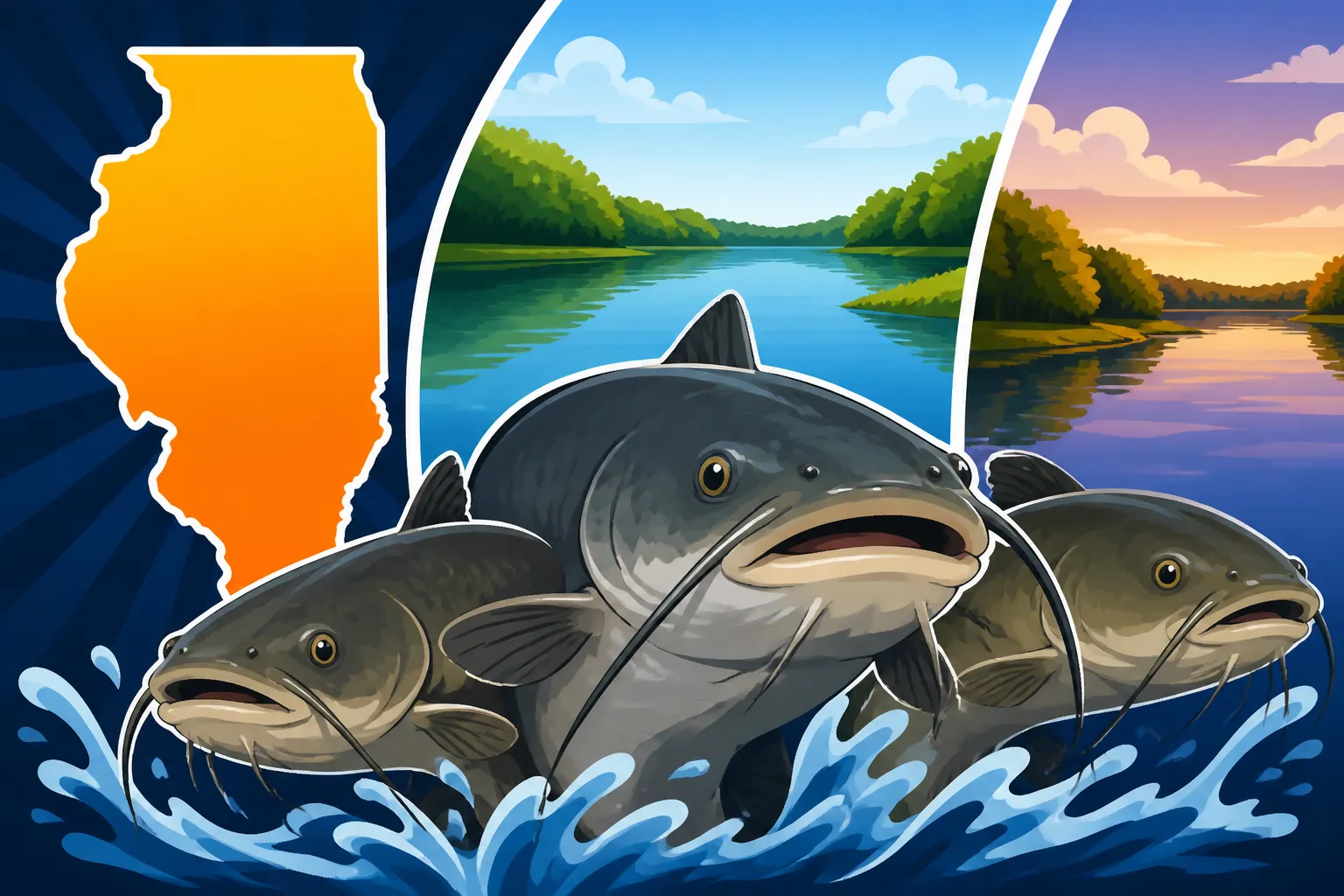
Illinois’s Best Big Three Catfish Lakes
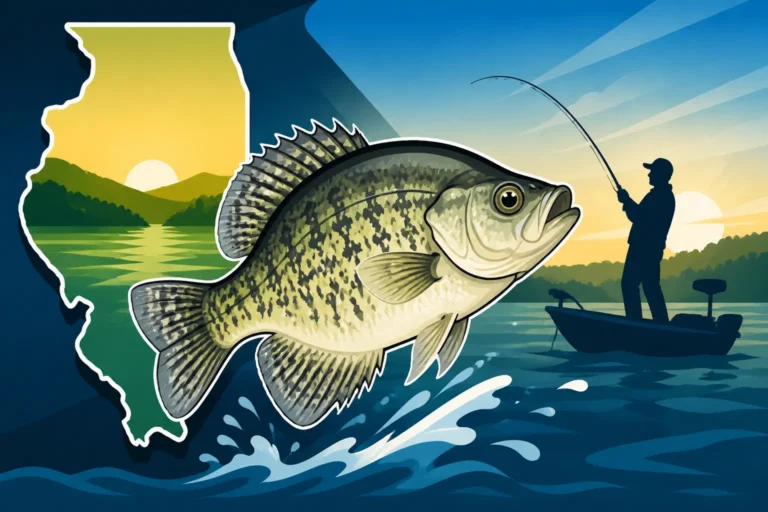
It's a common dream for many anglers: feeling that powerful tug on the line, the rod bending almost to its breaking point, and the sheer exhilaration of reeling in a truly massive catfish. But let's be honest, finding those trophy-sized whiskered giants isn't always easy, and knowing where to even start in a state as vast as Illinois can feel overwhelming. This guide is dedicated to helping you unlock the secrets of Illinois's "Big Three" catfish lakes – Rend Lake, Lake Shelbyville, and Carlyle Lake – where your chances of landing that dream cat are significantly higher.
Unveiling Illinois's Catfish Powerhouses
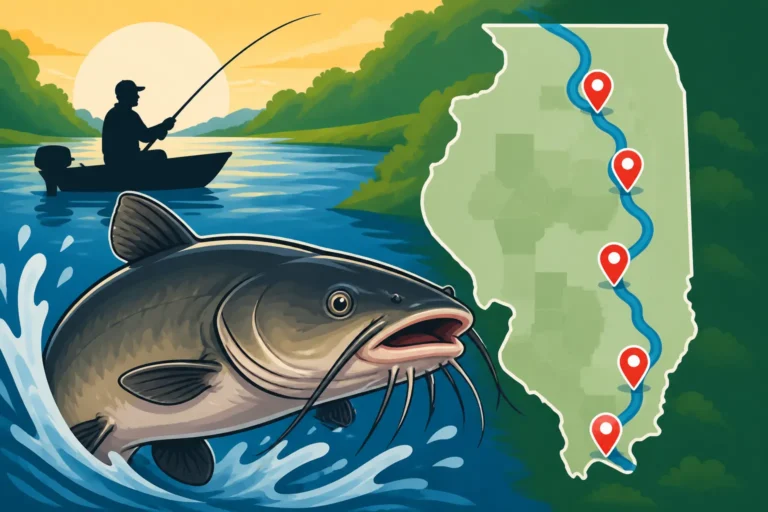
When we talk about serious catfishing in Illinois, a few names always rise to the top: Rend Lake, Lake Shelbyville, and Carlyle Lake. These aren't just any bodies of water; they are vast, productive reservoirs managed specifically for a thriving sport fishery, and they consistently produce some of the biggest and most numerous catfish in the state. For many, these lakes are synonymous with monster blue cats, feisty channel cats, and elusive flatheads, drawing anglers from all corners of the Midwest.
Why These Three Lakes Stand Out
What makes these three lakes the undisputed champions of Illinois catfishing? It's a combination of size, habitat diversity, and dedicated management. First, their sheer scale means more room for fish to grow and more complex ecosystems to support them. We're talking thousands of acres of water, offering everything from shallow, stump-filled flats to deep river channels and rocky points. This varied terrain provides abundant forage, from shad and minnows to crawfish, giving catfish a smorgasbord to feast on, which directly translates to bigger fish. The Illinois Department of Natural Resources (IDNR) also plays a crucial role, often stocking these lakes and implementing regulations designed to promote healthy populations. You’ll often hear locals discussing how these specific lakes seem to hold more substantial catfish year after year.
These lakes are not just large; they are vibrant aquatic environments. Carlyle Lake, for instance, is the largest man-made lake in Illinois, spanning over 26,000 acres, offering a massive expanse for catfish to roam and forage. Rend Lake, while smaller at around 19,000 acres, is incredibly fertile and known for its dense populations of baitfish, which fuel impressive catfish growth. Lake Shelbyville, with its 11,000 acres, offers a more diverse structure, including numerous standing timber areas and fluctuating water levels that create prime feeding grounds. The common thread among them is their reservoir nature, created by damming rivers, which inherently provides the deep main channels and vast shallow flats that catfish absolutely love. This expansive, nutrient-rich environment is precisely why they consistently outperform smaller lakes for trophy cat potential.
The Catfish Species You'll Encounter
The good news is that Illinois's "Big Three" lakes are teeming with all three major species of catfish: channel, blue, and flathead. Each offers a unique angling experience, from the widespread and aggressive channel cats to the powerful, hard-fighting blue cats, and the ambush-predator flatheads. Knowing how to identify each one is key, as their behaviors and preferred habitats can differ. For a detailed rundown, check out our guide on how to tell the difference between Channel Catfish vs Blue Catfish vs Flathead Catfish in Illinois.
- Channel Catfish: These are arguably the most common and widespread catfish in Illinois, and they thrive in all three lakes. Known for their fork-shaped tail and spotted bodies (though spots fade with age), channel cats are opportunistic feeders. You'll find them almost anywhere, from shallow coves to deep channels, and they respond well to a wide variety of baits, from stink baits to cut bait and worms. They are a fantastic target for anglers of all skill levels, and while they might not reach the colossal sizes of blues or flatheads, a 10-15 pound channel cat is a solid fight and an excellent meal.
- Blue Catfish: The true heavyweights of the catfish world, blue cats are the species that draw many serious anglers to these lakes. They possess a deeply forked tail, a noticeable hump on their back, and lack the spots of a channel cat. Blue catfish are predominantly piscivorous, meaning they prefer to eat other fish, making cut bait like shad or carp their top choice. They inhabit deeper areas, especially river channels, and can grow to truly enormous sizes, often exceeding 50 pounds in these productive waters. If you're chasing a state record, the blues in Carlyle or Rend Lake are your best bet. Our article on Illinois Blue Catfish: Where to Find the Biggest Ones dives deeper into landing these monsters.
- Flathead Catfish: The most reclusive and predatory of the bunch, flatheads are recognized by their distinctively flat head, lower jaw that protrudes beyond the upper, and a rounded (not forked) tail. Unlike channels and blues, flatheads almost exclusively feed on live prey. Small sunfish, bluegill, or shad are their preferred meals. They are ambush predators, often found near submerged timber, rock piles, or undercut banks in strong current. Landing a flathead is a testament to an angler's patience and skill, as they fight with immense power and can also reach impressive sizes, often topping 40 pounds.
Understanding these different species, their habits, and their preferred baits is crucial for success on any of the Big Three lakes. Each lake, due to its unique characteristics, might favor one species slightly over another, or offer different concentrations of each. This knowledge allows you to tailor your approach and increase your chances of hooking into your target species.
Rend Lake: A Southern Illinois Catfish Haven
Venturing south to Rend Lake feels like stepping into a dedicated catfishing paradise. This large, shallow reservoir, nestled in Franklin and Jefferson counties, is renowned for its incredible fertility and the sheer abundance of baitfish, which in turn fuels a booming catfish population. Rend Lake has a reputation for putting out not just numbers of catfish, but impressive sizes, particularly for channel cats and blue cats. Many anglers travel specifically to experience the unique challenges and rewards this lake offers.
Prime Catfish Hotspots on Rend Lake
Rend Lake is known for its relatively shallow depths and extensive areas of standing timber and submerged brush, particularly in the upper reaches. These features create fantastic ambush points and cover for catfish. One of the most productive areas for consistent channel cat and blue cat action is the upper arms of the lake, particularly the Big Muddy River and Casey Fork sections. These areas are shallower, feature more standing timber, and often hold large concentrations of shad, making them irresistible to hungry catfish. Drifting cut bait or chicken liver through these submerged forests can be incredibly effective. Local anglers often swear by the areas near the major bridge crossings, like the one for Interstate 57, as the bridge pilings and adjacent deeper water create current breaks and structure that catfish congregate around.
Another key area is the southern end near the dam and spillway. While the main lake offers plenty of action, the areas closer to the Rend Lake Dam can hold deeper water and stronger currents, especially during periods of discharge. This current attracts baitfish, and in turn, larger blue cats and flatheads looking for an easy meal. The rocky rip-rap along the dam itself can also be a magnet for channel cats. Don't overlook the many submerged roadbeds and old foundations scattered throughout the lake from when it was impounded. These hidden structures provide excellent cover and feeding lanes that catfish utilize heavily. Exploring these often-overlooked spots, especially with the aid of a good fish finder, can lead to incredible results. Many folks rely on local knowledge or even specialized fishing charters, easily booked through platforms like FishingBooker, to find these precise honey holes on a new lake.
Essential Techniques for Rend Lake Catfish
Given Rend Lake's characteristics, a few techniques consistently prove themselves for catfish success. Bottom fishing with various baits is a perennial favorite. For channel cats, cut shad, chicken liver, or prepared stink baits fished on a Carolina rig or a three-way swivel rig are highly effective. A popular approach is to anchor near structure like submerged timber or a brush pile and cast multiple lines with different baits to see what the fish are hitting. The abundant gizzard shad in Rend Lake make for excellent cut bait, often outperforming store-bought options.
For targeting the larger blue cats, fresh cut bait, especially shad, carp, or even larger chunks of bluegill, is paramount. Drifting these baits along the old river channels in the deeper sections of the lake or slow-trolling them behind the boat can be incredibly productive. When targeting flatheads, live bait is king. Rigging a frisky bluegill or sunfish on a large circle hook with a heavy sinker and fishing it tight to submerged timber or rock piles during low light conditions or at night is the preferred method. Remember, flatheads are ambush predators, so placing your bait directly in their strike zone is crucial. Learning Catfish Bottom Fishing Techniques will be your bread and butter here, as much of the lake's catfishing is done on the bottom.
Seasonal Strategies for Success
Rend Lake's catfishing calendar offers different opportunities throughout the year.
- Spring (March-May): As water temperatures rise, catfish become increasingly active. The pre-spawn period sees channel and blue cats moving into shallower areas to feed heavily before spawning. The upper lake arms, with their warmer, shallower waters, become prime areas. Cut bait and large worms work well. Flatheads will also start to become more active, moving out of their wintering holes.
- Summer (June-August): This is prime time for numbers of channel cats. They'll be spread throughout the lake, but often relate to deeper water during the heat of the day, moving shallower at dawn, dusk, and night. Night fishing can be exceptionally productive, especially with prepared baits or cut bait. Blue cats might move deeper into the main channels, requiring drifting or slow-trolling techniques. This period aligns nicely with our Illinois Fishing Seasons Guide, highlighting general patterns.
- Fall (September-November): Catfish are once again on the move, feeding heavily to bulk up for winter. The bite can be fantastic, particularly for blue cats and channel cats, as they chase baitfish. The main lake points and deeper flats can be excellent. This is also a good time to target larger flatheads as they gorge on live bait.
- Winter (December-February): While tougher, winter catfishing is possible, especially for blue cats in the deeper parts of the main channel. They'll school up in these deep holes and can be caught by vertically jigging cut bait or large spoons. It's a game of patience, but the rewards can be substantial with trophy-sized fish.
No matter the season, understanding the specific feeding habits and locations of each catfish species will enhance your Rend Lake experience. And if you're feeling adventurous, don't miss our detailed Rend Lake Catfish Spots Worth the Drive From Chicago for even more local insights!
Lake Shelbyville: Central Illinois's Catfish Gem
Moving to the heart of Illinois, Lake Shelbyville presents a different, yet equally rewarding, catfishing experience. This U.S. Army Corps of Engineers reservoir, located in Shelby and Moultrie counties, is characterized by its deep, clear waters, extensive standing timber, and fluctuating water levels. While perhaps more famous for its bass and crappie, Lake Shelbyville holds a robust population of all three catfish species, with many local anglers consistently pulling out impressive blues and flatheads alongside plentiful channel cats.
Top Catfish Locations on Lake Shelbyville
Lake Shelbyville's structure is somewhat different from Rend Lake, offering a distinct set of hotspots. The Kaskaskia River arm and the West Okaw River arm are consistently productive for all catfish species. These areas feature the original river channels, which are deeper and often lined with standing timber, providing ideal habitat. Drifting or slow-trolling cut bait or live bait along the edges of these channels is a proven strategy, especially for blue cats and flatheads. The numerous creek channels and embayments that feed into the main lake also serve as excellent ambush points, particularly during periods of higher water when catfish move into flooded timber.
Another highly regarded area is the main lake basin near the dam and around the various points and humps. These deeper zones, especially those with some current flow or structural irregularities, will hold larger blue cats. The rocky points extending into the main lake are also excellent for channel cats, especially when fished with prepared baits. Furthermore, Lake Shelbyville is famous for its standing timber. Entire forests of dead trees protrude from the water, particularly in the mid-to-upper lake sections. These provide incredible cover for flatheads, and strategically placing live bait near the bases of these trees can yield massive results. Don't forget the bridges and causeways that cross parts of the lake; their submerged structures and current breaks are classic catfish magnets. If you're looking for deeper insights into the entire lake, our Lake Shelbyville Fishing Guide is an invaluable resource.
Effective Catfishing Methods for Shelbyville
Given Shelbyville's deeper and clearer water compared to Rend Lake, a slight adjustment in techniques can pay dividends. For the ubiquitous channel cats, traditional bottom fishing with worms, cut bait, or stink baits remains highly effective. However, don't shy away from suspending baits under a bobber in shallower, timber-rich coves, especially during low light. For the bigger blue cats, drifting cut shad or skipjack herring along the old river channels at varying depths is a go-to method. Many anglers use heavy weights to keep their baits near the bottom while drifting slowly over known catfish holding areas. Using the boat's electronics to identify baitfish schools is key, as blue cats will often be close by.
Flatheads on Lake Shelbyville are best targeted with live bait, typically a healthy 5-8 inch bluegill or sunfish. Positioning these baits right next to submerged timber, rock piles, or steep drops in the main river channel is crucial. Many experienced flathead anglers will anchor upstream of a promising spot and cast their live bait rigs down-current, allowing the bait to settle naturally in the strike zone. Night fishing for flatheads, particularly during the warmer months, can be incredibly productive. For those interested in innovative approaches, exploring Catfish Jug Fishing Techniques can also be a unique and effective way to target numbers of catfish in Shelbyville's open waters, though always check local regulations for jug fishing.
Navigating Seasonal Catfish Movements
Understanding how catfish move through Lake Shelbyville's distinct seasons is vital for consistent success.
- Spring: As the ice melts and water temperatures climb, channel and blue cats migrate towards the shallower, warmer waters of the creek arms and embayments to feed aggressively before the spawn. Focus on areas with newly flooded vegetation or standing timber. The shallower flats in the upper river arms can be excellent.
- Summer: During the heat of summer, channel cats will often retreat to deeper, cooler water during the day, moving onto shallower flats and points to feed at night. Blue cats will follow the baitfish schools in the main lake and river channels. Flatheads will be active in their timber hideouts, especially during evening hours. This is an excellent time for targeting them with live bait.
- Fall: Fall offers a fantastic feeding frenzy as all three catfish species bulk up for winter. Blue and channel cats will aggressively chase baitfish, often found near points and humps in the main lake. Flatheads will continue to be active, and focusing on the deeper edges of the river channels and timber lines can be very rewarding.
- Winter: Similar to Rend Lake, winter fishing on Shelbyville means targeting deeper holes in the main river channels where blue and channel cats congregate. Vertical jigging or simply holding bait still in these deep pockets can produce some huge winter cats, though the bite can be subtle.
Lake Shelbyville’s clear water means that catfish might be a bit more wary, especially during bright daylight hours. Often, your best bet will be to fish during low light conditions or at night, when the cats feel more confident venturing out from cover to feed.
Carlyle Lake: Illinois's Largest Catfish Wonderland
Carlyle Lake, often touted as Illinois's largest man-made lake, is a true titan among fishing destinations, especially for catfish. Spanning a massive 26,000 acres, this reservoir on the Kaskaskia River is a powerhouse for trophy blue cats, abundant channel cats, and a healthy population of flatheads. Its vastness and variety of habitats make it a challenging but incredibly rewarding lake for any catfish enthusiast. It's truly a marvel, as our article Carlyle Lake: Illinois's Largest Man-Made Lake for Fishing explains in detail.
Best Catfish Spots Around Carlyle Lake
Carlyle Lake's immense size means there are countless spots to explore, but certain areas consistently produce for catfish. The lower lake basin, particularly near the dam and the spillway, is a renowned hotspot for large blue catfish. The constant current and deeper water here attract huge numbers of baitfish, creating a feeding paradise for blue cats. Drifting large cut baits in this area is a common and often successful tactic. The rip-rap along the dam itself is also excellent for channel cats and smaller blues, especially during a strong bite.
Another highly productive area is the Kaskaskia River arm, which feeds into the lake. This section, particularly in the middle and upper stretches, features the original river channel and plenty of standing timber, much like Shelbyville. These deep channels and associated cover are prime real estate for flatheads and blue cats. The numerous creek channels and feeder streams also draw catfish into their mouths, especially after rain or during periods of increased flow. Areas like Allen Branch and Peppenhorst Branch are often productive. The vast flats with scattered timber and humps throughout the main lake also hold impressive numbers of channel cats and smaller blues. These areas are excellent for drifting or anchoring with multiple lines. If you're visiting Carlyle and need a guided experience, searching for local guides on FishingBooker can connect you with experts who know these specific spots like the back of their hand.
Proven Tactics for Carlyle Lake Catfish
Carlyle Lake's open waters and diverse habitats call for a range of catfishing tactics. For the sheer volume of channel cats, bottom fishing with prepared stink baits, chicken liver, or cut shad is almost foolproof. Using a simple Carolina rig or a slip-sinker rig allows the bait to lie naturally on the bottom. Anglers often target shallower flats and points, or anchor near submerged structure.
When targeting the massive blue cats that Carlyle is famous for, drifting large cut baits (shad, skipjack, carp) along the old river channels is a premier strategy. Many experienced anglers use specially rigged rods and reels, often Best Catfish Rods for Illinois's Big Three Lakes, allowing them to cover large swaths of water while keeping their bait in the strike zone. Trolling motors with GPS navigation are invaluable for maintaining slow, controlled drifts. Another effective technique, particularly in the deeper sections, is anchoring on specific humps or channel bends and setting out multiple heavy lines with fresh cut bait, allowing the scent to attract distant fish.
Flatheads, as always, require live bait. Freshly caught bluegill, sunfish, or shad rigged on a large circle hook and fished tight to cover like large submerged logs, rock piles, or undercut banks are the best bet. Night fishing is a prime time for flatheads on Carlyle, as they become more active hunters under the cover of darkness. Positioning your boat or bank setup near prominent timber stands or rocky outcroppings and presenting a live bait can yield impressive results.
Understanding Carlyle's Catfish Seasons
Carlyle Lake's seasonal rhythms dictate catfish behavior, and knowing these patterns can significantly improve your catch rates.
- Spring: The warming waters of spring trigger a strong pre-spawn bite. Channel cats will move into the shallower bays and creek arms, feeding aggressively. Blue cats will also be found shallower than usual, often near the main lake points and channel edges. This is an excellent time for numbers and some truly big fish.
- Summer: During the hot summer months, channel cats are abundant and can be found throughout the lake, often moving deeper during the day and shallower at night. Blue cats will continue to patrol the main channels and deeper humps, often following schools of baitfish. Night fishing really shines for all species in summer. For specific bait recommendations during this period, our Best Catfish Bait for Summer River Fishing offers fantastic insights.
- Fall: As autumn arrives, catfish enter a major feeding period to prepare for winter. The bite can be phenomenal for blue and channel cats as they actively chase baitfish. Focus on the main lake points, humps, and the edges of the river channels. Flatheads will also be active, making it a great time for live bait presentations.
- Winter: While challenging, winter catfishing on Carlyle Lake can produce some giant blue cats. These fish will congregate in the deepest holes of the Kaskaskia River channel. Vertical jigging or simply holding a large cut bait directly in these deep schools is the way to go. Patience is a virtue, but the potential for a monster winter blue cat makes it worthwhile.
Like Lake Shelbyville, Carlyle's size means that boat access is often essential for reaching the best spots. Familiarize yourself with the numerous boat ramps available and consider the wind, as Carlyle can get very rough on windy days.
Gear Up for Illinois's Big Three Catfish Lakes
You wouldn't show up to a bass tournament with a crappie rod, right? The same logic applies to catfishing, especially when you're targeting the potentially massive fish in Illinois's Big Three lakes. Having the right gear isn't just about comfort; it's about giving yourself the best chance to land that trophy and ensuring you're not outmatched by a powerful blue or flathead.
Rods, Reels, and Line for Serious Catfishing
For the kind of catfishing these lakes offer, you need robust, reliable equipment. Forget the ultralight setups; we're talking heavy-duty.
- Rods: Look for medium-heavy to heavy power rods, typically in the 7 to 10-foot range. A longer rod provides better casting distance, especially helpful for bank fishing or reaching deeper channels from a boat. Look for a sturdy backbone to handle powerful runs and a sensitive tip to detect subtle bites. Fiberglass or composite rods are often preferred for their durability and forgiveness. Brands like Ugly Stik or Berkley are popular for their strong, reliable catfish rods. For specific recommendations, check out Best Catfish Rods for Illinois's Big Three Lakes.
- Reels: This is where opinions can vary, but most serious catfishermen lean towards baitcasting reels for their power, line capacity, and drag systems. A good quality baitcaster, like an Abu Garcia Ambassadeur 6500 series or a Penn Squall, offers the cranking power needed for big fish and the heavy line capacities for long casts and deep water. Spinning reels can work for lighter channel cat setups, especially if you prefer them, but for true trophy potential, a robust baitcaster is king. Ensure it has a smooth, powerful drag system – a must for fighting big blues and flatheads.
- Line: When it comes to line, strength and abrasion resistance are key. Monofilament lines in the 20-30 pound test range are a common choice for channel cats, offering good knot strength and shock absorption. However, for large blue cats and flatheads, many anglers opt for braided line in the 50-80 pound test range. Braid offers incredible strength-to-diameter ratio, zero stretch for maximum sensitivity, and excellent abrasion resistance against submerged timber and rocks. If using braid, a heavy monofilament or fluorocarbon leader (40-60 pound test) is often tied on to offer a bit of stretch near the hook and for extra abrasion resistance.
| Gear Type | Channel Catfish (Typical) | Blue Catfish (Serious) | Flathead Catfish (Trophy) |
|---|---|---|---|
| Rod | 7-8 ft, Medium-Heavy, Fast Action | 8-10 ft, Heavy, Moderate-Fast Action | 8-10 ft, Heavy, Moderate Action |
| Reel | Baitcaster (6000 series) or Heavy Spinning | Heavy Duty Baitcaster (6500-7000 series) | Heavy Duty Baitcaster (6500-7000 series) |
| Line | 20-30 lb Mono or 40-50 lb Braid | 50-80 lb Braid with 40-60 lb Mono/Fluoro Leader | 60-100 lb Braid with 60-80 lb Mono/Fluoro Leader |
| Hook | 3/0-5/0 Circle or J-hook | 6/0-10/0 Circle Hook | 7/0-12/0 Circle Hook |
| Sinker | 1-3 oz Egg Sinker or Pyramid Sinker | 3-8 oz Pyramid or No-Roll Sinker | 4-12 oz Pyramid or No-Roll Sinker |
Essential Baits and Rigs for Each Lake
Choosing the right bait and rigging it properly is half the battle. What works for a channel cat might be ignored by a flathead, and vice versa.
- Channel Catfish Baits: These opportunistic feeders aren't picky. Prepared stink baits (like Catfish Charlie or Sonny's Super Sticky Baits), chicken liver, nightcrawlers, shrimp, and cut pieces of shad or other oily fish are all highly effective. The key is often a strong scent trail.
- Rigs: A simple Carolina rig (egg sinker above a swivel, then a 12-24 inch leader to a hook) or a three-way swivel rig (sinker on one dropper, hook on another) works well for bottom fishing.
- Blue Catfish Baits: Blue cats are piscivores, meaning they prefer fish. Fresh cut bait is undeniably the best. Gizzard shad, skipjack herring, carp, or even small strips of drum are excellent choices. The fresher the better, and don't be afraid to use large chunks – 3-4 inch sections are not uncommon for big blues.
- Rigs: A heavy-duty Carolina rig with a large circle hook (6/0 to 10/0) is standard. For drifting, a slip-sinker rig that allows the bait to float naturally above the bottom is also effective.
- Flathead Catfish Baits: This is where you absolutely need live bait. Bluegill, sunfish, small carp, or suckers in the 4-8 inch range are ideal. Ensure your bait is lively and healthy.
- Rigs: A strong live bait rig is essential. This usually involves a heavy slip sinker (4-12 oz, depending on current) above a swivel, then a short, very strong leader (12-18 inches of 50-80 lb mono or fluoro) to a large, stout circle hook (7/0 to 12/0). The key is to present the live bait near structure and let it swim naturally.
Beyond these, remember to consider the conditions. In muddy water, strong-smelling baits might be more effective. In clearer water, fresher, more natural presentations are better.
Boat and Electronics Considerations
While all three lakes offer some bank fishing opportunities, having a boat dramatically expands your access and increases your chances of success, especially for larger blue and flathead catfish.
- Boats: A sturdy V-hull boat or a pontoon boat provides stability for open water and comfort for long days (or nights) on the water. For serious channel cat anglers, a jon boat with a strong motor can access shallower, timber-filled areas. For deep water blue cat drifting, a larger boat is often preferred. Ensure your boat is properly registered, as Illinois Boat Registration Requirements Explained outlines.
- Electronics: A good quality fish finder with GPS capabilities is invaluable. Side imaging and down imaging technologies can help you pinpoint submerged timber, old river channels, humps, and baitfish schools – all critical for finding catfish. Brands like Humminbird or Lowrance offer excellent options. The GPS function allows you to mark productive spots and navigate safely, especially at night. Many fishing charters listed on FishingBooker come equipped with top-tier electronics, giving you an advantage if you're unfamiliar with a lake.
- Other Essentials: Don't forget a large, sturdy net capable of handling a big catfish, a pliers or jaw spreader for hook removal, a first aid kit, and sufficient lighting for night fishing. Always have a throwable PFD and life jackets for everyone on board; our Illinois Life Jacket and PFD Rules covers this crucial aspect of boating safety.
Navigating Regulations and Conservation
Fishing is a privilege, and with that comes the responsibility to understand and abide by the rules. Illinois has specific fishing regulations that apply statewide, but importantly, each of the Big Three lakes may also have its own site-specific rules regarding length limits, daily harvest, and even bait restrictions. Ignoring these can lead to fines and jeopardizes the health of the fishery.
General Illinois Catfish Regulations and Limits
Before you even cast a line, ensure you have a valid Illinois fishing license. Our comprehensive Illinois Fishing License Guide for 2026 can walk you through the process, costs, and types available. Once licensed, you need to be aware of the general statewide catfish regulations. These are put in place by the Illinois Department of Natural Resources (IDNR) to manage fish populations and ensure sustainable fishing for future generations.
- Channel Catfish: Generally, there are no statewide length limits for channel catfish, but there is a statewide daily catch limit. For detailed specifics, refer to Illinois Catfish Daily Limits Explained. It's important to remember that this is a daily limit, not a possession limit over multiple days unless otherwise specified.
- Blue Catfish: Similar to channel cats, blue catfish typically do not have a statewide length limit. However, their daily catch limit is often combined with channel cats. The goal is to allow anglers to keep a reasonable number of fish for consumption while protecting the population from overharvest.
- Flathead Catfish: Flatheads, due to their slower growth and more solitary nature, sometimes have slightly different or more restrictive limits, though often they fall under the general catfish daily limit. Always double-check the current IDNR fishing guide for the most up-to-date information, as regulations can change.
Remember, these are general guidelines. Always consult the most current Illinois Fishing Information Guide published by the IDNR. You can usually pick up a free copy wherever licenses are sold, or access it online. It’s also important to understand that violating these rules can lead to serious penalties for Fishing Without a License in Illinois or exceeding catch limits.
Site-Specific Rules and Best Practices
Here's where it gets a little trickier, but it's critically important. While Illinois has statewide regulations, Rend Lake, Lake Shelbyville, and Carlyle Lake are managed reservoirs, and as such, often have site-specific regulations that supersede or add to the statewide rules. These might include:
- Length Limits: A lake might have a protected slot limit (e.g., no keeping fish between 18-24 inches) or a minimum length limit for certain species to promote the growth of larger fish.
- Daily Harvest Limits: While the statewide limit might be 20 channel cats, a specific lake could reduce that to 10, or even impose a limit on the number of larger fish you can keep within your daily total.
- Special Regulations: These could involve restrictions on certain types of gear (e.g., limits on the number of trotlines or jugs), areas that are catch-and-release only, or even bait restrictions.
Examples of Site-Specific Considerations:
- Carlyle Lake: As a major federal reservoir, Carlyle Lake might have specific regulations regarding the use of certain fishing methods or zones. Always check the signboards at boat ramps and the local IDNR supplement.
- Rend Lake: Known for its thriving catfish populations, Rend Lake may have specific regulations aimed at maintaining that abundance, especially for certain species or during particular times of the year.
- Lake Shelbyville: Similar to the others, Lake Shelbyville's unique structure and species diversity can lead to specific rules designed to protect its fishery, especially for its prized bass and crappie populations, which can indirectly affect catfish anglers if methods overlap.
Best Practices for Conservation:
- Practice Catch and Release: If you're not planning to eat a fish, release it quickly and carefully. For large trophy fish, proper handling is crucial to ensure their survival. Hold them horizontally and support their weight.
- Know Your Limits: Never exceed the daily creel limits. These aren't suggestions; they are legal requirements designed to sustain the fishery.
- Report Violations: If you witness illegal fishing activity, report it to the IDNR. Protecting our natural resources is everyone's responsibility.
- Leave No Trace: Pack out everything you pack in. Dispose of all fishing line, bait containers, and trash properly.
By adhering to these regulations and embracing conservation-minded practices, you contribute to the health and longevity of these incredible catfishing destinations.
Choosing Your Catfish Adventure: Comparing the Big Three
You've learned about Rend, Shelbyville, and Carlyle, each a magnificent destination in its own right. But which one is the lake for your next catfishing adventure? The truth is, there's no single "best" lake; it entirely depends on what kind of experience you're seeking. Let's break down their unique characteristics and help you decide where to wet your line.
Unique Characteristics of Each Lake
Each of the Big Three offers a distinct personality that shapes the fishing experience.
- Rend Lake: Often described as a fertile, shallow bowl, Rend Lake is known for its incredible abundance of baitfish, which in turn fuels a high population density of catfish.
- Pros: Excellent numbers of channel cats, good potential for large blue cats, relatively easier to navigate for smaller boats in many areas, fantastic for drifting and bottom fishing. Its shallow, timber-rich upper arms are a catfish haven.
- Cons: Can get windy and choppy due to its open nature, and the sheer amount of submerged timber can be a challenge for navigation and snagging. Water can be murkier than Shelbyville.
- Vibe: A classic "catfish factory" where you can expect consistent action, often with high numbers of fish. Great for those who prioritize quantity and strong fighters.
- Lake Shelbyville: A deeper, clearer, and more structurally diverse reservoir, Shelbyville offers a mix of deep river channels and extensive standing timber.
- Pros: Excellent trophy potential for blue and flathead catfish due to deep water and abundant cover, diverse structure makes for interesting fishing, generally clearer water than Rend. Good crappie and bass populations if you want to multi-species fish.
- Cons: Can be more challenging to find fish due to its depth and clarity, requires more precise electronics use, and timber can be a nightmare for boaters if not careful.
- Vibe: A technical lake that rewards patience and good boat control. Ideal for anglers who enjoy dissecting structure and targeting specific, larger fish. It feels like a true wilderness experience in its timbered reaches.
- Carlyle Lake: Illinois's largest man-made lake, Carlyle is a vast expanse of water offering immense potential for all catfish species, with a particular reputation for monster blue cats.
- Pros: Tremendous trophy blue cat potential, massive amount of water to explore, strong populations of all three species, good infrastructure for boaters. The sheer size means less crowding in many areas.
- Cons: Can get extremely rough and dangerous in windy conditions due to its open water, requiring larger, more stable boats. Finding fish in such a vast lake can be daunting for newcomers.
- Vibe: The "big game" lake. If you dream of landing a true behemoth blue cat, Carlyle is your playground. It demands respect for its size and weather but offers unmatched potential for the biggest cats in the state.
Which Lake Suits Your Catfishing Style?
To help you narrow it down, consider your preferences and resources:
- For the "Numbers" Angler (and consistent action): Rend Lake
- If you love the thrill of constant bites and reeling in many channel cats, with a good chance at bigger blues, Rend Lake is probably your best bet. It’s a great lake for both experienced and newer anglers looking for consistent action. Its layout is often more forgiving for different fishing techniques.
- For the "Trophy Hunter" (especially Flatheads and precise fishing): Lake Shelbyville
- If your goal is to meticulously hunt for a truly massive flathead or a challenging blue cat, and you enjoy dissecting complex underwater structure with your electronics and live bait, Shelbyville will be more to your liking. It demands a more focused, often slower, approach.
- For the "Big Water" Angler (and monster Blue Cats): Carlyle Lake
- If you have a larger boat, aren't intimidated by vast open water, and dream of battling a giant blue catfish, Carlyle Lake is calling your name. It offers the most potential for truly colossal blue cats and the adventure of exploring Illinois's largest aquatic playground. It’s also great for those who prefer to drift extensive areas.
Ultimately, all three lakes are fantastic catfishing destinations, and each offers a unique experience. Many seasoned Illinois catfishermen make a point to visit all three throughout the season, adapting their techniques to the specific challenges and rewards each lake presents. Whether you choose to focus on one or sample them all, you're in for some thrilling catfishing action on Illinois's Big Three.
Disclaimer
Fishing conditions and regulations in Illinois can change frequently. Always consult the latest Illinois Department of Natural Resources (IDNR) fishing guide and local regulations before heading out on the water. This information is for general guidance and entertainment purposes only and should not be considered legal or official advice. Always prioritize safety on the water.