Carlyle Lake: Illinois’s Largest Man-Made Lake for Fishing
Finding a vast, open body of water in Illinois that truly offers big-lake fishing experiences can sometimes feel like searching for a needle in a haystack. Many of our state’s beautiful lakes are lovely, but they don't quite offer the sprawling expanse that truly challenges an angler or makes you feel like you're on a grand adventure. But fear not, fellow fishing enthusiast, because this guide is all about Illinois's largest man-made lake, Carlyle Lake, a true inland sea that promises both incredible fishing and a real sense of scale.
Carlyle Lake: An Overview of Illinois's Inland Sea
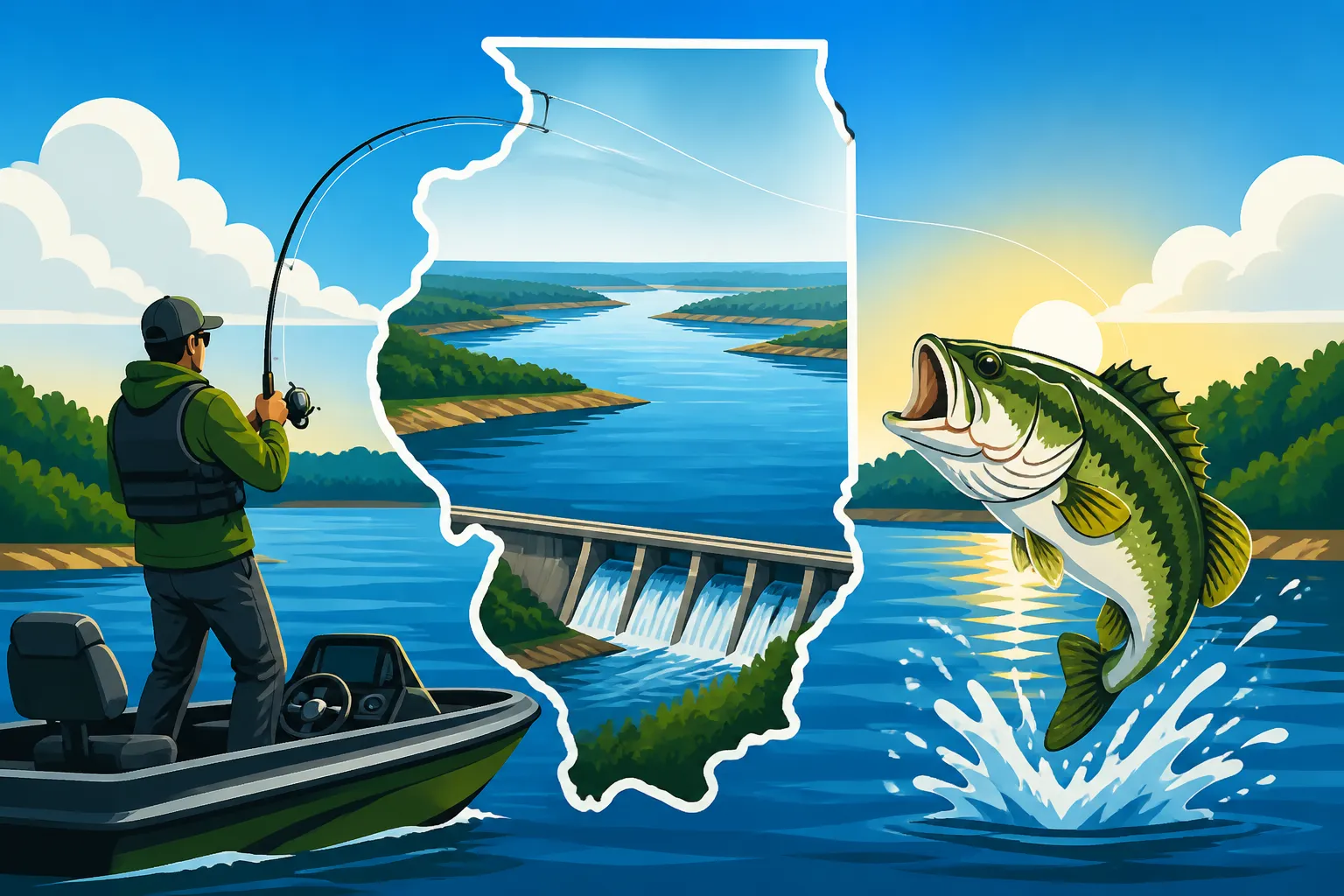
Carlyle Lake isn't just a big lake; it's Illinois's largest man-made lake, a massive reservoir covering approximately 26,000 acres at normal pool, with a whopping 82 miles of shoreline. Located primarily in Clinton County, roughly an hour east of St. Louis, this impressive body of water was created by the U.S. Army Corps of Engineers in the 1960s, primarily for flood control along the Kaskaskia River. However, its immense size and careful management have also made it one of Illinois's premier destinations for recreation, especially fishing.
The sheer scale of Carlyle Lake is something to behold. When you first arrive, whether at the Dam West Recreation Area or near the Carlyle Lake Marina, you’re immediately struck by how much water there is. For anglers, this means endless possibilities but also a unique set of challenges. It’s not a small pond where you can easily scout the entire perimeter in a day. The lake's vastness implies diverse habitats, from shallow, stump-filled coves perfect for crappie to deep, open water where white bass school up and monster catfish lurk. This diversity is what truly sets Carlyle Lake apart, offering something for almost every type of angler. It's a place where you can spend years exploring and still discover new honey holes.
Unlike smaller, more intimate lakes, Carlyle Lake's open waters can get quite choppy, especially on windy days. This is a crucial consideration for boaters and can affect fishing strategies significantly. The lake's average depth is around 10-15 feet, but it does have deeper channels, especially near the dam and along the old Kaskaskia Riverbed. These deeper areas are key for understanding fish migration and behavior, particularly during temperature changes. The lake's large size also means it warms up and cools down slower than smaller bodies of water, which influences the timing of fish spawns and feeding patterns throughout the year.
Prime Species and Best Times to Fish Carlyle Lake
Carlyle Lake is renowned for several key species that draw anglers from all over Illinois and beyond. While you can catch a variety of fish here, four species consistently steal the show: channel catfish, blue catfish, crappie, white bass, and walleye. Each offers a different fishing experience, and knowing when and where to target them is key to a successful outing.
Catfish Capital of Illinois
Carlyle Lake is arguably one of Illinois's top destinations for catfish. Both channel catfish and blue catfish thrive in its vast waters, with flatheads also present, though less common. Many anglers consider it among Illinois's Best Big Three Catfish Lakes. The lake's sprawling mud flats, submerged timber, and the old river channel provide ideal habitats for these whiskered giants.
- Channel Catfish: These are abundant throughout the lake. Early spring, as water temperatures start to climb into the 60s, marks a fantastic time to target them, especially in shallower bays and feeder creeks where they're actively feeding. During summer, they often hold around structure or in the deeper parts of the main lake. Common baits include stink baits, cut bait (like shad), and even chicken livers. For those interested in the rules, be sure to check the specific limits, as outlined in the Illinois Channel Catfish Daily Limit Explained.
- Blue Catfish: While perhaps not as numerous as channel cats, Carlyle Lake is known for producing some truly massive blue catfish, often reaching impressive sizes. They prefer deeper, open water, particularly along the old river channel. The best time to target them is often late spring through fall, using larger cut baits, whole shad, or even live perch. These fish are fighters, so bring stout tackle! Night fishing can be particularly productive for both channel and blue cats, especially during the warmer months. You can often find them patrolling the edges of the submerged channels or around deeper humps. If you're looking for advanced techniques, exploring options like trotlining or jug fishing, if permitted, can also yield big results.
Crappie Hotspots
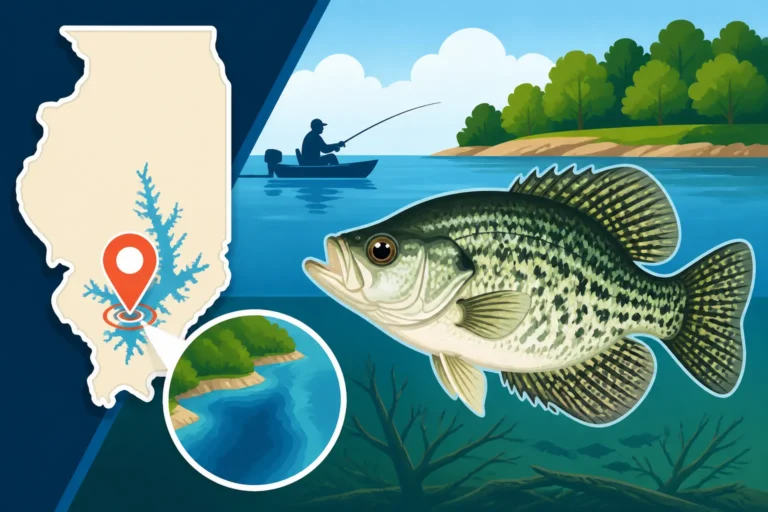
Crappie fishing on Carlyle Lake can be absolutely phenomenal, especially in the spring and fall. Both black and white crappie are present, though white crappie tend to dominate.
- Spring Crappie: This is prime time. As water temperatures hit the mid-50s to low 60s, crappie move into shallower water to spawn. Focus your efforts on areas with submerged brush, timber, and weed beds, particularly in the numerous coves and bays around the lake. Good spots include areas near Allen Branch, Peppenhorst Branch, and the flooded timber in the north end of the lake. Small jigs (1/16 to 1/8 oz) tipped with minnows or soft plastic crappie baits are deadly. You might want to check out the Illinois Crappie Spawn Season Guide for more detailed timing.
- Fall Crappie: As water temperatures cool down, crappie start schooling up again, often moving to deeper water near structure, but still accessible. Look for them holding around brush piles and creek channels at depths of 10-20 feet. Vertical jigging or slow trolling with minnows can be very effective. Carlyle Lake's extensive submerged timber provides countless hiding spots, so a good fish finder is invaluable for locating these schools.
White Bass and Walleye Opportunities
While perhaps not as famous for these as some other Illinois lakes, Carlyle Lake offers solid opportunities for white bass and, to a lesser extent, walleye.
- White Bass: These schooling fish are a blast to catch, offering fast action when you find them. They are particularly active during the spring spawn, making runs up the Kaskaskia River, and also during summer and fall when they chase baitfish in open water. Look for "jumps" where white bass are busting shad on the surface – this is a tell-tale sign of a feeding frenzy. Trolling small crankbaits or casting chrome Kastmasters, Roostertails, or small white jigs can be incredibly effective. Local guides found via services like FishingBooker can often pinpoint these transient schools.
- Walleye: While walleye populations are not as robust as in some other Illinois lakes, the IDNR does stock them, and they provide a good challenge. They prefer rocky areas, humps, and the deeper edges of the old river channel. Trolling crankbaits or jigging with live bait (minnows or nightcrawlers) are standard techniques. The fall and early spring are generally the best times to target walleye here. Remember to be aware of Illinois Walleye Size and Catch Limits before you head out.
Navigating Carlyle Lake: Access and Facilities
Getting on and around Carlyle Lake, especially for the first-timer, requires a bit of planning. Its immense size means that not all access points are created equal, and understanding the facilities available can significantly enhance your trip.
Boat Ramps and Water Access
With such a vast expanse of water, boat ramps are plentiful, but some are better suited for different conditions or boat types.
- Dam West Recreation Area: This is a popular spot, featuring multiple ramps and plenty of parking. It offers easy access to the southern end of the lake, closer to the main dam and deeper waters. This is an excellent choice for larger boats or those looking to troll for white bass or target deeper catfish.
- Allen Branch Recreation Area: Located on the western side of the lake, Allen Branch provides good access to a variety of water, including some excellent crappie coves and points. It's often a bit less crowded than Dam West on peak weekends, offering a slightly more relaxed launch experience.
- Keyesport Recreation Area: Situated on the northern arm of the lake, Keyesport offers access to some of the shallower, timber-filled areas, which can be excellent for spring crappie. The northern end of the lake tends to be muddier after heavy rains but holds abundant forage.
- Other Ramps: Numerous smaller ramps, like those at Hazlet State Park, McNair, and Boulder, dot the shoreline, providing diverse access points depending on where you want to fish. For a detailed breakdown of options, check out our guide on Best Boat Ramps on Carlyle Lake. When dealing with the challenges of big-water fishing, especially launching and retrieving, knowing the Carlyle Lake Boat Ramps for Big-Water Anglers can be invaluable.
Shore Fishing Opportunities
Even if you don't have a boat, Carlyle Lake still offers plenty of opportunities for bank anglers.
- Dam West Shoreline: The areas around the dam, including the rip-rap along the causeway and within the recreation area, provide excellent shore fishing. You can target catfish, carp, and even white bass here. There are plenty of open spaces for setting up multiple rods.
- Eldon Hazlet State Recreation Area: This state park, located on the east side of the lake, offers numerous accessible fishing piers and miles of shoreline. It's a fantastic option for families or those looking for an easy-to-access spot. Many parts of this park are mentioned in Shore Fishing Spots Around Carlyle Lake, Illinois. You'll often find bluegill, crappie, and catfish closer to shore here.
- North End Access: Smaller county roads and public lands in the northern reaches of the lake can sometimes offer impromptu bank access, particularly near bridges or causeways. Always be mindful of private property signs.
Local Amenities and Services
Carlyle Lake is a well-established recreational area, meaning you’ll find plenty of support services nearby.
- Marinas: The Carlyle Lake Marina offers fuel, bait, tackle, boat rentals, and slip rentals. This is a critical resource for boaters, especially if you’re planning a multi-day trip.
- Bait Shops: Local bait shops, like Carlyle Lake Bait & Tackle, are invaluable for local advice on what's biting, current conditions, and of course, fresh bait. They're often the first stop for experienced anglers.
- Camping and Lodging: From primitive campsites to full-hookup RV sites, and even cabins and local hotels in the town of Carlyle, there are plenty of options for overnight stays. This allows anglers to make a full weekend (or longer) out of their fishing adventure without feeling rushed.
Maximizing Your Carlyle Lake Fishing Experience
Fishing Illinois's largest man-made lake can be incredibly rewarding, but it also demands a bit more preparation and strategic thinking than smaller local ponds. Here are some essential tips to help you make the most of your time on these vast waters.
Understanding the Conditions
Carlyle Lake's size means it's heavily influenced by weather and environmental factors.
- Wind: Wind can be your best friend or your worst enemy. A good breeze can create current and oxygenate the water, often triggering bites. However, strong winds can make the lake extremely rough, dangerous for smaller boats, and difficult to fish effectively. Always check the wind forecast before heading out. Large waves can make boat control a nightmare and even pose a safety risk, so prioritize safety.
- Water Levels and Flow: As a flood control reservoir, Carlyle Lake's water levels can fluctuate. High water can flood new timber and vegetation, creating fresh fishing grounds but also making navigation tricky. Conversely, lower water levels expose structure that's normally submerged, which can either concentrate fish or push them into deeper channels. The Kaskaskia River flow through the lake also affects current, which is crucial for species like walleye and catfish.
- Water Temperature: Like any body of water, water temperature dictates fish behavior. Monitoring it, especially during transitional seasons, can help you predict where fish will be and what they'll be eating. Our guide on Water Temperature and Fish Activity Guide delves into this in detail.
Essential Gear and Techniques
Beyond your basic rod and reel, a few key pieces of gear and techniques will greatly enhance your Carlyle Lake experience.
- Boat Electronics: A reliable fish finder with GPS is almost a necessity. On such a large lake, locating submerged humps, old creek channels, and brush piles is critical. GPS allows you to mark successful spots and navigate safely. Side imaging and down imaging technologies can help you scout vast areas quickly.
- Trolling: For covering large expanses of water, especially when targeting white bass or walleye, trolling can be highly effective. Experiment with different crankbaits and depths until you find the fish. This is a common strategy employed by seasoned anglers and can be surprisingly effective for covering water efficiently.
- Heavy Tackle: For those trophy blue catfish, you'll want heavy-duty rods, reels, and line. A 7-foot medium-heavy to heavy action rod paired with a baitcasting reel spooled with 20-30 lb mono or braided line is a good starting point. This prevents you from being under-gunned when a true monster strikes.
- Live Bait: While artificial lures work, live bait often reigns supreme for many of Carlyle Lake's species. Minnows for crappie, shad or large skipjack for catfish, and nightcrawlers for walleye can make a significant difference.
The Value of Local Knowledge
No matter how much research you do, local knowledge is king on a lake as complex as Carlyle.
- Bait Shops: As mentioned, local bait shops are a goldmine of current information. They often know what specific baits are working, what areas are hot, and any recent changes in conditions.
- Fishing Reports: Online forums and local fishing reports are excellent resources. Many seasoned anglers share their insights, which can save you a lot of trial and error. You can even check services like FishingBooker, which often aggregates local guide reports and connects you with experienced captains who know the lake inside and out. They can put you right on the fish, teaching you the subtleties of fishing this impressive lake.
- Consider a Guide: For first-timers or those looking to rapidly accelerate their learning curve, hiring a local guide is an investment that pays dividends. A guide will not only put you on fish but also teach you specific techniques and locations tailored to the current conditions, making your trip on Carlyle Lake far more productive. This is especially true for an immense body of water like Carlyle, where a local guide on FishingBooker can save you days of searching.
To help you plan your next trip, here’s a quick overview of what to target and when:
| Target Species | Best Season(s) | Preferred Habitat | Common Baits/Lures |
|---|---|---|---|
| Channel Catfish | Spring, Summer, Fall | Mud flats, creek channels, submerged timber | Stink bait, cut bait, chicken liver |
| Blue Catfish | Late Spring, Summer, Fall | Deeper channels, main lake basin, humps | Large cut bait (shad, perch), live bait |
| White Crappie | Spring, Fall | Flooded timber, brush piles, shallow coves | Small jigs (minnow or plastic), live minnows |
| White Bass | Spring, Summer, Fall | Open water schools (chasing bait), river runs (spring) | Small crankbaits, chrome spoons, white jigs, Roostertails |
| Walleye | Spring, Fall | Rocky points, humps, deeper old river channel | Trolling crankbaits, jigging with minnows/nightcrawlers |
Before you cast a line, always double-check the latest Illinois Fishing Regulations Overview for Carlyle Lake, as site-specific rules can sometimes differ from statewide mandates. Familiarizing yourself with these details, as covered in topics like Why Fishing Rules Vary by Lake and River and Checking Site-Specific Rules Before Fishing an Illinois Lake, is crucial for a legal and enjoyable fishing trip.
Disclaimer
Please remember that fishing conditions, regulations, and fish behavior can change. Always consult the latest Illinois Department of Natural Resources (IDNR) fishing regulations before your trip. The information provided here is for general guidance and informational purposes only.