Illinois Lifetime Fishing License Guide
For many devoted anglers in Illinois, the thought of constantly renewing their fishing license each year can feel like an unnecessary chore, a small but persistent administrative hurdle that pulls them away from the joy of the water. This comprehensive guide is designed to illuminate the path to a simpler, more secure fishing future by exploring the Illinois Lifetime Fishing License, detailing its benefits, costs, and how it can become your ultimate angling companion.
What is an Illinois Lifetime Fishing License?
Imagine never having to think about your fishing license expiration date again. For passionate Illinois residents, the Illinois Lifetime Fishing License offers just that: a one-time investment that grants you fishing privileges for the rest of your life. It’s a declaration of your commitment to the sport and a smart way to streamline your outdoor adventures for decades to come.
Beyond the Annual Renewal Grind
The traditional Illinois fishing license operates on an annual cycle, typically running from April 1st through March 31st of the following year. This means every spring, many of us are scrambling to remember if we’ve renewed, or worse, finding ourselves lakeside, rod in hand, only to realize our license has expired. It’s a common frustration, especially when you’re eager to hit the water on the first warm day. The lifetime license entirely sidesteps this annual hassle. Once purchased, it’s yours, valid for as long as you reside in the state and beyond, as long as you maintain proper documentation. It removes the stress of remembering deadlines and ensures you're always legally ready to cast a line, whether it's for a spur-of-the-moment trip to a local pond or a planned excursion to one of the state's major reservoirs. This permanent solution truly lets you focus on the fish, not the paperwork.
Who is Eligible for a Lifetime License?
The Illinois Lifetime Fishing License isn't for everyone, and that's an important distinction. It is specifically designed for Illinois residents. To qualify, you must meet the state’s residency requirements at the time of purchase. This generally means you've lived in Illinois for a continuous period, typically 30 days, and hold an Illinois driver's license or state ID. Children can also obtain a lifetime license, provided their parents or legal guardians meet the residency requirements. It’s a fantastic way to introduce young ones to the idea of a lifelong commitment to conservation and the outdoors, setting them up with hassle-free access to fishing as they grow. While the criteria are strict about residency, they are quite inclusive for age, meaning you can secure this privilege for a newborn or an adult.
The Long-Term Vision for Anglers
Opting for a lifetime license isn't just about convenience; it's about a long-term vision for your angling journey. It signifies a deeper connection to Illinois's natural resources and a personal investment in their future. For many, fishing isn't just a hobby; it's a way of life, a stress reliever, and a connection to nature. The lifetime license aligns with this philosophy, offering uninterrupted access to the state's diverse waterways, from the mighty Mississippi River to the serene Kinkaid Lake. This commitment means you can fish freely, knowing your contribution helps support the very conservation efforts that maintain healthy fish populations and habitats across Illinois. It’s about building a legacy of fishing without the ongoing administrative burden.
The Benefits of Investing in a Lifetime License
Deciding to purchase an Illinois Lifetime Fishing License is a significant step, and it comes with a wealth of advantages that extend far beyond simply not having to renew each year. This investment offers financial benefits, unparalleled convenience, and a direct way to support the ecological health of Illinois.
Financial Savings Over Decades
Let's talk numbers, because that's often where the real appeal of a lifetime license lies. An Illinois resident annual fishing license currently costs around $15. At first glance, the lifetime price of $435.50 might seem like a hefty sum. However, when you do the math, the long-term savings become incredibly clear. If you purchase an annual license every single year for, say, 30 years, you'd spend $450. That means a lifetime license pays for itself in roughly 29 years. For a younger angler who plans to fish for 50, 60, or even 70 years, the savings can be substantial, potentially saving hundreds, if not thousands, of dollars over their lifetime. It's essentially locking in today's license price for all future years, protecting you from potential price increases down the road. You can explore the exact figures in our guide on the Illinois Lifetime Resident Fishing License Price. Think of it as prepaying for a lifetime of enjoyment at a fixed rate, a real bargain when you consider the ever-increasing cost of just about everything else.
Unmatched Convenience and Peace of Mind
Beyond the financial aspect, the sheer convenience of a lifetime license is a major draw. No more wondering when the Illinois Fishing License Year Starts on March 1, 2026 or whether you remembered to renew. No more frantic last-minute trips to the sporting goods store or fumbling with online portals when you'd rather be on the water. Once you have it, you have it. You can carry a physical card, or many anglers opt for a digital copy on their phone, easily accessible. This peace of mind means you can embrace spontaneous fishing trips without a second thought about your credentials. Imagine driving past a promising spot, pulling over, and knowing you're completely good to go. This freedom is invaluable for those who love to fish but dislike administrative tasks. For instance, many anglers keep a laminated copy in their tackle box and a digital one saved on their phone, making it foolproof. You could even purchase a small, waterproof holder for your license and other essentials from a site like Amazon to keep everything secure on the water.
Supporting Illinois Conservation Efforts
Every fishing license purchased in Illinois contributes directly to the Illinois Department of Natural Resources (IDNR) and its vital conservation programs. This includes everything from fish stocking and habitat restoration to scientific research and managing public access sites. By purchasing a lifetime license, you’re making a significant, one-time contribution that helps fund these initiatives for decades to come. This enduring support is crucial for maintaining the health and abundance of Illinois’s fisheries, ensuring that future generations can enjoy the same rich angling experiences we do today. It's a tangible way to give back to the sport and the natural environment you love, demonstrating a commitment to responsible outdoor recreation. This sustained funding helps ensure that waters like Rend Lake and Lake Shelbyville continue to be teeming with fish, and that our rivers remain vibrant ecosystems.
Illinois Lifetime License Costs and What's Included
Understanding the specifics of what you're paying for and what you get with an Illinois Lifetime Fishing License is crucial. While it covers your basic fishing privileges for life, there are still a few important nuances to consider, especially concerning additional stamps.
Breaking Down the Price Tag
As of the most recent information from the Illinois Department of Natural Resources (IDNR), the Illinois Lifetime Fishing License has a one-time cost of $435.50 for residents. This price is set to cover the administrative costs and, more importantly, to contribute to the state's fish and wildlife fund over an extended period. This fund is absolutely essential for things like maintaining fish hatcheries, stocking programs in lakes and rivers, habitat improvements, and enforcement efforts by conservation police officers. When you compare this to the yearly renewal fees, which are subject to change over time, the fixed cost of a lifetime license becomes an attractive option, especially for younger anglers who have many decades of fishing ahead of them. This upfront payment is a direct investment into the future of Illinois's fishing resources.
What the Lifetime License Covers (and Doesn't Cover)
The Illinois Lifetime Fishing License primarily covers your basic sport fishing privileges. This means you are legally allowed to fish in Illinois waters according to statewide and site-specific regulations. It covers the general act of angling for common species like bass, crappie, bluegill, and most catfish. However, it's critically important to understand that it does not cover additional stamps or permits that are sometimes required for specific types of fishing. For example, if you plan to fish for trout in an inland lake or stream that has been stocked, you will still need an Illinois Inland Trout Stamp Requirements. Similarly, if your sights are set on Chinook or Coho salmon, or certain species of trout in Lake Michigan, you'll need a Lake Michigan Salmon Stamp Requirements for Anglers. These stamps are separate purchases, even for lifetime license holders, because they fund very specific, targeted conservation and stocking programs for those particular species. It’s always best to check the current Illinois Fishing Information Guide for specific rules.
Additional Stamp Requirements Trout, Salmon
Let's delve a bit deeper into those additional stamps, as they are a frequent point of confusion for lifetime license holders. The Illinois Department of Natural Resources manages specific fisheries that require these extra permits to ensure their sustainability and fund their unique programs.
- Inland Trout Stamp: If you're heading to one of Illinois's designated trout streams or ponds that are regularly stocked with rainbow or brown trout, you'll need this stamp. These stockings often happen in spring and fall, creating exciting opportunities for anglers, but the stamp helps cover the cost of raising and transporting these fish. For example, popular trout parks like Apple River Canyon State Park and Dixon Springs State Park require this stamp during their stocking seasons. You can find detailed information in our Illinois Trout and Salmon Stamp Requirements guide.
- Lake Michigan Salmon Stamp: For those chasing the thrill of salmon and trout in the vast waters of Lake Michigan, this stamp is a must-have. It specifically supports the Lake Michigan fishery, including stocking programs for Chinook and Coho salmon, as well as various trout species. Even if you hold a lifetime license, this separate stamp is required for anyone 16 years of age or older fishing in Lake Michigan for these species. So, while your lifetime license grants you fundamental fishing access, these specialized stamps ensure that the programs supporting these unique and often costly fisheries receive the dedicated funding they need. Always make sure you have the correct stamps for the specific waters and species you intend to target.
| License Type | Eligibility | Cost (Resident) | Duration | Key Features | Additional Stamps Required? |
|---|---|---|---|---|---|
| Lifetime Fishing License | IL Resident | $435.50 | Lifetime | One-time payment, never renew again | Yes (Trout, Salmon) |
| Annual Fishing License | IL Resident | $15.00 | 1 Year | Basic yearly fishing privileges | Yes (Trout, Salmon) |
| 24-Hour Fishing License | IL Resident & Nonresident | $5.50 – $10.50 | 24 Hours | Great for short, spontaneous trips | Yes (Trout, Salmon) |
| 5-Day Nonresident Fishing License | Nonresident | $30.00 | 5 Days | Ideal for visiting anglers on a longer trip | Yes (Trout, Salmon) |
How to Purchase Your Illinois Lifetime Fishing License
Acquiring your Illinois Lifetime Fishing License is a straightforward process, but it requires careful attention to detail and proper documentation. Whether you prefer the convenience of online transactions or the personal touch of an in-person visit, the IDNR provides several avenues for securing this lifelong angling privilege.
Online, In-Person, and By Mail Options
The Illinois Department of Natural Resources (IDNR) understands that anglers have different preferences when it comes to purchasing their licenses.
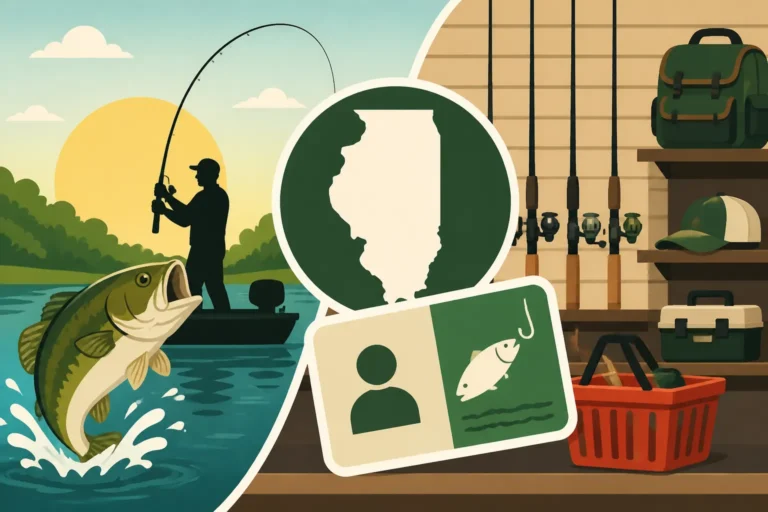
- Online: This is often the most convenient method for many. You can visit the official IDNR website, navigate to their license portal, and complete the purchase from the comfort of your home. You'll need to provide proof of residency, typically by inputting your Illinois driver's license or state ID number, and provide other personal details. The system is designed to be user-friendly, guiding you through each step. Once processed, you'll usually receive a temporary license that can be printed immediately, with the official hard card mailed to you later. This digital proof is generally sufficient while you wait for your permanent card.
- In-Person: For those who prefer direct interaction or need assistance, you can purchase a lifetime license at various vendor locations across the state. This includes many bait and tackle shops, sporting goods stores like those found in larger retail chains, and some county clerk offices. These vendors are equipped to process your application and provide you with a temporary license on the spot. It's often helpful to call ahead to confirm that a specific vendor handles lifetime licenses, as their services can vary. A good option is to check with larger retailers or dedicated fishing shops, which often have dedicated personnel to assist with license purchases.
- By Mail: While less common for lifetime licenses due to the documentation required, you can also apply by mail. This involves downloading the appropriate application form from the IDNR website, filling it out completely, attaching copies of your required documentation, and mailing it along with a check or money order for the correct amount. This method typically has the longest processing time, so if you're planning to fish soon, it might not be the best option.
No matter which method you choose, ensuring you have all your necessary paperwork ready will make the process much smoother.
Necessary Documentation and Information
To successfully purchase your Illinois Lifetime Fishing License, you'll need to provide specific documentation to prove your identity and residency. This is a critical step, as the lifetime license is a significant investment and privilege reserved for legitimate Illinois residents.
- Proof of Residency: The primary document required is your current Illinois driver's license or an Illinois State Identification Card. This establishes that you meet the residency requirements set by the state. For minors, proof of parental residency may be required.
- Personal Information: Be prepared to provide your full legal name, date of birth, current address, and possibly other identifying information like height, weight, and eye color. This information helps the IDNR accurately record your license and ensure it's uniquely tied to you.
- Social Security Number: In some cases, your Social Security Number (SSN) may be requested, especially for federal reporting purposes related to license sales. The system for buying an Illinois Fishing License Online will usually walk you through this.
- Payment: Of course, you'll need the full payment of $435.50. This can typically be paid via credit card online, or with cash, check, or money order at an authorized vendor or by mail.
Having these documents and information readily available will prevent delays in your purchase. Always double-check that all information provided is accurate and matches your official identification.
What to Expect After Purchase
Once you’ve successfully completed the purchase of your Illinois Lifetime Fishing License, the immediate next steps and what to expect are pretty consistent across all purchase methods.
- Temporary License: If purchased online or in-person, you will usually receive a temporary license immediately. This is typically a printable document or a digital file that serves as your legal fishing authority until your permanent card arrives. It’s crucial to keep this temporary license with you when fishing.
- Permanent Card by Mail: The Illinois Department of Natural Resources will then process your application and mail a durable, permanent plastic license card to your registered address. This process can take a few weeks, so patience is key. The permanent card is designed to withstand the elements and regular use, much like a driver's license.
- Record Keeping: It’s a good idea to keep a digital copy of your temporary and permanent license on your phone, perhaps saved in a cloud service or even on a dedicated SD card, for easy access. You might also consider scanning your permanent card and storing it securely on your computer. Many anglers even pick up small, waterproof wallets or cases on Amazon to protect their physical license while out on the water. This redundancy ensures you're never caught without proof of your lifetime fishing privilege.
Remember, even with a lifetime license, you are still responsible for knowing and adhering to all current Illinois fishing regulations, including Illinois Fishing Season and Catch Limit Rules and Why Fishing Rules Vary by Lake and River.
Important Considerations Before You Buy
While an Illinois Lifetime Fishing License offers incredible advantages, it's not a decision to be made lightly. There are several important factors to weigh carefully before committing, particularly concerning residency, age, and the dynamic nature of fishing regulations.
Residency Requirements and Changes
The most fundamental requirement for purchasing an Illinois Lifetime Fishing License is current Illinois residency. This means you must prove you live in the state at the time of purchase, typically with an Illinois driver's license or state ID. But what happens if your residency status changes after you’ve bought the license? This is a critical point that often causes confusion. Unfortunately, if you move out of Illinois, your Illinois Lifetime Fishing License generally becomes invalid for fishing in Illinois waters as an Illinois resident. The privilege is tied to your status as an Illinois resident. While the IDNR does not typically offer refunds or transfers if you move out of state, there can be nuances depending on specific interstate reciprocity agreements. For instance, if you move to a bordering state like Iowa, there might be specific rules about shared waters, as outlined in guides like Illinois Fishing License Reciprocity With Iowa. However, for general Illinois waters, you would typically need to purchase a nonresident license from that point forward. It’s a significant factor, especially for younger individuals who might foresee moving for college or career opportunities in the future.
Lifetime License for Minors and Seniors
The lifetime license can be a particularly appealing option for both very young and older anglers, but with different sets of considerations.
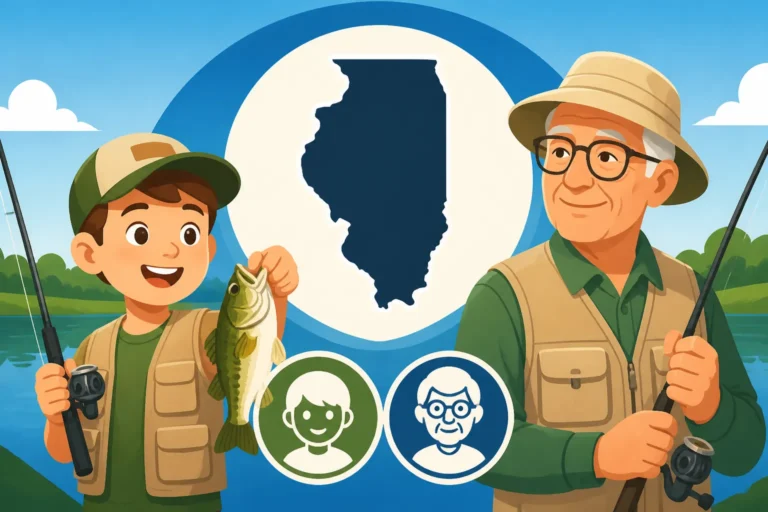
- For Minors: Purchasing a lifetime license for a child is an excellent gift, securing their fishing future at a potentially lower cost than they would pay over decades of annual renewals. It instills a sense of responsibility and connection to the outdoors from a young age. However, parents should consider the long-term residency question mentioned above. If there's a strong possibility the child will move out of Illinois as an adult, the initial investment might not yield its full value. Still, it provides uninterrupted access during their formative years, which is invaluable. For more details on age-specific rules, check out our guide on Illinois Fishing License Rules for Kids and Seniors.
- For Seniors: Illinois already offers significant discounts for senior anglers, including a Illinois Senior Fishing License Discounts for Ages 65 to 74 and a nearly free Illinois Super Senior Fishing License for Ages 75 and Up. For seniors who are already eligible for these reduced-cost annual licenses, the financial benefit of a lifetime license might be less pronounced, or even non-existent, compared to a younger angler. While the convenience of never renewing remains, the cost-effectiveness should be carefully calculated against the existing senior discounts. A person aged 65 could potentially get many years of discounted annual licenses before the lifetime license pays off, so doing the math for your specific situation is key.
Understanding Future Regulation Changes
One aspect that lifetime license holders must always remember is that while the license itself is permanent, the regulations governing fishing are not. Fishing rules, limits, and seasons are subject to change based on biological data, conservation needs, and legislative decisions made by the Illinois Department of Natural Resources. For instance, Illinois Statewide Bass Fishing Limits or Illinois Walleye Size and Catch Limits can be adjusted to protect fish populations. Your lifetime license grants you the privilege to fish, but it doesn't exempt you from adhering to current laws. This means you still need to stay informed by regularly checking the latest Illinois Fishing Information Guide or the IDNR website. Think of it like a driver's license: you have it for life, but you still need to follow new traffic laws as they are introduced. Maintaining an awareness of these changes is part of being a responsible and ethical angler, ensuring you're always fishing within legal parameters.
Comparing the Lifetime License to Other Options
Deciding on the Illinois Lifetime Fishing License isn't always a simple choice, especially given the range of other licensing options available. It’s essential to evaluate your personal fishing habits, long-term plans, and budget against the alternatives to determine which license truly makes the most sense for you.
Annual vs. Lifetime A Cost-Benefit Analysis
The most direct comparison is between the annual resident fishing license and the lifetime option. As we touched on earlier, the annual license is currently $15, while the lifetime is $435.50.
- Annual License: This is ideal for anglers who are either new to the sport, unsure about their long-term commitment to fishing, or those who might anticipate moving out of Illinois in the near future. It offers flexibility and a lower upfront cost. If you only fish sporadically, or if you only plan to fish in Illinois for a few years, the annual license is undoubtedly the more economical choice. It's also suitable for those who prefer to keep their options open or simply don't want to make a large, one-time investment.
- Lifetime License: The benefit here is clear for dedicated, long-term Illinois residents. The convenience of never renewing, the protection against future price increases, and the long-term financial savings for someone who expects to fish for many decades are compelling. For a young adult or even a parent considering a gift for a child, the lifetime license can be a brilliant investment. Over a 30-year span, the lifetime license often becomes cheaper than continually purchasing annual licenses. However, if you only fish for a few years then quit, or move away, you won't recoup your investment. It’s a commitment, but one that pays dividends for the truly passionate and consistent angler.
Short-Term Licenses for Occasional Anglers
Not every angler is a dedicated, year-round enthusiast. Many people only fish for a short period, perhaps during a family vacation, a specific tournament, or just a few times a year. For these individuals, the annual or lifetime license simply doesn't make sense.
- 24-Hour Fishing License: This is the most flexible and lowest-cost option for a quick trip. If you only plan to fish for a single day, this license (costing around $5.50 for residents or $10.50 for nonresidents) is perfect. It allows for spontaneity and ensures you're legal without overspending. This is often the Lowest-Cost Way for a Resident to Start Fishing in Illinois.
- Nonresident 3-Day Fishing License: For visitors to Illinois who plan a slightly longer fishing excursion, the nonresident 3-day license (around $19.50) offers a cost-effective solution without requiring an annual commitment. This could be ideal for a long weekend trip to explore the Best Fishing Spots in Illinois or hit some of the Illinois' Best Big Three Catfish Lakes.
These short-term options underscore the importance of aligning your license choice with your actual fishing habits. There’s no point in buying an annual or lifetime license if you realistically only cast a line once or twice a year.
Combined Fishing and Hunting Licenses
For the truly avid outdoors person, Illinois offers more than just fishing licenses. If you enjoy both angling and hunting, you might be interested in a combined option. The Illinois Department of Natural Resources offers a "Sportsman's License" which bundles both fishing and hunting privileges into a single permit.
- The Sportsman's License: This combined license is typically more cost-effective than purchasing separate annual fishing and hunting licenses individually. It offers the same convenience as an annual license, but for both pursuits. However, it’s important to note that currently, there is no lifetime combined fishing and hunting license available in Illinois. The lifetime option is solely for fishing or hunting as separate purchases.
- Considerations: If you're a serious hunter and angler, comparing the cost of an annual Sportsman's License versus an annual fishing license plus an annual hunting license is worthwhile. It simplifies your paperwork into one document, which can be quite appealing for those who participate in both activities throughout the year. For detailed information on this, refer to Combined Fishing and Hunting License Options in Illinois. This might mean you get a lifetime fishing license, but still need to renew an annual hunting license, or vice-versa, or just stick with the annual Sportsman's.
Frequently Asked Questions About the Lifetime License
Making the leap to a lifetime fishing license often brings up a host of questions that aren't always covered in the basic purchasing information. Let's tackle some of the most common concerns that anglers have about this significant investment.
What if I Move Out of State?
This is arguably the most common and important question for anyone considering a lifetime fishing license. As we touched on earlier, the Illinois Lifetime Fishing License is primarily valid only as long as you maintain Illinois residency. If you officially move out of Illinois and establish residency in another state, your Illinois Lifetime Fishing License will generally no longer grant you resident fishing privileges in Illinois. This means that if you later return to Illinois to fish, you would be required to purchase a nonresident Illinois fishing license.
For example, if you bought your lifetime license at 25, lived in Illinois until 40, and then moved to Indiana, that Illinois lifetime license wouldn't let you fish legally in Illinois unless you also held an Indiana fishing license and were fishing on boundary waters with reciprocity, like the Wabash River. Even then, the specifics of reciprocity, detailed in articles like Illinois Fishing License Reciprocity With Indiana, are about where you can fish, not necessarily about the validity of your resident-based lifetime license once you're no longer a resident. The IDNR does not typically offer refunds or transfers for lifetime licenses if your residency changes. This makes the decision particularly significant for younger individuals whose future residency plans may be uncertain.
Can I Upgrade an Existing License?
Many anglers wonder if they can "upgrade" an existing annual fishing license into a lifetime license, perhaps getting a credit for the unused portion of their current year's license. Unfortunately, the Illinois Department of Natural Resources does not typically offer a direct "upgrade" path or apply credit from an existing annual license toward the purchase of a lifetime license. The lifetime license is treated as a completely separate purchase.
This means that if you decide to buy a lifetime license halfway through your annual license year, you will essentially be paying for both for a period. Your annual license will remain valid until its expiration date (March 31st), and your lifetime license will be active from the moment of purchase. There's no pro-rated refund for the remaining months on your annual license. While this might seem like a minor inconvenience, it's something to factor into your timing. Most anglers who decide to purchase a lifetime license will do so either at the beginning of a new license year or simply accept the overlap for the convenience and long-term benefits of the lifetime option.
Is it Transferable or Refundable?
The Illinois Lifetime Fishing License is a highly personal document, tied directly to the individual who purchases it.
- Not Transferable: This license cannot be transferred to another person. It's not like a gift card that can be handed down or sold. If you purchase it for a child, it's for their lifetime, not transferable to a sibling or friend. This ensures that each license holder is a unique individual registered with the IDNR, supporting specific conservation goals.
- Not Refundable: In most circumstances, the Illinois Lifetime Fishing License is non-refundable. This means once you've made the purchase, the money is committed. This policy is standard for many lifetime government-issued permits, as the funds are quickly allocated to conservation efforts and administrative overhead. This reinforces the importance of careful consideration before purchasing. Factors like anticipated future residency changes or changes in personal interest in fishing are not typically grounds for a refund. Therefore, it's crucial to be confident in your long-term commitment to fishing in Illinois before making this significant investment.
Disclaimer
The information provided in this guide is for general informational purposes only and is subject to change. While we strive to provide accurate and up-to-date information, fishing regulations, license requirements, and costs are determined by the Illinois Department of Natural Resources (IDNR) and can be modified at any time. It is always the angler's responsibility to consult the official IDNR website and the current Illinois Fishing Information Guide for the most precise and legally binding details before engaging in any fishing activities.