Combined Fishing and Hunting License Options in Illinois
Trying to juggle separate licenses for fishing and hunting in Illinois can feel like a never-ending paper chase, making it easy to overlook expiration dates or miss out on a last-minute trip. It’s a common headache for dedicated outdoors enthusiasts who love both casting a line and venturing into the woods. This comprehensive guide will walk you through everything you need to know about Illinois's combined fishing and hunting license options, helping you simplify your outdoor adventures and ensure you're always properly licensed for both pursuits.
Understanding the Illinois Sportsman’s Combination License
For many years, if you were an avid outdoors person in Illinois, you had two distinct licenses to worry about: one for fishing and one for hunting. This often meant separate purchases, different expiration dates, and double the paperwork. The Illinois Sportsman’s Combination License was introduced to alleviate this very specific frustration, offering a streamlined solution for those who enjoy both activities. It’s designed to be a one-stop shop, consolidating your primary licenses into a single document.
What the Combination License Covers
At its core, the Sportsman's Combination License covers your fundamental resident fishing and hunting privileges for an entire license year. This means you can legally pursue most fish species in Illinois waters and hunt many game animals, provided you also meet all other specific regulations, seasons, and stamp requirements. Think of it as your foundational pass to the great outdoors here in Illinois. It simplifies the process by giving you one document to carry and one less thing to track.
For instance, with this license in hand, you’re covered for chasing largemouth bass at your favorite lake in the morning and heading to a nearby field for deer hunting in the afternoon (during the appropriate seasons, of course). It’s not just about convenience; it’s about making the entire experience more user-friendly for the dedicated sportsman or sportswoman. It's a testament to the Illinois Department of Natural Resources (IDNR) recognizing the diverse interests of its constituents and working to make regulations more accessible.
Who Benefits Most from This Option
The Sportsman’s Combination License is a fantastic choice for any Illinois resident who regularly engages in both fishing and hunting. If you find yourself buying an annual fishing license every spring and then a separate annual hunting license every fall, this combined option is likely for you. It's especially beneficial for those who are tired of managing multiple physical cards or digital documents. Imagine the relief of having just one item to present to a conservation police officer!
This license is also a boon for those who like spontaneity. Maybe a friend calls you up last minute with an open spot on a fishing trip, and you decide to take it. If you have the combined license, you don't have to scramble to check if your fishing license is current. Similarly, if a hunting opportunity arises, you’re already covered. It reduces decision fatigue and helps you maximize your time enjoying nature rather than fussing with bureaucracy.
Advantages of Choosing a Combined License
Beyond the sheer convenience, opting for a combined fishing and hunting license in Illinois brings several tangible benefits that make it a popular choice for many residents. These advantages often boil down to financial savings, reduced administrative hassle, and overall peace of mind.
Cost Savings and Financial Efficiency
One of the most compelling reasons to choose a combined license is the potential for cost savings. While the exact figures can fluctuate slightly year to year, the Sportsman’s Combination License is generally priced lower than purchasing both the Resident Annual Fishing License and the Resident Annual Hunting License separately. This makes it a financially smart move for dedicated anglers and hunters. Over time, these savings can add up, freeing up a little extra cash for new gear or more trips.
For example, let's look at a hypothetical scenario. If an Illinois Resident Annual Fishing License costs around $15.00 and a Resident Annual Hunting License costs around $15.00, purchasing both individually would set you back $30.00. However, a Sportsman's Combination License might be priced around $26.00 or $28.00, offering a direct saving. While not a massive amount, it's a clear incentive for those who know they'll utilize both privileges. You can see a detailed breakdown in the Illinois Fishing License Costs and Types guide. This financial efficiency is a huge plus for budget-conscious outdoors enthusiasts.
Streamlined Management and Renewal
The administrative burden of managing multiple licenses can be a real headache. Different expiration dates, separate renewal processes, and the risk of misplacing one document or another are common frustrations. The combined license drastically simplifies this. You have one license to track, one expiration date to remember (which is always March 31st of the following year, regardless of when you buy it), and one streamlined renewal process.
When the time comes to renew, whether you do it online, through the Go Outdoors Illinois app, or at a local vendor, you’re only dealing with one item. This eliminates the chance of forgetting to renew one while remembering the other, which could lead to being cited for Penalties for Fishing Without a License in Illinois or hunting without the proper authorization. It's a huge stress reliever, ensuring you spend less time on paperwork and more time enjoying the outdoors. Many anglers appreciate this simplicity, as it allows them to quickly prepare for the Illinois Fishing License Year Starts on March 1, 2026 without any fuss.
Convenience in the Field
Imagine being out on a combined fishing and waterfowl hunting trip. Instead of fumbling through your wallet for two different licenses, you have one card that covers both. This convenience is invaluable, especially when approached by a conservation police officer who needs to verify your credentials. A single, clear document makes the interaction quick and efficient, getting you back to your activities faster.
This ease of access also extends to digital proofs. Many anglers and hunters opt to carry their license digitally on their phone. With a combined license, you only have one PDF or digital image to keep track of. This modern approach to license management is just another way the combined option makes your outdoor life easier. When preparing for a trip, having all your necessary legal documents in one spot, alongside your organized gear (perhaps some items you picked up on Amazon), creates a smoother experience.
Eligibility and Requirements for Combined Licenses
While the combined license offers many benefits, it's important to understand who is eligible and what additional requirements might apply to ensure you're fully compliant with Illinois regulations. Not everyone automatically qualifies, and certain age and residency stipulations are in place.
Illinois Residency and Age Criteria
The Illinois Sportsman’s Combination License is exclusively available to Illinois residents. This is a crucial distinction. Non-residents, unfortunately, cannot purchase this combined option and must instead acquire separate non-resident fishing and hunting licenses if they wish to participate in both activities within the state. Establishing residency typically means living in Illinois for a continuous period, usually 30 days, prior to applying for the license.
In terms of age, Illinois has specific rules for both fishing and hunting. Generally, residents under the age of 16 do not need a fishing license. However, to hunt, there are different age requirements and hunter safety certification needs. A combined license is typically sought by adults who meet the general age requirements for both. For example, anyone 16 years or older needs a fishing license, and generally, hunters must be 10 years or older to purchase a hunting license, with specific rules for those under 16 requiring a supervising adult. You can find more details in our guide on Illinois Fishing License Rules for Kids and Seniors.
Mandatory Safety Education and Stamps
Just because you have a combined license doesn't exempt you from other mandatory requirements, particularly for hunting. All hunters, regardless of age, must pass an approved Hunter Safety Education Course unless they are exempt (e.g., born before January 1, 1980). This course covers firearm safety, wildlife identification, hunting ethics, and more. This certification is crucial and must be completed before you can legally hunt in Illinois.
Furthermore, many specific hunting and fishing activities require additional stamps or permits beyond the basic license. For instance, if you plan on hunting waterfowl, you'll need a State Migratory Waterfowl Stamp and a Federal Migratory Bird Hunting and Conservation Stamp. If you’re targeting trout or salmon in certain waters, you’ll need an Illinois Trout and Salmon Stamp Requirements. These stamps are purchased in addition to your combined license and are not included within its base price. Understanding these "extra stamp fees" is vital for comprehensive compliance.
Purchasing Your Combined Sportsman’s License
Getting your hands on an Illinois Sportsman’s Combination License is a straightforward process, thanks to various purchasing avenues available to residents. The IDNR has made it relatively easy to acquire your licenses, whether you prefer the convenience of online shopping or a more traditional in-person experience.
Online Purchase Through Go Outdoors Illinois
The most popular and often most convenient method for purchasing any Illinois fishing or hunting license, including the combined option, is online through the Go Outdoors Illinois website. This platform is available 24/7, meaning you can buy your license at any time, day or night, from the comfort of your home. You'll need a valid email address, your Illinois driver's license or state ID number, and a credit or debit card.
The process is simple: navigate to the Go Outdoors Illinois site, select "Licenses/Permits," choose the "Resident Sportsman's Combination" option, fill in your personal details, and complete the payment. Once purchased, you'll receive a digital copy of your license via email, which you can print or save to your mobile device. This instant access means you can be out on the water or in the field almost immediately. This method is also ideal for Renewing an Illinois Fishing License Online when your existing license approaches its expiration.
In-Person at License Vendors
For those who prefer a more personal touch or need assistance, combined licenses can also be purchased in person at numerous authorized license vendors across the state. These vendors include many bait shops, sporting goods stores like Cabela's or Bass Pro Shops, and some county clerk offices. They typically have staff on hand who can guide you through the purchase process and answer any immediate questions.
When purchasing in person, remember to bring your Illinois driver's license or state ID for proof of residency and age. While many vendors accept cash, credit, or debit cards, it's always a good idea to confirm payment methods beforehand. This option is particularly helpful if you need to buy additional stamps or permits, as the vendor can often help you ensure you have everything required for your specific outdoor activities. Finding a local bait shop that sells licenses can be a great way to also get some local fishing tips and stock up on gear.
Essential Stamps and Permits to Consider
While the Sportsman's Combination License covers your basic fishing and hunting privileges, Illinois, like many other states, requires additional stamps or permits for specific activities or species. Understanding these additional requirements is crucial to avoid violations and ensure you're fully legal for every type of outdoor pursuit.
Fishing-Related Stamps: Trout and Salmon
For dedicated anglers, the most common additional stamp to be aware of is the Illinois Inland Trout Stamp and the Lake Michigan Salmon Stamp. If you plan to fish for trout in any of the state's designated trout waters (which are often stocked by the IDNR) or pursue salmon and trout in Lake Michigan, these stamps are mandatory. Your basic combined license does not cover these specific fisheries.
For instance, if you're planning a spring trout fishing trip to Rock Creek or an autumn excursion to Apple River Canyon State Park, you'll need an Illinois Inland Trout Stamp Requirements. Similarly, if your sights are set on Chinook or Coho salmon in the big lake, the Lake Michigan Salmon Stamp Requirements for Anglers is a must-have. These stamps directly contribute to the conservation and stocking programs that support these popular fisheries, so they're an important part of maintaining these opportunities.
Hunting-Related Stamps: Waterfowl, Deer, and Turkey
Hunters will encounter a broader range of potential additional stamps and permits. The most common include:
- Illinois State Migratory Waterfowl Stamp: Required for hunting ducks, geese, and other migratory waterfowl. This is separate from the Federal Duck Stamp, which is also mandatory for waterfowl hunting.
- Deer Permits: Illinois has specific permits for deer hunting, typically categorized by season (archery, firearm, muzzleloader) and often specific to certain counties or hunting zones. These are often awarded through a lottery system for certain seasons.
- Turkey Permits: Similar to deer, wild turkey hunting also requires specific permits, usually for spring or fall seasons, and often tied to specific hunting zones.
Each of these permits or stamps serves a critical role in managing specific wildlife populations and funding conservation efforts. It's imperative that hunters research and acquire all necessary stamps and permits well in advance of their chosen season. Failing to do so can result in significant fines and legal issues, as detailed in our guide on Illinois Fishing Regulations Overview.
Drawbacks and Important Considerations
While the combined license offers undeniable advantages, it's not a one-size-fits-all solution, and there are situations where it might not be the most economical or practical choice. Being aware of these considerations can help you make an informed decision about your licensing needs.
Not Always the Cheapest Option
For the occasional outdoors enthusiast, buying a combined license might not always be the most cost-effective solution. If, for example, you only fish once a year on a special occasion and only hunt during a single short season every few years, the combined annual license might be more expensive than purchasing a specific short-term license when you need it. Illinois offers various short-term options, such as the Illinois Resident 24-Hour Fishing License Cost or a non-resident 3-day fishing license.
Consider a scenario where you're primarily a hunter but only fish during the Illinois Free Fishing Days and License-Free Weekends in June, which do not require a license. In this case, purchasing an annual hunting license separately would be cheaper than the combined sportsman's license, as you wouldn't be utilizing the fishing portion enough to justify the cost. Always calculate your anticipated usage of both activities before committing to the combined option.
Specific Exemptions and Age-Related Rules
Illinois has various exemptions for certain individuals, such as very young anglers or super seniors, who may not need a general fishing license or might qualify for significantly reduced rates. For instance, residents who are 65-74 years old qualify for Illinois Senior Fishing License Discounts for Ages 65 to 74, and those 75 and over have an even greater discount with the Illinois Super Senior Fishing License for Ages 75 and Up. Children under 16 generally don't need a fishing license at all.
If you fall into one of these exempt or discounted categories for one activity but not the other, the combined license might negate your potential savings on the exempt activity. For example, if you're a super senior who needs a hunting license but not a fishing license, buying the separate hunting license would be your best bet, as the combined license would include the fishing portion you don't need (and wouldn't receive a discount on). Always double-check your individual eligibility for exemptions before making a purchase.
Comparison Table: Individual vs. Combined Licenses (Resident)
To help visualize the difference, here's a comparison of typical costs for individual annual licenses versus the combined option for an Illinois resident (note: prices are illustrative and can change; always check current IDNR rates).
| License Type | Estimated Individual Cost | Covered Activities | Best For |
|---|---|---|---|
| Resident Annual Fishing | $15.00 | Fishing | Anglers who only fish |
| Resident Annual Hunting | $15.00 | Hunting | Hunters who only hunt |
| Sportsman's Combination | $28.00 | Fishing AND Hunting | Residents who do BOTH regularly |
| Resident Lifetime Fishing | $435.00 (one-time) | Lifetime Fishing | Dedicated anglers looking for long-term value |
| Resident Lifetime Hunting | $435.00 (one-time) | Lifetime Hunting | Dedicated hunters looking for long-term value |
| Resident Lifetime Sportsman's | $765.00 (one-time) | Lifetime Fishing & Hunting | Avid outdoors enthusiasts for life |
This table clearly illustrates the financial incentive for choosing the combined annual license if you participate in both fishing and hunting. It's a modest saving, but a saving nonetheless, especially when you factor in the reduced hassle. The lifetime options, while a larger upfront investment, offer significant long-term value for truly passionate individuals, as explored in the Illinois Lifetime Fishing License Guide.
Reciprocity and Boundary Water Considerations
For those who fish or hunt near Illinois's borders, understanding license reciprocity and boundary water rules is incredibly important. A combined Illinois license generally only applies to Illinois waters and lands, but there are exceptions, particularly on shared waterways.
Fishing on Shared Rivers and Lakes
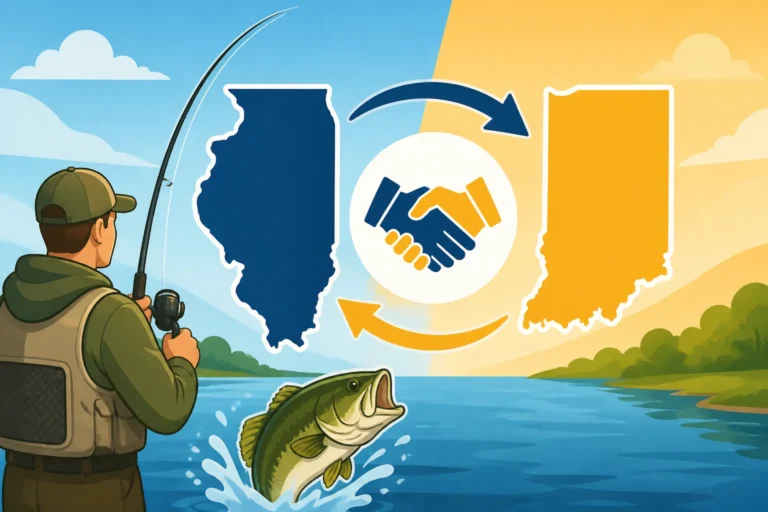
Illinois shares significant waterways with several neighboring states, including the Mississippi River (with Iowa, Missouri, and Wisconsin) and the Wabash River (with Indiana). The general rule of thumb is that your Illinois fishing license is valid on the main stem of these rivers if you are fishing from the Illinois side or within the main channel. However, this can get complicated.
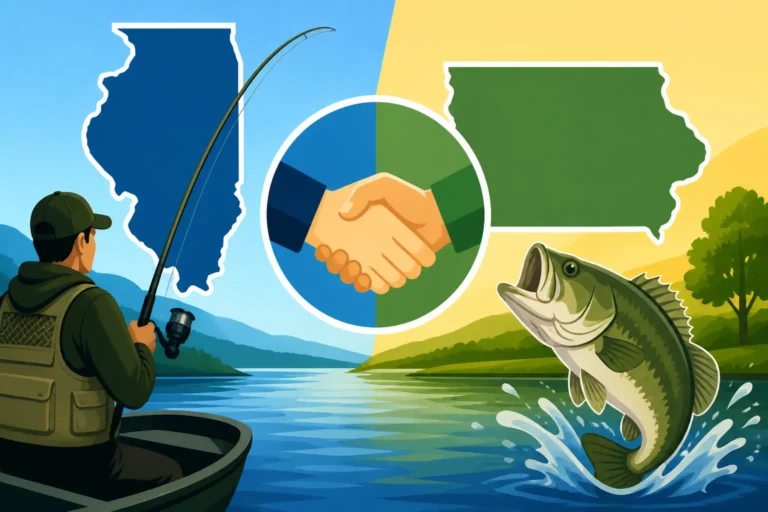
For instance, Illinois Fishing License Reciprocity With Iowa and Illinois Fishing License Reciprocity With Missouri means that an Illinois resident with a valid Illinois fishing license can often fish the Mississippi River bordering these states without needing their respective state's license, provided they stay within the main channel and follow Illinois regulations. However, if you venture into backwaters, tributaries, or land on the opposite bank, you might need the other state's license. Always check the specific reciprocity agreements for your intended fishing spot, as these rules can be intricate and vary by water body. The IDNR website or its annual digest provides detailed maps and explanations for these specific boundary waters.
Hunting Across State Lines
Unlike fishing on shared waterways, hunting regulations are much stricter and rarely have reciprocity agreements across state lines. Your Illinois hunting privileges, including those covered by a combined license, are valid only within the boundaries of Illinois. If you plan to hunt in a neighboring state, even if it's just across a river or property line, you must purchase the appropriate non-resident hunting license for that specific state.
There are no shortcuts here; each state has its own wildlife management programs, seasons, and licensing structures. Attempting to hunt in another state with only your Illinois license would be a serious violation. This strict adherence to state boundaries highlights why a combined Illinois license is only effective for your activities within Illinois. Always plan ahead if your hunting adventures take you beyond Illinois's borders.
Disclaimer
The information provided in this guide is intended for general informational purposes only and does not constitute legal advice. Fishing and hunting regulations in Illinois are subject to change and vary by species, location, and season. It is the responsibility of every angler and hunter to consult the most current Illinois Department of Natural Resources (IDNR) regulations, official digests, and local ordinances before engaging in any fishing or hunting activity. Failure to comply with all applicable laws and regulations can result in penalties and fines.