Illinois Yellow Perch Fishing: Where and When to Go
Ah, the humble yellow perch! If you're an angler in Illinois, you might have heard tales of these feisty, delicious fish, or perhaps you've stumbled upon a few while chasing crappie. Many folks struggle to consistently locate these schooling fish or know the best times to target them, leaving them to accidental catches. This comprehensive guide will equip you with all the knowledge on where and when to find Illinois yellow perch, along with the best methods to fill your cooler.
Understanding Illinois Yellow Perch: Identification and Habitat
Before we dive into the "where and when," it's super helpful to really know your quarry. Yellow perch might seem straightforward, but understanding their subtle characteristics and preferred hangouts will give you a significant advantage out on the water. Trust me, mistaking a small white bass for a perch can be a real bummer when you're dreaming of a perch fry!
Identifying Yellow Perch: What to Look For
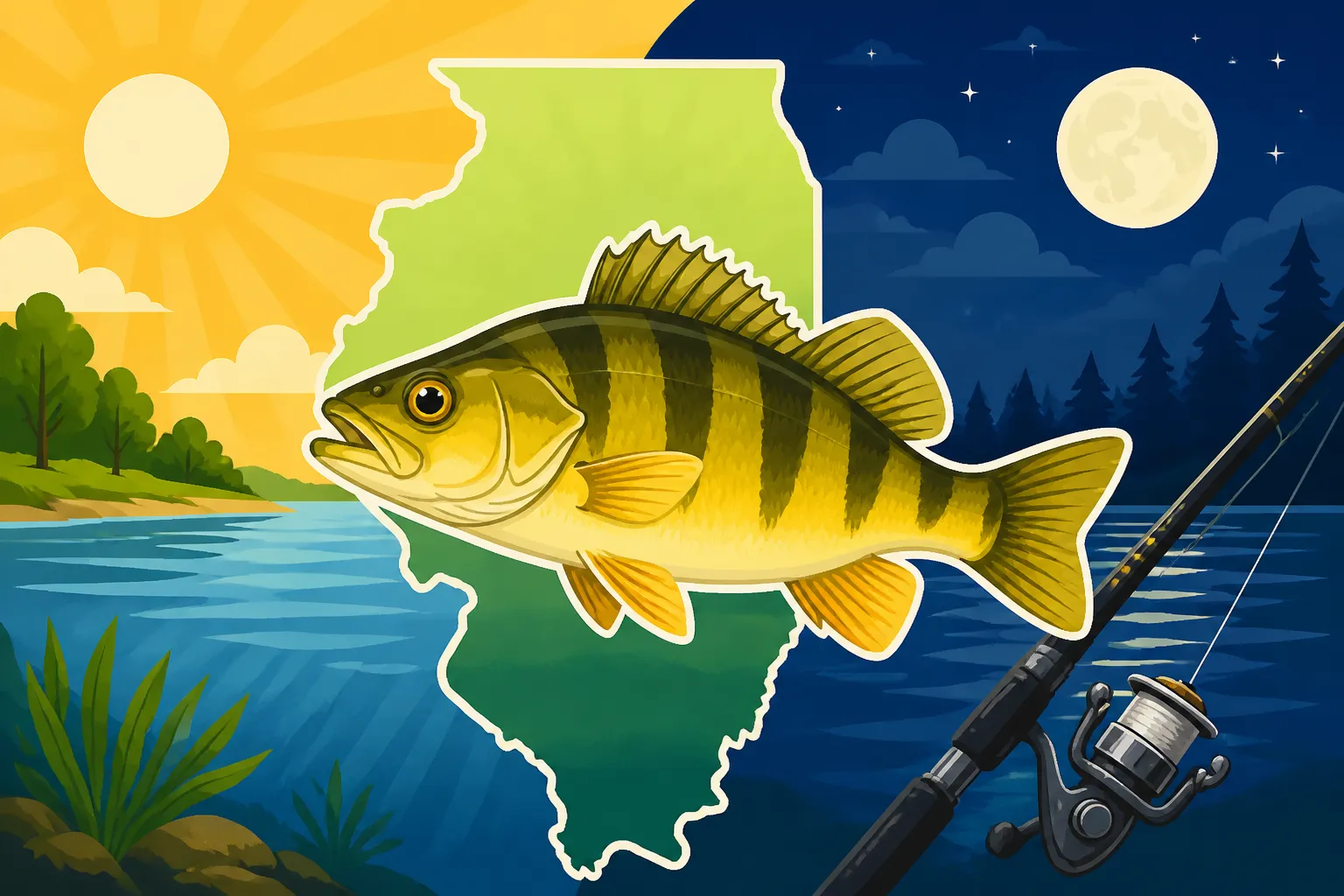
Yellow perch are pretty distinct once you know what you're looking for, but they do share some similarities with other panfish. The most tell-tale signs are their overall color and markings. They typically have a brassy, greenish-yellow body with six to eight dark, vertical bars running down their sides. These bars usually extend from their back down to their belly, fading as they reach the lighter underside. Their fins are often bright orange or reddish, especially the lower fins, which really pops against their darker body.
Another key identifier is their two dorsal fins. The first dorsal fin is spiny and has a darker blotch on the trailing edge, while the second dorsal fin is soft-rayed. Their mouth is relatively small compared to a largemouth bass, which tells you a lot about the kind of bait they prefer – think small! They don't typically grow to monstrous sizes in Illinois, with most catches ranging from 6 to 10 inches. Anything over 12 inches is considered a real trophy, so if you land one, make sure to snap a picture! Knowing these features will help you quickly distinguish them from a Yellow Bass Fishing in Illinois: Where and When to Go or even a small walleye, especially in murky water.
Preferred Habitats: Where Perch Love to Hide
Yellow perch are social creatures, usually found in schools, which means if you find one, you're likely to find more! They are pretty adaptable but definitely have preferences. They thrive in cooler, clear to moderately turbid water with plenty of structure. Think weed beds, submerged timber, rock piles, drop-offs, and even man-made structures like docks and bridge pilings. These spots offer them both ambush points for feeding and protection from larger predators.
In lakes, you'll often find them congregating near the bottom, especially along deeper breaks where they can easily move up into shallower water to feed. During the warmer months, they tend to seek out deeper, cooler water, but they'll follow baitfish into shallower areas, particularly during dawn and dusk. In rivers, they'll favor slower currents, backwater areas, and oxbow lakes where they can escape the main flow and find calmer feeding grounds. They're not usually fans of strong currents, so focus your efforts on eddies, bends, and areas behind obstructions that break the flow.
Top Illinois Yellow Perch Fishing Locations
Illinois is home to some fantastic yellow perch fishing opportunities, but not all waters are created equal. While many smaller lakes and ponds might hold a decent population, a few select bodies of water really stand out as prime perch destinations. Knowing these hotspots can save you a lot of time and effort in your pursuit of these tasty panfish.
Lake Michigan: The Premier Perch Destination
Without a doubt, Lake Michigan is Illinois's crown jewel for yellow perch fishing. The sheer size and depth of the lake, combined with its abundance of forage, create an ideal environment for perch to thrive and grow. Anglers flock to the Lake Michigan shoreline, particularly the harbors and nearshore structures, when the perch bite heats up. Areas like the Chicago lakefront, including harbors such as Montrose, Belmont, and Jackson Park, are legendary for their perch runs. Further north, Waukegan Harbor and other similar structures can also offer incredible action.
The key to Lake Michigan perch fishing is understanding their movements. They often school up in large numbers and can be found near piers, breakwaters, and even close to shore. During certain times of the year, particularly spring and fall, massive schools move into shallower areas, making them accessible to shore anglers. Boat anglers often target them slightly deeper, using electronics to pinpoint schools holding near the bottom or around submerged structures. Keep an eye on local fishing reports, as the perch bite on Lake Michigan can be very localized and change quickly based on weather and water conditions. Landing a big Lake Michigan perch is a rite of passage for many Illinois anglers, and the taste is unparalleled.
Inland Lakes and Ponds: Hidden Gems for Perch
While Lake Michigan gets most of the glory, many smaller inland lakes and even some larger reservoirs across Illinois also hold healthy populations of yellow perch. These spots might not produce the sheer numbers or size of Lake Michigan, but they can offer fantastic fishing, especially for those looking for a quieter experience or closer-to-home options. Lakes with good aquatic vegetation and clear water are often excellent candidates.
Consider bodies of water like Clinton Lake Fishing Guide or potentially parts of Lake Shelbyville Fishing Guide. These larger reservoirs often have diverse habitats, from shallow flats with submerged grass to deeper channels and drop-offs where perch can retreat. Smaller state park lakes or even well-managed private ponds can also be surprisingly good. The trick with these inland spots is often a bit more reconnaissance. Look for areas with weed lines, brush piles, or old submerged timber. Many local bait shops can offer invaluable insights into specific inland lakes known for their perch. Sometimes, the most rewarding perch fishing comes from discovering a lesser-known local hotspot.
River Systems: Finding Perch in Current
Yellow perch can also be found in certain river systems throughout Illinois, though they typically prefer areas with slower currents or backwaters. They aren't generally found in the main channel of fast-flowing rivers like some catfish or walleye, but rather seek refuge in calmer pockets. Look for them in oxbow lakes, sloughs, and quiet coves connected to major rivers. The Illinois River Fishing Guide and even parts of the Mississippi River, particularly its backwater areas, can hold perch.
When fishing rivers for perch, focus on areas with natural protection from the current, such as behind islands, sandbars, or large log jams. Tributary mouths where smaller streams flow into the main river can also be productive, as these often create slower water and bring in additional food sources. Perch in river systems might be a bit more scattered than in lakes, but when you find a concentration, the fishing can be excellent. Pay close attention to water clarity and current speed; clearer, slower-moving water is generally more favorable for perch. You'll often find them sharing these calmer riverine habitats with Illinois Black Crappie Fishing in Backwater Sloughs and bluegill.
Best Times to Target Yellow Perch in Illinois
Timing is everything when it comes to fishing, and yellow perch are no exception. While you can catch them year-round, certain seasons and even times of day will offer significantly better chances of success. Understanding these patterns will help you plan your trips effectively and maximize your catch rate.
Seasonal Breakdown: Spring, Summer, Fall, Winter
Yellow perch exhibit distinct seasonal movements and feeding patterns that every angler should know.
- Spring (Pre-Spawn & Spawn): This is arguably one of the best times to target yellow perch. As water temperatures rise into the 40s and low 50s Fahrenheit, perch move into shallower areas to spawn. This pre-spawn and spawning period sees them actively feeding and concentrated, making them easier to locate. Look for them in 2-10 feet of water near weed beds, submerged brush, and rocky shorelines. The spawn itself is a relatively short window, but the pre-spawn feeding frenzy is fantastic.
- Summer: As waters warm up, perch often move deeper, seeking cooler temperatures and stable oxygen levels. You'll find them in 15-30 feet of water or more, especially in larger lakes like Lake Michigan. They'll still orient to structure, like deep weed edges, drop-offs, and humps. Early mornings and late evenings can still bring them shallower for feeding, but during the bright midday sun, they'll usually be in the deeper, cooler zones. This is when a good fish finder from Amazon can really pay off to locate those deeper schools.
- Fall: Another prime time for yellow perch. As water temperatures begin to cool, perch become incredibly active, fattening up for winter. They'll often move back into shallower to mid-depth ranges (10-25 feet), following schools of baitfish. This can be a fantastic time for both boat and shore anglers, especially on Lake Michigan, as the fish are aggressive and eager to bite. Look for them around the same types of structures they used in spring, just potentially a bit deeper.
- Winter (Ice Fishing): Illinois offers fantastic ice fishing opportunities for yellow perch, particularly on inland lakes and Lake Michigan's harbors when conditions allow. Perch remain active under the ice, often schooling in basins or along deep weed lines. Jigging small spoons or minnow-tipped jigs through the ice can be incredibly productive. Best Ice Fishing Species for Panfish and Walleye often includes perch due to their cooperative nature. Just remember to always prioritize ice safety!
Daily Patterns: Dawn, Dusk, and Mid-Day Action
Like many fish, yellow perch have daily feeding patterns influenced by light levels and the activity of their prey.
- Dawn and Dusk: These low-light periods are often the most productive times for yellow perch. As the sun rises or sets, perch are less visible to predators and their prey becomes more active. They'll often move from deeper holding areas into shallower feeding flats during these times, making them accessible to a wider range of anglers. If you're planning a trip to the Chicago Pier Spots for Lake Michigan Salmon to chase perch, these hours are your best bet.
- Mid-Day: During bright, sunny midday hours, especially in summer, perch typically retreat to deeper, darker water or seek dense cover. They can still be caught, but you'll often need to work harder, presenting baits directly to their hiding spots. Vertical jigging over deep structure from a boat or targeting shady spots on shore can yield results, but the bite is generally slower than during low-light conditions.
- Night: While not as commonly targeted at night as some other species like catfish, perch can be caught after dark, especially in areas with artificial lights. Dock lights or pier lights attract baitfish, which in turn attract perch. However, for most anglers, dawn and dusk remain the most productive times for dedicated perch fishing.
Weather and Water Conditions: Reading the Environment
Yellow perch are sensitive to changes in their environment, and understanding how weather and water conditions affect them can greatly improve your success.
- Stable Weather: Generally, stable weather patterns with consistent temperatures and barometric pressure are best for fishing. Perch tend to be more predictable and actively feeding.
- Cold Fronts: Just like other fish, perch can get lockjaw after a strong cold front passes through. The rapid drop in temperature and pressure can make them lethargic. When this happens, slow down your presentation, use smaller baits, and focus on deeper, more stable water where they might retreat.
- Water Clarity: Perch prefer clear to moderately stained water. In extremely muddy conditions, their sight-feeding ability is impaired, and they can be harder to locate and entice. After heavy rains, wait for the water to clear up a bit before targeting them.
- Wind: A moderate chop on the water can actually be beneficial, as it breaks up the surface, making it harder for predators to spot perch, and can concentrate baitfish. However, extreme winds can make boat control difficult and create uncomfortable fishing conditions. Always consider safety first!
Essential Gear and Techniques for Illinois Yellow Perch
Catching yellow perch effectively requires a refined approach. While they aren't typically line-shy giants, they do respond best to lighter tackle and specific presentations. Having the right tools and knowing how to use them will make all the difference between a few nibbles and a full stringer.
Rods, Reels, and Line: Keeping it Light
For yellow perch, the name of the game is light tackle. You want to feel those subtle bites and have fun fighting these spirited panfish without overpowering them.
- Rods: A light to ultralight spinning rod, typically 5 to 6.5 feet long, is ideal. The sensitive tip will allow you to detect the often gentle perch bite, while the backbone provides enough power to handle a decent-sized fish. Look for rods with a fast action, meaning the tip bends easily but the rest of the rod remains stiff, giving you excellent feel and quick hook sets. You can find some excellent options for a Best Beginner Bluegill Fishing Setup that will also work perfectly for perch.
- Reels: Pair your light rod with a small spinning reel, typically a 500 or 1000 size. These reels are lightweight, balance well with ultralight rods, and have a smooth drag system essential for light lines.
- Line: Go light on the line! 2 to 4-pound test monofilament or fluorocarbon is perfect. Fluorocarbon offers lower stretch and better abrasion resistance, which can be advantageous in clear water or around sharp structures. If you prefer braided line, use 6-8 pound test with a 2-4 pound fluorocarbon leader for stealth. This light line is crucial for casting small baits and detecting those finicky bites.
Baits and Lures: What Perch Can't Resist
Yellow perch are opportunistic feeders, but some baits and lures are consistently more effective than others.
- Live Bait: This is often the undisputed king for perch.
- Minnows: Small minnows, especially fatheads or shiners, are incredibly effective. Hook them lightly through the lips or just behind the dorsal fin.
- Worms: Redworms, wax worms, and pieces of nightcrawlers are also excellent. A small piece of worm on a tiny hook can be irresistible.
- Grubs/Larvae: Spikes, mealworms, and other insect larvae are tiny, natural, and highly attractive to perch. You can often find these at local bait shops or through Amazon in the fishing section.
- Artificial Lures:
- Jigs: Small jigs (1/32 to 1/8 ounce) tipped with a small plastic grub, tube, or a piece of live bait are deadly. Experiment with colors like white, chartreuse, pink, and black.
- Blade Baits: Small blade baits, like those used for walleye, can be very effective, especially when jigged vertically in deeper water.
- Small Spoons: Tiny Kastmasters or similar spoons, jigged through the water column, imitate injured baitfish. Great for both open water and ice fishing.
- Soft Plastics: Tiny soft plastic grubs, worms, or creature baits on a small jig head can also entice bites.
Effective Fishing Techniques: Jigging, Drifting, and Ice Fishing
How you present your bait is just as important as what bait you're using. Yellow perch respond well to active presentations.
- Jigging: This is perhaps the most versatile and effective technique. Whether from a boat, shore, or through the ice, jigging involves repeatedly lifting and dropping your bait. The motion simulates a struggling baitfish or insect, triggering strikes. Keep the jigs subtle, with short, quick lifts and pauses. This works exceptionally well when you've located a school of fish.
- Drifting/Slow Trolling: From a boat, drifting slowly with the wind or current, or using a trolling motor at a very slow speed, can be productive. Use a simple rig with a small sinker, a swivel, and a leader ending in a small hook with live bait. Let the bait trail behind the boat, covering ground until you find a school.
- Bobber Fishing: For shore anglers or when fishing shallow weed lines, a slip bobber rig is perfect. Set your bobber stop so your bait is suspended just above the bottom or at the depth you're marking fish. A small split shot a foot or so above the hook will help get your bait down. This is an excellent way to fish for Illinois Bluegill Fishing: Best Bait and Where to Go and perch alike, especially for beginners or kids.
- Ice Fishing: When ice fishing for perch, vertical jigging is key. Use small tungsten jigs tipped with wax worms or minnow heads, or small spoons. Work the entire water column until you find the depth the perch are holding. A portable fish finder can be invaluable here to locate schools under the ice.
Illinois Yellow Perch Regulations and Conservation
Understanding and adhering to fishing regulations isn't just about avoiding a fine; it's about ensuring healthy fish populations for future generations of anglers. Illinois has specific rules for yellow perch, and they can vary by water body, so always do your homework before you cast a line. Penalties for not following the rules can range from getting a citation for Penalties for Fishing Without a License in Illinois to much more serious consequences for exceeding limits.
Statewide Regulations: Size and Daily Limits
For most waters in Illinois, yellow perch are generally managed with a statewide daily creel limit, meaning the maximum number of fish you can keep per day. Historically, there often isn't a statewide minimum size limit for yellow perch, allowing anglers to keep smaller panfish. However, specific regulations, especially concerning Lake Michigan, can be much stricter due to the higher fishing pressure and the desire to protect the population.
It's critical to remember that these regulations are subject to change. Always consult the most current Illinois Department of Natural Resources (IDNR) Fishing Information Guide. This guide, which usually covers a period like Illinois Fishing Information Guide Covers April 2026 Through March 2027, is your go-to resource for all legal fishing requirements. You can usually find it online on the IDNR website or pick up a physical copy at bait shops and sporting goods stores.
Site-Specific Rules: Always Check Before You Go
While statewide regulations provide a baseline, many major Illinois fishing destinations, especially Lake Michigan and larger inland reservoirs, often have site-specific rules that supersede or add to the general regulations. These site-specific rules are put in place by the IDNR to manage fish populations more precisely based on the unique characteristics of that particular body of water.
For example, Lake Michigan often has more stringent daily limits for yellow perch, and sometimes even minimum size restrictions, to ensure the long-term health of that prized fishery. Other lakes might have "no harvest" regulations for certain species or modified daily limits. Before heading out to your chosen fishing spot, take a few minutes to check the IDNR guide specifically for that lake, river, or harbor. A quick search for the specific body of water on the IDNR site will typically give you all the information you need, preventing any surprises or unintentional violations. Remember, ignorance of the law is not an excuse!
Here's a generalized table highlighting typical differences (always check current IDNR guide!):
| Regulation Type | Typical Statewide Rule | Potential Lake Michigan Rule |
|---|---|---|
| Minimum Size | No minimum size (most waters) | Often a minimum size (e.g., 8-inch) |
| Daily Creel Limit | Generous (e.g., 25 fish per angler) | Stricter (e.g., 15 fish per angler) |
| Possession Limit | Same as daily limit | Often same as daily limit |
| Seasons | Open year-round | Open year-round |
Practicing Sustainable Perch Fishing
Beyond simply following the rules, every angler has a role to play in conservation. Yellow perch are a vital part of Illinois's aquatic ecosystems and a popular sport fish. Practicing ethical and sustainable fishing methods helps ensure that these populations remain healthy for future generations.
- Only Keep What You'll Eat: While daily limits allow for a certain number of fish, consider keeping only what you and your family can reasonably consume. Releasing healthy fish, especially larger breeding adults, helps maintain the population.
- Handle Fish Carefully: If you plan to release a fish, handle it gently with wet hands to protect its slime coat. Minimize its time out of the water.
- Respect Length and Creel Limits: These limits are scientifically determined to protect the fishery. Adhering to them is crucial.
- Report Violations: If you witness illegal fishing activity, such as exceeding limits or fishing without a license, report it to the IDNR. These actions undermine conservation efforts.
- Clean Up Your Trash: Always pack out everything you pack in, and leave no trace of your visit. This protects the environment and wildlife.
By understanding where yellow perch live, when they're most active, how to catch them, and how to protect them, you're well on your way to enjoying some of the best panfishing Illinois has to offer. Good luck out there, and tight lines!
Disclaimer
This article is for general informational purposes only and does not constitute professional advice. Laws, prices and regulations vary by location and change over time. Consult a qualified professional for guidance on your specific situation.