Best Ice Fishing Species for Panfish and Walleye
When the crisp Illinois air settles in and the lakes turn to glass, a unique kind of angling adventure begins: ice fishing. For many, the idea of sitting out on a frozen lake might seem daunting or even a little crazy, but I promise you, it's a deeply rewarding experience that taps into a completely different side of fishing. This guide is here to demystify hardwater angling, specifically focusing on the most sought-after species – panfish and walleye – and how you can find success and make the most of those chilly days on the ice.
Why Ice Fishing in Illinois is a Winter Angler's Dream
There's something truly magical about ice fishing. It strips away a lot of the complexity of open-water fishing, boiling it down to a focused, intimate interaction with the underwater world. You're not covering miles in a boat; you're often targeting a specific spot, sometimes just a few feet by a few feet, and relying on your understanding of fish behavior beneath the ice.
The Unique Thrill of Hardwater Angling
The quiet solitude on a vast, frozen lake can be incredibly peaceful. You might be tucked away in a small portable shelter, watching your sonar screen intensely, or simply feeling for the subtlest tap on your ultra-light rod. It's a sport that demands patience but rewards it with some of the most consistent action you can find in the winter months. There's a real sense of community too; on popular lakes, you'll see entire "villages" of ice shanties popping up, with anglers sharing tips, stories, and the occasional warm drink. It’s a chance to connect with fellow enthusiasts and enjoy the winter landscape in a way few others do.
What makes it so thrilling is the surprise factor. One minute you're gently jigging, the next your rod tip plunges, and you're battling a fish just feet below the surface. The fight, amplified by the short rod and close quarters, is exhilarating. It’s not just about catching fish; it’s about experiencing nature in a season when many people retreat indoors. The sense of accomplishment from successfully harvesting fish from under a blanket of ice is truly something special, making those cold fingers and toes completely worth it.
Embracing the Cold for Hot Action
I get it, the thought of bundling up and heading out into the biting wind can be a major deterrent. But with the right gear and a smart layering strategy, embracing the cold becomes part of the adventure. The truth is, beneath that icy crust, life goes on. Fish are still actively feeding, and often, their behavior becomes more concentrated and predictable compared to their open-water counterparts. They tend to school up in specific depths and relate to certain structures more reliably in the colder water.
The colder water also means the fish are often in prime condition, with firm, delicious flesh. You'll find that once you get set up and start getting bites, the cold fades into the background, replaced by the excitement of the chase. Modern ice shelters, heaters, and specialized clothing have made ice fishing more comfortable and accessible than ever before. It's not about enduring the cold; it's about being prepared for it, so you can focus on the fishing. You'll be amazed at how quickly you warm up once you're hauling in fish.
Panfish: Your Winter Staple for Consistent Bites
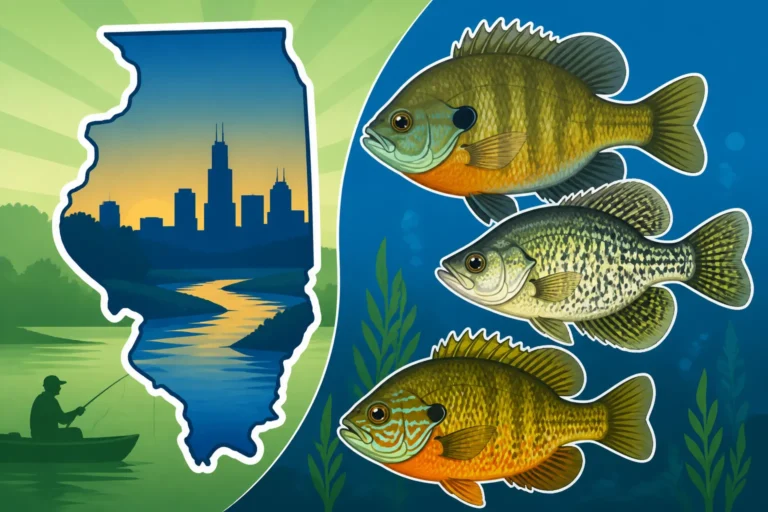
When it comes to ice fishing in Illinois, panfish are often the stars of the show. Crappie, bluegill, and yellow perch are abundant, relatively easy to locate, and provide non-stop action, making them perfect targets for both seasoned ice anglers and newcomers. Their willingness to bite, even in frigid temperatures, makes them a reliable source of winter fun and a fantastic meal.
Crappie: The Slabs Beneath the Ice
Crappie are perhaps the most sought-after panfish through the ice, known for their generous size and delicious fillets. In winter, these "slabs" tend to suspend in deeper basins, often schooling up tightly near submerged timber, brush piles, or old weed lines. They don't typically hug the bottom, so you'll often find them suspended anywhere from 5 to 20 feet down, even in 30 feet of water. A good fish finder is invaluable for locating these schools. Once you find one, you're often in for a treat!
The key to crappie through the ice is finesse. Small jigs, typically 1/32 to 1/16 ounce, tipped with a small minnow (often called a "rosy red" or "crappie minnow"), a wax worm, or a tiny plastic tail, are deadly. A slow, subtle jigging action is usually all it takes to entice a bite. Watch your line closely, as crappie bites can be incredibly light, sometimes just a slight "mush" or an upward tick. Popular Illinois crappie lakes like Rend Lake, Lake Shelbyville, and Carlyle Lake offer fantastic winter crappie opportunities. You can learn more about finding them in different conditions by checking out How to Catch Crappie in Backwater Lakes and Sloughs.
Bluegill: Feisty Fighters on Light Tackle
Bluegill might be small, but they pack a punch, especially on ultra-light ice fishing gear. They are incredibly aggressive for their size and provide constant entertainment on the ice. While crappie often suspend, bluegill in winter tend to relate more to bottom structure and remaining weed growth, especially in shallower bays or along subtle break lines where weeds meet open water. Look for them in depths ranging from 5 to 15 feet. They're often found in large schools, so if you catch one, there are likely many more nearby.
For bluegill, think small and subtle. Tiny tear-drop jigs, micro-spoons, or small plastic bugs, tipped with a single wax worm, spike, or mousie, are incredibly effective. Their bites are often a rapid tap or a steady pull. The challenge and fun come from feeling those subtle takes and setting the hook on such a small, feisty fish. It's a great way to introduce kids to ice fishing because the action can be so consistent. You'll want to explore options like Best Bait for Bluegill Fishing to maximize your chances.
Perch: A Tasty Treat from the Depths
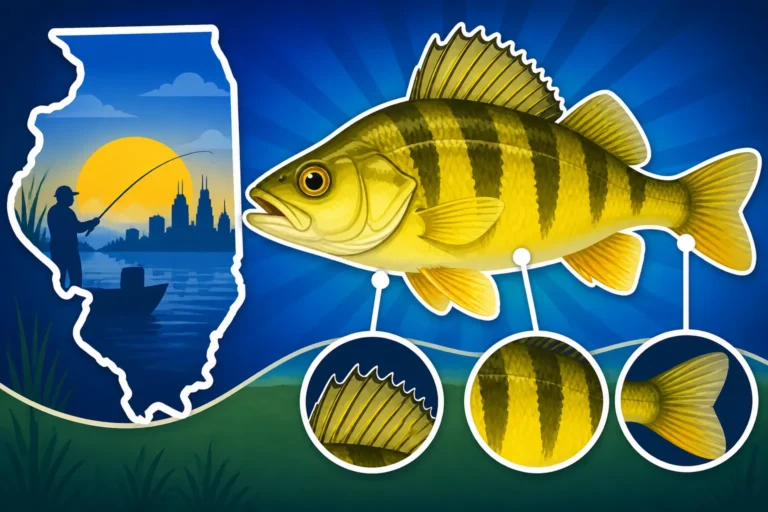
Yellow perch are another panfish favorite, especially known for their delicious, flaky white meat. These distinctively striped fish are schooling predators that tend to roam open water over mud flats or hang around the edges of deeper channels and transition areas. They can be found in various depths, from shallow weed beds early in the season to deeper humps and basins as winter progresses. Many anglers target perch on Lake Michigan or larger inland lakes, where they can grow to impressive sizes.
When targeting perch, slightly larger jigs or spoons than those used for bluegill can be effective. Small jigging spoons, blade baits, or a dead-sticked minnow are excellent choices. Tipping your presentation with a live minnow head or a piece of larvae can significantly increase your bites. Like crappie, perch often travel in schools, so once you find them, you can often stay on them for a while. Their distinctive sharp tugs on the line are unmistakable, making for exciting catches. They provide a great change of pace from crappie and bluegill and are well worth seeking out.
Walleye: The Elusive Winter Trophy
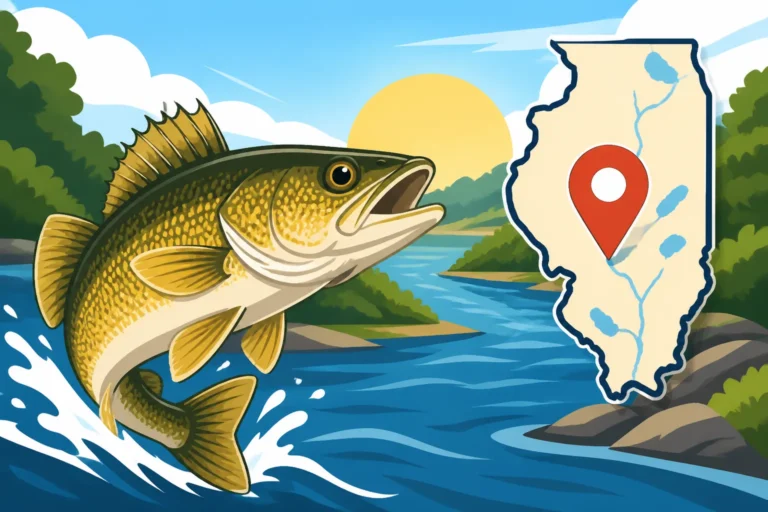
While panfish offer quantity, walleye offer quality. These highly prized game fish are a significant challenge through the ice, but the reward of landing a toothy "eye" in winter is unparalleled. They are known for their keen eyesight and finicky nature, which only adds to the allure for serious anglers.
Cracking the Walleye Code on Ice
Walleye are ambush predators, and their behavior under the ice is often characterized by periods of inactivity followed by aggressive feeding windows. They tend to stick to specific structures: rocky points, humps, sharp drop-offs, and areas with current, especially in river systems. Finding walleye requires patience, persistence, and often a bit of detective work. Unlike panfish, you might not catch a dozen in an hour, but each walleye landed feels like a true trophy.
Their prime feeding times often occur during low light conditions – dawn, dusk, and even after dark. This is when their superior low-light vision gives them an advantage over their prey. Don't be discouraged by a slow start; walleye fishing is a marathon, not a sprint. Knowing where to start looking is half the battle; consider places like Best Walleye Spots in Illinois You Might Be Missing for some proven locations.
Preferred Baits and Techniques for Walleye
When it comes to ice fishing for walleye, you'll typically be using slightly heavier gear than for panfish. Jigging spoons like a Rapala Jigging Rap, Northland Forage Minnow, or a Swedish Pimple are excellent. Blade baits, such as a Vibrato or a Rippin' Rap, also work wonders, especially for drawing in fish from a distance. Tipping these lures with a minnow head or a full minnow often seals the deal. Dead sticking a live minnow under a tip-up or a slip bobber in a separate hole nearby is also a popular and effective strategy.
Active jigging involves lifting and dropping your lure with varying cadences, trying to mimic a fleeing baitfish. Sometimes a subtle quivering motion is best, other times an aggressive snap. Experimentation is key to figuring out what the walleye want on any given day. Persistence is your best friend when chasing these elusive fish through the ice.
Key Locations for Illinois Walleye Through the Ice
Illinois offers several fantastic locations for ice-bound walleye. Larger, deeper lakes with good structure, as well as portions of the Mississippi River and Illinois River, are prime grounds. On big reservoirs like Lake Shelbyville or Clinton Lake, look for walleye along main lake points, submerged humps, and deep edges of old creek channels. Areas near current, like bridge pilings or natural constrictions in river systems, can also concentrate walleye during winter.
The Mississippi River, particularly its northern Illinois stretches, is renowned for its walleye and sauger fishing. Anglers often target sloughs, backwaters, and main channel current breaks. Be extra cautious on river ice, as current can create unpredictable thickness. Always check local conditions and ice reports before heading out. For a detailed look at walleye opportunities, consult guides like Illinois Walleye Fishing Season on the Mississippi River. Specific spots on these larger bodies of water, even subtle changes in bottom contour, can hold significant numbers of walleye.
Essential Gear and Safety for Ice Fishing Success
Successful and safe ice fishing hinges on having the right equipment and understanding crucial safety practices. Don't skimp on either – your comfort and well-being depend on it. Investing in quality gear not only enhances your experience but also ensures you're prepared for the elements.
Must-Have Tackle for Winter Species
Having the right rods, reels, and terminal tackle makes all the difference. For panfish, think ultra-light setups with sensitive rod tips to detect those subtle bites. Rods in the 24-30 inch range with a light action are perfect, paired with a small spinning reel spooled with 2-4 pound test monofilament or fluorocarbon. For walleye, a medium-light to medium action rod, 28-36 inches long, with a slightly larger reel and 6-8 pound test line, will handle the stronger fights. When you're ready to stock up, sites like Amazon offer a huge selection of specialized ice fishing gear, from tiny tungsten jigs to specific ice fishing lines designed for cold temperatures.
Beyond rods and reels, an auger is indispensable for drilling holes. Manual augers are great for panfish in thinner ice, but a power auger (gas, propane, or electric) will save you a lot of effort if you're drilling many holes or dealing with thick ice. Electronics, like a flasher or a portable fish finder, are game-changers, allowing you to see your lure, detect fish, and understand depths. Many ice anglers find these devices, easily found on Amazon, to be their most valuable tool for locating fish. Don't forget an ice scoop to clear slush from your holes and a bucket for your catches. A simple tackle box with an assortment of small jigs, spoons, wax worms, and minnows rounds out your essential fishing gear. For a deeper dive into the specifics, check out Illinois Ice Fishing Gear Basics.
Layering Up for Comfort and Safety
Dressing appropriately is paramount for an enjoyable and safe ice fishing trip. Forget about thick, bulky sweaters; the key is layering. Start with a moisture-wicking base layer (merino wool or synthetic) to keep sweat away from your skin. Add a warm mid-layer like fleece or down for insulation, and finish with a waterproof and windproof outer shell. A good quality insulated hat, gloves or mittens, and insulated, waterproof boots are non-negotiable. Many anglers swear by ice fishing-specific bibs and jackets that offer superior insulation and protection from the elements, often with built-in flotation.
Ice safety is critical. Always check the ice thickness regularly with a spud bar as you walk out. The general rule of thumb is at least 4 inches of clear, solid ice for foot travel, but more is always better, especially if you're bringing a shelter or gear. Carry ice picks around your neck – they are lifesavers if you break through. A throw rope is also a smart addition to your gear. Fishing with a buddy is always a good idea, and inform someone of your plans and expected return time. Even on seemingly solid ice, conditions can change rapidly, so vigilance is always required. Remember, no fish is worth risking your life over.
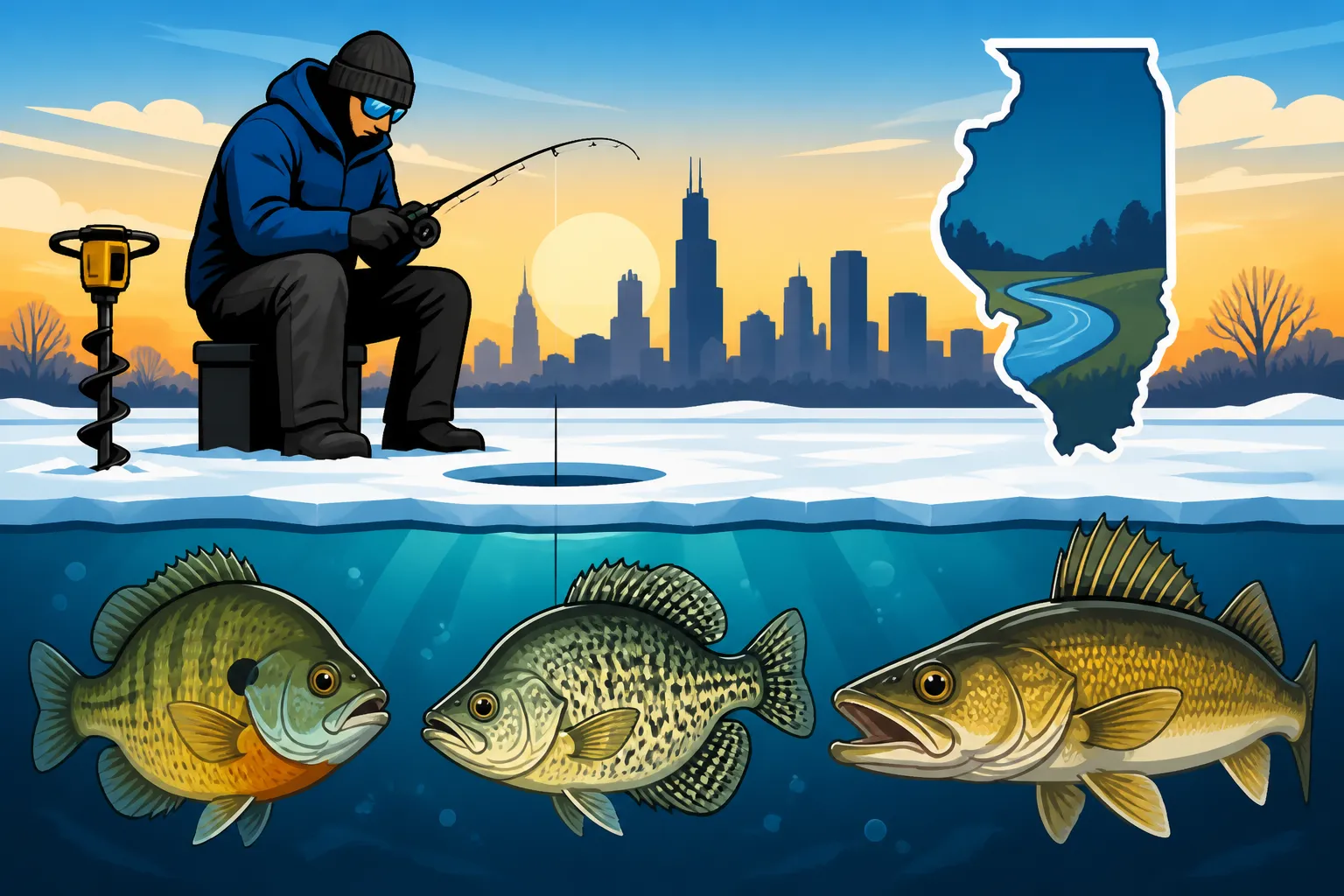
Here's a quick comparison of our target ice fishing species:
| Feature | Crappie | Bluegill | Walleye |
|---|---|---|---|
| Typical Size | 8-15 inches | 6-10 inches | 15-25 inches+ |
| Winter Location | Suspended in deeper basins, structure | Bottom-oriented, weed edges, shallow bays | Rocky points, humps, drop-offs, current |
| Preferred Baits | Small jigs, minnows, wax worms, plastic tails | Tiny jigs, wax worms, spikes, larvae | Jigging spoons, blade baits, minnows |
| Bite Intensity | Light "mush" or subtle tick | Quick taps, steady pull | Aggressive thump, often subtle at first |
| Action Level | Often good numbers once found | High volume, consistent action | Fewer bites, but high reward |
| Difficulty | Moderate | Easy | Challenging |
Fishing in Illinois during winter, particularly for panfish and walleye, is an incredibly rewarding experience that offers a unique perspective on the sport. Whether you're chasing the constant action of bluegill, the delicious slabs of crappie, or the elusive trophy walleye, the hardwater season provides opportunities for memorable catches and tranquil moments on the frozen landscape. Just remember to prioritize safety, layer up, and be patient, and you'll soon discover why so many anglers eagerly await the ice-over each year.
Disclaimer
This article is for general informational purposes only and does not constitute professional advice. Laws, prices and regulations vary by location and change over time. Consult a qualified professional for guidance on your specific situation.