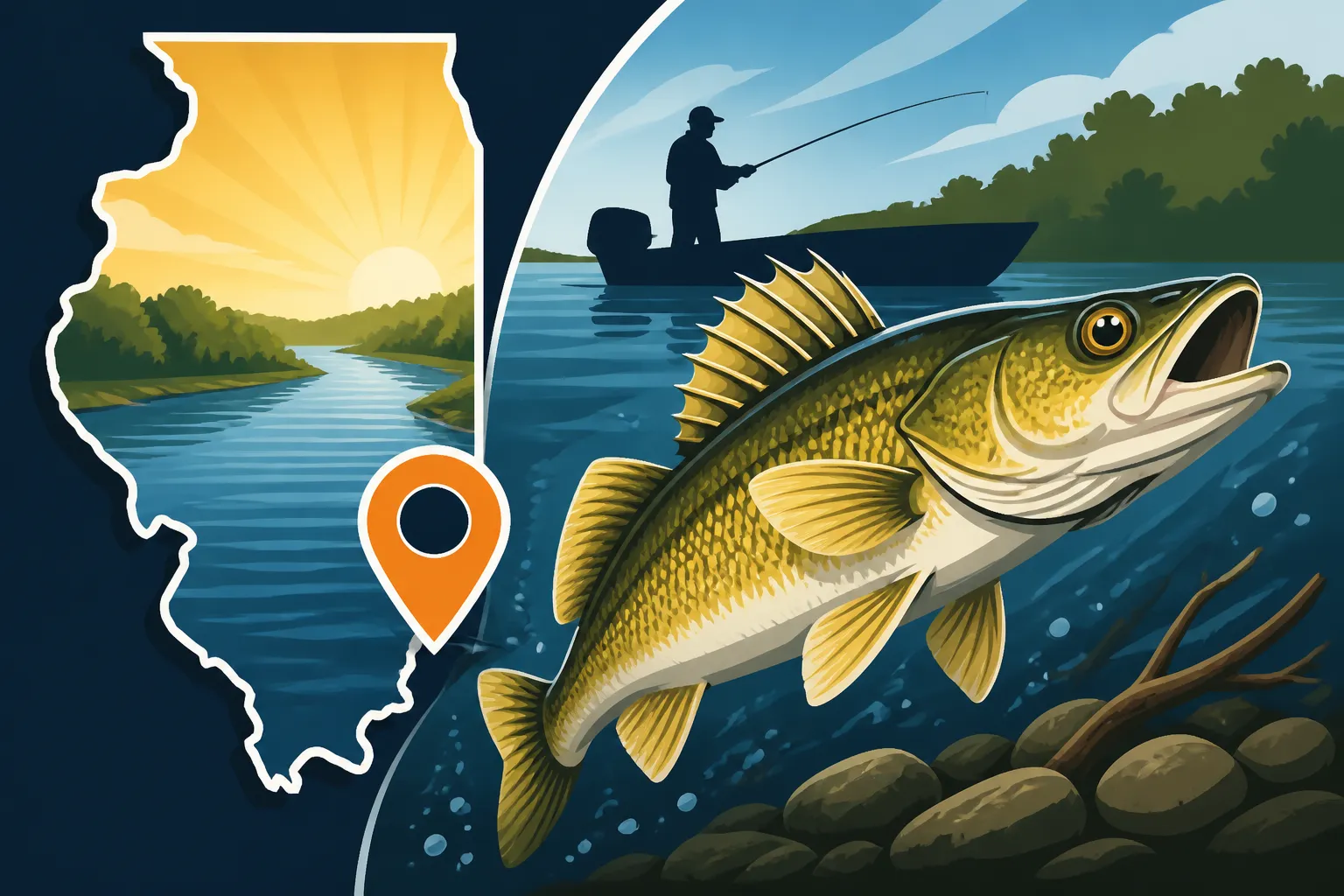
Best Walleye Spots in Illinois You Might Be Missing
Many anglers in Illinois yearn for the thrill of hooking a walleye, but often feel like these prized fish are always just out of reach, or only available in a few heavily pressured spots. The truth is, Illinois holds a surprising number of productive walleye fisheries that many anglers overlook, offering fantastic opportunities if you know where to look and what strategies to employ. This comprehensive guide will reveal some of the best walleye spots you might be missing and equip you with the knowledge to make your next walleye hunt a success.
The Challenge of Finding Illinois Walleye and Why They're Worth the Hunt
Let's be honest, walleye aren't as prevalent or as easy to catch in Illinois as, say, largemouth bass or crappie. They're often called "ghosts of the lake" for a reason, known for their elusive nature and finicky biting habits. This can lead to a lot of frustration for anglers who spend hours casting without a single strike, wondering if they're in the right place or using the right techniques. But don't let that deter you! The reward of landing a beautiful, tasty walleye is absolutely worth the challenge, and with a little insight, you can significantly improve your odds.
Understanding Walleye Preferences and Patterns
Walleye are cold-water predators that thrive in cooler, deeper water, often seeking out areas with structure like submerged humps, rock piles, ledges, or weed lines. They are primarily nocturnal feeders, which means dawn, dusk, and even night fishing can be incredibly productive, although they will bite during the day, especially in stained or choppy water. Their diet consists mainly of smaller baitfish like shad, perch, and minnows, so presenting baits that mimic these forage species is key. Understanding these basic preferences is the first step in unlocking their whereabouts.
During different seasons, walleye behavior shifts dramatically. In spring, they move into shallower areas to spawn, often congregating in rivers or near rocky shorelines. As summer heats up, they retreat to deeper, cooler water, often suspending over baitfish schools. Fall sees them becoming more active again as they feed heavily in preparation for winter, moving into shallower feeding flats during low light. Knowing these patterns helps you anticipate where they might be, which is crucial for targeting them effectively in specific Illinois waters.
Common Misconceptions About Illinois Walleye Fisheries
One of the biggest misconceptions is that you have to go to Lake Michigan for decent walleye fishing in Illinois. While Lake Michigan does offer excellent opportunities, particularly for larger migratory walleye, it's far from the only game in town. Many anglers also believe that Illinois' warmer, shallower lakes aren't suitable for walleye, but this isn't always true. While some lakes are indeed less ideal, others are actively stocked by the Illinois Department of Natural Resources (IDNR) and maintain healthy, self-sustaining populations.
Another common myth is that you need specialized, expensive gear to catch walleye. While advanced electronics and trolling setups can certainly help, many successful walleye anglers use standard bass or panfish tackle, adapted slightly for the species. It's more about presentation and timing than having the fanciest equipment. With the right information, you can dispel these myths and discover accessible, productive walleye fishing close to home.
Unearthing Productive Walleye Waters in Northern and Central Illinois
Northern and Central Illinois offer a diverse range of walleye habitats, from sprawling rivers to man-made reservoirs. While some spots are well-known, others fly under the radar, yielding surprising results for those willing to explore.
The Consistent Action on the Mississippi River
The mighty Mississippi River, especially its northern Illinois stretches, is an absolute powerhouse for walleye. It's a vast system, which can be intimidating, but understanding its structure helps immensely. Walleye here often relate to current breaks, wing dams, main channel borders, and deep holes. Pools 12, 13, and 14, around towns like Galena, Savanna, and Fulton, are particularly renowned for their consistent walleye fishing. The river also holds a strong population of sauger, a close cousin of the walleye, and the two are often caught in the same areas. For a detailed comparison, check out our guide on Illinois Walleye vs Sauger vs Saugeye: Key Differences.
During the spring and fall, targeting the Mississippi River's main channel and its numerous wing dams can be incredibly productive. Vertically jigging with a lead head jig and a plastic grub or live minnow is a classic technique. As the water warms in summer, walleye might move to deeper scour holes or congregate around bridge pilings, seeking cooler water and current. Don't overlook the myriad of backwater areas either, as they can hold surprising numbers of fish during periods of stable water levels, especially when seeking refuge from strong currents.
Surprising Opportunities in the Illinois River System
Just like the Mississippi, the Illinois River is a fantastic, yet often overlooked, walleye fishery, especially in its central and upper pools. The Starved Rock Pool and the Peoria Pool are particularly noted for their walleye populations. Here, walleye often hold in deeper holes, around bridge abutments, and along the edges of current seams. Early spring and late fall are prime times, as walleye concentrate before and after their spawning runs.
Trolling crankbaits along the main channel edges or casting jigs into current breaks near navigation dams can yield impressive results. Live bait rigs, such as a slip-bobber with a minnow or a jig-and-minnow combination, are also highly effective, particularly when fish are less aggressive. If you're looking for an excellent guide service to explore these productive waters, consider looking up local charters through a platform like FishingBooker, where experienced captains can put you on the fish. They often have real-time knowledge of where the walleye are biting.
Lesser-Known Lakes and Reservoirs
While the big rivers get a lot of attention, several smaller lakes and reservoirs in Central Illinois offer excellent, though perhaps less publicized, walleye fishing. Lake Bloomington and Evergreen Lake near Bloomington-Normal are two such examples. These lakes are regularly stocked and feature good populations of walleye that often relate to deep structure. Submerged roadbeds, points, and humps are prime targets.
Another gem is Lake Vermilion in Danville. This lake, too, receives regular walleye stockings and can produce some truly impressive fish. Anglers often find success here by trolling deep-diving crankbaits or by vertically jigging spoons and blade baits over deep structure. These smaller lakes might not have the sheer volume of the rivers, but they can offer less crowded conditions and equally rewarding catches for those who put in the effort. For tips on specific locations and species, you might consult resources like Illinois Walleye Stocked Lakes: Where IDNR Puts Fish Each Year.
Southern Illinois Walleye: Beyond the Usual Spots
Southern Illinois is known more for its bass and crappie fisheries, but dedicated walleye anglers can find success in several lakes that often don't see the same walleye fishing pressure as their northern counterparts.
Kinkaid Lake's Hidden Potential
Kinkaid Lake, near Murphysboro, is most famous for its muskellunge and largemouth bass, but it also harbors a healthy, often overlooked, walleye population. The lake’s clear waters and abundant forage, combined with its deep, rocky structure, provide an ideal habitat for walleye. Spring and fall are prime seasons, with walleye often congregating around the lake’s many points, humps, and submerged timber.
Anglers targeting walleye on Kinkaid often find success by trolling deep-diving crankbaits along main lake points or by slow-jigging blade baits and spoons over submerged rock piles. Night fishing can be particularly effective, especially around full moon periods when walleye become more active in shallower feeding areas. It’s a rewarding challenge, and Kinkaid’s diverse structure means there's always a new spot to explore.
Rend Lake's Evolving Walleye Scene
Rend Lake, one of Illinois' largest man-made lakes, is synonymous with crappie and bass, but its walleye fishery has been steadily improving and growing over the past few years, thanks to consistent stocking efforts. While not yet a trophy walleye destination, it offers plenty of eating-sized fish and some decent larger ones for persistent anglers. Walleye here often relate to the main lake points, roadbeds, and riprap areas, especially during low-light conditions.
Fishing for walleye on Rend Lake can be different from other waters due to its often turbid nature. Brightly colored crankbaits, spinner rigs with nightcrawlers, and jigs tipped with soft plastics or live minnows are all productive. Focus your efforts around areas with slight current or wind-blown points, as these can concentrate baitfish and, subsequently, walleye. Don't be afraid to cover a lot of water by trolling until you find a productive pattern. For a more general overview of this excellent fishing spot, you can check out the Rend Lake Fishing Guide for Illinois Anglers.
Other Productive Small Lakes
Beyond Kinkaid and Rend, smaller Southern Illinois lakes like Lake of Egypt and Little Grassy Lake also receive periodic walleye stockings and can provide surprising opportunities. Lake of Egypt, known for its warm water discharge, can hold active walleye even during colder months, though they tend to relate to the deeper, cooler sections during summer. Little Grassy Lake offers clear water and good structure for those willing to work for their fish.
These lakes might require a bit more detective work, focusing on electronic fish finders to locate schools of baitfish and the walleye lurking beneath. Try fishing deep points, ledges, and drop-offs during the day, transitioning to shallower flats and humps during dawn, dusk, and night. When planning a trip to a new or lesser-known body of water, it can be incredibly helpful to consult local fishing reports or even book a trip through a service like FishingBooker to get direct insights from local guides who fish these waters regularly.
Gearing Up and Techniques for Maximizing Your Walleye Success
Catching walleye, especially in waters where they aren't the primary target species, often comes down to having the right gear and employing effective techniques. You don't need a huge boat or an arsenal of expensive rods, but some specific choices can make a world of difference.
Essential Tackle and Lure Choices
When it comes to walleye, versatility is key. A medium-light to medium power spinning rod, around 6'6" to 7' long, paired with a reliable 2500 or 3000 series spinning reel spooled with 6-10 lb test fluorocarbon or braid with a fluorocarbon leader, will handle most situations. For deeper water or heavier current, a medium-heavy baitcasting setup might be more appropriate. For specific recommendations, our guide on Best Rods and Reels for Illinois Anglers might be a good starting point.
Lure selection depends heavily on the conditions.
- Jigs: Lead head jigs (1/8 oz to 1/2 oz, depending on depth and current) tipped with a live minnow, a plastic grub (like a Berkley Gulp! Minnow or a Mister Twister Grub), or a paddle tail swimbait are perennial walleye favorites. Chartreuse, white, black, and natural baitfish colors are often top producers.
- Crankbaits: Deep-diving crankbaits (e.g., Rapala Shad Raps, Berkley Flicker Shads, Walleye Divers) are excellent for trolling or casting to cover deep water and structure. Shallow-running models can be effective in shallower areas during low light. Consider colors like firetiger, perch, shad, and clown.
- Live Bait Rigs: A simple slip-sinker rig with a lively minnow, nightcrawler, or leeches is incredibly effective, especially when walleye are sluggish. Finesse techniques often outperform aggressive presentations, so don't be afraid to slow down your retrieve.
Effective Presentation Strategies
How you present your bait is just as important as the bait itself.
- Vertical Jigging: This is a killer technique for walleye holding tight to structure or in deep holes. Position your boat directly over the fish or structure, drop your jig, and bounce it rhythmically off the bottom or just above the fish. This works exceptionally well in river current or on deep lake humps.
- Trolling: Covering water by trolling crankbaits or spinner rigs is often the most efficient way to locate scattered walleye, especially on larger lakes and rivers. Experiment with different depths, speeds, and colors until you find what triggers bites. Using a service like FishingBooker can help you find guides who specialize in trolling tactics on larger bodies of water like Lake Michigan.
- Casting: When walleye are in shallower areas, casting jigs, crankbaits, or even spinnerbaits near cover or structure can be very productive. Focus on points, drop-offs, and weed edges, especially during low light.
Planning Your Next Walleye Expedition
Before heading out, always consult the current Illinois Fishing Information Guide for specific regulations on the body of water you plan to fish, including Illinois Walleye Size and Catch Limits. Weather conditions, particularly wind and barometric pressure, can significantly impact walleye behavior. Look for stable weather patterns or approaching fronts, as these can often trigger feeding binges. Remember that the Illinois Fishing License Year Starts March 1, so ensure your license is current!
If you're unsure where to start or want to maximize your chances, considering a guided trip can be a great investment. Experienced guides know the local waters intimately and can teach you invaluable techniques. Many excellent local guides can be found and booked through platforms like FishingBooker, providing a hassle-free way to tap into expert knowledge. They can also help you understand Why Fishing Rules Vary by Lake and River to ensure you're compliant.
| Illinois Walleye Spot | Primary Technique | Best Time of Year | Key Features |
|---|---|---|---|
| Mississippi River (Pools 12-14) | Vertical Jigging, Trolling Crankbaits | Spring, Fall | Wing dams, current breaks, deep channels |
| Illinois River (Starved Rock, Peoria Pools) | Trolling Crankbaits, Jigging | Early Spring, Late Fall | Bridge abutments, deep holes, current seams |
| Lake Bloomington | Trolling Deep Cranks, Jigging | Spring, Summer (deep), Fall | Submerged humps, points, roadbeds |
| Kinkaid Lake | Trolling Cranks, Jigging, Night Fishing | Spring, Fall, Summer (deep) | Deep rocky structure, points, timber |
| Rend Lake | Trolling Spinner Rigs, Cranks, Jigging | Spring, Summer, Fall | Main lake points, riprap, roadbeds |
Disclaimer
The information provided in this guide is for general informational purposes only and is not intended as legal advice. Fishing regulations and conditions in Illinois can change frequently. Always consult the latest official Illinois Department of Natural Resources (IDNR) regulations and local advisories before engaging in any fishing activities. Ensure you have the proper licenses and stamps, such as the Illinois Trout and Salmon Stamp Requirements if targeting those species, and adhere to all local, state, and federal laws.