Best Bait for Crappie Fishing
There's nothing quite as frustrating as heading out to your favorite Illinois fishing spot, rods rigged, spirits high, only to find the crappie just aren't biting. It often leaves you wondering if you're using the right bait, or if those elusive panfish have suddenly developed an aversion to your go-to presentation. This comprehensive guide will dive deep into the best baits for crappie fishing, explaining what works, why it works, and how to choose the perfect offering for those slabs.
Understanding Crappie Behavior and Feeding Habits
Before we even talk about specific baits, it's crucial to get inside the mind of a crappie. These schooling fish aren't just random nibblers; they have predictable patterns and preferences that, once understood, can dramatically increase your success rate. Thinking like a crappie means understanding their natural environment and what drives their hunger.
The Crappie's Diet Through the Seasons
Crappie, whether black crappie or white crappie, are primarily visual predators that love to ambush their prey. Their diet largely consists of smaller baitfish like minnows, shad, and juvenile sunfish. Beyond that, they're opportunists, readily munching on insects, insect larvae, small crustaceans, and even tiny aquatic worms. What they prefer, however, can shift dramatically with the seasons. In the spring, especially around the crappie spawn, they're focused on high-protein meals to fuel spawning activities and recover afterward. This is when a lively minnow can be absolutely irresistible. As summer heats up, they might become more sluggish, preferring easy targets. Fall sees them bulking up for winter, often becoming incredibly aggressive feeders again. Understanding these shifts is key to choosing the right bait at the right time in Illinois' diverse waters.
Why Crappie are Picky Eaters Sometimes
You've probably experienced it: one day they're hitting anything you throw, the next they're ignoring everything. This "pickiness" often comes down to a few factors. Water clarity is a huge one. In clear water, crappie rely heavily on sight, meaning bait color, size, and subtle movements become paramount. If your bait looks unnatural, they'll simply pass. Conversely, in murky water, scent and vibration play a larger role, and they might be less discerning about exact color. Pressure from other anglers can also make them wary. If a spot has been hammered, crappie learn to associate certain presentations with danger. Lastly, their mood can be influenced by weather changes, barometric pressure, and even the time of day. Sometimes, a tiny change in your jig size, retrieval speed, or even adding a hint of scent can be the difference between a full livewell and an empty cooler.
Locating Crappie Before You Even Cast
The best bait in the world is useless if you're not putting it in front of fish. Crappie are structure-oriented fish. They love to hang around submerged timber, brush piles, rock piles, bridge pilings, and weed lines. In larger Illinois lakes like Rend Lake or Lake Shelbyville, these structures can be expansive, requiring a good fish finder to pinpoint schools. When they're not holding tight to cover, they might be suspended in open water, often relating to baitfish schools or changes in water temperature. During the cooler months, they tend to move deeper, while in spring, they'll push into shallower coves and flats for the spawn. Always do your homework on the specific body of water you're fishing. Local bait shops are goldmines of information, and online forums often reveal recent patterns. Knowing where the crappie are is the first, and arguably most important, step to selecting the best bait.
Top Live Baits for Crappie Fishing
When it comes to consistently catching crappie, especially when they're being finicky, live bait often reigns supreme. The natural movement, scent, and texture are incredibly hard for a crappie to resist. There's a reason grandpas and seasoned anglers alike swear by live offerings.
The Undisputed King: Minnows
If there's one bait that every crappie angler should have in their arsenal, it's the minnow. Specifically, small fathead minnows or rosy reds are crappie magnets. Their natural swimming action is irresistible, and they provide the exact profile crappie are accustomed to feeding on. You can fish minnows in countless ways:
- Under a bobber: This is a classic, effective method, especially for targeting crappie suspended at a specific depth or holding near cover. A small bobber that offers minimal resistance is best, so the crappie doesn't feel any unnatural pull when it bites.
- On a jig head: Hooking a minnow through the lips or dorsal fin on a light jig head allows for controlled presentations, especially when vertical jigging over brush piles. This combination offers the best of both worlds – the natural appeal of a minnow with the added weight and action of a jig.
- Tipped on a spoon or small jig: Sometimes adding a minnow to a small spoon or soft plastic jig can provide just enough extra flash or scent to trigger a strike when the bite is slow.
The key with minnows is to keep them lively. A good aerated bait bucket is essential. When you're trying to figure out the Best Time of Year to Catch Crappie in Illinois, minnows are almost always a safe bet.
Versatile Worms and Other Naturals
While minnows get most of the glory, other natural baits can be incredibly effective, especially for casual anglers or when minnows are hard to come by.
- Waxworms and Mealworms: These are fantastic, especially for smaller crappie, but even slab-sized fish will often slurp them down. They're particularly effective when tipped on a small jig or fished under a tiny bobber. They're readily available at most bait shops and on platforms like Amazon, making them convenient. Their wiggling action and natural scent can be surprisingly enticing.
- Small pieces of nightcrawler: While typically a bass or catfish bait, a tiny piece of a nightcrawler can work wonders for crappie. The scent trail it leaves can be a major attractor in murkier waters. Just remember, a very small piece is all you need; crappie have relatively small mouths.
- Crappie Nibblers or Scented Baits: These small, soft, often biodegradable pellets or pastes are infused with fish-attracting scents. They're excellent for tipping jigs or hooks, adding that extra olfactory appeal. Brands like Berkley PowerBait offer specific Crappie Nibblers that can be bought at most sporting goods stores or online.
When using these natural baits, subtle presentation is often key. You're trying to mimic a natural food source drifting or fluttering in the water, so avoid heavy weights or clumsy rigs. These options are often excellent if you're trying to figure out How to Catch Crappie From the Bank, as they are easy to manage and don't require specialized equipment.
Understanding Bait Presentation
No matter what live bait you choose, presentation is paramount. Crappie are visual feeders but also highly sensitive to unnatural movements or resistance.
- Depth is Everything: Crappie often suspend at very specific depths. Using a sensitive bobber or a good fish finder to locate schools and then consistently present your bait at that exact depth is critical.
- Light Line, Small Hooks: Crappie have soft mouths and can be line-shy. Use the lightest monofilament or fluorocarbon line you can get away with, typically 4-6 lb test. Small, sharp Aberdeen hooks (size 4 or 6) are ideal because they're thin-wired and won't inhibit the minnow's action or tear out easily from a crappie's mouth.
- Slow and Subtle: Live bait typically doesn't need much action from you. Let the bait do the work. If you're jigging, tiny twitches are usually more effective than aggressive movements. When fishing under a bobber, just letting it drift naturally with the current or wind is often best.
The Best Artificial Lures for Crappie
While live bait has its place, artificial lures offer versatility, durability, and the ability to cover more water. Plus, they can be incredibly fun to fish! Modern artificials are so realistic that they can often outperform live bait, especially once you've dialed in the crappie's preference on a given day.
Jigs: The Crappie Angler's Staple
If there's one artificial lure that screams "crappie," it's the jig. Jigs are incredibly versatile and come in a dazzling array of colors, sizes, and styles. They are arguably the most effective artificial bait for crappie.
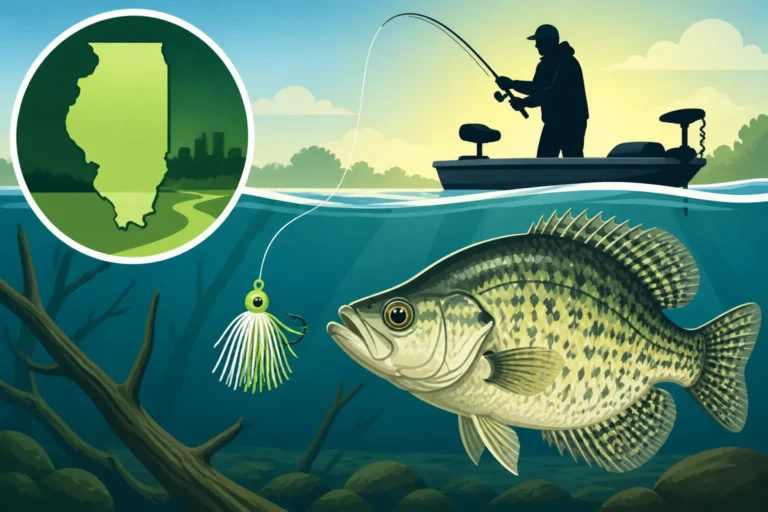
- Marabou Jigs: These classic jigs feature soft, pulsating marabou feathers that breathe and move enticingly in the water, even with minimal action. They're excellent for slow retrieves or vertical jigging in colder water when crappie are sluggish. Popular sizes range from 1/32 to 1/16 ounce.
- Hair Jigs: Similar to marabou but often with squirrel or deer hair, these offer a slightly different profile and action. They're very durable and come in a wide range of colors.
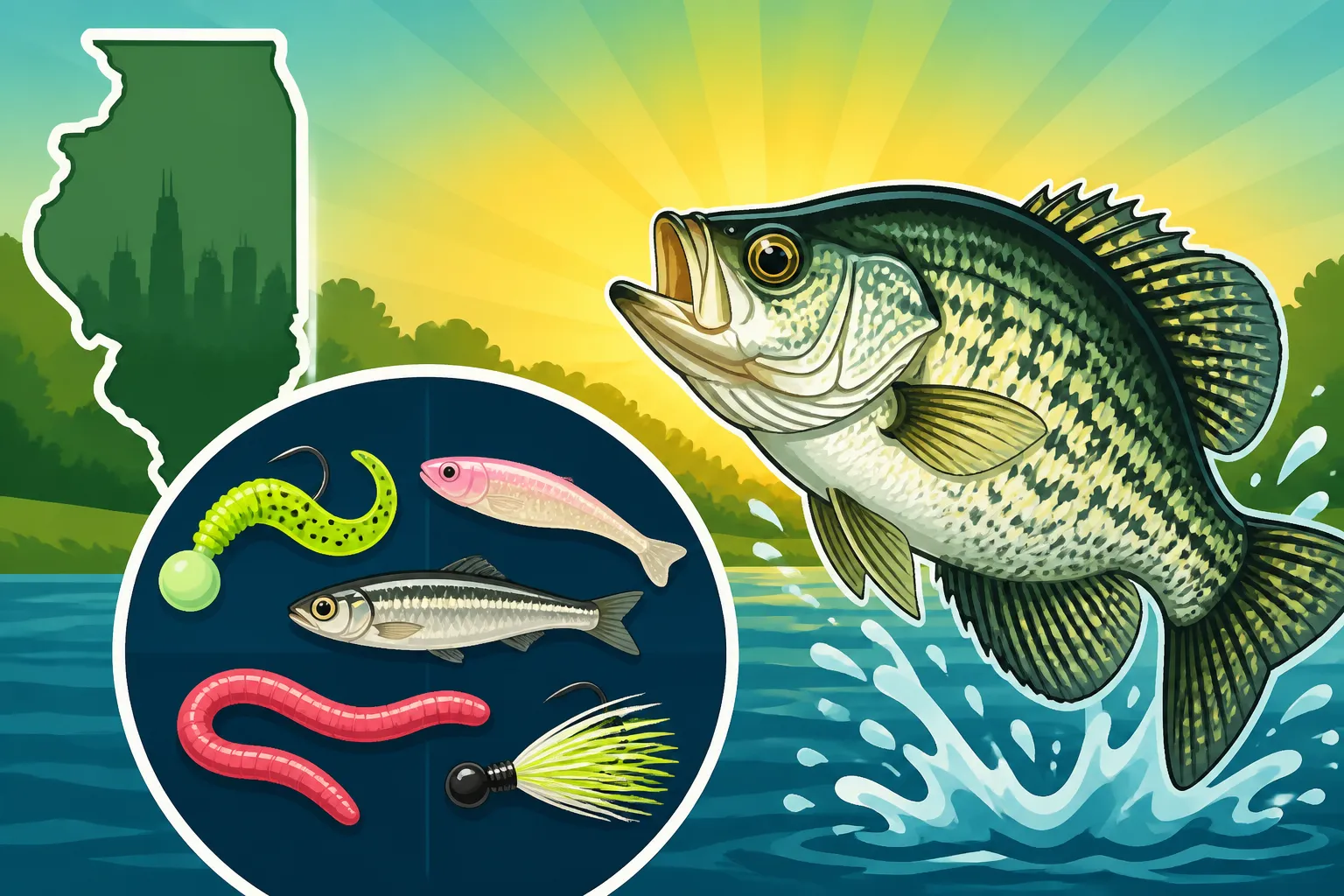
- Soft Plastic Jigs: This category is vast, including tube jigs, grub tails, minnow profiles, and spider grubs. These are often fished on a lead jig head. The beauty of soft plastics is their incredible realism and scent impregnation. Brands like Bobby Garland or Mister Twister offer some of the most popular crappie soft plastics. For example, a "Bobby Garland Baby Shad" in a chartreuse or white color is a perennial favorite for many Illinois anglers. You can often find great multi-packs on Amazon to experiment with different colors and styles.
When jigging, whether you're trying to learn How to Jig for Crappie in Shallow Water or working deeper structure, the weight of your jig head is critical. Match it to the depth and current; a 1/32 oz jig might be perfect for shallow, calm water, while a 1/8 oz might be necessary for deeper spots or windy conditions.
Spinnerbaits and Small Crankbaits
While jigs dominate, don't overlook these other artificial options, especially when crappie are active and aggressive.
- Crappie Spinnerbaits: These are essentially small jig heads with a willow or Colorado blade attached, creating flash and vibration. They're excellent for covering water quickly to find active fish, particularly in areas with scattered cover or when fish are suspended. They often provoke a reaction strike from aggressive crappie.
- Tiny Crankbaits: Very small crankbaits, often referred to as "micro-crankbaits," can be deadly for crappie, especially in open water or when targeting larger slabs. They imitate small baitfish, dive to specific depths, and have a unique wobbling action. Brands like Strike King and Rapala make excellent crappie-sized crankbaits. They're best fished by casting and retrieving at a steady pace, letting the lure do its work. They can be particularly effective in Illinois lakes during the post-spawn period when crappie are actively chasing baitfish.
The key with both spinnerbaits and crankbaits is matching the size and diving depth to the crappie's current location and the size of the baitfish they're feeding on. Don't be afraid to experiment with retrieve speeds until you find what triggers a strike.
Soft Plastics: Versatility in Every Retrieve
Beyond traditional jig bodies, soft plastics offer an incredible array of options for crappie anglers. Their realistic profiles, supple actions, and ability to be scented make them indispensable.
- Tube Jigs: These are hollow soft plastic tubes, usually rigged on an internal jig head. They have a fantastic spiraling fall and subtle tentacle-like action that mimics small aquatic creatures. White, chartreuse, and black/chartreuse combinations are very popular.
- Grub Tails: Simple but effective, these are often rigged on a jig head and feature a curly tail that kicks vigorously, creating vibration and visual appeal. They're excellent for a wide range of conditions and are a go-to for many anglers.
- Minnow Imitations: These soft plastics are designed to closely resemble small baitfish. They often have a paddle tail or a split tail that provides a subtle wagging motion. When tipped with a minnow or crappie nibbler, they become even more potent.
- Spider Grubs: With multiple legs, these soft plastics offer a unique, multi-pronged profile and a slower fall, mimicking insects or small crawfish.
The true versatility of soft plastics comes from how you rig and retrieve them. You can fish them vertically, cast and retrieve, or even troll them behind the boat. For instance, when fishing Rend Lake's Best Spots for Early Spring Crappie, a slow-fished soft plastic grub can be deadly in shallow brush. Remember to consider Best Crappie Jig Colors for Stained Water – typically brighter colors like chartreuse, orange, or pink will stand out more, while natural colors like white, smoke, or black might excel in clearer conditions.
Matching Bait to Illinois Waters and Conditions
Illinois offers a vast array of fishing environments, from the muddy backwaters of the Mississippi River to the clear depths of Kinkaid Lake. The "best" bait isn't static; it changes with the specific water you're fishing and the conditions of the day.
Crappie Bait for Clear vs. Murky Water
The clarity of the water dramatically impacts a crappie's hunting strategy and, by extension, your bait choice.
- Clear Water: In clear Illinois lakes like portions of Clinton Lake or Lake of Egypt, crappie rely heavily on sight. This means your bait needs to be as natural-looking as possible. Downsize your lines to 2-4 lb test. Opt for natural bait colors like white, smoke, black, or subtle greens. Small, realistic minnow imitations in soft plastics, or actual live minnows, are excellent. Presentation needs to be flawless – slow, subtle, and mimicking natural prey. Scent can still help, but visual appeal is paramount.
- Murky or Stained Water: When fishing dirtier water, like the Illinois River after a rain or many of the agricultural runoff-fed lakes, visual appeal takes a backseat to scent and vibration. This is where brighter colors like chartreuse, orange, and pink really shine, providing a silhouette crappie can pick up. Jigs with a vibrating action, soft plastics infused with scent, or live baits that emit a strong odor (like a cut piece of nightcrawler) become more effective. You can often get away with slightly heavier line in murky water as well. The key is to grab their attention when their vision is impaired.
Adjusting Bait for Different Illinois Lakes and Rivers
Illinois's diverse waterways mean you can't use a one-size-fits-all approach.
- Large Reservoirs (Rend Lake, Carlyle Lake, Lake Shelbyville): These vast lakes often hold crappie in large schools around extensive brush piles, timber, or channel drops. Trolling with multiple jigs or spider rigs with minnows is a popular and highly effective method for covering water and locating these schools. Once found, vertical jigging with minnows or soft plastics is key. These lakes are some of the Best Crappie Fishing Lakes in Illinois.
- Rivers (Mississippi River, Illinois River, Kankakee River): River crappie often relate to current breaks, slack water eddies, and submerged structures like wing dams or fallen trees. Live minnows on a slip bobber or a light jig can be drifted into these areas. Tube jigs and grub tails are also effective, allowing you to control the drift. Understanding how to fish for crappie in Mississippi River Backwater Fishing for Crappie and Bass, Illinois requires adapting your bait to the specific flow and cover.
- Farm Ponds and Smaller Lakes: In smaller, often shallower bodies of water, crappie might be found around shoreline cover, docks, or weed beds. Simple presentations like a live minnow or a small grub under a bobber can be deadly. These waters are often less pressured, making crappie more willing to bite.
Always check local regulations for specific lakes or rivers, as some might have special rules regarding bait use or catch limits.
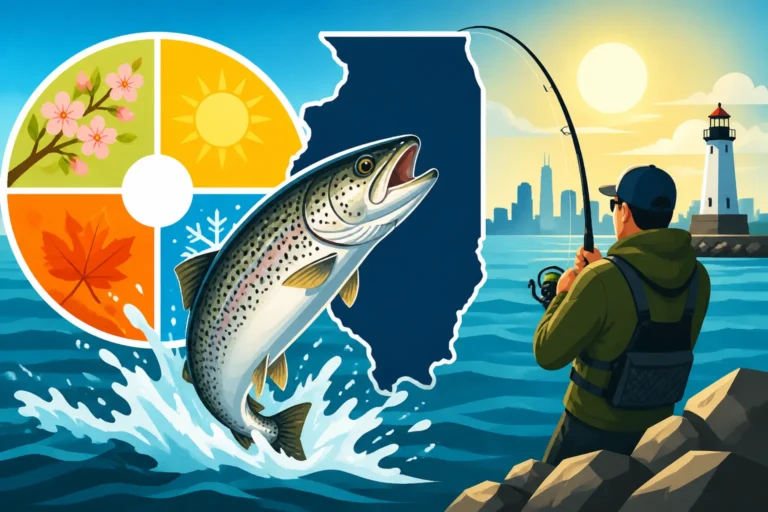
Seasonal Bait Selection for Illinois Crappie
The time of year dictates not only where crappie are but also what they're most likely to eat.
- Spring (Pre-Spawn & Spawn): This is prime crappie time! As water temperatures rise into the 50s and low 60s, crappie move shallow to spawn. Live minnows are king, fished under a bobber in brush or around shallow cover. Small tube jigs or grub tails in white, chartreuse, or pink are also incredibly effective. This is when crappie are most aggressive and can be found in predictable, shallow areas. This is also when the Illinois Crappie Spawn Season Guide becomes an invaluable resource.
- Summer: As waters warm further, crappie often move deeper to cooler, more oxygenated water. They might suspend over brush piles or relate to thermoclines. Vertical jigging with minnows or soft plastics over deep structure, or trolling small crankbaits or spider rigging, becomes more productive. Night fishing with lights can also be excellent, as baitfish are attracted to the light, and crappie follow.
- Fall: As water temperatures drop, crappie become active again, feeding heavily to prepare for winter. They can often be found in medium depths, relating to creek channels or timber. Live minnows, slow-falling jigs, and small spinnerbaits are all great choices. They're often grouped up, so once you find one, you've likely found a school.
- Winter (Ice Fishing): For those brave enough to venture onto the ice in Illinois, tiny ice jigs tipped with a minnow head, waxworm, or crappie nibbler are the go-to baits. Perpendicular jigs that hang horizontally in the water are often preferred. Work them slowly, with tiny lifts and drops, just above where you mark fish on your flasher.
Essential Crappie Bait and Tackle Considerations
Having the right bait is only half the battle; ensuring your tackle is matched to your bait and target species is just as critical for success. Using equipment that is too heavy or too clumsy will result in fewer bites and missed fish.
Rod, Reel, and Line for Crappie Baits
Crappie fishing calls for a finesse approach. You need gear that is sensitive enough to detect subtle bites but has enough backbone to handle a slab crappie.
- Rods: Opt for a light or ultralight action spinning rod, typically 6 to 7 feet long. Graphite rods offer the best sensitivity, allowing you to feel even the slightest tap. Longer rods provide better casting distance and leverage when fighting fish or reaching distant cover. For those dedicated to the art, specialized crappie rods, often referred to as "noodle rods" or "trolling rods," can be found, especially if you're into spider rigging.
- Reels: A small, lightweight spinning reel (size 1000 or 2000) is perfect. It should have a smooth drag system, as crappie have delicate mouths that can easily tear, especially if you're using light line. There are many reliable options available on Amazon from brands like Shimano or Daiwa that won't break the bank.
- Line: This is arguably one of the most important components.
- Monofilament: A good all-around choice. 4 to 6 lb test clear monofilament is popular. It has some stretch, which can be forgiving with crappie's soft mouths.
- Fluorocarbon: Less stretch than mono, offering better sensitivity, and it's nearly invisible underwater, which can be a huge advantage in clear water. Can be a bit pricier.
- Braided Line: While very sensitive and strong, braided line has no stretch and is highly visible. If you use braid, always tie on a fluorocarbon leader (2-4 feet long) to minimize visibility and provide a bit of shock absorption.
Remember, the goal is to present your bait as naturally as possible, and thick, visible line can deter wary crappie. Using Ultralight Tackle for Panfish Fishing is a smart strategy to maximize your success.
Hooks and Weights: Small Details, Big Impact
The devil is in the details, and with crappie, small hooks and appropriate weights make all the difference.
- Hooks: For live bait, Aberdeen hooks (size 4 or 6) are fantastic. Their thin wire doesn't harm minnows much, keeping them lively, and they're sharp enough for crappie. They also tend to straighten out if snagged, saving your line. For artificials, the hook on your jig head is critical. Ensure it's sharp and matched to the size of your soft plastic. Consider using red hooks, as some anglers believe the color mimics blood, triggering more strikes.
- Weights: When fishing live bait or small artificials, use the lightest weight possible to get your bait down to the desired depth.
- Split Shot: Small lead or non-toxic split shot weights are excellent for adding just enough weight to a bobber rig or to help a minnow descend.
- Bullet Weights or Trolling Weights: If you're spider rigging or trolling, specialized bullet or trolling weights help keep your baits at the desired depth.
- Jig Heads: For artificials, the jig head itself provides the weight. Match the weight to the depth, current, and desired fall rate. A slow fall is often key for crappie, so don't go too heavy unless conditions demand it.
When it comes to How to Tightline for Crappie, the precise weight and hook setup is absolutely essential for feeling those light bites and presenting your bait effectively.
Storing and Transporting Your Crappie Bait
Proper bait care is often overlooked but can make a huge difference in your fishing success, especially with live bait.
- Live Minnows: Invest in a good aerated bait bucket. This keeps your minnows alive and healthy longer. Add some ice to the water on hot days to keep the water cool and oxygenated. Never overcrowd your minnow bucket.
- Worms/Larvae: Keep these in their original containers with bedding or peat moss in a cool place (a small cooler or your fridge when not fishing). They're pretty hardy but will die quickly if they get too hot.
- Soft Plastics: Store soft plastics in their original resealable bags or in a dedicated tackle box compartment. Keep different colors and types separate to prevent colors from bleeding and materials from reacting with each other. Many soft plastics are designed with scent, and keeping them sealed helps retain that appeal. A well-organized tackle box, potentially purchased from Amazon, will make your life much easier on the water.
Having your bait fresh and ready to go ensures you're always prepared for that big crappie bite. Knowing the Best Time of Day to Catch Crappie means being ready with prime bait when they decide to feed.
Disclaimer
Fishing conditions and regulations in Illinois can change. Always consult the latest Illinois Department of Natural Resources (IDNR) fishing guide before heading out. This content is for informational purposes only and does not constitute professional advice.