How to Tightline for Crappie
There’s nothing quite like the subtle tug of a crappie, is there? But let’s be real, sometimes those bites are so incredibly light, you wonder if you’re even feeling anything at all. It’s frustrating when you know the slabs are down there, hugging a brush pile, but you just can’t detect their gentle nibble. That’s where tightlining comes in, and this comprehensive guide is here to walk you through how this super effective technique can help you feel even the most timid crappie strikes in Illinois waters.
Understanding the Art of Tightlining for Crappie
Tightlining for crappie is a bit like learning a secret handshake with the fish. It’s a technique that prioritizes direct contact and feel over visual cues, making it incredibly effective when crappie are being finicky or holding deep. If you’ve ever felt like your bobber wasn't telling you the whole story, tightlining might just be your new best friend.
What Exactly is Tightlining?
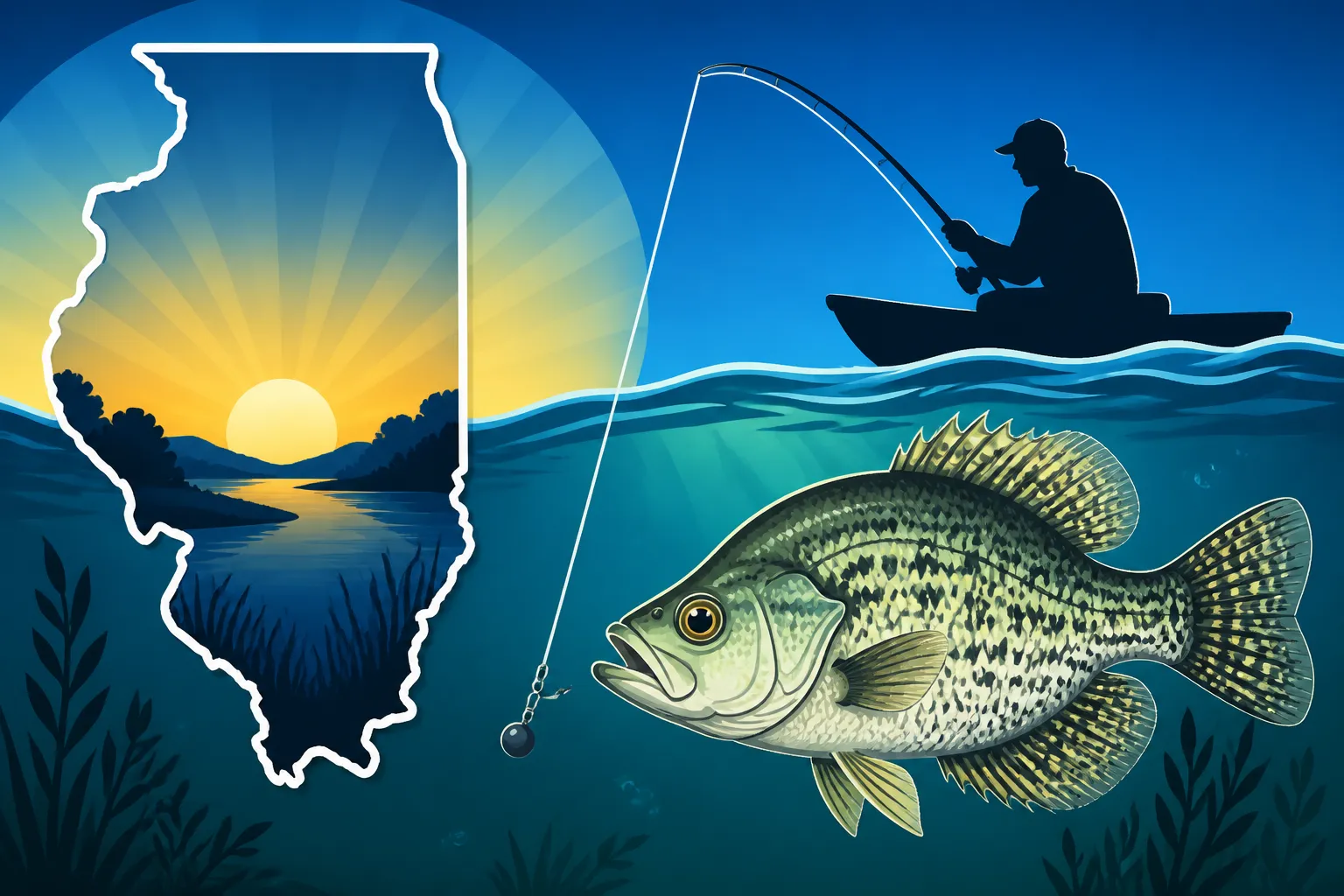
At its core, tightlining is about maintaining constant, direct contact with your lure or bait, typically without the aid of a bobber. Instead of watching for a bobber to dip, you're feeling the bite through your rod and line. You hold your rod tip high, keeping just enough tension in your line to feel any change – a subtle tick, a slight pressure, or even just the absence of tension as a crappie inhales your bait and moves upward.
This direct connection is why it’s so powerful. Crappie, especially larger ones, can be incredibly gentle eaters. They might just flare their gills and suck in a minnow or a jig, barely moving their head. If there’s slack in your line or a bobber to create drag, you might never know they were there until you reel in a stripped hook. With tightlining, you become an extension of your bait, sensing every little interaction. It's not just for crappie; many anglers use similar principles when Crappie Jigging Techniques for other species too.
Compared to traditional bobber fishing, tightlining offers a level of sensitivity that a float simply can't match, especially when fishing deep or in current. Bobber fishing is fantastic for suspending bait at a precise depth and is often easier for beginners or kids to visually track a bite. However, the weight and drag of a bobber can sometimes deter tentative crappie, and seeing a small dip can be harder than feeling a direct tap. Tightlining removes that intermediary, putting you right in tune with what’s happening underwater. It requires a bit more focus, but the reward of consistently feeling those ghost bites is truly satisfying.
When and Where Tightlining Shines in Illinois
Tightlining truly comes into its own during certain conditions and in specific types of water. In Illinois, where we have a fantastic variety of lakes and rivers, knowing when to deploy this technique can significantly boost your success.
Ideal Conditions:
- Colder Water: When the water temperatures drop, crappie become less active and their bites are notoriously light. Tightlining is perfect for feeling those subtle pickups when they're sluggish.
- Deep Water: Bobbers become less effective at great depths. Tightlining allows you to present your bait vertically and maintain sensitivity far below the surface.
- Heavy Cover: Crappie love to hide in brush piles, submerged timber, and dense weed beds. Getting a bobber into these spots without snagging is tough, and once there, the float can get hung up. Tightlining lets you drop your bait directly into small pockets of cover and feel for those fish hugging the structure.
Prime Illinois Locations:
You'll find tightlining particularly effective in deeper sections of our larger reservoirs like Rend Lake, Lake Shelbyville, and Carlyle Lake. These lakes are famous for their extensive crappie populations, often found congregating around standing timber, submerged creek channels, or artificial brush piles the Illinois Department of Natural Resources (IDNR) has placed. For instance, on Rend Lake, targeting crappie that are suspended off old roadbeds or within flooded timber can be incredibly productive with a tightline setup.
River systems, such as the Illinois River or the Mississippi River backwaters, also present excellent opportunities, especially when crappie are holding in current breaks or deeper scour holes. The ability to drop a small jig precisely into a specific spot and feel for the bite without the current dragging a bobber away is invaluable. Tightlining really shines when you're targeting crappie that are suspended off these structures, rather than actively roaming. It gives you the precision to put your bait exactly where they are and detect that soft inhale. Remember to consult the Illinois Fishing Regulations Overview for specific limits and rules for these waters.
Essential Gear for Successful Crappie Tightlining
You wouldn't show up to a fancy dinner in your pajamas, right? The same goes for tightlining crappie. Having the right tools isn’t just about making the job easier; it’s about making it possible to detect those incredibly subtle bites that this technique is all about.
Rod, Reel, and Line Selection
This is where sensitivity is king. Your rod, reel, and line work together as a system to transmit even the slightest disturbance from your bait directly to your hand.
- Rod: Forget your heavy bass rods for this. You want a long (think 7 to 9 feet), light to medium-light action spinning rod with an extremely sensitive tip. The length helps you control your line, keep it out of the water, and reach those far-off brush piles, while the sensitive tip acts like an antenna, broadcasting every tap and bump. A fast action tip is usually preferred because it allows the backbone of the rod to quickly load up, translating into quicker hooksets. Brands like St. Croix or Ugly Stik make excellent crappie-specific rods that balance sensitivity with durability. If you’re just starting, you can find a solid option on Amazon without breaking the bank.
- Reel: A small, lightweight spinning reel (around a 1000-2000 series) is ideal. It needs a smooth drag system, as you'll be using light line, and a consistent retrieve. You're not casting huge distances with tightlining, so a reliable, easy-to-handle reel is more important than sheer cranking power.
- Line: This is arguably the most critical component for sensitivity.
- Monofilament: Often a good choice for beginners due to its stretch, which can be forgiving. A 4-6 lb test is usually perfect. The slight stretch can prevent hooks from tearing out of a crappie’s soft mouth.
- Fluorocarbon: My personal favorite. It has very little stretch, making it incredibly sensitive, and it's virtually invisible underwater. Again, 4-6 lb test is the sweet spot. It's denser than mono, which helps it sink faster and cut through the water better.
- Braid: While braid is super sensitive and has no stretch, it's not always ideal for tightlining crappie directly to the bait. Its lack of stretch can lead to pulled hooks, and it's more visible than mono or fluorocarbon. If you use braid, consider a fluorocarbon leader of 3-5 feet to give a little stretch and invisibility.
Jigs, Weights, and Hooks
Once you have your sensitive rod and reel setup, it’s time to talk about what you're actually putting in front of those crappie.
- Jigs: Small jig heads are the cornerstone of tightlining. Think 1/32 to 1/16 ounce, sometimes even 1/64 ounce when crappie are super finicky or in very shallow water. The weight needs to be just enough to get your bait down to the fish but light enough to allow for a natural fall and for you to feel the bite. As for colors, always have a variety! Chartreuse, pink, white, black, and various combination patterns are all proven crappie getters. Many anglers swear by particular soft plastic bodies, too – tiny tubes, grubs, or minnow imitations, often found in multi-packs on Amazon.
- Live Bait: For many, live minnows are king, especially in colder water. They offer natural movement and scent that can entice even the most reluctant crappie. Hook a minnow lightly through the lips or just behind the dorsal fin to keep it lively. Wax worms and maggots can also be highly effective, particularly on smaller jigs, especially if crappie are targeting insect larvae.
- Weights: If you’re fishing with live bait or need to get a tiny jig down faster, a small split shot or tiny bullet sinker can be added a foot or so above your hook. The key is to add just enough weight to achieve your desired depth and fall rate without hindering sensitivity.
- Hooks: Use small, sharp hooks appropriate for the size of your bait. Aberdeen hooks are popular for crappie due to their thin wire, which makes them less likely to snag and easier to bend out of snags, saving your line. A size 4 or 6 hook is typical for minnows.
Step-by-Step Guide to Tightlining Techniques
So, you’ve got your gear dialed in. Now comes the exciting part: putting it into practice. Tightlining isn't just about dropping a bait; it's about a methodical approach to finding fish, presenting your offering, and interpreting those subtle signals.
Locating Crappie and Presenting Your Bait
You can't catch 'em if you can't find 'em! Locating crappie is the first crucial step, and modern electronics can make a world of difference.
-
Using Electronics: A good fish finder is your best friend when tightlining. Use it to scan for submerged structure – brush piles, standing timber, rock piles, or ledges – and more importantly, to identify suspended fish around or within that structure. Look for those characteristic "Christmas tree" shapes on your sonar that indicate crappie holding tight to cover. Once you mark fish, position your boat directly over them.
-
Vertical Presentation: The magic of tightlining often comes from a vertical presentation. Instead of casting, you’ll be dropping your bait straight down into the water column. This is especially effective when crappie are suspended at a specific depth or tucked deep into cover. Let your jig or minnow descend slowly, paying close attention as it drops. Crappie will often hit a falling bait.
-
Slowly Raising and Lowering ("Jigging"): Once your bait reaches the desired depth (often indicated by your fish finder or by counting the line out), begin a gentle jigging motion. This isn't aggressive jigging like for walleye; it's subtle. Slowly raise your rod tip a foot or two, then slowly lower it back down, letting the bait flutter. The idea is to make the bait look like a natural, easy meal. Experiment with the speed and height of your jigging until you find what the crappie prefer on that particular day. Sometimes, just holding it perfectly still for a few seconds is enough.
-
Reading Your Rod Tip: This is the core skill of tightlining. Your rod tip will tell you everything.
- Light Tap: The most common bite. It feels like a quick, almost imperceptible "tick" or "tap" on your line.
- Spongy Feel/Increased Weight: Sometimes, the crappie will just inhale the bait, and you'll feel a sudden, slight increase in weight or a "mushy" feeling.
- Slack Line: Counterintuitively, a crappie bite can sometimes manifest as your line going completely slack. This happens when the fish takes the bait and swims upwards towards you.
- Line Moving Sideways: If your line suddenly moves horizontally when it shouldn't be, that's almost certainly a fish.
Mastering the Crappie Bite and Hookset
Feeling the bite is one thing; setting the hook effectively is another. Crappie have relatively soft mouths, so a violent hookset can tear the hook right out.
- Describing Different Bites:
- The "Tick": A sharp, quick sensation. This is often an aggressive crappie.
- The "Mouthful": A feeling of slight added pressure, like your lure suddenly got a bit heavier. This indicates the crappie has fully inhaled it.
- The "Lift": Your line goes slack or feels weightless. This fish bit on the fall and swam up.
- The "Side-Pull": Your line, previously vertical, suddenly angles away.
It takes practice to differentiate these from bumping into structure, but over time, you'll develop an instinct.
- The "Feel the Weight" Hookset: This is crucial. When you feel a bite, don't rear back like you're trying to set a hook on a massive largemouth bass. Instead, simply lift your rod tip smoothly and steadily. Think of it as "leaning into" the fish or "sweeping" the rod. Your goal is to apply gentle, consistent pressure to embed the small hook into the crappie’s soft mouth without tearing it. The sensitive rod will do most of the work.
- Dealing with Snags: Fishing for crappie in heavy cover means snags are inevitable. Instead of yanking and risking breaking your line, try to gently bounce the rod tip or reel down to the snag, then quickly snap it. If that doesn’t work, try letting some slack out and allowing your bait to float free, or if you're in a boat, motor over to the snag and try to free it directly. This can save you a lot of re-tying time. Always have extra jigs and hooks ready, perhaps a small tackle organizer from Amazon. If you're looking to learn more about how crappie spawn and where to find them, checking out the Illinois Crappie Spawn Season Guide can provide valuable insights.
Advanced Tips and Troubleshooting for Illinois Waters
Tightlining crappie is a skill that develops with experience. Even with the best gear and basic understanding, the ever-changing conditions on Illinois lakes and rivers will challenge you. Here are some advanced tips and ways to troubleshoot common issues to keep those crappie coming into the boat.
Adapting to Different Conditions and Structures
Crappie behavior can change by the hour, so being able to adapt your tightlining approach is key.
- Wind: Wind is the tightliner's nemesis because it creates slack in your line and makes it incredibly hard to feel bites.
- Boat Positioning: If you're in a boat, use your trolling motor or anchor to position yourself so you're moving with or against the wind in a controlled manner, rather than being blown sideways. Try to keep the wind at your back, pushing your boat, allowing you to stay over your target structure.
- Heavier Jigs: Sometimes, a slightly heavier jig (e.g., 1/8 oz instead of 1/16 oz) can help cut through the wind and maintain better contact.
- Shorten Your Drop: If the wind is really howling, you might need to fish closer to the boat to keep your line as vertical as possible.
- Current: When fishing rivers like the Kankakee River or the backwaters of the Mississippi, current adds another layer of complexity.
- Heavier Jigs/Weights: You’ll need more weight to get your bait down and keep it in the strike zone.
- Positioning: Position your boat slightly upstream of your target, allowing your bait to drift naturally into the holding spot.
- Fewer Baits: Focus on one or two lines to manage effectively in current.
- Depth Adjustments: Crappie will suspend at different depths depending on light, water temperature, and baitfish location. Start by fishing at the depth you marked on your fish finder. If you're not getting bites, slowly work your way up or down the water column, making mental notes of where you feel bumps or get hits. Sometimes, moving your bait just a foot or two can make all the difference.
- When to Switch to a Bobber: While tightlining is fantastic, it's not the only way. In open water with no specific structure, or when fishing shallow flats, a bobber might still be more effective, especially for covering more water. It's also much easier when teaching kids to fish, as they can visually see the strike. Learning How to Fish for Bluegill With Kids often starts with a bobber, for example. Don't be afraid to switch strategies if the fish aren't responding to tightlining.
- Seasonal Patterns: Remember that crappie behavior changes throughout the year. For specific locations, consult a guide like Best Crappie Fishing Lakes in Illinois to know where and when tightlining will be most effective. Many anglers grab seasonal jigs and soft plastics through Amazon to keep their tackle box stocked.
Common Mistakes and How to Avoid Them
Even experienced anglers make mistakes. Recognizing these pitfalls can save you frustration and lead to more fish in the livewell.
- Too Heavy Line: Using line that is too heavy (e.g., 8-10 lb test) significantly reduces sensitivity, making it harder to feel those light crappie bites. Stick to 4-6 lb test for optimal feel.
- Dull Hooks: Crappie have soft mouths, but a dull hook won’t penetrate easily, leading to missed fish. Always check your hook points and sharpen them regularly, or replace dull hooks.
- Not Paying Attention: Tightlining demands focus. Distractions can mean missing a subtle bite. Keep your eyes on your rod tip and your hand tuned in to the feel of the line.
- Not Being Patient Enough: Sometimes crappie need a moment to commit to the bait. Don't pull away at the first hint of a nibble. Let them take it fully before your gentle hookset.
- Not Checking Site-Specific Rules: Illinois fishing regulations can vary by lake or river. Always verify the specific size and creel limits for crappie at your chosen fishing spot before you go. This is crucial for avoiding penalties and fishing responsibly. You can find detailed information on species-specific rules in the Illinois Fishing Season and Catch Limit Rules or by reviewing the Illinois Fishing Information Guide Covers April 2026 Through March 2027.
Here's a quick comparison of tightlining versus bobber fishing for crappie to help you decide when to use each technique:
| Feature | Tightlining for Crappie | Bobber Fishing for Crappie |
|---|---|---|
| Sensitivity | Very High (direct line contact, feel subtle bites) | Moderate (visual cue, can have drag/delay) |
| Depth Control | Excellent (precise vertical presentation at any depth) | Good (set bobber stop, less effective in very deep water) |
| Cover Fishing | Excellent (can drop into dense brush piles with precision) | Difficult (snags easily, less direct control) |
| Bait Action | Natural fall, subtle jigging action | Limited movement, bait suspended passively |
| Learning Curve | Moderate to High (requires practice to feel bites) | Low (easy to see bites) |
| Wind/Current | Challenging but manageable with practice and heavier jigs | Challenging (bobber drifts, can be hard to see) |
| Ideal Situations | Finicky fish, deep water, heavy structure, cold water | Active fish, shallow water, open areas, teaching kids |
| Pros | More fish caught, higher hook-up ratio, greater control | Relaxed, easy to see, good for multiple lines |
| Cons | Demands focus, can be tiring, more prone to snags | Less sensitive, fish can drop bait, limited depth |
Disclaimer
Please note that fishing regulations, license requirements, and best practices can change. Always consult the official Illinois Department of Natural Resources (IDNR) website or their current fishing guide for the most up-to-date and accurate information before heading out on your fishing trip. Stay safe and enjoy your time on the water!