Bluegill Fishing Techniques for Beginners
For many folks, the idea of getting into fishing can feel a little intimidating. You walk into a tackle shop, and there are a million different lures, rods, and lines, each with a fancy name and a specific purpose. It’s enough to make anyone feel like they’re not cut out for it, and honestly, that’s a real shame because fishing is one of the most rewarding outdoor activities there is. This guide is here to strip away all that complexity and show you exactly how to get started catching bluegill in Illinois, focusing on simple techniques and gear that actually work for beginners.
Why Bluegill Are the Perfect Fish for New Anglers in Illinois
Let's be honest, nobody wants to spend hours on the water, meticulously casting and reeling, only to go home empty-handed. That’s where bluegill come in. These feisty little panfish are like nature’s gift to the budding angler, providing consistent action and boosting confidence right from the start. They’re a fantastic entry point into the world of fishing, not just for kids, but for adults who are looking to experience the joy of a tug on the line without needing a degree in aquatic biology.
Bluegill's Abundance and Accessibility
One of the biggest advantages of targeting bluegill in Illinois is just how common they are. You can find them in virtually every pond, lake, and slow-moving river throughout the state. From small farm ponds to large reservoirs like Rend Lake or Lake Shelbyville, bluegill thrive in a variety of environments, making them incredibly accessible. This widespread distribution means you don’t have to travel far or spend a fortune on gas to find a good fishing spot. Chances are, there's a local park pond or a quiet creek within a short drive of your home where bluegill are just waiting to be caught. This accessibility drastically reduces the barrier to entry for anyone new to fishing, allowing you to focus on the experience rather than the logistics of finding fish.
What's more, bluegill often congregate in predictable areas, especially during warmer months. They love shallow, vegetated areas, docks, and submerged structures where they can find food and hide from predators. This makes them relatively easy to locate, even if you’re not familiar with a particular body of water. You don't need a fancy fish finder or years of local knowledge to get on the fish; a keen eye for cover and some basic understanding of their habits will go a long way. Many public parks in Illinois manage their ponds specifically for panfish, ensuring a healthy population for anglers of all skill levels.
Their Eagerness to Bite
Perhaps the most endearing quality of bluegill for beginner anglers is their enthusiastic biting nature. Unlike some more finicky species that require precise presentations and specific conditions, bluegill are often quite aggressive and less wary. If you present a bait near them, especially something they recognize as food, they’re usually quick to investigate and strike. This high strike rate is crucial for new anglers, as it provides instant gratification and reinforces the learning process. There’s nothing quite like feeling that first tug on the line, and bluegill deliver that sensation consistently.
This eagerness to bite means you'll spend less time waiting and more time reeling in fish, which is excellent for maintaining interest, especially for children. It builds confidence and provides opportunities to practice setting the hook, fighting the fish, and landing it – all fundamental skills in fishing. Even on days when other species are reluctant, bluegill often remain active, making them a reliable target for a fun and productive outing. They truly embody the spirit of "fishing for fun," providing constant entertainment without requiring advanced angling prowess.
The Joy of Panfish for All Ages
Bluegill, alongside other panfish like crappie and various sunfish, truly represent the quintessential family fishing experience. Their size and fighting spirit are just right for smaller hands and lighter tackle, making them incredibly engaging for kids. The excitement of catching a bluegill, even a small one, is often enough to ignite a lifelong passion for the sport. For adults, it's a chance to reconnect with simpler times, enjoy the outdoors, and share a relaxing activity with loved ones. There’s no pressure to land a trophy; the goal is simply to enjoy the process.
This ease and enjoyment make bluegill fishing a perfect activity for creating lasting memories. Imagine a lazy Saturday morning at a local pond, a bobber dancing on the water, and the sudden splash as a bluegill grabs your bait. These are the moments that truly define fishing for many of us. If you’re looking to introduce someone to fishing or just want to unwind with some easy action, bluegill are your go-to. They’re forgiving, fun, and readily available, providing a low-stress, high-reward entry into the angling world. For more on the various species you might encounter, check out our guide on Illinois Panfish Species: Bluegill, Crappie and Sunfish Explained.
Essential Gear for Your First Bluegill Trip
When you're just starting out, it's easy to get caught up in the idea that you need the most expensive, high-tech gear to catch fish. The good news is, for bluegill fishing, that couldn't be further from the truth. The beauty of targeting these panfish is that simple, affordable equipment is not only sufficient but often preferred. You're aiming for a lightweight setup that allows you to feel even the smallest nibbles and maximizes the fun of fighting these spirited little fish.
Rods and Reels for Panfish
For bluegill, you want a light, sensitive setup. A 5 to 6-foot ultralight spinning rod paired with a small spinning reel (typically in the 1000 or 2000 size range) is ideal. An ultralight rod bends easily, making even a small bluegill feel like a heavyweight, which adds to the excitement. The sensitivity of these rods also helps you detect those subtle bites that heavier tackle might miss. You don't need to break the bank here; many reputable brands offer excellent beginner combos that include both a rod and reel for a very reasonable price. Look for combos that are specifically marketed for "panfish" or "light tackle." A good quality beginner combo can often be found on platforms like Amazon, offering convenience and a wide selection.
When selecting your rod, pay attention to its "action" and "power." For bluegill, a "light" or "ultralight" power and a "fast" or "moderate-fast" action are generally preferred. The "power" refers to how much weight the rod can handle before bending, and "ultralight" means it's designed for very light lines and lures. The "action" refers to where the rod bends. A fast action means it bends mostly at the tip, offering excellent sensitivity for detecting those light bluegill bites. A moderate-fast action offers a bit more flex through the mid-section, which can be more forgiving for new anglers learning to cast and fight fish. For some solid recommendations, our guide on Best Beginner Bluegill Fishing Setup might be helpful.
Line, Hooks, and Bobbers Explained
Your line choice is critical for bluegill fishing. Because bluegill are smaller, and you're using light tackle, you want a light monofilament line, typically 2 to 4-pound test. Monofilament is a good choice for beginners because it's inexpensive, easy to tie knots with, and has a bit of stretch, which can help prevent small hooks from pulling out of a bluegill's soft mouth. Don't go any heavier than 6-pound test, as a thicker line will be more visible to the fish and will also limit your casting distance with light baits.
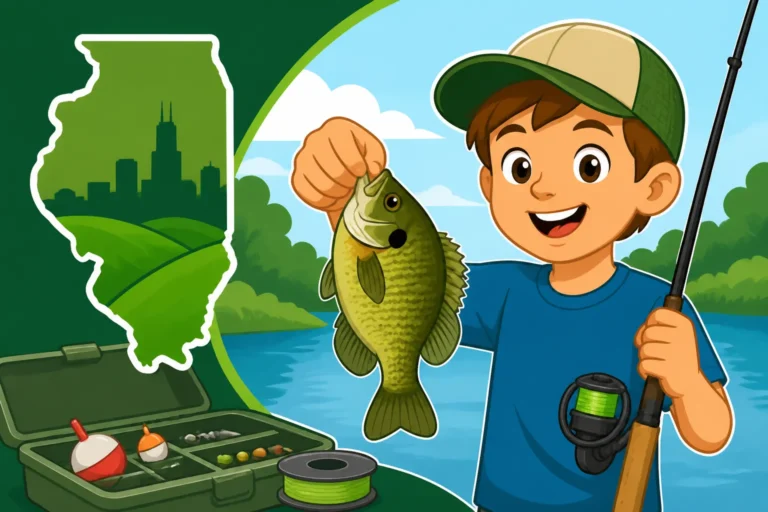
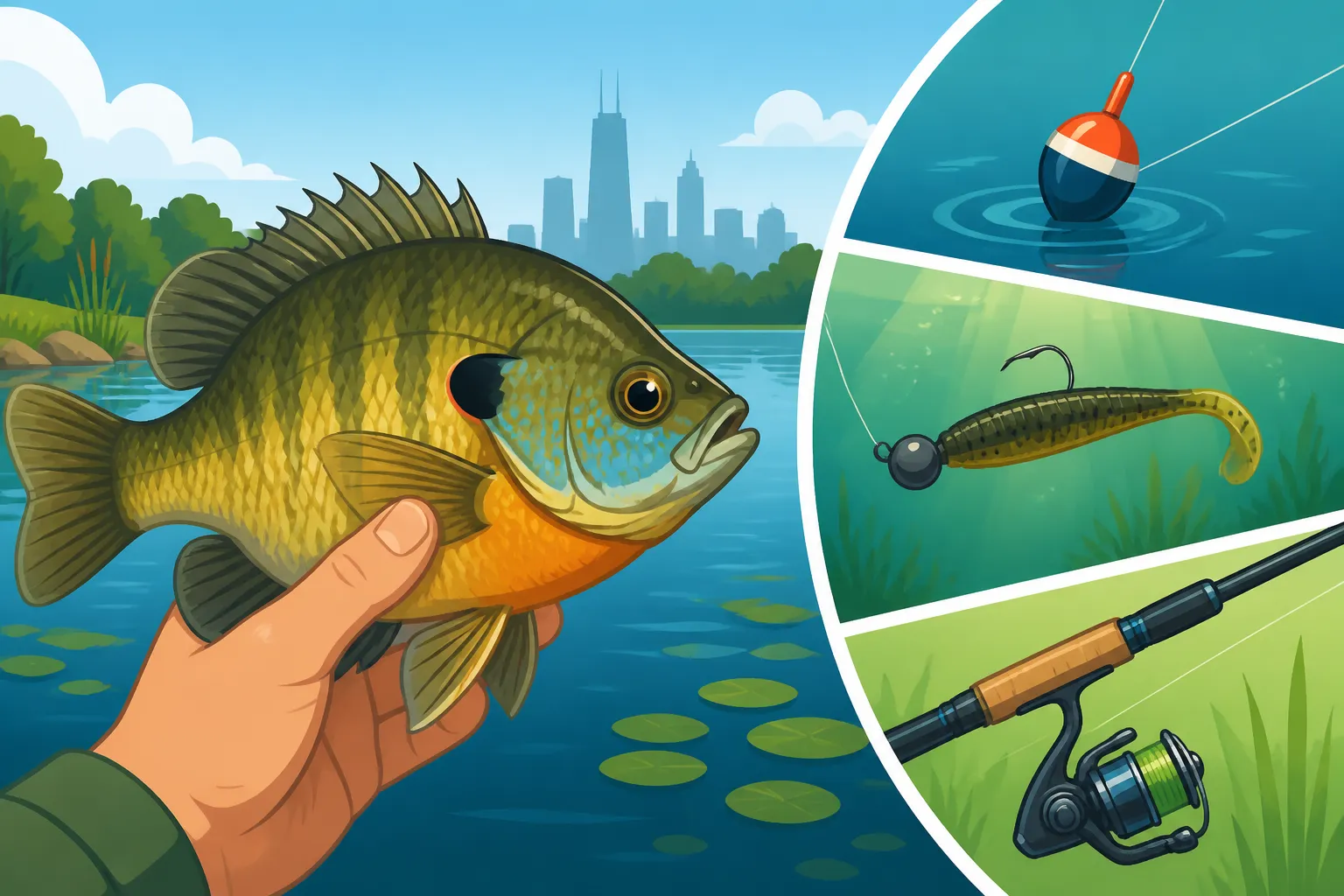
For hooks, small is the key. You'll want Aberdeen-style hooks in sizes #8 to #12. These hooks are thin-wired, which makes them less damaging to the fish and easier to remove, and their elongated shank helps prevent bluegill from swallowing the hook too deeply. While you can find these at any bait shop, purchasing a variety pack of panfish hooks on Amazon is a convenient way to get started. When it comes to bobbers, the classic red and white "clip-on" bobbers are perfect. They're easy to attach, highly visible, and instantly indicate when a fish is biting. Small pencil bobbers or spring floats can offer more sensitivity for lighter bites, but the traditional round bobbers are hard to beat for simplicity and effectiveness. You might find a detailed explanation on How to Rig a Bobber for Bluegill useful for setting up your tackle.
Simple Bait Options That Always Work
Bluegill are not picky eaters, which is another reason they're so great for beginners. You don't need exotic lures or expensive live bait; often, the simplest options are the best. The gold standard for bluegill bait is live bait, particularly small worms or pieces of nightcrawlers. These are universally appealing and readily available. A small piece of a nightcrawler, about an inch long, threaded onto your #8 or #10 hook, is often irresistible to bluegill. Maggots or wax worms are also incredibly effective, especially when threaded onto a small jig.
Beyond live bait, artificial options can also be very successful. Tiny inline spinners, micro jigs, and even small pieces of corn or bread can entice bluegill. The key is to keep the presentation small and natural-looking. Don't overlook the effectiveness of a simple worm; it has caught more bluegill than probably any other bait combined. For a deeper dive into what tempts these fish, be sure to read Best Bait for Bluegill Fishing. Having a small container of live bait or a selection of micro jigs will set you up for success.
Mastering Basic Bluegill Fishing Techniques
With your basic gear in hand, it's time to talk about how to actually get that bait in front of the fish and entice them to bite. The good news is that bluegill fishing doesn’t require complex casting techniques or intricate presentations. In fact, some of the most effective methods are incredibly straightforward, making them perfect for building confidence and getting accustomed to the rhythm of fishing. The goal is always to keep it simple, observe your surroundings, and let the fish tell you what they prefer.
The Classic Bobber and Bait Setup
This is, without a doubt, the quintessential bluegill fishing technique and the one most beginners should start with. It’s incredibly easy to set up and highly effective. All you need is your rod and reel, a hook, a small sinker (like a split shot), a bobber, and some bait. To set it up, tie your hook to the end of your line. About 6 to 12 inches above the hook, pinch on one or two small split shot weights. These weights help sink your bait and keep it in the strike zone. Then, clip your bobber onto the line about 1 to 3 feet above your split shot, depending on the depth you expect the bluegill to be holding. For a visual guide and step-by-step instructions, our article on How to Rig a Wax Worm Under a Bobber for Bluegill is a great resource.
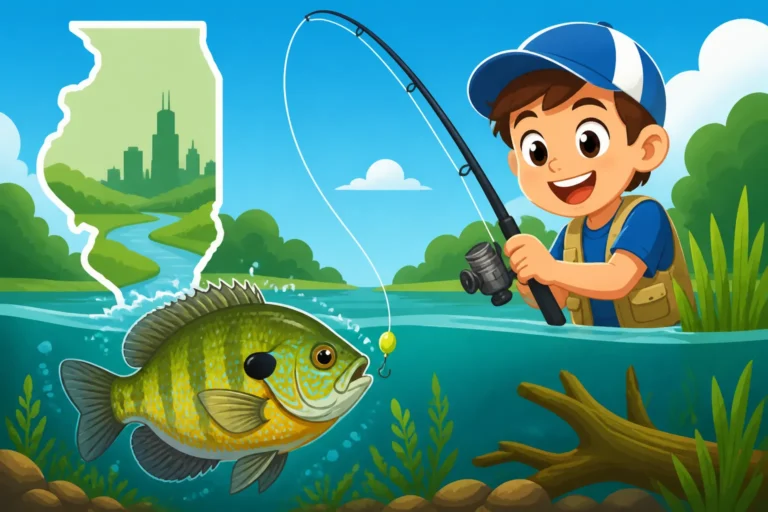
Once your setup is ready, bait your hook with a small piece of worm or a wax worm. Cast your rig out near docks, lily pads, submerged brush, or any other cover you see in the water. These are prime bluegill hiding spots. The bobber will float on the surface, holding your bait at a set depth. Now, you just watch. When a bluegill bites, the bobber will wiggle, dip, or even get pulled completely under the water. This is your cue to gently raise your rod tip to set the hook. This method is incredibly visual and provides clear feedback, making it perfect for learning the timing of a bite. It allows you to relax, enjoy the scenery, and simply wait for the action to begin, rather than constantly working your lure.
Light Jigging for More Active Fish
While the bobber and bait setup is fantastic for passive fishing, sometimes bluegill are a bit more active or holding at a slightly different depth. That’s where light jigging comes in. This technique involves using small jigs, often tipped with a piece of live bait like a wax worm or a small soft plastic grub, and actively moving them through the water. You can jig from a boat, a pier, or even from the bank if you can reach deeper water or cover. This method allows you to cover more water and explore different depths than a stationary bobber rig.
To jig, simply cast your tiny jig out and let it sink to your desired depth. Then, using small, gentle twitches of your rod tip, make the jig "dance" in the water. Imagine an injured minnow or an insect struggling. You can slowly retrieve the jig, pausing every few feet, or just let it hover in place, occasionally twitching it. Bluegill often strike as the jig falls or during one of those pauses. The key here is to feel for the bite, as you won't have a bobber to signal the strike. Pay close attention to your line; sometimes a bite will feel like a slight "tick" or your line might just suddenly go slack or move sideways. This technique is a step up from the bobber, introducing more active participation and helping you develop a feel for subtle bites.
Shore Fishing Strategies
Many beginners start their fishing journey from the shore, and for bluegill, this is often the most productive and convenient option. You don’t need a boat, you don't need to worry about launching, and you can access many prime bluegill habitats right from the bank. When fishing from shore, look for areas with natural cover. This includes fallen trees, brush piles, docks, lily pads, and cattails. Bluegill use these areas for protection from predators and as ambush points for their prey.
Focus your casts along the edges of these structures. Try to get your bait as close as possible without getting snagged. If you’re using a bobber rig, let it drift naturally along the edge of the cover. If you’re jigging, work your jig slowly through these areas. Don't be afraid to move around. If a spot isn't producing, try another area with different types of cover or a slightly different depth. Sometimes just a few feet can make all the difference. Early mornings and late evenings are often the best times for shore fishing, as bluegill tend to move into shallower water to feed during these cooler periods. Remember, the beauty of bluegill fishing is its simplicity, so don't overthink it. Just find some good cover, cast out your bait, and be ready for that satisfying tug!
Where and When to Find Bluegill in Illinois
Knowing how to fish for bluegill is one thing, but knowing where and when to find them makes all the difference. Illinois is blessed with an abundance of waters, and bluegill are pretty much everywhere, but certain conditions and locations will drastically increase your chances of success. Understanding their preferred habitats and seasonal patterns will turn a hit-or-miss outing into a consistently productive one.
Prime Bluegill Habitats in Lakes and Ponds
Bluegill are creatures of comfort, and their comfort zones usually involve some form of cover and a reliable food source. In Illinois lakes and ponds, this almost always means shallow areas with aquatic vegetation. Think lily pads, cattail beds, submerged weeds, and brush piles. These provide both shelter from predators like bass and northern pike, and a buffet of insects, small crustaceans, and other invertebrates that make up the bulk of their diet. Docks and piers, especially those with some submerged structure or shade, are also excellent bluegill magnets. The pilings themselves can hold algae and other food sources, attracting smaller organisms that bluegill feed on.
When scouting a new pond or lake, look for these visual cues. If you see dark patches of weeds just under the surface, or a line of fallen timber along the bank, you’ve likely found a bluegill hotspot. In larger lakes, bluegill will often be found in the quieter coves and shallow bays, away from the main boat traffic. They generally prefer water temperatures between 60-75 degrees Fahrenheit, so in summer, they might be slightly deeper during the heat of the day, moving shallower during cooler mornings and evenings. For specific locations, you might want to look into resources like Best Fishing Spots in Illinois or even Rend Lake's Best Spots for Trophy Bluegill Over a Pound.
Seasonal Movements and Best Times to Fish
Like most fish, bluegill have seasonal patterns that influence where they'll be found and how actively they feed. Understanding these cycles can significantly improve your catch rates.
- Spring (Pre-spawn & Spawn): This is arguably the best time of year for bluegill fishing. As water temperatures warm in late spring (typically April through June in Illinois), bluegill move into very shallow water to spawn. They create circular "nests" in colonies, often in just 1-3 feet of water, making them easy to spot and target. During this period, they are highly aggressive and will readily strike at anything that comes near their nests, making them incredibly easy to catch. Focus on sunny, protected coves and shallow flats.
- Summer: After the spawn, bluegill will disperse slightly but will generally remain in shallow, vegetated areas, or move to the edges of deeper drop-offs and submerged structures during the hottest parts of the day. They still feed actively, especially early in the morning and late in the evening when the water is cooler. During midday, try fishing slightly deeper, near the thermocline (the layer where water temperature changes rapidly), or in the shade of docks and overhanging trees.
- Fall: As water temperatures begin to cool, bluegill will move away from the very shallow spawning grounds and often school up in slightly deeper water, typically around 5-10 feet, near cover. They are still feeding heavily to prepare for winter, so they can be quite active. Look for them concentrated around submerged brush piles, rock piles, or along deeper weed lines.
- Winter (Ice Fishing): Yes, you can even catch bluegill through the ice in Illinois! They tend to congregate in large schools in deeper basins or around suspended cover, often at depths of 10-20 feet. Using small jigs tipped with wax worms or spikes is very effective.
Overall, the period from late spring through early summer, during and immediately after the spawn, offers the most consistent action for bluegill. Mornings and evenings are generally the most productive times of day, regardless of the season, as bluegill are typically more active feeders when light levels are lower.
Illinois's Best Bluegill Lakes and Ponds
Illinois has countless fantastic spots for bluegill, from small local ponds to large state reservoirs. When we talk about "best," we're often looking for waters with healthy populations and good access.
Some of the top contenders include:
- Rend Lake: Known for its massive crappie and bluegill. The shallow, weedy bays and numerous brush piles provide excellent habitat. You can find some true giants here. Read our guide on Rend Lake's Best Spots for Trophy Bluegill Over a Pound for specific intel.
- Lake Shelbyville: While famous for bass and crappie, Shelbyville also holds a strong population of bluegill, particularly in its coves and along its extensive shoreline.
- Carlyle Lake: Illinois's largest man-made lake offers vast shallow flats and rip-rapped banks that are perfect for bluegill. Its abundance of cover makes it a prime panfish destination.
- Local Park Ponds: Don't underestimate the smaller, often overlooked ponds in your local state parks and forest preserves. Many of these are stocked and managed by the Illinois Department of Natural Resources (IDNR) to provide easy access fishing, often with abundant bluegill. These can be incredible spots, especially if you're looking for Best Kid-Friendly Fishing Spots in Illinois. Check the IDNR website for specific stocking reports and access points near you.
Always remember to check the Illinois Fishing Information Guide for site-specific regulations before you go, as some lakes might have special rules regarding panfish limits or seasons. However, for bluegill, statewide rules are generally quite generous, which means plenty of opportunities to bring home a tasty meal.
Common Mistakes and How to Avoid Them
Even with the simplest of fishing, there are common pitfalls that new anglers fall into. Knowing these ahead of time can save you a lot of frustration and vastly improve your experience. Fishing is as much about problem-solving as it is about casting and reeling, and learning from common mistakes is a big part of becoming a more successful angler.
Using Overly Heavy Tackle
One of the most frequent mistakes new bluegill anglers make is using gear that’s too heavy for the fish they’re targeting. It’s understandable; many starter fishing combos are designed as general-purpose outfits for a wide range of fish, often leaning towards slightly heavier lines and stiffer rods. However, when you’re going after bluegill, heavy tackle works against you. A thick, heavy line is much more visible in the water, which can spook wary bluegill. A stiff rod makes it difficult to feel those light bites, especially when bluegill are just "nipping" at the bait. It also takes away from the fun; catching a small bluegill on a heavy setup feels like reeling in a wet rag, rather than a feisty fighter.
To avoid this, stick to the ultralight spinning gear we discussed earlier. Opt for 2-4 pound test monofilament line. This lighter setup allows for longer casts with small baits, increases your sensitivity to subtle bites, and truly makes fighting a bluegill an exciting experience. It also prevents you from "horsing" the fish in, which can tear the small hook out of their mouth. Remember, bluegill have relatively small, soft mouths, so a gentle approach with appropriate gear is key to keeping them hooked. Think finesse, not brute force.
Fishing in the Wrong Depths
Another common misstep is fishing in depths where bluegill simply aren't present. While bluegill are generally found in shallower waters, "shallow" can be relative depending on the time of day, season, and water conditions. During a hot summer afternoon, for example, bluegill might move from the very shallow shoreline into slightly deeper water (say, 5-10 feet) to find cooler temperatures or more oxygen. Conversely, during the spring spawn, they will be in incredibly shallow water, sometimes just a foot or two deep. If you’re casting into 20 feet of water during the spawn, you’re simply not going to find them.
The best way to combat this is to experiment. Start by fishing shallow, perhaps 1-3 feet deep, especially if you see cover like lily pads or docks. If you’re not getting bites, try adjusting your bobber to fish a bit deeper, perhaps 4-6 feet. Don't be afraid to try different depths in the same area. A fish finder can certainly help in a boat, but from shore, your best tools are observation and trial-and-error. Watch for any surface activity, consider the temperature and time of day, and try to visualize where the fish might be holding based on available cover and depth changes. Understanding bluegill’s seasonal movements, as discussed previously, is crucial here.
Patience and Persistence Pay Off
This isn't really a "mistake" but rather a lack of a critical virtue. Many new anglers get discouraged if they don't catch a fish within the first 15-20 minutes. They might pack up and leave, or constantly change baits and spots without giving any single approach enough time to work. Fishing, especially for beginners, requires patience and persistence. Bluegill are abundant, but they're not always biting every second of the day. Sometimes you need to wait for a school to move through, or for the bite to turn on.
Instead of getting frustrated, use those lulls to observe your surroundings, enjoy the peace and quiet, and refine your casting. If a spot isn't producing after 20-30 minutes, it's wise to move to a different piece of cover or a slightly different area, but avoid constant, frantic changes. Stick with a tried-and-true bait (like a piece of worm) for a good while before experimenting. Sometimes, the bluegill are there, but they just need a little coaxing, or you just need to drop your bait precisely in front of them. The anglers who catch the most fish are often not the ones with the fanciest gear, but the ones who put in the time and remain persistent.
Handling Your Catch and Practicing Conservation
Catching bluegill is a blast, but it’s equally important to know how to handle your catch responsibly, whether you plan to keep them for a meal or release them. Practicing proper fish handling and understanding local regulations are crucial for ensuring healthy fish populations for years to come. This isn’t just about following rules; it's about being a good steward of the natural resources we all enjoy.
Safe Hook Removal and Handling
Once you've reeled in a bluegill, the first thing is to handle it gently. Bluegill have small spines on their dorsal (back) and pectoral (side) fins, which can prick your finger if you're not careful. The safest way to hold a bluegill is to grasp it firmly but gently over its back, just behind the head, with your thumb and forefinger. This immobilizes the fish and helps you avoid those spines. If you're squeamish or new to handling fish, a small pair of pliers or a dedicated fish gripper can be very useful for handling them securely.
For hook removal, a small pair of needle-nose pliers or a dedicated de-hooker is invaluable. Most bluegill will be lip-hooked, meaning the hook is in the soft tissue of their mouth. Gently grasp the hook with your pliers and twist it out. If the fish has swallowed the hook deeply (which is less common with Aberdeen hooks but can happen), it's often best to cut the line as close to the hook as possible, especially if you plan to release the fish. Trying to extract a deeply swallowed hook can cause more damage than just leaving it in; the hook will usually rust away over time. Always wet your hands before touching a fish you intend to release, as dry hands can rub off their protective slime coat, making them more susceptible to disease.
Understanding Illinois Bluegill Regulations
Before you even cast your line, it's vital to be aware of Illinois's fishing regulations. The Illinois Department of Natural Resources (IDNR) publishes an annual fishing guide that outlines all the rules, including license requirements, catch limits, and size restrictions. For most species, these regulations are designed to protect fish populations and ensure sustainable fishing. For bluegill, statewide regulations are generally quite generous, often with no minimum size limit and a daily catch limit of 15 fish per person. However, site-specific regulations can vary drastically, especially in managed lakes and state park ponds.
For example, a specific lake might have a "no harvest" rule for all panfish, or a reduced daily limit. It's your responsibility to know these rules before you fish. You can find the latest Illinois Fishing Information Guide on the IDNR website, or pick up a physical copy wherever fishing licenses are sold. Additionally, remember that anyone 16 years or older needs an Illinois Fishing License Guide for 2026, with specific rules for Do Kids Need a Fishing License in Illinois?. Ignorance of the law is not an excuse, and game wardens do patrol Illinois waters. Violations can result in fines and even loss of fishing privileges, so it's always worth taking a few minutes to check the rules.
Keeping What You Need, Releasing the Rest
One of the cornerstones of responsible angling is practicing selective harvest. While bluegill are delicious table fare, there's no need to keep every fish you catch. A healthy bluegill population includes a mix of sizes, and removing too many of the larger, breeding-size fish can negatively impact the future of the fishery. Many experienced anglers advocate for taking home some of the medium-sized bluegill (say, 6-8 inches) for dinner and releasing the smaller ones to grow, as well as the very largest "trophy" bluegill to continue spawning.
| Bluegill Size | Action | Rationale |
|---|---|---|
| Under 5 inches | Release | Too small for a meal, let them grow. |
| 5-8 inches | Keep for table | Excellent eating size, good for population management. |
| Over 8 inches | Consider Releasing | Larger fish are important breeders; keeping a few for a trophy is fine, but selective release helps the gene pool. |
When you do decide to keep fish, make sure you have a way to keep them alive and fresh until you're ready to clean them. A stringer, a livewell, or a cooler with ice are all good options. Never let fish spoil on the bank. If you're going to release fish, do so as quickly and gently as possible. Minimize their time out of water, use wet hands for handling, and ensure they swim away strongly. By following these simple guidelines, you'll be contributing to the health of Illinois's fisheries and ensuring that future generations can enjoy the same fantastic bluegill fishing experiences you do. And remember, during Illinois Free Fishing Days and License-Free Weekends, you can fish without a license, making it a perfect time to practice these techniques with the whole family.
Disclaimer
Please note that fishing regulations, license requirements, and seasonal information can change. It is always the angler's responsibility to consult the most current Illinois Department of Natural Resources (IDNR) fishing guide or website for the latest rules and regulations before heading out on the water. This guide provides general information and should not be considered a substitute for official IDNR publications.