Illinois Life Jacket Rules While the Boat Is Underway
One of the most common head-scratchers for Illinois boaters, whether you're a seasoned angler or just taking the family out for a cruise, is figuring out the exact life jacket rules, especially when your boat is actively moving. It's easy to get confused about when they need to be on versus just in the boat, and who exactly is exempt or required to wear one. This guide will untangle all that knotty confusion, focusing specifically on the life jacket rules while your boat is underway in Illinois, ensuring you're both safe and legal every time you hit the water.
Understanding "Underway" and General Life Jacket Requirements in Illinois
Before we dive into who wears what and when, it’s crucial to understand what the state of Illinois considers "underway" for a vessel. This isn't just bureaucratic jargon; it's the core definition that dictates many of the life jacket regulations. Once you grasp this, a lot of the other rules start to make perfect sense.
What "Underway" Really Means for Boaters
Simply put, your boat is considered "underway" any time it's not moored, anchored, or aground. Think about it: if your boat is tied up to a dock, it’s moored. If you’ve dropped anchor in the middle of Lake Shelbyville to fish or enjoy a picnic, you’re anchored. If your vessel somehow ran onto a sandbar or shore, it’s aground. In all other scenarios – whether you’re actively motoring across the lake, slowly drifting along a river current with the engine off, or sailing with the wind – your boat is considered underway. This means even if you're just floating passively, the rules for an "underway" vessel still apply.
This distinction is absolutely vital because the requirement to wear a life jacket, versus just having one on board, hinges almost entirely on whether your boat is in motion or actively propelled. A moment of peaceful drifting, where you might feel completely safe, is still considered "underway" in the eyes of the law. So, if you've got kids on board, or are in certain types of vessels, that peaceful drift still means someone might need to be wearing their PFD. It's a common misconception that "underway" only refers to when the engine is running or sails are up; in Illinois, it's far broader, encompassing virtually any time your boat isn't held in place by an external force or resting on the bottom.
The Basic Rule: Carry Enough for Everyone
While we're specifically talking about wearing life jackets when underway, the foundational rule for all vessels, regardless of whether they're moving or stationary, is that you must have a properly sized, serviceable, and U.S. Coast Guard (USCG) approved Personal Flotation Device (PFD), or life jacket, for every single person on board. This is non-negotiable. It doesn't matter if you're out on a tiny jon boat or a large pontoon; if there are five people on your boat, you need five life jackets readily available.
"Readily available" is another key phrase here. It doesn't mean stuffed under a pile of gear in a locker that takes five minutes to access. It means they should be easy to grab in an emergency, ideally in an open compartment, hanging on a rail, or even just laid out on seats. In a sudden capsize or unexpected fall overboard, you won't have time to dig through gear. Furthermore, these PFDs must be in good, serviceable condition – no rips, tears, broken buckles, or straps. A damaged life jacket can lose its buoyancy and won't offer the protection you need. This basic rule is your first line of defense and should be ingrained in every boater's mind.
Special Rules for Children and Specific Watercraft
Illinois takes the safety of its youngest boaters very seriously, which is why there are specific, non-negotiable rules for children on board. Additionally, certain types of smaller, often human-powered, watercraft have nuances that every boater should be aware of.
Mandatory Wear for Youngsters on Illinois Waters
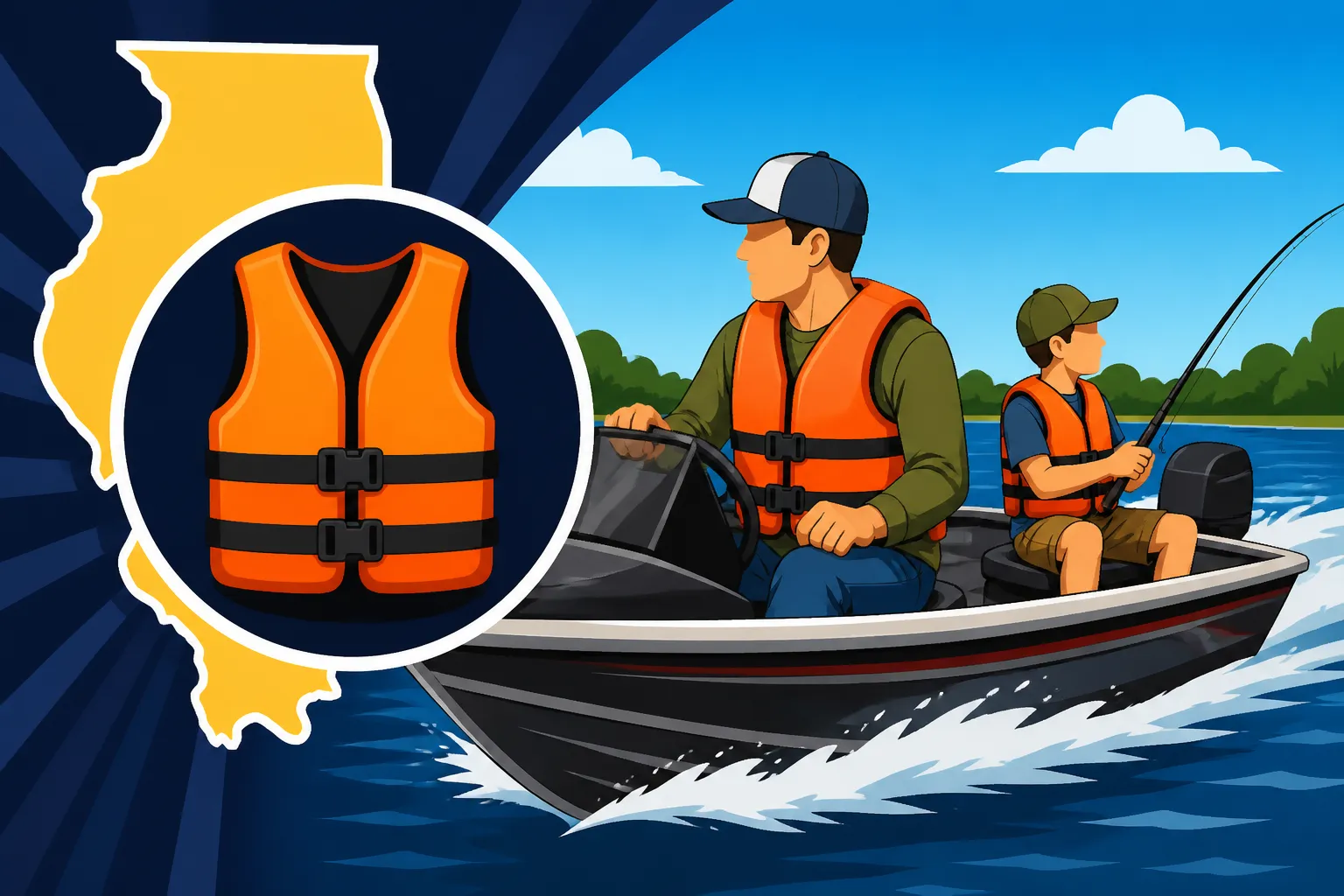
Here’s where a significant portion of the "underway" rules come into play. In Illinois, any child under the age of 13 must wear a USCG-approved life jacket at all times while on board any vessel that is underway. This rule is absolute, with one small exception: if the child is below deck in an enclosed cabin, they don't have to wear it. But as soon as they step onto the open deck, and the boat is underway, that life jacket needs to be on and properly fastened.
Imagine this scenario: you're cruising down the Illinois River, and your 10-year-old is having a blast on the deck. According to the law, that child must be wearing a life jacket. If they decide to go into the boat's cabin to play a game, they can take it off. But the moment they come back out, if the boat is still moving, it goes back on. This rule isn't just about avoiding a ticket; it's about life-saving. Small children can easily slip, trip, or be thrown overboard by an unexpected wave or wake. A properly fitted life jacket dramatically increases their chances of survival and can give parents immense peace of mind. For more detailed insights, check out Illinois Life Jacket Rules for Children Under 13.
Kayaks, Canoes, and Paddleboards: Always Wear It?
For those who prefer human-powered vessels like kayaks, canoes, and stand-up paddleboards, the "underway" rule presents a slightly different picture. For adults (those 13 and older), you are generally not required to wear a life jacket on these craft while underway, but you must have one readily accessible. However, and this is a big however, most experienced paddlers will tell you that it's far safer, and frankly smarter, to just wear it.
The dynamic nature of paddlecraft means capsizing can happen quickly and unexpectedly, even in calm water. A sudden gust of wind, an unseen wake, or an imbalance can send you into the water in an instant. If your life jacket is strapped to the deck, it might float away faster than you can grab it. For children under 13 on a kayak, canoe, or paddleboard, the rule is the same as any other vessel: they must wear a USCG-approved life jacket while underway. While Illinois law allows adults on paddlecraft a bit more leeway, the wisest choice for your safety and peace of mind is to always keep that PFD on, especially when you're actively paddling or drifting. Many specialized paddle-specific PFDs are designed to be comfortable and non-restrictive, making compliance easier. You can find excellent options for Best Fishing Kayaks for Illinois Lakes that are often paired with comfortable life jackets.
Types of Life Jackets and Ensuring Compliance
Navigating the world of life jackets isn't just about knowing when to wear them, but also what kind to wear. Not all PFDs are created equal, and understanding the different types approved by the USCG can help you make the best, safest choices for your specific boating activities.
Choosing the Right USCG-Approved PFD
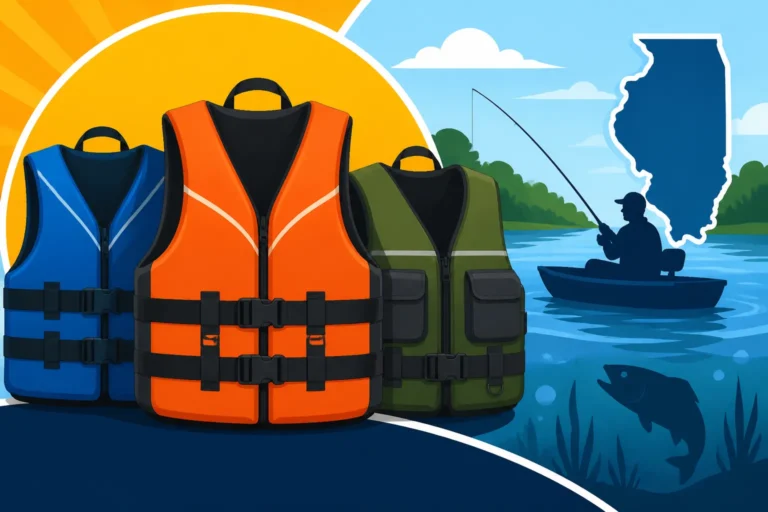
The U.S. Coast Guard classifies PFDs into different types, each designed for specific boating conditions and uses. Knowing these can help you select the most appropriate gear for your trips on Illinois waters:
- Type I (Offshore Life Jackets): These are the most buoyant and are designed for extended survival in rough, open water. They are bulky but will turn most unconscious wearers face-up in the water. Ideal for serious offshore trips.
- Type II (Nearshore Buoyancy Vests): Good for calm, inland waters. They are less bulky than Type I but may not turn an unconscious person face-up in all situations. Often what you see as standard "boat vest" PFDs.
- Type III (Flotation Aids): These are designed for comfort and wearability, allowing for freedom of movement. They are suitable for most recreational activities like fishing, waterskiing, and kayaking. Like Type II, they may not turn an unconscious person face-up. This is probably the most common type you'll encounter and wear.
- Type IV (Throwable Devices): These are not designed to be worn but to be thrown to someone in the water. Think of ring buoys or buoyant cushions. Every vessel 16 feet or longer (except canoes and kayaks) must have at least one Type IV device on board in addition to the wearable PFDs. For more on this, see Do You Need a Throwable PFD on a 16-Foot Boat in Illinois?.
- Type V (Special Use Devices): These are PFDs approved for specific activities, like sailboard harnesses, deck suits, or work vests. They must be worn to be considered a legal PFD.
Always make sure any life jacket you purchase or use clearly states "USCG Approved" on the label. Many modern vests, especially Type III, are much more comfortable and less bulky than older models, making them easier to wear for extended periods. When looking to upgrade your gear, you can find a wide selection of USCG-approved life jackets at retailers like Bass Pro Shops, or even online through Amazon, often with helpful reviews that speak to comfort and fit. For a more detailed breakdown, learn about Coast Guard Approved Life Jackets for Illinois Boaters.
Proper Fit, Condition, and Accessibility
It’s not enough to simply have a life jacket; it needs to be the right one, in good shape, and within reach. A life jacket that doesn't fit properly is essentially useless and can even be dangerous. For adults, it should fit snugly but allow for full range of motion. For children, it's especially critical; a PFD that's too large can ride up around their ears or slip off entirely, defeating its purpose. When trying one on, lift your arms straight up – if the PFD touches your chin or ears, it’s too big. You can find detailed advice on Proper Life Jacket Fit for Kids Fishing in Illinois.
Beyond fit, regularly inspect your life jackets for any signs of wear and tear. Look for:
- Rips, tears, or holes: These can compromise the buoyancy material.
- Faded or mildewed fabric: Indicates degradation and potential weakness.
- Cracked or broken buckles/zippers: Essential for keeping the PFD on.
- Loose straps: Can lead to an insecure fit.
If a life jacket shows any of these signs, it's time to replace it. A compromised PFD will not provide the intended flotation and protection. Finally, remember the "readily accessible" rule we talked about earlier. This means they should not be stored in sealed plastic bags, under heavy gear, or in locked compartments. They need to be where anyone on board can grab one and put it on quickly in an emergency. Preparing a Illinois Boating Safety Equipment Checklist for New Owners can help you remember all these critical details.
| USCG Type | Description | Best Use | Turns Unconscious Wearer Face-Up? |
|---|---|---|---|
| Type I | Offshore Life Jacket (most buoyant) | Rough, remote waters; extended survival | Most situations |
| Type II | Nearshore Buoyancy Vest | Calm, inland waters; good for general recreational | May not always |
| Type III | Flotation Aid (comfortable) | Most recreational activities (fishing, skiing, kayaking) | May not always |
| Type IV | Throwable Device | Emergency rescue (ring buoys, cushions) | No (not worn) |
| Type V | Special Use Device | Specific activities (kayak vests, work vests) | Varies by design |
Consequences of Non-Compliance and Staying Safe
Ignoring life jacket rules while underway in Illinois isn't just a minor infraction; it carries real penalties and, more importantly, can have tragic consequences. Understanding both the legal repercussions and the invaluable safety benefits can help reinforce why these regulations are so crucial.
Penalties for Violating Life Jacket Rules
Conservation Police Officers (CPOs) in Illinois are vigilant about enforcing boating safety laws, and life jacket violations are no exception. If a CPO stops your boat and finds that someone is not complying with the life jacket rules – for instance, a child under 13 isn't wearing one while underway, or you don't have enough PFDs for everyone on board – you could face a citation. These aren't just slaps on the wrist. Fines can vary, but they can be substantial, and in some cases, serious violations might even require a court appearance.
Beyond the immediate financial penalty, there's the possibility of having your trip cut short. A CPO has the authority to order you back to shore or to fix the violation before allowing you to continue. Imagine planning a fun day out fishing on Rend Lake, only to have it ruined by a preventable life jacket infraction. It's a frustrating situation that can easily be avoided by simply understanding and following the rules. While the focus of a fishing license violation, as described in Penalties for Fishing Without a License in Illinois, is different, the principle of enforcement and potential interruption of your day on the water remains similar. Ultimately, a ticket is the least of your worries when compared to the potential loss of life.
Beyond the Law: The True Value of a Life Jacket
While nobody wants a ticket, the most profound "consequence" of not wearing a life jacket, especially when underway, is the risk to life itself. Accidents on the water can happen in a split second. A sudden wave from a passing boat, an unexpected mechanical failure, or a collision can throw passengers into the water before anyone has time to react, let alone grab a stowed PFD. Cold water shock can quickly incapacitate even strong swimmers, making it impossible to tread water or swim to safety.
A properly worn life jacket acts as an immediate safety net. It keeps your head above water, conserves body heat in cold conditions, and allows you to breathe, call for help, and be seen by rescuers. Think of the peace of mind knowing that if your child falls overboard, they will float. It's not about being a weak swimmer; it's about being prepared for the unexpected. No matter how experienced you are, how calm the water seems, or how short your trip, the water is unpredictable. Wearing a life jacket, or ensuring those who need to wear one do, is the single most important safety decision you can make on an Illinois waterway. It’s an essential piece of equipment, just as vital as understanding your Illinois Fishing License Guide for 2026 or Illinois Boat Registration Requirements Explained. Don't ever underestimate its power to save a life – perhaps even your own.
Disclaimer
This article is for general informational purposes only and does not constitute professional advice. Laws, prices and regulations vary by location and change over time. Consult a qualified professional for guidance on your specific situation.