Best Gear for Illinois Bank Fishing
There's nothing quite like the peace and challenge of bank fishing in Illinois, but it can quickly turn into a frustrating endeavor if you don't have the right gear. Hauling a heavy, disorganized bag to a distant spot or realizing you're missing a critical piece of tackle can sour an otherwise perfect day. This comprehensive guide will walk you through all the essential gear you need to conquer Illinois's diverse bank fishing opportunities, ensuring you're prepared for whatever bites.
The Foundation: Rod, Reel, and Line Selection for Bank Anglers
When you're fishing from the bank, especially without the luxury of a boat, your rod, reel, and line become your primary tools for reaching fish, fighting them effectively, and adapting to different conditions. Getting this foundation right is crucial for success and enjoyment.
All-Around Spinning Combos for Versatility
For the vast majority of Illinois bank anglers, a spinning combo is the absolute hero of the tackle box. Why? Because it offers incredible versatility, ease of use, and fantastic casting distance – all critical factors when your range is limited to where you can physically cast from shore. You're not trying to maneuver a boat into the perfect position, so you need a setup that can cover a lot of water. A medium-light to medium power rod, typically in the 6'6" to 7'6" range, paired with a matching spinning reel (sizes 2500-3000), hits that sweet spot. This setup allows you to cast lighter baits like small jigs for crappie, yet still handle a decent-sized bass or channel catfish that might come along. It's forgiving enough for beginners but responsive enough for experienced anglers to feel subtle bites. Consider a setup you can comfortably hold all day, especially if you're exploring new bank access points along the Illinois River Fishing Guide or a local pond.
Think about the places you most often fish. If it's mostly smaller ponds with brushy banks, a shorter 6'6" rod might be more manageable for navigating tight casting spaces. If you're on a larger reservoir like Rend Lake or Carlyle Lake, trying to reach a distant drop-off from the shore, that longer 7'0" or 7'6" rod will give you the extra leverage and casting distance you crave. This flexibility means you don't need a different rod for every species; one good spinning combo can truly do it all for the bank angler.
Line Choices for Different Scenarios
The fishing line might seem like a minor detail, but it's literally your only connection to the fish. For bank fishing, where you might be casting into unknown cover or dealing with varying water clarity, having the right line can make a huge difference.
- Monofilament: This is often the go-to for many bank anglers. It's affordable, has good stretch (which can be forgiving when a fish makes a sudden run, especially with light tackle), and is relatively easy to tie knots with. It's a great choice for general-purpose fishing, especially for panfish and smaller bass, where a bit of shock absorption can prevent hooks from tearing out of soft mouths. However, its stretch can also make it harder to feel subtle bites at long distances, and it can suffer from memory, causing coils if left on the reel too long.
- Fluorocarbon: Known for being nearly invisible underwater, fluorocarbon is a fantastic choice when fishing in clear water or targeting wary fish like walleye or larger bass. It has less stretch than mono, offering better sensitivity, which is a huge advantage when you're trying to feel those faint taps from a finicky fish at the end of a long cast. The downside? It's typically more expensive and can be a bit stiffer, making it slightly harder to cast smoothly, especially with lighter lures. Many anglers will use a fluorocarbon leader tied to braided mainline for the best of both worlds.
- Braided Line: This super-strong, no-stretch line offers incredible sensitivity and casting distance. It's fantastic for punching through heavy cover, like lily pads or submerged timber you might encounter from the bank of a river. Its lack of stretch means you'll feel every bump and nibble, even from afar. The main drawbacks are its visibility (which is why a fluorocarbon leader is often used), its tendency to dig into itself on the reel if not spooled tightly, and its higher cost. It's also not ideal for beginners due to potential knot issues and the learning curve of managing its casting characteristics. For targeting larger catfish or bass in snaggy areas, braid is often the superior choice.
Specialized Setups for Specific Targets
While a versatile spinning combo covers most bases, sometimes you want to really dial in your gear for a particular species or technique. For instance, if you're obsessed with chasing trophy catfish from the bank, a longer, heavier-action casting rod with a robust baitcasting reel might be your preferred choice. This setup provides the backbone needed to cast heavy sinkers and cut bait, and the power to winch in a brute from a strong current. Similarly, for dedicated panfish anglers, an ultralight spinning combo (a 5'0" to 6'0" rod with a 1000-series reel) spooled with 4-6 lb test monofilament is unmatched. It makes even a small bluegill feel like a monster, and allows for precise casting of tiny jigs and bobbers.
Another example would be if you're focusing on specific artificial lure techniques. Perhaps you love pitching jigs into cover for bass; a shorter, stiffer baitcasting rod might offer better accuracy and control. The key is to evaluate your primary fishing goals. If 80% of your bank fishing involves a mix of species with general presentations, stick with the versatile spinning gear. If you find yourself consistently pursuing one type of fish with a specific method, investing in a specialized setup could significantly enhance your experience and success.
Essential Terminal Tackle: Hooks, Weights, and Floats
Terminal tackle refers to everything at the "terminal" end of your fishing line – hooks, weights, swivels, and floats. These small but mighty components are crucial for presenting your bait effectively and securing your catch. Without the right terminal tackle, even the best rod and reel combo won't get you far.
Hook Selection for Common Illinois Species
Choosing the right hook is paramount. It's about matching the hook size and style to your bait and the fish you're targeting, ensuring a good hook set and minimizing harm.
- J-Hooks: The classic "J" shaped hook, these are incredibly versatile. Sizes can range from tiny #12 hooks for micro-jigs and wax worms for bluegill, up to large 2/0-6/0 hooks for live bait or cut bait when targeting larger bass or catfish. Different styles exist, such as Aberdeen hooks (thin wire, good for panfish as they bend out of snags), baitholder hooks (barbs on the shank to hold bait), and treble hooks (three points, often found on artificial lures). When bank fishing with worms or minnows, a baitholder hook is often a reliable choice.
- Circle Hooks: Gaining popularity, especially for catfish and catch-and-release fishing, circle hooks are designed to hook fish in the corner of the mouth, making for easier release and reducing gut-hooking. Instead of a hard hook set, you simply reel tight when you feel a bite. They're excellent for larger cut baits or live baits for species like channel catfish or bluegill. Many Illinois anglers swear by them for Illinois Channel Catfish Daily Limit Explained pursuits, as they promote healthy releases of undersized fish.
- Worm Hooks/EWG Hooks: These are specifically designed for Texas rigging soft plastic baits, making them weedless. An "EWG" (Extra Wide Gap) hook provides ample space for thicker plastics and ensures a good hook set. For bank anglers casting soft plastics into weedy areas or brush piles for bass, these are indispensable. A common size for bass fishing is 3/0 to 5/0, depending on the plastic worm's size.
Carrying a variety of hooks in different sizes and styles is a smart move for any bank angler, as you never know what the fish might prefer or what species you might encounter.
Weights and Sinkers: Getting Your Bait Down
Weights, or sinkers, are essential for getting your bait to the desired depth and keeping it there, especially in current or windy conditions.
- Split Shots: These small, crimp-on weights are perfect for light presentations, like suspending a worm under a bobber for bluegill or adding a tiny bit of weight to a small plastic worm for bass. They're easy to add or remove and don't require retying.
- Bullet Weights: Tapered like a bullet, these weights are primarily used for Texas rigging soft plastics. Their streamlined shape allows them to slide through weeds and cover with minimal snagging, making them ideal for bass fishing from the bank.
- Egg Sinkers: Shaped like an egg, these weights have a hole through the center, allowing your line to slide freely. This is crucial for bottom fishing, especially for catfish, as the fish can pick up the bait and run without feeling the weight of the sinker. A small barrel swivel is typically tied below the egg sinker to prevent it from sliding down to your hook.
- Slip Sinkers: Similar to egg sinkers but often with a more elongated shape, they also allow line to pass through. They're commonly used for Carolina rigs, where the weight is separated from the hook by a swivel and a leader, giving the bait a more natural presentation. When fishing the bottom of a river for Mississippi River Catfish Fishing in Southern Illinois, a heavy egg or slip sinker is key.
Having a selection of sinker types and weights will allow you to adapt your presentation to different depths, currents, and fishing techniques.
Bobbers and Floats: Visual Strike Indicators
Bobbers and floats serve two main purposes: suspending your bait at a specific depth and indicating when a fish bites. They are absolutely essential for panfish and can be surprisingly effective for bass and even walleye in certain situations.
- Fixed Bobbers: These are attached directly to your line at a set point. They're great for shallow water (typically less than 6-8 feet) where you don't need to cast a long distance. The classic red and white plastic bobber is a fixed float, perfect for kids or beginners targeting bluegill close to shore. They provide immediate visual feedback when a fish tugs.
- Slip Bobbers: These are a game-changer for bank anglers. A slip bobber slides freely on your line, stopping at a small bobber stop knot that you can adjust to any depth. This means you can fish much deeper water (10, 15, even 20+ feet) while still being able to cast easily. When you cast, the bobber slides down to your bait, and once it hits the water, the weight of your bait pulls the line through the bobber until it hits the bobber stop. They offer a much more subtle and natural presentation, and are fantastic for crappie fishing or presenting a minnow to walleye.
- Indicator Floats (for Fly Fishing): While not traditional bobbers, these are worth mentioning if you're into ultralight spinning or even fly fishing from the bank. They're small, sensitive, and designed to detect the slightest tap.
Knowing how to properly rig and adjust your bobber or float will greatly increase your chances of success, especially when targetting suspended fish or those feeding at a specific depth along a bank.
Bait and Lure Strategies for Bank Success
From the bustling shores of Lake Michigan to the quiet banks of a local farm pond, bank fishing in Illinois offers a myriad of opportunities. The key to success often lies in selecting the right bait or lure for the conditions and the fish you're after. What works for a monstrous flathead catfish won't necessarily entice a wary largemouth bass.
Natural Baits: The Bank Angler's Best Friend
There's an undeniable allure to natural baits, and for many bank anglers, they're the bread and butter of a successful outing. The scent and natural action of live or cut bait can often draw in fish when artificials fail.
- Worms (Nightcrawlers, Red Worms, Earthworms): These are the universal bait, appealing to almost every freshwater species in Illinois. Bluegill, crappie, bass, catfish, and even carp can't resist a juicy worm. For bank fishing, you can simply hook a piece of a nightcrawler under a bobber for panfish, or use a whole one on the bottom for catfish. Red worms are smaller and excellent for smaller panfish like bluegill and sunfish. They're cheap, easy to get from any Bass Pro Shops or local bait shop, and incredibly effective.
- Minnows (Golden Shiners, Fathead Minnows): Live minnows are irresistible to predatory fish. Crappie, white bass, walleye, and even largemouth bass will readily strike a lively minnow. When fishing from the bank, you can hook them through the lip or the back, either under a slip bobber or on a weighted rig near the bottom. The struggling action of a live minnow sends out vibrations that fish can detect from a distance, making them a top choice for targeting species like walleye along the Mississippi River Walleye and Sauger: Illinois' Northern Stretch Explained.
- Crickets and Grasshoppers: During summer months, these terrestrial insects become a natural food source for panfish and smaller bass. They're fantastic for light tackle, fished on the surface or just beneath it. Often, you can even catch them near your fishing spot, adding an extra layer of engagement to your trip.
- Cut Bait (Chicken Livers, Shad, Commercial Baits): For dedicated catfish anglers, cut bait is often superior to live bait. Chicken livers are notorious for their potent smell, drawing in channel catfish from afar. Pieces of shad or other oily fish also work wonders for blue catfish and flathead catfish. Many commercial stink baits and dough baits are also available, often with a consistency that makes them easier to keep on the hook when casting from shore.
When using natural baits, patience is a virtue. Let the scent do its work and give the fish time to find and commit to the bait.
Artificial Lures: Casting from Shore
While natural baits have their place, artificial lures offer the advantage of covering a lot of water quickly and targeting more aggressive, predatory fish. Modern lure designs are incredibly effective, mimicking everything from minnows to crawfish.
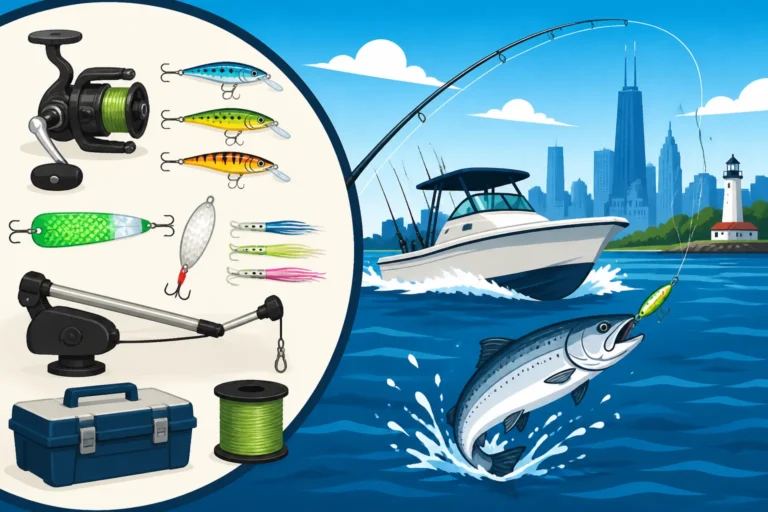
- Spinnerbaits: These lures feature one or more blades that spin, creating flash and vibration, along with a skirted hook. They are excellent for covering water and fishing through sparse cover. Their weedless design makes them perfect for casting from the bank into areas with submerged vegetation or fallen timber for bass and pike. Chartreuse, white, and shad patterns are typically great starting points.
- Crankbaits: Designed to dive to various depths, crankbaits imitate baitfish. Shallow-diving crankbaits work well along rocky shorelines or over shallow flats, while medium-diving ones can reach a bit deeper. They're effective for bass, walleye, and even pike. The key is to select a crankbait that runs at the depth where you expect the fish to be. Best Bass Lures for Clear Water might guide your choice on a clear lake.
- Soft Plastics: This category is vast and incredibly effective. Plastic worms, creature baits, senkos, and swimbaits can be rigged in countless ways (Texas rig, Carolina rig, shaky head, wacky rig) to entice bass and other species. The versatility of soft plastics means you can adapt your presentation to mimic almost any forage. They're particularly good for pitching into tight spots or slowly working through cover from the bank.
- Jigs (Jigheads with Grubs, Tubes, or Swimbaits): Jigs are another highly versatile lure. A simple jighead paired with a curly-tailed grub or a small swimbait can catch virtually anything, from crappie and bluegill to bass and walleye. They can be cast and retrieved steadily, bounced along the bottom, or jigged vertically if you're fishing from a pier or dam. For Crappie Jigging Techniques, a small jig is often all you need.
- Spoons: Both casting spoons and jigging spoons can be effective from the bank. Casting spoons (like a Johnson Silver Minnow) are great for covering water, especially in open areas, and for targeting pike or bass. Jigging spoons can be dropped vertically from a dock or bank and worked up and down to attract strikes.
Experimentation is key with artificials. What works one day might not the next, so be prepared to switch colors, sizes, and styles until you find what the fish are responding to.
Seasonal Bait Selection for Illinois Waters
The type of bait and lure that works best often depends heavily on the time of year, as fish behavior and forage availability change with the seasons. A savvy bank angler understands these shifts and adjusts their strategy accordingly.
- Spring: As water temperatures rise, fish become more active and begin to move into shallower areas for spawning. This is prime time for panfish to gather, and minnows under a slip bobber or small jigs are incredibly effective for crappie and bluegill. Bass will be in pre-spawn mode, often hitting lipless crankbaits, spinnerbaits, or jigs fished slowly near transition areas. Consider consulting a Spring Fishing Calendar for Illinois Anglers for species-specific timings.
- Summer: When the water heats up, fish may move deeper during the day or feed actively in low-light conditions. Early mornings and late evenings are excellent for topwater lures for bass. During the day, deep-diving crankbaits, Carolina rigs, or slow-fished plastic worms can reach fish holding in cooler, deeper water or under shade. Catfish become very active in summer, readily taking cut bait or chicken livers on the bottom.
- Fall: As temperatures drop, fish enter a "feeding frenzy" to prepare for winter. This can be one of the best times for bank fishing. Bass will aggressively hit crankbaits, spinnerbaits, and jigging spoons as they chase schooling baitfish. Walleye and crappie also become very active. Fall is an excellent time for Best Time of Year to Catch Crappie in Illinois from the bank using minnows or small jigs.
- Winter: Bank fishing in winter requires patience, as fish activity slows significantly. However, it's not impossible, especially on warmer days or in areas with consistent water temperatures, like power plant discharges. Small jigs, slow-fished soft plastics, or live minnows presented slowly near the bottom can tempt sluggish fish. Focus on deep holes or sheltered areas where fish might congregate. Ice fishing is popular during this season, but for open water, go slow and think small.
Understanding these seasonal patterns will dramatically improve your chances of success, ensuring you're presenting the most appealing meal to the fish at any given time.
| Gear Category | Essential Items for Bank Fishing | Target Species/Use |
|---|---|---|
| Rod & Reel | Medium-light to Medium power spinning combo (6'6"-7'6") | All-around, bass, crappie, catfish, panfish |
| Line | 8-12 lb monofilament or fluorocarbon; 15-20 lb braid (optional) | Versatility, sensitivity, strength in cover |
| Hooks | Assorted J-hooks (#12 to 2/0), circle hooks (1/0-4/0), EWG (3/0-5/0) | Panfish, bass, catfish, various baits |
| Weights | Assorted split shots, bullet weights, egg/slip sinkers | Depth control, weedless rigging, bottom fishing |
| Floats | Fixed bobbers, slip bobbers | Shallow to deep water, bait suspension, bite detection |
| Natural Baits | Nightcrawlers, red worms, minnows, chicken livers, cut bait | Universal, panfish, bass, crappie, catfish |
| Artificial Lures | Spinnerbaits, crankbaits, soft plastics (worms, grubs), jigs, spoons | Covering water, targeting predatory fish, specific techniques |
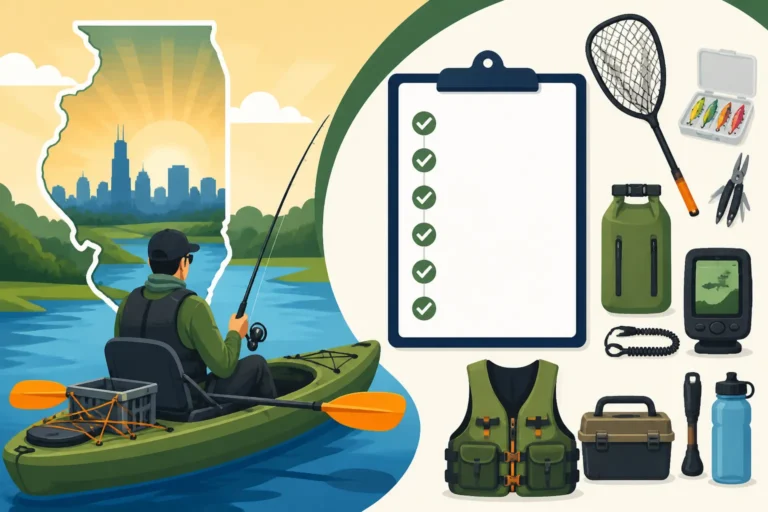
| Comfort/Utility | Portable chair, tackle bag/backpack, pliers, clippers, net | Comfort, organization, safety, handling fish |
| Safety/Personal | Sunscreen, bug spray, hat, polarized sunglasses, first-aid kit | Personal protection, visibility, emergency preparedness |
Comfort and Convenience: Beyond the Rod
While the rod, reel, and terminal tackle are undeniably the stars of the show, a successful and enjoyable bank fishing trip involves much more than just the basics. Comfort, organization, and a few essential extras can make the difference between a frustrating outing and a truly memorable day by the water. After all, you're often hiking to your spot, sitting for extended periods, and dealing with whatever Mother Nature throws your way.
Portable Seating and Shelter
Let's be real: standing for hours on end, especially on uneven terrain, isn't always the most comfortable experience. A good, portable chair or stool can be a game-changer for bank anglers.
- Folding Chairs/Stools: A lightweight, collapsible fishing chair or stool allows you to rest, relax, and patiently wait for bites without getting fatigued. Look for models with a backrest for added comfort, or even built-in rod holders. Some even come with small attached cooler bags, perfect for keeping drinks or bait cool. When you're spending a full day by the water at a place like a local state park lake, a comfortable seat can significantly extend your fishing time and enjoyment.
- Umbrellas or Pop-Up Shelters: Illinois weather can be unpredictable. A scorching summer sun or an unexpected rain shower can quickly send you packing. A small, portable fishing umbrella with a spike to stick into the ground can provide much-needed shade or rain protection. For more serious anglers planning to spend many hours, or even a full day, a lightweight pop-up shelter offers more comprehensive protection from the elements, allowing you to tough it out when others are heading home. This is especially true if you're taking advantage of Illinois Free Fishing Days Weekend Fishing Guide and might be out for an extended period with family.
Prioritizing comfort means you can focus more on the fishing and less on the aches and pains or the weather.
Storage and Transport Solutions
Dragging loose tackle boxes, bait containers, and a water bottle to your fishing spot is a recipe for disaster. Efficient storage and transport are key to keeping your gear organized, protected, and easily accessible.
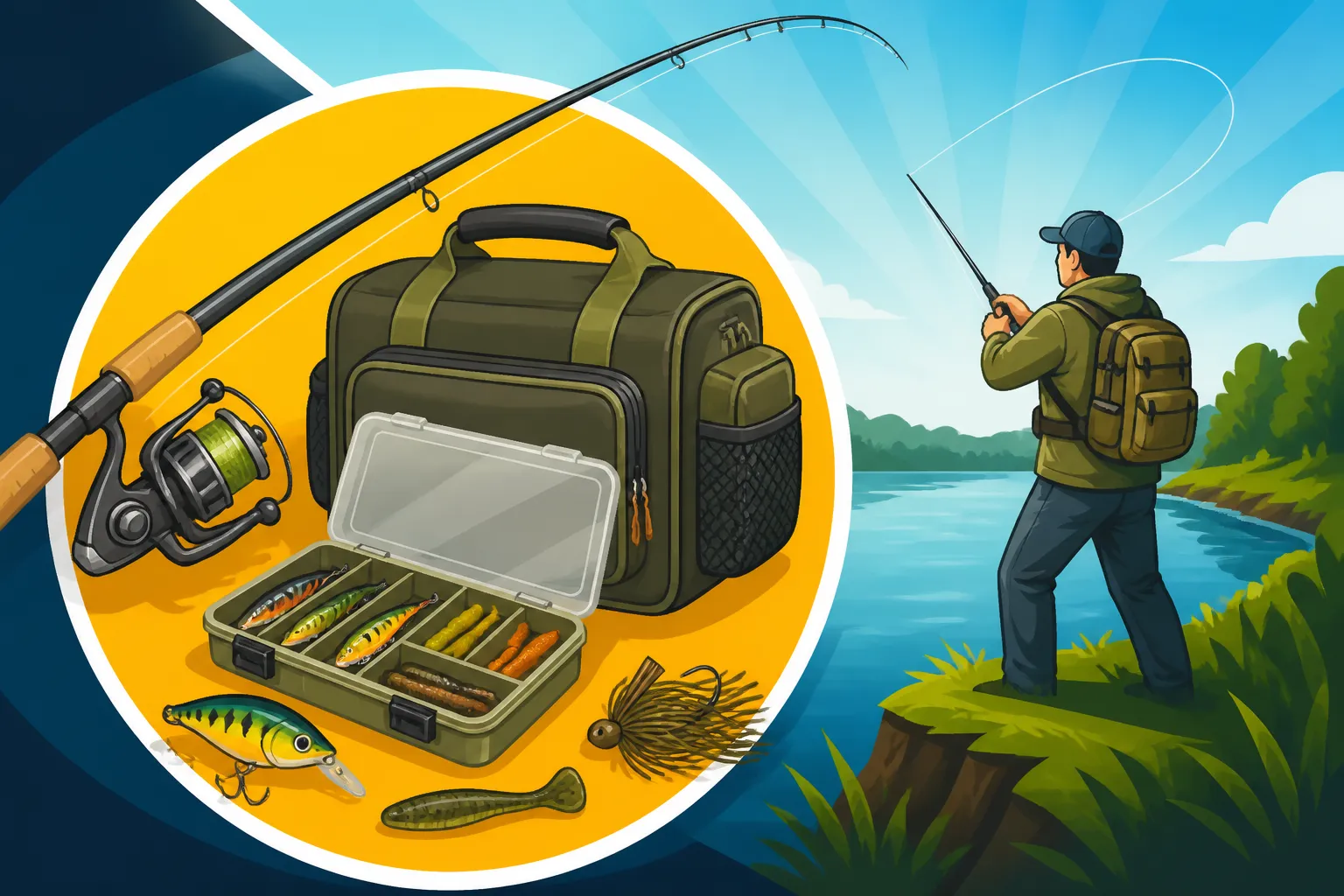
- Tackle Boxes and Bags: A traditional hard-sided tackle box is great for protecting delicate items, but for bank fishing, a soft-sided tackle bag or fishing backpack often offers more flexibility. These bags usually have multiple compartments, external pockets, and often come with plastic utility boxes for organizing lures, hooks, and weights. They're designed to be comfortable to carry, distributing weight better than a cumbersome hard box. Brands like Bass Pro Shops offer a huge range of options. A well-organized bag means you're not rummaging around for minutes when you need to quickly change a lure. Check out tips for a good Tackle Box Setup for Illinois Bass Anglers to get started.
- Utility Boxes and Wallets: Inside your main bag, smaller utility boxes are invaluable for organizing terminal tackle. Clear plastic boxes with adjustable dividers allow you to see your hooks, swivels, and weights at a glance. For soft plastics, specialized worm wallets keep them organized and prevent them from melting together in the heat. Having specific spots for everything saves time and frustration, especially when you’re trying to change baits quickly because the fish are biting.
- Rod Holders (Bank Sticks/Spikes): When you're fishing with multiple rods or simply want to set one down to enjoy the scenery or bait another hook, a bank stick or rod holder is invaluable. These are usually metal spikes that you push into the ground, with a cradle at the top to securely hold your rod. They protect your rod and reel from dirt and can prevent a fish from pulling your rod into the water if you look away for a moment.
Being organized makes your fishing experience smoother and allows you to be more responsive to changing conditions. A well-packed bag feels lighter and makes the walk to your favorite spot that much easier.
Essential Extras for a Productive Day
Beyond the core fishing and comfort gear, a few other items can significantly enhance your bank fishing experience and ensure you're prepared for anything.
- Pliers, Clippers, and Forceps: A good pair of multi-tool fishing pliers is indispensable for cutting line, crimping split shots, removing hooks from fish, and sometimes even fixing minor reel issues. Line clippers are smaller and handier for quick snips. Forceps are excellent for safely removing deeply set hooks from a fish's mouth, minimizing harm to both the fish and your fingers.
- Measuring Tape and Scale: If you're planning to keep fish, or if you're targeting trophy fish, a measuring tape is essential for ensuring your catch meets Illinois Walleye Minimum Size Limit of 14 Inches or other specific regulations. A small, portable digital scale can weigh your prize, adding excitement to your catch and release.
- Fish Gripper/Landing Net: Safely landing a feisty fish, especially if you're alone, can be tricky from the bank. A fish gripper allows you to firmly hold a fish by the lip without harming it (especially good for bass or catfish with sharp fins). A collapsible landing net is fantastic for scooping up larger fish, preventing them from flopping off the hook at the last minute. This is particularly useful if you're targeting big channel or flathead catfish.
- First-Aid Kit: Accidents happen. A small, waterproof first-aid kit with bandages, antiseptic wipes, pain relievers, and any personal medications is a non-negotiable item. Fish hooks are sharp, and cuts can occur. Being prepared for minor injuries means you don't have to cut your trip short.
- Sunscreen, Bug Spray, Hat, and Polarized Sunglasses: These are not optional in Illinois! Protect your skin from harmful UV rays, ward off mosquitoes and ticks, and shield your eyes. Polarized sunglasses are a game-changer, reducing glare off the water and allowing you to see submerged structure or even fish. You can find excellent options for all these essentials on platforms like Amazon.
- Hydration and Snacks: Don't forget water and a few energy bars. Staying hydrated and fueled will keep your energy levels up and your mind focused on fishing, rather than hunger or thirst.
Packing these "extras" not only makes your trip more enjoyable but also safer and more productive, allowing you to truly immerse yourself in the Illinois fishing experience.
Safety and Regulations for Illinois Bank Fishing
Beyond the thrill of the catch, being a responsible and safe angler is paramount. Understanding and adhering to Illinois's fishing regulations and prioritizing personal safety are critical, not just for your own well-being but for the health of our fisheries and access to public waters. Ignoring these aspects can lead to fines, injuries, or even the loss of fishing privileges.
Understanding Illinois Fishing Licenses and Regulations
It sounds obvious, but it's surprising how many people overlook or misunderstand the legal requirements. You simply cannot fish in Illinois without a valid fishing license if you are within the required age parameters, and even then, specific stamps may be needed.
- Obtaining Your License: Before you even cast a line, ensure you have a current Illinois fishing license. These are easily available online, at county clerks' offices, or at many sporting goods stores like Bass Pro Shops. The cost varies depending on residency and duration. It's not just a piece of paper; it's your legal permission to fish. Carrying physical or digital proof of your license is mandatory, as Can Game Wardens Check Your Fishing License on the Water? and from the bank. Getting caught without one can result in Penalties for Fishing Without a License in Illinois, which can quickly turn a fun day into an expensive one.
- Statewide and Site-Specific Rules: Illinois has general statewide fishing regulations, but many lakes, rivers, and ponds have site-specific rules that override the general ones. This is incredibly important to remember when bank fishing, as you might move from one body of water to another with different length or catch limits. Always check the Illinois Department of Natural Resources (IDNR) fishing guide or website for the specific rules of the waterbody you plan to fish. For example, while there might be a Illinois Statewide Bass Daily Catch Limit of Six Fish, a specific lake could have a slot limit or a different daily bag limit. This guide explains Why Fishing Rules Vary by Lake and River. Knowing these rules protects you and helps conserve fish populations for future generations.
- Special Stamps: If you plan on pursuing trout or salmon, particularly in stocked inland lakes or Lake Michigan, you'll need an additional stamp on top of your regular fishing license. Illinois Trout and Salmon Stamp Requirements are separate from your general license. Always double-check if your target species requires one.
Taking a few minutes to confirm your license is valid and to review the regulations for your specific fishing spot is a simple step that can save you a lot of grief and ensures you're fishing legally and ethically.
Bank Fishing Safety Precautions
Bank fishing can seem less risky than boating, but it comes with its own set of hazards. Being aware and prepared can prevent accidents and injuries.
- Uneven Terrain and Slippery Banks: Many prime bank fishing spots involve walking over rocky, muddy, or vegetated terrain. After rain, these areas can become incredibly slick. Wear appropriate footwear with good traction – no flip-flops! Take your time, watch your footing, and avoid steep, unstable banks. A fall can lead to serious injury or even land you in the water.
- Awareness of Surroundings: Be mindful of other anglers, hikers, and wildlife. Keep an eye out for venomous snakes, spiders, or poison ivy, which can be common near Illinois waterways. If you're fishing near heavy current, like along the Mississippi or Illinois Rivers, understand the power of the water and don't get too close to rapidly moving or deep water unless you are absolutely sure of your footing and capabilities. Always let someone know where you are going and when you expect to return, especially if you're exploring remote areas.
- Safe Handling of Fish and Hooks: Fish can be slippery and have sharp fins, teeth, or gill plates. Always use a fish gripper or wet hands to handle fish gently, especially if you plan to release them. Learn how to safely remove hooks – this is where those pliers or forceps come in handy! Be extremely careful when casting to avoid snagging trees, power lines, or, most importantly, other people. Always look behind you before making a cast.
- Weather Preparedness: As mentioned earlier, Illinois weather can change rapidly. Beyond sun protection and bug spray, be aware of approaching storms. Thunderstorms can bring lightning and dangerous winds. If you hear thunder, it’s time to seek shelter immediately. Always carry enough water to stay hydrated, especially on hot days, as dehydration can sneak up on you.
Prioritizing these safety measures means you can enjoy your time on the water with peace of mind, knowing you’ve minimized potential risks.
Leave No Trace: Protecting Our Fishing Spots
As anglers, we have a responsibility to be stewards of the environment. Practicing "Leave No Trace" principles ensures that our beautiful Illinois fishing spots remain clean and healthy for everyone.
- Proper Waste Disposal: This is perhaps the most critical rule. Any trash you bring in, you must take out. This includes old fishing line (which can be deadly to wildlife), bait containers, food wrappers, and drink bottles. Consider bringing a separate small trash bag specifically for your waste. Never leave anything behind.
- Respect for Wildlife and Vegetation: Observe wildlife from a distance and avoid disturbing nesting areas or sensitive habitats. Do not cut down vegetation unnecessarily to clear a casting path; try to find a natural opening or move to a different spot. Healthy riparian zones (areas along the bank) are crucial for water quality and fish habitat.
- Respect for Public and Private Property: Many bank fishing opportunities are on public lands, but some might border private property. Always be aware of property lines and respect landowners' rights. If there are "No Trespassing" signs, obey them. If you're using public access, park legally and avoid blocking gates or roads. Your courteous behavior helps maintain good relationships with property owners and ensures continued access for all anglers.
- Minimize Disturbances: Try to minimize your impact on the bank itself. Avoid trampling vegetation unnecessarily or eroding the shoreline. If you clean fish on the bank, ensure all entrails are properly disposed of away from the water's edge, or better yet, wait until you get home to clean your catch.
By adhering to these principles, every bank angler contributes to keeping Illinois's waterways clean, healthy, and accessible for everyone who wants to enjoy the simple pleasure of fishing from shore.
Disclaimer
This article is for general informational purposes only and does not constitute professional advice. Laws, prices and regulations vary by location and change over time. Consult a qualified professional for guidance on your specific situation.