Best Beginner-Friendly Fish Species for Kids Fishing in Illinois
There’s nothing quite like the excitement of a child reeling in their first fish, but getting them to that point can sometimes feel like a challenge. Many parents struggle to find fishing opportunities that keep young attention spans engaged and avoid long stretches of no bites. This guide is here to help you navigate the waters of Illinois fishing, highlighting the best beginner-friendly fish species that offer consistent action and plenty of smiles for your budding anglers.
Why Panfish Reign Supreme for Young Anglers
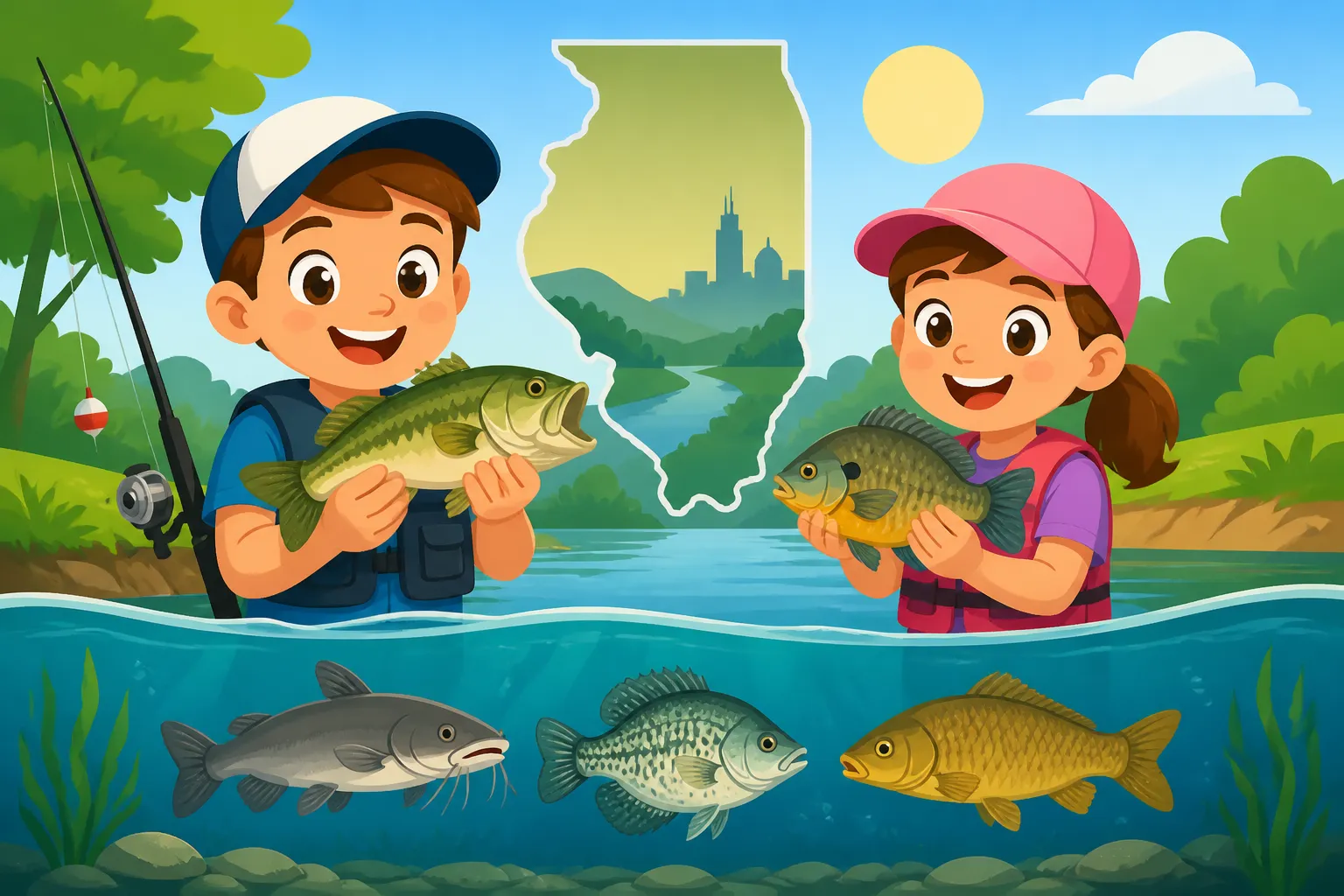
When it comes to introducing kids to the joys of fishing, panfish are the undisputed champions. These smaller, abundant species are perfectly suited for short attention spans and help build confidence quickly. Forget about spending hours waiting for a trophy bass; with panfish, the action can be fast and furious, providing the immediate gratification that young minds crave. They’re like nature’s built-in engagement strategy for kids.
The Abundance and Accessibility Factor
One of the biggest advantages of targeting panfish is their sheer abundance across Illinois. You’ll find them in nearly every pond, lake, and slow-moving river section. This means you don't need a fancy boat or extensive knowledge of obscure fishing spots. Often, a local park pond, a small community lake, or even a quiet backwater slough on one of Illinois's larger rivers will hold plenty of panfish. This accessibility is a huge plus for families, allowing for spontaneous afternoon trips without much planning. Many of these spots also offer great shore fishing access, which is ideal for kids who might not be ready for a boat.
Furthermore, these fish tend to congregate in easy-to-reach areas, like around docks, submerged brush, lily pads, or other forms of shallow cover. They're not shy, and they're usually eager to bite. This high likelihood of success is crucial for beginners; it keeps them excited and motivated. A child who catches several fish in an hour is far more likely to want to go fishing again than one who spends the same time staring at a motionless bobber. It's all about making those initial experiences positive and memorable, and panfish deliver on that front consistently.
Keeping Them Hooked: Constant Action
Let's face it: kids thrive on action. A long, uneventful wait for a bite can quickly lead to boredom, fidgeting, and asking "Are we there yet?" even when you're already at the lake! Panfish solve this problem by often biting readily and frequently. Their smaller size means they don't require heavy tackle, making it easy for kids to handle their own rods and feel every nibble. The quick tug of a bluegill or crappie on the line is an exhilarating feeling for a child, reinforcing their efforts and making them feel like a true angler.
This constant engagement helps teach them the basics of casting, setting the hook, and reeling in a fish, all while having fun. Even if the fish are small, the sheer number of bites and catches will keep them entertained and focused on the task at hand. It's a fantastic way to introduce them to the rhythm of fishing, from baiting the hook (with a little help, of course!) to releasing their catch, without the pressure of having to land a monster. The goal here isn't a trophy, it's building a foundation of enjoyment and a love for the outdoors.
Bluegill: Illinois's Perfect Starter Fish
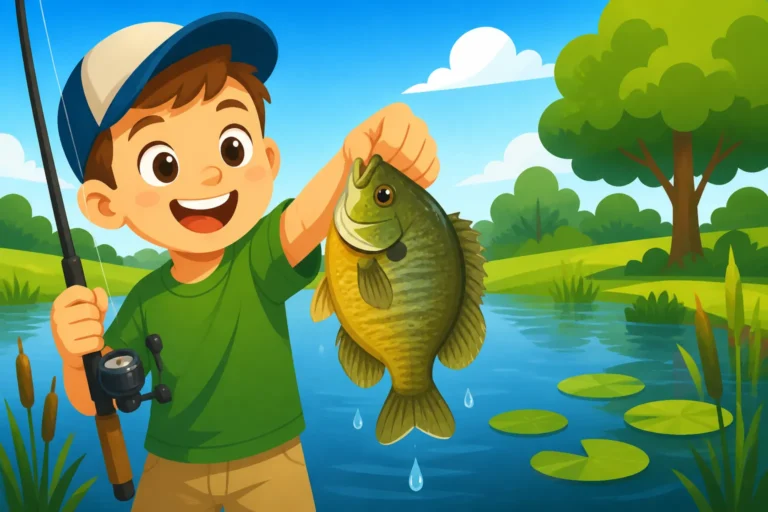
If there's one fish that embodies beginner-friendly fishing in Illinois, it's the bluegill. These vibrant, feisty little fighters are found almost everywhere and are famously cooperative, making them the ultimate "first fish" for countless young anglers. They might not be the biggest fish in the lake, but their eagerness to bite and beautiful colors make them a truly rewarding catch.
Easy to Find, Easy to Catch
Bluegill are truly ubiquitous in Illinois, thriving in a wide range of freshwater environments, from small farm ponds and local park lagoons to the vast expanses of larger reservoirs and river backwaters. You’ll often find them congregating in shallow, vegetated areas, around fallen trees, docks, or other structures where they can find food and cover. This makes them incredibly easy to locate from shore, which is ideal for family outings where you might not have a boat. Just look for sunny spots with some weeds or a shaded bank with overhanging branches, and you're likely to find a school of bluegill ready to bite.
Their enthusiastic feeding habits mean they aren't particularly picky eaters. A small hook, a bit of bait, and a bobber are often all it takes to entice a bluegill. This simplicity means less frustration for kids and more time spent actually fishing. They are perfect for teaching fundamental angling skills like casting, watching the bobber, and feeling the subtle tug of a fish. The combination of their widespread distribution and their aggressive feeding behavior ensures a high probability of success, which is the magic ingredient for keeping kids engaged and excited about fishing.
Simple Setups and Bait Choices
One of the beauties of bluegill fishing is that you don't need an arsenal of expensive gear. A simple spincast rod and reel combo, often sold as a "kid's combo," is more than sufficient. These setups are user-friendly, minimizing tangles and making casting a breeze for small hands. For bait, bluegill are notoriously fond of small offerings. The classic nightcrawler, cut into tiny pieces, is a perennial favorite. Wax worms, mealworms, red worms, or even tiny bits of corn or bread can also be incredibly effective. Small jigs, sometimes tipped with a piece of plastic or a live critter, also work wonders.
The basic rig involves a small hook (size 8 or 10 is usually perfect), a split shot weight a few inches above the hook, and a small bobber set to suspend the bait just off the bottom or around submerged cover. You can find excellent, durable, and affordable kid-sized fishing rods and tackle boxes on Amazon. The bobber is key for kids, as watching it dance and then disappear underwater is an unforgettable visual cue that a fish is biting. This straightforward approach allows kids to quickly grasp the mechanics of fishing and focus on the thrill of the catch rather than grappling with complicated equipment. When learning How to Teach a Kid to Fish for Panfish, starting with bluegill is often the most rewarding path.
Crappie: A Step Up for Budding Anglers
Once your young angler has mastered the bluegill, crappie offer a fantastic next step. These popular panfish are a bit larger, fight a little harder, and often require a touch more finesse, making them a great species to introduce slightly more advanced techniques without becoming overly challenging. Plus, they are incredibly tasty, making the reward even sweeter!
Locating Crappie Hotspots with Kids
Crappie, both black and white varieties, are abundant throughout Illinois, inhabiting many of the same waters as bluegill but often preferring slightly different habitat. While bluegill love thick shallow cover, crappie often suspend around deeper structures or the edges of drop-offs, especially around submerged brush piles, fallen trees, bridge pilings, or stake beds. Lakes like Rend Lake and Lake Shelbyville are famous for their crappie populations. Finding these hotspots with kids can be a fun scavenger hunt. You might use a simple fish finder if you're on a boat, or if bank fishing, look for areas near deeper water where cover is present, such as a pier extending into the lake or an old brush pile visible from shore.
The key is to teach kids to observe their surroundings and understand that different fish prefer different homes. For example, in early spring, crappie will move into shallower coves to spawn, making them much easier to target from the bank. As the season progresses, they'll retreat to deeper water, often suspending over structure. This dynamic aspect of crappie fishing helps introduce kids to the concept of seasonal patterns and fish behavior, adding another layer of interest to their fishing adventures. Best Crappie Fishing Lakes in Illinois can give you some excellent ideas for places to start your crappie hunt.
Introducing a Bit More Finesse
While crappie will sometimes hit the same baits as bluegill, they often respond better to slightly different presentations, introducing a touch more finesse. Small minnows are perhaps the most classic crappie bait, fished under a bobber or slowly retrieved. Tiny jigs, often 1/32 or 1/16 ounce, are also incredibly effective. These can be tipped with a small plastic body, a wax worm, or a minnow. Learning to "jig" these baits, making them dance and dart in the water, is a valuable skill for kids to learn. It teaches them about lure action and how to mimic natural prey.
The retrieve for crappie is often slower and more methodical than bluegill fishing. Kids can learn to slowly reel, pausing occasionally, or to make gentle lifts and drops of the rod tip to give the jig action. This encourages patience and a more deliberate approach to fishing. The strike of a crappie can be subtle, a light tap or a spongy feeling, which teaches kids to pay close attention to their line. Successfully detecting these lighter bites and setting the hook feels like a real accomplishment for a young angler, boosting their confidence and expanding their fishing repertoire.
Channel Catfish: The Thrill of a Strong Pull
For older kids who have developed a bit more patience and are ready for a stronger fight, channel catfish are an excellent target. These bottom-dwelling fish grow to impressive sizes, offer a formidable battle on the line, and are abundant in many Illinois waters. Catching a channel catfish can be a truly exhilarating experience, especially for a child who has mostly caught smaller panfish.
Catfish: Night Crawlers and Patience
Channel catfish are widespread in Illinois, inhabiting everything from large rivers like the Mississippi and Illinois Rivers to smaller streams, canals, and many of the state’s lakes and reservoirs. They prefer deeper, slower-moving water, often found near submerged logs, rock piles, drop-offs, or bends in a river. Unlike panfish, which are often caught during daylight hours, catfish frequently bite best in the evening, at night, or during periods of low light, which can add an exciting new dimension to a family fishing trip. This also teaches kids to adapt their fishing schedule to the habits of their target species.
For bait, channel catfish are not particularly picky, but they do have their favorites. The humble nightcrawler is a perennial winner, but they also respond well to cut bait (like pieces of shad or other oily fish), chicken livers, and various stink baits. Using a simple bottom rig, consisting of a sinker (like an egg sinker or slip sinker) above a swivel, and a leader with a sturdy hook (size 4 to 2/0 is common), is the standard approach. This setup allows the bait to rest on the bottom where catfish feed. For details on bait, check out Best Bait for Channel Catfish.
The Reward of a Bigger Battle
The real thrill of channel catfish fishing for kids is the fight. When a decent-sized channel cat takes the bait, it's not a gentle tap like a bluegill; it's a solid, sustained pull that can make even a seasoned angler smile. For a child, feeling that powerful tug on their line is an unforgettable experience. It teaches them how to properly hold the rod, reel against the drag, and patiently work a strong fish to the bank or boat. This kind of hands-on experience builds physical fishing skills and an appreciation for the strength of larger fish.
While waiting for a catfish bite might require more patience than panfishing, the payoff is often worth it. The anticipation of a big pull, followed by the struggle and eventual landing of a substantial fish, creates a sense of accomplishment that can truly cement a child's love for fishing. Plus, channel catfish are excellent table fare, making the catch an even more tangible reward that can lead to a delicious family meal. This reinforces the connection between the effort spent fishing and the bounty of nature.
| Fish Species | Typical Size for Kids (Illinois) | Easiest Bait | Preferred Habitat | Fight Level (1-5) | Best Time for Action |
|---|---|---|---|---|---|
| Bluegill | 4-8 inches | Worms, Small Jigs | Shallow, Weedy Areas, Docks | 2 | Daytime |
| Crappie | 7-12 inches | Minnows, Small Jigs | Brush Piles, Docks, Drop-offs | 3 | Morning/Evening, Overcast |
| Channel Catfish | 12-24 inches (can be larger) | Nightcrawlers, Cut Bait | Deeper Channels, Structure, River Bends | 4 | Evening/Night, Overcast |
Essential Gear and Mindset for Successful Kids Fishing
Getting kids into fishing isn't just about finding the right fish; it's also about equipping them with the right gear and, perhaps more importantly, the right attitude. A positive and patient approach from adults can make all the difference in whether a child falls in love with the sport or quickly loses interest.
The Right Tools: Kid-Friendly Rods and Tackle
Starting with the right equipment is crucial for young anglers. Heavy, complex gear is frustrating and can quickly turn them off. Look for lightweight, easy-to-use rod and reel combos. Spincast reels, often found in brightly colored kid-specific sets, are ideal because they minimize tangles and are simple to cast and retrieve with a single button press. A rod around 4 to 5 feet long is usually a good length for kids, allowing them to handle it comfortably. You'll find many reliable and affordable options specifically designed for children's hands on Amazon.
Beyond the rod and reel, a small tackle box stocked with essentials is perfect. Think small hooks, bobbers, a few split shot weights, and a small pair of pliers for removing hooks safely. Don't overload them with too many choices; simplicity is key. A bucket or cooler can double as a seat and a place to keep bait or their catch. Also, remember the importance of a properly fitting life jacket, especially if you're fishing from a boat or near deeper water. Make sure to understand Illinois Life Jacket Rules for Children Under 13 before you head out. Having their own gear fosters a sense of ownership and excitement for the adventure ahead. For a complete list of what to pack, check out Best Panfish Setup for Kids.
Nurturing Patience and a Love for Nature
While catching fish is exciting, fishing is also a powerful tool for teaching patience and appreciation for the natural world. It's important for adults to manage expectations; not every trip will be a banner day, and that's okay. Focus on the experience as a whole: the sounds of nature, watching wildlife, skipping rocks, or simply enjoying time together outdoors. Talk about the different kinds of fish you might catch, the insects you see, or the birds flying overhead. Make it an exploration, not just a hunt for fish.
Encourage them, celebrate every nibble, and be ready to re-bait hooks, untangle lines, and help with casting. Their initial enthusiasm might wane, but with consistent positive reinforcement and a relaxed atmosphere, they'll learn to appreciate the slower pace of fishing. Remember, the goal isn't just to catch fish; it's to create lasting memories and foster a lifelong connection to the outdoors. A comfortable setup, plenty of snacks, and a positive attitude from you are often more important than the number of fish caught.
Beyond the Catch: Learning and Memories
Fishing with kids is more than just a recreational activity; it's an opportunity for education, personal growth, and creating cherished family memories. It's about instilling values, teaching responsibility, and connecting with nature in a meaningful way.
Understanding Regulations and Conservation
As young anglers become more proficient, it's crucial to introduce them to the importance of fishing regulations and conservation. This includes explaining why we have length limits and daily catch limits – to protect fish populations for future generations. Teach them about catch-and-release practices for fish they don't intend to keep, emphasizing gentle handling and quick returns to the water. Explain that a fishing license, even for adults accompanying kids, helps fund vital conservation efforts and habitat restoration in Illinois. You can find more information about this in the Illinois Fishing License Guide for 2026.
It's also a great chance to teach them about respecting the environment. That means picking up any trash, not leaving behind old fishing line, and being mindful of other anglers. Leading by example is the best way to instill these values. Show them how to properly dispose of bait containers and emphasize leaving the fishing spot cleaner than you found it. This fosters a sense of stewardship and responsibility, ensuring that they grow up to be ethical and environmentally conscious anglers who care deeply about Illinois's precious aquatic resources. Remember, even young children often benefit from understanding Illinois Fishing License Rules for Children.
Making Every Trip an Adventure
Every fishing trip with kids, regardless of the catch, has the potential to be an adventure. Plan for more than just fishing; pack a picnic, bring a magnifying glass for bug exploration, or a sketchbook to draw the scenery. Visit different Illinois State Park Fishing Spots to introduce them to diverse environments. Celebrate small victories, like a perfect cast, a successfully tied knot, or even just the quiet joy of watching a turtle swim by. These moments often become the most vivid and treasured memories.
By focusing on the overall experience, you're not just creating anglers; you're cultivating curious, resilient, and appreciative individuals. The skills learned on the water – patience, problem-solving, observation, and respect for nature – extend far beyond fishing. So grab those kid-friendly rods, pack some snacks, and head out to one of Illinois's many wonderful fishing spots. The memories you create and the lessons they learn will be far more valuable than any fish they bring to the net. Get ready to embark on an unforgettable journey, one cast at a time!
Disclaimer
This article is for general informational purposes only and does not constitute professional advice. Laws, prices and regulations vary by location and change over time. Consult a qualified professional for guidance on your specific situation.