Where to Fish for Crappie on Kinkaid Lake
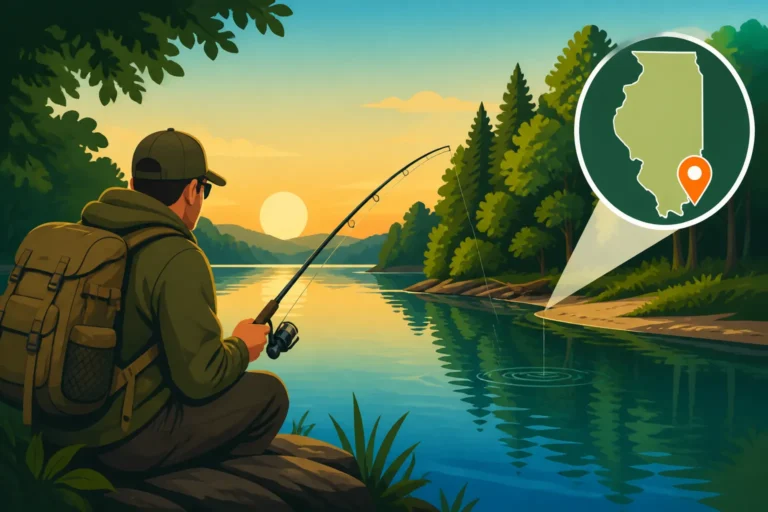
Finding crappie on Kinkaid Lake can feel like a real puzzle sometimes, especially with its unique blend of clear water and abundant structure. You know the frustration: you’ve heard Kinkaid is a crappie paradise, but you spend half your trip just trying to locate a decent school, never mind actually getting them to bite. This guide is here to cut through that frustration, giving you the insider scoop on exactly where to focus your efforts, what techniques work best, and how to make the most of your time chasing those elusive slabs on one of Illinois’s most beautiful reservoirs.
Understanding Kinkaid Lake's Crappie Dynamics
Kinkaid Lake, nestled in Jackson County, is a gem for anglers, but it's not like every other crappie lake in Illinois. Its deep, clear waters and complex topography mean crappie behave a little differently here than they might in a shallower, murkier reservoir. Understanding these nuances is key to consistently filling your livewell.
The Unique Structure of Kinkaid Lake
Kinkaid Lake is a deep, clear-water lake known for its rugged shoreline and extensive underwater features. Unlike some of the larger, flatter reservoirs, Kinkaid boasts dramatic drop-offs, submerged timber, rocky points, and numerous coves. These diverse structures create a multitude of habitats for crappie, but also make finding them a challenge if you don't know where to look. The lake was impounded from Kinkaid Creek, and many of the original creek channels and standing timber from before the impoundment are still present, offering prime cover.
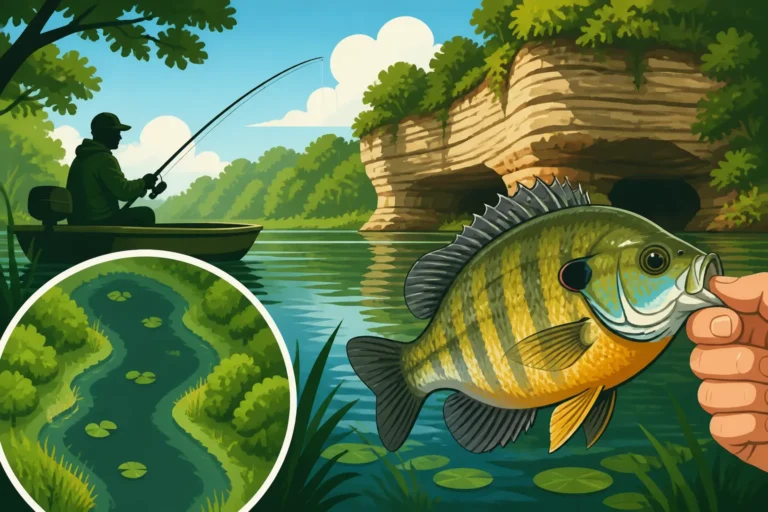
The lake’s water clarity means crappie here can be a bit warier than in stained water. They often relate more closely to cover and depth transitions, seeking refuge from predators and bright sunlight. You'll find a mix of both black and white crappie in Kinkaid. Black crappie tend to prefer the clearer, rockier areas and deeper timber, while white crappie might be found in slightly more turbid areas, often congregating in larger schools. This clear water also means that presentation and stealth become even more critical; a heavy jig or a clumsy approach can easily spook an entire school. Knowing how the fish use these underwater features throughout the year is crucial for success.
Seasonal Crappie Movements and Behavior
Crappie in Kinkaid Lake, like most fish, follow distinct seasonal patterns. Your approach to finding them will need to adapt as the water temperature changes.
- Spring (Pre-spawn and Spawn): This is often considered prime time. As water temperatures climb into the 50s and 60s Fahrenheit, crappie move into shallower coves and creek arms to spawn. They'll be found around submerged brush, fallen trees, and rocky banks in 2-10 feet of water. Look for them in protected areas with northern exposure, which tend to warm up faster. This is when you can often find large numbers of fish concentrated. Many anglers consult an "Illinois Crappie Spawn Season Guide" to pinpoint the exact timing.
- Summer: Once the spawn is over and water temperatures rise into the 70s, crappie often retreat to deeper, cooler water. They'll relate to brush piles, timber, and main lake points in 15-30 feet of water, especially during the heat of the day. They might suspend over deeper creek channels or seek shade under large standing timber. Early morning and late evening bites can still be found in shallower depths as fish move up to feed. This is a great time to experiment with deeper jigging or slow trolling.
- Fall: As the lake cools down into the 60s and 50s, crappie become more active again, often schooling up and feeding aggressively in preparation for winter. They'll move back to shallower flats and creek channels, often congregating around brush piles and structural elements in 10-20 feet of water. This is another excellent time for numbers of fish, as they're actively chasing baitfish. You might find them in similar areas to their spring pre-spawn patterns, though perhaps a bit deeper as the fall progresses.
- Winter: Kinkaid Lake can offer good ice fishing opportunities, but even without ice, cold water crappie fishing is possible. Crappie will hold in deeper sections of the lake, often suspending over the main creek channel or congregating around very deep brush piles or standing timber, sometimes 30 feet or more down. They become lethargic, so a slow, subtle presentation is vital. Knowing the overall "Illinois Fishing Seasons Guide" can help you anticipate these changes across all species, not just crappie.
Prime Crappie Fishing Spots on Kinkaid Lake
Kinkaid Lake is full of potential crappie hideouts, but some areas consistently produce more than others due to their unique features. Let's break down where you should be focusing your efforts.
Northern Arm Hotspots
The northern arm of Kinkaid Lake is characterized by numerous coves, shallower flats, and extensive standing timber, especially in the upper reaches. This area is particularly productive during the spring spawn and fall transition.
- Paul's Cove and Little Paul's Cove: These two coves, located on the northern end, are legendary crappie spots. They feature excellent standing timber and submerged brush, especially in the shallower backs. During spring, crappie flood these areas to spawn. Look for schools relating to the timber lines, particularly where the water depth drops from 5 to 15 feet. A good electronics unit will show you the brush piles. Even outside of spring, crappie will suspend around the deeper timber edges in these coves.
- Kinkaid Creek Arm: As you move further up the original Kinkaid Creek arm, the lake narrows and becomes shallower, offering vast fields of standing timber. This is a classic crappie sanctuary. Target the edges of the old creek channel, which wind through the timber. Crappie will often suspend along these channels or hide within dense timber clusters. This area is fantastic for both numbers and size, especially if you can present a jig or minnow vertically into the cover. It’s also an area where you might find some of the "Kinkaid Lake's Clear-Water Spots for Smallmouth Bass", making it a multi-species haven.
- The Spillway Area (North Side): While often fished for other species, the submerged timber and rocky outcroppings near the spillway on the northern side can hold crappie, particularly during cooler months when they seek deeper, more stable water. It's a bit more exposed but can be rewarding.
Central Lake Structures
The central part of Kinkaid Lake offers a different kind of crappie habitat, with deeper water, rockier points, and some significant submerged structures.
- Submerged Islands and Humps: There are several underwater islands and humps in the central portion of the lake, often marked on fishing maps. These high spots, surrounded by deeper water, act as magnets for crappie, especially in summer and fall. Look for brush piles or standing timber on or around these structures. Crappie will often hold on the deeper sides of these humps, moving shallower to feed. Fishing around these areas requires good boat positioning and a keen eye on your fish finder.
- Rocky Points and Bluffs: Kinkaid Lake has a fair share of rocky bluffs and points that extend into deeper water. These areas can hold crappie, particularly black crappie, which prefer rockier cover. Look for brush piles or submerged timber that has washed up against these points. The transition zones where rock meets mud or sand can be particularly productive. These areas often receive less pressure than the timber-heavy coves, offering a quieter fishing experience.
- Deep Creek Channel Bends: The main creek channel snakes its way through the entire lake. In the central section, there are some significant bends where crappie will suspend, especially when not actively feeding or during extreme weather. Using your electronics to locate these channel edges and any associated cover is crucial. Often, you'll find schools of crappie hovering just above the channel bottom or along the slopes. This is where patience and precise boat control pay off. Many anglers looking for a guided trip to navigate these deeper areas might use platforms like FishingBooker to find local experts.
Southern End Sanctuaries
The southern end of Kinkaid Lake tends to be a bit deeper and more secluded, with fewer boat ramps and generally less traffic, offering true sanctuaries for crappie.
- Poplar Ridge and Cripple Creek Coves: These large coves on the southern end offer extensive areas of standing timber and gradual depth changes. They are excellent crappie grounds throughout the year. During the spawn, the shallower timber and brush in the back of these coves are key. In summer and winter, crappie will move to the deeper timber lines and channel edges within these coves. These areas often hold large schools of fish that are less pressured than those closer to popular access points.
- The Dam Area (South Side): While the actual dam face is often targeted for other species, the deeper water and associated rock and timber structures nearby on the southern side can hold crappie, especially during winter when they seek consistent deep water. Fish here will often suspend at specific depths, so using your fish finder to mark their depth is vital.
- Secluded Backwater Pockets: Kinkaid Lake has several smaller, more secluded coves and backwater pockets, particularly towards the very southern and western reaches. These spots might require a bit more navigation but can be extremely rewarding, offering undisturbed crappie populations. They often feature dense timber and brush, providing ideal cover. If you're looking for peace and quiet, these hidden gems are worth exploring.
Here's a quick reference for crappie fishing hot spots on Kinkaid Lake:
| Location | Primary Features | Optimal Season | Recommended Technique |
|---|---|---|---|
| Paul's Cove / Little Paul's Cove | Standing timber, submerged brush, shallow flats | Spring, Fall | Jigging timber, slip bobber with minnow |
| Kinkaid Creek Arm | Extensive standing timber, old creek channels | All year | Vertical jigging, spider rigging (slow troll) |
| Submerged Islands/Humps (Central Lake) | Brush piles, rock transitions, deep water access | Summer, Fall | Deep jigging, slow trolling with electronics |
| Rocky Points & Bluffs | Rocky cover, brush against banks, depth changes | Fall, Winter | Jigging points, tight-lining |
| Poplar Ridge / Cripple Creek Coves | Large timber fields, deep coves, less pressure | All year | Vertical jigging, slip bobber, spider rigging |
| Dam Area (South Side) | Deep water, stable temperatures, structure | Winter | Deep vertical jigging, careful electronics use |
Essential Techniques and Tackle for Kinkaid Crappie
Once you've located a promising crappie spot on Kinkaid Lake, the next step is to present your bait in a way that entices a bite. Kinkaid's clear water often demands a refined approach.
Jigging and Live Bait Strategies
Crappie in Kinkaid Lake respond well to both artificial lures and live bait, but presentation is everything.
- Jigging: This is a highly effective method, especially when crappie are relating to vertical structure like standing timber or brush piles. Small jigs, typically 1/16 to 1/8 ounce, are usually sufficient. Colors like chartreuse, white, black, or natural shad patterns are perennial favorites. When jigging timber, try to drop your jig right into the cover and work it slowly. For suspended crappie, use your fish finder to determine their depth and present your jig just above them. Don't be afraid to experiment with different retrieve speeds and pauses. For more specific advice, check out our guide on "Crappie Jigging Techniques".
- Live Bait (Minnows): A small minnow fished under a slip bobber or tight-lined is often irresistible to crappie, especially when they're finicky. The key with a slip bobber is to set your depth accurately, so the minnow is suspended just above or in the middle of the crappie school or brush pile you've marked. For tight-lining, use a light sinker to get your minnow down to the desired depth, feeling for subtle bites. This technique is especially good when fishing in dense cover or when the fish are less aggressive. Many anglers find the "Crappie Tightlining Techniques" useful for this type of fishing.
- Spider Rigging: For covering larger areas, particularly open water or along creek channels, spider rigging can be very effective. This involves using multiple rods (where legal, check the current "Illinois Fishing Regulations Overview"!) extended around the boat, each with a jig or minnow rig set at a different depth. Slow trolling at 0.5 to 1 mph allows you to present baits to a wide swath of water, ideal for locating scattered schools or active fish in summer and fall. Remember to abide by the overall "Illinois Fishing License Guide for 2026" requirements before hitting the water.
Electronics and Boat Control
Modern electronics have revolutionized crappie fishing, and they are practically a necessity on a lake like Kinkaid.
- Fish Finders and Sonar: A good fish finder with down imaging and side imaging capabilities can be an absolute game-changer. Use your sonar to locate submerged timber, brush piles, creek channels, and most importantly, schools of crappie. On Kinkaid's clear water, you'll often see distinct arcs or clouds of baitfish and predators. Once you mark fish, note their depth and position, and then precisely present your bait. Take your time, idling over potential spots to scan for structure and fish. If you're serious about crappie, investing in a quality unit is worth it.
- GPS and Mapping: Integrated GPS with detailed lake maps (like those often found on Humminbird or Garmin units) allows you to mark productive brush piles, channel edges, and fishing spots. This is invaluable for returning to hot spots and navigating the lake, especially in areas with extensive timber. You can also use it to stay on course while slow trolling. Many serious anglers use these maps to create their own custom waypoints, improving their success rate over time. When booking a guided trip, you can often filter by guides who utilize top-tier electronics through services like FishingBooker.
- Trolling Motor and Shallow Water Anchors: A quality trolling motor, especially one with GPS spot-lock capabilities, is essential for maintaining boat position over structure or while spider rigging. This allows you to stay on a productive spot even in windy conditions, without constantly fighting the elements. Shallow water anchors, like those from Power-Pole or Minn Kota Talon, are fantastic for locking down your boat quickly and quietly in shallower coves or around brush piles, allowing for a stealthy approach that won't spook wary crappie. Having good boat control is crucial, especially when fishing for species like "Illinois' Best Panfish Species: A Complete Guide" in confined areas. If you're wondering "How to Catch Crappie From a Boat", mastering your electronics and boat control is the foundation.
Navigating Kinkaid Lake Safely and Effectively
Kinkaid Lake offers fantastic fishing, but its unique geography and popularity mean you need to be mindful of safe boating practices and regulations.
Access Points and Launch Considerations
Kinkaid Lake has several public access points, each offering slightly different advantages depending on where you plan to fish.
- Dam East and West Public Access Areas: These are perhaps the most popular access points, located near the Kinkaid Lake dam. They offer multiple paved ramps, ample parking, and are generally well-maintained. From here, you can easily reach the central and southern parts of the lake. During peak season, these ramps can get busy, so arrive early, especially on weekends.
- Paul's Cove Ramp: This ramp provides direct access to the famous Paul's Cove and the extensive timber in the northern arm. It's an excellent choice if your primary target is the northern crappie hotspots. Parking can be more limited here, and the launch can be a bit steeper.
- Crisp Creek/Northwestern Side Access: There are smaller, less-used ramps on the northwestern side of the lake, offering access to the upper Kinkaid Creek arm. These are often gravel or dirt ramps and might not be suitable for larger boats or during periods of low water. They can be good if you want to avoid crowds and have a smaller boat or kayak. You can find more details on "Kinkaid Lake Boat Ramps and Shore Access" to plan your trip effectively. Always check the water levels before heading out to ensure your preferred ramp is usable.
Respecting Regulations and Fellow Anglers
Fishing on Kinkaid Lake means adhering to Illinois Department of Natural Resources (IDNR) regulations and being a courteous boater.
- Crappie Regulations: Always check the most current IDNR fishing guide for Kinkaid Lake. Crappie regulations can vary by lake, including daily creel limits and sometimes length limits. As of my last check, Kinkaid Lake typically has a 25-fish daily creel limit for crappie with no minimum length, but these rules can change, so a quick verification is always a good idea. Not knowing the rules is no excuse, and wardens do patrol these waters.
- Boating Safety: Kinkaid Lake can get busy, especially in summer. Always operate your boat safely, observe no-wake zones, and be aware of other anglers and recreational boaters. Ensure you have all required safety equipment on board, including life jackets for everyone, especially children, and a working fire extinguisher. Be particularly careful in areas with standing timber, as hazards can be hidden just beneath the surface.
- Conservation and Etiquette: Practice catch-and-release for fish you don't intend to eat, especially larger breeding-size crappie if you're targeting numbers. Dispose of all trash properly, and avoid disturbing other anglers. If someone is already fishing a prime spot, give them plenty of room. A good experience on the water for everyone depends on courtesy and respect. While fishing, consider leaving a clean campsite or boat ramp for the next person. If you're working with a guide found via FishingBooker, they will always prioritize safety and adherence to regulations.
Disclaimer
The information provided in this guide is for general informational purposes only. While we strive to offer the most accurate and up-to-date advice, fishing conditions, regulations, and lake characteristics can change rapidly. Always consult the official Illinois Department of Natural Resources (IDNR) website and their most current fishing guide before planning your trip to Kinkaid Lake or any other body of water. Fishing inherently carries risks, and responsible angling practices, including adherence to all safety guidelines and local laws, are solely the reader's responsibility.