Northern Pike Fishing in Illinois: The Complete Guide
If you've ever dreamt of battling a true freshwater predator, the Northern Pike in Illinois is probably on your mind. These aggressive, toothy fish offer an exhilarating challenge, often leaving anglers frustrated with their elusiveness or thrilled by a powerful strike. Whether you're a seasoned angler looking to dial in your technique or a newcomer hoping to land your first "water wolf," navigating the best spots, gear, and strategies for these impressive fish can feel like a daunting task. This comprehensive guide is here to cut through the confusion and equip you with the knowledge you need to successfully target Northern Pike across the Prairie State.
Meet the Northern Pike: Illinois' Toothiest Predator
Northern Pike, often called "pike" or "northerns," are truly formidable freshwater fish. Their long, slender bodies, duckbill-shaped snouts, and rows of razor-sharp teeth make them unmistakable and perfectly adapted for ambush predation. In Illinois, they represent one of our top game fish, offering exciting fights and a thrilling chase for dedicated anglers. Understanding their biology and behavior is the first step in consistently putting these fish in your net.
Identifying Northern Pike: Distinguishing Features
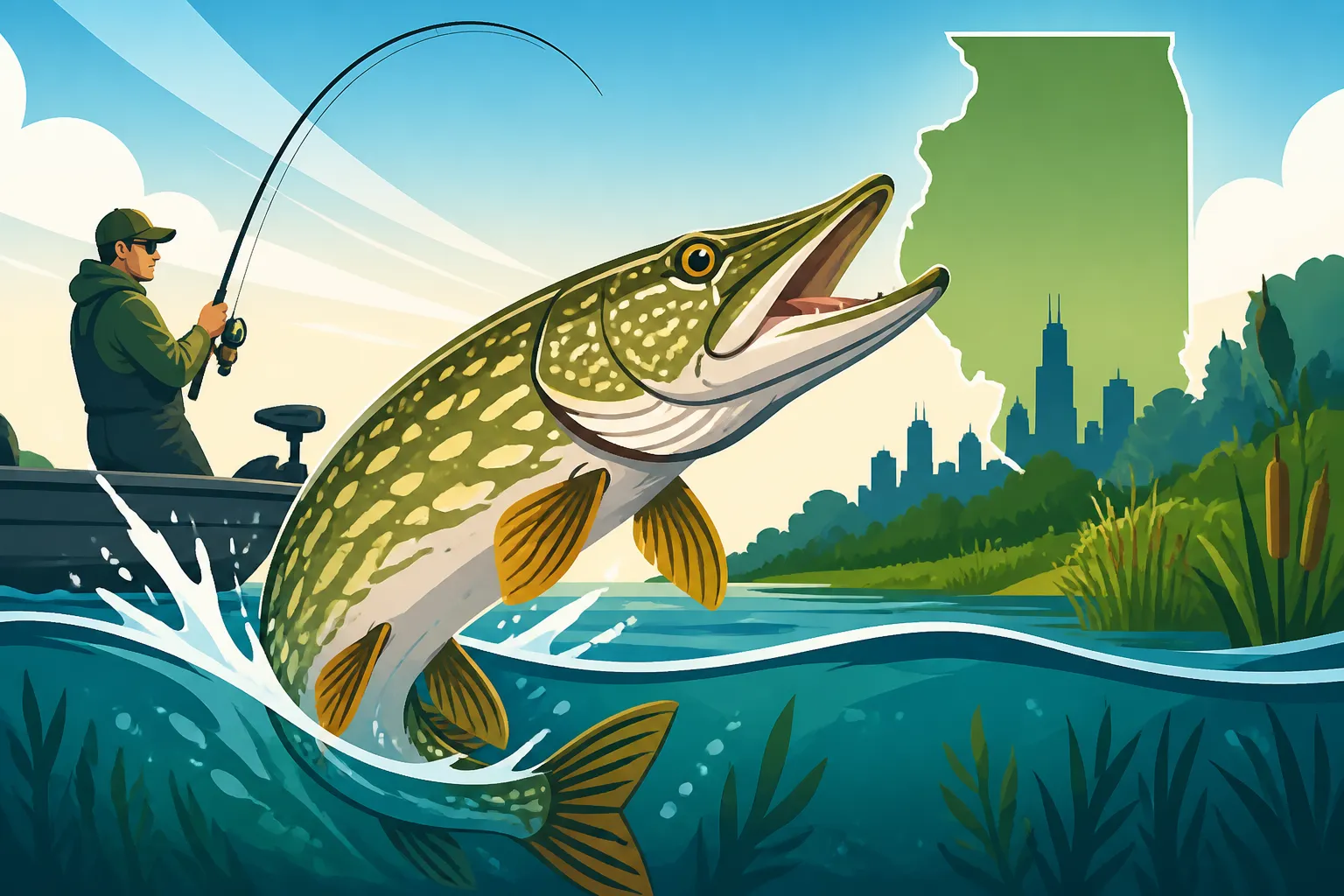
When you pull a fish out of the water, it's crucial to know what you've got, not just for bragging rights, but for adherence to regulations. Northern Pike have a very distinct look that sets them apart from other species, even their close relative, the muskellunge. Their bodies are typically dark green to olive, fading to a lighter, often yellowish-white belly, and covered in light, bean-shaped spots. Their dorsal fin is set far back on their body, almost directly above their anal fin, which aids in their lightning-fast bursts of speed. A key distinguishing feature for Northern Pike, especially compared to muskies, is the presence of scales covering the entire cheek and only the upper half of the gill cover. Their coloration is usually lighter spots on a darker body, whereas muskies tend to have darker markings (bars or spots) on a lighter background. If you're ever unsure, take a moment to count the pores on the underside of their jaw – pike usually have five or fewer on each side, while muskies have six to eight.
Pike Behavior and Habitat Preferences
Northern Pike are notorious ambush predators, masters of camouflage, and highly territorial. They thrive in cool, clear water but are adaptable and can be found in a variety of aquatic environments across Illinois. Their preferred habitats are typically areas with abundant submerged vegetation, like weed beds, lily pads, and submerged timber. These structures provide perfect cover from which they can launch surprise attacks on unsuspecting prey. You'll often find them lurking at the edges of these weed lines, near drop-offs, or around fallen trees. They love transitions – where shallow water meets deeper water, or where a weed line gives way to open water. These spots create natural highways for baitfish, making them prime hunting grounds for pike. They are visual hunters, so clear water is often preferred, allowing them to spot prey from a distance before striking with incredible speed.
Prime Pike Waters: Where to Cast Your Line in Illinois
While Northern Pike aren't found in every body of water across Illinois, there are certainly some standout locations where your chances of encountering these feisty fish are significantly higher. From large reservoirs to winding river systems, knowing where to focus your efforts can save you a lot of time and lead to more successful outings.
Key Lakes for Targeting Northern Pike
Illinois boasts several excellent lakes known for their healthy Northern Pike populations. These are often larger impoundments or natural lakes with ample weed growth and varied depths that provide ideal pike habitat. For instance, Lake Evergreen, located near Bloomington, is consistently reported as a top producer, offering good numbers of pike, including some larger specimens. Its extensive weed beds and irregular shoreline create a perfect environment for ambush predators. Another strong contender is Shabbona Lake, often called the "Muskie Capital of Illinois," but it also holds a respectable population of Northern Pike that are frequently caught by anglers targeting muskie. The dense cover and forage base here make it a consistent performer. Further north, lakes like Fox Lake and the broader Chain O'Lakes system in northeastern Illinois are traditional pike strongholds. These interconnected lakes offer vast shallow areas with dense vegetation, which pike absolutely adore, especially in the spring and fall. These waters are well-known for their diverse fishery, and pike are a highly sought-after species here. Illinois Fishing Regulations Overview provides important information regarding specific rules for these popular lakes.
River Systems and Backwaters Known for Pike
It's not just lakes that hold pike; several of Illinois's river systems and their associated backwaters can be fantastic for targeting these predators. The Kankakee River, particularly in its middle and upper stretches, is a prime example. Its clear, flowing water, rock beds, and extensive submerged vegetation provide excellent habitat. Anglers often find success in the slower pools and back eddies where pike can lie in wait. Similarly, the Fox River in Northern Illinois, especially the sections with good weed growth and areas that connect to the Chain O'Lakes, offers solid pike fishing opportunities. Focus on areas with current breaks, submerged logs, and patches of lily pads. The backwaters of the Mississippi River in northern and central Illinois are also excellent, though often overlooked, pike fisheries. These calmer, shallower areas, protected from the main current, create ideal conditions for pike, offering abundant food and cover. Look for oxbow lakes, sloughs, and protected bayous with plenty of aquatic vegetation. You can learn more about fishing specific stretches in our Where to Find Northern Pike on the Mississippi River in Illinois guide.
Seasonal Movements of Pike Across Illinois Waters
Northern Pike are creatures of habit, and their movements are largely dictated by water temperature, spawning cycles, and the availability of their prey. Understanding these seasonal shifts is crucial for consistent success.
- Spring: As ice melts and water temperatures rise into the 40s and 50s Fahrenheit, pike move into shallow, vegetated areas for spawning. This post-spawn period sees them extremely hungry and aggressive. They'll often be found in bays, coves, and shallow flats warming up in the sun. This is a prime time for sight fishing in clear water.
- Summer: When water temperatures climb, pike often retreat to deeper, cooler water, though they won't abandon structure entirely. You'll find them on deep weed edges, around submerged humps, or suspended over deeper water near schools of baitfish. Early mornings and late evenings can still bring them into shallower feeding zones.
- Fall: As water temperatures begin to drop again, pike become incredibly active, feeding aggressively to build up fat reserves for the winter. This is often considered the best time for trophy pike fishing. They'll move back into shallower weed beds and rocky points, staging in ambush positions along main lake points or river bends where baitfish are migrating.
- Winter: Yes, you can catch pike through the ice! They remain active under the ice, often patrolling deeper weed edges, drop-offs, and points. Tip-ups with live bait are incredibly effective during the hardwater season, as pike will readily cruise for an easy meal. Illinois Fishing Seasons Guide provides broader context on seasonal fishing opportunities across the state.
Timing is Everything: Best Seasons and Conditions for Pike
Just like any other fish, Northern Pike have peak activity periods that are heavily influenced by the seasons and daily weather patterns. Knowing when to hit the water, and under what conditions, can significantly increase your chances of a successful outing. Pike are known for their bursts of aggression, but they also have periods of lethargy, so being on the water at the right time is paramount.
Spring Pike Action: Post-Spawn and Hungry Fish
Ah, spring! After the long Illinois winter, both anglers and fish are eager for warmer temperatures. For Northern Pike, spring, particularly the post-spawn period, is a fantastic time to target them. Spawning typically occurs shortly after ice-out, when water temperatures reach the low 40s to mid-50s Fahrenheit. Pike will move into very shallow, vegetated areas, often flooded marshes or shallow bays, to lay their eggs. Once spawning is complete, they are absolutely ravenous.
During this time, usually from late March through May, pike will often be found cruising the edges of newly emerging weed beds, submerged grass flats, and shallow points. They're looking to quickly replenish their energy reserves, making them highly susceptible to a well-presented lure. Focus your efforts on the warmest parts of the day and look for areas that receive direct sunlight, as these spots will attract baitfish which, in turn, attract hungry pike. Work lures slowly at first, but don't be afraid to add erratic movements to trigger a reaction strike from a recovering, opportunistic predator.
Summer Pike: Deep Water Strategies
When the Illinois summer truly kicks in, and water temperatures climb into the 70s and beyond, Northern Pike tend to move deeper to find cooler, more oxygenated water. This doesn't mean they become impossible to catch, but your tactics will need to adapt. During the heat of the day, you'll find them congregated along deep weed lines, at the base of steep drop-offs, around submerged humps, or near any deeper structure that provides both cover and access to cooler water.
Anglers targeting summer pike often find success by trolling deep-diving crankbaits or large spoons, mimicking injured baitfish in these cooler depths. Early mornings and late evenings, or even after dark, can be productive as pike may push into shallower feeding zones under the cover of low light. Look for areas where springs or cooler feeder creeks enter a lake, as these can create thermal refuges that attract pike. While the bites might be fewer, the pike caught during the summer heat can often be larger, as the biggest fish are often the most adept at finding prime, cool water real estate.
Fall Pike Frenzy: Feeding Before Winter
If there's one season that gets Northern Pike anglers truly excited, it's fall. As the air cools and water temperatures gradually drop, pike enter a pre-winter feeding frenzy. They become incredibly aggressive, trying to pack on as much weight as possible before the lean months of winter set in. This period, typically from September through November, offers some of the best opportunities for catching both numbers of pike and genuine trophy-sized fish.
Pike will move back into shallower areas, congregating around points, rocky shorelines, and healthy weed beds that haven't died off yet. They're often found chasing schools of baitfish, so if you can locate the bait, you're likely to find the pike. Large, flashy lures that imitate perch, suckers, or other common prey are highly effective. Don't be shy about using bigger baits; fall pike are looking for a substantial meal. Focus on sunny afternoons and areas with good structure. This is also a fantastic time for boat fishing, allowing you to cover more water and identify active fish.
Winter Pike: Ice Fishing Opportunities
For those brave enough to embrace the cold, winter ice fishing in Illinois can be surprisingly productive for Northern Pike. Unlike some other species that become lethargic, pike remain active predators under the ice. While they slow down a bit, they still need to feed.
Ice anglers primarily use tip-ups, setting multiple lines with live bait (such as large shiners, golden roaches, or suckers) suspended at various depths. Pike will cruise under the ice, looking for an easy meal, and the sight of a flag flying up is sure to get your heart racing. Jigging with larger spoons or lipless crankbaits can also draw strikes. Focus your efforts on deep weed edges, points, and sudden drop-offs. Pike will often relate to these structures, using them as ambush points. Always prioritize safety on the ice, checking thickness regularly and ensuring you have the proper gear. A successful winter pike trip is not only a thrilling experience but a testament to an angler's dedication.
Arming Yourself: Essential Northern Pike Gear
Catching Northern Pike isn't like panfish fishing; these fish are strong, have sharp teeth, and can put a serious bend in your rod. Showing up with inadequate gear is a surefire way to lose fish and get frustrated. To truly enjoy the fight and land these toothy critters, you need to be prepared with the right rods, reels, lines, and terminal tackle.
Rods and Reels for Handling Pike's Power
When it comes to Northern Pike, you need tackle that can stand up to their aggressive strikes and powerful runs. For rods, a medium-heavy to heavy power spinning or baitcasting rod, typically between 6'6" and 7'6" in length, is ideal. This length provides good casting distance and enough leverage to control a thrashing pike. The action should be fast or moderate-fast, allowing for quick hook sets while still having enough backbone to absorb head shakes.
For reels, a sturdy spinning reel in the 3000-4000 series (for spinning rods) or a reliable baitcasting reel with a good drag system (for baitcasting rods) is essential. The key here is durability and a smooth, consistent drag. Pike will make strong, initial runs, and a sticky drag will lead to snapped lines or pulled hooks. Make sure your reel has a decent line capacity, too, as a big pike can spool a small reel in a hurry. You can find a robust selection of these rod and reel combinations on Amazon, often at competitive prices, making it easy to get started with quality gear.
Line and Leader Choices: Preventing Break-Offs
This is perhaps the most critical component of your pike fishing setup. Those sharp teeth are not just for show; they can easily sever standard monofilament or fluorocarbon line. Therefore, a bite-proof leader is absolutely non-negotiable.
- Main Line: For your main line, 20-40 lb braided line is an excellent choice. Braid offers incredible strength for its diameter, zero stretch for solid hook sets, and excellent casting distance. Its abrasion resistance is also a plus, though it still won't stand up to pike teeth directly. Many anglers opt for brightly colored braid to help detect subtle bites and to keep track of their line in the water.
- Leader: This is where you protect your main line. You have a few options:
- Steel Leaders: These are the most common and reliable. Look for leaders made of multi-strand wire, often coated, with a breaking strength of at least 30-50 lbs. They come pre-rigged with swivels and snaps, making lure changes easy.
- Heavy Fluorocarbon Leaders: While not completely bite-proof, heavy fluorocarbon (60-100 lb test) is incredibly abrasion-resistant and virtually invisible underwater. Some anglers prefer it for its stealth, but you risk getting cut off by a particularly aggressive fish or one that swallows the lure deeply.
- Titanium Leaders: A newer option, titanium leaders offer excellent kink resistance and durability while being lighter and more flexible than steel. They tend to be more expensive but are a great choice for serious pike anglers.
Always check your leader for nicks or kinks after every fish or snag, and replace it as needed. A small investment in a good leader can save you from losing your prized lure and that trophy pike.
Tackle Boxes and Essential Accessories
Beyond your rod, reel, and line, a well-stocked tackle box with the right accessories will make your pike fishing trips much more enjoyable and successful.
- Pliers/Forceps: Long-nosed pliers or specialized jaw spreaders are absolutely essential for safely unhooking pike. Their mouths are deep, and those teeth are dangerous. Trying to remove a hook by hand is an invitation for injury.
- Gloves: Heavy-duty gloves, especially cut-resistant ones, can provide an extra layer of protection when handling a live pike.
- Scale and Measuring Tape: If you're interested in keeping track of your catches or participating in catch-and-release tournaments, a good digital scale and a flexible measuring tape are invaluable.
- Terminal Tackle: Have a selection of heavy-duty swivels and snaps. When using larger lures for pike, standard small snaps can easily bend or break. Strong, high-quality hardware is a must.
- Net or Lip Gripper: A large, rubberized landing net is ideal for safely landing pike, as the rubber coating is gentler on the fish's slime coat and less likely to tangle hooks. Alternatively, a fish lip gripper can be used, but always ensure the fish is supported horizontally, especially larger ones, to avoid internal injury.
- First-Aid Kit: Given the sharp teeth and potential for hooks, a basic first-aid kit with antiseptic wipes, bandages, and medical tape is always a good idea to have on hand.
- Sun Protection: Don't forget sunscreen, a wide-brimmed hat, and polarized sunglasses. Polarized sunglasses are particularly helpful for spotting weed lines, submerged structure, and even cruising pike in clearer water. Many anglers start their search for robust tackle boxes and these essential accessories on Amazon, where they can compare brands and features to suit their specific needs.
Mastering the Hunt: Top Pike Fishing Techniques
Northern Pike are aggressive, but they're also cunning. You can't just cast out any old lure and expect consistent success. Understanding the most effective techniques for different situations will drastically improve your catch rate. Whether you prefer covering water quickly or patiently waiting for a strike, there's a pike technique for you.
Casting and Retrieving: Lure Presentation
Casting is perhaps the most common and versatile method for targeting Northern Pike. It allows you to cover a wide range of water, target specific pieces of structure, and adapt your presentation to the pike's mood.
- Targeting Structure: Focus your casts along weed edges, parallel to fallen timber, into pockets within lily pads, or around rocky points. These are classic ambush spots. Make sure your lure lands softly to avoid spooking the fish.
- Retrieval Speed: Pike respond well to varied retrieves. Start with a medium-fast retrieve to get the lure moving, then incorporate pauses, jerks, and changes in speed. A sudden stop-and-go or a quick twitch can often trigger a strike from a following pike. Imagine you're trying to mimic a wounded baitfish struggling to get away.
- Lure Depth: Pay attention to where the pike are holding. If they're in shallow weeds, a shallow-running crankbait or a weedless spoon is best. If they're deeper, a weighted spoon, jig, or deep-diving crankbait will be more effective. Adjust your retrieve to keep the lure in the strike zone for as long as possible. Don't be afraid to experiment; what works one day might not the next.
Trolling for Trophy Pike
Trolling is an incredibly effective technique for covering large expanses of water and for consistently presenting lures at specific depths, which is often crucial for larger, deeper-holding pike, especially during summer or in vast reservoirs.
- Speed and Depth: Troll at speeds that allow your chosen lure to exhibit its natural action. This is typically between 2.5 and 4 miles per hour, but it varies by lure. Use a depth finder to identify baitfish schools, thermoclines, or submerged structure, and adjust your lure depth accordingly using line counter reels, lead core line, or even downriggers on larger boats. The goal is to present your lure just above or through the zone where pike are likely to be.
- Lure Selection for Trolling: Deep-diving crankbaits, large spoons, and even swimbaits on weighted lines are popular choices. Ensure your lures run true at trolling speeds. Vary your lure colors and styles until you find what the pike are responding to.
- Following Contours: Instead of just trolling in straight lines, try to follow contour lines, especially around points, humps, or the edges of main lake channels. This keeps your lure in productive water for longer. Don't be afraid to make slight turns, as the change in speed and depth of your lure on the inside and outside turns can often provoke a strike. Walleye Trolling Techniques can offer some transferable insights, as both species often respond to similar presentations.
Still Fishing with Live Bait for Patient Anglers
While casting and trolling are active methods, still fishing with live bait can be incredibly effective, especially for wary pike or in colder water conditions when fish are less willing to chase. This technique requires patience but often rewards anglers with quality fish.
- Bait Selection: Large live minnows, shiners, golden roaches, suckers, or even small panfish (where legal) are prime choices. The key is to use bait that is lively and appealing. Check Best Bait for Northern Pike Fishing for more specific recommendations.
- Rigging: A common setup involves a large bobber (sometimes a slip bobber for deeper presentations), a heavy leader, and a sturdy single or treble hook. Hook the baitfish lightly through the back, just below the dorsal fin, being careful not to hit the spine. This allows the bait to swim naturally and stay alive longer. You can also use a simple bottom rig with a weight to keep the bait near the bottom, especially when targeting pike in deeper holes.
- Placement and Patience: Position your live bait near prime pike habitat – alongside weed beds, near fallen trees, or over structure. Let the baitfish do the work, attracting pike with its natural movements and scent. This method is particularly effective when fishing with multiple lines on tip-ups during ice fishing season or when sitting on a boat during warmer months. Remember, pike often "mouth" the bait before fully committing, so give them a moment before setting the hook.
Pike's Pantry: Baits and Lures That Get the Bite
Northern Pike are not particularly finicky eaters; if it looks like food and acts like food, they'll often strike. However, certain baits and lures are consistently more effective at eliciting that aggressive reaction strike we all love. From flashing metals to lifelike plastics, having a variety in your tackle box is key to adapting to different conditions and moods.
Spoon Lures: Flash and Wobble That Attract
Spoons are arguably one of the oldest and most consistently productive lures for Northern Pike. Their effectiveness lies in their incredible flash and enticing wobble, which mimics the erratic movements of an injured baitfish – an irresistible target for a pike.
- Types and Sizes: Spoons come in various shapes, sizes, and weights. Classic designs like the Daredevil, Five of Diamonds, or Johnson Silver Minnow are legendary for a reason. For pike, opt for larger sizes, typically from 3/4 ounce up to 2 ounces or more, depending on the depth and presentation. Heavier spoons cast farther and sink faster, useful for deeper water or windy conditions.
- Colors: Red and white, silver, gold, and brass are all traditional pike-catching colors. Experiment with spoons that have contrasting patterns or even fluorescent accents. In clear water, natural metallic finishes often work best, while in stained or darker water, brighter colors like chartreuse or orange can stand out more.
- Presentation: When casting, allow the spoon to flutter down a bit after the cast before starting your retrieve. A steady retrieve with occasional pauses or jerks is often all it takes. The wobbling action on the fall is frequently when a pike will strike. For trolling, ensure the spoon has its characteristic wobble at your chosen speed.
Spinnerbaits and Buzzbaits: Vibration and Profile
When fishing in thick cover, or when pike are particularly aggressive, spinnerbaits and buzzbaits become indispensable tools. They offer unique qualities that trigger powerful strikes.
- Spinnerbaits: These lures excel in heavy cover like submerged weeds or brush piles because their "arm" helps deflect snags. The rotating blades create a tremendous amount of flash and vibration in the water, which pike can detect from a distance. For pike, use larger spinnerbaits, often with tandem blades (Colorado/Willowleaf combination is popular), in sizes ranging from 1/2 ounce to 1.5 ounces.
- Colors: White, chartreuse, black, and combinations of these are standard. Sometimes, a touch of orange or red in the skirt can make a difference.
- Retrieval: A steady retrieve is often all you need, allowing the blades to spin consistently. However, varying the speed, adding sudden drops, or "burning" it just under the surface can ignite a strike.
- Buzzbaits: For topwater action, especially in shallow, weedy areas during low light conditions, buzzbaits are incredibly exciting. The propeller blade churns water, creating a commotion that calls pike up from below.
- Sizes and Colors: Again, go big for pike. White, black, and chartreuse are popular colors.
- Retrieval: Cast it out and start retrieving immediately so the lure stays on the surface. The buzzing sound and splashing action are the main attractions. These lures are best used when pike are actively looking up for prey.
Soft Plastics and Swimbaits: Realistic Presentations
As lure technology advances, soft plastics and swimbaits have become increasingly lifelike and effective for pike, offering realistic profiles and actions that can fool even the most cautious fish.
- Large Swimbaits: These are often soft plastic bodies molded to imitate real baitfish, sometimes with an internal weight or segmented bodies for hyper-realistic swimming action. Sizes from 6 inches to over 10 inches are common for pike.
- Rigging: Many come pre-rigged, or you can rig them on heavy jig heads or internal harnesses.
- Presentation: A slow, steady retrieve often works best, letting the swimbait's natural action entice the fish. They are excellent for casting or trolling.
- Soft Plastic Jerkbaits/Shad: Unweighted or lightly weighted soft plastic jerkbaits, retrieved with sharp twitches, can imitate a dying baitfish beautifully. These are great for twitching through weed pockets or along the edges.
- Grubs and Worms (Large): While less common for dedicated pike fishing, large curly-tail grubs or straight-tail worms on heavy jig heads can entice strikes, especially when fished slower along the bottom or deep structure.
- Colors: Match the hatch! If pike are feeding on perch, use perch-colored swimbaits. If they're on shad, use shad patterns. Natural greens, browns, and silvers are always good starting points, but don't shy away from brighter colors in stained water. The versatility of soft plastics means you can often find what you need on Amazon, allowing you to stock up on various shapes, sizes, and colors for different conditions.
Live Bait Tactics: Enticing a Strike
Sometimes, nothing beats the real thing. Live bait offers natural scent, movement, and vibration that artificial lures can't fully replicate, making it an extremely effective choice for pike, especially during slower fishing periods or in colder water.
- Preferred Baits: Large minnows (like shiners, suckers, or creek chubs), golden roaches, and even small panfish (check local regulations to ensure legality for use as bait) are top choices. The larger and livelier the bait, the better.
- Rigging for Still Fishing: As mentioned earlier, a common setup is a large bobber with a heavy leader and a single or treble hook hooked lightly through the back of the baitfish. This allows the bait to swim naturally. Ensure the hook size is appropriate for the bait and strong enough to handle a pike.
- Using Tip-Ups: During ice fishing, tip-ups are the go-to. Set your tip-ups with live bait at various depths along weed lines, drop-offs, or suspected pike travel routes. The key is to have the bait suspended a foot or two off the bottom, or just above any submerged vegetation. When the flag goes up, give the pike a few seconds to fully take the bait before setting the hook.
- Chumming: While not strictly still fishing, some anglers use cut bait or chum to attract pike to an area, especially in slower currents. Always check regulations regarding chumming in Illinois waters.
Playing by the Rules: Illinois Pike Regulations and Conservation
As responsible anglers, we have a duty to understand and adhere to the regulations governing Northern Pike fishing in Illinois. These rules are in place to ensure healthy fish populations for future generations and to maintain the ecological balance of our waterways. Ignoring them can lead to hefty fines and loss of fishing privileges.
Size and Possession Limits for Northern Pike
Illinois has specific regulations regarding the size and number of Northern Pike you can keep. These rules can vary by specific lake or river system, so it is absolutely critical to consult the most current Illinois Fishing Information Guide published by the Illinois Department of Natural Resources (IDNR) before you head out. Generally, there is a minimum length limit for Northern Pike to allow them to reach maturity and spawn at least once. Often, this limit is around 24 inches, but again, this can differ.
The daily creel limit (possession limit) also specifies how many pike you can legally keep in a 24-hour period. This is usually a conservative number, perhaps three or six fish, depending on the body of water. Keep in mind that "possession limit" refers to the number of fish you can have on your person, in your cooler, or in your vehicle, regardless of where they were caught or how long ago. If you plan a multi-day trip, your total possession cannot exceed the daily limit for any given day. Always measure your fish carefully and release any that don't meet the minimum size requirement. Illinois Fishing Regulations Overview contains all these crucial details.
Best Practices for Catch-and-Release Pike Fishing
Many pike anglers, especially those targeting larger fish, practice catch-and-release to help sustain the population of these magnificent predators. Pike can be delicate, despite their aggressive nature, and proper handling is essential for their survival post-release.
- Minimize Fight Time: Use tackle strong enough to subdue the fish quickly, reducing stress and exhaustion.
- Keep Them Wet: Try to keep the pike in the water as much as possible. If you must remove it for a photo, do so quickly and support its body horizontally. Never hold a pike vertically by its jaw alone, as this can severely damage its spine and internal organs, especially with larger fish.
- Use Proper Tools: As mentioned in the gear section, long-nosed pliers or forceps are vital for quick hook removal. A jaw spreader can also be helpful for gaining access to deeply set hooks.
- Barbless Hooks: Consider crimping down the barbs on your hooks or using specialized barbless hooks. This makes hook removal much easier and quicker, causing less damage to the fish.
- Revive the Fish: If the pike seems sluggish, hold it gently in the water, supporting its belly, and facing into any current. Move it back and forth slightly to push water over its gills until it regains its strength and can swim away on its own.
- Respect the Fish: Treat every fish, regardless of size, with respect. Healthy catch-and-release practices ensure that others can enjoy the thrill of catching a pike in the future.
Illinois Fishing License Requirements
Before you even think about casting a line for Northern Pike (or any fish) in Illinois, you must have a valid Illinois fishing license. This is not optional. The funds generated from license sales go directly towards conservation efforts, fish stocking programs, and habitat restoration, benefiting all anglers.
- Who Needs One: Generally, anyone 16 years of age or older needs a fishing license. There are exceptions for certain age groups (like very young children) and specific conditions (such as Illinois Free Fishing Days).
- Types of Licenses: Illinois offers various license types, including annual resident licenses, non-resident licenses, and shorter-term options like 24-hour or 3-day licenses for visitors.
- How to Get One: You can purchase an Illinois fishing license online through the IDNR website, at many bait shops, sporting goods stores (like some larger Amazon-affiliated retailers that have physical locations), or other authorized vendors throughout the state.
- Trout and Salmon Stamp: While Northern Pike are not trout or salmon, it's worth noting that if you plan to fish for trout or salmon in specially stocked waters (like Lake Michigan), you'll need an additional Trout and Salmon Stamp in addition to your general fishing license. Always ensure you have your license on your person or easily accessible (e.g., a digital copy on your phone) when you are fishing, as conservation police officers can and do check. How to Get an Illinois Fishing License will walk you through the process.
Safety First: Handling Northern Pike and Boating Considerations
Fishing for Northern Pike is an exciting adventure, but it comes with its own set of safety considerations. From handling their razor-sharp teeth to navigating Illinois waterways responsibly, prioritizing safety ensures a positive and accident-free experience for everyone on board.
Safe Handling of Tooth-Filled Pike
Those rows of needle-sharp teeth are no joke, and a thrashing pike can quickly turn a moment of triumph into a trip to the emergency room. Proper handling techniques are absolutely crucial for both your safety and the well-being of the fish.
- Use Tools, Not Hands: As emphasized before, always use long-nosed pliers, forceps, or jaw spreaders to remove hooks. Never stick your hand inside a pike's mouth. Even a small pike can inflict a nasty wound.
- The "Gill Plate" Hold: For larger pike that need to be removed from the water, the safest way to handle them is often with a firm grip on the gill plate. Carefully slide your hand under the gill plate from the bottom, being sure to avoid the actual gill rakers, which are sharp. Your fingers should be inside the hard plate, gripping firmly. This immobilizes the fish and gives you control. Always support the body with your other hand, especially for bigger fish, to avoid damaging their spine.
- Lip Grippers (With Caution): Fish lip grippers can be useful, but use them cautiously. While they secure the fish, larger pike should still have their bodies supported horizontally to prevent internal injury from hanging vertically.
- Controlling the Head: When a pike is in the net, try to quickly subdue its head before reaching for the hook. A heavy, wet rag can be placed over its eyes to calm it slightly.
- Preparation is Key: Have your tools (pliers, jaw spreader, camera) ready before you land the fish to minimize the time it's out of the water.
Boating Safety and Navigation for Pike Waters
Many of Illinois's best pike fisheries are large lakes and rivers, requiring boat use. Boating comes with its own set of rules and safety requirements that every angler should be familiar with.
- Life Jackets (PFDs): Always have enough U.S. Coast Guard-approved life jackets for everyone on board. Children under a certain age (often 13 in Illinois) are usually required to wear a life jacket at all times while the boat is underway. Even adults should consider wearing one, especially in colder water or when alone. Illinois Life Jacket and PFD Rules has the specifics.
- Boater Education Card: If you operate a boat with a motor over a certain horsepower (typically 10 HP) and were born after a specific date (e.g., January 1, 1998), you are required to have an Illinois Boater Education Card. This course teaches vital navigation rules, safety practices, and emergency procedures. Illinois Boater Education Card Requirements explains who needs it.
- Required Safety Equipment: Your boat must be equipped with essential safety gear, including a fire extinguisher, sound-producing device (horn or whistle), navigation lights (if operating after sunset or before sunrise), and visual distress signals (on certain waters).
- Weather Awareness: Always check the weather forecast before heading out. Illinois weather can change rapidly, and strong winds, thunderstorms, or dense fog can quickly turn a pleasant day into a dangerous situation.
- Know Your Waterway: Be aware of submerged hazards, shallow areas, and navigation markers, especially in unfamiliar waters. A good map or a GPS fish finder can be invaluable for safe navigation.
- Designate a "Float Plan": If you're heading out alone or to a remote area, tell someone where you're going, who's with you, and when you expect to return. This simple step can be a lifesaver in an emergency. Illinois Boating Safety Gear Checklist provides a full list of what you need.
Remember, a safe angler is a successful angler, and taking the time to prepare for potential hazards means you can focus on the thrill of the chase.
| Pike Lure Type | Best Use Cases | Key Characteristics | Typical Sizes for Pike |
|---|---|---|---|
| Spoons | All depths, clear/stained water, casting/trolling | Flash, wobble, mimics injured baitfish | 3/4 oz – 2 oz+ |
| Spinnerbaits | Heavy cover (weeds, timber), aggressive fish | Flash & vibration, weedless design | 1/2 oz – 1.5 oz |
| Buzzbaits | Shallow, weedy areas, low light (topwater) | Surface commotion, splashing, buzzing sound | 3/8 oz – 1 oz+ |
| Crankbaits | Casting or trolling, various depths | Diving lip, rattling, varied retrieves | 4" – 10"+ |
| Swimbaits | Clear water, realistic presentation, casting/trolling | Lifelike profile & swimming action, soft or hard-bodied | 5" – 12"+ |
| Live Bait | Still fishing, ice fishing, wary fish, cold water | Natural scent, movement, vibration | Large minnows, shiners, suckers |
Disclaimer
This article is for general informational purposes only and does not constitute professional advice. Laws, prices and regulations vary by location and change over time. Consult a qualified professional for guidance on your specific situation.