Dawn Fishing Techniques
There’s a special kind of magic that settles over the water just as the night begins to surrender to the first hints of dawn. But let's be honest, dragging yourself out of a warm bed when it's still dark and a bit chilly can feel like a heroic feat. Many anglers wonder if that early alarm is truly worth it, or if they'll just be freezing by themselves with no bites. This guide is here to tell you that it absolutely is, and we’ll walk through the techniques and strategies to make your dawn fishing trips in Illinois incredibly rewarding.
The Unique Advantages of Dawn Fishing in Illinois
Waking up before the roosters, bundling up in layers, and navigating to your favorite fishing spot in the dark might seem like a lot of effort, but I promise you, there’s a reason seasoned anglers swear by it. Dawn isn't just a pretty time of day; it’s a prime feeding window for many of Illinois' most sought-after fish species. The subtle shifts in light, temperature, and activity levels all conspire to create an environment where fish are often more aggressive and less wary.
How Low Light Conditions Benefit Anglers
Think about it from a fish's perspective. After a long night, many predatory fish are actively hunting, taking advantage of the reduced visibility that makes them harder for their prey to spot. As the first glimmers of light break the horizon, this advantage continues. The low light diffuses shadows, making your line less visible and your presentation more natural. It's a sweet spot where fish can see your lure, but might not quite make out all the details that would make them hesitate during bright daylight hours. This means they're often more willing to strike at a wider variety of baits and lures, giving you a better chance to entice a bite. It’s also a fantastic time for topwater action, as the dim light masks the angler and allows surface lures to create enticing silhouettes against the brightening sky.
The Impact of Cooler Water Temperatures
Illinois summers can get scorching, and the midday sun often sends fish deep, making them lethargic and less inclined to chase. Dawn offers a welcome reprieve. The water temperatures, particularly in the shallower zones, are at their coolest point of the day. This cooler water is generally more oxygenated and comfortable for many species, especially those cool-water predators like walleye and even bass after a warm night. As the sun climbs higher and the water warms up, fish tend to retreat to deeper, cooler havens or hide under dense cover. But in those early morning hours, they're often more active and willing to cruise the shallows in search of an easy meal. This temperature sweet spot is a crucial factor in why early mornings can be so productive. For more insights on how temperature impacts fish, check out our guide on Water Temperature and Fish Activity Guide.
Avoiding Crowds and Enjoying Tranquility
Let’s be real: sometimes, the biggest challenge isn't catching the fish, it's finding a quiet spot to fish without feeling like you're in a bumper boat derby. One of the most underrated perks of dawn fishing is the sheer tranquility. You often have the water to yourself, or at least with significantly fewer boats and bank anglers. This not only makes for a more peaceful and enjoyable experience but also gives you an edge. Less boat traffic means less noise, less prop wash, and less disturbance overall. Fish are more likely to be in their natural feeding patterns without constant interruptions. You can work a spot thoroughly without feeling rushed or crowded out. Plus, there’s something truly special about watching the sunrise paint the Illinois landscape, hearing the birds wake up, and feeling that peaceful solitude while you cast your line.
Targeting Illinois' Top Species at Daybreak
Dawn truly brings out the best in many of Illinois' most popular fish. The early hours are a fantastic time to connect with a variety of species, from hard-fighting bass to elusive walleye and even schooling crappie. Knowing which fish are likely to be active and where to find them can significantly boost your success.
Early Morning Largemouth and Smallmouth Bass Strategies
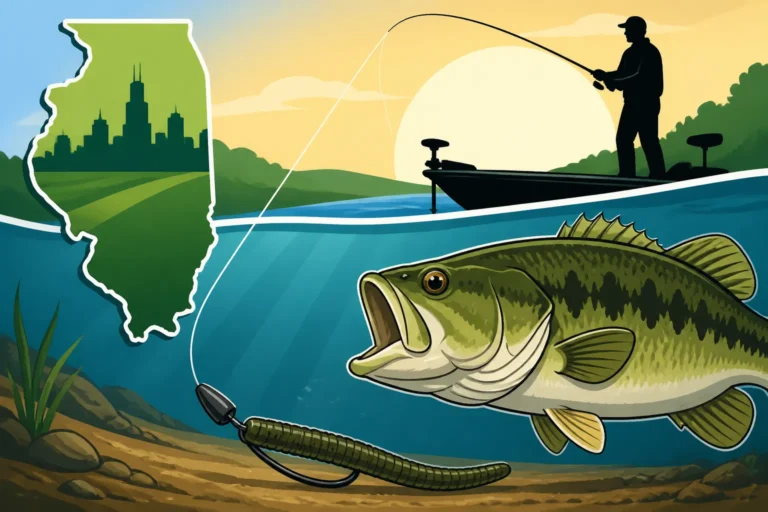
Bass, especially largemouth, are early risers when it comes to feeding. As soon as that sky starts to lighten, they move into shallower water, often cruising the edges of weed lines, lily pads, submerged timber, and rocky banks to ambush baitfish. For largemouth, I often reach for topwater lures – think poppers, walk-the-dog baits, or frogs – especially around heavy cover. The low light makes these surface disturbances irresistible and reduces the chance of bass seeing the lure too clearly. A classic Zara Spook or a Booyah Pad Crasher frog retrieved slowly can be deadly.
For smallmouth bass, particularly in rocky rivers like the Kankakee River or larger lakes with clear water, spinnerbaits and crankbaits worked parallel to rocky points and drop-offs are fantastic choices. Smallmouth are aggressive, and the cooler water often gets them fired up. They're usually hugging structure, waiting for an opportunity. Don't be afraid to experiment with different retrieve speeds, but often a steady retrieve that keeps the bait just above the bottom is effective. If you’re fishing clear water, consider slightly more subtle colors. Want to learn more about chasing bass? Our guide on Spring Bass Fishing Patterns offers excellent insights into their early season habits.
Dawn Walleye and Sauger Tactics
Walleye are notoriously light-sensitive, which makes dawn a prime time to target them. They often move shallower from their deeper daytime haunts under the cover of low light to feed. Focus on areas with structure like humps, points, and sudden drop-offs where they can ambush prey. In large reservoirs like Lake Shelbyville or Carlyle Lake, trolling with crankbaits is a highly effective method as the sun rises, covering a lot of water. You'll want to experiment with diving depths to match where the fish are holding.
Alternatively, jigging with a minnow or a soft plastic presentation along current breaks in rivers like the Mississippi or Illinois River can be incredibly productive. Walleye will often sit in the seams of slower water, waiting for baitfish to be swept past. Vertical jigging directly below the boat with a Northland Fire-Ball Jig tipped with a lively minnow can entice even finicky fish. Sauger, their close cousins, share similar habits but often prefer slightly murkier water and can be found in deeper river channels. For detailed tips on this predatory species, check out Walleye Trolling Techniques.
Cracking the Code for Crappie and Panfish at Sunrise
Crappie are another species that become very active during the early morning hours, especially during their spring spawn period. They'll often move from deeper brush piles and submerged cover into shallower areas to feed on minnows and insects. Look for them around fallen trees, docks, bridge pilings, and brush piles. Small jigs, particularly those with a slow fall rate, tipped with a minnow or a Berkley Gulp! Minnow, are highly effective. A simple bobber setup with a live minnow can also yield great results, especially for kids. For more specific location tips, our resource on the Best Crappie Fishing Lakes in Illinois can point you in the right direction.
Bluegill and other panfish are also excellent targets at dawn, particularly in shallower, weedier areas. They might not be as aggressive as bass or walleye, but they're usually plentiful and eager to bite. Small worms, crickets, or tiny soft plastic baits under a bobber are perennial favorites. The low light often keeps them from being as skittish as they can be during the bright midday.
Night Owls to Early Birds: Catfish at Dawn
While many anglers associate catfish with night fishing, the early morning hours can still be incredibly productive, especially if you're fishing waters where they've been active all night. As the light starts to come up, many catfish will still be cruising the shallow flats or along river channels, finishing their nocturnal hunts. This is a great time to target them before they settle into deeper holes or dense cover for the day.
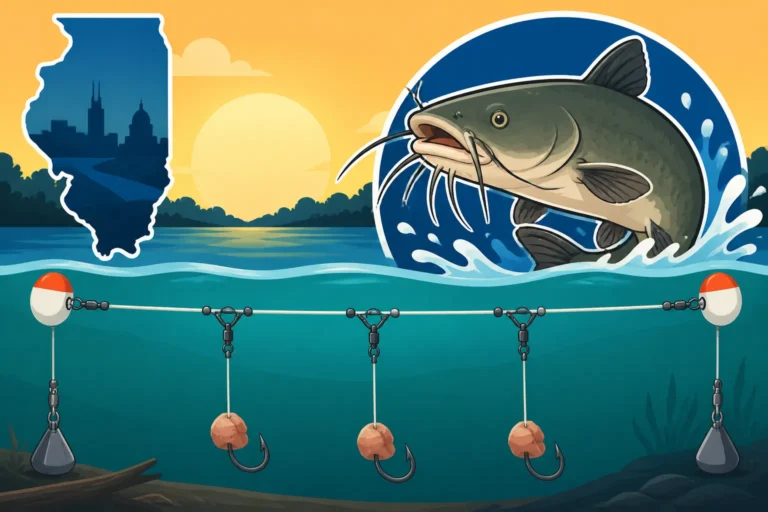
Bait choices remain similar to night fishing: stink baits, cut bait, chicken livers, or even hot dogs can work wonders. Focus on current breaks in rivers, deeper holes in lakes, or the edges of flats that transition into deeper water. Channel catfish are often the most active at dawn, but blue catfish and flatheads can also be caught, especially if you're presenting fresh cut bait or live bait for the latter. For more on how to catch these whiskered beauties, dive into our Catfish Fishing Techniques and Bait Guide.
| Species | Preferred Dawn Locations | Best Lures/Baits for Dawn | Typical Activity Level |
|---|---|---|---|
| Largemouth Bass | Weed lines, lily pads, submerged timber, rocky banks | Topwater (Poppers, Frogs), Spinnerbaits, Shallow Crankbaits | High |
| Smallmouth Bass | Rocky points, drop-offs, current breaks in rivers | Spinnerbaits, Crankbaits, Jerkbaits | High |
| Walleye/Sauger | Humps, points, sudden drop-offs, river channel edges | Trolled Crankbaits, Jigging with Minnows/Soft Plastics | Medium-High (light-sensitive) |
| Crappie | Fallen trees, docks, bridge pilings, brush piles | Small Jigs (tipped with minnows), Live Minnows under Bobber | High |
| Bluegill/Panfish | Shallow weed beds, docks, brush piles | Worms, Crickets, Tiny Soft Plastics under Bobber | Medium-High |
| Channel Catfish | Current breaks, deeper holes, edges of shallow flats | Stink Baits, Cut Bait, Chicken Livers, Nightcrawlers | Medium |
Essential Gear and Rigging for Early Morning Success
Preparing your gear for a dawn fishing trip is crucial. You’re dealing with low light, potentially cooler temperatures, and the need for efficiency. Having the right tools for visibility, safety, and presentation can make all the difference between a frustrating morning and a highly successful one.
Visibility and Safety Gear for Low Light
Your number one priority when heading out before sunrise should be safety. Whether you're navigating a boat or walking a unfamiliar bank, visibility is key. A reliable headlamp or a powerful flashlight is absolutely non-negotiable. Look for models with a red light setting, as this preserves your night vision and is less likely to spook fish than a bright white beam. Many anglers find these indispensable, often picking up dependable models from Amazon that offer various brightness settings and long battery life.
If you're boating, ensure all your navigation lights are working properly and are turned on. It's also a good idea to have reflective tape on your life jacket or boat if you expect to be out before full daylight. Always wear your life jacket, especially when navigating in the dark or low light conditions. Review your Illinois Boating Safety Equipment Checklist before every trip. It's easy to forget a small detail when you're half-asleep. Additionally, consider wearing bright clothing or a reflective vest if bank fishing, especially near roads or other public access points, to make yourself visible to others.
Lure Selection for Predatory Fish in Dim Conditions
When the light is low, fish rely more on other senses like vibration and silhouette. This heavily influences your lure choices. For topwater fishing, darker colors that create a distinct silhouette against the brightening sky can be incredibly effective. Black, dark blue, or purple poppers and walking baits are fantastic. For subsurface lures, think about things that displace a lot of water or have a strong vibration. Spinnerbaits with Colorado blades (which create more thumping vibration) are excellent choices for bass and pike. Chartreuse, white, or firetiger can be good color choices in stained water, offering contrast, while natural baitfish patterns might still work in clearer lakes.
Don’t forget about scent! In low light, adding a scent attractant to your soft plastics or jigs can provide an extra edge, guiding fish to your bait when visibility is limited. Many anglers keep a bottle of scent spray in their tackle box, readily available from retailers like Amazon. Remember that while natural colors can be good in clear water, contrast and vibration often rule the roost in dim light or murky conditions. If you're looking for more ideas on what to tie on, our guide to the Best Lures for Dawn Fishing has plenty of recommendations.
Setting Up Your Tackle Box for Dawn Trips
Organization is your best friend when you're fumbling around in the dark. Before you even leave the house, make sure your tackle box is meticulously organized. Have your favorite dawn-specific lures and baits readily accessible in the top tray or a dedicated compartment. Pre-tie a few leader lines, especially if you’re targeting species like walleye or bass that can be particular. Have extra hooks, sinkers, and swivels within easy reach.
Consider packing a small, waterproof container for your phone and keys, and a thermos of coffee or tea – you’ll thank yourself later! Also, don’t forget to pack a small rag or towel to wipe dew or fish slime from your hands. The less time you spend rummaging around, the more time you spend fishing. A simple headlamp, a well-stocked and organized tackle box, and a thermos of your favorite warm beverage are the trifecta for a comfortable and productive dawn fishing experience.
Mastering Dawn Fishing Techniques Across Illinois Waters
The approach you take to dawn fishing can vary significantly depending on where you're casting your line. Illinois offers a diverse range of fishing environments, from sprawling reservoirs to winding rivers and urban piers, each requiring slightly different tactics to maximize those prime early morning hours.
Lake and Reservoir Strategies at First Light
Lakes and reservoirs across Illinois, like Rend Lake or Clinton Lake, often come alive at dawn. The key here is to target areas where fish transition from their deeper night-time haunts to shallower feeding zones. Look for points, humps, submerged islands, and creek channels that offer an easy path for fish to move up.
For bass: Focus on the shallow edges of weed lines, rip-rap banks, and around any visible cover like fallen trees or docks. Topwater baits are phenomenal as the sun first peeks over the horizon. Cast parallel to the bank or structure, letting your lure sit for a moment after it splashes down before starting your retrieve. As the light gets brighter, switch to spinnerbaits, crankbaits, or even a weightless Senko worked slowly through the same areas.
For walleye: If you're on a boat, trolling crankbaits along main lake points and humps that top out at 10-15 feet can be very effective. Use your sonar to identify schools of baitfish or subtle depth changes. If fishing from shore, target rocky points or near rip-rap where waves might be pushing baitfish. Jigs tipped with minnows are often the go-to.
For crappie: Head straight for submerged brush piles, standing timber, or the shaded sides of boat docks. Vertical jigging small jigs or using a slip bobber with a live minnow can yield a quick limit. Often, the biggest crappie will be the first to bite in the morning.
River and Stream Tactics During Sunrise
Rivers and streams, from the mighty Mississippi to the smaller Fox River, present unique challenges and opportunities at dawn. Current is the primary factor here. Fish will position themselves out of the main flow, in current seams, eddies, or behind structure, waiting to ambush anything that drifts by.
For smallmouth bass: Focus on rocky outcroppings, current breaks, and the tail-ends of riffles. Spinnerbaits, small crankbaits, or soft plastic tube baits can be very effective when cast upstream and allowed to drift naturally with the current, retrieving just fast enough to keep them bouncing along the bottom. Walk slowly and quietly along the bank, approaching fishing spots from downstream to avoid spooking fish.
For walleye and sauger: These fish will be holding in deeper holes, current seams, and below dams or locks. Vertical jigging with a heavy jig tipped with a minnow is a classic river technique. Position your boat (if applicable) just upstream of a likely holding spot and drift your jig through the strike zone. From shore, cast jigs or spoons into eddies or behind large rocks.
For catfish: The morning bite can be excellent for catfish in rivers, especially if there’s been a lot of nighttime activity. Look for them in deeper bends, scour holes, or behind wing dams. Use heavy bottom rigs with stink bait or fresh cut bait. You might find them transitioning from shallow feeding areas to deeper, more secure lies as the sun rises. Our guide on the Best Fishing Spots in Illinois can give you an idea of which rivers are worth exploring.
Pier and Bank Fishing When the Sun Comes Up
For many anglers, especially those without a boat, pier and bank fishing at dawn are incredibly accessible and often productive. The key is to leverage the access these spots provide to deeper water or fish-holding structure.
Pier Fishing: Piers on Lake Michigan, like those in Chicago or Waukegan, are prime spots for catching trout and salmon at dawn. These species often move closer to shore during low light to feed. Casting spoons, stickbaits, or using live bait under a float can produce excellent results. On inland lakes, piers extending into deeper water can be fantastic for crappie, bluegill, and even bass that move up from deeper water. Focus your casts around the pilings or under the pier structure itself where fish seek cover.
Bank Fishing: Seek out bank access points near drop-offs, weed lines, or submerged cover. Public parks, forest preserves, and state parks often offer excellent bank access. For bass, cast parallel to the shoreline with topwater or shallow-running crankbaits. For panfish, a simple bobber and worm setup near any brush or overhanging trees can be a goldmine. In rivers, look for areas with current breaks or deeper pockets accessible from the bank. The low light of dawn gives you an advantage, allowing you to approach these spots more stealthily.
Navigating Challenges and Maximizing Your Early Morning Catch
Even with the best intentions, dawn fishing isn't always smooth sailing. Dealing with unpredictable weather, adapting to changing light conditions, and simply making the trip a pleasant one requires a bit of foresight and preparation.
Dealing with Changing Light and Weather
The transition from dark to full daylight is rapid, and you'll need to adjust your techniques and lure choices as the light levels increase. What worked in near darkness might become less effective as the sun climbs higher.
Adapting to Light: As the sun brightens, fish often become more wary. If you started with dark topwaters, you might switch to more natural baitfish patterns or deeper-diving lures. Consider slowing down your retrieve or downsizing your baits. The aggressive topwater bite might transition to a jig-and-pig worked slowly through cover or a finesse worm on a Carolina rig. Keep an eye on the surface; if you notice fish spooking easily, it's a sign to be more subtle with your presentations. Using polarized sunglasses as soon as it's bright enough is also a game-changer, helping you spot subtle structure or cruising fish.
Weather Wisdom: Illinois weather can be fickle, especially in the early morning. Be prepared for cooler temperatures than forecast, especially near large bodies of water. Layering your clothing is essential – you can always shed layers as the day warms up. A good waterproof and windproof outer shell is a wise investment, particularly in spring or fall. Rain can sometimes improve fishing, but strong winds can make casting difficult and fishing unpleasant. Always check the forecast the night before and have a plan B if conditions turn sour. For advice on dealing with less-than-ideal conditions, take a look at our guide on How to Fish After a Cold Front.
Practical Tips for a Smooth Dawn Fishing Experience
Beyond the technical aspects of fishing, a successful dawn trip is also about logistics and making the experience as enjoyable as possible.
Pre-Trip Preparation: The night before, lay out all your clothing, pack your tackle box, charge your headlamp, and get your boat (if using one) ready. Fill your thermos with coffee or hot chocolate. The less you have to do in the groggy hours before dawn, the better. This also includes making sure your Illinois Fishing License Guide for 2026 is current and easily accessible, whether physical or digital.
Know Your Spot: If you’re visiting a new lake or river, scout it out during the day beforehand. Know where the boat ramps are, where you can park, and identify potential fishing spots. Trying to navigate unfamiliar terrain in the dark can be frustrating and even dangerous. Google Maps or various fishing apps can be incredibly helpful for this, allowing you to mark waypoints for structure or access points.
Quiet is Key: Fish are often closer to the surface and less accustomed to human activity at dawn. Move quietly, especially if bank fishing or approaching a spot by boat. Avoid loud noises, stomping, or banging gear around. The more stealthy you are, the less likely you are to spook fish out of prime feeding areas.
Fuel Your Body: Don't skip breakfast! Pack some snacks or a small meal to keep your energy up. You’ll be burning calories and focusing hard, so having some fuel on hand is important. A bottle of water or two is also crucial, even if it's cool out.
By combining the right gear, thoughtful preparation, and an understanding of fish behavior in those magical early hours, you'll find that dawn fishing in Illinois isn't just productive – it’s an incredibly peaceful and rewarding way to connect with nature and your passion for angling. So set that alarm, brew some coffee, and get out there!
Disclaimer
Fishing conditions and regulations in Illinois can change. Always consult the latest Illinois Department of Natural Resources (IDNR) fishing guide and local regulations before heading out. This guide is for informational purposes only and does not constitute legal advice or an endorsement of specific products. Tight lines and stay safe!