Best Time to Fish in Illinois
You've just planned a fishing trip, cleared your schedule, packed your favorite gear, and driven to your go-to spot, only to find the fish just aren't biting. It’s a gut punch, right? We've all been there, staring at an unmoving bobber or feeling nothing but slack line, wondering if we picked the wrong day. The truth is, knowing the best time to fish in Illinois isn't just about showing up; it's about understanding the subtle dance between seasons, weather, fish behavior, and even the time of day. This comprehensive guide is here to unravel those mysteries, helping you strategize your outings for maximum success and enjoyment, making those frustrating blank days a thing of the past.
Understanding the Illinois Fishing Seasons
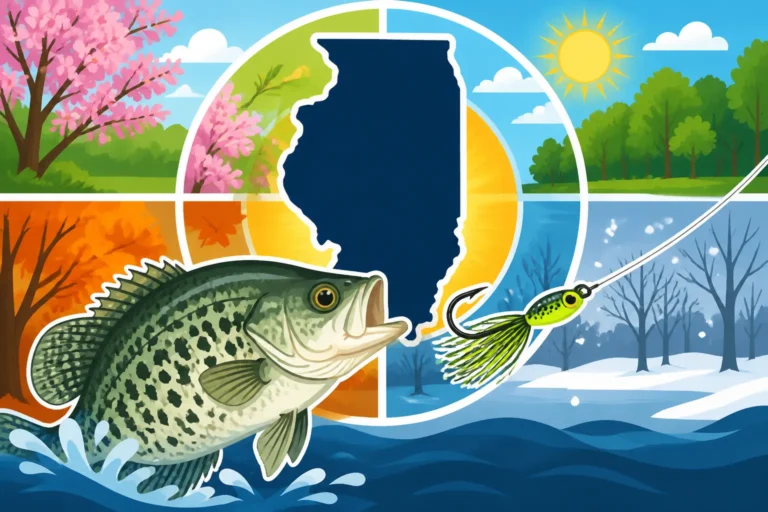
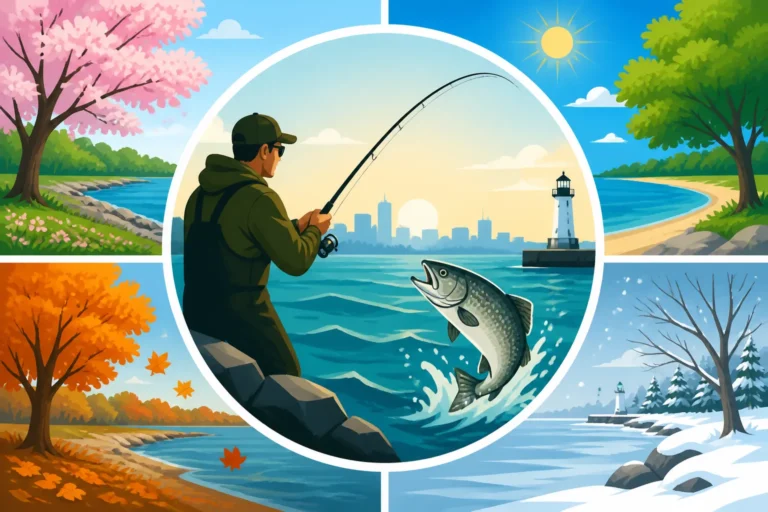
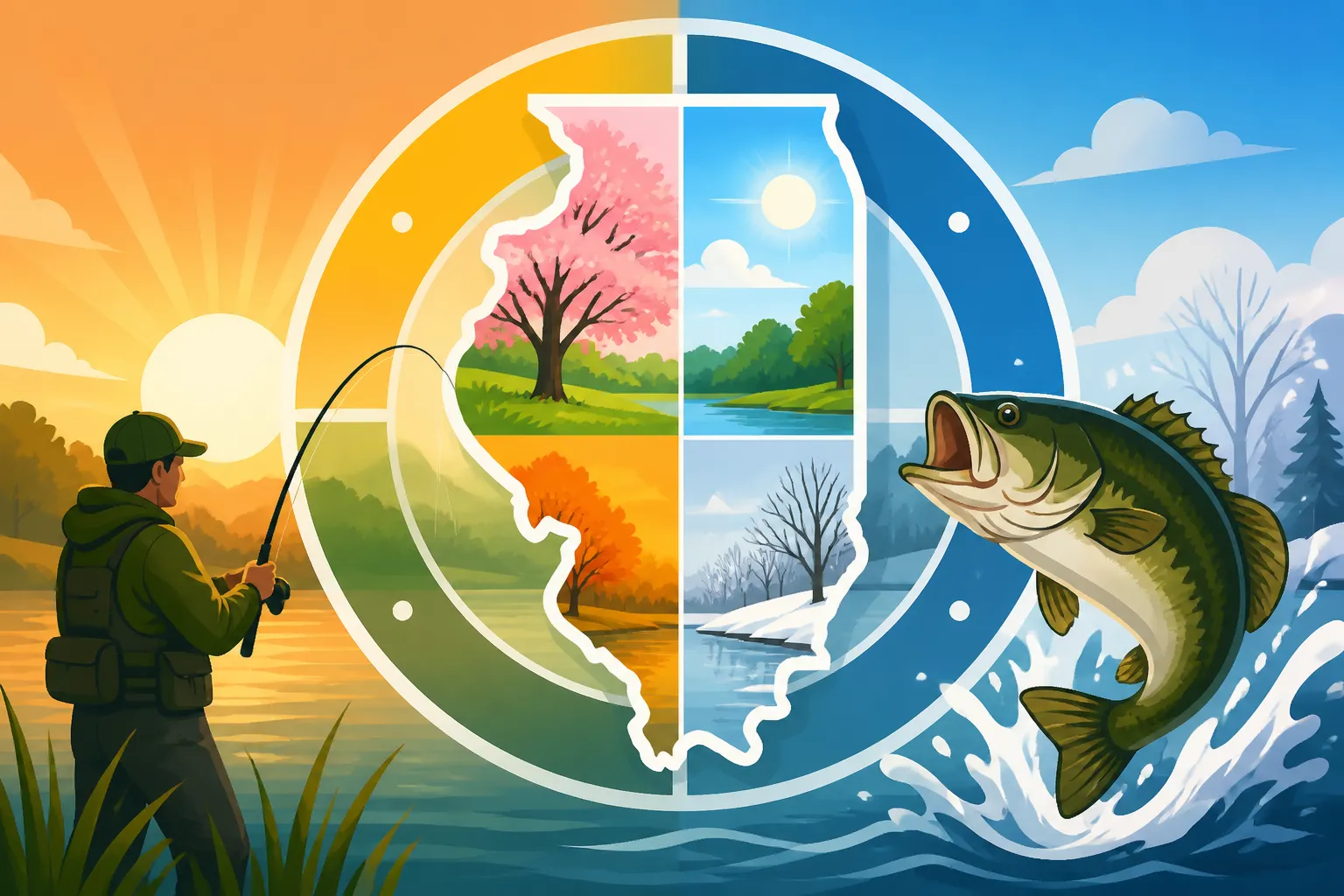
Illinois experiences four distinct seasons, and each one dramatically changes how, where, and when fish feed and behave. What works in spring will likely fail miserably in winter, and vice versa. Decoding these seasonal shifts is the first, and perhaps most crucial, step toward becoming a more consistently successful angler.
Spring: The Awakening of the Waters
Spring in Illinois is a magical time for anglers, a period of transition where the ice melts away, and fish begin to shake off their winter lethargy. It's often divided into early, mid, and late spring, each offering unique opportunities.
- Early Spring (Ice-Out to Pre-Spawn): This is when the water temperatures are still quite cold, typically in the high 30s to low 40s Fahrenheit. Fish like walleye and crappie are often the first to become active, moving into shallower staging areas or up rivers for their spawning runs. For walleye, this means focusing on current seams and deeper holes in rivers like the Mississippi or Illinois. Crappie will start to gather in slightly deeper channels or near submerged brush piles, waiting for the water to warm just a few more degrees. Bass, while still sluggish, might be found deeper on sunny banks, soaking up any warmth they can find. This is a time for slow presentations and patience, as fish aren't expending a lot of energy yet. Think jigs, minnows, and slow-moving crankbaits.
- Mid-Spring (The Spawn): As water temperatures climb into the mid-50s to low 70s, the spawn truly kicks off for various species. Crappie are usually the first panfish to hit the beds, followed closely by bluegill and then largemouth and smallmouth bass. This is arguably the most exciting time for many anglers, as fish are in shallow, accessible water and aggressively guarding nests or feeding heavily. For crappie, look for shallow coves with submerged brush or lily pad roots. Bass will be on hard bottoms like gravel or sand, often visible if the water is clear enough. Understanding the specific timing for different regions and species is vital. For instance, the exact timing of the bass spawn can vary considerably from northern to southern Illinois due to temperature differences, a concept explored in detail in our Illinois Bass Spawn Timing Guide. Anglers often find success with jigs, soft plastics, and spinnerbaits cast near visible beds or likely spawning areas.
- Late Spring (Post-Spawn Feeding Frenzy): After the spawn, many fish enter a post-spawn recovery period where they feed aggressively to regain lost energy. Water temperatures are now firmly in the 60s and 70s, and baitfish are abundant. This is when larger bass often move to deeper offshore structures or weed lines but can still be found chasing bait in shallower areas during low-light conditions. Crappie might disperse from their spawning beds but will often congregate in nearby brush piles or along channel edges, ready to ambush small baitfish. This period often sees fish in excellent condition, offering strong fights. Topwater lures, fast-moving crankbaits, and even larger soft plastics can be incredibly effective during this time. The fish are active, and so should your presentations.
Summer: Early Mornings and Late Evenings
Summer in Illinois, with its long, hot days, can be both a blessing and a challenge for anglers. While there's plenty of daylight, the high temperatures often send fish into deeper, cooler waters or heavy cover, making them harder to find and entice during peak daylight hours.
- The Midday Slump: From late morning through mid-afternoon, when the sun is highest and water temperatures are warmest, many popular game fish like bass and walleye become lethargic. They retreat to the coolest, shadiest, or deepest parts of the lake or river. This could mean deep creek channels, dense hydrilla beds, beneath boat docks, or along shady bluffs. Anglers who persist during this time often need to slow down their presentations, use bottom-bouncing techniques, or target species that are more active in the heat, like catfish. It's a test of patience and strategic thinking, often requiring heavier cover penetration or precise vertical presentations.
- Dawn, Dusk, and Night Fishing: This is where summer truly shines for many species. As the sun rises and sets, and especially after dark, the water surface cools, and fish feel more comfortable moving into shallower feeding zones. Bass will move out from deep cover to hunt along weed lines or shorelines. Walleye are notoriously nocturnal feeders, moving onto shallow flats and rocky points to chase bait. Catfish are absolute kings of the night bite, often moving into incredibly shallow water to forage. Fishing during these low-light periods can be incredibly productive, offering some of the biggest catches of the season. Flashlights, bug spray, and a clear understanding of your chosen spot are essential for safety and success after dark.
- Targeting Summer Species: While bass and walleye can be challenging during the day, summer is prime time for catfish across Illinois's large reservoirs like Rend Lake, Lake Shelbyville, and Carlyle Lake, as well as the major rivers. Bluegill and other panfish can also be found in good numbers, often congregated around structure or weed edges, especially in the mornings and evenings. Using live bait like worms, minnows, or stink baits is highly effective for catfish, while small jigs and crickets work wonders for panfish.
Fall: The Feeding Frenzy Before Winter
Fall is another favorite season for many Illinois anglers, and for good reason. As water temperatures begin to drop and days shorten, many fish species enter an aggressive feeding period, trying to pack on weight before the lean winter months.
- The Fall Turnover: One key phenomenon in many Illinois lakes during fall is the "turnover." As the surface water cools and becomes denser, it sinks, displacing the warmer, oxygen-depleted water from the bottom, which rises to the top. This process can temporarily scatter fish and make them harder to locate. Once the lake "turns over" and water temperatures stabilize, often in the high 50s to low 60s, fishing can become exceptional. Fish are often found relating to baitfish schools, which also become more concentrated.
- Aggressive Predators: This is a fantastic time for chasing big muskie and northern pike, which become incredibly active, often found ambushing prey along weed lines or rocky points. Walleye will also be in full feeding mode, moving to main lake points, humps, and secondary channels, following schools of shad or other baitfish. Largemouth and smallmouth bass will be gorging themselves, often moving shallower to feed heavily before cold fronts push them deeper. This is a time for power fishing: throwing large crankbaits, spinnerbaits, jerkbaits, and even topwater lures early in the day.
- Following the Bait: The key to fall fishing is often finding the baitfish. Where the baitfish are, the predators won't be far behind. Look for large schools of shad or minnows on your fish finder, or watch for active feeding birds like gulls diving on the surface. Understanding these patterns is crucial for consistent success. As temperatures continue to drop, fish will eventually move to deeper, more stable water, signaling the transition towards winter patterns.
Winter: Patience and Precision on the Ice
While not as long or widespread as in some northern states, winter fishing in Illinois can offer unique and rewarding experiences, especially for dedicated anglers willing to brave the cold.
- Hardwater Opportunities (Ice Fishing): In the northern and central parts of the state, many smaller lakes and ponds, and even larger shallow bays, freeze over, providing opportunities for ice fishing. This is a fantastic way to target panfish like bluegill, crappie, and yellow perch. Walleye and northern pike can also be caught through the ice. Success hinges on finding subtle structure, understanding fish movements under the ice, and using small baits presented vertically. Safety is paramount when ice fishing; always check ice thickness and conditions before venturing out. Gear like tip-ups, ice augers, and small jigs are essential.
- Open Water Winter Fishing: Even when many lakes freeze, some waters in Illinois remain open all winter. Tailraces below dams, especially on the Mississippi and Illinois Rivers, often hold concentrations of walleye, sauger, and even white bass seeking warmer, oxygenated water and food. Power plant lakes, such as Clinton Lake, also stay warm year-round due to thermal discharges, creating excellent opportunities for bass and crappie when other waters are frozen solid. These spots can be incredibly productive, offering a chance to fish when most others have put their gear away. Slow, vertical presentations with jigs and live bait are often the most effective.
- The Slow Bite: Regardless of whether you're on the ice or open water, winter fishing generally means a slower bite. Fish metabolism slows down in cold water, so they're less aggressive and eat less frequently. Patience, finesse, and subtle presentations are key. Don't be afraid to try smaller baits and work them very slowly. Even a slight twitch of the rod tip can be enough to entice a cold-water bite.
Species-Specific Prime Times in Illinois
While seasonal trends apply broadly, each fish species has its own peak activity periods, often tied to their spawning cycles, feeding habits, and preferred water temperatures. Knowing these nuances can drastically improve your catch rates.
Largemouth and Smallmouth Bass
Bass are arguably the most popular freshwater game fish in Illinois, and their activity cycles are well-defined throughout the year.
- Spring (Pre-Spawn, Spawn, Post-Spawn): Hands down, spring is prime time for bass. The Illinois Bass Pre-Spawn Fishing Patterns describe how bass move from deeper wintering holes to shallower staging areas as water temperatures climb into the 40s and 50s. They'll often feed aggressively during this time, gorging themselves before the rigors of spawning. Once water temperatures hit the mid-50s to low 70s, the actual spawn begins, with fish building and guarding nests in shallow, protected coves. After spawning, bass enter a post-spawn phase, often resting before resuming heavy feeding, typically moving to nearby structure or deeper edges. This spring period offers excellent opportunities for both quantity and quality catches.
- Fall (Feeding Frenzy): As water temperatures cool down in autumn, bass respond by undertaking another aggressive feeding push, often referred to as the "fall turnover bite." They're trying to pack on calories for winter survival. They'll follow baitfish schools into shallower coves and creek arms, offering fantastic opportunities for anglers willing to hunt for them. Moving baits like crankbaits, spinnerbaits, and jerkbaits can be incredibly effective during this period.
- Summer (Low-Light Conditions): During the heat of summer, bass often become nocturnal or crepuscular (active at dawn and dusk). The midday sun pushes them into dense cover, deep water, or under heavy shade. Targeting them during the golden hours of Dawn Fishing Techniques or Dusk Fishing Techniques or even at night can be incredibly productive. Topwater lures, jigs, and Texas-rigged worms are excellent choices during these times.
Walleye and Sauger
These toothy predators are highly sought after in Illinois, particularly in the larger rivers and some deep reservoirs.
- Early Spring River Runs: For walleye and their smaller cousins, sauger, early spring is arguably the best time to target them, especially in rivers. As ice breaks up and water temperatures rise into the 40s, these fish migrate upstream in rivers like the Mississippi, Illinois, and Rock to spawn. Concentrated in tailwaters below dams or in deeper holes and current seams, they offer fantastic fishing. Jigs tipped with minnows or soft plastics, and vertical jigging are highly effective. Our guide on Illinois Walleye Fishing Season on the Mississippi River offers specific strategies for these productive waters.
- Fall (Aggressive Feeding): Similar to bass, walleye and sauger experience a strong fall feeding bite as water temperatures drop. They'll move to main lake points, humps, and channel edges, often following schools of shad. Trolling crankbaits or casting jigs and swimbaits can be very productive. They're trying to put on weight for winter, making them more aggressive.
- Night Fishing in Summer: While challenging during the day, walleye are classic nocturnal feeders in summer. They'll move onto shallow flats, rocky points, and sandbars after dark to ambush baitfish. Trolling shallow-running crankbaits or casting stick baits can yield impressive results during these hours.
Crappie and Bluegill
These panfish species are excellent for beginners and seasoned anglers alike, offering consistent action and delicious table fare.
- Spring Spawn: Without a doubt, the spring spawn is king for both crappie and bluegill. As water temperatures hit the high 50s for crappie and low 60s for bluegill, they move into extremely shallow water to build nests and spawn. Crappie will often be found in brush piles, submerged timber, or around lily pads in just a few feet of water. Bluegill prefer sandy or gravel bottoms in similar shallow, protected areas. This is a time when they are abundant and relatively easy to catch. Small jigs, minnows, and worms under a bobber are deadly. For more detailed insights, check out the Illinois Crappie Spawn Season Guide.
- Summer Structure Fishing: After the spawn, crappie often move to deeper brush piles, submerged timber, or along creek channels. Bluegill will also relate to structure, but can still be found near weed lines or lily pads, especially in the mornings and evenings. While not as easy as the spawn, diligent anglers can find schools suspended over brush piles using electronics or by slowly drifting with live bait.
- Ice Fishing: Both crappie and bluegill are fantastic targets for ice fishing in northern and central Illinois. They tend to school up in predictable areas, often suspended over deeper holes or relating to subtle structure. Small ice jigs tipped with a grub, wax worm, or a small plastic can lead to a full bucket.
Catfish (Channel, Blue, Flathead)
Catfish are the ultimate warm-water warriors, thriving in the summer heat and offering powerful fights.
- Late Spring Through Summer: The warmest months are unequivocally the best time for catfishing in Illinois. As water temperatures climb into the 70s and 80s, channel, blue, and flathead catfish become incredibly active. They'll be found throughout rivers, lakes, and reservoirs, often in deeper holes, around fallen trees, or along current breaks. This is when their metabolism is highest, and they feed ravenously.
- Night Fishing is Prime: While you can catch catfish during the day, especially in muddy water or during overcast conditions, they are notoriously active after dark. They move into shallower water to forage, making them accessible to bank anglers and boaters alike. The Best Month for Catfish Fishing in Illinois often points to July and August for peak activity.
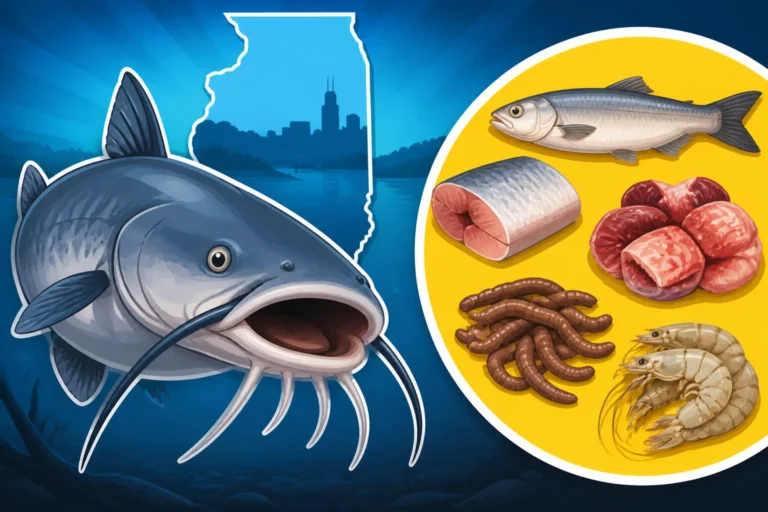
- Bait Selection: Different catfish species often prefer different baits. Channel cats are suckers for stink baits, cut bait, and chicken livers. Blue cats, especially the big ones, love fresh cut bait like shad or carp. Flatheads are predatory and almost exclusively prefer live bait like sunfish or suckers. Our full Illinois Catfish Season Guide delves into these specifics.
Northern Pike and Muskie
These aggressive, toothy predators are a thrill to catch, known for their explosive strikes and powerful runs.
- Cooler Waters of Spring and Fall: Pike and muskie are cool-water fish, and their peak activity often coincides with spring and fall, when water temperatures are in the 50s and 60s. In spring, they'll be found around shallow weed growth and spawning areas. In fall, they undergo a massive feeding spree, following baitfish schools into shallower areas or congregating around prominent structures.
- Weed Lines and Structure: Both species are ambush predators, preferring to hide in dense cover like weed beds, submerged timber, or alongside rocky points, waiting to dart out and ambush prey. Casting large inline spinners, crankbaits, jerkbaits, and swimbaits into these areas is often effective.
- Specific Regulations: Due to their status as premier game fish, muskie and pike often have specific size and possession limits, which are crucial to respect. Familiarize yourself with the rules, especially for muskie, as outlined in Illinois Muskie Fishing: Rules and Regulations for This Game Fish.
Daily Rhythms: Best Times of Day to Fish
Beyond the seasonal shifts, the time of day plays a critical role in fish activity. Just like us, fish have routines, and understanding them can significantly improve your chances.
Dawn and Dusk: The Golden Hours
Many anglers refer to dawn and dusk as the "golden hours" or "magic hours" for fishing, and for good reason. These periods of low light are often the most productive parts of the day.
- Low Light, Cooler Temperatures: As the sun rises and sets, the light intensity is lower, making fish feel more comfortable venturing out of deeper or heavily covered areas. The water temperature also tends to be at its most comfortable for fish, often leading to increased activity. Many baitfish species are also more active during these times, which in turn triggers predator feeding.
- Predator Ambush Times: Largemouth bass, smallmouth bass, walleye, and northern pike are all opportunistic predators that use the low-light conditions to their advantage. Their eyesight is often superior to their prey in dim light, allowing them to ambush unsuspecting baitfish. Topwater lures can be incredibly effective during these times, as fish are often looking up for an easy meal. For a deeper dive into morning tactics, explore Dawn Fishing Techniques, and for evening strategies, check out Dusk Fishing Techniques.
- Less Angler Pressure: Often, these times see fewer anglers on the water, especially at dawn. This means less boat traffic and noise, which can make fish more cooperative. Getting on the water before sunrise or staying until well after sunset can put you on fish that have been pressured all day.
Midday Challenges and Solutions
While dawn and dusk are prime, many of us are limited to fishing during the middle of the day. This doesn't mean you can't catch fish, but it requires different strategies.
- High Sun, Hot Water: Midday, especially during summer, brings high sun exposure and often the warmest water temperatures. This pushes many fish into deeper, cooler water or tight into the densest cover available, such as thick weed beds, submerged timber, or under boat docks. They become more lethargic and less willing to chase fast-moving baits.
- Strategic Approaches: To succeed midday, you need to adapt.
- Go Deep: Target fish holding in deeper creek channels, humps, or main lake points. Vertical jigging, drop-shotting, or deep-diving crankbaits can reach these fish.
- Heavy Cover Penetration: For bass, focus on punching through thick mats of vegetation or flipping jigs into dense brush piles. Heavy gear is often required to pull fish out of these areas.
- Seek Shade: Target areas with consistent shade, such as under large boat docks, bridges, or steep bluffs. Fish will often stack up in these cooler, darker zones.
- Slow Down: Use slower, more deliberate presentations. Wacky worms, creature baits, or slow-rolled jigs can entice reluctant fish.
- Target Different Species: Midday can still be excellent for species that tolerate or prefer warmer water, like catfish. Bottom fishing with natural baits for catfish can be very productive even under the brightest sun.
Night Fishing: A Different World
For many, night fishing offers a completely different, often more peaceful, and incredibly productive experience.
- Cooler, Less Pressure, Nocturnal Feeders: After the sun sets, the water surface begins to cool, and boat traffic dissipates. This creates a more comfortable environment for fish to move and feed. Many species, especially walleye, catfish, and even some bass, are more active after dark. Their low-light vision gives them an advantage over their prey, making them aggressive hunters.
- Species-Specific Opportunities:
- Catfish: Night is prime time for all species of catfish. They move into incredibly shallow water, along flats, and into creek mouths to feed. Using strong-smelling baits like cut bait, chicken livers, or stink baits is highly effective.
- Walleye: Walleye often move onto shallow sandbars, rocky points, and submerged humps at night to feed. Trolling or casting stick baits and crankbaits that imitate baitfish can be deadly.
- Bass: While not as consistently nocturnal as walleye or catfish, bass can be caught at night, especially during the summer. Dark-colored jigs, spinnerbaits, and large worms are good choices, often worked slowly along drop-offs or structure.
- Safety Considerations: Night fishing requires extra precautions. Always have multiple light sources (headlamp, boat lights), tell someone where you're going, be aware of your surroundings, and dress for cooler temperatures. Familiarity with your chosen fishing spot during daylight hours is also highly recommended. Our dedicated guide to Night Fishing Techniques provides comprehensive tips for staying safe and successful after dark.
Weather and Environmental Factors Affecting Bite Times
Beyond the calendar and the clock, Mother Nature has a huge say in when and how fish bite. Paying attention to these often-overlooked environmental cues can turn a slow day into a memorable one.
Water Temperature: The Master Key
Water temperature is, arguably, the single most critical factor influencing fish behavior, metabolism, and location. Every species has an optimal temperature range for feeding and spawning.
- Influencing Metabolism: Fish are cold-blooded, meaning their body temperature is dictated by the surrounding water. When water is cold, their metabolism slows down, making them less active and less prone to chasing baits. As water warms up, their metabolism increases, making them more energetic and hungry. This fundamental principle dictates how you should present your baits – slow and subtle in cold water, faster and more aggressive in warm water.
- Optimal Ranges for Species:
- Crappie: Spawn in the high 50s to low 60s Fahrenheit.
- Largemouth Bass: Most active feeding in the 60s and 70s, spawn in the mid-60s.
- Walleye: Spawn in the 40s to low 50s, actively feed in the 50s to 70s.
- Catfish: Most active in the 70s and 80s.
- Finding the Right Temp: Fish will actively seek out their preferred temperature zones. In summer, this means deeper, cooler water. In spring and fall, it means moving to shallower, warmer sun-exposed banks. A good thermometer and understanding of a specific lake's thermocline can be invaluable. Our Water Temperature and Fish Activity Guide goes into much greater detail on how to leverage this critical factor.
Barometric Pressure and Fronts
Anglers often discuss barometric pressure, and for good reason—it can profoundly impact fish behavior, even if subtly.
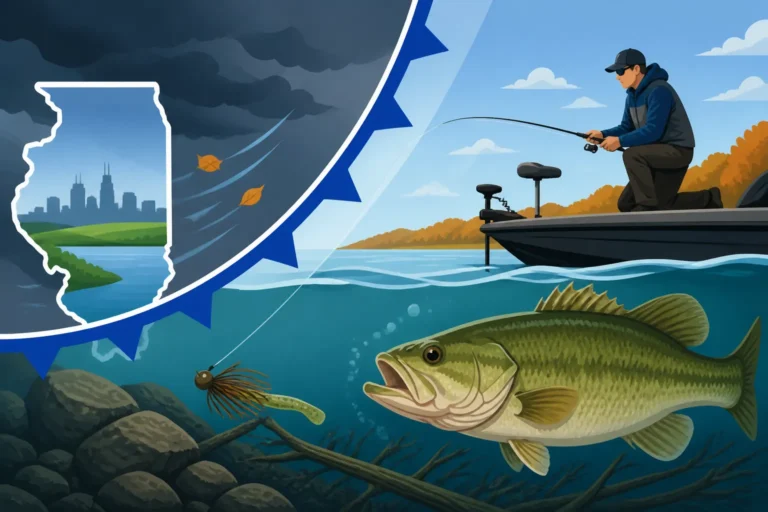
- Stable Pressure: Good Fishing: Periods of stable, high barometric pressure usually correlate with good fishing. Fish are comfortable, their swim bladders aren't stressed, and they tend to feed regularly. These are often those beautiful, clear, sunny days.
- Falling Pressure (Pre-Front): Active Fish: A falling barometer, often preceding a storm front, can trigger a feeding frenzy. Fish sense the change and often become very active, feeding heavily before the bad weather moves in. This can be a fantastic time to be on the water.
- Rising Pressure (Post-Front): Tougher Bite: After a cold front passes, the barometer typically rises sharply, and skies often clear. This is notoriously difficult fishing. The rapid pressure change can cause discomfort for fish, and they often become lethargic and shut down. They might move deeper or seek out heavy cover. Patience and finesse are key during these post-front conditions. To learn how to tackle these challenging days, check out How to Fish After a Cold Front.
Wind and Rain
Weather conditions like wind and rain might seem like deterrents, but they can actually improve fishing if you know how to adapt.
- Wind's Benefits: A moderate wind can be an angler's friend.
- Breaks Surface: It breaks up the water's surface, making it harder for fish to see you or your boat, thus reducing their wariness.
- Oxygenation & Current: Wind can oxygenate the water and create current, which can activate baitfish and, in turn, predatory game fish.
- Creates Feeding Lanes: Wind often pushes baitfish into specific areas, like wind-blown points or shorelines, concentrating predators. Casting into these areas can be highly effective.
- Rain's Impact:
- Light Rain: A light, steady rain can often improve fishing. It darkens the sky, lowers light levels, and can cool the surface water slightly. It also washes insects and nutrients into the water, potentially stimulating a feeding response.
- Heavy Rain/Storms: Heavy downpours or thunderstorms can be detrimental and dangerous. They can rapidly muddy the water, reduce visibility for fish, and drastically change water levels and currents. After a heavy rain, it might take a day or two for the water to settle and clear enough for fishing to improve. Dealing with muddy water requires specific tactics, which are detailed in How to Fish Muddy Water After Rain.
Locality Matters: Regional Nuances in Illinois Fishing Times
Illinois is a long state, stretching from the temperate north to the warmer south. This geographical expanse means that fishing seasons and peak times can vary significantly depending on where you cast your line. What's biting in Lake Michigan in April might not be active in Lake of Egypt until May.
Northern Illinois Lakes and Rivers
This region includes the vibrant fishery of Lake Michigan, the Chain O'Lakes, the Fox River, and the Kankakee River.
- Shorter Warm Seasons, Longer Ice Fishing Potential: Northern Illinois experiences colder, longer winters and generally shorter warm-water seasons compared to the southern part of the state. This often means ice fishing opportunities are more reliable and last longer, sometimes from December into March on smaller, shallower waters.
- Lake Michigan Salmon and Trout: Spring and fall are prime for salmon and trout on Lake Michigan. Early spring (April-May) sees coho salmon moving closer to shore, making pier and shore fishing productive. Fall (September-October) brings Chinook salmon and brown trout closer to river mouths for spawning runs. Trolling offshore is effective all summer. A deeper look at this incredible fishery can be found in Lake Michigan Salmon and Trout Fishing in Illinois.
- Fox and Kankakee Rivers: These rivers offer excellent smallmouth bass fishing, especially in spring and fall. The smallmouth will be active along rocky banks and current breaks. Walleye and northern pike can also be found in these systems during cooler months. Summer means targeting deeper holes and low-light conditions. Panfish are abundant in the backwaters.
Central and Southern Illinois Reservoirs
This area is home to Illinois's "Big Three" reservoirs: Rend Lake, Lake Shelbyville, and Carlyle Lake, along with other productive lakes like Clinton Lake and Lake of Egypt.
- Longer Warm Seasons, Less Ice Fishing: The central and southern regions enjoy longer warm-water seasons, often starting earlier in spring and extending later into fall. While some ice fishing might occur on shallower bays during severe winters, it's generally less reliable and shorter-lived.
- Bass, Crappie, Catfish Dominance: These reservoirs are renowned for their excellent populations of largemouth bass, crappie, and all three species of catfish.
- Spring: Mid-spring is phenomenal for crappie and bass, as they move shallow for the spawn. The crappie bite on Rend Lake, for example, is legendary in April and May, as detailed in our Rend Lake Fishing Guide for Illinois Anglers.
- Summer: Catfish thrive in the summer heat, offering fantastic night fishing opportunities. Bass move to deeper ledges and structure, requiring more advanced techniques.
- Fall: Aggressive fall feeding for bass and crappie makes this another peak time before winter sets in.
- Lake of Egypt and Clinton Lake: These lakes are unique. Lake of Egypt, in deep southern Illinois, has a longer growing season, producing bigger bass. Clinton Lake, a power plant lake, offers year-round open water and often stays warmer, providing excellent winter fishing for bass and crappie when other lakes are frozen.
Mississippi and Illinois Rivers
These two major river systems are vital arteries for fishing in Illinois, offering diverse opportunities that are heavily influenced by current, water levels, and navigation structures.
- Current-Driven Fisheries: Unlike lakes, river fishing is highly dependent on current. Fish will seek current breaks, eddies, and deeper holes to conserve energy while remaining close to feeding opportunities.
- Seasonal Migrations:
- Walleye and Sauger: Spring (March-April) is prime for walleye and sauger runs, especially below dams where they concentrate for spawning. Fall (October-November) also sees good activity as they feed aggressively before winter. For specific tactics, consult Mississippi River Walleye and Pike Fishing in Northern Illinois.
- Catfish: The Mississippi and Illinois rivers are legendary for their catfish. Summer is absolutely prime, particularly at night. Look for deep holes, log jams, and riprap banks. The sheer size and numbers of catfish in these rivers can be incredible.
- Bass and Panfish: Backwater lakes and sloughs connected to the main rivers offer excellent opportunities for largemouth bass, crappie, and bluegill, especially during stable water periods in spring and fall. These areas warm up faster in spring and offer refuge from strong currents.
- Water Level Fluctuations: River levels can fluctuate dramatically due to rainfall and dam operations. High, muddy water can make fishing challenging, requiring anglers to focus on calmer backwaters or areas with less current. Conversely, stable or slowly falling water often leads to improved fishing.
Essential Gear for Optimizing Your Fishing Times
Having the right gear isn't just about catching fish; it's about being prepared for the conditions that define the "best time" to fish. Different seasons and species call for different tools, and a little preparation goes a long way.
Seasonal Tackle Box Adjustments
Your tackle box should be a dynamic entity, evolving with the seasons. What works in spring often won't cut it in summer or fall.
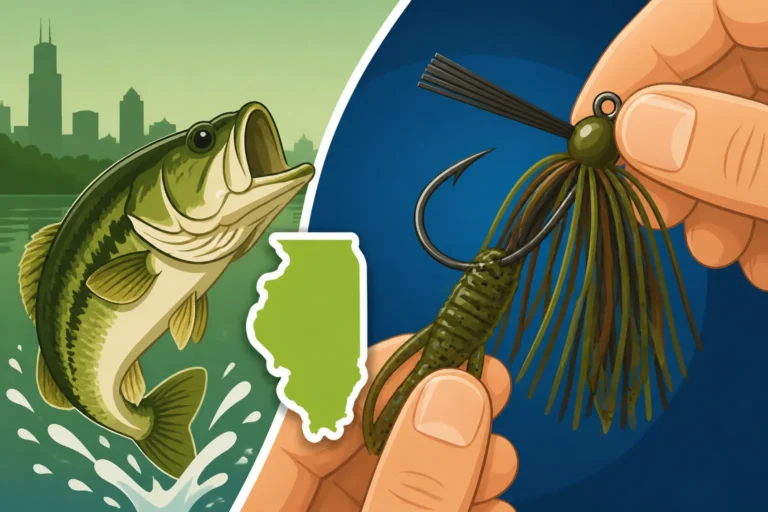
- Spring: As fish move shallow and become active, focus on reaction baits and soft plastics. Think lipless crankbaits, spinnerbaits, chatterbaits for pre-spawn bass and walleye. For crappie and bluegill, stock up on small jigs (1/32 oz to 1/16 oz), jig heads, and curly-tail grubs. Live bait like minnows and worms are always spring staples. You might want to grab some pre-tied crappie rigs or bass jigs from a trusted brand like Amazon to save time and ensure quality.
- Summer: When the water heats up, fish seek cover or go deep. Your summer tackle box should include heavier jigs, Texas-rigged worms, creature baits, and punching rigs for bass in dense vegetation. For catfish, stock up on circle hooks, heavy sinkers, and plenty of strong line. If night fishing, include some glow-in-the-dark jigs or lighted bobbers. Deep-diving crankbaits are also good for targeting suspended fish.
- Fall: This is a fantastic time for aggressive presentations. Load up on jerkbaits, medium-to-deep diving crankbaits, and larger spinnerbaits for bass, walleye, muskie, and pike. Follow the baitfish, so choose lures that imitate the local forage, like shad or perch. Larger swimbaits can also be very effective for enticing big predators.
- Winter: If ice fishing, your box will shrink significantly. Small tungsten jigs, wax worms, spikes, and small plastic bodies are crucial for panfish. For walleye, vertical jigging spoons or larger soft plastics can work. For open water winter fishing, slow-moving jigs, blade baits, and live bait are often the ticket. Don't forget insulated gloves and a portable heater!
Electronics and Apparel for All Conditions
Modern technology and appropriate clothing can significantly enhance your fishing experience, no matter the season or time of day.
- Fish Finders and GPS: These are invaluable tools, especially on larger Illinois lakes and rivers. A good fish finder can help you locate structure, baitfish schools, and even individual fish, saving you countless hours of blind casting. GPS functionality helps you mark productive spots and navigate safely, particularly useful during night fishing or in foggy conditions. You can find a wide range of reliable fish finders and GPS units on Amazon, often with detailed reviews to guide your choice.
- Appropriate Apparel: Dressing for the conditions is paramount for comfort and safety.
- Layering is Key: In spring and fall, layers allow you to adapt to changing temperatures throughout the day. A waterproof outer shell is crucial for unexpected rain or spray.
- Summer: Lightweight, breathable, long-sleeved shirts and pants (often with UPF protection) are essential to protect against the sun. A wide-brimmed hat and polarized sunglasses are non-negotiable.
- Winter: Insulated, waterproof bibs, jackets, and boots are a must for ice fishing or cold open-water excursions. Thermal base layers and warm hats will keep you comfortable.
- Safety Gear: Always have a well-stocked first-aid kit, a reliable knife, and a fully charged cell phone. If boating, ensure you have all required safety equipment, including life jackets (PFDs), distress signals, and a fire extinguisher. You can easily stock up on these safety essentials on Amazon before your next trip.
Planning Your Perfect Illinois Fishing Trip
A successful fishing trip starts long before you ever cast a line. Smart planning, leveraging available resources, and understanding important dates can make all the difference.
Utilizing Resources for Up-to-Date Information
While this guide provides a solid foundation, fishing conditions are dynamic. The best anglers are constantly checking current reports and local insights.
- IDNR Fishing Reports: The Illinois Department of Natural Resources (IDNR) regularly publishes fishing reports for many major lakes and rivers across the state. These reports often provide species-specific updates on what's biting, where, and on what baits. They are an invaluable, official resource.
- Local Bait Shops: Never underestimate the knowledge of local bait shop owners. They are on the front lines, talking to anglers daily, and often know exactly what's working (or not working) in their immediate area. Stop in, buy some bait, and strike up a conversation. They can offer hyper-local tips that no online report can match.
- Online Forums and Social Media Groups: Many online communities and social media groups are dedicated to Illinois fishing. These can be great places to ask questions, see recent catch photos, and get real-time reports from fellow anglers. Just remember to take everything with a grain of salt and be respectful.
- Checking Site-Specific Regulations: Always, always check the specific regulations for the body of water you plan to fish. Statewide rules are the baseline, but many lakes and rivers have site-specific length limits, creel limits, or special restrictions (e.g., catch-and-release only periods for bass). These details are crucial for legal and responsible fishing and are outlined in our Illinois Fishing Regulations Overview. Ignoring them can lead to hefty fines and impact fish populations.
The Illinois Free Fishing Days
For beginners, families, or those just looking to try fishing without the commitment of purchasing a license, the Illinois Free Fishing Days are a fantastic opportunity.
- No License Needed: Typically held for a few days in June, often coinciding with Father's Day weekend, the Illinois Free Fishing Days Guide outlines these special periods where residents and non-residents alike can fish Illinois waters without needing a fishing license. This is a perfect time to introduce kids to fishing or for lapsed anglers to get back on the water.
- Great for Families and Beginners: These days are designed to encourage participation and make fishing accessible. Many communities host special events, clinics, and competitions during this time. It’s an ideal opportunity to test the waters, literally, and see if fishing is for you before investing in a license.
- Normal Regulations Still Apply: While the license requirement is waived, all other fishing regulations—such as size limits, creel limits, and tackle restrictions—still apply. It’s important to be aware of these rules even during the free fishing days to ensure you’re fishing legally and responsibly.
Prime Time Illinois Fishing Summary Table
To help you quickly reference the best times for key species in Illinois, here's a handy table:
| Species | Prime Spring (Water Temps 45-65°F) | Prime Summer (Water Temps 70-85°F) | Prime Fall (Water Temps 50-70°F) | Prime Winter (Water Temps <40°F) |
|---|---|---|---|---|
| Largemouth Bass | Pre-spawn, Spawn, Post-spawn | Dawn/Dusk, Night, Deep Cover | Aggressive Feeding Frenzy | Power Plant Lakes, Slow Jigs |
| Smallmouth Bass | Pre-spawn, Spawn | Dawn/Dusk, River Current Breaks | Strong Feeding in Rivers | Minimal Activity |
| Walleye / Sauger | River Spawning Runs (early spring) | Night Fishing (main lakes, rivers) | Fall Feeding & Migrations | Tailraces, Ice Fishing (North) |
| Channel Catfish | Active in Warming Waters | All Day & Night (esp. Night) | Good, Steady Bite | Slow, Deeper Holes |
| Blue Catfish | Active in Warming Waters | All Day & Night (esp. Night) | Good, Steady Bite | Slow, Deeper Holes |
| Flathead Catfish | Active in Warming Waters | All Day & Night (esp. Night w/ Live Bait) | Good, Steady Bite | Slow, Deeper Holes |
| Crappie | Spring Spawn (shallow brush) | Deep Brush, Submerged Structure | Schooling in Deeper Holes | Ice Fishing, Power Plant Lakes |
| Bluegill / Sunfish | Spring Spawn (shallow beds) | Weed Lines, Structure (mornings/evenings) | Shallow Structure | Ice Fishing |
| Northern Pike | Aggressive in Shallow Weeds | Deep Weed Lines (early/late) | High Activity, Ambush Feeding | Ice Fishing (North) |
| Muskie | Post-spawn Feeding | Deep Weed Lines (early/late) | High Activity, Ambush Feeding | Minimal Activity |
| Lake Michigan Salmon | Coho Shore/Pier (early spring) | Offshore Trolling (summer) | Chinook/Coho Spawning Runs | Limited Offshore Trolling |
| Lake Michigan Trout | Brown Trout (spring) | Offshore Trolling (summer) | Steelhead/Brown Trout (fall) | Offshore Trolling (winter) |
Disclaimer
The information provided in this guide is for general informational purposes only and is not intended as legal advice. Fishing regulations in Illinois can change, and site-specific rules may apply. Always consult the latest Illinois Department of Natural Resources (IDNR) fishing regulations and local advisories before engaging in any fishing activities. Adherence to all laws and safety guidelines is the sole responsibility of the angler.