Fishing License Rules to Know Before Your First Trip of the Year
There’s nothing quite like that surge of anticipation for your first fishing trip of the year. You've got your gear ready, your bait bucket's clean, and you're dreaming of that first bite. But then a little voice creeps in: "Is my fishing license still valid? What are the new rules this year?" It’s a common frustration, and honestly, a small oversight can quickly turn a peaceful day on the water into a real headache. This guide is here to clear up all those questions about Illinois fishing license rules, ensuring your first outing is smooth sailing.
Understanding the Illinois Fishing License Year
One of the biggest sources of confusion for anglers, especially as the seasons change, is figuring out the Illinois fishing license cycle. It’s not always intuitive, and getting it wrong means you could be fishing illegally without even knowing it.
When Does the License Year Officially Begin?
Many folks assume their fishing license runs for a full 12 months from the date of purchase, just like a subscription. But here in Illinois, that’s not how it works! The Illinois fishing license year actually operates on a fixed calendar, starting on April 1st and running through March 31st of the following year. So, if you bought a license last July, it wouldn't be valid for a full year until next July; it would expire on March 31st of the current license year. This means that every April 1st, a new license year begins, and you’ll need a fresh license if you plan to keep fishing past that date. This can be a bit of a shock if you’re used to other states or hadn't paid close attention to the expiration date. It's a key piece of information to remember when considering your first trip, especially if that trip is in early spring. Knowing when the new year kicks off is essential for planning, as detailed in our guide on When the 2026 Illinois Fishing License Year Begins.
How Long Is Your License Valid?
Once you purchase your annual fishing license, it is valid from the date of purchase up until March 31st of the following calendar year. So, whether you buy it in April or November, an annual license always expires on March 31st. This is why some anglers choose to buy their licenses right at the start of the new cycle in April to get the full year's use out of it. If you purchase your license in February, for example, it would only be valid for about two months before expiring on March 31st, requiring a new purchase for the next license year. This structure is a fundamental rule, and understanding that an Illinois fishing license expires on a set date is crucial for compliance.
Why Renewing Early Matters
With the fixed expiration date, renewing your Illinois fishing license well before your first trip of the new season just makes sense. Imagine heading out to your favorite spot on a beautiful April morning, only to realize at the last minute that your license expired just a few days prior. It’s a real buzzkill, and it means either scrambling to find a place to buy one or risking a citation. Renewing early ensures you're good to go when the urge to hit the water strikes. Many experienced anglers make it a habit to purchase their new license in late March or early April. It’s a simple way to avoid any last-minute stress and ensure you’re always legally covered. Plus, it gives you peace of mind to focus on the actual fishing, not the paperwork!
Key License Requirements for Your First Trip
Before you even think about casting a line, you need to understand who needs a license, who gets a break, and what extra paperwork might be required for specific types of fishing. Illinois has specific rules that cover a wide range of anglers.
Who Needs a License and Who is Exempt?
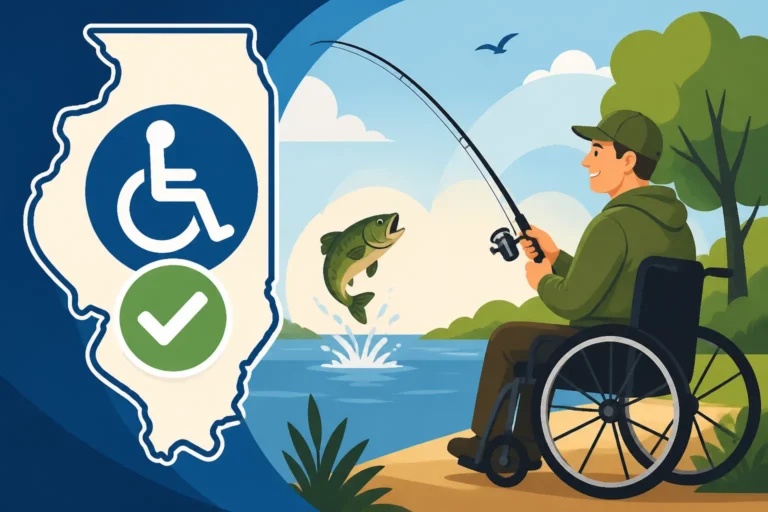
Generally speaking, if you're 16 years of age or older and plan to fish in Illinois, you need a valid fishing license. This applies to both residents and non-residents. However, there are some important exceptions and exemptions that can save you money or hassle. For example, Illinois offers specific discounts for seniors. Residents who are 65 to 74 years old are eligible for a reduced-fee license, while those 75 and older can get a Super Senior license at a significantly lower cost. There are also provisions for disabled residents. Furthermore, children under 16 do not need a license to fish, making it easy to introduce younger family members to the sport. Understanding these nuances is crucial, and you can find more specific details in our comprehensive Illinois Fishing License Guide for 2026 or by checking out the Illinois Fishing License Rules for Children.
Resident vs. Non-Resident Differences
It probably won't surprise you that Illinois, like most states, has different license requirements and pricing structures for residents versus non-residents. If you're an Illinois resident, you’ll typically pay a lower fee for an annual license compared to someone visiting from out of state. For example, an Illinois Resident Annual Fishing License Cost is significantly less than what a visitor might pay. Non-residents often have options for shorter-term licenses, such as a 3-day or 24-hour license, which can be perfect for a weekend trip or a quick stop while traveling. These specific options and their prices vary, so it’s always best to check the latest information. If you're an out-of-state angler, familiarize yourself with the Illinois Nonresident Annual Fishing License Cost to avoid any surprises.
Essential Stamps: Trout, Salmon, and More
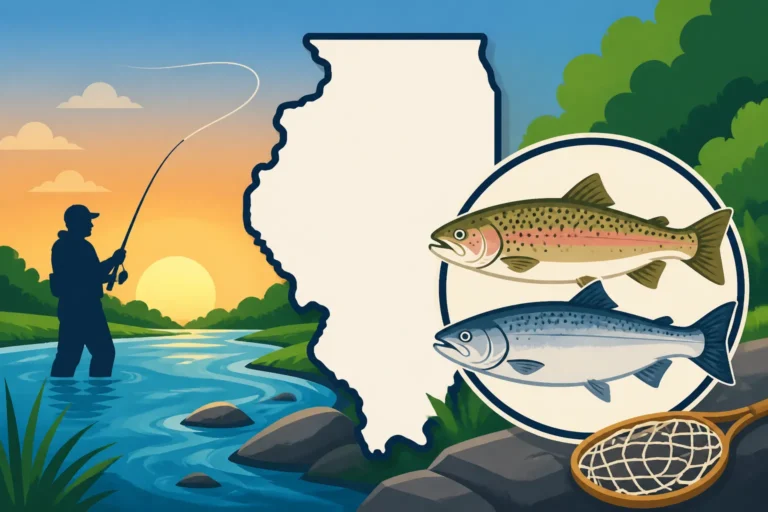
Beyond the basic fishing license, Illinois requires additional stamps if you plan to target specific species in certain waters. The most common of these are the Inland Trout Stamp and the Lake Michigan Salmon Stamp.
- Inland Trout Stamp: If you're going after trout in any of Illinois's many stocked lakes and streams, you'll need an Inland Trout Stamp in addition to your fishing license. This applies to designated waters where trout are regularly stocked by the Illinois Department of Natural Resources (IDNR). Without it, even with a valid fishing license, you could face penalties.
- Lake Michigan Salmon Stamp: For those chasing salmon or trout in Lake Michigan, the Lake Michigan Salmon Stamp is a must-have. This stamp specifically covers fishing in the Illinois waters of Lake Michigan. If you're heading to the Chicago lakefront piers or chartering a boat out of Waukegan for salmon, ensure you have this stamp.
These stamps are not merely optional add-ons; they are legal requirements for fishing these specific species and waters. For a full breakdown of when and where these are needed, consult the Illinois Trout and Salmon Stamp Requirements before your trip. It's an easy detail to overlook but can lead to fines if you're caught without the correct stamp.
Where and How to Purchase Your License
Once you know what kind of license and any necessary stamps you need, the next step is actually getting them! Thankfully, Illinois offers several convenient ways to purchase your fishing license, whether you prefer the ease of online shopping or the personal touch of a local vendor.
Online Purchase: Convenience at Your Fingertips
In today's digital world, buying your Illinois fishing license online is by far the most convenient option for many anglers. The Illinois Department of Natural Resources (IDNR) website allows you to purchase your license and any required stamps from the comfort of your home, 24/7. This means no waiting in lines and no last-minute dashes to a store. After purchasing, you can often print a temporary copy of your license right away, and a physical copy will be mailed to you. Many anglers also find it convenient to save a digital copy on their phone, which is typically accepted as proof of license. This method is incredibly useful, especially if you suddenly decide on a fishing trip and realize your license expired. Our detailed guide on How to Buy an Illinois Fishing License Online walks you through the entire process step-by-step.
In-Person Options: Local Retailers and IDNR Sites
If you prefer a more traditional approach, or simply need to pick up some bait or tackle anyway, you can purchase your Illinois fishing license in person.
- Sporting Goods Stores: Major retailers like Bass Pro Shops, Cabela's, and even local sporting goods stores often sell fishing licenses. These are great spots to not only get your license but also pick up any last-minute gear you might need. You can find a vast array of fishing equipment on Amazon too, if you prefer online shopping for your gear.
- Bait Shops: Your local bait and tackle shop is a fantastic resource. Not only can you get your license there, but the staff are usually a wealth of local fishing knowledge, happy to share tips on what’s biting and where.
- IDNR Offices: You can also purchase licenses at various Illinois Department of Natural Resources offices throughout the state. While less common for everyday purchases, they are a reliable source.
When purchasing in person, remember to bring a valid form of identification, especially if you're applying for a senior or disabled license, as proof of age or residency might be required.
What Documents You'll Need
Regardless of whether you purchase online or in person, you'll generally need a few pieces of information handy. For residents, this usually includes:
- Proof of Illinois Residency: A valid Illinois driver's license or state ID is typically sufficient.
- Date of Birth: To verify age for eligibility and pricing.
For non-residents, you'll need:
- Valid Photo ID: A driver's license from your home state.
- Proof of Residency for Your Home State: Sometimes requested for verification.
It's always a good idea to double-check the specific requirements, especially if you have any unique circumstances or are seeking a special type of license. Being prepared with the right documents will make the purchase process much quicker and smoother, getting you closer to the water.
Common Pitfalls and How to Avoid Them on Your First Outing
Even with the best intentions, it's easy to make mistakes that can turn your fishing trip sour. Being aware of common pitfalls, especially on your first trip of the new license year, can save you a lot of grief.
The Consequences of Fishing Without a License
This is perhaps the biggest and most serious mistake an angler can make: fishing without a valid license. It doesn’t matter if you "just forgot" or "didn't realize it expired." If a conservation police officer checks your license and you don’t have a current one, you're looking at a citation. The penalties for fishing without a license in Illinois can range from significant fines to having your fishing equipment confiscated. It’s simply not worth the risk. Always verify your license status before heading out, especially around April 1st. It’s far cheaper and less stressful to buy a license than to deal with the legal repercussions and monetary penalties. Our article on Penalties for Fishing Without a License in Illinois delves deeper into what you might face.
Forgetting Your License at Home
Okay, so you bought your license, but then you left it on the kitchen counter. This is another frustrating but common scenario. While Illinois usually accepts digital proof of your fishing license (like a photo on your phone or the official digital version from the IDNR app), it's always best to have it readily accessible. Some officers might prefer to see a physical copy. If you're out on the water in a remote area and your phone dies, or you don't have good service, having a physical copy can be a lifesaver. Before you walk out the door, make it a habit: keys, wallet, phone, and fishing license. Maybe even keep a spare copy laminated in your tackle box, which you can easily find on Amazon.
Checking Site-Specific Regulations
Here's a crucial point that often catches anglers off guard: statewide fishing regulations are just the starting point. Many lakes, rivers, and specific bodies of water in Illinois have their own unique regulations that supersede or add to the general statewide rules. These site-specific rules can include different length limits, daily creel limits, or even special catch-and-release periods for certain species. For example, a particular lake might have a 15-inch minimum for bass, even if the statewide limit is lower or non-existent for that species. Failing to check these localized rules can lead to citations, even if you're otherwise compliant with your license. Always, always check the current Illinois Fishing Information Guide or the IDNR website for specific regulations for the body of water you plan to fish. This proactive step, as highlighted in our post on Checking Site-Specific Rules Before Fishing an Illinois Lake, is essential for responsible and legal angling.
Here’s a quick overview of common Illinois fishing license types and their general application:
| License Type | Eligibility | Validity Period | Common Use Cases | Special Notes |
|---|---|---|---|---|
| Annual Resident Fishing | IL Resident, 16-64 years old | April 1 – March 31 | Regular fishing throughout the year | Most common license for Illinois residents |
| Annual Non-Resident Fishing | Non-IL Resident, 16+ years old | April 1 – March 31 | Frequent visits by out-of-state anglers | Higher cost than resident license |
| 24-Hour Resident | IL Resident, 16+ years old | 24 hours from purchase | Quick, impromptu single-day trips | Good for a spontaneous afternoon or evening outing |
| 3-Day Non-Resident | Non-IL Resident, 16+ years old | 72 hours from purchase | Weekend trips or short visits to Illinois | More cost-effective for short stays than buying multiple 24-hour licenses |
| Senior Fishing (65-74) | IL Resident, 65-74 years old | April 1 – March 31 | Regular fishing for eligible seniors | Reduced fee for residents in this age bracket |
| Super Senior Fishing (75+) | IL Resident, 75+ years old | April 1 – March 31 | Regular fishing for elderly residents | Heavily discounted, nearly free |
| Inland Trout Stamp | Any licensed angler | April 1 – March 31 | Required for fishing stocked trout waters | Must be purchased in addition to a fishing license |
| Lake Michigan Salmon Stamp | Any licensed angler | April 1 – March 31 | Required for fishing salmon/trout in Lake Michigan | Must be purchased in addition to a fishing license |
Remember, this table provides a general overview. Always confirm current pricing and specific regulations with the IDNR before purchasing. You can delve into more detail about How Illinois Fishing License Prices Break Down by Age and Residency for a comprehensive understanding.
Navigating Specific Scenarios
Sometimes, your fishing plans might fall outside the typical mold. Whether you're planning a trip during a free fishing weekend or venturing onto border waters, understanding these specific rules will keep you compliant and enjoying your time on the water.
Free Fishing Days: A License-Free Opportunity
Every year, Illinois offers special "Free Fishing Days," typically coinciding with Father's Day weekend in June. During these specific dates, residents and non-residents alike can fish in most Illinois waters without needing a fishing license or an Inland Trout Stamp. It's a fantastic opportunity to introduce newcomers to the sport or for experienced anglers to enjoy a stress-free outing. However, it's crucial to remember that while the license requirement is waived, all other fishing regulations, such as daily catch limits and size restrictions, still apply. Always check the official dates for the current year to ensure you're fishing legally during these special periods. The Illinois Free Fishing Days Guide is an excellent resource for planning your outing during these license-free weekends.
Reciprocity on Border Waters
Illinois shares borders with several states, and some of these border waters have special agreements regarding fishing licenses. For instance, parts of the Mississippi River are considered "reciprocal waters" with states like Missouri and Iowa. This means that if you have a valid fishing license from Illinois, you might be able to fish in the shared waters of the Mississippi River even on the Missouri or Iowa side, and vice-versa. Similar agreements can exist for other border rivers, like the Wabash River with Indiana or the Ohio River with Kentucky, and even the Wisconsin River system if you're crossing north.
However, these agreements often have specific limitations and might not cover all species or all parts of the river. You typically cannot fish in tributaries or landlocked lakes within the other state using only your Illinois license. It’s absolutely vital to confirm the exact reciprocity rules for the specific section of water you plan to fish before heading out. Don't assume – always verify! Our articles like Illinois Fishing License Reciprocity With Missouri or Illinois Fishing License Reciprocity With Iowa offer detailed insights into these agreements.
Tournament Fishing and Special Permits
For competitive anglers, tournament fishing adds another layer of regulations to consider. While a standard Illinois fishing license is always required for anyone participating in a fishing tournament (unless it falls within a Free Fishing Day period), tournament organizers themselves may need to obtain special permits from the IDNR. These permits often cover aspects like weigh-in procedures, live release practices, and may sometimes allow for temporary exemptions from certain statewide length or creel limits during the event itself.
As an individual angler participating, your primary responsibility is ensuring your personal fishing license and any necessary stamps are valid. The tournament director should communicate any specific rules or permits related to the event. If you're a serious tournament angler, it's always wise to be aware of the Illinois Tournament Angler License Rules and ensure the event you're participating in is fully compliant to avoid any issues. Always ask if you have doubts, as ignorance of the rules is never an acceptable defense.
Disclaimer
The information provided in this guide is intended for general informational purposes only and is subject to change. While we strive to provide accurate and up-to-date content, fishing regulations, license requirements, and fees can be updated by the Illinois Department of Natural Resources (IDNR) at any time. It is always the angler's responsibility to consult the most current official IDNR Fishing Information Guide or website before engaging in any fishing activities to ensure full compliance with all applicable laws and regulations.