Why Fishing Limits Depend on Which Lake You’re On
One of the most common frustrations for Illinois anglers is trying to keep track of fishing regulations. You might be familiar with the statewide limits for your favorite species, only to arrive at your go-to lake and discover completely different rules. This guide is here to unravel the mystery of why fishing limits depend so heavily on which lake you’re on, helping you stay compliant and enjoy your time on the water.
The Dynamics of Illinois Fishing Regulations: Statewide vs. Site-Specific
It's easy to assume that once you've looked up the general fishing regulations for Illinois, you're all set for any body of water in the state. Many anglers are surprised, and sometimes even caught off guard, when they head to a new spot or even a familiar one, only to find that the daily catch limits or minimum size requirements are completely different from what they expected. This isn't just a random act; there's a very good reason for this complexity, rooted in the science of fisheries management and the unique characteristics of each waterway.
Statewide vs. Site-Specific Rules: Why the Discrepancy?
The Illinois Department of Natural Resources (IDNR) is tasked with managing the state's vast and diverse aquatic resources. To do this effectively, they implement a two-tiered system of regulations: statewide rules and site-specific rules. Statewide regulations, as the name suggests, are the general guidelines that apply across most waters in Illinois. These provide a baseline level of protection for common species like largemouth bass, crappie, and catfish, ensuring that broad conservation goals are met. For instance, you can typically find the general guidelines in the annual Illinois Fishing Information Guide Covers April 2026 Through March 2027.
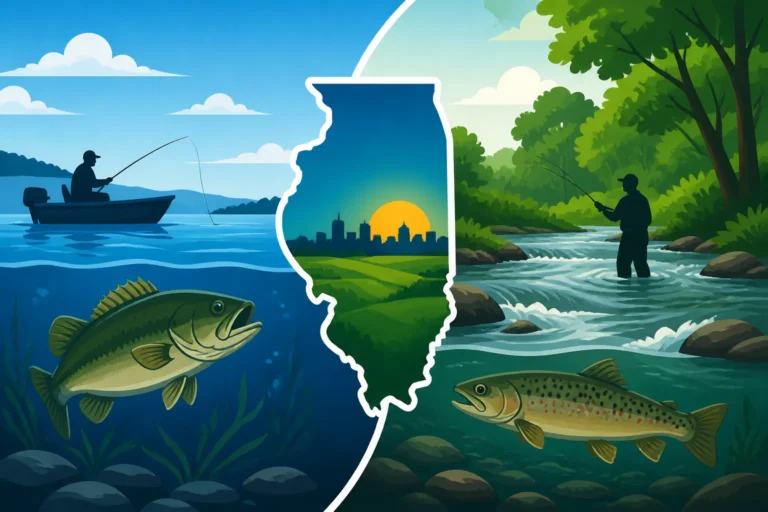
However, the reality is that not all lakes, rivers, or impoundments are created equal. A small, shallow pond in southern Illinois might have vastly different fish populations, habitat conditions, and fishing pressure compared to a large, deep reservoir in central Illinois or a section of the mighty Mississippi River. Applying a one-size-fits-all approach to these incredibly varied ecosystems would be detrimental to fish populations in some areas and unnecessarily restrictive in others. This is precisely Why Fishing Rules Vary by Lake and River. Therefore, the IDNR develops site-specific regulations tailored to the unique needs of individual bodies of water, ensuring that each fishery can be managed sustainably.
These site-specific rules are often more stringent or, occasionally, more liberal than the statewide limits, depending on the specific circumstances of that particular lake or river. For example, a lake with a booming bass population that could benefit from increased harvest to prevent stunting might have higher daily limits than the statewide norm. Conversely, a lake that has recently been stocked with trophy-sized walleye might have a slot limit or a reduced daily bag limit to protect those larger fish and allow them to grow. These nuanced decisions are critical for maintaining healthy, vibrant fisheries across the state.
The Role of the Illinois Department of Natural Resources IDNR
The Illinois Department of Natural Resources (IDNR) plays the central role in all of this. Their fisheries biologists are the unsung heroes working behind the scenes to monitor fish populations, assess habitat health, and gather angler input. These dedicated professionals conduct regular surveys, netting, and electrofishing operations on lakes and rivers throughout the state. They collect data on fish numbers, size distributions, growth rates, and reproductive success for various species. This scientific data forms the foundation for all fishing regulations.
Based on their extensive research and observations, the IDNR then proposes and implements specific regulations. This process involves careful consideration of ecological factors, angler preferences, and the long-term sustainability of the fishery. They might introduce special regulations like slot limits, where anglers can only keep fish within a certain size range, or catch-and-release only periods, to protect spawning fish or recovering populations. These measures are not arbitrary; they are carefully designed interventions aimed at optimizing the health and productivity of each specific fishery.
For anglers, understanding this role of the IDNR is key. It means that while knowing the Illinois Fishing Regulations Overview is a good start, it's absolutely essential to consult the specific rules for your intended fishing destination. This information is readily available through official IDNR channels, usually updated annually, to reflect the most current conditions and management strategies for each lake or river in Illinois. Keeping an eye on these updates is crucial for any responsible angler to avoid unintentional violations.
Ecological Factors Driving Localized Limits
Understanding why fishing limits vary from one lake to another really boils down to the biology of the fish themselves and the environment they live in. Each body of water is a unique ecosystem, and what works for a healthy fishery in one place might not work at all in another. The IDNR isn't just throwing darts at a map; their decisions are rooted in a deep understanding of these complex ecological factors.
Fish Population Dynamics and Health
At the heart of site-specific regulations are the fish populations themselves. Biologists look at several key indicators to determine the health and sustainability of a particular species in a given lake. First, there's species abundance: how many fish of a certain type are there? If a lake has a booming population of, say, crappie, but they're all small, it might indicate an overpopulation problem. In this case, the IDNR might implement a more generous daily limit or even remove a size limit entirely for a period, encouraging anglers to harvest more fish to reduce competition for food and allow the remaining fish to grow larger.
Conversely, if a species like walleye or muskellunge is scarce in a particular lake, perhaps due to limited natural reproduction or heavy fishing pressure, the limits will likely be much more restrictive. This could mean a higher minimum size, a very low daily bag limit (sometimes only one or two fish), or even catch-and-release only. The goal is to protect these precious populations, allowing them to reproduce and grow, ensuring there are fish for future generations. For example, you'll often see specific rules for Illinois Walleye Size and Catch Limits that change based on the body of water.
Then there's size structure and growth rates. Are the fish growing quickly and reaching trophy sizes, or are they stunted and unhealthy? If fish aren't growing well, it could point to a lack of food, poor habitat, or too many fish competing for resources. Regulations might be adjusted to either protect larger, faster-growing fish (through slot limits, for example) or to encourage the harvest of smaller fish to improve the overall health of the population. The IDNR uses all of this data to make informed decisions that promote a balanced and thriving fishery.
Habitat Conditions and Water Quality
The physical environment of a lake or river plays an enormous role in determining its fish populations and, consequently, its fishing regulations. Habitat conditions include everything from the amount of submerged vegetation, fallen timber, and rock piles to the depth and bottom composition. A lake with abundant, diverse habitat can support a healthier and more varied fish community. Lakes with poor habitat, perhaps due to sedimentation, shoreline erosion, or lack of cover, may struggle to support large numbers of fish, making them more vulnerable to overfishing.
Water quality is another critical factor. Issues like pollution, excessive nutrient runoff (leading to algal blooms and low oxygen), or extreme water temperature fluctuations can severely stress fish populations. A lake suffering from chronic water quality problems might have lower fish densities and slower growth rates, necessitating stricter fishing limits to prevent collapse. On the other hand, a pristine lake with excellent water quality and abundant food sources might be able to sustain higher harvest rates. The IDNR monitors water quality closely, and these findings directly influence the fishing regulations put in place for that specific body of water. You'll often find that even the Illinois Catfish Daily Limits Explained can vary based on water quality and habitat in a particular river system.
For example, a river with a strong, diverse food web and clean, oxygenated water might have more liberal limits for species like smallmouth bass, whereas a highly urbanized impoundment with fluctuating water quality might have very restrictive limits or even consumption advisories due to contaminants. The interplay between fish biology and their environment is complex, and regulations are the IDNR's way of managing that balance to the best of their ability.
Pressure from Anglers and Harvest Rates
Let's be honest, we anglers love to catch fish, and sometimes, our enthusiasm can put a strain on fish populations. The amount of fishing pressure a lake receives is a significant factor in setting its regulations. A popular lake that sees hundreds of angler trips every weekend will naturally have its fish populations harvested more quickly than a remote, hard-to-access lake that only a few people visit each month. The IDNR tracks angler effort and harvest rates through various means, including creel surveys where biologists interview anglers directly.
If a lake experiences very high fishing pressure for a particular species, the IDNR might implement more conservative limits to prevent overharvest. This could mean reducing the daily bag limit, increasing the minimum size, or even establishing seasonal closures to protect fish during vulnerable periods like spawning. Conversely, if a lake is underfished and its fish population is becoming overabundant, leading to stunted growth, the IDNR might increase the daily limit to encourage more harvest, effectively using anglers as a management tool.
Consider a popular spot like Lake Shelbyville or Rend Lake. These major reservoirs attract thousands of anglers annually, making careful management of species like crappie, bass, and catfish absolutely essential. The regulations for these highly trafficked lakes are meticulously crafted to balance angler opportunity with long-term sustainability. On the other hand, a small, lesser-known state park lake might have different regulations because it simply doesn't receive the same level of angler attention. It's all about finding that sweet spot to keep the fishery healthy and enjoyable for everyone.
Practical Implications for Anglers: What You Need to Know
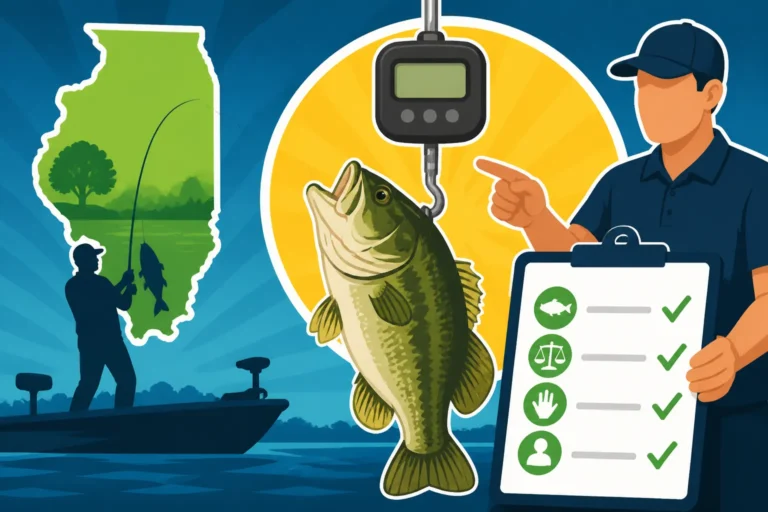
Given all this variation, it's clear that responsible angling in Illinois requires a bit more than just a general understanding of the rules. The onus is on each of us to be informed before we cast our lines. It's not just about avoiding penalties, which can be significant, but also about being a good steward of our natural resources.
How to Find Site-Specific Regulations for Your Chosen Lake
The most important step you can take before heading out is to actively seek out the specific regulations for your destination. Fortunately, the Illinois Department of Natural Resources (IDNR) makes this information readily accessible. The primary resource is the annual Illinois Fishing Information Guide, which is published every year and covers all the statewide rules as well as a comprehensive list of site-specific regulations for hundreds of lakes, rivers, and impoundments across Illinois. You can pick up a physical copy at bait shops, sporting goods stores like Cabela's or Bass Pro Shops, or IDNR offices.
Even better, the entire guide, along with interactive maps and updates, is available online on the official IDNR website. Many anglers find it helpful to download the PDF version to their phone or tablet so they have it handy even without cell service. Before every trip, take a few minutes to look up your chosen lake or river. Pay close attention to the sections detailing specific length limits, daily bag limits, and any special restrictions for the species you plan to target. For example, if you're targeting bass, you'll want to check if the lake has unique rules beyond the Illinois Statewide Bass Fishing Limits. It really pays off to spend this small amount of time to be prepared.
Another great resource can be local bait shops or marinas near your fishing spot. The folks who run these establishments are often avid anglers themselves and are usually very knowledgeable about current local conditions and regulations. They often have copies of the guide available and can point out any recent changes or hot tips. Additionally, apps and websites like FishBrain or the TakeMeFishing.org site often aggregate this information, though always cross-reference with the official IDNR guide for the most accurate and up-to-date data. Being proactive in Checking Site-Specific Rules Before Fishing an Illinois Lake is paramount.
Common Scenarios and Examples of Varying Limits
To illustrate just how varied these rules can be, let's look at a few common scenarios. Imagine you're planning a weekend fishing trip.
Scenario 1: Largemouth Bass Fishing
- Statewide Rule: Generally, largemouth bass might have a 14-inch minimum length limit and a daily catch limit of 6 fish.
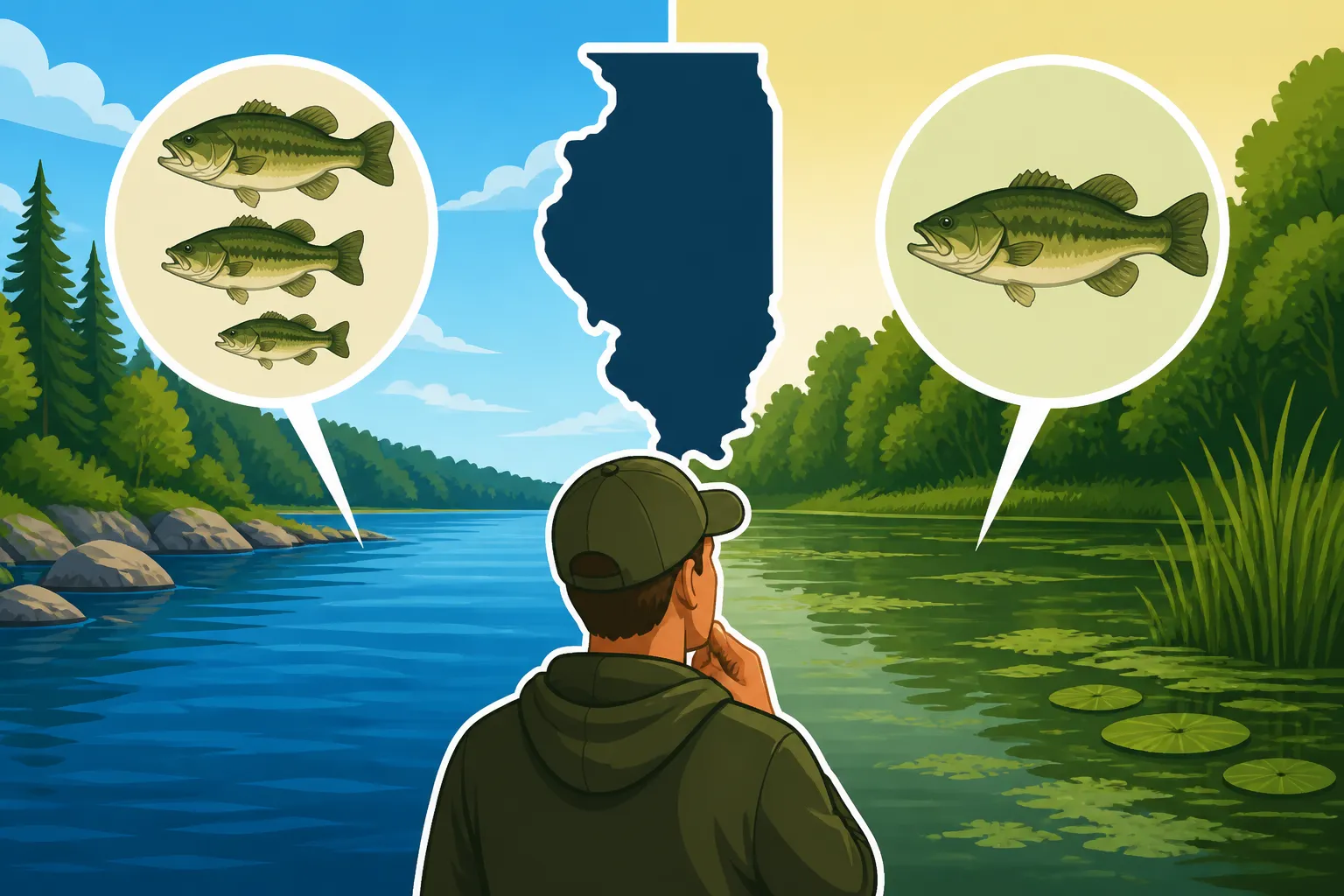
- Example Lake A (e.g., Lake Bloomington): This lake might have a 15-inch minimum length limit and a 3-fish daily limit to protect its trophy bass population and encourage growth.
- Example Lake B (e.g., some smaller municipal ponds): Due to overpopulation and stunted growth, some ponds might have no minimum length limit and a 10-fish daily limit to encourage harvest and improve the average size of fish.
Scenario 2: Crappie Fishing
- Statewide Rule: Typically, crappie might have no minimum size limit and a 15-fish daily limit.
- Example Lake C (e.g., Rend Lake): Known for its crappie, Rend Lake might have a 9-inch minimum length limit and a 15-fish daily limit to ensure anglers are harvesting larger, healthier fish.
- Example Lake D (e.g., a recovering crappie fishery): A lake where crappie populations are recovering after a tough year might have a temporary 10-fish daily limit and a 10-inch minimum length.
These are just hypothetical examples, but they highlight the real differences you'll encounter. It's easy to see how assuming one set of rules applies everywhere could lead to an accidental violation. Always remember that conservation is a collective effort, and knowing the specific rules for How to Find the Rules for a Specific Illinois Fishing Spot contributes directly to the health of our fisheries. If you're unsure, it's always better to err on the side of caution or consult the official guide. You can even find great laminated fishing guides for specific regions on Amazon, which can be super helpful to keep in your tackle box or boat.
Here's a simplified example of how regulations might differ for a common species across various Illinois waterways:
| Waterbody | Species | Minimum Length Limit | Daily Bag Limit | Special Rules |
|---|---|---|---|---|
| Statewide Rule | Largemouth Bass | 14 inches | 6 fish | None |
| Lake Springfield | Largemouth Bass | 18 inches | 1 fish | Strict trophy management |
| Kinkaid Lake | Largemouth Bass | 16 inches | 3 fish | Encourages catch and release |
| Rend Lake | Crappie | 9 inches | 15 fish | Protects spawning adults, maintains size |
| Mississippi River Pool 21 | Walleye | 15 inches | 6 fish | Reciprocity rules with Missouri apply here |
| Crab Orchard Lake | Channel Catfish | None | 6 fish | Encourages harvest of abundant population |
Always consult the official Illinois Fishing Information Guide for the most accurate and up-to-date regulations before each fishing trip. If you plan to How to Buy an Illinois Fishing License Online, the IDNR website is also the best place to find these detailed rules.
Ultimately, the goal of these varied regulations is to create the best possible fishing experience while ensuring our fish populations thrive for years to come. It might seem like a lot to keep track of, but a little preparation goes a long way. And remember, ignorance of the law is no excuse, and Penalties for Fishing Without a License in Illinois or violating other rules can be quite hefty! So, stay informed, check those site-specific limits, and enjoy all the fantastic fishing opportunities Illinois has to offer. You might even want to browse Amazon for a good general fishing guide for the Best Fishing Spots in Illinois to help you plan your next adventure.
Disclaimer
Fishing regulations and licensing requirements in Illinois can change. This article provides general information and examples based on common regulations. It is always the angler's responsibility to consult the most current Illinois Department of Natural Resources (IDNR) Fishing Information Guide or the official IDNR website before fishing to ensure compliance with all applicable statewide and site-specific rules and licensing requirements, including obtaining an Illinois Fishing License Guide for 2026.