Fishing License Requirements for Out-of-State Visitors
If you’re planning a fishing trip to the Land of Lincoln from out of state, the last thing you want is to arrive at your favorite Illinois lake or river, tackle box in hand, only to discover you don't have the right paperwork. The rules for fishing licenses can feel like a maze, especially when you're a nonresident. This guide will cut through the confusion, explaining exactly what you need to know about Illinois fishing license requirements for out-of-state visitors, helping you get on the water legally and stress-free.
The Essential Need for an Illinois Nonresident Fishing License
It's a common scenario: you’ve heard about the incredible bass fishing in Rend Lake, the walleye opportunities on the Mississippi River, or maybe even the Lake Michigan salmon run, and you’re excited to visit Illinois and cast a line. But before you do, you need to understand that Illinois, like most states, requires nonresidents to purchase a specific fishing license. This isn't just about bureaucracy; it's fundamental to the state's conservation efforts and ensures that everyone who enjoys Illinois's aquatic resources contributes to their maintenance and health.
Understanding Why Out-of-State Anglers Need a Permit
The primary reason behind requiring a fishing license, especially for nonresidents, is conservation. The fees collected from license sales are a vital source of funding for the Illinois Department of Natural Resources (IDNR). This money supports critical programs like fish stocking, habitat restoration, fisheries research, and the enforcement of fishing regulations. Essentially, every license purchased helps maintain the vibrant ecosystems that make Illinois a fantastic fishing destination. Without these funds, our lakes, rivers, and fish populations wouldn't thrive as they do.
It can feel a bit frustrating, especially if you're used to fishing in your home state, to have yet another license to buy. You might think, "I'm only here for a weekend, why do I need a whole new license?" The truth is, whether you're here for an hour or a month, you're utilizing public resources that need funding to be sustained. It’s an investment in the future of fishing for everyone, residents and nonresidents alike.
Key Differences Between Resident and Nonresident Licenses
One of the most immediate differences you'll notice is the cost. Generally, nonresident fishing licenses in Illinois are significantly more expensive than those for residents. This pricing structure reflects the idea that Illinois residents, through their taxes, already contribute to the state's infrastructure and natural resources. Nonresidents, who don't contribute in the same way, pay a higher fee to help balance this out. For a detailed look at all options, you can explore the Illinois Fishing License Costs and Types available.
Beyond just price, nonresidents don't have access to certain long-term or discounted options that residents do. For instance, there isn't a "lifetime" fishing license option for nonresidents in Illinois, unlike the Illinois Lifetime Fishing License Guide for residents. Nonresidents are typically limited to annual, three-day, or 24-hour licenses, which are designed to cover various lengths of visits without requiring a full year's commitment if it's not needed. This ensures flexibility for visitors while maintaining the state's revenue goals for conservation.
Navigating Nonresident Illinois Fishing License Options
The Illinois Department of Natural Resources (IDNR) understands that not every visitor needs a full year's worth of fishing privileges. That's why they offer a range of options tailored to different trip lengths. Knowing which one is right for you can save you money and ensure you're covered for your entire stay.
Short-Term Options for Visiting Anglers
For those planning a quick trip, Illinois offers convenient short-term nonresident fishing licenses. These are perfect if you're just passing through or dedicating a specific day or weekend to fishing.
- 24-Hour License: This is the most budget-friendly option for a nonresident angler who only plans to fish for a single day. Maybe you're on a business trip near Peoria and have a free afternoon, or you're visiting friends in Chicago and want to try your luck along the Lake Michigan shoreline. This license covers you for exactly 24 hours from the time of purchase. It's a great choice for spontaneous trips or if you're only targeting a specific species during a short window.
- 3-Day License: If your plans involve a long weekend or a few dedicated days of fishing, the 3-day nonresident license is usually the best value. This covers you for three consecutive days and is incredibly popular with anglers making weekend excursions to places like Carlyle Lake or Lake Shelbyville. It prevents the hassle of buying multiple 24-hour licenses and is often more economical than two separate single-day permits. For specific pricing, you can check out the Illinois Nonresident 3-Day Fishing License Cost.
Choosing between these short-term licenses really comes down to the duration of your trip. If you're confident you'll only be fishing one day, the 24-hour option works. But for anything longer, the 3-day license offers better flexibility and cost efficiency.
Annual License for Frequent Visitors
While short-term options are great, some nonresidents find themselves visiting Illinois frequently throughout the year. Perhaps you live just across the border in Indiana or Missouri and have favorite spots on the Wabash or Mississippi rivers, or maybe you own a cabin in Southern Illinois and come down multiple times a season. In these cases, purchasing an annual nonresident fishing license makes a lot of sense.
An annual license covers you from the current date of purchase until March 31st of the following year. This aligns with the state's fishing license year, which begins on April 1st. If you plan on making more than two or three trips within that period, the annual license will quickly pay for itself compared to buying multiple 3-day or 24-hour licenses. For a clear breakdown, the Illinois Nonresident Annual Fishing License Cost page offers the latest information.
It’s definitely worth doing the math. If you're envisioning multiple trips to chase different species through various seasons – maybe spring crappie, summer bass, and fall walleye – the annual pass gives you complete freedom without repeated purchases. It’s also often chosen by those who have deep connections to Illinois, such as family or second homes, making frequent visits part of their routine.
Additional Stamps and Their Requirements
Just like residents, nonresidents who plan to fish for specific species in certain waters will need to purchase additional stamps on top of their base fishing license. These stamps are crucial for supporting very targeted conservation programs.
- Inland Trout Stamp: If your fishing plans include targeting trout in any of Illinois's regularly stocked inland lakes or streams, you must have an Inland Trout Stamp. These waters are often stocked by the IDNR specifically for put-and-take trout fishing opportunities. Without this stamp, you’re not legally allowed to keep or even fish for trout in these designated areas. This applies whether you're casting a line in a smaller county pond or a larger state park lake that receives trout stockings.
- Lake Michigan Salmon Stamp: For any angler, resident or nonresident, planning to fish for salmon or trout in Lake Michigan, the Lake Michigan Salmon Stamp is non-negotiable. This includes all of Illinois's Lake Michigan waters and tributaries. This stamp directly funds the stocking programs for Chinook salmon, coho salmon, rainbow trout (steelhead), and brown trout that make Lake Michigan such a world-class fishery. If you’re dreaming of trolling for kings out of Waukegan or casting for browns from the Chicago piers, make sure this stamp is part of your license package. You can learn more about specific requirements on the Illinois Trout and Salmon Stamp Requirements page.
It’s absolutely essential to add these stamps before you head out if your fishing plans involve these species or locations. Being caught without the correct stamp, even if you have a valid fishing license, is considered a violation and can lead to penalties. When purchasing your license, whether online or in person, make sure to clearly indicate if you need either or both of these stamps.
Understanding the Costs: What Out-of-State Anglers Really Pay
The financial aspect of getting an Illinois fishing license as a nonresident is often the biggest point of confusion and sometimes frustration. It’s true that you’ll pay more than a resident, but understanding the breakdown can help you budget effectively for your trip.
Breakdown of Nonresident License Fees
Let's get down to the numbers. As of the current license year (which typically runs from April 1st to March 31st), here’s a general idea of what a nonresident might expect to pay:
| License Type | Nonresident Price (Approx.) | Resident Price (Approx.) | Notes |
|---|---|---|---|
| Annual Fishing License | $35.00 | $15.00 | Valid April 1st to March 31st of next year. |
| 3-Day Fishing License | $15.00 | N/A | Valid for three consecutive days. |
| 24-Hour Fishing License | $8.00 | N/A | Valid for 24 hours from selected start time. |
| Inland Trout Stamp | $6.50 | $6.50 | Required for trout in stocked inland waters. |
| Lake Michigan Salmon Stamp | $6.50 | $6.50 | Required for salmon/trout in Lake Michigan and tributaries. |
Please note these prices are approximate and subject to change by the IDNR. It’s always best to check the official IDNR website or a licensed vendor for the most current fees.
As you can see from the table, a nonresident annual license is typically more than double the cost of a resident annual license. This difference can feel steep, but it’s a standard practice across many states to ensure adequate funding from those who utilize the state’s resources without contributing to the state tax base. The revenue generated from these fees is directly reinvested into the state’s fisheries and wildlife programs, including fish stocking, habitat improvement, and scientific research that benefits all anglers.
The Impact of Extra Stamps on Your Total Fishing Budget
It’s crucial to remember that the base fishing license is often just the beginning, especially if you have specific species in mind. Those Inland Trout and Lake Michigan Salmon stamps, while costing the same for residents and nonresidents, add to your total expenditure.
Let’s imagine a few scenarios:
-
Scenario 1: Weekend Bass Trip to a Southern Illinois Lake
- You’re coming from Missouri for a 3-day bass fishing trip to Kinkaid Lake.
- Your cost would be the 3-Day Fishing License: around $15.00.
- Total: $15.00
-
Scenario 2: Spring Trout Fishing Adventure
- You’re visiting from Iowa and want to fish for rainbow trout at a stocked park lake near Springfield for a day.
- Your cost would be the 24-Hour Fishing License ($8.00) + Inland Trout Stamp ($6.50).
- Total: $14.50
-
Scenario 3: Week-long Lake Michigan Salmon Charter
- You’re making an annual trip from Wisconsin to charter fish for Chinook salmon out of Chicago for five days.
- You’d likely get an Annual Fishing License ($35.00) + Lake Michigan Salmon Stamp ($6.50).
- Total: $41.50 (This covers you for the entire license year, so you could come back again too!)
It’s easy to overlook these additional stamps, but they are absolutely mandatory for their respective fisheries. Many a frustrated angler has had to cut their trip short or avoid specific areas because they forgot to purchase the correct stamp. Always verify your target species and location against the requirements before you buy. You don't want to be caught without the right coverage; remember that the Penalties for Fishing Without a License in Illinois can be quite severe, and that includes missing the necessary stamps.
Practical Steps to Secure Your Illinois Nonresident Fishing License
Gone are the days when buying a fishing license meant a trip to a dusty bait shop during specific hours. While that option still exists and has its charm, modern technology offers much more convenience. For out-of-state visitors, ease of purchase is a huge benefit.
Buying Your License Online: Convenience at Your Fingertips
The absolute easiest and most recommended way for nonresidents to purchase an Illinois fishing license is online, through the official Illinois Department of Natural Resources (IDNR) website. This method is available 24/7, meaning you can secure your license from the comfort of your home, even before you start your drive into Illinois. The process is straightforward and user-friendly.
Here’s a general step-by-step:
- Visit the Official IDNR Website: Navigate to the "Purchase Licenses Online" section. Avoid third-party sites that might add extra fees or be unreliable.
- Select License Type: Choose "Nonresident" and then select the specific license you need (Annual, 3-Day, or 24-Hour). Make sure to add any necessary stamps like the Inland Trout Stamp or Lake Michigan Salmon Stamp if your plans require them.
- Provide Personal Information: You'll need to enter your personal details, including your full name, date of birth, address (your out-of-state address, of course), and a form of identification (like your driver's license number).
- Payment: Complete the transaction using a credit or debit card.
- Print or Save: Once purchased, you’ll typically receive an email with a printable version of your license. You can print this out and keep it with you, or save a digital copy on your smartphone. Digital proof is generally accepted, but having a physical backup is always a good idea, especially in areas with spotty cell service.
Many anglers like to carry a laminated copy of their license, and you can find handy waterproof pouches for documents on Amazon to keep it safe from splashes and tears. For more detailed instructions, check out the How to Buy an Illinois Fishing License Online guide. It’s truly the most hassle-free way to ensure you're compliant before you even wet a line.
In-Person Purchases: Local Shops and Sporting Goods Stores
While online is convenient, sometimes you might find yourself needing a license on the fly, or you just prefer the traditional method. Illinois has a vast network of licensed vendors where you can purchase your nonresident fishing license in person. These include:
- Local Bait and Tackle Shops: These are often the best places, not just for a license, but for up-to-the-minute fishing reports, local insights, and recommended baits specific to the water you'll be fishing.
- Major Sporting Goods Retailers: Stores like Bass Pro Shops, Cabela's, and even departments in larger Walmart stores often have kiosks or customer service desks where you can purchase licenses.
- IDNR Offices: You can also purchase licenses directly from select IDNR offices, though these might have more limited hours.
When purchasing in person, you'll need to bring a valid government-issued photo ID, such as your driver's license, to confirm your residency status and date of birth. The staff will help you select the correct license and any required stamps. The advantage of buying in person is the opportunity to ask questions and get immediate local advice, which can be invaluable for an out-of-state visitor trying to learn the ropes of a new fishing spot.
Reciprocity and Border Waters: Special Considerations
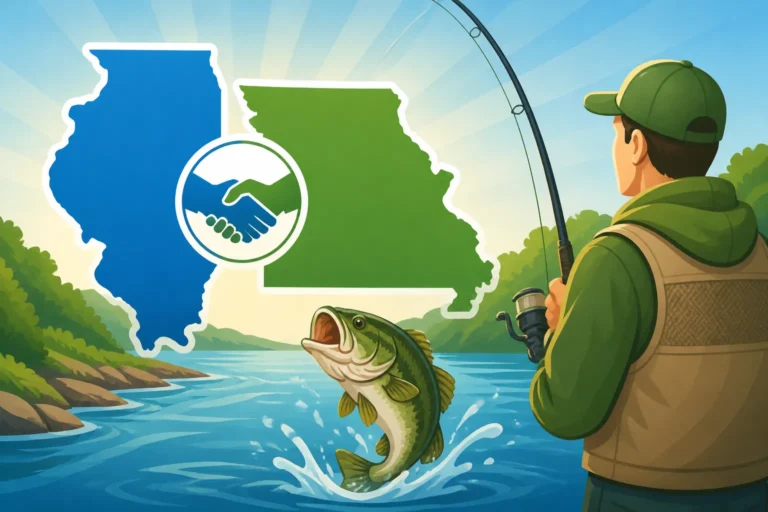
This is where things can get a little tricky for nonresidents, and it’s a point of frequent confusion. Illinois generally does not have full fishing license reciprocity agreements with all its bordering states. This means that even if you have a valid fishing license from Iowa, Missouri, Kentucky, or Indiana, it usually won't be valid for fishing in Illinois waters.
However, there are crucial exceptions for boundary waters, specifically portions of the Mississippi River and the Wabash River:
- Mississippi River: For anglers fishing the Mississippi River that borders Illinois and Iowa, or Illinois and Missouri, there are specific agreements in place. Generally, a valid fishing license from either state is often recognized for fishing on the main stem of the Mississippi River. This means an Iowa resident with a valid Iowa fishing license could fish the Illinois side of the main Mississippi River, and vice versa. However, these agreements usually do not extend to tributaries or backwaters that are wholly within one state's boundary. For example, if you float into an Illinois backwater slough on the Mississippi from Iowa, you would likely need an Illinois license. Detailed rules are available in the Illinois Fishing License Reciprocity With Iowa and Illinois Fishing License Reciprocity With Missouri guides.
- Wabash River: Similar arrangements exist for portions of the Wabash River that form the border between Illinois and Indiana. Anglers with a valid license from either state may be able to fish the main channel of the Wabash. Again, this typically does not apply to tributaries or waters fully within Illinois. Reviewing the Illinois Fishing License Reciprocity With Indiana is vital if you plan to fish this border river.
It cannot be stressed enough: always check the specific regulations for the exact stretch of water you plan to fish. These reciprocity agreements can be complex and are often subject to very precise definitions of "main channel" versus "tributary." A quick search for "Illinois fishing regulations boundary waters" on the IDNR website, or a call to a local game warden's office, can save you a lot of trouble. Don't assume your home state license will cover you unless explicitly stated for that exact location.
Don't Get Caught Off Guard: Key Rules for Nonresidents
Beyond simply having a license, there are a few other important rules and considerations that out-of-state visitors need to be aware of. Knowing these details can prevent unexpected fines and ensure a smooth, enjoyable fishing trip.
What About Kids? Age Requirements for Young Anglers
This is a common question, especially for families planning a fishing vacation. In Illinois, children under the age of 16 are generally not required to have a fishing license, regardless of their residency status. This is fantastic news for families, making it easier and more affordable to introduce younger anglers to the joys of fishing. So, if your 10-year-old from Wisconsin wants to try their hand at bluegill fishing in an Illinois pond, they won't need their own license.
However, while they don't need a license, they are still subject to all other fishing regulations, including catch limits, size limits, and species-specific rules. As the accompanying adult, it's your responsibility to ensure that any child fishing under your supervision adheres to these rules. It’s a great opportunity to teach them about responsible angling and conservation. For more specific details, consult the Illinois Fishing License Rules for Children.
Remember, this exemption is purely for the base fishing license. If your child is fishing for trout in a stocked stream or salmon in Lake Michigan, they might still need the appropriate stamps if they are keeping fish, depending on the exact regulations. It’s always best to check the current Illinois Fishing Information Guide for any nuances.
Understanding Free Fishing Days
Illinois, like many states, offers specific "Free Fishing Days" each year. During these designated periods, typically a few days in early to mid-June (often coinciding with Father's Day weekend), anyone can fish in Illinois waters without needing a fishing license or an Inland Trout Stamp. This incredible initiative is designed to encourage people of all ages and backgrounds to try fishing, fostering a love for the outdoors.
The best part? This applies to nonresidents too! So, if your travel dates happen to align with Illinois's Free Fishing Days, you can fish completely license-free for that period. It's an excellent opportunity for out-of-state families or individuals to experience Illinois fishing without the initial cost of a license. You can find the specific dates for the upcoming year by looking up Illinois Free Fishing Days and License-Free Weekends.
Even during Free Fishing Days, all other statewide and site-specific regulations regarding catch limits, size limits, and legal methods still apply. You’ll still need to respect those rules to have a legal and ethical fishing experience. It’s a perfect time to take the whole family out to a spot like Rend Lake's Best Spots for Trophy Bluegill Over a Pound without the added expense.
Penalties for Non-Compliance
This is the serious part, and it’s why understanding all the requirements is so important. Fishing without a valid license, or without the necessary stamps for specific species or waters, is a violation of Illinois law. The consequences can range from a significant fine to more severe penalties.
If a Conservation Police Officer (CPO) checks your license and finds you don't have the correct one, you could face:
- Fines: These typically start at several hundred dollars and can increase depending on the severity of the violation (e.g., repeated offenses, having undersized fish, or exceeding limits). These fines are often far more expensive than the cost of a license itself.
- Confiscation of Gear: In some cases, your fishing gear, including rods, reels, and even your boat, could be confiscated.
- Court Appearance: You might be required to appear in court, which for an out-of-state visitor can be an immense inconvenience and added expense.
- Loss of Future Privileges: Severe violations can lead to the suspension of fishing privileges in Illinois, and potentially in other states with reciprocal agreements.
It's simply not worth the risk. The IDNR’s Conservation Police Officers are highly visible on Illinois waters, particularly in popular fishing areas and during peak seasons. They are there to protect the resource and ensure fair play for everyone. Always make sure your paperwork is in order before you cast your first line. Understanding What Happens If You Fish Without a License in Illinois? should be a strong motivator to ensure you're fully compliant.
Disclaimer
The information provided in this guide is for general informational purposes only and is subject to change. While we strive to provide accurate and up-to-date information, fishing regulations and license requirements can be complex and may be updated by the Illinois Department of Natural Resources (IDNR). Always consult the official IDNR website or the current Illinois Fishing Information Guide for the most precise and legally binding regulations before engaging in any fishing activity.