Best Rod and Reel Combo for Illinois Muskie
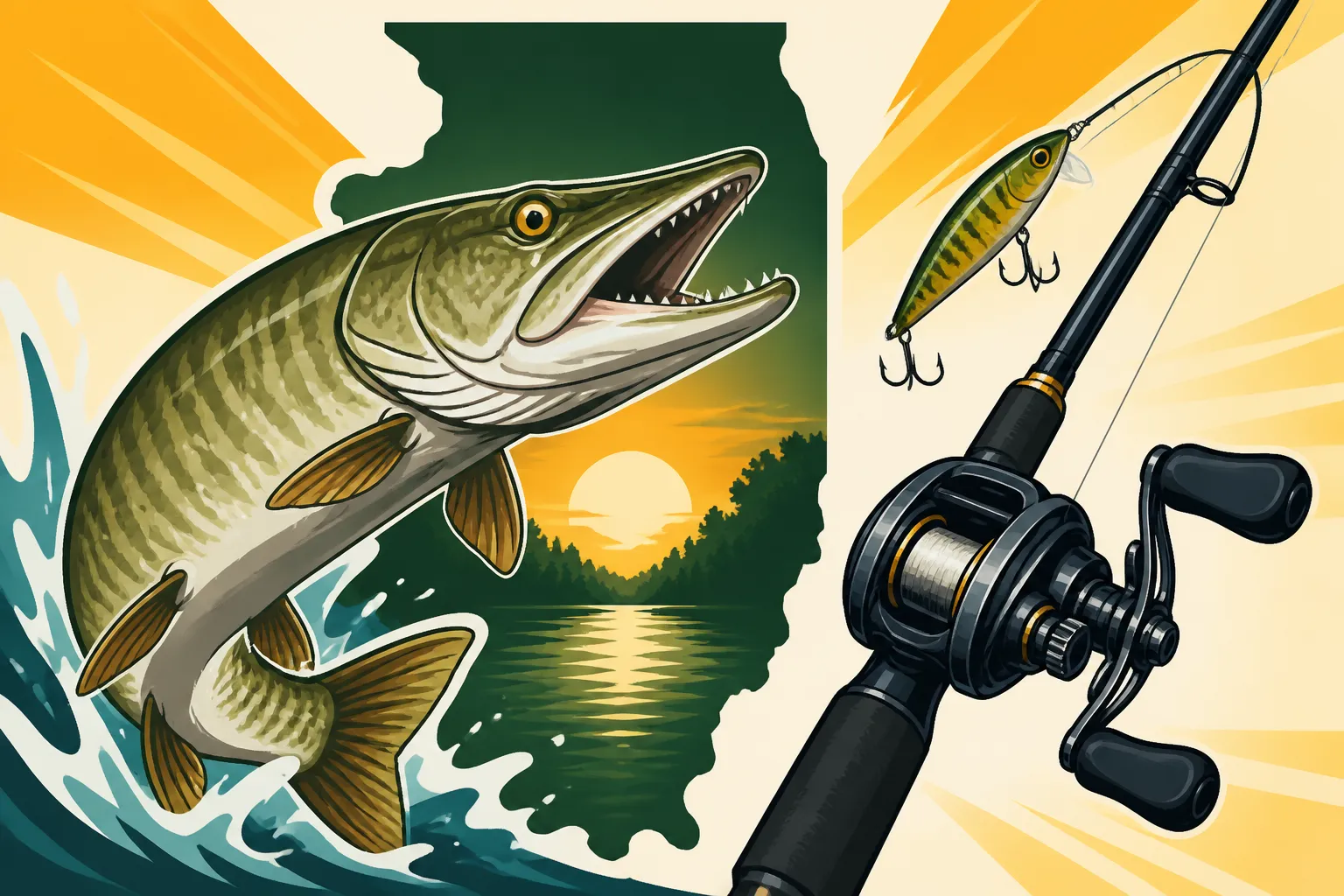
Trying to tackle a muskie in Illinois waters with the wrong gear is like bringing a butter knife to a sword fight. It's frustrating, ineffective, and frankly, a recipe for disappointment when that toothy monster snaps your line or straightens your hook. This guide is all about equipping you with the knowledge to pick the absolute best rod and reel combo, ensuring you're ready for the fight of a lifetime on the water without having your gear let you down.
Why Muskie Fishing Demands Specialized Gear
Catching a muskie isn't just another day on the lake; it's an intense pursuit that pushes both angler and equipment to their limits. These incredible fish, often called "the fish of 10,000 casts," are not only elusive but also incredibly powerful and aggressive once hooked. If you've ever hooked into a smaller bass and felt its fight, imagine that amplified by ten – that's a muskie. Because of their sheer size, powerful runs, and razor-sharp teeth, your standard bass or walleye setup simply won't cut it.
The lures we throw for muskie are also a major factor in gear selection. These aren't dainty little finesse baits. We're talking about massive bucktails, heavy jerkbaits, oversized crankbaits, and huge glide baits that can weigh several ounces, sometimes even over half a pound. Casting these behemoths repeatedly, often for hours on end, requires a rod that can handle the load and a reel that can withstand the strain of retrieving them. Using undersized gear not only risks breaking your rod or burning out your reel, but it also makes the act of fishing itself exhausting and much less enjoyable. It's a prime reason why dedicated muskie anglers invest in specialized equipment – because anything less is a compromise that can lead to missed opportunities or even injury.
The Power and Fight of an Illinois Muskie
Illinois muskies, whether from the Fox Chain O'Lakes, Lake Shelbyville, or even some of the smaller, stocked waters, are formidable adversaries. They aren't just big; they're thick, muscular, and possess an incredible burst of speed. When a muskie decides to make a run, it’s not a gentle tug; it's a drag-screaming sprint that can strip dozens of yards of line in seconds. Their head shakes are violent, designed to throw hooks, and their sharp gill plates can sever lighter lines in an instant. This intense fighting style means your rod needs significant backbone to absorb these shocks and turn the fish's head, while your reel's drag system must be incredibly smooth and reliable to prevent break-offs under extreme pressure. Understanding the sheer force involved is the first step in appreciating why specialized gear isn't a luxury, but a necessity.
Casting Heavy Lures All Day
Imagine swinging a small softball on a fishing rod for eight hours straight. That's a bit what it feels like to cast muskie lures with inappropriate gear. Muskie lures are typically much heavier and offer more resistance in the air and water than lures for other species. Common muskie baits range from 1 to 8 ounces, and some can even exceed that. Regularly launching these heavy baits requires a rod with a specific power rating and a sturdy construction that can handle the immense strain without fatiguing the angler or risking a catastrophic failure. Many anglers casting for muskie will often make hundreds, if not thousands, of casts in a single day, searching for that one bite. This repetitive, high-impact casting motion is why ergonomic design and robust materials are paramount in a muskie rod and reel combo. You need gear that feels balanced, is comfortable to hold, and can endure the relentless abuse without breaking down.
Decoding the Perfect Muskie Rod: Power, Action, and Length
When it comes to muskie rods, we're not just looking for something "strong." We're looking for a carefully balanced instrument designed for maximum leverage, durability, and casting efficiency. The specific characteristics of a muskie rod – its power, action, and length – all work together to help you present massive lures, detect subtle bites, and ultimately, land a true trophy fish. Skimping on any of these elements can lead to frustration or, worse, a broken rod and a lost fish.
Think of it like this: trying to use a medium-heavy bass rod for muskie is like trying to lift a cinder block with a broom handle. It might work for a second, but it's going to fail spectacularly under pressure. You need a rod that can bend where it needs to, remain rigid where it counts, and have the overall integrity to stand up to brutal use. Best Rods and Reels for Illinois Anglers provides a broader look at suitable gear, but for muskie, we're really drilling down into the heavy-duty stuff.
Rod Power: The Backbone of Your Setup
Rod power refers to how much force it takes to bend the rod. For muskie fishing, you're almost exclusively looking at Heavy (H) or Extra Heavy (XH) power ratings. Anything less simply won't have the backbone to effectively cast large, heavy muskie lures or to control a powerful, hard-fighting muskie once it's hooked.
An H or XH rod has a stout blank that resists bending along most of its length, giving you the leverage needed to both launch heavy baits a significant distance and to apply serious pressure to a fish. When a muskie makes a powerful run or tries to bury itself in weeds, that extra power allows you to lean into the fight, turn its head, and guide it away from obstacles. Without sufficient power, you'd be easily overpowered, and the fight would likely last too long, stressing the fish unnecessarily or giving it too many opportunities to break free. Many anglers will even have different power rods for different types of muskie baits; an XH might be for the biggest jerkbaits, while an H could be perfect for bucktails.
Rod Action: Responsiveness and Sensitivity
Rod action describes where the rod bends when pressure is applied. For muskie, you'll primarily be looking at Fast or Extra Fast (XF) action rods.
- Fast Action: A fast action rod bends mainly in the top third of its length. This gives you a sensitive tip for feeling bites (which can sometimes be surprisingly subtle, even from a muskie), while the strong mid-section provides plenty of power for setting hooks and fighting fish. This is a versatile action for many muskie techniques.
- Extra Fast Action: An extra fast action rod bends only in the very tip. This offers maximum sensitivity and quick hook-setting power, which is crucial for lures like jerkbaits where you need to feel subtle twitches and react instantly. The stiff backbone of an XF rod also helps generate the aggressive lure action often desired for muskie.
The right action ensures that the rod loads properly during a cast, allowing you to maximize distance and accuracy with those heavy lures. It also directly impacts your ability to impart specific actions to lures, like snapping a jerkbait or ripping a glide bait, which can be key to triggering a muskie strike.
Rod Length: Control and Casting Distance
Muskie rods are noticeably longer than most freshwater rods, typically ranging from 8 feet to 10 feet, and sometimes even longer for specialized casting. This extended length serves several critical purposes:
- Casting Distance: Longer rods act like a longer lever, allowing you to cast heavy muskie lures much further. This is essential for covering vast amounts of water, especially on larger lakes like Lake Shelbyville or the Mississippi River. More casting distance means more time your lure is in the "strike zone."
- Lure Control: The length helps in working larger lures effectively. It provides better leverage for snapping jerkbaits, sweeping glide baits, or controlling the dive of large crankbaits. The extra length also makes it easier to keep your line out of the water when twitching topwater baits, preventing unwanted drag.
- Figure-Eight Maneuver: This is perhaps the most critical reason for longer rods. Many muskie strikes occur right at the boat, either because the fish followed the lure all the way in or was initially attracted by the boat's shadow. The "figure-eight" involves sweeping your rod tip in a large "8" pattern next to the boat, keeping the lure in the water and enticing a lurking muskie to strike. A longer rod makes this maneuver much more manageable and effective, significantly increasing your chances of landing a follower.
- Fighting Power: The extra length also helps in fighting large fish, keeping their head up and away from the boat or obstructions, and absorbing powerful surges.
When shopping at a place like Bass Pro Shops, you'll immediately notice the difference in rod lengths compared to other freshwater rods. Don't be shy about handling these longer rods to get a feel for them.
The Right Reel for the Job: Durability, Gear Ratio, and Drag
Just like the rod, the muskie reel is a beast of its own, designed for relentless performance under extreme conditions. You won't find many spinning reels in serious muskie anglers' boats; baitcasting reels are almost universally preferred for their power, line capacity, and control with heavy lures. Your muskie reel needs to be able to retrieve massive lures, handle powerful runs from big fish, and endure years of heavy use.
A common frustration for new muskie anglers is trying to make a bass reel work, only for the drag to slip erratically or the gears to grind after a few outings. A dedicated muskie reel is engineered with tougher components to prevent this.
Gear Ratio: Balancing Speed and Power
The gear ratio indicates how many times the spool rotates with one full turn of the handle. For muskie fishing, you'll find a range of gear ratios, each suited to different techniques:
- Lower Ratios (e.g., 5.1:1 to 5.4:1): These reels provide more torque, making them ideal for retrieving large, high-resistance lures like deep-diving crankbaits or big jerkbaits that require a lot of power to move through the water. While slower, the added power prevents fatigue and allows you to work these lures effectively.
- Medium Ratios (e.g., 6.1:1 to 6.4:1): This is often considered a versatile "all-around" ratio, offering a good balance of power and speed. It works well for bucktails, larger spinners, and many other common muskie baits.
- Higher Ratios (e.g., 7.1:1 or higher): These reels are faster, great for quickly picking up slack line, making multiple casts, and working baits that require a fast retrieve. They can be good for burning bucktails or quickly reeling in a bait to recast when a follow occurs.
The key is to match the gear ratio to the lures you'll be throwing most often. Many serious muskie anglers carry multiple combos, each rigged with a reel suited for specific lure types. You can often find detailed specifications and reviews for various reels on platforms like Amazon, helping you compare options.
Drag System: Smoothness and Strength
The drag system is arguably the most crucial component of your muskie reel. It allows line to be pulled off the spool under tension, preventing the line from breaking when a muskie makes a powerful run. For muskie, you need a drag system that is:
- Smooth: The drag must release line consistently and without jerking. A "sticky" or inconsistent drag can lead to line breaks and lost fish.
- Strong: Muskie reels typically boast impressive maximum drag ratings, often in the 20-30+ pound range. While you might not set your drag to its absolute max, having that reserve power is vital for controlling large fish and preventing them from reaching heavy cover.
Look for reels with large, multi-stack drag washers made from durable materials. A well-designed drag system allows you to finely tune the tension, providing just enough resistance to tire the fish without risking a snap. This smooth, powerful drag is what gives you confidence when battling a truly massive muskie.
Line Capacity and Durability
Muskie reels need ample line capacity. Even with strong braided line, a muskie can make long, blistering runs, and you don't want to run out of line. Most muskie reels are designed to hold at least 100-150 yards of heavy braided line (65-100 lb test).
Beyond capacity, the overall construction of the reel is paramount. Muskie reels are built like tanks, featuring robust frames, heavy-duty gearing, and corrosion-resistant components. Aluminum frames, brass gears, and strong handle designs are common. This durability ensures the reel can withstand the constant strain of casting heavy lures, the shock of powerful hooksets, and the brutal fight of a muskie. These are not delicate instruments; they are workhorses built for battle.
Assembling Your Muskie Arsenal: Matching Rods and Reels for Peak Performance
Choosing the best rod and reel combo isn't just about picking individually strong components; it's about making sure they work in harmony. A perfectly balanced setup will feel comfortable, allow for efficient casting, and give you the confidence to tackle any muskie that decides to strike. This synergy between rod and reel is what truly elevates your muskie fishing experience, turning a grueling task into a powerful, controlled effort.
When you're putting together your muskie rig, consider how each piece contributes to the whole. For instance, a super heavy rod paired with a tiny, light reel will feel nose-heavy and awkward, making it difficult to cast accurately or work lures effectively. Conversely, an oversized, heavy reel on a shorter, lighter rod will simply overpower it and throw off its action. Achieving that balance is key to making those 10,000 casts feel less like a chore and more like a focused pursuit. This meticulous approach is part of what makes muskie fishing such a rewarding challenge, pushing you to refine every aspect of your gear. If you're looking for Illinois Muskie Gear and Tackle, consider these pairings carefully.
Achieving Balance in Your Combo
The concept of "balance" is critical. When you hold your rod and reel combo, the balance point should ideally be just above or at the front of your reel seat. This allows the combo to feel lighter in your hands, reducing fatigue over a long day of casting. A well-balanced setup feels like an extension of your arm, making casting and lure retrieval smoother and more natural.
To achieve this, you need to match the weight of your reel to the power and length of your rod. Generally, a heavier, longer rod will require a slightly heavier reel to maintain balance. Some anglers will even experiment with different reel models or even add small counterweights to the butt of their rod to fine-tune the balance. It's a personal preference, but spending a few minutes at a tackle shop like Bass Pro Shops holding various combos can give you a feel for what feels right for you. Don't be afraid to ask to pair different rods and reels to see how they feel together.
Line, Leaders, and Lure Considerations
While this guide focuses on the rod and reel, no muskie combo is complete without considering the line and leader. For muskie, heavy braided line (65-100 lb test) is standard. It offers superior strength, minimal stretch for solid hooksets, and good abrasion resistance. Fluorocarbon or steel leaders are absolutely essential to prevent those sharp muskie teeth from cutting your line. A 100-200 lb test fluorocarbon leader or a high-quality wire leader is a must. Best Muskie Lures for Fishing Based on What They Eat will help you choose your baits, which in turn influences your leader choice.
Your choice of lure also plays a significant role in how your combo performs. Are you primarily throwing big, heavy bucktails that require a fast retrieve and a reel with good gear reduction? Or are you focused on twitching heavy jerkbaits that demand an extra-fast rod action and a reel with strong gearing to move them? The combo should complement the primary techniques you intend to use. A versatile muskie combo is great, but having a specialized setup for your favorite technique can make a world of difference.
Here's a quick reference table for common muskie rod and reel specifications:
| Component | Characteristic | Typical Range for Muskie | Why It Matters for Muskie |
|---|---|---|---|
| Rod | Power | Heavy (H) to Extra Heavy (XH) | Essential for casting heavy lures and controlling large, powerful fish. |
| Action | Fast to Extra Fast (XF) | Provides sensitivity for bites and quick, powerful hooksets. | |
| Length | 8' – 10'+ | Maximizes casting distance, lure control, and facilitates the figure-eight maneuver. | |
| Reel | Type | Low Profile or Round Baitcaster | Superior power, line capacity, and control compared to spinning reels. |
| Gear Ratio | 5.1:1 – 7.3:1 | Lower for power and torque (big resistance baits), higher for speed and quick retrieves. | |
| Drag Strength | 20 lbs + | Smooth, strong drag is vital to handle powerful runs and prevent line breaks. | |
| Line Capacity | 100-150 yards of 65-100 lb Braid | Ensures enough line for long runs and minimizes risk of being spooled. | |
| Durability | Robust frame, brass gears | Withstands constant heavy casting, powerful fights, and harsh conditions. |
Ultimately, the best muskie rod and reel combo for you will depend on your personal preferences, the specific lures you prefer to throw, and the waters you fish most often in Illinois. Consider factors like How Big Do Muskie Get in Illinois Lakes? when selecting the appropriate power. While a trip to a dedicated fishing store will allow you to physically handle different setups, reading reviews on Amazon can also provide valuable insights into user experiences with various models and brands. Taking the time to research and invest in quality gear will not only make your muskie fishing more effective but also significantly more enjoyable, especially after hundreds of casts chasing that elusive bite. Remember, Illinois Muskie Fishing: Rules and Regulations for This Game Fish are also key to responsible angling.
Disclaimer
This article is for general informational purposes only and does not constitute professional advice. Laws, prices and regulations vary by location and change over time. Consult a qualified professional for guidance on your specific situation.