Illinois Muskie Size Records: How Big They Really Get
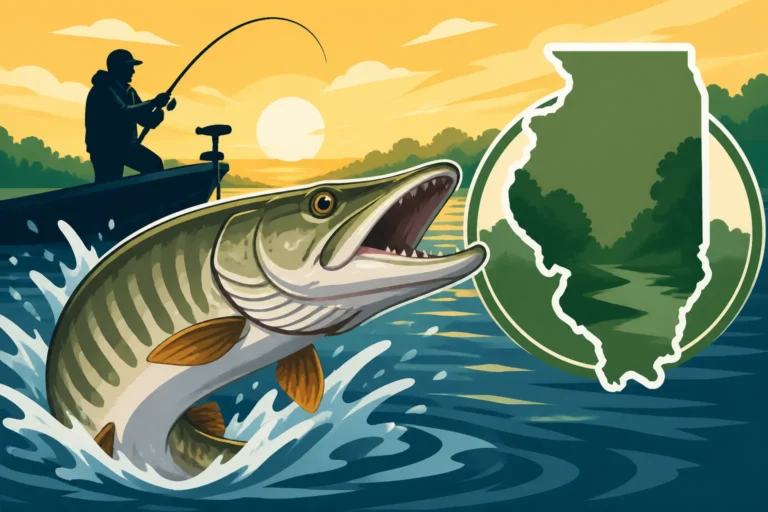
For many Illinois anglers, the quest for a muskie isn't just about catching a fish; it's about pursuing a legend, a true freshwater apex predator. But let's be honest, when you hear whispers of these toothy titans, a nagging question always arises: just how big do these Illinois muskie really get? This guide will dive deep into the fascinating world of muskie growth, state records, and what you can genuinely expect to encounter on our state's premier muskie waters.
The Allure of Illinois Muskie Fishing and the Hunt for Giants
There's something uniquely captivating about muskie fishing. It’s not for the faint of heart, nor for those seeking instant gratification. It demands patience, perseverance, and a deep respect for the fish itself. This dedication often stems from the sheer size and power these creatures possess, making every encounter an unforgettable one.
Why Muskie are Often Called the "Fish of 10,000 Casts" (and 50-Inch Dreams)
The moniker "fish of 10,000 casts" isn't just a catchy phrase; it’s a testament to the challenge and elusiveness of the muskie. Unlike other species that might bite readily, muskie are notoriously finicky. They’re predators at the top of the food chain, intelligent and often wary. An angler might spend an entire day, or several days, throwing massive lures, making thousands of casts, without so much as a follow. Then, in a split second, a torpedo-like strike shatters the calm, and all those thousands of casts are instantly forgotten in the adrenaline rush of a lifetime.
For many, the ultimate goal isn’t just any muskie, but a true giant—the elusive 50-inch mark. This benchmark represents a fish that has survived countless winters, outsmarted countless anglers, and grown to an incredible size. It's a testament to the health of the fishery and a trophy that few anglers ever achieve. The pursuit of such a fish shapes the entire strategy, from the choice of fishing spots to the specific techniques employed. It's a journey filled with anticipation, frustration, and the hope that the next cast will bring that monumental strike.
Understanding Illinois's Muskie Population and Habitat
Illinois might not be the first state that comes to mind when you think of muskie, but thanks to dedicated stocking programs by the Illinois Department of Natural Resources (IDNR), we have some fantastic fisheries. Muskie thrive in diverse habitats, preferring clear to slightly stained waters with ample cover like weed beds, submerged timber, and rock structures where they can ambush prey. They also need a robust forage base—meaning plenty of other fish for them to eat—to reach those impressive sizes.
Lakes such as Kinkaid Lake, Lake Shelbyville, and Shabbona Lake are well-known muskie hotspots in Illinois. These waters offer the perfect blend of habitat, forage, and management to support a healthy and growing muskie population. The IDNR regularly stocks muskie fingerlings, primarily the purebred strain (Muskellunge), ensuring genetic diversity and a continuous supply of fish for anglers to pursue. Understanding the specific characteristics of these lakes, including their water temperatures and typical Illinois Fishing Seasons Guide, can significantly improve your chances of encountering a trophy.
Demystifying Illinois Muskie Size Records: What Anglers Really Catch
When we talk about "records," it's easy to get caught up in the idea of the absolute biggest fish ever caught. While that's certainly exciting, it's important to differentiate between the official state record and what constitutes a truly exceptional catch for the average angler. Both are impressive, but they represent different levels of achievement.
The Illinois State Record Muskie: A True Trophy Fish
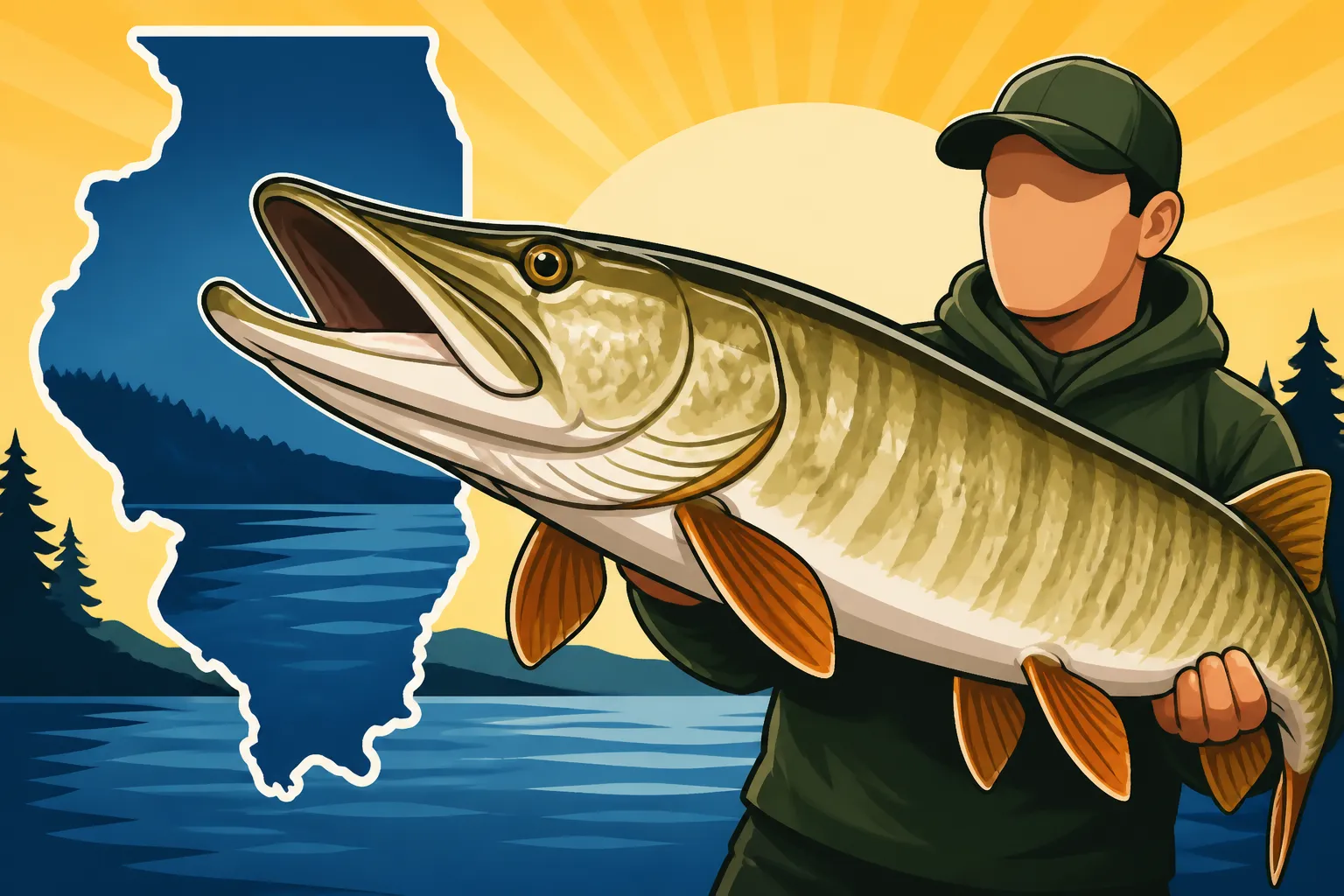
The ultimate bragging right in Illinois muskie fishing is, of course, the state record. This isn't just a big fish; it's a monumental achievement that stands as a testament to both the fish itself and the angler who managed to land it. The current Illinois state record muskie, caught on Fox River, weighed a staggering 38 pounds 8 ounces and measured an incredible 50.5 inches long. Just imagine the sheer power and girth of a fish that large! It’s a true goliath of the freshwater world.
Breaking such a record is a goal that drives many dedicated muskie anglers. It requires not only incredible skill and persistence but also a fair bit of luck – being in the right place at the right time with the right bait. This record fish spent decades growing, navigating its environment, and avoiding capture, a testament to its resilience. For those curious about the specifics, you can dive deeper into Illinois State Record Muskie: What It Takes to Beat It to understand the history and context of this incredible catch.
The Difference Between a "Trophy" and a "Record" Muskie
While the state record is the absolute pinnacle, for most muskie anglers, a "trophy" fish is a much more attainable, yet still incredibly special, achievement. A trophy muskie is often defined by a certain length, typically 40 inches or larger, and for many, the holy grail is hitting or surpassing the 50-inch mark. These are the fish that make your heart pound, create lasting memories, and often lead to stories recounted for years to come.
Think about it this way: catching a 45-inch muskie is a phenomenal accomplishment. It’s a fish that has seen many seasons and has grown to an impressive size. While it might not break the state record, it’s certainly a personal best for most anglers and a true trophy. The vast majority of muskie caught, especially by less experienced anglers, will fall into the 30- to 38-inch range. Anything over 40 inches is considered excellent, and 50 inches is truly a fish of a lifetime. The table below illustrates the difference in perception:
| Category | Typical Length Range (Inches) | Typical Weight Range (Pounds) | Rarity for Angler | Significance |
|---|---|---|---|---|
| Average Catch | 30-38 | 8-15 | Common | Good fighting fish, common for stocked waters |
| Trophy Muskie | 40-49 | 16-30 | Rare | Significant personal best, photo opportunity |
| Giant Trophy | 50+ | 30+ | Extremely Rare | Fish of a lifetime, legendary status |
| State Record | 50.5 | 38.5 | Once-in-a-lifetime | Official highest benchmark, legendary |
This distinction helps set realistic expectations. While we all dream of breaking records, celebrating a hard-earned 40-inch muskie is absolutely something to be proud of.
Factors Influencing Muskie Growth and Size in Illinois Waters
Muskie don't just magically grow to massive sizes. Their development is a complex interplay of environmental conditions, genetics, and management practices. Understanding these factors can give you insight into why certain lakes consistently produce bigger fish and how you can contribute to their continued success.
Food Availability and Forage Base
Perhaps the most critical factor for muskie growth is a robust and diverse forage base. Simply put, bigger meals mean bigger muskie. Lakes rich in various prey species like gizzard shad, suckers, cisco (where present), and even larger perch or crappie provide the necessary protein and energy for muskie to pack on pounds and length. A lake that might have a high population of small sunfish won't grow muskie as quickly or as large as one teeming with abundant, larger baitfish.
For example, a lake like Kinkaid Lake is renowned for its muskie, partly due to a healthy population of gizzard shad and other panfish. These prolific baitfish allow muskie to grow efficiently. When you're researching potential muskie spots, understanding the dominant forage species in that water body can give you a strong indication of the muskie's growth potential. A lean muskie might still be a powerful fighter, but it won't be setting any length or weight records.
Water Quality and Habitat Health
Muskie are sensitive to their environment, and excellent water quality is non-negotiable for them to reach their full potential. They prefer clear, cool, and well-oxygenated water. Lakes with consistent water temperatures, good dissolved oxygen levels, and minimal pollution provide a stress-free environment where muskie can expend their energy on growth rather than fighting environmental challenges.
Beyond water chemistry, the physical habitat plays a huge role. Extensive weed beds provide critical ambush points for hunting and offer refuge from warmer surface temperatures in summer. Submerged timber, rock piles, and deep channels also serve as crucial structural elements. These features not only give muskie places to hide and hunt but also provide shelter and thermal refuge. A healthy, complex habitat is a healthy muskie habitat. This also ties into Water Temperature and Fish Activity Guide as muskie are very sensitive to these changes.
Genetics and Stocking Programs
While environment and food are vital, genetics also play a role. Some strains of muskie simply have the genetic predisposition to grow larger than others. The Illinois Department of Natural Resources (IDNR) works diligently through its stocking programs to introduce healthy, genetically diverse muskie into suitable waters. These efforts are crucial for maintaining and enhancing the muskie populations in our state.
Stocking programs involve raising muskie in hatcheries from eggs, then releasing them into designated lakes once they reach a certain size (often called fingerlings). The IDNR's strategic stocking ensures that lakes have a continuous supply of muskie and helps maintain a healthy balance in the ecosystem. You can learn more about how IDNR manages fish populations and regulations in the Illinois Fishing Regulations Overview. These programs are designed to support strong, healthy fish that have the potential to grow to trophy sizes.
Angler Practices: Catch-and-Release and Handling
This is where we, as anglers, play an absolutely vital role in muskie size records and future generations of big fish. Muskie are almost exclusively a catch-and-release fishery, and for good reason. They are slow-growing, long-lived fish, and releasing them ensures they can continue to grow, spawn, and be caught again. Proper handling is paramount to their survival.
This means using appropriate gear that can handle these powerful fish, minimizing fight time, and employing tools like long-nosed pliers, jaw spreaders, and a large net. Never hold a muskie horizontally by the gill plate or vertically by the jaw without supporting its body. Get your pictures quickly, and gently release the fish, making sure it swims off strongly. Many resources, including videos found on platforms like Amazon, offer excellent guidance on proper muskie handling techniques. The more successful we are at releasing big muskie unharmed, the more opportunities there will be for future anglers to encounter record-breaking fish. Remember, Illinois Muskie Regulations: Size and Possession Limits Explained are in place to protect these magnificent creatures.
Beyond the Record Book: Practical Expectations for Illinois Muskie Anglers
While state records are inspiring, it’s important to have realistic expectations when you head out on the water. Muskie fishing is a journey, not a sprint, and every fish caught, regardless of size, is a triumph. However, knowing what's a reasonable goal can help shape your efforts.
Realistic Size Expectations for Most Illinois Muskie Lakes
For the vast majority of Illinois muskie anglers, a fish in the 36 to 45-inch range is considered a fantastic catch. Many lakes will consistently produce fish in the 30- to 38-inch range, especially for newer anglers or those learning the waters. Breaking the 40-inch barrier is often a personal milestone, while a fish pushing 45 inches is truly exceptional for most waters and a testament to consistent effort and skill.
Remember, muskie fishing is highly dependent on conditions, angler skill, and a good dose of luck. Don't be discouraged if your first few trips (or even first few seasons) don't yield a giant. The average size of muskie caught in Illinois waters is constantly monitored by the IDNR, and while trophy fish are always present, they are, by definition, less common. Focus on learning the patterns, understanding the baitfish, and perfecting your technique.
Targeting Specific Lakes Known for Producing Larger Muskie
If your goal is to specifically target larger muskie, certain lakes in Illinois stand out due to their established populations, excellent forage bases, and habitat. These are the waters where the genetics and environment align to give muskie the best chance at reaching impressive sizes.
- Kinkaid Lake: Located in Southern Illinois, Kinkaid is consistently at the top of the list for muskie fishing. Its clear waters, extensive timber, and diverse forage make it ideal for growing big fish. Anglers regularly pull out muskie over 40 inches, and 50-inch fish are certainly possible here. Check out our Kinkaid Lake Fishing Guide for more in-depth information.
- Lake Shelbyville: This large central Illinois reservoir offers a vast expanse of water and a healthy muskie population. While it can be challenging to learn, dedicated anglers often find success with larger fish, especially in specific areas known for holding muskie. Our Lake Shelbyville Fishing Guide has tips for this expansive fishery.
- Shabbona Lake: Often referred to as the "Muskie Capital of Illinois," Shabbona is a smaller, intensive management lake where muskie are the primary focus. It's known for producing high numbers of fish and has a legitimate chance at 40-inch plus muskie.
- Evergreen Lake: Another solid muskie fishery, Evergreen Lake near Bloomington offers good opportunities for respectable fish.
These lakes are often busy during peak seasons, but the potential for a true trophy makes them worth the effort. Always consult the specific regulations for each lake, as limits and sizes can vary.
Essential Gear for Targeting Illinois's Bigger Muskie
Chasing big muskie requires specialized gear. You can't expect to land a 40-pound fish on a bass rod. Investing in the right equipment is crucial, not only for successfully landing the fish but also for ensuring its safe release. When you're browsing online, perhaps on Amazon, for your next muskie setup, here's what to keep in mind:
- Rods: Look for heavy or extra-heavy power baitcasting rods, typically 8 to 9.5 feet in length. The extra length helps with casting large baits and provides better leverage during a fight.
- Reels: A high-quality baitcasting reel with a robust drag system and a fast retrieve ratio is essential. Muskie hit hard, and you need a reel that can withstand the abuse and quickly pick up slack line.
- Line: Braided line, usually 65 to 100-pound test, is the standard. It has minimal stretch, allowing for solid hooksets and direct control over the fish.
- Leaders: A heavy fluorocarbon or wire leader (100 to 170-pound test, 12-24 inches long) is non-negotiable to prevent bite-offs from their razor-sharp teeth.
- Lures: Muskie baits are famously large. Think about bucktails, jerkbaits, glide baits, and topwater lures that can range from 6 to 15 inches or more. Having a diverse selection is key, as muskie can be particular about what they'll strike.
- Landing Tools: A large, knotless rubberized net is critical for safely landing and handling muskie. Long-nosed pliers and jaw spreaders are also essential for hook removal. You can often find a good selection of these muskie tools on Amazon.
Understanding your gear and its limitations is just as important as knowing where to fish. Proper tackle ensures a smoother fight, minimizes stress on the fish, and increases your chances of a successful catch and release. If you're looking for guidance on what to choose, we have more specific recommendations in our article on Best Rod and Reel Combo for Illinois Muskie.
Muskie fishing in Illinois offers a thrilling challenge and the potential for truly memorable catches. While the state record stands as a lofty goal, the satisfaction of landing a personal best trophy fish, knowing it can swim away to grow even larger, is a reward in itself. Get out there, be patient, and embrace the hunt for Illinois's freshwater giants!
Disclaimer
This article is for general informational purposes only and does not constitute professional advice. Laws, prices and regulations vary by location and change over time. Consult a qualified professional for guidance on your specific situation.