How to Fish for Bluegill With Kids
Oh, the sheer joy (and sometimes, the hilarious chaos) of taking kids fishing! We've all been there, right? You want to share your passion for the outdoors, but the thought of a bored, frustrated child after five minutes of no bites can be enough to make you just stay home. The good news is, bluegill fishing with kids doesn't have to be a stressful ordeal, and in fact, it's one of the absolute best ways to introduce young anglers to the magic of the water. This guide is all about making those first fishing trips fun, easy, and memorable, ensuring smiles are plentiful and the fish are biting for your little ones.
Why Bluegill Are Perfect for Kids and Parents!
When you're thinking about a successful first fishing trip for a child, bluegill should be at the very top of your list. They are, without a doubt, the ultimate gateway fish. Seriously, if you want to hook a kid on fishing (pun absolutely intended!), bluegill are your secret weapon. There's nothing quite like that first tug on the line, and bluegill deliver that thrill reliably, which is exactly what keeps kids engaged.
The Bluegill Advantage for Young Anglers
Let's be real: kids have short attention spans. Sitting still for long periods waiting for a bite can be a monumental challenge, even for the most patient adult. This is where bluegill truly shine. These little panfish are incredibly abundant in most Illinois waters, and perhaps more importantly, they are almost always hungry and aggressive. They're not shy, and they're not particularly picky. You don't need fancy lures or complicated techniques; a simple worm under a bobber is often all it takes to get them to bite.
This high catch rate is crucial for keeping young anglers interested. Imagine the disappointment if your child casts out, waits, and waits, and nothing happens. That's a quick way to sour them on fishing forever. With bluegill, however, the action is usually steady. A quick succession of bites, even if they're small fish, builds confidence and excitement. Each time that bobber dips, their eyes light up, and that's pure gold for us parents. Plus, bluegill are generally small enough that a child can comfortably reel them in on their own, giving them a real sense of accomplishment. You might even find yourself linking to some great information on the Easiest Fish to Catch for Beginners when planning your trip, and bluegill will invariably be at the top of that list.
Beyond the Catch: Learning and Connection
Fishing with kids isn't just about catching fish; it's about so much more. It's an incredible opportunity to teach them about nature, patience, and the joy of being outdoors. While you're waiting for those bluegill to bite, you can point out dragonflies, listen to bird calls, or simply chat and connect without the usual distractions of daily life. It’s a chance to unplug and truly be present with your child.
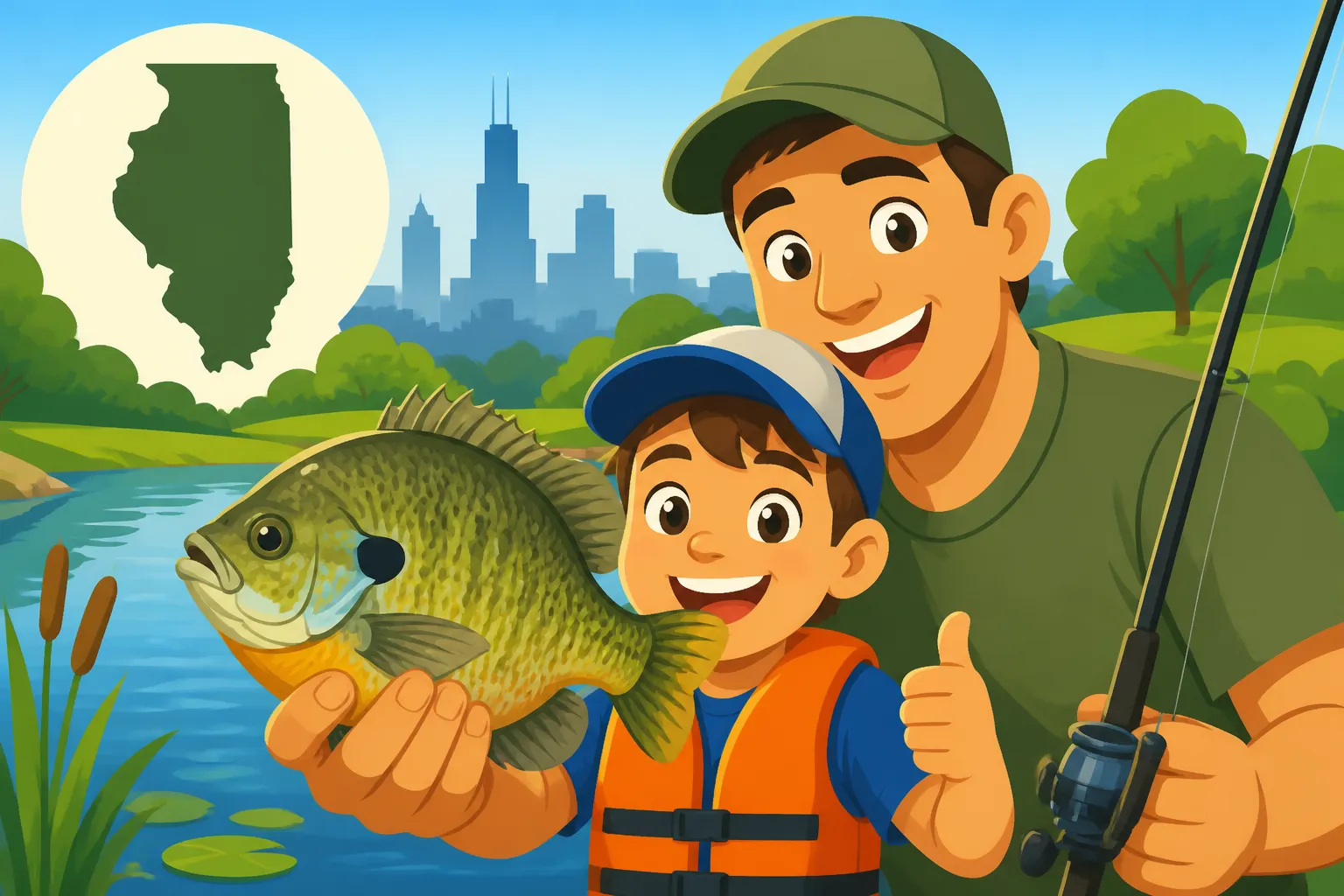
Handling a caught fish, even a small bluegill, teaches responsibility and respect for living creatures. You can show them how to gently hold the fish, how to remove the hook carefully, and how to safely release it back into the water (if you're not keeping them for a fish fry!). This hands-on experience is invaluable. For parents, it's a chance to create lasting memories, a bond over a shared activity that extends far beyond the fishing itself. The anticipation, the surprise, the laughter when a fish wiggles off the hook – these are the moments that truly matter. It's why so many of us learned to love fishing in the first place, and it's a wonderful tradition to pass down.
Essential Gear: Keeping It Simple for Little Hands
One of the biggest mistakes new fishing parents make is overcomplicating the gear. When fishing with kids, especially for bluegill, less is absolutely more. You want equipment that's easy to handle, durable enough to withstand a few drops, and straightforward to use. Think functionality and simplicity, not high-tech gadgets. The goal here is to minimize frustration for both you and your child.
Kid-Friendly Rods and Reels
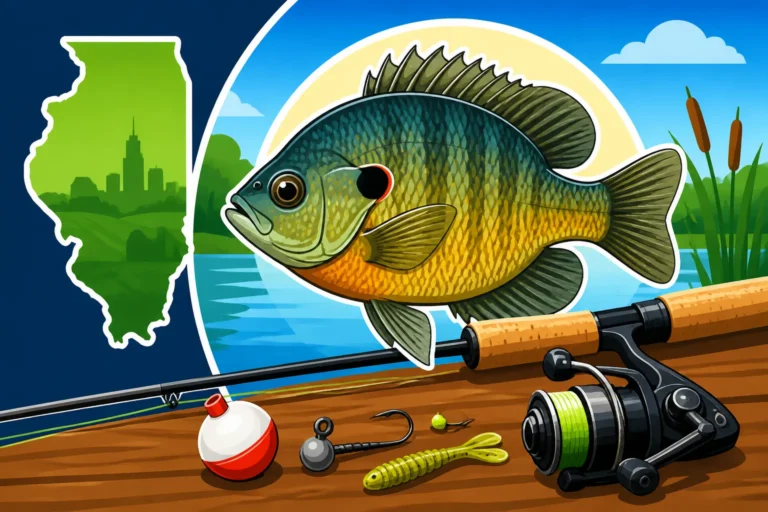
For young kids, a spincast rod and reel combo is practically a requirement. These are the ones with the push-button on the back that releases the line, making casting incredibly simple. They minimize tangles, which is a huge sanity saver. Look for combos that are about 4 to 5 feet long, lightweight, and have a comfortable grip for small hands. You don't need a heavy-duty setup; a light or ultralight action rod will make even small bluegill feel like a trophy fish, enhancing the excitement.
Many brands offer vibrant, kid-themed rod and reel combos, sometimes even pre-spooled with line, which is a fantastic time-saver. You can often find these great starter kits on Amazon, or at any local sporting goods store. A good Best Panfish Setup for Kids typically includes a spincast reel and a flexible rod, designed to be forgiving for new anglers. Avoid baitcasting reels or open-face spinning reels for beginners; while they're great for experienced anglers, they can lead to frustrating tangles and birds' nests for little ones.
The Simple Tackle Box Essentials
Your tackle box for a kid's bluegill trip should be minimalistic. We're talking absolute necessities. A small, easy-to-open tackle box is perfect. Here’s what you’ll need:
- Small Hooks: Size 8 or 10 hooks are ideal for bluegill mouths. Barbless hooks can make unhooking easier and are safer for catch and release.
- Small Split Shot Sinkers: Just enough weight to get your bait down.
- Bobbers: Small, brightly colored bobbers are key. Kids love watching them dance and disappear.
- Forceps or Pliers: For easy hook removal, especially if the fish swallows the hook.
- Line Clippers: For cutting line if needed.
- Sunscreen and Bug Spray: Essential for comfort.
- Snacks and Drinks: Non-negotiable! Hungry or thirsty kids are grumpy kids.
- A Small Cooler: To keep drinks cold and, if you plan to keep fish, to put them on ice quickly.
Many of my readers have good luck finding durable, kid-friendly tackle boxes on Amazon, or even just a small plastic container works just fine for these few items. The goal isn't to have every possible lure, but to have a few reliable items that make the experience smooth and enjoyable.
Bait That Bluegill Can't Resist
Bluegill are not fancy eaters, which is fantastic news for fishing with kids. Simple, natural baits are often the most effective and easiest for small hands to manage.
- Worms: Nightcrawlers or red wigglers are king. They stay on the hook well and bluegill can't resist them. You can buy them at bait shops or even dig them up in your backyard – a fun activity in itself!
- Crickets: Another excellent choice, especially for larger bluegill.
- Corn: Canned sweet corn kernels are surprisingly effective and easy for kids to put on a hook. Plus, they smell good (to us too!).
- Bread: Small balls of bread can also work in a pinch, though they tend to come off the hook more easily.
- Small Live Minnows (optional): For targeting slightly larger panfish, though worms are usually sufficient for bluegill.
When using worms, don't worry about covering the whole hook. A small piece of worm is often all you need. The key is to keep the bait natural and present it simply. You can get more detailed insights into what tempts these fish by checking out our guide on the Best Bait for Bluegill Fishing.
Finding the Fish: Easy Bluegill Spots in Illinois
You could have the best gear and the tastiest bait, but if you're not fishing where the bluegill are, success will be elusive. Luckily, bluegill are widespread in Illinois, making them accessible to almost everyone. The trick is to find spots that are not only productive but also safe and comfortable for kids.
Identifying Prime Bluegill Habitats
Bluegill love structure and cover. Think of it from a fish's perspective: they want places to hide from predators and ambush small insects and larvae. Here are some key indicators of a good bluegill spot:
- Weed Beds: Submerged vegetation, lily pads, and cattails along the shoreline provide excellent cover and food sources. Bluegill will often hang out on the edges of these beds.
- Fallen Trees and Brush Piles: Logs and branches that have fallen into the water are like apartment complexes for bluegill. They offer shade and protection.
- Docks and Piers: The shaded areas under docks are magnets for bluegill, especially on sunny days. Many public piers offer great access for bank anglers.
- Shallow Coves and Backwaters: Calm, shallow areas of lakes and slow-moving rivers, especially those with some vegetation, are often teeming with panfish.
- Deep Edges Near Shallow Water: Sometimes bluegill will hang out in slightly deeper water (3-6 feet) adjacent to very shallow areas, especially during midday heat.
Look for these features, and you'll dramatically increase your chances of finding bluegill. You're not looking for wide-open, deep water; you're looking for nooks and crannies where these little fish feel safe.
Accessible Locations for Family Fishing in Illinois
Illinois is blessed with an abundance of waters perfect for family fishing. When scouting a location, prioritize safety, easy access, and amenities.
- Local Park Ponds: Many city and county parks in Illinois have stocked ponds that are perfect for bluegill fishing. They often have paved paths, picnic areas, and restrooms, making them very family-friendly. The fish in these ponds are often accustomed to human presence and relatively easy to catch.
- State Park Lakes: Illinois State Parks are fantastic resources. Many offer designated fishing piers, easy bank access, and well-maintained facilities. Places like Shabbona Lake State Park, Rend Lake, or even smaller local state recreation areas often have excellent bluegill populations. Our guide on Illinois State Park Fishing Spots can offer a wealth of information on specific locations.
- Calm Lake Coves: If you have access to a boat or kayak, exploring shallow, protected coves on larger lakes can yield great results. Just ensure the water is calm and safe for kids.
- Slow-Moving River Backwaters: Some of Illinois's larger rivers, like the Illinois River or the Mississippi, have calmer backwater areas and sloughs that are perfect for panfish. Always check local regulations for specific river sections.
Before you go, a quick search online or a call to the local park district or Illinois Department of Natural Resources (IDNR) can confirm fishing access and current conditions. You might also want to look up Best Fishing Spots for a Kid's First Fish in Illinois for some prime local recommendations!
Simple Techniques for Catching Bluegill with Kids
Now for the fun part – the actual fishing! Teaching kids to fish for bluegill doesn't require a master's degree in angling. It's about breaking down the process into simple, repeatable steps and celebrating every little success along the way.
The Classic Bobber Rig for Bluegill
This is the quintessential bluegill setup, and it's perfect for kids. Here’s a step-by-step breakdown:
- Tie on a Hook: Use a simple knot like an Improved Clinch Knot to tie your small hook (size 8 or 10) to the end of your fishing line.
- Add a Split Shot Sinker: About 6-12 inches above the hook, pinch one or two small split shot sinkers onto the line. This adds just enough weight to cast and sink the bait.
- Attach a Bobber: Place a small, brightly colored bobber about 1 to 3 feet above your sinker. The depth setting depends on how deep the bluegill are biting. Start shallow (1-2 feet) and adjust if needed.
- Bait the Hook: Put a small piece of worm, cricket, or corn kernel onto the hook, making sure the hook point is exposed.
That’s it! This simple rig allows the bait to suspend at a certain depth, and the bobber acts as a visual indicator when a fish bites. You can learn more about this setup in our article How to Rig a Bobber for Bluegill or even get specific on How to Rig a Wax Worm Under a Bobber for Bluegill. It's a method that provides instant feedback, which is exactly what keeps kids engaged.
Teaching Casting and Reeling Basics
For kids using a spincast reel, casting is usually a breeze:
- Hold the Rod: Have them hold the rod firmly with one hand, finger on the push-button.
- Point and Press: Tell them to point the rod tip at their target, and then press and hold the button down.
- Swing and Release: Have them gently swing the rod forward over their shoulder (like throwing a ball) and release the button as the rod comes forward, letting the bait fly. It takes practice, but they'll get the hang of it quickly! For very young children, simply dropping the bait straight down next to a dock or a weed line can be just as effective and much less frustrating.
Once the bait is in the water, it's a waiting game. Explain to them to watch the bobber. When it twitches, dips, or disappears, that's their cue!
- Set the Hook: When the bobber goes down, tell them to give a gentle upward tug on the rod to set the hook.
- Reel it In: Then, it's just a matter of reeling in steadily. Remind them to keep the rod tip up to maintain tension on the line.
Celebrate every catch, no matter how small. Even a missed bite is a learning opportunity. The article How to Teach a Kid to Fish for Panfish is packed with even more tips for guiding your young angler.
Making it Fun: Beyond Just Catching
Remember, the goal isn't necessarily to fill a cooler, but to create a positive experience. Here are some ways to keep it fun, even if the fish aren't biting constantly:
- Snack Breaks: Pack plenty of kid-friendly snacks and drinks. A well-timed juice box can reset a grumpy mood instantly.
- Nature Exploration: Use breaks in the action to look for bugs, identify plants, skip rocks, or watch birds. Turn it into a broader outdoor adventure.
- Storytelling: Share your own fishing stories, or just chat about their day. Fishing provides a calm backdrop for conversation.
- Short Trips: Keep initial fishing trips short – an hour or two is often plenty. You can always extend it if they're having a blast. It’s better to end on a high note wanting more, than to push too long and create a negative memory.
- Bring a Friend: If possible, let your child bring a friend. Fishing can be even more fun with a buddy to share the experience and the excitement.
- Picture Time: Capture those moments! A photo with their first bluegill is a treasure.
By focusing on the overall experience, embracing simplicity, and celebrating every small victory, you'll be well on your way to raising a lifelong angler. Who knows, maybe one day they’ll be guiding you to the best bluegill holes!
Here's a handy checklist to get you started:
| Item | Description | Why It's Great for Kids |
|---|---|---|
| Spincast Rod & Reel | 4-5 ft lightweight combo, push-button reel | Easy to cast, minimal tangles, forgiving |
| Small Tackle Box | Durable, easy-to-open, holds essentials | Organized, keeps small items contained |
| Small Hooks | Size 8 or 10, barbless if possible | Fits bluegill mouths, safer for release |
| Small Bobbers | Brightly colored, easy to see | Visual bite indicator, exciting for kids |
| Split Shot Sinkers | Small, just enough weight to sink bait | Helps cast, keeps bait at desired depth |
| Worms/Crickets | Live bait, easy to handle and irresistible to bluegill | High catch rate, simple baiting |
| Pliers/Forceps | For safe and easy hook removal | Protects fingers, minimizes harm to fish |
| Sunscreen & Hat | Protection from the sun | Prevents sunburn, keeps them comfortable |
| Bug Spray | Keeps pesky insects away | Avoids discomfort and distractions |
| Snacks & Drinks | Hydration and energy boosts | Essential for happy, focused kids |
| Small Cooler | To keep drinks cold and fish fresh (if keeping) | Convenience and proper fish care |
Disclaimer
This article is for general informational purposes only and does not constitute professional advice. Laws, prices and regulations vary by location and change over time. Consult a qualified professional for guidance on your specific situation.