How to Jig for Walleye
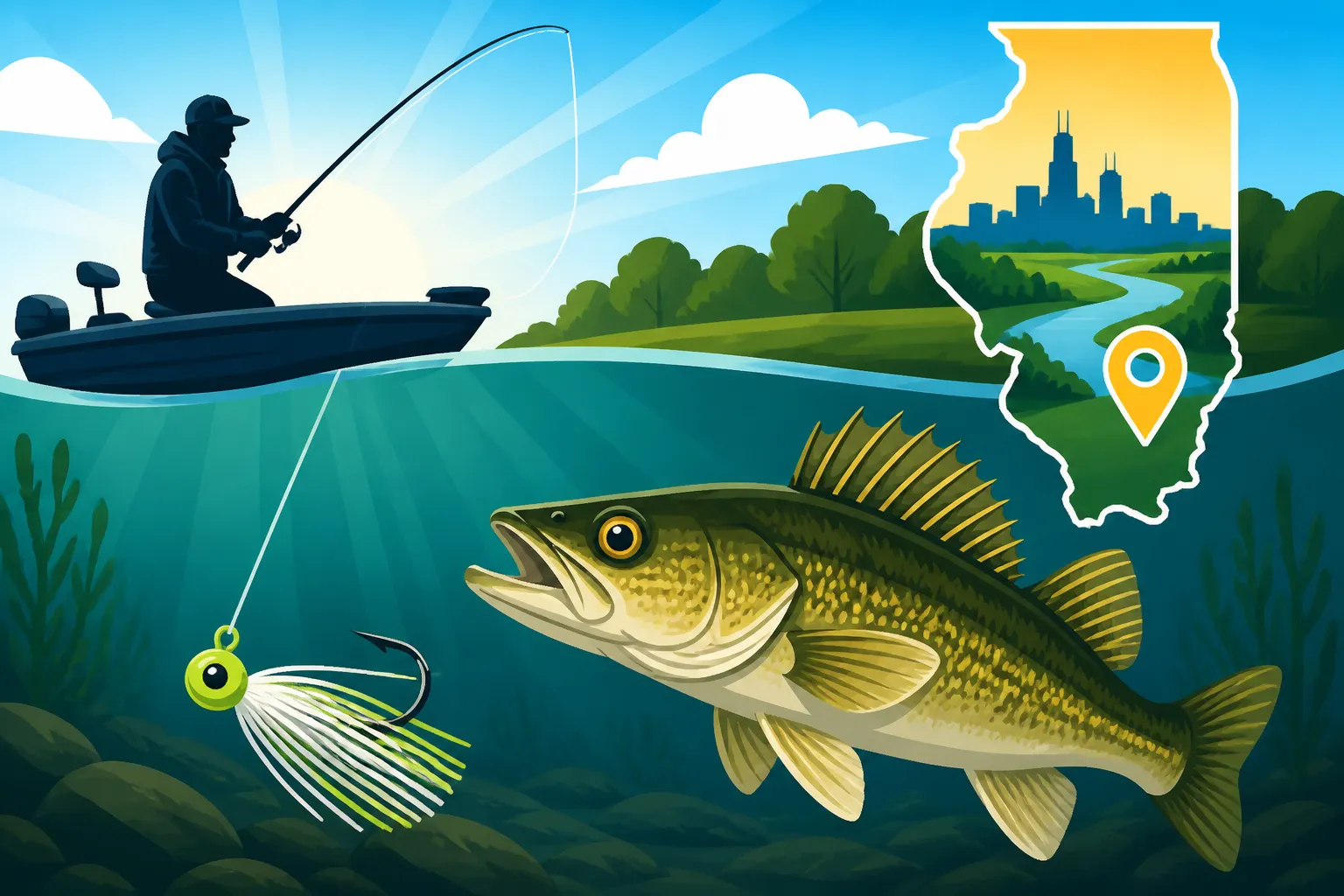
If you've spent any time on the water in Illinois, you know that walleye can be one of the most rewarding, yet sometimes frustrating, fish to target. Their elusive nature and subtle bites can leave even seasoned anglers scratching their heads. But don't you worry, because mastering the art of jigging for walleye can dramatically increase your success, turning those frustrating days into memorable ones. This guide is all about equipping you with the knowledge, techniques, and confidence to effectively jig for walleye right here in our beautiful Illinois waters.
Understanding Walleye and Their Behavior
Before we even think about dropping a jig in the water, it's crucial to get inside the head of a walleye. These fish aren't like bass, charging after every loud splash. They're more methodical, often preferring to ambush prey rather than chasing it down aggressively. Understanding this fundamental behavior is the first step to becoming a successful walleye jigger.
Why Jigging Works for Walleye
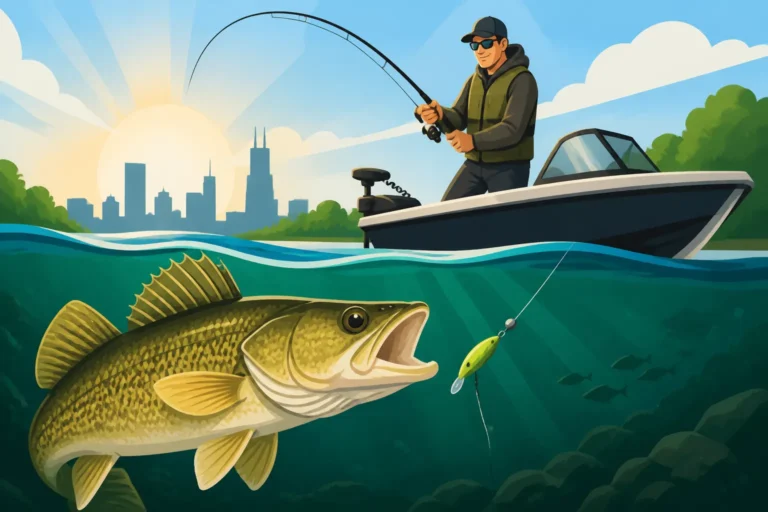
Walleye are primarily bottom-oriented predators, especially when the water cools down or during the brighter parts of the day. They love to hug structure – think rock piles, submerged timber, weed lines, and channel edges – where they can stay hidden and wait for an unsuspecting meal to swim by. This is precisely where jigging shines. A jig, expertly presented, mimics a struggling baitfish or a crayfish scuttling along the bottom, making it an irresistible, easy target for a hungry walleye.
The beauty of a jig is its versatility. You can make it dance, twitch, hop, or just slowly drag, all while keeping it in the walleye's strike zone. This ability to precisely control the bait's action in a confined area, right where walleye are known to hold, is why it's such a potent technique. It's not about covering miles of water as fast as possible; it's about dissecting key areas with precision, offering a meal that's too good for a walleye to pass up.
Seasonal Considerations for Walleye Jigging
Walleye behavior changes significantly with the seasons, and your jigging approach needs to adapt right along with them. What works in the spring might be completely ineffective in the dead of summer or winter. It's all about understanding what the walleye are doing and where they're doing it.
In spring, after the ice melts and water temperatures begin to rise, walleye will move to shallower spawning areas, often around rocky shores or tributary mouths. They can be very aggressive post-spawn as they recuperate, making them good targets for jigs fished slowly near the bottom. This is a prime time to target these fish.
As summer settles in, walleye tend to move deeper, seeking cooler, oxygen-rich water. Look for them on main lake points, offshore humps, and along deep breaks. You'll often find them suspended over deeper water or tight to the bottom in 20-40 feet of water or more. Jigging vertically right over these fish, often marked on your electronics, becomes incredibly effective.
Fall sees walleye migrating back to shallower, rockier areas as they feed heavily in preparation for winter. This can be a fantastic time for jigging, as they become very active and can be found in similar locations to spring, but often deeper and near transition zones. The cooler water also means they might hold tighter to cover.
Finally, during winter, especially through the ice, jigging is the primary method for catching walleye. They become lethargic, so small jigs with subtle presentations are key. Focus on deep humps, main lake basins, and points where they'll congregate. Understanding when and where walleye are likely to be found is just as important as the jigging itself, and it varies greatly depending on the time of year. Knowing your Illinois Walleye Fishing Season on the Mississippi River can make a huge difference, for example.
Essential Gear for Walleye Jigging in Illinois
You wouldn't show up to a fancy dinner party in your pajamas, right? The same goes for walleye fishing – having the right tools for the job can make all the difference. Walleye are known for their subtle bites, often feeling like a mere "thump" or spongy weight on the line. This means your gear needs to be highly sensitive and perfectly balanced to detect those almost imperceptible takes.
Rods, Reels, and Line Choices
Let's talk rods first. For jigging, especially for vertical jigging, a medium-light to medium power spinning rod, around 6'6" to 7' long, with a fast or extra-fast action, is often ideal. The fast action means the rod tip is very sensitive, allowing you to feel every bump and tick on the bottom, as well as those notoriously light walleye bites. A sensitive graphite blank is absolutely key here. This sensitivity is paramount when you're trying to determine if that little tap was a rock, a piece of wood, or a hungry walleye.
For reels, a high-quality spinning reel in the 2000-2500 size range will balance perfectly with your rod. Look for a smooth drag system and a good retrieve ratio. You want a reel that feels comfortable in your hand and allows for effortless casting and retrieval, which is important for maintaining focus throughout the day.
When it comes to line, you have a few good choices, and each has its pros and cons.
- Braided line (6-10 lb test) is incredibly sensitive with virtually no stretch, which is fantastic for feeling those subtle bites and for a solid hookset. Its thin diameter also helps with jigging deeper water. However, it's visible, so many anglers tie a 6-10 foot fluorocarbon leader (6-10 lb test) to the end of their braid using a blood knot or Albright knot.
- Fluorocarbon line (6-10 lb test) is less visible underwater than mono and offers good sensitivity, although not quite as much as braid. It sinks, which can be an advantage when trying to keep your jig down.
- Monofilament line (6-8 lb test) is the most forgiving with its stretch, which can be good if you're prone to ripping hooks out, but it lacks the sensitivity needed for detecting those light walleye bites. It's generally not the top choice for serious jigging, but it works in a pinch.
You can find a wide variety of these specialized rods, reels, and lines on platforms like Amazon, making it easy to compare features and read reviews before making a purchase.
The Art of Jig Selection: Weight, Color, and Style
This is where things get fun, but also a little overwhelming for newcomers. The right jig can make all the difference. Jig selection depends on several factors: depth, current, wind, and water clarity.
Jig Head Weight: The general rule of thumb is to use the lightest jig possible that still allows you to maintain contact with the bottom.
- 1/16 oz to 1/8 oz: Ideal for shallow water (under 10 feet), minimal current, or calm conditions. Perfect for sneaking up on fish.
- 1/4 oz to 3/8 oz: Your workhorse weights for most applications in 10-30 feet of water, moderate current, or light wind.
- 1/2 oz to 3/4 oz (or heavier): For deep water (30+ feet), strong current, or windy days when you need to get down fast and stay there.
Jig Head Style: There's a myriad of jig head styles, each with a subtle advantage.
- Round head jigs: A classic, versatile choice.
- Erie jigs (or stand-up jigs): Designed to keep your bait upright on the bottom, mimicking a feeding baitfish.
- Football jigs: Great for dragging over rocky bottoms, as they're less likely to snag.
- Live bait jigs: Often have a bait holder collar to keep soft plastics or live bait secure.
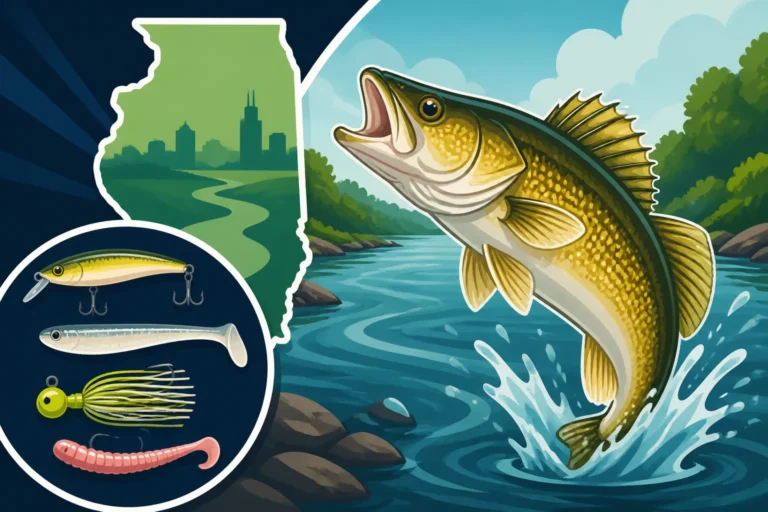
Soft Plastics: These are incredibly popular for walleye. Paddle tails, grub tails, minnow profiles, and subtle worm imitations are all effective. The action of the plastic combined with the jig head can be deadly. Brands like Berkley Gulp! or Z-Man ElaZtech offer durability and scent impregnation that walleye can't resist.
Hair Jigs and Bucktails: Old-school but still incredibly effective. The natural pulsations of hair in the water are very enticing, especially in cold water or when fish are finicky.
Color: This is often debated, but a good starting point is:
- Natural colors (green pumpkin, brown, clear, pearl): For clear water and sunny days, or when fish are pressured.
- Bright colors (chartreuse, orange, pink): For stained or murky water, low light conditions, or to trigger a reaction strike.
- White and black: Versatile staples that often work regardless of conditions.
Keep a range of weights and colors in your tackle box. Many anglers find great deals and a massive selection of jigs and soft plastics on Amazon, which is a convenient way to stock up on different options to experiment with.
Attaching Live Bait for Extra Appeal
Sometimes, walleye just want the real deal. Attaching live bait to your jig can be a game-changer, especially when fish are less aggressive. The combination of the jig's action and the natural scent and movement of live bait is often irresistible.
Minnows: Hook a minnow through both lips from the bottom up, or gently through the back just behind the dorsal fin, ensuring you don't hit the spine. This allows the minnow to swim naturally and present a tempting target. Fathead minnows, shiners, and dace are all excellent choices.
Leeches: Hook a leech through its suction cup at the tail end. This allows it to stretch and wiggle tantalizingly. Leeches are incredibly durable and remain active for a long time, making them a favorite for many walleye anglers.
Nightcrawlers: Thread a portion of a nightcrawler onto your hook, leaving a good section to dangle and squirm. You can also use a "crawler harness" which typically involves multiple hooks to present a whole nightcrawler. While not strictly jigging, tipping a jig with a piece of nightcrawler can add that extra bit of scent and action.
When using live bait, remember that presentation is key. The goal is to make it look as natural and alive as possible, mimicking an easy meal for a walleye. This natural approach can be incredibly effective when the bite is tough, and it adds an extra layer of enticement to your jigging efforts.
Mastering Walleye Jigging Techniques
Now that we've covered the "what" and "why," let's dive into the "how." Jigging isn't just about dropping a lure and hoping for the best; it's a dynamic dance between you, your rod, and the fish below. There are several techniques, each suited to different situations, and becoming proficient in them will significantly boost your walleye game.
Vertical Jigging: The Classic Approach
Vertical jigging is perhaps the most fundamental and effective method for walleye, especially when you've pinpointed fish on your fish finder. It involves positioning your boat directly over the fish or structure and dropping your jig straight down. This allows for maximum control and precision in presenting your lure.
Here's a step-by-step breakdown:
- Positioning: Use your trolling motor or anchor to stay directly over your target. If there's current or wind, compensate by moving upstream or upwind slightly. Your Best Fishing Boats for Illinois Lakes can make boat control much easier.
- Drop the Jig: Let your jig fall to the bottom. Once it hits, reel up the slack until your line is taut and you can feel the jig's weight.
- The Lift and Drop: This is the core of vertical jigging. Lift your rod tip sharply, anywhere from 6 inches to a couple of feet, then immediately let the jig fall back down on a semi-slack line. The "semi-slack" is crucial—you want the jig to fall naturally, but you also need to maintain enough tension to feel the bite. Many walleye bites occur as the jig falls.
- Feel the Bottom: After each drop, let the jig hit the bottom, and then lift it again. Don't let it just sit there indefinitely. You want to constantly be feeling the bottom to understand the contours and ensure your jig is in the strike zone.
- Detecting the Bite: This is the hardest part. Walleye bites can be incredibly subtle—a slight "tick," a spongy feeling, or simply the line going slack when it should still be falling. Some days, it's just a subtle increase in weight. If anything feels "different," set the hook! Don't hesitate.
- Patience and Persistence: Work an area thoroughly. Walleye often stack up, so if you catch one, there are likely more. Subtle variations in your lift-and-drop cadence can also make a big difference.
Snap Jigging and Pitching: Covering Water
While vertical jigging is about precision, snap jigging and pitching are about covering more water and sometimes triggering a more aggressive reaction strike.
Snap Jigging: This technique is fantastic when walleye are spread out or slightly more aggressive.
- Cast and Retrieve: Cast your jig out, let it sink to the bottom.
- The "Snap": Instead of a gentle lift, give your rod a sharp, upward snap, lifting the jig 2-4 feet off the bottom.
- Controlled Fall: Immediately lower your rod tip, allowing the jig to fall back to the bottom on a semi-slack line. Again, bites often occur on the fall.
- Repeat and Retrieve: Reel in any slack, feel for the bottom, and repeat the snap-and-fall action as you retrieve your lure back to the boat. This creates a darting, fleeing action that can provoke strikes. This is especially effective in areas with some current, where walleye might be more willing to move for a meal.
Pitching: This technique is used for targeting specific shallow cover or structures from a distance without spooking the fish.
- Accurate Cast: Make an accurate cast to a weed edge, submerged log, or rocky point.
- Bottom Contact: Let the jig sink to the bottom.
- Subtle Hops or Drags: Once on the bottom, retrieve it with slow, subtle hops or a gentle dragging motion, pausing frequently. This is similar to vertical jigging in its subtlety but covers horizontal ground.
- Fan Casting: Pitch to different angles around the structure to find the fish. This technique allows you to reach spots that might be too shallow or snag-prone for other methods.
Both snap jigging and pitching are excellent ways to cover broader areas when you suspect walleye are present but haven't pinpointed them exactly, especially along breaks or structure where you can't hold your boat directly overhead. Pay attention to the Best Time of Day to Catch Walleye as well, as their activity levels can greatly influence which technique works best.
Reading the Water and Locating Walleye
You can have the best jigging technique in the world, but if you're not fishing where the walleye are, you won't catch anything. Walleye are creatures of habit and prefer specific environments.
Structure is Key: Walleye love structure. This includes humps, points, ledges, rock piles, submerged timber, changes in bottom composition (e.g., mud to rock), and weed lines. Think about where baitfish would hide or feed, and walleye won't be far behind. Use your electronics to find these hotspots. A good Fish Finders for Illinois Lake Fishing setup is invaluable here.
Current Breaks: In rivers or areas with current, walleye will often position themselves just out of the main flow, in current breaks or eddies, waiting for food to be washed by. This allows them to conserve energy while still having easy access to prey. Understanding How to Find Walleye in Current is a real game-changer.
Depth and Water Temperature: Walleye are very sensitive to light and water temperature. They often prefer deeper water during bright days or warmer months. As seasons change, they follow comfortable temperatures and food sources. Knowing How Water Temperature Affects Fish Activity is crucial for predicting their location.
Baitfish Presence: If you find schools of baitfish, walleye are usually close by. Your fish finder will often show large clouds of baitfish with larger arcs (walleye) nearby or underneath. These areas are worth slowing down and jigging thoroughly. You can also tell a lot by studying the Illinois Walleye Size and Catch Limits for specific lakes, as it indicates a healthy population.
Tips for Success and Common Jigging Mistakes
Alright, you've got the gear, you understand the techniques, but the devil is often in the details. A few subtle tweaks can turn a slow day into a productive one, while overlooking common mistakes can leave you empty-handed. Let's make sure you're on the right side of that equation.
Fine-Tuning Your Presentation
Walleye can be incredibly finicky. What worked yesterday might not work today, and what works for one fish might not work for its neighbor. This means you need to be constantly experimenting and paying close attention to what the fish are telling you.
Experiment with Jigging Cadence: Sometimes a slow, methodical hop is what they want. Other times, a more aggressive snap or a series of rapid small twitches can trigger a strike. Don't be afraid to vary the height of your lifts, the speed of your drops, and the length of your pauses. Try a long pause, then a short hop. Then try a double hop followed by a long pause. These variations can make your lure look like an injured or disoriented baitfish, which is often too tempting to pass up.
Change Jig Weight and Size: If you're not getting bites, try a lighter jig to get a slower, more natural fall. Or, if the current is strong, go heavier to maintain better bottom contact. Similarly, if you're using a 4-inch soft plastic, try a 3-inch one. Sometimes a subtle downsize in lure profile makes all the difference. Remember, the Illinois Walleye Minimum Size Limit of 14 Inches means you want to attract bigger fish, but smaller jigs can still catch them.
Color is Crucial: We touched on this earlier, but it bears repeating. Have a variety of colors in your tackle box. If the water is murky, try bright chartreuse or orange. In clear water, go with more natural patterns like perch or emerald shiner. Even a slight change from one shade of green to another can sometimes trigger a bite. Don't be afraid to try some of those "weird" colors too; sometimes, they're exactly what the walleye haven't seen before.
Scent Matters: Walleye have an excellent sense of smell. Tipping your jig with a piece of live bait (minnow head, a small piece of nightcrawler, a leech) or using scented soft plastics can significantly increase your chances, especially in dirty water or when fish are neutral. Products like Berkley Gulp! are popular for their scent dispersion.
Avoiding Common Jigging Pitfalls
Many anglers, especially when starting out, fall into similar traps that hinder their success. Being aware of these can help you sidestep them.
Too Much Action: One of the biggest mistakes is overworking the jig. Walleye are often lazy and prefer an easy meal. Too much violent action can spook them or make the bait look unnatural. Start subtle, and only increase your action if the fish aren't responding. A simple, gentle lift and drop is often all it takes.
Not Feeling the Bottom: If you're not consistently feeling your jig hit the bottom, you're probably fishing too high in the water column or using too light of a jig for the conditions. Walleye are typically very bottom-oriented, and if your bait isn't there, you're missing them. Regularly allow your jig to touch down to ensure you're in the strike zone.
Missing Subtle Bites: As mentioned, walleye bites can be extremely light. Many anglers mistake these subtle taps or "mushy" feelings for snags or current. The instant you feel anything out of the ordinary, set the hook! It's better to set the hook on a rock than to miss a trophy walleye. Your sensitive rod and braided line will be your best friends here. Getting the right Best Reels for Illinois Walleye Fishing can also help with line retrieval and feeling those subtle cues.
Lack of Focus: Jigging requires intense concentration. You need to be constantly aware of your line, your rod tip, and any changes in feel. Distractions can easily lead to missed bites. Stay focused, trust your instincts, and be ready to react quickly. This includes keeping your Illinois Fishing License Rules for Children in mind if you're bringing the little ones along, as their excitement can sometimes make it harder for you to focus!
Using the Wrong Line: While monofilament has its place, using it for jigging often leads to missed bites due to its stretch. The lack of direct contact makes it incredibly difficult to feel those subtle walleye takes. Opt for braided or fluorocarbon line to maximize your sensitivity. You can find excellent quality fishing line and other accessories on Amazon to suit your specific jigging needs.
By understanding these nuances, you'll not only avoid common frustrations but also significantly improve your chances of putting more walleye in your boat or on your stringer. Remember, practice and patience are key components to mastering any fishing technique, especially jigging for these prized fish.
Walleye Jigging Scenarios and Setup Guide
To help bring it all together, here's a quick table summarizing common jigging scenarios and recommended approaches.
| Scenario | Water Depth | Current/Wind | Jig Weight (oz) | Jig Style/Bait | Technique | Key Considerations |
|---|---|---|---|---|---|---|
| Early Spring (Spawn) | 5-15 feet | Light | 1/8 – 1/4 | Round, Live Bait (minnow) | Slow Vertical, Short Hops | Fish are often sluggish, scent is vital. Check Spring Fishing Calendar for Illinois Anglers. |
| Mid-Summer (Deep) | 20-40+ feet | Moderate | 3/8 – 1/2+ | Erie, Football (plastics) | Aggressive Vertical, Snaps | Locate fish with electronics. Fast fall to depth. |
| Fall (Aggressive Feed) | 10-25 feet | Moderate | 1/4 – 3/8 | Bucktail, Paddle Tail | Snap Jigging, Long Glides | Fish are active; cover ground. Vary retrieves. |
| Winter (Ice Fishing) | 10-30 feet | None | 1/16 – 1/8 | Small Tungsten, Minnow/Larva | Subtle Lift/Drop, Deadstick | Minimal action, focus on scent. Check Illinois Ice Fishing Gear Basics. |
| River Fishing (Current) | Varies | Strong | 1/2 – 3/4+ | Football, Heavy Round | Vertical Hold, Drag | Heaviest jig to maintain bottom contact. Fish current seams. |
| Shallow Structure | 5-10 feet | Light | 1/8 – 1/4 | Minnow Profile, Grubs | Pitching, Slow Drag | Precision casts, subtle movements to avoid spooking fish. |
Disclaimer
This article is for general informational purposes only and does not constitute professional advice. Laws, prices and regulations vary by location and change over time. Consult a qualified professional for guidance on your specific situation.