Illinois Free Fishing Days Kids Fishing Ideas
Trying to introduce your kids to the joys of fishing can feel like a daunting task, especially when you're navigating license requirements, deciphering complex regulations, and wondering if you even have the right gear. It's easy to get discouraged before you even cast a line. But what if there was a perfect opportunity to strip away those barriers, making it simple, accessible, and all about pure family fun? This guide is here to walk you through how Illinois Free Fishing Days are the ultimate launching pad for creating cherished fishing memories with your little ones, offering practical ideas and tips to ensure a fantastic day on the water.
Unlocking the Joy of Fishing During Illinois Free Fishing Days
For many aspiring anglers, especially children, the idea of fishing is exciting, but the reality can be a bit intimidating for parents. The good news is, Illinois offers a golden opportunity to dive right in without some of the usual hurdles: Free Fishing Days. This special event is designed to encourage everyone, from complete novices to seasoned veterans, to experience the peace and thrill of angling in the state’s beautiful waters.
What Are Illinois Free Fishing Days?
Imagine a weekend where the biggest thing holding you back from dipping a line in your favorite lake or stream—the fishing license—is completely waived. That's precisely what Illinois Free Fishing Days are all about! Typically, this highly anticipated event aligns with Father's Day weekend, making it an ideal time for family outings and creating new traditions. For 2026, you can mark your calendars for June 19 through June 22. During this specific four-day window, both residents and non-residents can fish Illinois waters without needing a valid fishing license or an Inland Trout Stamp.
It’s truly a fantastic initiative by the Illinois Department of Natural Resources (IDNR) to promote outdoor recreation and introduce new generations to the sport. The removal of the license requirement is a huge relief for families, especially those just looking to try fishing out to see if their kids enjoy it before committing to purchasing full annual licenses. It also offers a chance for out-of-state relatives visiting for Father's Day to join in the fun without the hassle of securing a nonresident permit. This window is all about accessibility and getting people connected with nature. To get the full rundown on all the nuances, you can check out the comprehensive guide on Illinois Free Fishing Days 2026 Dates and Rules.
Why They're Perfect for Kids and Families
Beyond the obvious benefit of not needing a license, Illinois Free Fishing Days hold a special significance for families with children. The primary advantage is the sheer reduction in stress for parents. You're not worrying about whether you remembered to renew your license, or if you picked the right type for everyone in your group. Instead, your focus can be entirely on teaching, guiding, and enjoying the moment with your kids. This stress-free environment makes it much easier to foster a love for fishing, rather than associating it with bureaucratic hurdles.
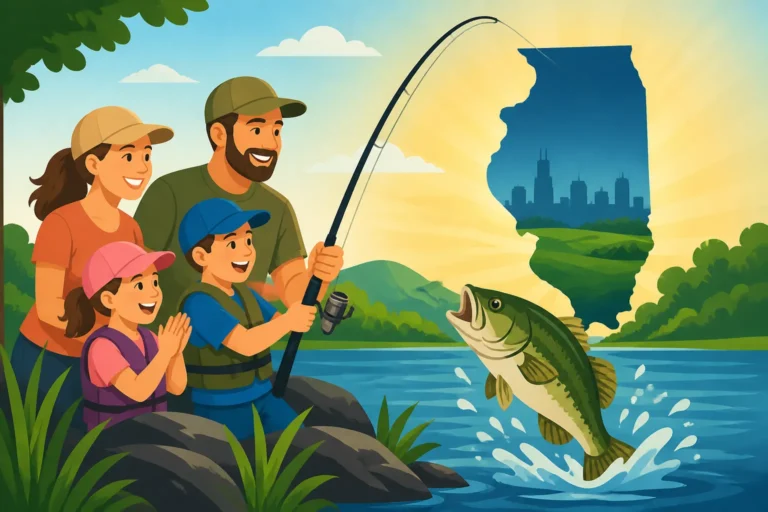
For kids, these days are pure magic. It’s an adventure without the grown-up complications. They get to experience the excitement of the outdoors, learn new skills, and potentially catch their very first fish! These are the kinds of moments that create lasting childhood memories, forming a bond with nature and with you. Plus, it serves as a wonderful "try before you buy" opportunity. If your children absolutely love it, then investing in the right gear and looking into an Illinois Fishing License Guide for 2026 for future trips makes perfect sense. Remember, while adults get a free pass, there are still specific Illinois Fishing License Rules for Children to consider outside of these special days, so it’s a good opportunity to understand them for future outings.
Targeting Easy Catches and Finding Ideal Spots for Little Anglers
When you're fishing with kids, especially beginners, the goal isn't necessarily to land a trophy fish or fill a cooler. The real victory is keeping them engaged, excited, and catching something. This means choosing the right species and the right location are paramount to a successful, smile-filled day.
Best Fish Species for Beginner Anglers
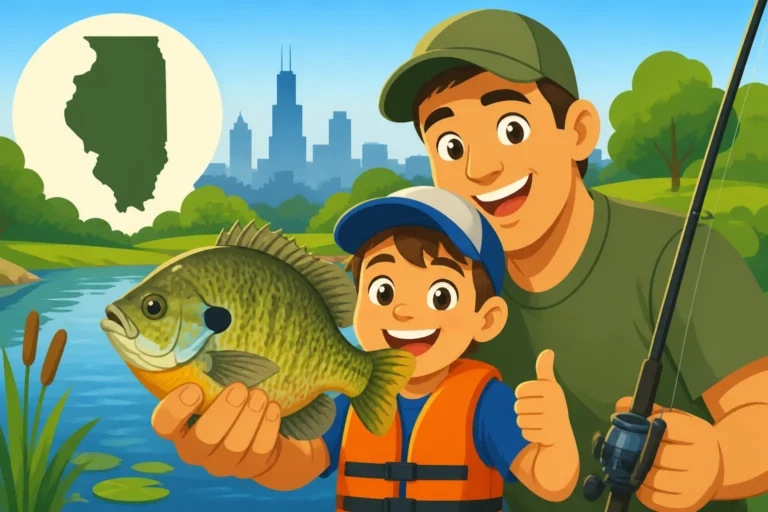
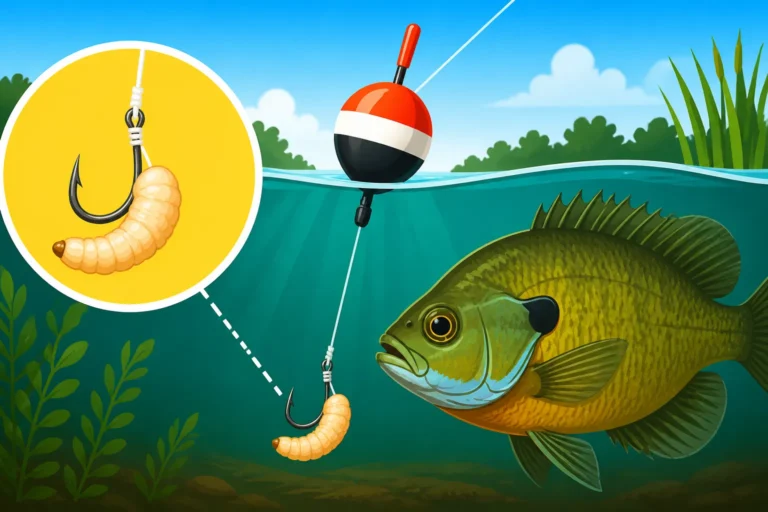
The key to keeping kids interested is action. They need bites, and ideally, they need to feel the tug of a fish on their line relatively often. This is why focusing on panfish is almost always the winning strategy for young anglers. Bluegill and other sunfish varieties are absolute champions in this regard. They are incredibly abundant in most Illinois lakes and ponds, aggressive eaters, and don't typically require sophisticated techniques or expensive gear. A simple worm under a bobber is often all it takes to entice them.
Crappie, both black and white, are another fantastic option, especially in the spring. While they can sometimes be a bit more finicky than bluegill, they are still very catchable on small jigs or minnows and can provide a bit more of a fight. Even smaller channel catfish can be a great target; they're strong fighters and often hang out in areas accessible from the bank. The trick is to pick a fish that is numerous and willing to bite, ensuring that short attention spans don't lead to boredom. For more ideas on what fish are easiest to land, refer to our guide on the Easiest Fish to Catch for Beginners. Understanding the different panfish available, like those detailed in Illinois Panfish Species: Bluegill, Crappie and Sunfish Explained, can also help you diversify your targets.
Identifying Kid-Friendly Fishing Locations
Choosing the right spot is just as crucial as picking the right fish. For kids, you want a location that's safe, easily accessible, and offers amenities that can make the day more comfortable. Think small, calm ponds, designated fishing piers, or the well-maintained banks of many Illinois State Park lakes. Avoid areas with strong currents, dense shoreline brush that can snag lines, or very deep, steep banks that pose a safety risk. A little planning here goes a long way.
Look for places that offer picnic tables, restrooms, and maybe even a playground nearby for when the fishing action slows, or their attention wanders. Many of Illinois's state parks and conservation areas are tailor-made for family outings. Locations like Shabbona Lake State Park or some of the smaller community ponds managed by local park districts often have excellent shore access and stocked fish, increasing the odds of a successful trip. These spots often feature easy parking and a relatively short walk to the water, which is a huge plus when you're hauling gear and wrangling excited children. For specific recommendations, exploring Illinois State Park Fishing Spots or our guide to Best Kid-Friendly Fishing Spots in Illinois can give you a great starting point, especially if you're looking for Best Fishing Spots Within an Hour of Chicago.
Essential Gear and Simple Techniques for a Successful Outing
You don't need a boatload of expensive, high-tech fishing equipment to have a blast with kids. In fact, keeping it simple is often the best approach to avoid confusion and frustration, especially for first-timers. The goal is functionality and ease of use, ensuring that the gear works with you, not against you.
Beginner-Friendly Rods, Reels, and Terminal Tackle
For young anglers, the spincast reel is truly your best friend. These reels are incredibly forgiving, virtually tangle-free, and designed with a simple push-button casting mechanism that even very young children can quickly grasp. A good spincast combo – a rod and reel sold together – typically comes pre-spooled with line and is perfectly sized for small hands. Look for rods in the 4-foot to 5-foot range, which are easier for kids to handle and cast without being overly heavy or cumbersome. You can find fantastic starter combos for kids on platforms like Amazon, often bundled with a basic tackle kit that includes bobbers, hooks, and sinkers. Brands like Zebco and Shakespeare are known for their durable and kid-friendly spincast setups.
Beyond the rod and reel, your terminal tackle (the stuff at the end of your line) should also be straightforward. A simple clip-on bobber that signals bites, a few small split-shot sinkers to get your bait down, and small hooks (size 6 to 10 are ideal for panfish) are all you really need. Avoid complex rigs or tiny components that are hard for little fingers to manage. The less time spent untangling lines or fumbling with tiny knots, the more time spent fishing! For a complete list of essentials, take a look at our guide on the Best Panfish Setup for Kids or Best Beginner Bluegill Fishing Setup.
Simple Baits and Rigging for Quick Action
When it comes to bait for kids, "simple and effective" is the motto. Live bait almost always outperforms artificial lures for beginner panfish, primarily because it's visually appealing, has scent, and often triggers an immediate bite. Good old red wigglers or nightcrawlers are universally loved by bluegill, sunfish, and small catfish. You can buy them at almost any bait shop, or if you're feeling adventurous, dig them up in your own backyard! Crickets can also be surprisingly effective for sunfish.
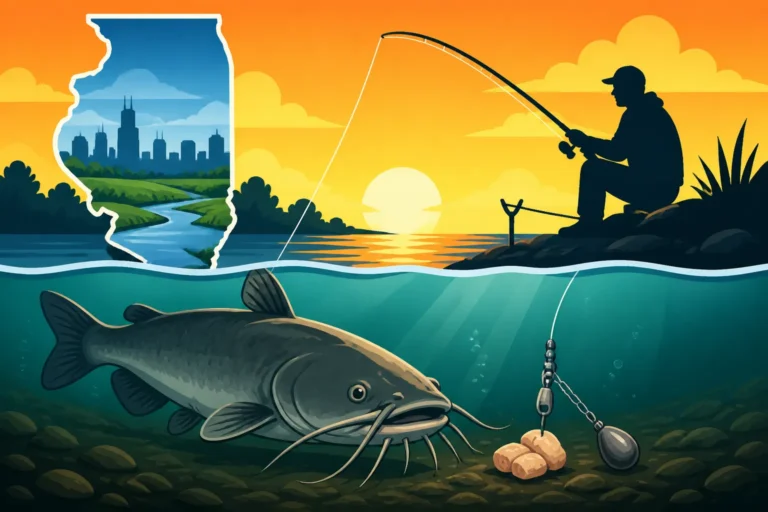
If live bait isn't an option, or if you're trying to avoid the squirm factor, don't underestimate common household items. Small pieces of corn, bread balls, or even tiny chunks of hot dog can tempt panfish and catfish.
The rigging couldn't be simpler:
- Tie on a small hook: A simple improved clinch knot is easy to learn.
- Add a small split-shot sinker: Crimp it on the line about 6-12 inches above the hook. This helps the bait sink.
- Attach a bobber: Clip it on the line about 1-3 feet above the sinker, depending on the water depth you're targeting.
This classic bobber-and-bait rig is incredibly visual for kids. They don't have to "feel" the bite; they just watch the bobber dance and disappear. This visible action is incredibly exciting and easy for them to interpret. Buying a bulk pack of hooks and sinkers from Amazon can save you a trip to multiple bait shops, ensuring you have plenty for any snags or lost rigs. If you want to refine your technique for these easy-to-catch species, consider our detailed advice on How to Rig a Wax Worm Under a Bobber for Bluegill or even broader tips on How to Teach a Kid to Fish for Panfish.
Basic Fishing Techniques Kids Can Master
Teaching kids to fish is less about perfect form and more about consistent, safe practice. Start with the basics of casting. For very young children, an underhand flip or a gentle overhead lob is often more manageable than a full cast. Emphasize safety first: always look behind you and around you before casting to ensure no one is in the path of the hook. This is a critical habit to establish early on.
Once the line is in the water, the real fun begins: watching the bobber. Explain that when the bobber goes down, that means a fish is nibbling or taking the bait. This visual cue is a huge part of the excitement. When the bobber disappears or moves erratically, tell them to gently pull up on the rod to "set the hook" and then start reeling in steadily. They don't need to reel in super fast, just consistently enough to keep tension on the line.
Patience is a virtue in fishing, but a difficult one for kids. Be prepared with alternative activities or be willing to move spots if the fish aren't biting quickly. Celebrate every little victory, whether it's a successful cast, a bobber twitch, or just holding the rod correctly. Many affordable panfish jigs and small plastic lures perfect for teaching can be found with quick shipping on Amazon, offering a good transition from live bait once they get the hang of casting.
Creating Unforgettable Memories Beyond the Catch
While catching fish is undeniably exciting, a truly memorable family fishing trip involves much more than just what's on the end of the line. It's about the experience, the comfort, the lessons learned, and the joy of simply being together outdoors.
Preparing for a Comfortable and Fun Day
A well-prepared parent can turn a good fishing trip into a great one. Anticipate the needs of both yourself and your children. Sunscreen, hats, and sunglasses are non-negotiables for protection against the Illinois sun, even on cloudy days. Bring plenty of snacks and drinks – hydration and fuel are key to maintaining energy and good moods. A comfortable folding chair for each child (and adult!) can make a huge difference, especially if you're bank fishing. Don't forget bug spray, a small first-aid kit for minor scrapes, and perhaps even a small cooler for any fish you decide to keep.
Think about how to manage downtime. Even the most enthusiastic young angler will have moments where the fish aren't biting, or their interest wanes. Pack a small activity bag with things like coloring books, a nature scavenger hunt list, or a small toy. This allows for a mental break without packing up completely. Dressing in layers is always smart, as weather in Illinois can change quickly. For more tips on making the most of your outing during these special days, check out our Illinois Free Fishing Days Weekend Fishing Guide.
Teaching and Encouraging Responsible Angling
Beyond the practicalities, Free Fishing Days are a fantastic opportunity to instill crucial values in your children about environmental stewardship and responsible angling. Discuss the concept of catch and release, especially if you're not planning to keep fish or if you catch fish below the legal size limits. Teach them how to gently handle a fish, remove the hook quickly, and release it back into the water unharmed. This respects the fish and the ecosystem.
Emphasize litter prevention. Teach them to pack out everything they pack in, leaving the fishing spot cleaner than they found it. Respect for wildlife, quiet consideration for other anglers, and understanding the fragility of natural habitats are all important lessons that can be woven into the day. The focus should be on the adventure and connection with nature, rather than solely on the number or size of fish caught. Celebrate effort, perseverance, and the sheer joy of being outside.
Documenting the Adventure
In our digital age, documenting these precious family moments is easier than ever. Snap plenty of photos and videos of your children casting, reeling, and especially with their catches (even the small ones!). These visual memories become cherished keepsakes for years to come. You can even find waterproof journals and kid-friendly binoculars on Amazon to enhance their outdoor experience, allowing them to draw pictures of the fish they saw or write down their observations about the day.
Encourage your children to participate in the "story" of the day. Ask them about their favorite part, what they learned, or what they want to do differently next time. These conversations help solidify the memories and build excitement for future trips. Whether it's a big fish or just a tiny bluegill, every catch is a triumph for a young angler, and every moment shared by the water is a memory in the making.
Kid-Friendly Fishing Gear Comparison
To help you get started, here's a quick comparison of some basic gear components perfect for kids during Illinois Free Fishing Days:
| Gear Type | Description | Why it's Kid-Friendly | Typical Cost (Approx.) |
|---|---|---|---|
| Rod Length | 4-5 feet | Easy to handle, lighter, less likely to snag behind them | Included in combo |
| Reel Type | Spincast | Simple push-button casting, virtually tangle-free | Included in combo |
| Line Type | Monofilament (6-8 lb test) | Easy to see, flexible, good knot strength | Included in combo |
| Bobber | Small, clip-on (red/white) | Highly visible, easy to attach, clearly signals bites | $2-5 for a pack |
| Hooks | Small, Aberdeen or Baitholder (size 6-10) | Appropriate for small fish mouths, easy to bait | $3-8 for a pack |
| Sinkers | Small split-shot or pinch-on | Easy to attach, keeps bait down, adjustable | $2-5 for a pack |
| Bait | Live worms, corn, bread, small minnows | Irresistible to panfish, easy for kids to handle | $3-7 per container |
Disclaimer
The information provided in this guide is for general informational purposes only and does not constitute legal advice. Fishing regulations in Illinois can change, and it is the angler's responsibility to review and comply with all current Illinois Department of Natural Resources (IDNR) rules and regulations. Always prioritize safety on the water.