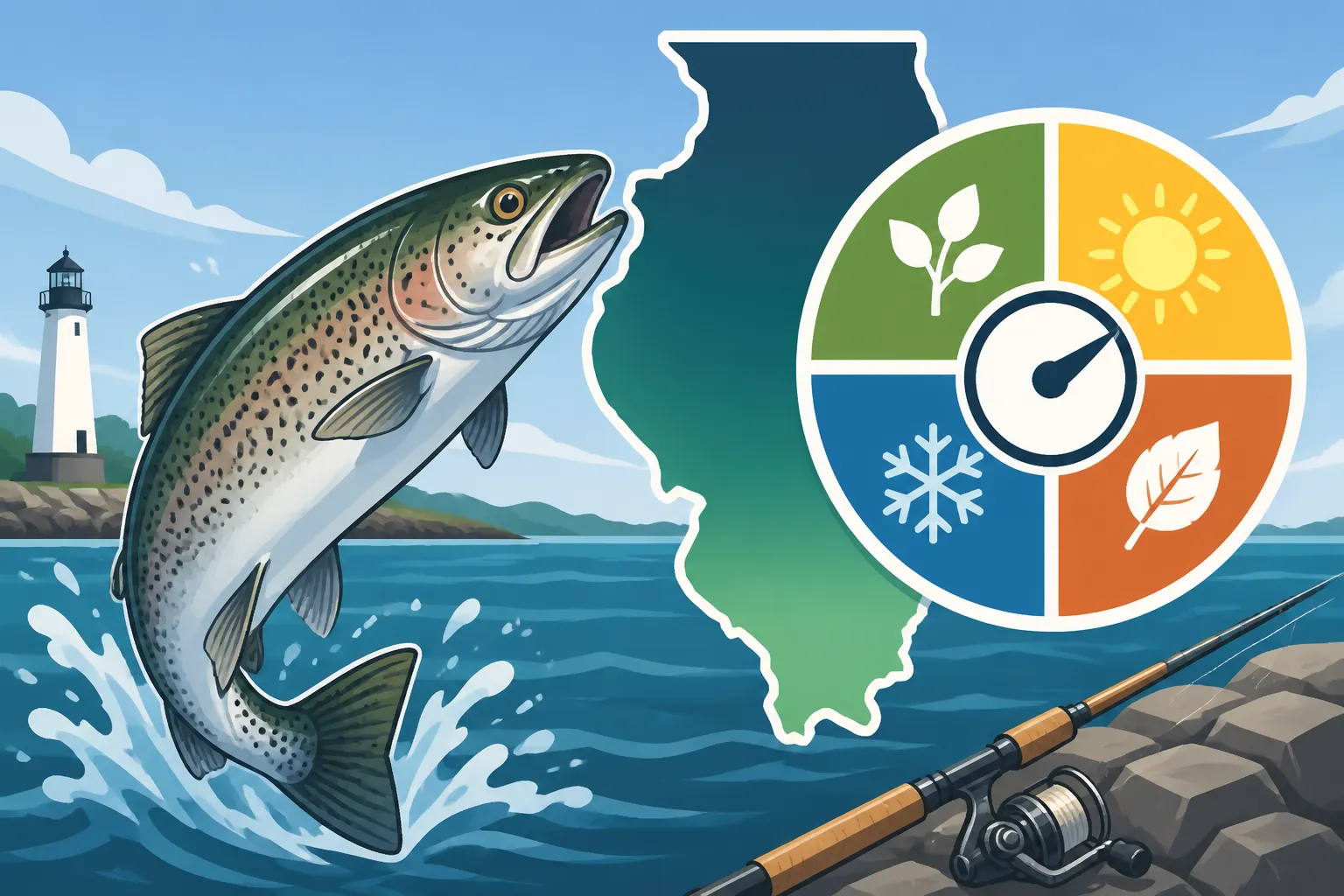
Lake Michigan Trout Season Timing in Illinois
Trying to figure out the best time to chase those elusive trout in Lake Michigan from the Illinois side can feel like cracking a secret code. Between the changing weather, the different species, and the sheer vastness of the lake, it's easy to feel overwhelmed when planning your trip. This guide is here to untangle the complexities, offering a clear breakdown of the prime seasons and strategies for landing magnificent trout right here in Illinois waters.
Understanding Lake Michigan's Trout Species in Illinois
Before we dive into when to fish, it's crucial to understand what you're fishing for. Lake Michigan isn't just home to one type of trout; it boasts a diverse population, each with its own preferences and seasonal patterns. Knowing the habits of these different species—Brown Trout, Rainbow Trout (Steelhead), and Lake Trout—will significantly improve your chances of success and help you tailor your approach throughout the year. The strategies for targeting a deep-dwelling Lake Trout are vastly different from those you'd employ for a Rainbow Trout making its way up a river mouth. It's all part of the fascinating challenge of fishing these incredible Great Lakes waters.
Brown Trout: The Early Birds
Brown Trout are often considered the most accessible trout species for shore anglers, especially during the colder months and early spring. These fish tend to hang closer to shore, particularly around structure like piers, breakwalls, and river mouths, feeding on baitfish. They are known for their strong fight and beautiful coloring, making them a prized catch for many Illinois anglers. Unlike some other species, Browns are a bit more tolerant of warmer water, which means they can still be found in certain areas even as summer progresses, though usually in deeper pockets or around temperature breaks.
Their primary feeding times often occur at dawn and dusk, or even throughout overcast days when light penetration is lower. You'll find them cruising shallower waters, especially where warmer currents meet colder lake water. Focusing on structure and current breaks with crankbaits, spoons, or live bait can be incredibly effective. Anglers often find success using natural baits like minnows or smelt imitations, which mimic their natural prey in these nearshore environments. For more detailed tips on landing these beauties, check out our guide on Illinois Lake Michigan Brown Trout Fishing Tips.
Rainbow Trout Steelhead: The Migratory Powerhouses
Rainbow Trout, often referred to as "Steelhead" when they migrate from the lake into tributaries to spawn, are phenomenal fighters known for their acrobatic jumps. These anadromous fish present unique seasonal opportunities. While they spend much of their lives growing large in the expansive waters of Lake Michigan, they make significant movements closer to shore and into rivers during their spawning runs. This makes them a target for both lake and river anglers at different times of the year.
The main draw for Steelhead is their incredible fighting ability, which makes them a favorite among sport anglers. During the warmer months, they are typically found in the cooler, deeper waters of the main lake, often near thermoclines. However, their instinct to spawn brings them closer to the Illinois shoreline and into accessible areas like harbor mouths and river systems in late fall, winter, and spring. Their migratory patterns are key to understanding when and where to find them, and adjusting your gear accordingly can make all the difference.
Lake Trout: The Deepwater Dwellers
Lake Trout are the true monarchs of the deep in Lake Michigan. These native Great Lakes fish prefer cold, oxygen-rich waters and typically inhabit the deeper sections of the lake year-round, making them primarily a boat angler's target. They grow to impressive sizes and offer a powerful, sustained fight when hooked. Unlike Brown and Rainbow Trout, Lake Trout do not typically venture into shallow, nearshore areas with the same frequency, though they can sometimes be found shallower during the coldest parts of winter.
Targeting Lake Trout usually involves specialized deep-water trolling techniques with downriggers or heavy divers to get your lures to their preferred depths, often 50 to 150 feet or more. Their consistent presence in deeper water means that while their exact location might shift with temperature and baitfish movements, they are generally available throughout the open water season. If you're geared up for deepwater fishing, these powerful fish can provide some of the most rewarding catches. Understanding the unique characteristics of each of these species is foundational to maximizing your success in the Illinois Lake Michigan Trout and Salmon Fishery Explained.
Spring into Action: Early Season Trout Opportunities
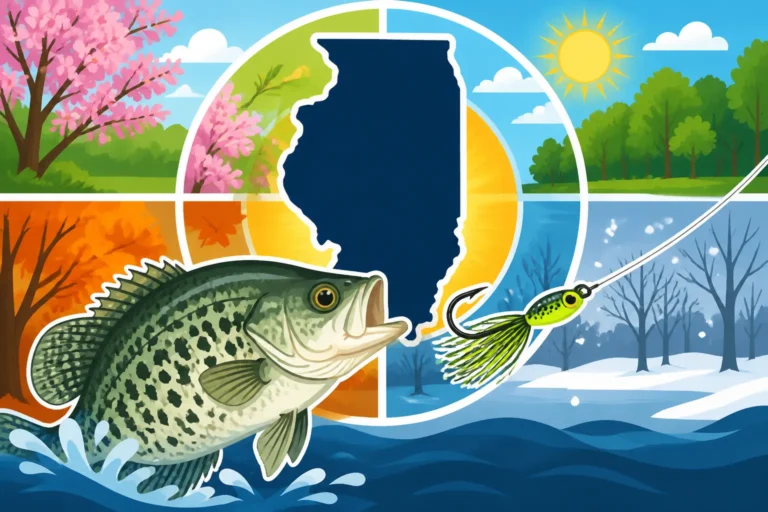
Spring is a time of renewal, and for Lake Michigan trout anglers in Illinois, it's also a time of fantastic opportunity. As the ice recedes and water temperatures begin to slowly climb, various trout species become more active and accessible, particularly in nearshore areas and harbors. This period, roughly from March through May, is often considered one of the best times to target trout from both shore and boat. The warming trends draw baitfish closer to land, and the trout follow, eager to feed after the long winter.
The key to spring success lies in watching water temperatures and understanding how fish react to these changes. Early spring can still be quite cold, making for some chilly fishing, but the rewards can be phenomenal. As the season progresses, different opportunities arise, from aggressive feeder fish to pre-spawn staging. Preparing your gear and understanding these subtle shifts will put you in a prime position to capitalize on the spring bite.
Shoreline and Harbor Action
As early as March, even while there might still be lingering ice in shaded areas, the inner harbors and protected shoreline sections of Lake Michigan in Illinois start to warm up first. This warming trend attracts baitfish, and with them, hungry Brown Trout and Rainbow Trout (Steelhead) seeking an easy meal. This is a prime time for shore anglers to hit spots like Navy Pier, Montrose Harbor, or the public access points along the Chicago lakefront. The waters here are often a few degrees warmer than the main lake, acting as magnets for active fish.
You'll find anglers casting spoons, crankbaits, and even drift-fishing with spawn bags or live bait. The fish can be surprisingly shallow, sometimes in just a few feet of water, especially during overcast days or right at dawn and dusk. Many seasoned anglers will focus on areas near current breaks or where warmer runoff enters the lake. This early spring period is also a great time to hit the mouths of tributaries as Steelhead begin to stage for their upstream runs. For those looking for the ultimate early spring spot, consider checking out the Best Spots for Lake Michigan Trout in Early Spring.
Nearshore Boat Fishing Strategies
For boat anglers, early spring opens up vast opportunities beyond the harbors. Once the boat ramps are clear of ice and accessible, typically by late March or early April, the nearshore waters become incredibly productive. Trolling in depths of 10 to 40 feet, often just a few hundred yards from shore, can yield fantastic results for Brown Trout and Rainbow Trout. The water clarity is usually excellent, and the fish are actively chasing bait.
Lures that mimic smelt or alewives, such as shallow-running crankbaits, spoons in bright colors, or stickbaits, are highly effective. You don't necessarily need elaborate setups with downriggers yet, though planer boards can help spread your lines and cover more water. Focus on areas with subtle temperature breaks or points that extend into the lake, as these tend to concentrate baitfish. This is a dynamic time, with fish constantly on the move, so being adaptable with your trolling patterns and lure choices is key. Remember, safety first on these cold spring waters – always wear your life jacket.
Summer Deep Dive: Mid-Season Strategies
When summer truly settles in, typically from June through August, Lake Michigan undergoes a process called thermal stratification. This means the lake develops distinct layers of water at different temperatures. The surface water warms significantly, while a cooler, oxygenated layer forms beneath it. This cool-water refuge, known as the thermocline, becomes the prime hunting ground for most trout species as they seek comfortable temperatures and abundant baitfish. This period marks a shift from nearshore fishing to more offshore, deepwater tactics for those targeting trout in Illinois.
While shore fishing for trout slows down considerably during the hot summer days, boat anglers equipped for deeper water can find some of the best fishing of the year. The challenge moves from finding the fish in shallow areas to accurately presenting lures at precise depths in the vastness of the lake. This is where specialized gear truly shines, allowing you to access the fish holding in the cooler, deeper zones.
Thermal Stratification and Deepwater Fishing
As Lake Michigan heats up in summer, Brown Trout, Rainbow Trout, and especially Lake Trout will retreat to the cooler water below the thermocline. This layer, typically found anywhere from 30 to 80 feet down, is where the baitfish congregate, and consequently, where the trout will be feeding. Targeting these fish requires a boat and the right equipment to get your lures down to these depths. This is prime time for using downriggers, diving planes, and lead core line.
Popular summer tactics include trolling with spoons, flies, and plug-style lures. The key is to run your lures just above, in, or slightly below the thermocline, depending on where you mark bait and fish on your sonar. Electronics become your best friend in summer, helping you identify these thermal layers and locate schools of bait. Many anglers will experiment with different depths and lure colors until they find a pattern. Brands like Scotty and Cannon offer reliable downriggers that many Illinois anglers rely on for successful deepwater trolling. If you're serious about this, our guide on Best Trolling Techniques for Illinois Lake Michigan Salmon and Trout is a must-read, as many techniques overlap.
Night Fishing for Lake Michigan Trout
While the summer daytime heat can push trout deep, dusk and nighttime offer a unique opportunity to target them closer to the surface, especially for Rainbows and Browns. As the sun sets, the water temperature differential between the surface and deep lessens slightly, and many baitfish will rise in the water column. Trout, especially those feeding on alewives and smelt, will follow. This can provide some thrilling action under the stars.
Night fishing often involves slow trolling with stickbaits or large spoons near drop-offs or along the edges of the thermocline that push shallower. Glow-in-the-dark lures or those with reflective tape can be particularly effective in the low light conditions. Some anglers also find success casting from lighted piers and breakwalls at night, especially after a warm day, as trout might venture into the cooler, shallower harbor mouths to feed under the cover of darkness. It's a different kind of fishing, quieter and often more serene, but with the potential for explosive strikes. Just make sure you have proper navigation lights and safety gear if you're out on the boat after dark.
Autumn's Bounty: Fall Trout Runs
Autumn on Lake Michigan, roughly from September through November, is a truly magical time for trout anglers in Illinois. As air and water temperatures begin to cool, the lake starts its natural "turnover" process, mixing the stratified layers. This brings cooler water to the surface and disperses oxygen more evenly, which can invigorate trout populations and draw them into new areas. More importantly, fall signals the spawning season for several trout species, triggering aggressive feeding and significant migratory movements.
This season offers some of the most diverse fishing opportunities, appealing to both boat and shore anglers. Whether you're chasing trophy Browns along the shoreline or intercepting Steelhead staging for their river runs, fall is a prime time to be on the water. The weather can be unpredictable, ranging from warm, sunny days to brisk, windy conditions, so dressing in layers and being prepared for anything is crucial.
The Spawn-Driven Bites
Fall is synonymous with the Brown Trout and Lake Trout spawning runs, and the beginning of the Steelhead migration into tributary systems. As these fish prepare to reproduce, they become highly active and often move into shallower water near rocky reefs, breakwalls, and river mouths. Brown Trout, in particular, will become very aggressive, striking at lures and bait that invade their territory or resemble an easy meal. This is when some of the largest Brown Trout of the year are caught by shore and boat anglers alike.
For Brown Trout, target areas near rocky points, breakwalls, and harbor entrances. Large spoons, crankbaits, and even spawn bags can be highly effective. Lake Trout will also move shallower to spawn on rocky shoals, making them more accessible to trollers running divers or downriggers in shallower depths than in summer. Steelhead begin to stage outside river mouths and can be caught by casting spoons or floating spawn bags. Understanding the specific spawning areas and times for different species in Lake Michigan is key to intercepting these active fish.
Transitioning Tactics
As fall progresses and water temperatures continue to drop, the tactics shift from purely spawn-driven aggression to targeting fish that are fattening up before winter. The cooling water keeps baitfish active closer to shore for longer periods, and trout will be keenly aware of these food sources. This means that while some fish are focused on spawning, others are in full-on feeding mode.
Shore anglers can continue to find success casting spoons, stickbaits, and soft plastics that imitate dying baitfish. Boat anglers might find trout spread out over various depths, requiring a more varied approach using both shallow-running lures and deeper presentations. As the season nears winter, a good tip is to pay attention to current lines and temperature breaks where remaining baitfish might be pushed together. Brands like Rapala offer a wide range of lures that are perfect for these transitioning conditions, available on Amazon. Don't forget that as the lake cools, trout often prefer slower presentations, so adjust your retrieve accordingly. For a general overview of the lake's patterns, take a look at the Best Time of Year to Fish Lake Michigan in Illinois.
Winter's Quiet Charm: Ice and Open Water Trout
Winter on Lake Michigan in Illinois, spanning from roughly December through February, presents a unique and often challenging, yet rewarding, opportunity for trout anglers. While the vastness of the main lake often remains unfishable for most due to freezing temperatures and dangerous conditions, the protected harbors and nearshore areas can offer excellent fishing. This is a time when the lake takes on a tranquil beauty, and the dedicated angler can find solitude along with some impressive catches.
The key to winter trout fishing is safety and patience. Ice conditions in the harbors can vary greatly, and open-water access from shore requires constant vigilance of weather and wave forecasts. However, for those willing to brave the cold, winter can deliver some of the largest trout, as these fish are often at their peak weight after a fall feeding binge.
Shoreline Access and Open Water
Even during the coldest parts of winter, sections of the Illinois Lake Michigan shoreline can remain open and accessible, especially around major harbors that might have warmer outfalls or constant boat traffic keeping the ice at bay. During periods of mild weather or strong winds, the main lake might also remain open, offering opportunities for casting from piers and breakwalls. This is a prime time for targeting large Brown Trout, and often a few hearty Steelhead that haven't moved far upstream into tributaries.
Anglers will often use spoons, jigging Rapalas, or live bait fished under a bobber in these open water areas. The fish are often lethargic in the cold water, so a slow, deliberate presentation is usually more effective. Fishing during warming trends or immediately after a fresh thaw can be particularly productive, as the fish become slightly more active. Be mindful of conditions; icy piers can be incredibly dangerous. Always wear appropriate footwear and consider safety spikes.
Ice Fishing Considerations for Harbors
When conditions allow for safe ice formation, the protected harbors of Lake Michigan, like Montrose, Belmont, and Jackson Park harbors, can become popular ice fishing destinations. These harbors offer access to a variety of trout species, including Brown Trout, Rainbow Trout (Steelhead), and sometimes even Coho Salmon. However, ice conditions on Lake Michigan harbors can be notoriously unpredictable due to currents, snow cover, and fluctuating temperatures, so always check local ice reports and exercise extreme caution.
Typical ice fishing tactics include jigging with small spoons, blade baits, or plastics tipped with a minnow or wax worm. Tip-ups can also be effective, rigged with live minnows. The fish might be anywhere from just below the ice to several feet down, depending on the harbor's depth and structure. Early morning and late afternoon are often the most productive times. Always bring all necessary safety gear, including ice picks, a spud bar, and a life jacket, even on the ice.
The Nuances of Winter Trout Behavior
Winter trout fishing demands a deeper understanding of fish behavior. In cold water, fish metabolisms slow down, meaning they don't need to feed as often or as aggressively. They tend to school up more tightly and will often hold close to structure or temperature breaks within the harbors. Finding these concentrations of fish is paramount to success. Sonar and underwater cameras can be invaluable tools for locating fish under the ice.
Furthermore, bait selection and presentation become even more critical. Smaller, more subtle baits that don't require much effort from the fish to consume are often preferred. Light lines and sensitive rods will help you detect the often incredibly subtle bites. Patience is truly a virtue during winter fishing, but the reward of a hard-fighting trout on a quiet, frozen Lake Michigan morning can be an unforgettable experience. For more on seasonal changes, consider reading up on our Seasonal Bait Selection Guide.
Lake Michigan Trout Season Timing Summary Table
To help visualize the best times for each type of trout in Illinois's Lake Michigan waters, here's a handy table. Remember, these are general guidelines, and local conditions, weather, and specific locations can always influence fishing success.
| Species | Primary Season | Best Months (Illinois) | Typical Depths (Boat) | Key Locations (Shore/Boat) | Common Lures/Baits | Notes |
|---|---|---|---|---|---|---|
| Brown Trout | Spring, Fall, Winter | Mar-May, Oct-Dec | 5-40 feet (nearshore) | Harbors, Piers, River Mouths, Breakwalls | Spoons, Crankbaits, Stickbaits, Spawn Bags | Strongest nearshore presence in cold water. Aggressive fall spawners. |
| Rainbow Trout | Spring, Fall, Summer | Apr-Jun, Sep-Nov, Jul-Aug (deep) | 10-80+ feet (main lake), shallow (rivers) | Harbors, River Mouths (runs), Main Lake (trolling) | Spoons, Flies, Crankbaits, Spawn Bags, Drifters | Strong fighters. Summer: deep lake. Fall/Spring: nearshore/river runs. |
| Lake Trout | Summer, Fall | Jun-Oct | 50-150+ feet (deepwater) | Offshore Reefs, Drop-offs, Deep Thermocline | Spoons, Flashers/Flies, Meat Rigs, Large Plugs | Native species. Primarily a deepwater trolling target. |
Getting Your Gear Ready for Lake Michigan Trout
Preparing for a Lake Michigan trout trip involves more than just knowing when the fish are biting; it's also about having the right tools for the job. The sheer size and depth of Lake Michigan, coupled with the varied conditions, demand specific gear, especially for boat anglers venturing offshore. Even shore fishing requires robust tackle capable of handling potentially large fish and the sometimes-windy conditions of the Great Lakes. Investing in quality gear from reputable brands can make a huge difference in your success and enjoyment.
Think about the conditions you'll face. Will you be casting from a pier in chilly spring winds, or trolling miles offshore in summer? Each scenario calls for different rods, reels, lines, and accessories. You wouldn't use ultralight tackle for deepwater Lake Trout, nor would you need heavy offshore trolling gear for casting a spoon in a harbor. Matching your gear to your target species and fishing method is a fundamental principle of effective angling on Lake Michigan.
Rods, Reels, and Line for Lake Michigan Trout
For shore anglers targeting Brown and Rainbow Trout in harbors and nearshore areas, a medium to medium-heavy spinning rod, 7 to 9 feet in length, paired with a reliable spinning reel capable of holding 200+ yards of 8-12 lb test monofilament or fluorocarbon, or 15-20 lb braided line, is ideal. Longer rods help with casting distance and managing fish in strong currents or around structure. A good example might be a Fenwick HMG rod paired with a Daiwa BG spinning reel, offering a balance of sensitivity and power.
Boat anglers will need a more diverse setup. For trolling, medium-heavy to heavy trolling rods (7-10 feet) with line counter reels spooled with 20-30 lb monofilament, fluorocarbon, or braid are essential. These rods need to withstand the strain of downriggers or heavy divers and handle big, powerful fish. Brands like Okuma and Shimano make excellent trolling reels suitable for Lake Michigan. For jigging deeper for Lake Trout, a shorter, stout spinning or baitcasting rod (6-7 feet) with a fast action and a strong reel spooled with 30-50 lb braid is preferred. Remember, many of these options are readily available on Amazon, making it easy to build out your tackle arsenal.
Essential Accessories and Tackle Box Must-Haves
Beyond rods and reels, a well-stocked tackle box is critical. For trolling, you'll need a variety of spoons (e.g., Michigan Stinger, Dreamweaver), stickbaits (e.g., Rapala, Bandit), and potentially flashers and flies for Lake Trout and Salmon. Don't forget swivels, snap swivels, and leader material (fluorocarbon is often preferred for its invisibility). Downriggers and planer boards are almost mandatory for effective offshore trolling, allowing you to present multiple lures at varying depths and distances from the boat.
For shore and harbor fishing, a selection of spoons (Kastmasters, Little Cleos), crankbaits, and soft plastics (grubs, swimbaits) will cover most situations. Live bait like emerald shiners or spawn bags can also be highly effective, so bring a small cooler and aerator. Essential tools include pliers, line cutters, a landing net (a long-handled net for pier fishing is invaluable), and a stringer or cooler for your catch. Always carry a headlamp or flashlight for early morning or late evening trips. A good pair of polarized sunglasses is a game-changer for spotting fish in clear water and protecting your eyes.
Navigating Regulations and Safety on Lake Michigan
Fishing Lake Michigan, while incredibly rewarding, comes with its own set of rules and safety considerations. The sheer size of the lake and its unpredictable nature mean that being prepared and informed is not just recommended, it's essential. Understanding the specific regulations for trout and salmon in Illinois waters, as well as general boating safety rules, will ensure your trip is not only successful but also safe and legal. Don't let ignorance spoil a great day on the water.
The Illinois Department of Natural Resources (IDNR) sets the rules, and they can vary by species, size, and even location (e.g., specific harbors might have unique regulations). Always consult the current Illinois Fishing Information Guide before heading out. Safety, especially on a body of water as vast as Lake Michigan, should always be your top priority, whether you're fishing from a boat, a pier, or the shore.
Illinois Fishing Regulations for Trout
To legally fish for trout in Illinois's Lake Michigan waters, you will need a valid Illinois Fishing License Guide for 2026. In addition to a general fishing license, you will also need a Lake Michigan Salmon Stamp. This stamp is specifically required for anyone fishing for trout or salmon in Lake Michigan, even if you’re just targeting other species but might incidentally catch a trout or salmon. Make sure you have both before you cast your line.
There are specific size and daily catch limits for each trout species, which can vary from year to year. For example, Lake Trout often have a minimum size limit and a specific daily creel limit, as do Brown Trout and Rainbow Trout. Always consult the latest IDNR regulations to ensure you're compliant. Keeping an undersized fish or exceeding your daily limit can result in fines and loss of fishing privileges. Catch-and-release is a common practice, especially for larger fish or if you've already met your limit, so ensure you know proper handling techniques to minimize stress on the fish.
Essential Boating and Shore Safety
Lake Michigan is a powerful body of water, and safety must always be paramount. For boat anglers, a comprehensive Illinois Boating Safety Gear Checklist is non-negotiable. This includes having enough U.S. Coast Guard approved life jackets for everyone on board, fire extinguishers, sound-producing devices (horn or whistle), visual distress signals (flares), and proper navigation lights for night operation. Always check the marine weather forecast before heading out, and be prepared for rapidly changing conditions. A small craft advisory is a good sign to stay off the big lake.
Shore anglers also need to be mindful of safety. Piers and breakwalls can be slippery, especially when wet or icy. Wear appropriate footwear with good traction. Be aware of large waves and rogue sets that can crash over structures, potentially sweeping you into the cold water. Never turn your back on the lake. If fishing at night, always use a reliable light source. Tell someone where you're going and when you expect to return, regardless of whether you're on a boat or fishing from shore. The cold water of Lake Michigan can be deadly, so always dress in layers, and have a plan for emergencies.
Disclaimer
Please note that fishing regulations and conditions on Lake Michigan can change. Always consult the latest Illinois Department of Natural Resources (IDNR) regulations and local weather advisories before planning your fishing trip. This guide is for informational purposes only and should not replace official sources or professional advice.