Best Crappie Coves on Lake Shelbyville
Finding those elusive crappie on a sprawling reservoir like Lake Shelbyville can feel like searching for a needle in a haystack, especially when you're just looking for that perfect, quiet cove. It’s frustrating to spend precious fishing time aimlessly cruising when all you want is to drop a line where the crappie are biting. This guide is dedicated to helping you pinpoint the best crappie coves on Lake Shelbyville, breaking down where to look, what to look for, and how to successfully target these popular panfish.
Understanding Lake Shelbyville's Crappie Dynamics
Lake Shelbyville is a magnificent, nearly 11,000-acre reservoir in Central Illinois, formed by damming the Kaskaskia River. Its vastness and diverse underwater topography offer incredible fishing opportunities, but they can also be intimidating. Crappie, both black and white, thrive in this environment, but their movements are highly influenced by the lake's structure and the changing seasons. Knowing these dynamics is your first step to consistently filling your cooler.
The Allure and Challenge of Crappie Fishing on a Big Reservoir
Crappie are undeniably one of Illinois's most sought-after panfish, and for good reason. They offer a fantastic fight on light tackle, taste incredible, and when you find a school, the action can be non-stop. On a lake the size of Shelbyville, the potential for a banner day is huge, with many anglers reporting excellent catches of both species. However, the sheer size of the lake presents a significant challenge: where do you even begin to look? Unlike smaller ponds or dedicated crappie lakes, Shelbyville has miles of shoreline, countless submerged features, and a fluctuating water level that can change fish patterns overnight. This makes local knowledge and understanding crappie habits absolutely crucial for success.
Many anglers arrive at Lake Shelbyville with a mental map of typical crappie hangouts – brush piles, standing timber, docks. While these are certainly key, knowing which specific areas offer these features in conjunction with other crappie attractors like submerged creek channels, rock beds, or even protected points, is what truly sets successful anglers apart. It’s not just about finding a brush pile, but finding the right brush pile in the right cove at the right time of year. This guide aims to help you narrow down those options significantly.
How Lake Shelbyville's Structure Influences Crappie Location
Lake Shelbyville is a flooded river valley, which means its underwater landscape is rich with natural and man-made structures that crappie absolutely love. Crappie are ambush predators that rely heavily on cover for protection from larger fish and as a staging area to feed on baitfish. Understanding the primary types of structure available and how they relate to crappie behavior is fundamental to finding them in Shelbyville’s many coves.
The most important features to consider are the old Kaskaskia and West Okaw River channels that wind through the lake. Crappie often relate to the edges of these channels, especially where they intersect with points, humps, or submerged timber. As you explore the various coves, pay close attention to depth changes, drop-offs, and any indication of an old creek bed. Additionally, Lake Shelbyville is renowned for its extensive standing timber and countless man-made brush piles. These provide vertical cover from the bottom all the way up through the water column, offering crappie shelter and feeding opportunities at different depths depending on the season and time of day. Areas with a combination of these elements, like a deep cove with standing timber near a channel edge, are often crappie magnets. Familiarity with the Lake Shelbyville Fishing Guide can further enhance your understanding of the lake's structure.
Key Crappie Coves and Hotspots on Lake Shelbyville
Lake Shelbyville is essentially divided into two main river arms – the Kaskaskia River arm to the north and the West Okaw River arm extending west. Each arm, and even the mid-lake area, offers distinct characteristics and crappie holding patterns. Identifying specific coves within these larger zones will significantly improve your chances.
The Kaskaskia River Arm: North End Nooks and Crannies
The Kaskaskia River arm, particularly the northern reaches, tends to be shallower overall with more extensive standing timber and flooded brush. This makes it a fantastic area for crappie, especially during the spring spawn and early summer. The numerous fingers and bays here provide ideal conditions for crappie to move into warmer, shallower water to lay their eggs.
One particularly productive general area is around the Sullivan/Findlay side, where the river narrows and creates many protected coves. Look for coves that feature significant amounts of visible standing timber or dense submerged brush. Often, crappie will suspend within this timber, sometimes only a few feet below the surface, or they will be tight to the cover closer to the bottom. During the spring, anglers often find crappie moving into the very backs of these coves where the water warms fastest. As summer progresses, crappie might pull out to the deeper timber edges within these coves or relate to submerged structure near the old river channel. Remember, the key is to find protected coves with abundant cover. This area is often highlighted when discussing the Best Crappie Fishing Lakes in Illinois.
West Okaw River Arm: Deeper Water and Submerged Structure
Moving over to the West Okaw River arm, you’ll generally find deeper water and more defined creek channels. While it might have less visible standing timber than the Kaskaskia arm, it makes up for it with excellent submerged structure and deeper crappie opportunities, especially in the warmer months. This arm is fantastic for anglers who prefer to target crappie relating to deeper cover or those who like to spider rig multiple rods.
Coves closer to Bethany and the central part of the lake on this arm can be excellent. Pay attention to coves that have sharp drop-offs or feature prominent submerged points extending into the main lake or secondary creek channels. Many of these coves will have extensive man-made brush piles, placed by the IDNR or local fishing clubs, that hold large numbers of crappie. These brush piles often sit in 10-25 feet of water and can be found with a good fish finder. Crappie will use these deeper structures as sanctuaries during bright sunny days or when water temperatures are high. Services like FishingBooker can help you connect with local guides who are intimately familiar with these productive, often hidden, brush piles and know exactly Best Time of Year to Catch Crappie in Illinois on this side of the lake.
Mid-Lake and Dam Area: Transitions and Hidden Gems
The mid-lake section and areas closer to the dam often represent a transition zone, blending some of the characteristics of both river arms. These coves can be overlooked by anglers heading straight for one of the main arms, but they hold some true hidden gems for crappie. Here, you might find a mix of rocky points, steeper banks, and access to deeper main lake water.
Coves in the immediate vicinity of the dam, or those just upstream on either side, can be particularly productive due to constant water movement and proximity to deep-water refuges. Look for coves with rocky bottoms or those that are adjacent to steep bluff walls. Crappie sometimes relate to these harder bottom structures, especially during pre-spawn or post-spawn periods. Furthermore, these areas might feature rip-rap or submerged rock piles which can hold crappie year-round. It's crucial to utilize your electronics here to identify subtle changes in depth or submerged rock formations that might not be obvious from the surface. These transitional areas can offer surprising crappie action when other spots are slow, making them well worth the exploration.
Essential Techniques and Baits for Shelbyville Crappie
Finding the right cove is only half the battle; knowing how to fish it effectively is the other. Crappie behaviors change significantly with the seasons, and having the right techniques and baits in your arsenal will maximize your success.
Seasonal Strategies for Approaching Crappie Coves
Crappie fishing on Lake Shelbyville is a year-round pursuit, but your approach needs to adapt with the calendar.
- Spring (Pre-Spawn & Spawn): This is arguably the most anticipated time for crappie anglers. As water temperatures climb into the 50s and low 60s, crappie move into shallow coves, especially those with dark bottoms that absorb heat. They’ll be looking for brush, logs, and any submerged cover in 2-8 feet of water. Target the backs of coves and protected pockets. A small jig under a bobber or a slow-trolled minnow rig are deadly. This is when understanding the Illinois Crappie Spawn Season Guide becomes invaluable.
- Summer: Once the spawn is over and water temperatures rise, crappie retreat to deeper, cooler waters. They'll often be found suspended in or around deeper standing timber, brush piles in 10-25 feet, or along the edges of the old river channels within the coves. Night fishing can be particularly effective during the summer, as crappie move shallower to feed under the cover of darkness. Techniques like spider rigging with multiple poles, using jigs or minnows at various depths, are common.
- Fall: As water temperatures begin to drop in the autumn, crappie become highly active, feeding aggressively to build up fat reserves for winter. They often move back into shallower coves, but not necessarily the very backs. Look for them around secondary points, creek channel bends, and larger brush piles within coves, typically in 8-15 feet of water. They'll chase baitfish, so horizontal presentations like casting small crankbaits or jigging spoons can be effective, alongside traditional minnows and jigs.
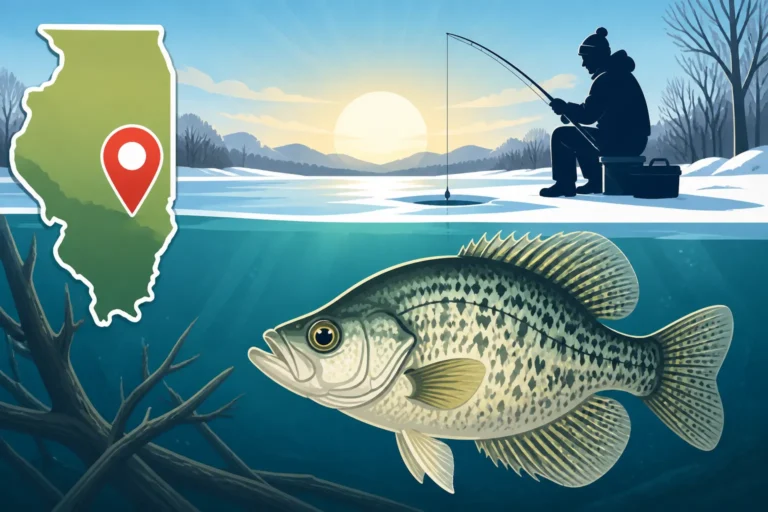
- Winter: Ice fishing for crappie on Lake Shelbyville can be phenomenal, depending on ice conditions. During open water winter, crappie will be very deep, often hunkered down in the deepest brush piles or tight to the old river channels within protected coves. They are less active, so a slow, subtle presentation is key. Small jigs tipped with a minnow or crappie nibbler, fished vertically, are the go-to. Focus on finding these deep, dense cover elements and be patient.
Top Baits and Rigs for Lake Shelbyville Crappie
When it comes to baits and rigs, crappie aren't overly complicated, but presentation matters immensely.
- Live Minnows: The classic crappie bait, and for good reason. Live minnows are irresistible. They can be fished under a bobber in shallow water, tightlined in deeper cover, or slowly trolled. When crappie are finicky, a lively minnow often gets the bite. Many local bait shops around Shelbyville will have excellent quality minnows.
- Jigs: Small jigs, ranging from 1/32 oz to 1/8 oz, are incredibly versatile. They come in countless colors and styles, allowing you to match the hatch or provoke a strike.
- Plastic Body Jigs: Soft plastic bodies, such as tube jigs, grub tails, or minnow imitations, are excellent. Popular colors vary, but chartreuse, white, black, and various glitter combinations are often effective. Experiment with different colors, especially when figuring out the Best Crappie Jig Colors for Stained Water versus clear water.
- Hair Jigs: Marabou or bucktail jigs offer a subtle, pulsating action that can entice wary crappie.
- Jigging Spoons: In deeper water, especially during summer and winter, small jigging spoons can be effective, mimicking injured baitfish.
- Spider Rigging: This technique involves using multiple rods (often 6-8) extended from the front or sides of the boat, presenting baits at different depths and distances while slowly trolling. It’s a highly effective way to cover water and find active crappie, particularly in the deeper coves of the West Okaw arm.
- Single Pole Jigging: For precision, especially when fishing tight to standing timber or specific brush piles, a single long crappie rod allows you to drop a jig or minnow rig exactly where you want it. This is great for those tight spots where you need to How to Jig for Crappie in Shallow Water without spooking fish.
Here’s a quick overview of popular crappie baits and their uses on Lake Shelbyville:
| Bait Type | Best Seasonal Use | Typical Depth | Presentation Method(s) | Notes |
|---|---|---|---|---|
| Live Minnow | All seasons, especially Spring/Winter | Varied | Bobber, tightline, spider rig, drop shot | Always a reliable choice, especially on slow days. |
| Small Plastic Jig | All seasons | Varied | Cast & retrieve, vertical jigging, spider rig, under bobber | Highly versatile, wide range of colors/shapes. |
| Hair Jig | Spring, Fall | Shallow-Mid | Slow retrieve, vertical jigging | Subtle action, great for finicky fish. |
| Jigging Spoon | Summer, Winter | Deep | Vertical jigging, yo-yo retrieve | Mimics injured baitfish, good for deep schools. |
| Small Crankbait | Fall | Mid-Deep | Trolling, casting | Excellent for active, aggressive crappie chasing bait. |
Navigating and Locating Crappie Coves
Even with a mental map of where crappie should be, actually finding them in a big lake like Shelbyville requires some navigational savvy and a willingness to explore.
Using Technology to Pinpoint Productive Areas
Modern fishing technology has revolutionized crappie fishing, turning what used to be guesswork into a much more precise science. Investing in good electronics can drastically cut down your search time.
A high-quality Fish Finders for Illinois Lake Fishing is your best friend on Lake Shelbyville. Look for units with down imaging and side imaging capabilities. Down imaging will give you a clear, photographic view directly beneath your boat, allowing you to identify individual fish, brush piles, and submerged timber with incredible detail. Side imaging, on the other hand, scans out to the sides of your boat, enabling you to cover vast areas quickly and spot cover or schools of crappie that you might otherwise drive right over. Many seasoned anglers use side imaging to scan a cove for brush piles or standing timber, then use down imaging to hone in on the exact location of fish within that cover. GPS mapping is also essential. Load detailed maps of Lake Shelbyville onto your unit, which will show contour lines, old creek channels, and even some marked brush piles. This helps you navigate confidently and mark your hot spots for future trips. When you find crappie beds in spring, for instance, marking them on your GPS can save you a lot of time next year – information often covered in an article like How to Find Crappie Beds in Spring.
Importance of Local Knowledge and Resources
While technology is powerful, nothing beats good old-fashioned local knowledge. The crappie patterns on Lake Shelbyville can be nuanced, and conditions change. Talking to people who fish the lake regularly can provide invaluable insights.
Start by visiting local bait and tackle shops around the Lake Shelbyville area. Places like Lithia Springs Bait Shop or the marinas often have staff who are avid anglers themselves. They can tell you what baits are currently working, what depths crappie are being caught at, and even point you towards general areas that have been productive. This intel can save you hours of searching. Another excellent resource is to consider hiring a local fishing guide, especially if you're new to the lake or targeting a specific species. Guides spend hundreds of days on the water and possess an intimate understanding of the lake's seasonal patterns and hidden crappie coves. Platforms like FishingBooker can connect you with experienced Lake Shelbyville fishing guides who know the lake's secret crappie coves like the back of their hand, ensuring you get the most out of your trip. These guides can show you not only where the fish are but also the specific Best Bait for Crappie Fishing and techniques that are producing results right now. Don’t forget online forums and social media groups dedicated to Illinois fishing; these communities can be a goldmine of recent reports and shared experiences.
Maximizing Your Crappie Success in Shelbyville's Coves
Once you've identified promising crappie coves and understand the seasonal tactics, there are still a few more tips that can help you turn a good day into a great one. These involve paying attention to subtle environmental cues and having the right equipment.
Reading the Water and Environmental Cues
Crappie are sensitive to their environment, and paying attention to subtle cues can make a significant difference. Water clarity, temperature, and even wind direction can all influence where crappie position themselves within a cove.
For instance, if a cove has very clear water, crappie might hold deeper or tighter to cover, especially on sunny days, to avoid predators and bright light. In stained or murky water, they might be more willing to roam shallower. Water temperature is another critical factor. During spring, crappie will actively seek out the warmest water available in a cove, which is often found in the very back or on sun-drenched northern banks. You can use a thermometer to check water temperatures as you move through different areas. Wind can also play a role; a light breeze blowing into a cove can stack baitfish, which in turn attracts crappie. However, a strong, sustained wind can make fishing difficult and muddy the water, potentially pushing crappie to more protected areas. Always observe the conditions of the coves you're fishing and adjust your approach accordingly. Sometimes the best spots are determined by Why Fishing Rules Vary by Lake and River.
Essential Gear and Boat Setup for Cove Fishing
Having the right gear and a properly set up boat can enhance your crappie fishing experience, especially when navigating the intricate coves of Lake Shelbyville.
For rod and reel setups, light to ultralight spinning gear is generally preferred for crappie. A 6-foot to 7-foot medium-light action rod paired with a small spinning reel spooled with 4-6 lb monofilament or fluorocarbon line provides excellent sensitivity and casting ability for small jigs and minnows. This setup is ideal whether you're How to Catch Crappie From the Bank or from a boat. If you plan on spider rigging, you'll need specialized crappie rods that are 10 to 16 feet long, designed to spread multiple lines. For boaters, a reliable trolling motor is indispensable for slowly navigating coves, holding position over brush piles, and precise bait presentation. A shallow water anchor system can also be a game-changer for staying put in prime crappie territory without disturbing the water. Make sure your boat adheres to Illinois Boat Safety Equipment Checklist guidelines, including Best Boats for Lake Shelbyville Fishing. Whether you're targeting specific brush piles or slowly working a timber-filled cove, having the right tools makes the job much easier and more enjoyable. Remember, a service like FishingBooker can also help you find charters that are already equipped with all the necessary gear for a successful crappie trip on Lake Shelbyville.
Disclaimer
Fishing conditions and regulations in Illinois can change. Always consult the latest Illinois Department of Natural Resources (IDNR) fishing guide before heading out on the water. This information is for general guidance and educational purposes only.