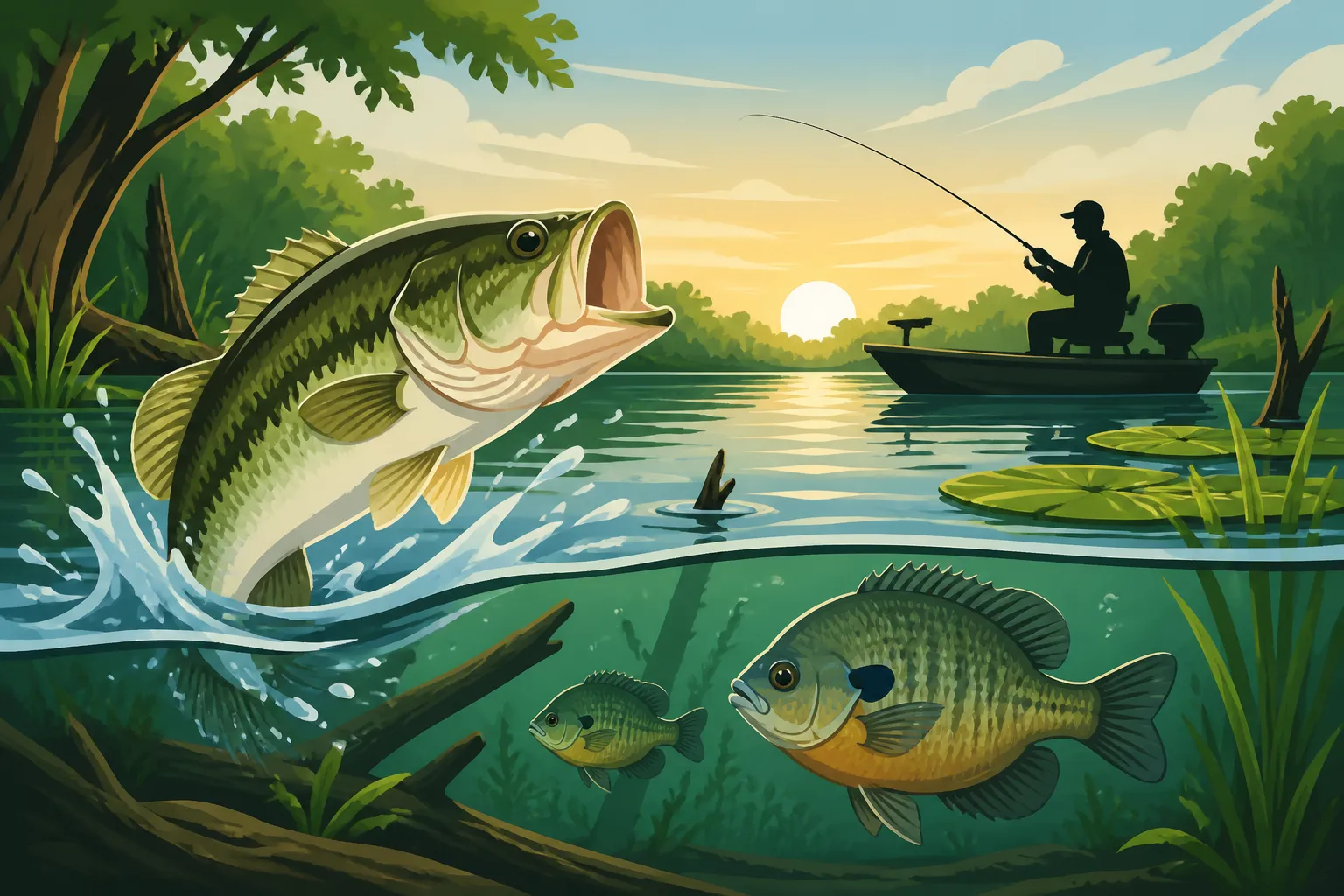
Mississippi River Backwaters for Largemouth Bass and Bluegill
The vastness of the Mississippi River can feel overwhelming for anglers, making it tough to pinpoint those sweet spots where fish truly thrive. Many folks struggle to find calm, productive waters away from the main channel's powerful currents, often overlooking the hidden gems tucked away in its backwaters. This comprehensive guide will unravel the secrets of Illinois' Mississippi River backwaters, showing you exactly how to target abundant largemouth bass and prolific bluegill, ensuring a more successful and enjoyable day on the water.
Understanding the Mississippi River Backwaters in Illinois
The Mississippi River, the grand father of waters, carves a massive path along Illinois' western border, but its true magic for anglers often lies not in its main, bustling channel, but in its quieter, secluded backwaters. These areas are like secret gardens, offering a stark contrast to the swift currents and commercial traffic of the main river. For those willing to explore, they hold incredible potential for both largemouth bass and bluegill.
What Makes Backwaters So Special for Fish?
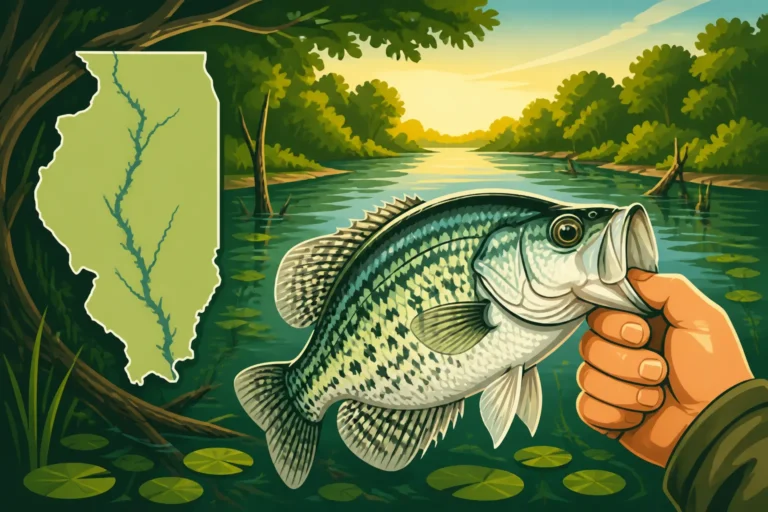
Think of a backwater as a natural sanctuary. These are often oxbow lakes, old river channels, sloughs, or flooded timber areas that were once part of the main river but have since been cut off or significantly isolated by natural processes or man-made levees. They're typically shallower, warmer, and much calmer than the river itself. This creates an ideal environment for aquatic vegetation to flourish, offering dense cover for baitfish and insect larvae, which in turn attract larger predators like bass and panfish like bluegill. The reduced current means fish expend less energy, allowing them to focus on feeding and spawning. You'll find a richer ecosystem here, teeming with life that thrives away from the harsh conditions of the main flow.
The calm waters also serve as crucial spawning grounds. Largemouth bass will seek out protected bays with submerged vegetation or fallen timber to build their nests, while bluegill will gather in large colonies in sandy or gravelly areas. These conditions provide protection from predators and the turbulent river, allowing fry and fingerlings to grow safely. The nutrient-rich silt deposits from occasional floods also contribute to a healthy food chain, making these backwaters incredibly fertile grounds for a diverse range of species. It's truly a microcosm of the river's potential, condensed into more accessible and fishable areas.
Identifying Prime Backwater Locations
So, how do you spot these honey holes? Start with detailed maps, especially topographical maps or satellite imagery on apps like Navionics or Google Earth. Look for areas adjacent to the main river channel that show signs of being cut off or having very slow connections. Oxbow lakes, which look like U-shaped bends in the river that have been separated, are prime targets. Sloughs, which are essentially stagnant or slow-moving channels, also hold great potential. Pay close attention to areas with visible standing timber, dense lily pads, cattails, or button bushes – these are classic signs of healthy backwater cover. The clearer water often found in backwaters, compared to the main river's usually muddy flow, is another indicator of a productive spot.
Access to these areas can vary widely. Some backwaters are accessible by boat directly from the main river through narrow cuts or channels, while others might require launching a smaller boat or kayak from a nearby ramp or even shore. For some of the more remote spots, you might even consider hiring a local guide through platforms like FishingBooker, especially if you're new to the area. They often know the hidden passages and subtle clues that indicate a truly productive backwater. Remember to check local regulations, as some backwaters might have specific rules or access points within state parks or wildlife areas. Doing your homework before you go can save a lot of time and lead to much better results.
Targeting Largemouth Bass in Illinois Backwaters
Largemouth bass are the kings of these calm, sheltered environments. The abundance of cover, forage, and stable water conditions makes backwaters an ideal habitat for them to grow big and aggressive. If you're looking for an exciting fight and some quality bass, these are the places to be.
Top Techniques and Baits for Backwater Bass
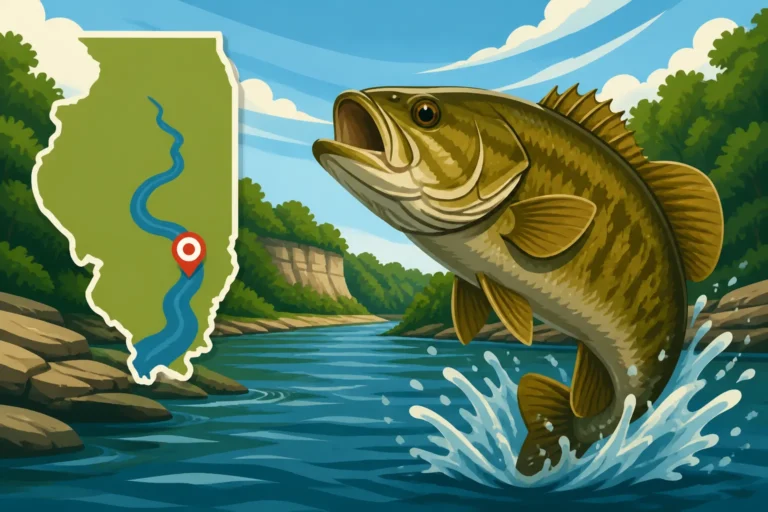
When fishing for largemouth in Mississippi River backwaters, versatility is key, but focusing on lures that mimic their natural prey or penetrate heavy cover will serve you best. Spinnerbaits are fantastic for covering water and fishing around sparse vegetation or submerged timber. Their flash and vibration often trigger aggressive strikes. For dense cover like lily pads or thick mats of weeds, Texas-rigged soft plastics, such as worms, creature baits, or even punching jigs with heavy weights, are indispensable. These setups are designed to be weedless and can be retrieved through the thickest cover where big bass often hide. Topwater lures, like frogs, poppers, or walking baits, shine during low light conditions or when bass are actively feeding on the surface, especially around lily pads. The explosion of a bass hitting a topwater frog is an experience every angler should have!
Don't overlook flipping and pitching techniques with jigs or soft plastics into specific pockets of cover, like submerged logs, brush piles, or beneath overhanging trees. Bass in backwaters often relate very tightly to structure, and precise presentations are critical. Crankbaits, particularly square bills, can also be effective when bounced off submerged wood or fished along gradual drops, imitating fleeing baitfish. If you're unsure where to start, observe the water for signs of baitfish activity or subtle movements in the cover that might indicate a bass. Remember to match your line strength to the cover you're fishing; heavy braid is often necessary to pull a lunker out of thick weeds or wood. For more detailed information, check out our guide on Largemouth Bass Fishing in Illinois: The Complete Guide.
Seasonal Strategies for Largemouth in Backwaters
The seasonal patterns of largemouth bass in backwaters can differ slightly from the main river. In spring, as water temperatures rise, bass move into the shallower backwater areas for their pre-spawn and spawning phases. This is an excellent time for spinnerbaits, jigs, and eventually, topwater frogs as they get ready to spawn. Look for them around emerging vegetation and protected coves. Our guide Best Bait for Largemouth Bass Fishing in Spring offers more specific recommendations for this period. As summer heats up, bass might seek deeper pockets within the backwaters, or burrow into the densest overhead cover to escape the sun. Flipping jigs, punching creature baits, and fishing soft plastics in the shade of lily pads or fallen trees become highly effective. Early morning and late evening topwater action can also be phenomenal during the summer months.
In fall, as water temperatures begin to cool, bass become very active, feeding heavily in preparation for winter. This is a prime time for a variety of techniques, including crankbaits, spinnerbaits, and even jerkbaits along the edges of remaining vegetation. They'll often school up and aggressively chase baitfish. Finally, in winter, while many backwaters can freeze over, those with deeper channels or slight connections to the main river might still offer opportunities. Bass will often hold tight to deep structure, like submerged stumps or rocks. Slow presentations with jigs or blade baits can entice sluggish fish during this colder period. Understanding these seasonal shifts, often outlined in an Illinois Fishing Seasons Guide, is crucial for consistent success.
Finding and Catching Bluegill in Backwater Habitats
While bass might be the big game, bluegill offer endless fun and are perfect for a relaxing day, especially if you're introducing kids to fishing. The Mississippi River backwaters are absolutely teeming with these feisty panfish, often growing to impressive sizes due to the abundant food sources.
Simple Rigs and Baits for Backwater Bluegill
Bluegill are usually not picky eaters, making them incredibly fun and easy to catch. The classic setup is a simple bobber rig: a small bobber, a few split shots, and a small hook (#8 or #10). The key is to suspend your bait at the depth where the bluegill are feeding, which can be anywhere from a few inches off the bottom to just below the surface, depending on the season and activity. Live baits are king for bluegill. Wax worms, red worms, and small pieces of nightcrawler are almost irresistible to them. A small piece of corn or even bread can also work in a pinch if you run out of worms. For more tips on what to use, check out Best Bait for Bluegill Fishing.
Beyond live bait, small artificial lures can be incredibly effective, especially for larger bluegill. Tiny jigs, usually 1/32 to 1/16 ounce, tipped with a small plastic grub, a mini tube, or even a single wax worm, can be deadly when fished under a bobber or slowly retrieved. Colors like chartreuse, white, and black often work well. Fly fishing with small poppers, flies, or nymphs can also be an incredibly rewarding way to target backwater bluegill. They are aggressive biters, and a lightweight rod setup makes even a small bluegill feel like a trophy. These waters are often perfect for Illinois Bluegill Fishing: Best Bait and Where to Go.
Locating Bluegill Schools Throughout the Year
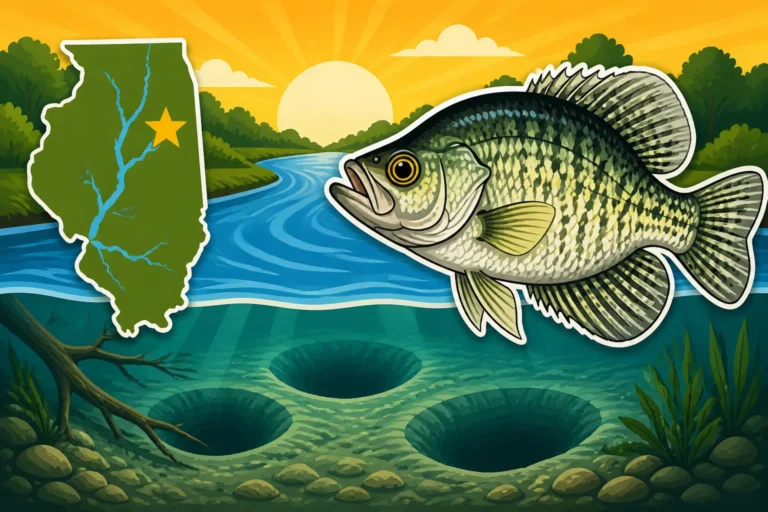
Bluegill are social creatures and tend to school up, so once you find one, you've likely found several. In spring, as water temperatures rise into the 60s Fahrenheit, bluegill move into very shallow, protected areas to spawn. Look for their distinctive "beds" – circular depressions in the substrate – in sandy or gravelly bottom areas, often near emergent vegetation or shoreline cover. These areas are usually in less than 5 feet of water, making them easy to spot. This is a fantastic time for sheer numbers of fish.
As summer progresses and waters warm further, bluegill might move slightly deeper, especially during the brightest parts of the day, seeking shade under lily pads, docks (if present), or fallen trees. They'll still be close to cover, feeding on insects that fall into the water or small aquatic creatures. During fall, they will move to deeper water, often suspending over structure or relating to the deeper edges of the backwater. They'll continue to feed aggressively as they prepare for winter. In winter, if the backwater doesn't freeze solid, bluegill will congregate in the deepest available holes, becoming less active but still catchable with very subtle presentations. Look for brush piles or submerged logs in deeper sections.
Essential Gear and Tips for Backwater Success
Having the right equipment and understanding how to navigate these unique environments can make all the difference between a frustrating trip and a fantastic day on the water. Backwaters demand a slightly different approach than the main river, primarily due to their shallower depths and abundant cover.
Must-Have Tackle for Backwater Anglers
For largemouth bass, a medium-heavy baitcasting or spinning rod, typically 6'6" to 7'6" in length, is ideal. This gives you the power to handle larger fish and the backbone to pull them out of thick cover. Pair this with a reel spooled with 12-20 pound fluorocarbon or monofilament line, or even 30-50 pound braided line when fishing really dense vegetation. A dedicated tackle box should include an assortment of spinnerbaits, weedless jigs, Texas-rigged soft plastics (worms, craws), topwater frogs and poppers, and a few shallow-diving crankbaits. Don't forget extra hooks (EWG hooks for Texas rigging are great), bullet weights, and a good pair of pliers or braid cutters.
For bluegill, an ultralight or light action spinning rod, around 5-6 feet, is perfect. This setup makes even small bluegill feel like a trophy and allows for delicate presentations. A small spinning reel spooled with 4-6 pound monofilament is sufficient. Your panfish tackle box should contain a variety of small bobbers, split shot weights, #8-#10 hooks, and a selection of tiny jigs and plastic grubs. Of course, a container of live bait like wax worms or red worms is often indispensable. A small cooler to keep your bait fresh and your catch cool is also a smart idea. If you're considering a trip, seeing what kind of local catches are reported on FishingBooker can help you fine-tune your tackle choices.
Navigation and Safety Considerations
Navigating Mississippi River backwaters requires caution and a suitable vessel. Due to their often shallow nature and abundant submerged timber, a smaller boat like a jon boat, an aluminum V-hull, or especially a kayak or canoe is often preferred over larger fiberglass bass boats. These smaller craft allow you to access tighter areas and navigate around obstacles more easily. For those interested in minimal impact fishing, Kayak Fishing Gear for Illinois Waters can provide excellent guidance. Always proceed slowly, paying close attention to your depth finder (if you have one) and looking for visual cues of submerged hazards. A shallow water anchor system, like a Power-Pole or Talon, can be incredibly useful for holding your position quietly in these calm waters.
Safety should always be your top priority. Even in calm backwaters, wearing a life jacket is highly recommended, especially if you're in a kayak or canoe. Always let someone know where you're going and when you expect to return. Carry a fully charged cell phone, a first-aid kit, and plenty of water and snacks. Be aware of changing weather conditions; pop-up thunderstorms can occur quickly in Illinois. Understand the Illinois Boating Safety Gear Checklist to ensure you have all required safety equipment on board. While the backwaters offer a peaceful escape, they are still part of a major river system and demand respect and preparedness.
| Fish Species | Primary Techniques | Recommended Baits/Lures | Ideal Conditions | Key Structures/Cover |
|---|---|---|---|---|
| Largemouth Bass | Flipping & Pitching, Topwater, Jigging, Casting | Texas-rigged worms/creatures, Jigs, Frogs, Spinnerbaits, Square-bill crankbaits | Low light, overcast, warm water | Lily pads, fallen timber, brush piles, submerged weeds, laydowns |
| Bluegill | Bobber Fishing, Micro Jigging, Fly Fishing | Live worms (wax, red), Crickets, Small jigs (1/32-1/16 oz) with grub tails, Small poppers | Sunny, calm, warm water | Shallow spawning beds, docks, lily pads, emergent vegetation, brush |
Disclaimer
The information provided in this guide is for general informational purposes only and is not intended as legal advice regarding fishing regulations. Always consult the latest Illinois Department of Natural Resources (IDNR) fishing guide and local regulations before heading out, as rules and conditions can change. Fishing involves inherent risks; always prioritize your safety on the water.