Age When a Youth Fishing License Is Required
It’s a common question that pops up in bait shops and on fishing forums: "My kid loves to fish, but do they actually need a license yet?" This can be a real head-scratcher for parents and guardians who just want to share their passion for angling without accidentally breaking any rules. No one wants to get caught off guard by a conservation police officer, especially when you're out trying to make lasting memories. This guide is here to untangle all the specifics about when a youth fishing license is required in Illinois, ensuring you're fully prepared for your next family fishing adventure.
The Core Rule for Youth Fishing Licenses in Illinois
Let's cut to the chase and address the most common scenario first. The Illinois Department of Natural Resources (IDNR) has clear guidelines, but it's easy to miss the fine print if you're not looking closely. For most young anglers, there's some really good news that simplifies things quite a bit.
Age Threshold for Resident Youth
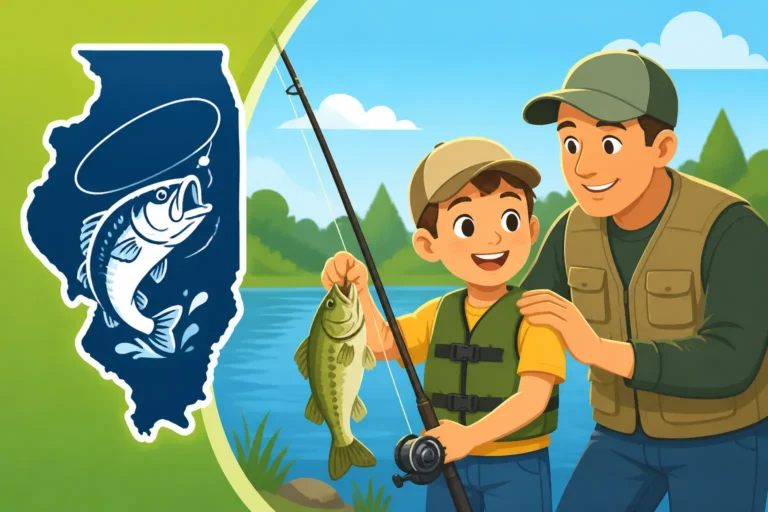
For Illinois residents, the rule is pretty straightforward: if your child is under the age of 16, they do not need a fishing license. That's right, kids aged 15 and under can cast their lines in most public waters across the state without needing to purchase an Illinois fishing license. This policy is fantastic for encouraging youngsters to get into the sport, removing a common barrier for families. Imagine the relief of not having to budget for another license when you're already trying to keep track of rods, reels, and bait! This means if you have a 10-year-old, a 12-year-old, or even a 15-year-old, they can fish alongside you license-free. This generosity from the state really makes it easier to foster a love for the outdoors in the next generation.
However, once your child celebrates their 16th birthday, the game changes. From that day forward, they are considered an adult in the eyes of the IDNR for licensing purposes and will need to acquire a valid Illinois fishing license to continue fishing legally. This transition is important to remember as your young angler grows, and you'll want to ensure they're covered before their next trip out on the water. You can find more details on general requirements in our comprehensive guide on the Illinois Fishing License Guide for 2026.
Understanding Non-Resident Youth Requirements
Now, if you're visiting Illinois with your family from out of state, the same general age threshold applies. Non-resident youth under 16 years of age are also exempt from needing an Illinois fishing license. So, if Grandma and Grandpa are bringing the grandkids from, say, Missouri or Indiana for a weekend fishing trip, those kids under 16 don't need a license to fish in Illinois waters. This is a common point of confusion, as many states have differing reciprocity agreements or specific youth non-resident licenses. The simplicity of Illinois's approach for youth under 16 is a welcome relief for traveling families.
For those non-resident young anglers who are 16 or older, they will need to purchase an appropriate non-resident fishing license. These licenses come in various durations, such as a 24-hour, 3-day, or annual option, allowing flexibility depending on the length of their stay. You can explore the various options and costs for visitors in our guide on Illinois Fishing License Costs for Out-of-State Anglers.
Exceptions and Special Considerations for Youth Anglers
While the "under 16, no license needed" rule is a solid baseline, there are a few important nuances and exceptions that every parent should be aware of. Overlooking these details could lead to unnecessary confusion or, in rare cases, a citation.
Required Stamps for Specific Species
Even if a youth angler under 16 doesn't need a general fishing license, there's a crucial point about special stamps. In Illinois, if you're fishing for certain species, like trout or salmon, you'll need to purchase an additional stamp, regardless of age. This applies to both residents and non-residents. So, if your youngster is excitedly targeting rainbow trout in a stocked pond or hoping to reel in a coho salmon on Lake Michigan, they will need the appropriate stamp.
For example, to fish for salmon or trout in Lake Michigan, even a 12-year-old needs a Lake Michigan Salmon Stamp. Similarly, if you're heading to one of Illinois's many trout-stocked lakes or streams, a child under 16 will still need an Inland Trout Stamp. These stamps fund conservation efforts specifically for these popular species and are distinct from the general fishing license. You can learn more about these specific requirements in our article detailing Illinois Trout and Salmon Stamp Requirements. It’s a small detail, but an important one to remember when packing your tackle box.
Illinois Free Fishing Days and License-Free Weekends
One of the best times to introduce kids to fishing, or for any angler to enjoy the sport without the usual requirements, is during Illinois's Free Fishing Days. The state typically designates a specific period, usually in June, where both residents and non-residents can fish Illinois waters without needing a license or stamps.
These events are a fantastic opportunity for families. Imagine not having to worry about any licensing paperwork at all – just grab your gear and head to your favorite spot! It’s an intentional effort by the state to promote fishing and outdoor recreation. These days are particularly great for families because it completely removes the license question from the equation, making it truly hassle-free. While typically covering a few days, usually lining up with Father's Day weekend, it's always wise to check the official IDNR calendar each year for the exact dates. We cover these specific dates and rules in depth in our guide on Illinois Free Fishing Days and License-Free Weekends.
Fishing on Private Ponds and Waters
The rules for fishing licenses primarily apply to public waters – lakes, rivers, and streams managed by the state or federal government. What about private ponds or lakes? Generally, if you're fishing in a wholly private pond or lake that is entirely contained within private property and does not have a public access point or connection to public waterways, you typically do not need a state fishing license. This can include small farm ponds, private fishing clubs, or even some residential lakes where access is strictly controlled by property owners.
However, there's a caveat: if that private water body has an inlet or outlet that connects to a public waterway, or if it's open for public fishing (even if privately owned), then state fishing license requirements usually apply. It’s always best to clarify with the property owner or local authorities if you're unsure about the status of a particular private water body. For most family outings on a friend's farm pond, you're likely in the clear without a license for anyone, regardless of age, but it's a good distinction to understand.
Acquiring a License for Your Teen Angler
When your child turns 16, or if they're an older non-resident, the process of getting their first fishing license is quite simple thanks to modern technology and accessible purchasing options. This table outlines the general age categories and associated license needs for residents.
| Age Category | Illinois Resident Fishing License Needed? | Special Stamps Needed (Trout/Salmon)? | Notes |
|---|---|---|---|
| Under 16 | No | Yes (if targeting trout/salmon) | Exempt from general license. Great for introducing kids to fishing! |
| 16-64 | Yes | Yes (if targeting trout/salmon) | Standard adult license required. |
| 65-74 | Yes (discounted senior license) | Yes (if targeting trout/salmon) | Eligible for senior discount. Refer to Illinois Senior Fishing License Discounts for Ages 65 to 74. |
| 75 and Up | Yes (super senior discount, nearly free) | Yes (if targeting trout/salmon) | Eligible for significant discount. Refer to Illinois Super Senior Fishing License for Ages 75 and Up. |
| Disabled | Yes (discounted options) | Yes (if targeting trout/salmon) | Various discounted options available for qualifying disabled residents. |
Where to Buy a Fishing License
There are several convenient ways to purchase an Illinois fishing license for your teen. You don't have to jump through hoops or take a day off work to get it done.
- Online: This is by far the easiest and most popular method. The Illinois Department of Natural Resources (IDNR) website allows you to purchase and print your license from the comfort of your home. You simply create an account, select the desired license type (annual, 24-hour, etc.), pay with a credit card, and you're good to go. Many anglers even save a digital copy on their phone, which is perfectly acceptable as proof of license. For a step-by-step guide, check out How to Buy an Illinois Fishing License Online.
- Authorized Vendors: Many sporting goods stores, bait shops, and even some large retailers like Walmart or participating Gander Outdoors locations, are authorized to sell Illinois fishing licenses. This is a great option if you prefer to purchase in person or if you want to grab some last-minute bait and tackle while you're there. Just tell the clerk you need an Illinois fishing license, and they'll guide you through the process.
- IDNR Offices: You can also visit an IDNR office, though this is often less convenient than the online or vendor options for most people.
When purchasing, whether online or in person, your teen will need to provide some basic personal information, including their name, address, date of birth, and possibly a form of identification. Make sure they have a valid ID ready if buying in person, especially if they look younger than their age.
Choosing the Right License Type
For a 16-year-old resident, the most common choice will be the annual resident fishing license. This covers them for the entire Illinois license year, which runs from April 1st through March 31st of the following year. So if they get it in May, it’s good until the following March.
If your teen is just trying out fishing for the first time, or only plans to go once or twice a year, a 24-hour resident fishing license might be a more cost-effective option. It offers flexibility without the commitment of a full annual purchase. You can explore the various options, including costs, in our guide on Illinois Resident Annual Fishing License Cost and Illinois Resident 24-Hour Fishing License Cost. For non-residents, similar options like a 3-day license are available, which can be perfect for a long weekend trip.
Remember, the goal is to make fishing accessible and enjoyable. Getting that first license for a new adult angler is a rite of passage, signifying their official entry into the broader fishing community. You can even pick up some essentials like a sturdy tackle box or a new rod and reel combo on Amazon to celebrate the occasion!
The Importance of Licensing and Conservation
Understanding when a youth fishing license is required isn't just about avoiding a fine; it's about being a responsible steward of Illinois's natural resources. Every fishing license and stamp purchased plays a vital role in maintaining the health and vibrancy of our state's fisheries.
Funding Conservation Efforts
The revenue generated from fishing license sales directly supports the Illinois Department of Natural Resources (IDNR). This money doesn't just sit in a general fund; it's specifically earmarked for crucial conservation programs. These include:
- Fish Stocking: The IDNR regularly stocks various fish species, from walleye and channel catfish to trout and salmon, into public lakes and rivers across the state. This helps to maintain healthy fish populations and enhance fishing opportunities for everyone.
- Habitat Restoration: Funds go towards projects that improve fish habitats, such as restoring aquatic vegetation, improving water quality, and creating structures that provide shelter and spawning grounds for fish.
- Research and Management: Scientists use license revenue to conduct important research on fish populations, monitor water quality, and develop effective management strategies to ensure sustainable fishing for future generations.
- Public Access: Funds also help maintain public boat ramps, fishing piers, and other access points, ensuring that anglers of all ages and abilities can enjoy Illinois's waters.
- Enforcement: Conservation police officers, who are responsible for enforcing fishing regulations, are also supported by these funds. Their work ensures fair fishing practices and helps protect our resources from overfishing or illegal activities.
When your teen purchases their first fishing license, they become an active participant in these vital conservation efforts. It's a way for them to give back to the sport they love and ensure that future generations, perhaps even their own kids someday, will have abundant fishing opportunities. Think of it as their contribution to keeping Illinois a fantastic place to wet a line.
Instilling Responsible Angling Habits
Teaching kids the importance of having the proper license and following regulations goes hand-in-hand with teaching them ethical fishing practices. From learning about Illinois Fishing Season and Catch Limit Rules to understanding site-specific regulations for a particular lake (which you can learn more about in Why Fishing Rules Vary by Lake and River), every piece of information contributes to being a responsible angler.
Discussing why these rules exist—to protect fish populations, maintain ecosystems, and ensure fairness—can help solidify these values in young minds. It's not just about catching fish; it's about respecting the environment and the sport itself. You can even involve them in selecting some environmentally friendly tackle options available on Amazon when preparing for your trips. Ensuring that your young angler understands and adheres to licensing requirements is an integral part of their journey to becoming a knowledgeable and conservation-minded individual.
Final Thoughts on Youth Fishing Licenses
Navigating the rules for youth fishing licenses in Illinois is actually quite simple once you know the basics. The key takeaway is that children under 16 generally don't need a license, making it incredibly accessible for families. However, don't forget those crucial stamps for trout and salmon, regardless of age! As your young angler approaches 16, guide them through the process of obtaining their first license, which can be easily done online or at a local vendor. This small step not only keeps them legal on the water but also connects them to the larger community of anglers who support conservation efforts across the state. So grab those rods, pack some snacks, and get ready to create some unforgettable fishing memories with the young anglers in your life!
Disclaimer
The information provided in this guide is for general informational purposes only and is subject to change. While we strive to offer accurate and up-to-date details, fishing regulations, license requirements, and fees are determined by the Illinois Department of Natural Resources (IDNR) and can be updated at any time. It is always the angler's responsibility to consult the most current official IDNR regulations and guidelines before fishing.